Engineering Support · How We Work

From First Inquiry to Repeat Order: Ten Stages, and What You Receive at Each One

Every stage ends with something you can check: a missing-data list, a quotation that follows the confirmed drawing, a sample, written order and payment confirmation, a Thursday status update, pre-shipment readings, photos and video, shipping documents — and, if an issue occurs, a written root-cause report.

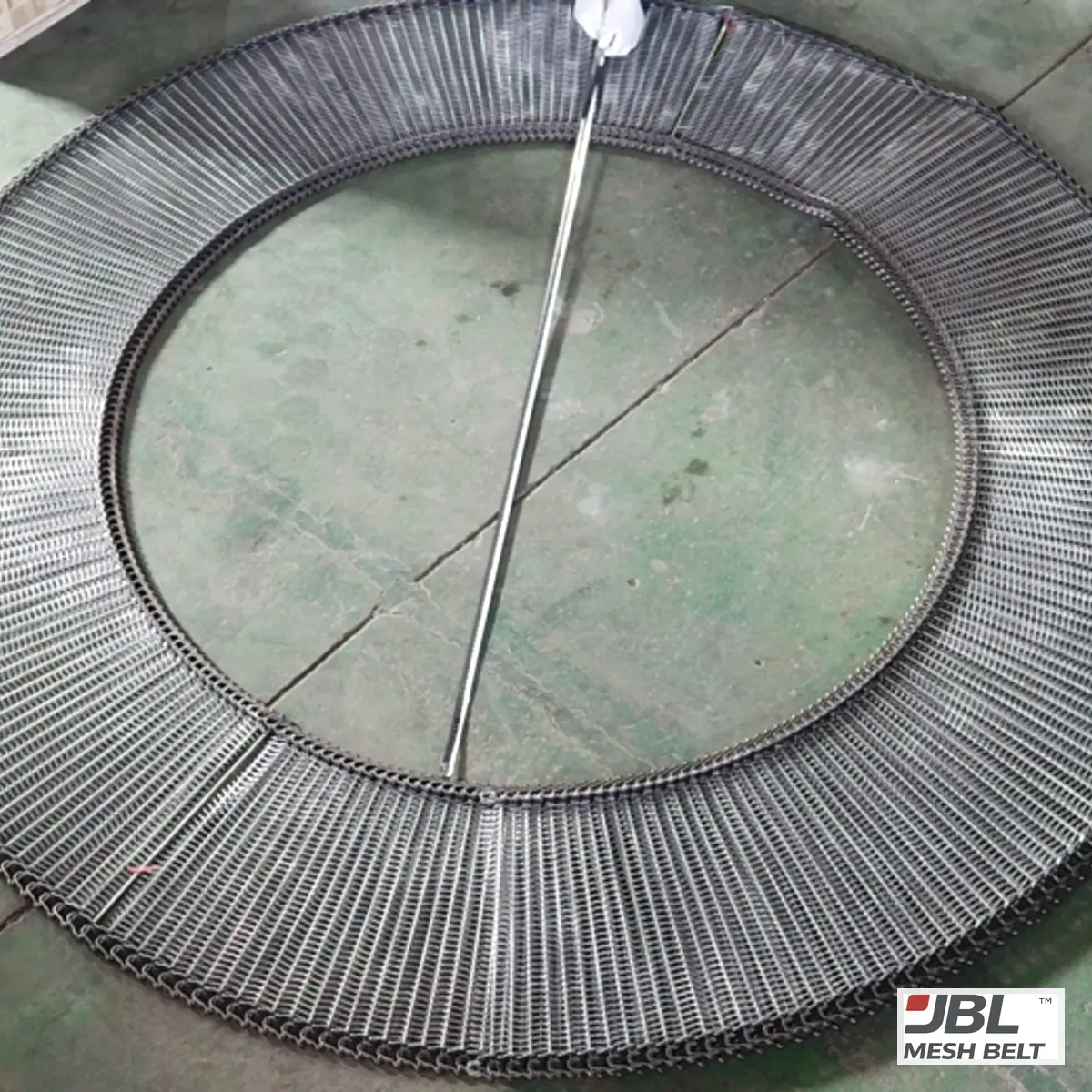
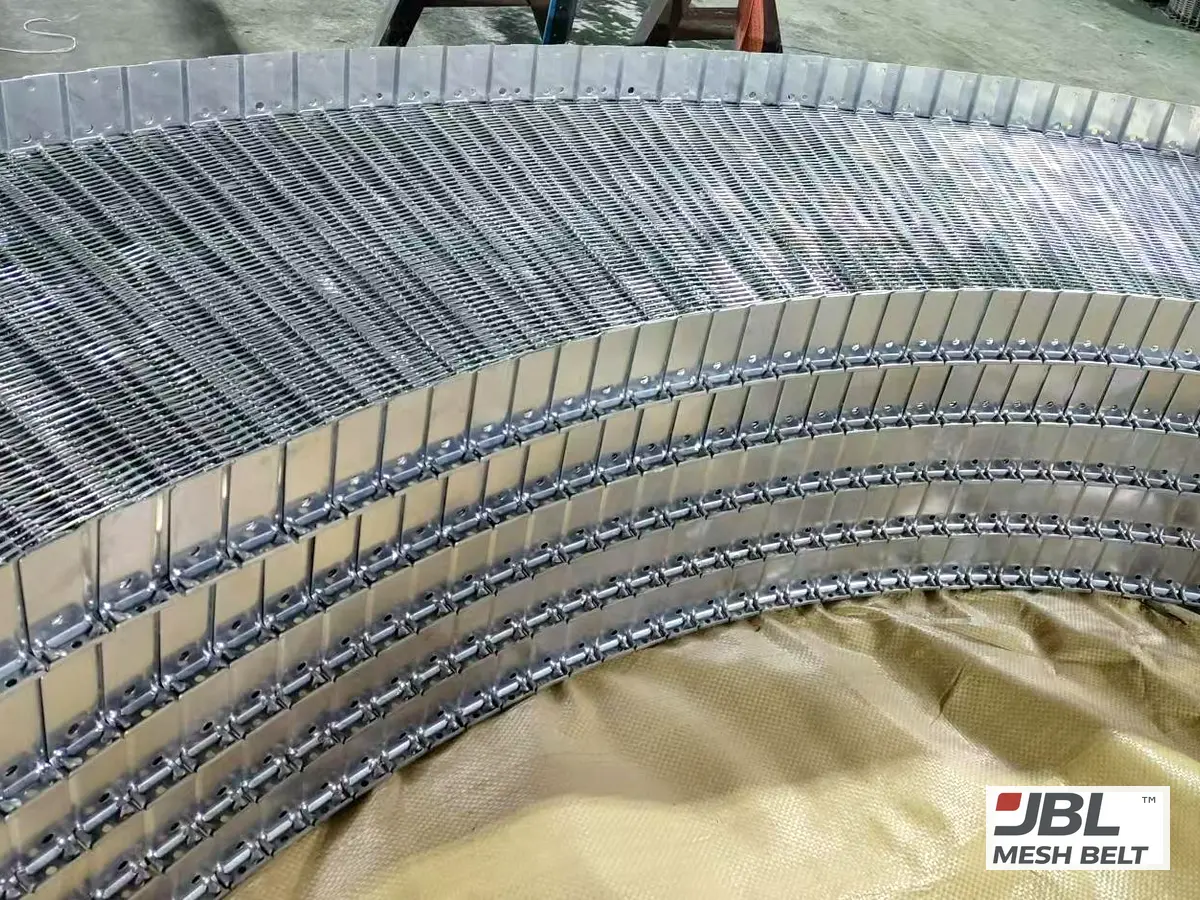
Spiral freezer belt on a test drum before shipment
Start
Photos, a drawing or an old belt section
Before bulk
Sample approval where required
During production
Status update every Thursday
Before shipment
Readings, photos and test video
01
Ten stages

What Happens at Each Stage — and What You Receive

Each stage answers one buyer question and ends with something in your hands. You always know what is confirmed, what is open and what we need from you.

  1. 01

    Inquiry

    “Does this supplier understand my equipment?”

    We identify the application, equipment and belt type, and list the information still needed.

    You receive: A first reply with the missing-data list for your project

  2. 02

    Engineering review

    “Will this belt really fit my line?”

    We review the old belt, drawing or photos, and check structure, dimensions, drive and operating conditions.

    You receive: Review notes with confirmed and open technical points

  3. 03

    Quotation, step by step

    “Is the price based on the right specification?”

    Photos and basic dimensions support an indicative quotation. A formal quotation follows confirmed drawings or specifications. Any revision is marked and explained.

    You receive: Indicative quotation, then formal quotation with changes highlighted

  4. 04

    Sample and validation

    “What if the new supplier gets it wrong?”

    Where the project requires it, a sample is made, compared with the drawing by photo, and sent for your confirmation before production.

    You receive: Sample photos, then the physical sample for approval

  5. 05

    Order confirmation

    “Will what we agreed be built exactly?”

    Product, quantity, technical and delivery requirements are confirmed item by item. All special requirements are written into the order documents.

    You receive: Proforma invoice and confirmed specification

  6. 06

    Payment confirmation

    “Did you receive our payment? Has production started?”

    Once payment is received, we confirm it in writing and release the confirmed specification to production.

    You receive: Written payment confirmation and production start notice

  7. 07

    Production follow-up

    “Who keeps me informed?”

    Active projects receive a status update every Thursday. Any drawing change follows a controlled revision.

    You receive: Thursday status: current stage, completed items, pending actions, your actions, next milestone

  8. 08

    Pre-shipment review

    “Is what we receive what we approved?”

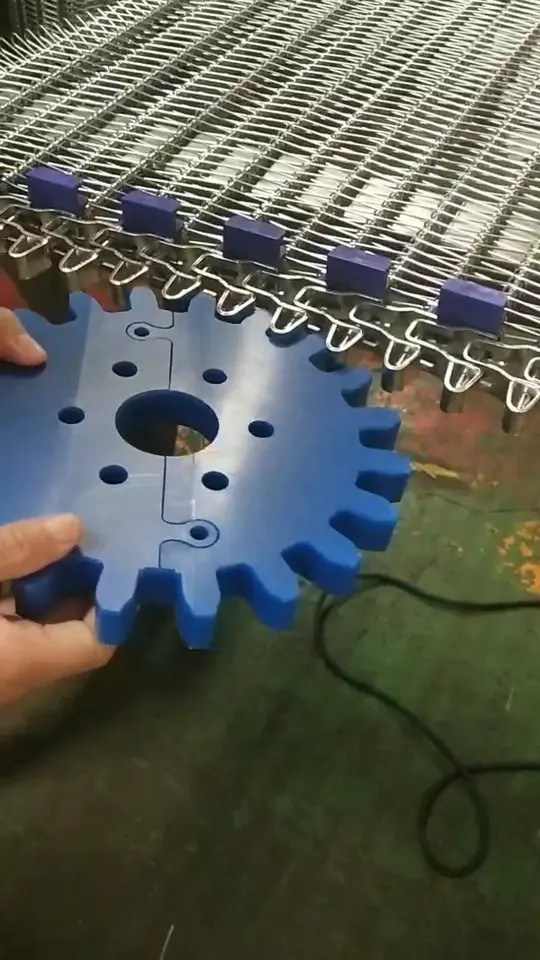
    Inspection data, photos and video are reviewed before packing. Replacement belts are compared with the original sample; belt–sprocket fit and drum photos are checked where applicable.

    You receive: Pre-shipment inspection data, photos and video

  9. 09

    Shipment and documents

    “Will customs and receiving go smoothly?”

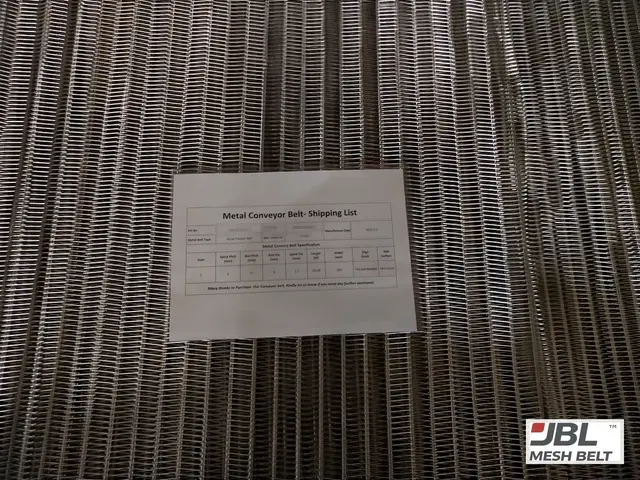
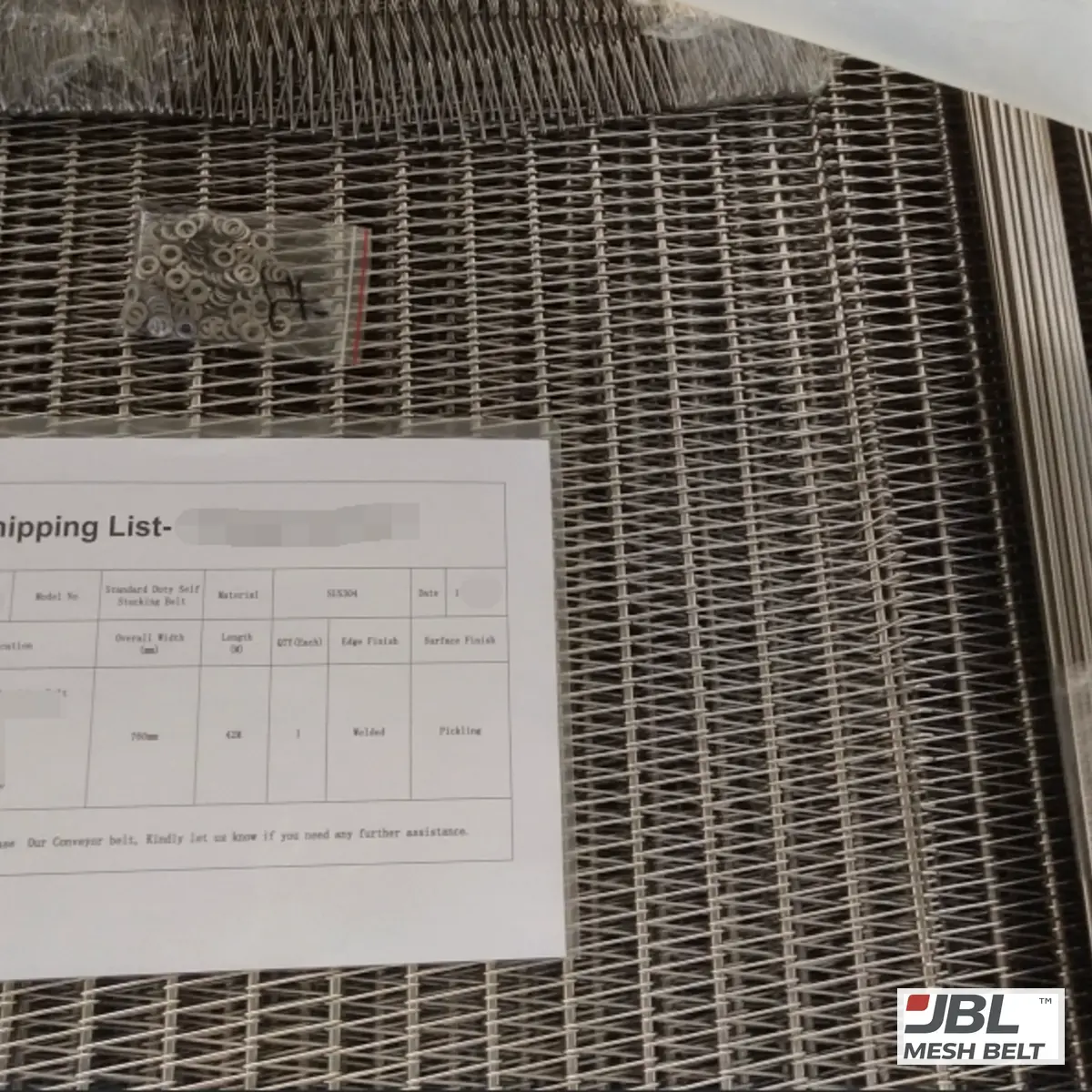
    Packing is confirmed. A shipping email lists confirmed items and special requirements. Material and export documents are prepared for the applicable order.

    You receive: Shipping email, packing list, material and export documents as confirmed for your order

  10. 10

    After-sales and repeat orders

    “Is anyone responsible after delivery?”

    Feedback is recorded. If an issue occurs, it is investigated against drawings, inspection records and operating conditions, and closed in writing. Repeat orders follow the recorded specification.

    You receive: Problem, root cause, corrective and preventive action report; consistent repeat supply

02
Buyer concerns

The Four Questions Buyers Ask First

Will the new belt fit my equipment?

Fit is decided by the system, not the belt alone. Drum (cage) diameter, turn ratio, running direction, sprockets, edge type and operating conditions are checked against your drawing, old belt or equipment data. If key data is missing, we tell you what is needed before giving a fit conclusion.

Will it run smoothly, without jamming or tracking problems?

Many running problems come from mismatches that can be checked before production: direction, pitch, sprocket engagement, belt width and edge structure. These points are confirmed during review, and belt–sprocket fit or drum photos can be shared before shipment.

Who controls quality?

JBL sets project QC checkpoints from the confirmed drawing and confirms them with the production resources for your order. Before shipment, inspection data, photos and video are reviewed and shared with you.

Will I know where my order is?

Every active project receives a status update on Thursday: the current stage, what is complete, what is pending, what we need from you, and the next shipment milestone.

03
Project QC checkpoints

Six Checkpoints Before Your Belt Is Released

Set from your confirmed drawing and confirmed with the production resources for your order. You see the readings, photos and video before the crate is closed.

  1. QC checkpoint 01: Raw material
    01

    Raw material

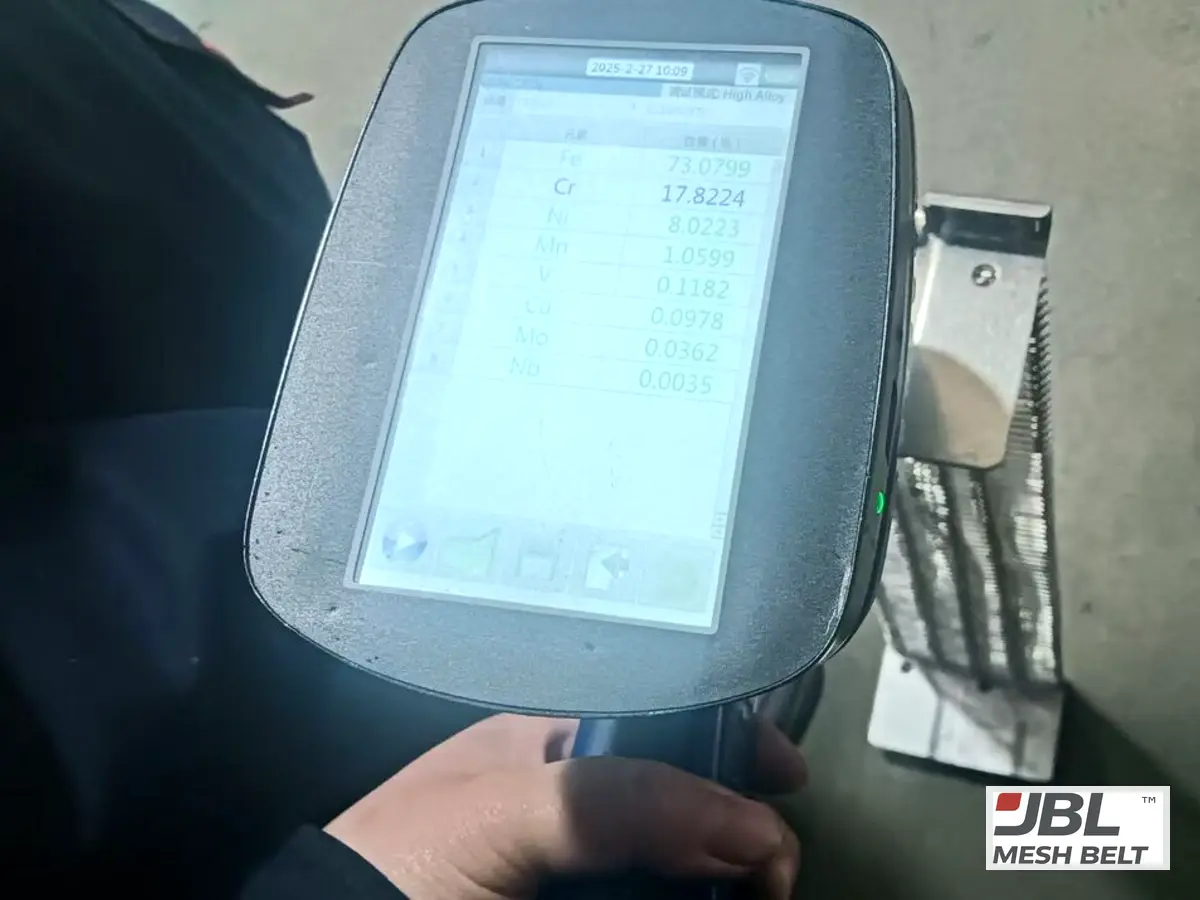
    Incoming material checked; material documents prepared as required for the order. A third-party laboratory material test report can be arranged on request.

  2. QC checkpoint 02: Wire and component forming
    02

    Wire and component forming

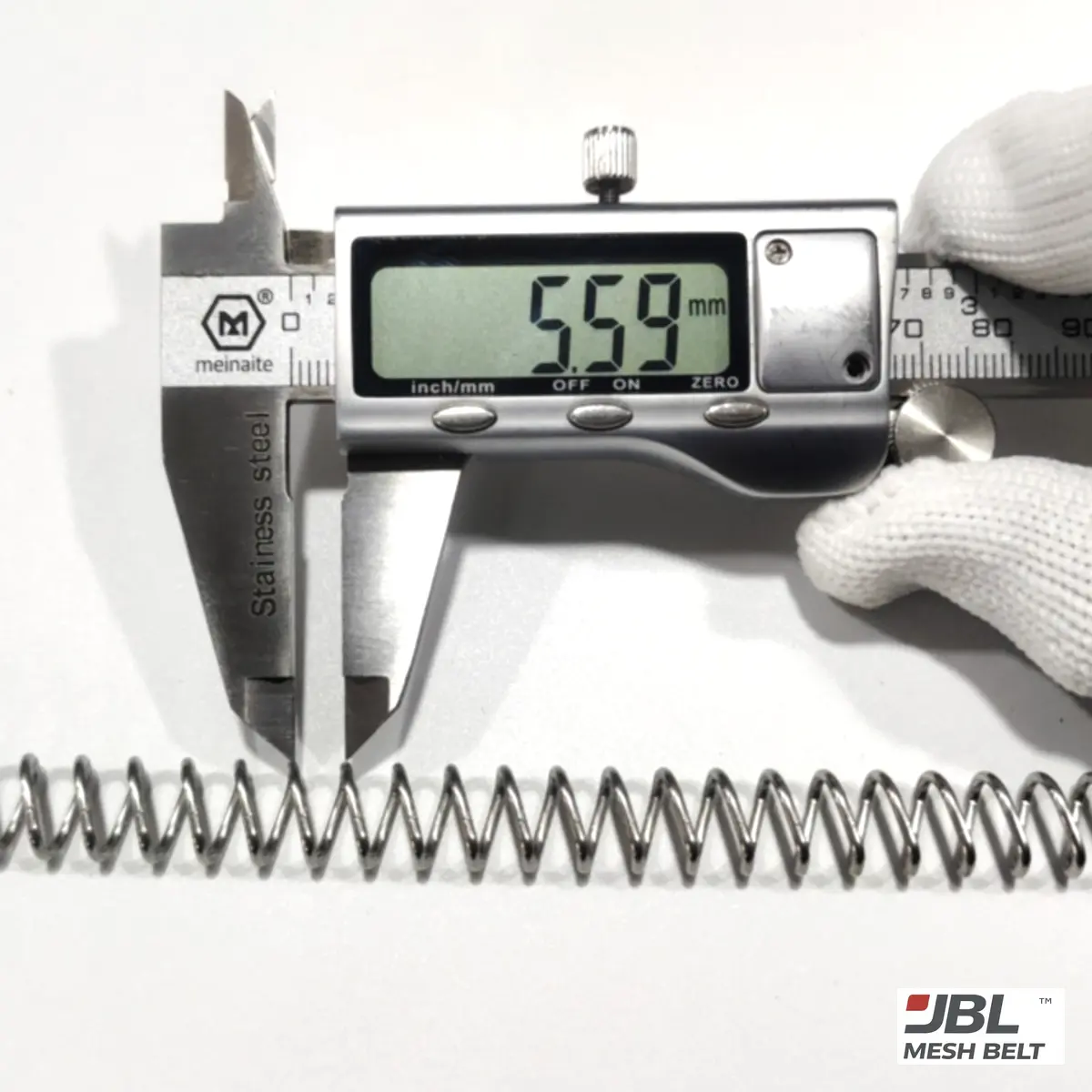
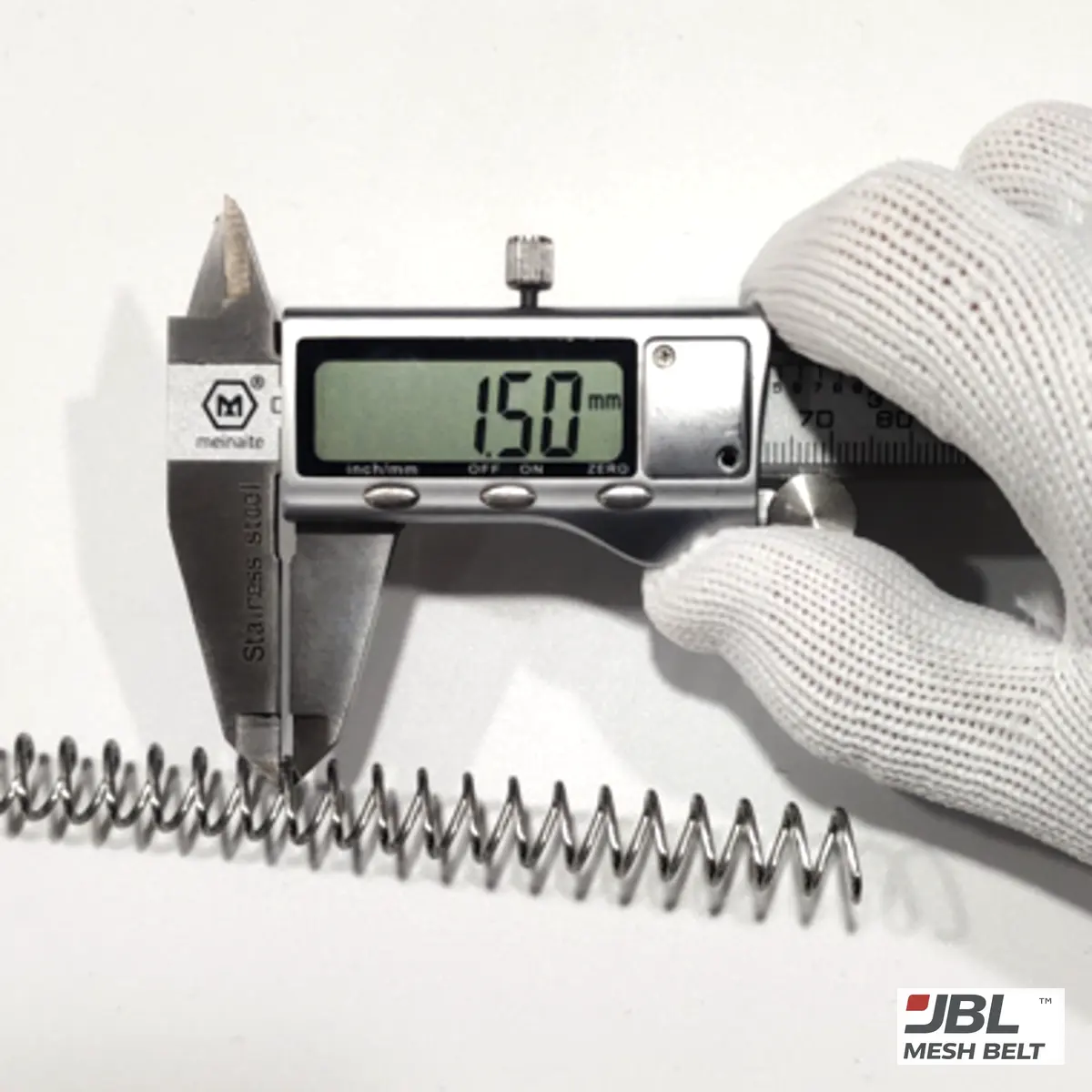
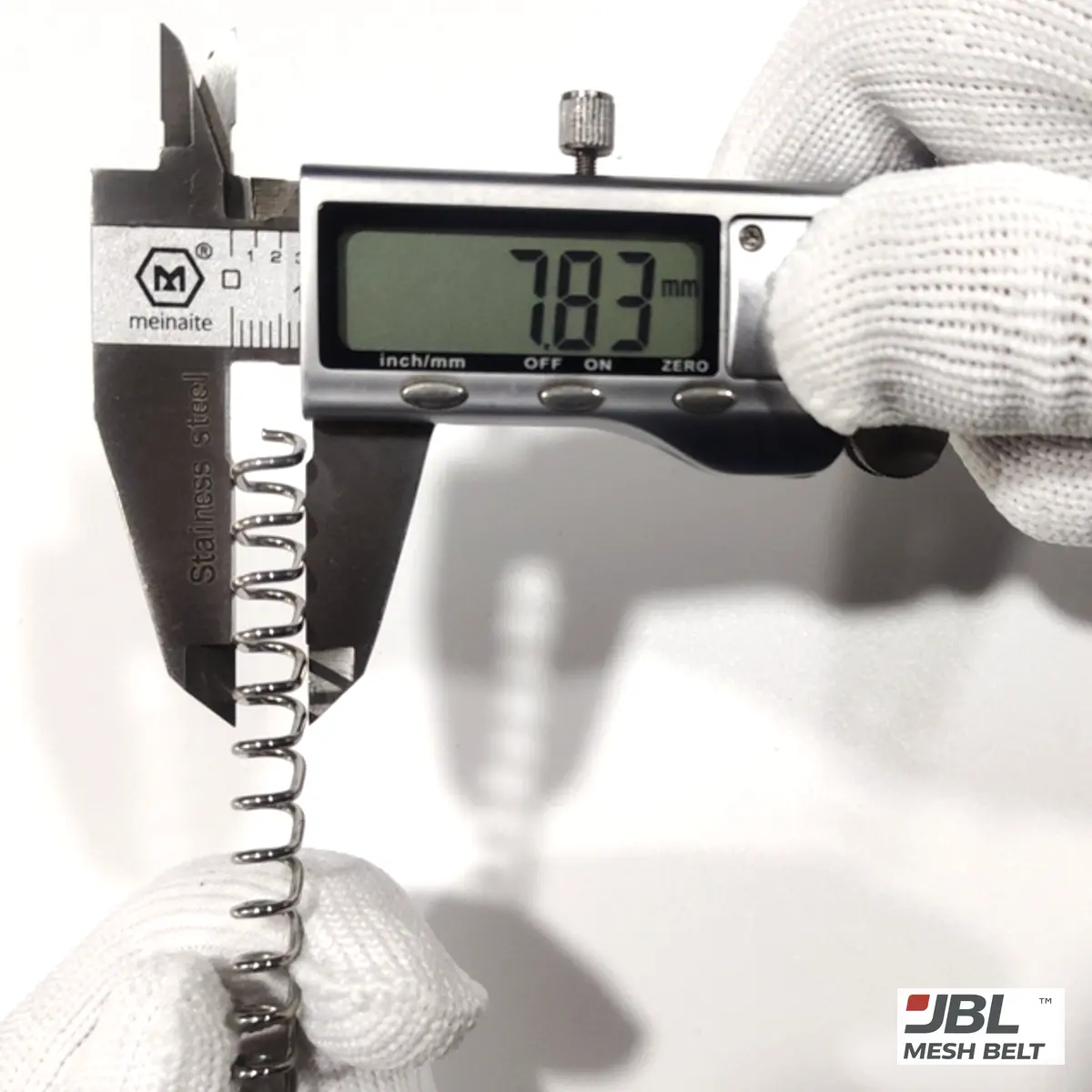
    Wire diameter, pitch and formed parts checked against the confirmed specification.

  3. QC checkpoint 03: Welding and assembly
    03

    Welding and assembly

    Weld points, edges and connections checked; burr and contact points reviewed. Tensile tests run on a tensile testing machine where the project requires it.

  4. QC checkpoint 04: Functional tests
    04

    Functional tests

    Drum-diameter, stacking, straightness or sprocket running tests, depending on the belt type.

  5. QC checkpoint 05: Final dimensions
    05

    Final dimensions

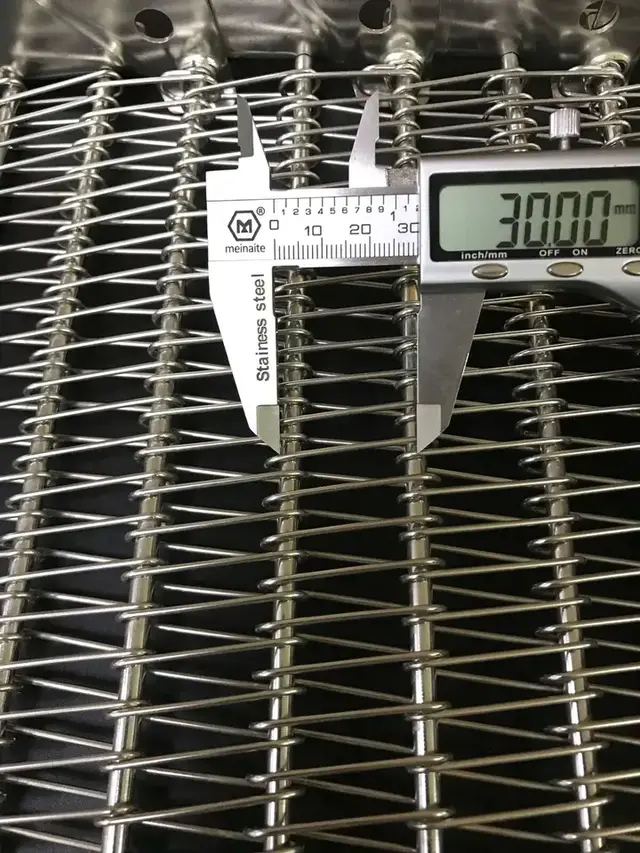
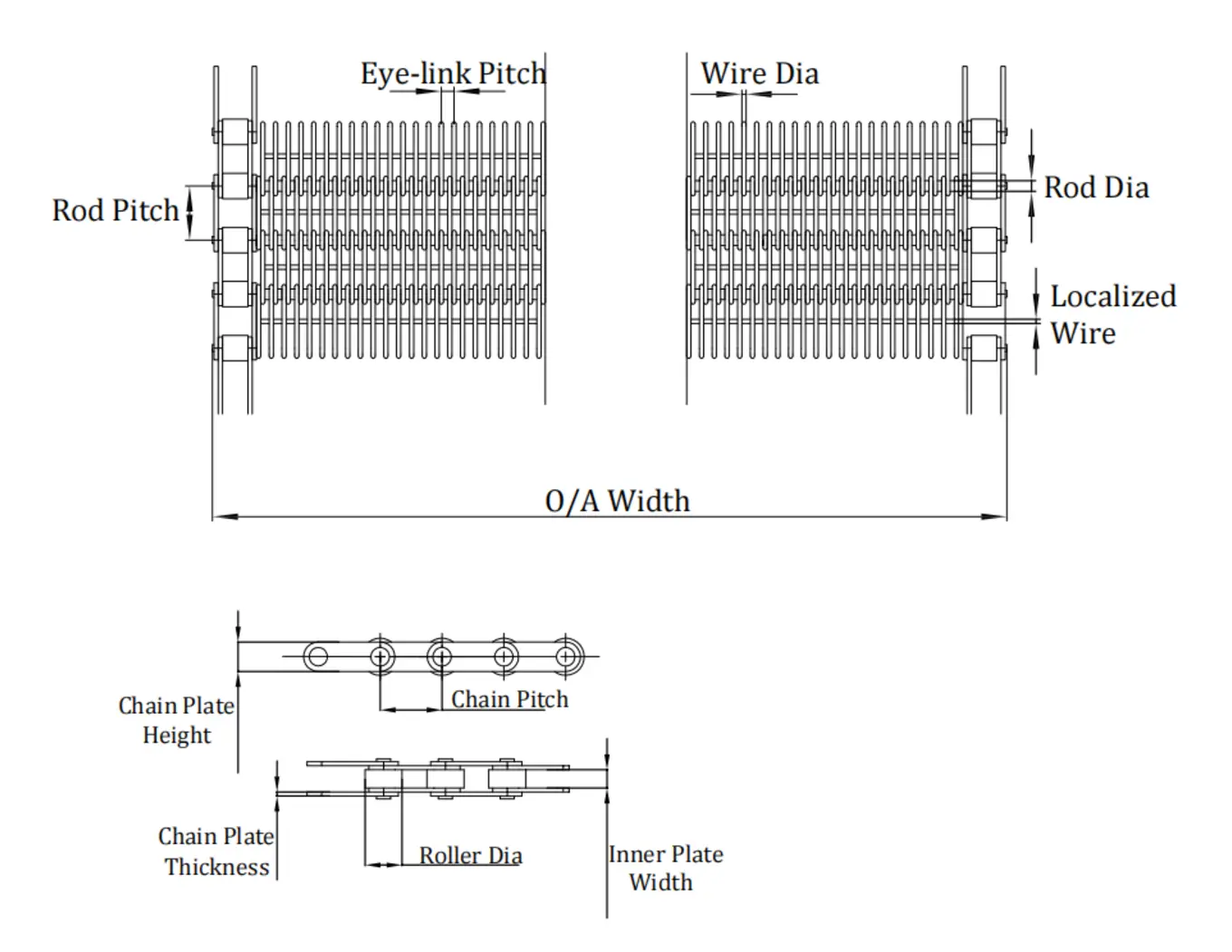
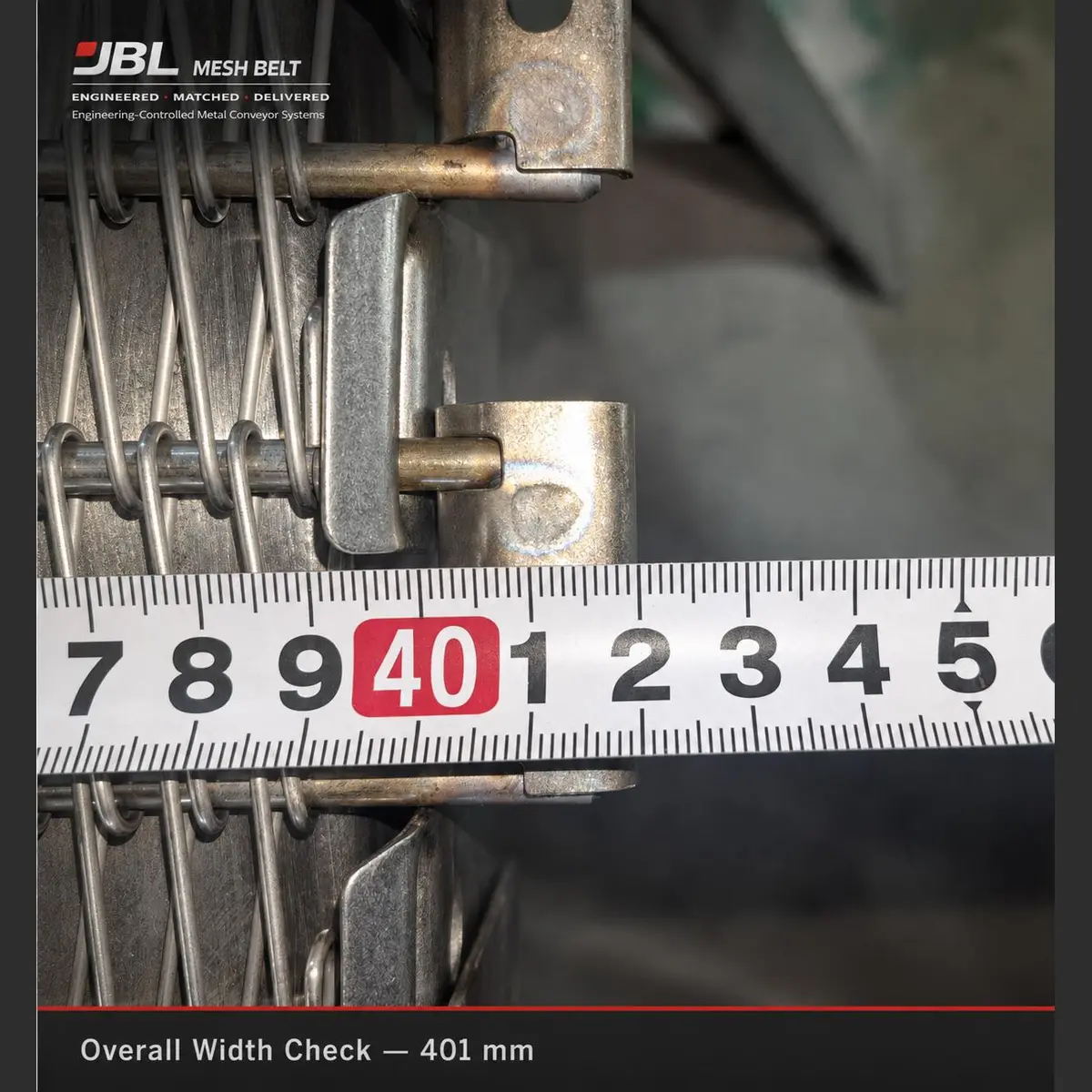
    Width, pitch, rod and wire dimensions measured and recorded before release.

  6. QC checkpoint 06: Packing and release
    06

    Packing and release

    Packing method confirmed; pre-shipment photos reviewed before the crate is closed.

04
Known risks by belt

What Usually Goes Wrong — Belt by Belt — and How It Is Controlled

Each belt type has its own weak points. They are written into the order before production, not discovered after delivery.

BeltTypical risk pointsHow they are controlled
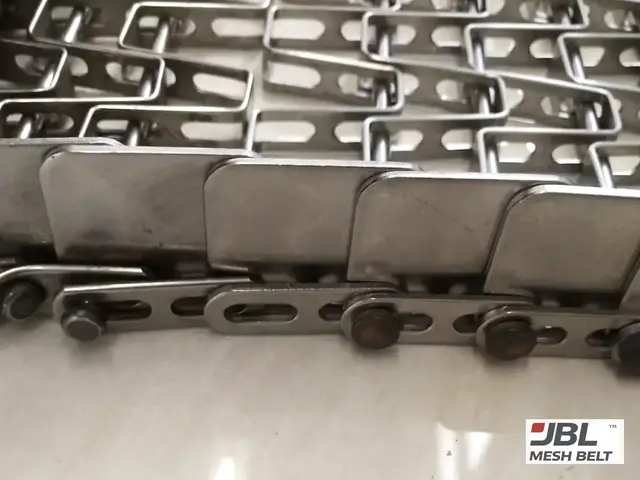
Spiral Freezer BeltDrum diameter, turn ratio, running direction, edge structureConfirmed against equipment data; drum-diameter testing before shipment
Self-Stacking BeltRunning direction (CW / CCW), stacking clearance, side-plate and support-rod alignment, uneven welding, colour variation after picklingDirection confirmed at inquiry; first-piece check; drum-diameter, stacking and straightness tests
Eye Link BeltWrong pitch, unsuitable or bent reinforcement, surface residuePitch confirmed against the drawing before order; first-piece check; full pickling
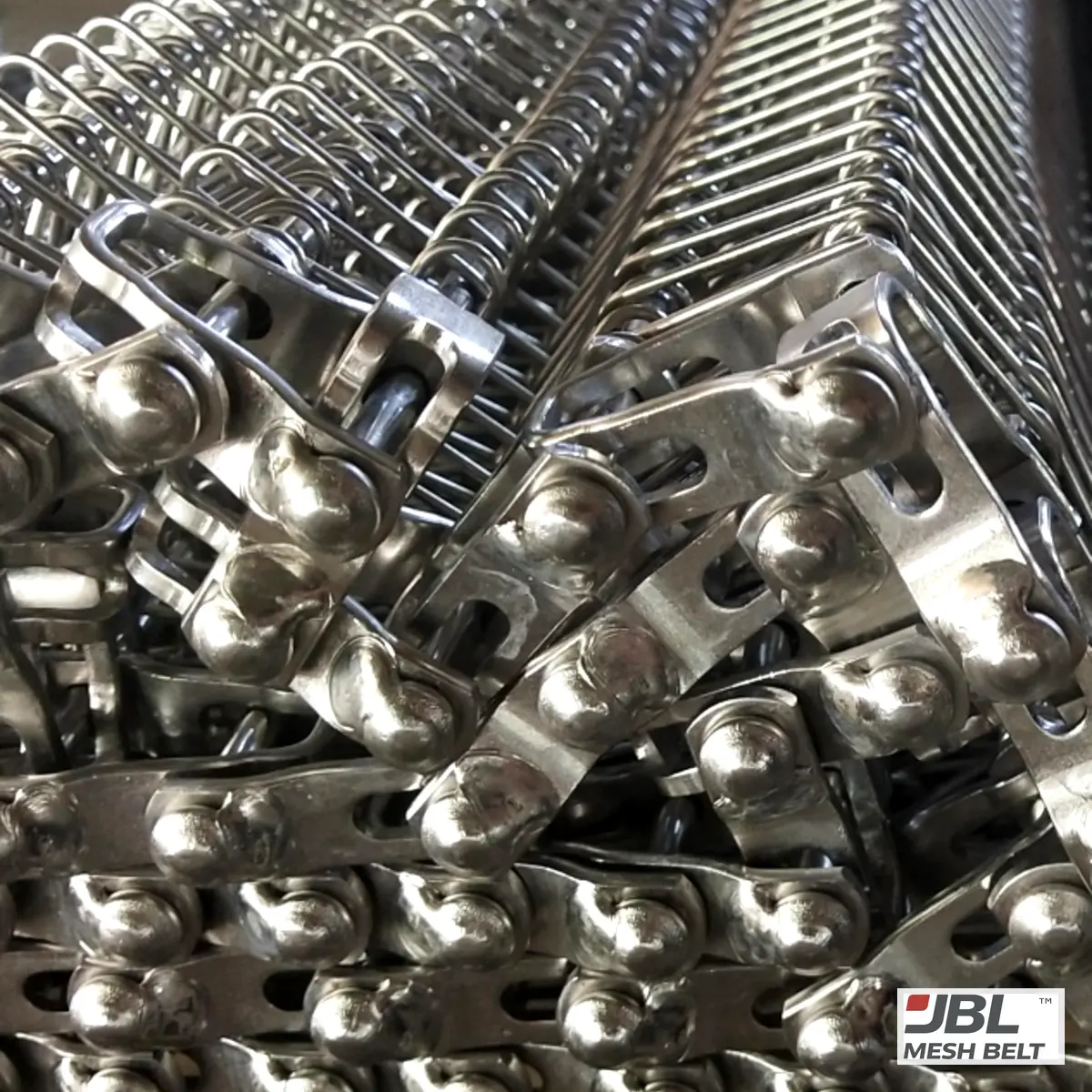
Chain-Driven BeltChain joints, edge deformation, protruding welds, chain–sprocket–belt mismatch, surface residueComplete first piece confirmed; welds finished smooth; trial assembly check
Balanced Weave BeltJoining method, width out of tolerance causing tracking, sprocket pitch mismatch, uneven surface on small pitchesJoining, drive and wire confirmed at quotation; multi-point width and fit check before shipment
Flat Wire / Honeycomb BeltStrip scratches, uneven gaps, wrong number of chains, insufficient finishingChain quantity confirmed at order; finished appearance check
Side-Driven BeltWeld residue, turning mismatch with the existing system, clip problems, plastic part temperature limitsWeld cleaning; repeat orders checked against the previous order; operating temperature confirmed
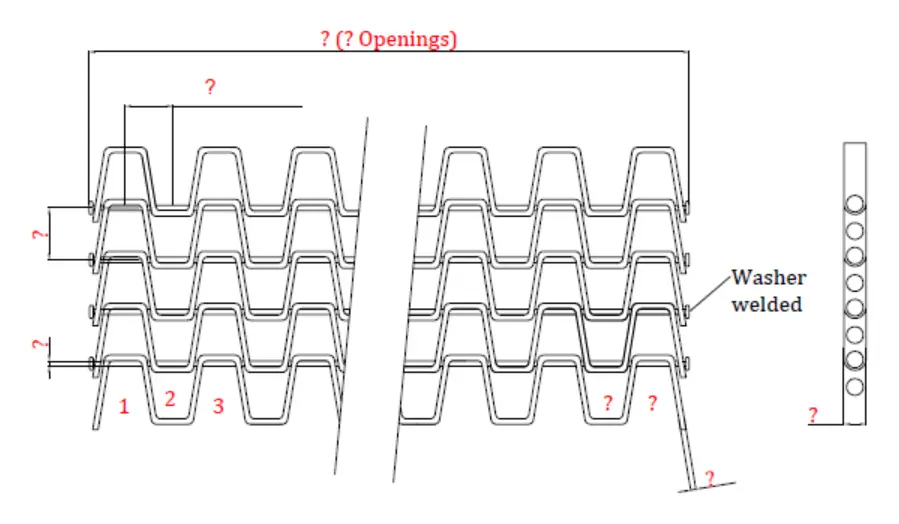
Z-Type Ladder BeltNumber of openings, edge finishing and width, packing contaminationConfirmed against photos; packed clean and dry, labels removed
SprocketsMarks on tooth faces, scratches, burrsTooth faces polished; deburring check; packed individually

Replacing a belt on an existing line?

The same stages apply — starting from your old belt, photos or drawing.

Replacement support →
05
FAQ

Questions Buyers Ask About Working With Us

Q1What happens before I get a quotation?

Five steps: 1) you send a drawing, old belt photos or a sample; 2) we identify the belt and list what is missing; 3) structure, dimensions, drive and direction are checked against your equipment; 4) an indicative quotation follows, then a drawing for your confirmation; 5) where needed, a sample or trial length is made and approved before bulk production.

Q2Can you provide material certificates and strength tests?

Material documents are prepared as required for the order, and a third-party laboratory material test report can be arranged on request. Tensile tests can be run on a tensile testing machine where the project requires it.

Q3Do I need a drawing to start?

No. Photos with measurements, or a section of the old belt, are enough for a first review and an indicative quotation. The formal quotation follows the confirmed drawing or specification.

Q4Will I see a sample before bulk production?

Where the project requires it, a sample is made, photographed against the drawing and sent for your approval before production starts.

Q5How will I know where my order is?

Active projects receive a status update every Thursday: current stage, what is complete, what is pending, what we need from you and the next shipment milestone.

Q6What do I receive before shipment?

Inspection readings, photos and video — for spiral and self-stacking belts including the drum or stacking test — reviewed before the crate is closed.

Q7Who controls quality?

JBL sets the project QC checkpoints from your confirmed drawing and confirms them with the production resources for your order, then reviews the evidence before release.

Q8What if there is a problem after delivery?

It is investigated against the drawing, inspection records and operating conditions, and closed in writing with the root cause and the corrective and preventive action.

Q9Will a repeat order be the same as the last one?

Repeat orders follow the recorded specification, previous shipment photos and any special requirements from the earlier order.

Q10How are commercial terms confirmed?

They depend on the belt and the project, and are confirmed in writing in the quotation.