Chain-Driven Belt · Stainless or Carbon Steel

Replacing a Chain-Driven Belt: Chain Pitch and Sprockets

A chain-driven belt is a metal mesh belt carried and driven by chains, used where stable drive and controlled conveying matter on frying, baking, cooling and freezing lines. Chain model and pitch, rod pitch and belt width must all match your existing line.

Replacing a chain-driven belt, joining a new section to an old one, or fitting out a new line? Before quoting, your chain model and pitch, rod pitch and belt width are checked against your sprockets and old belt. Welds and edges are checked, and you see photos before it ships.

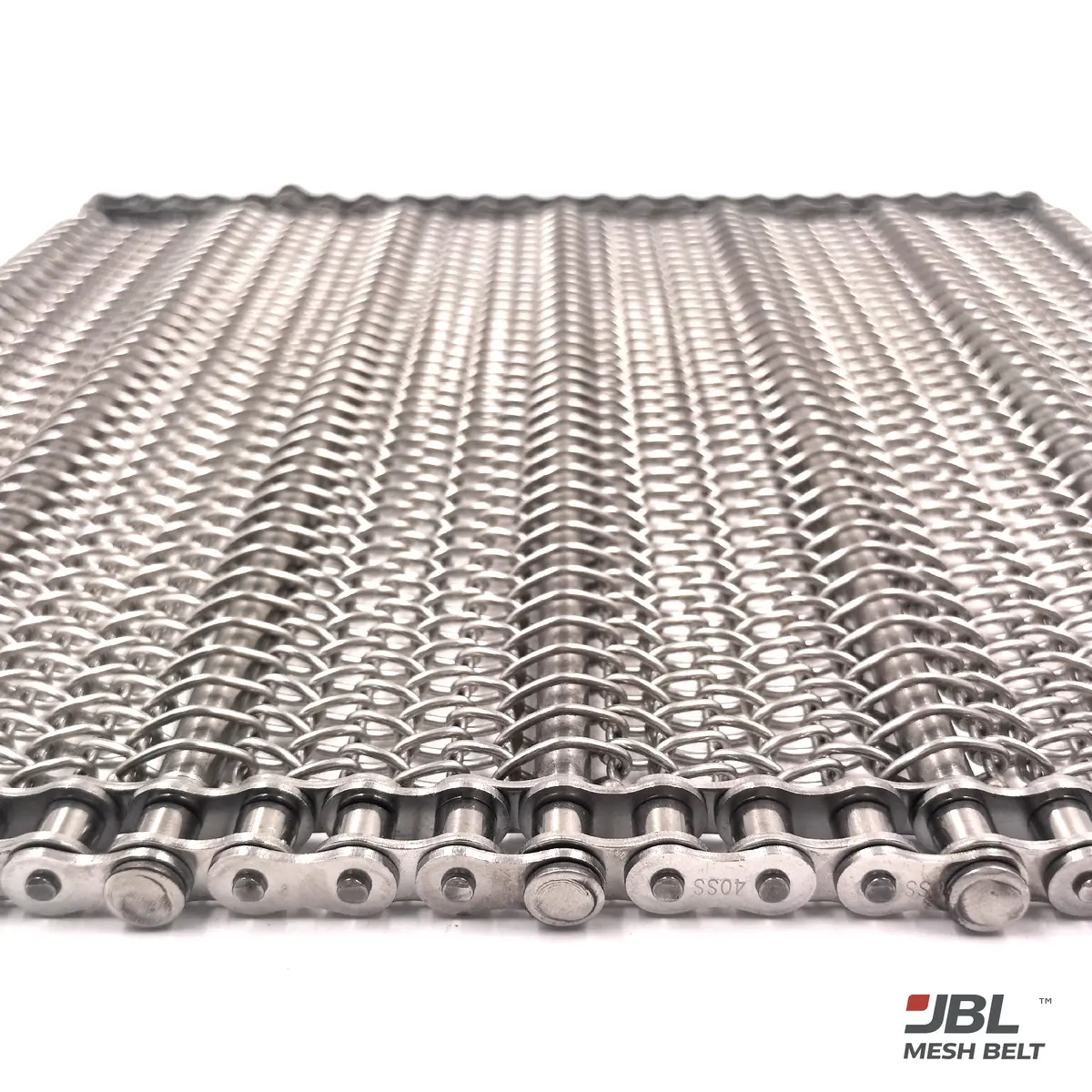
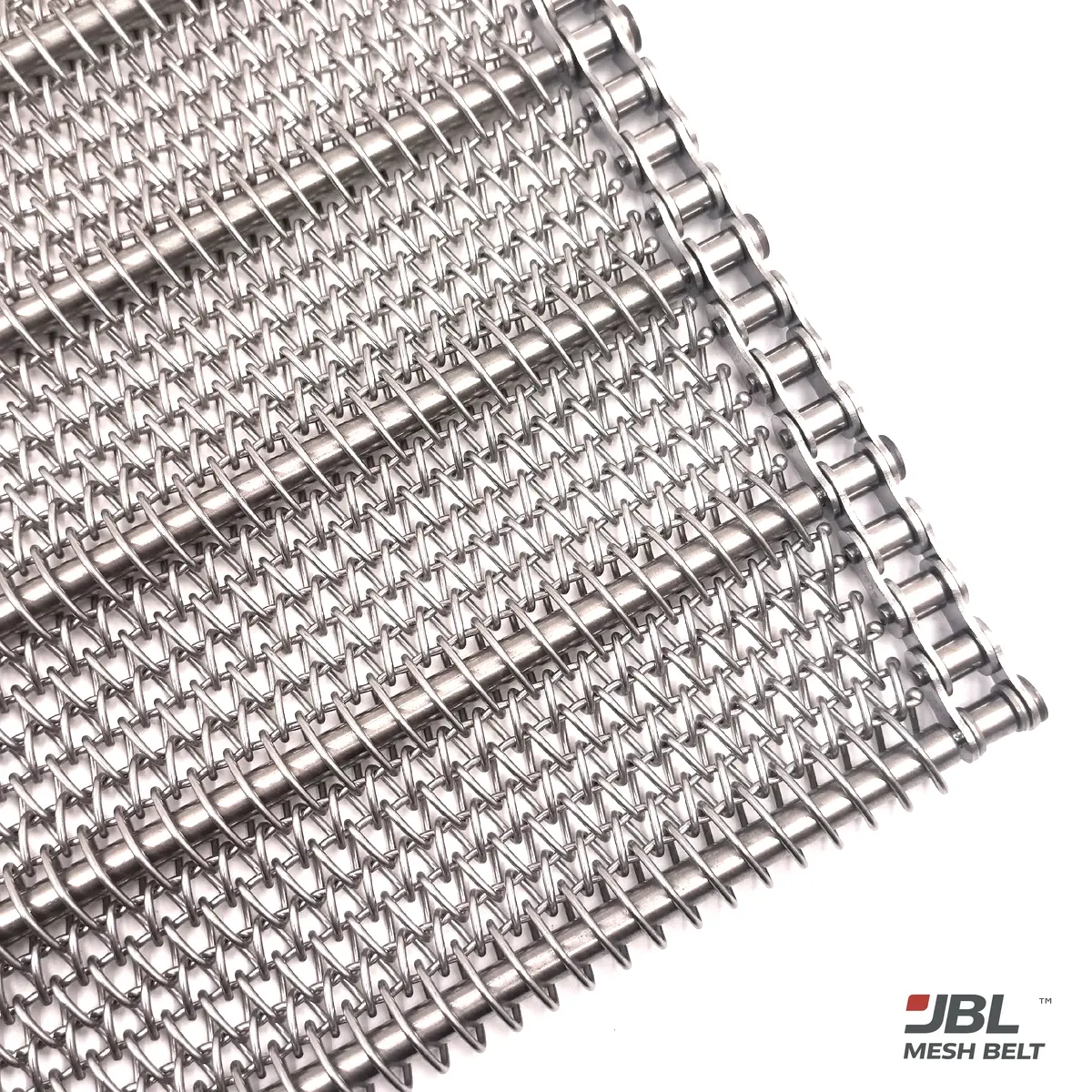
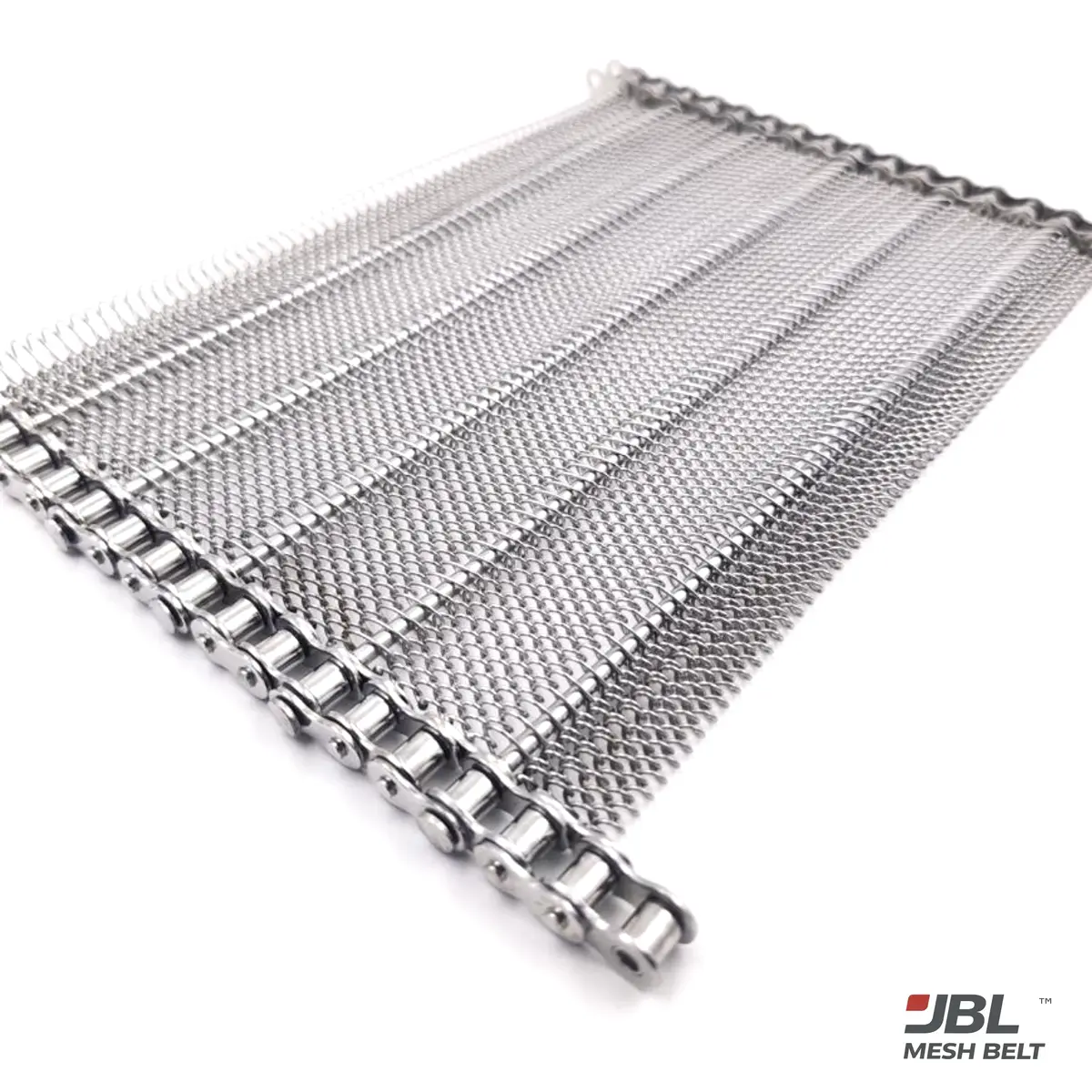
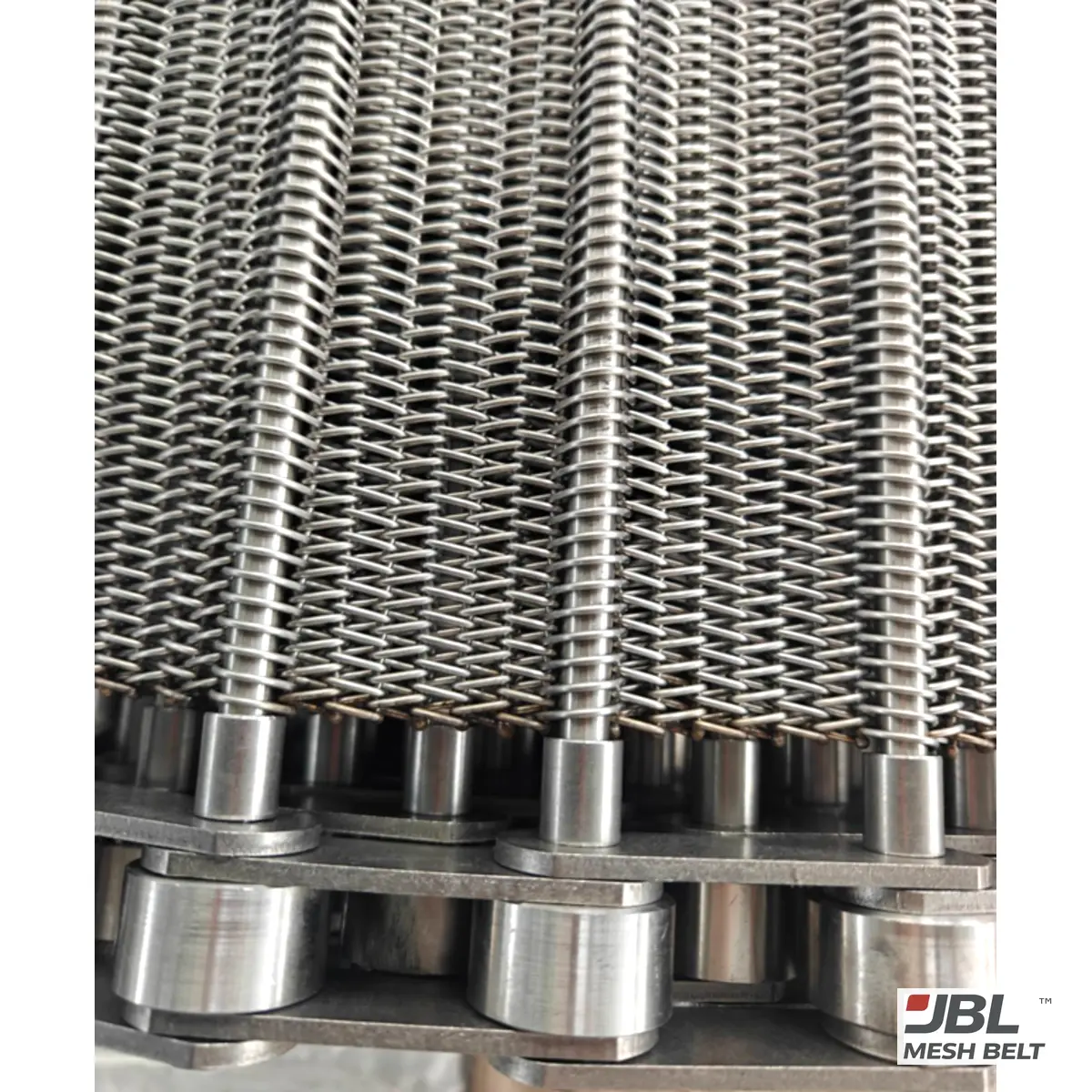
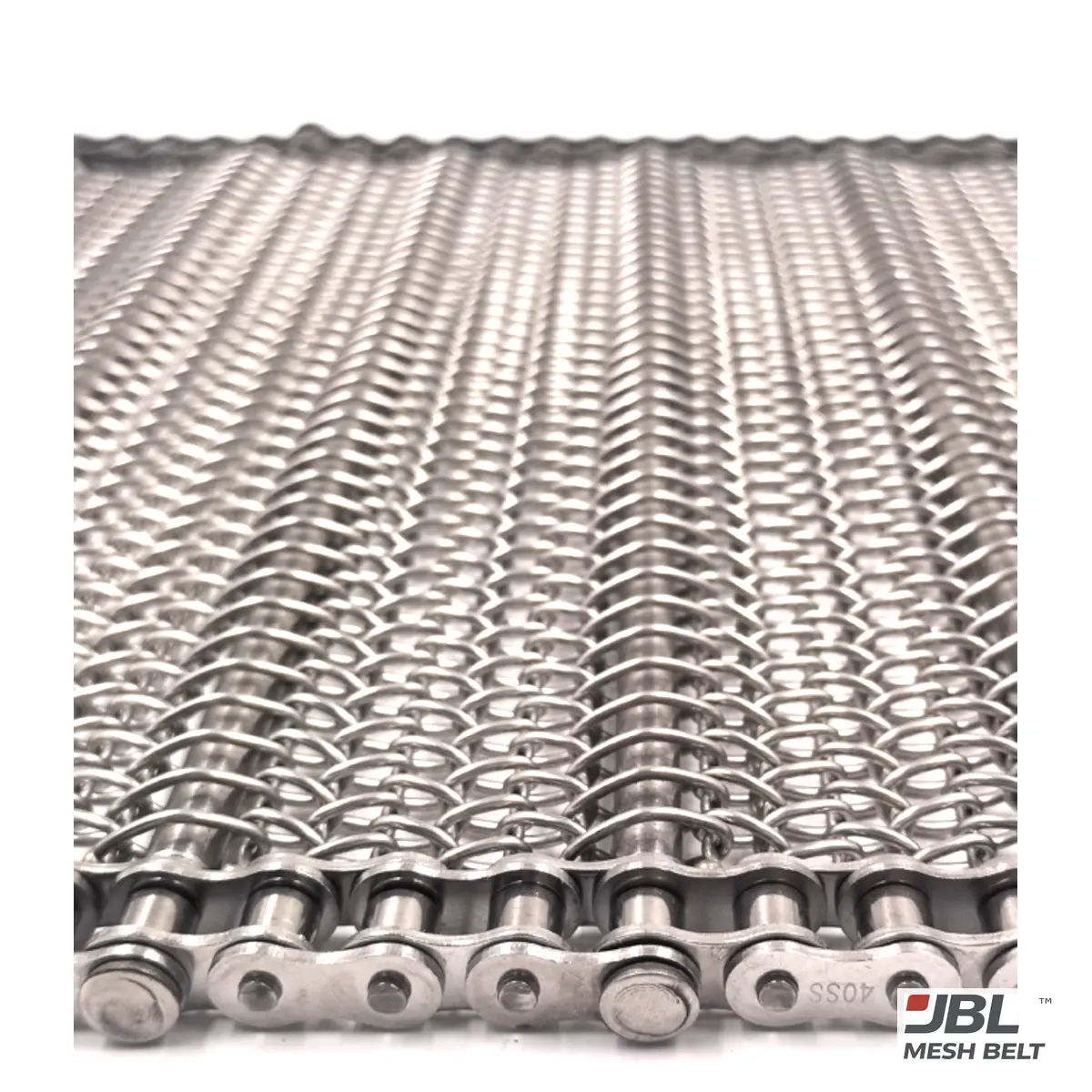
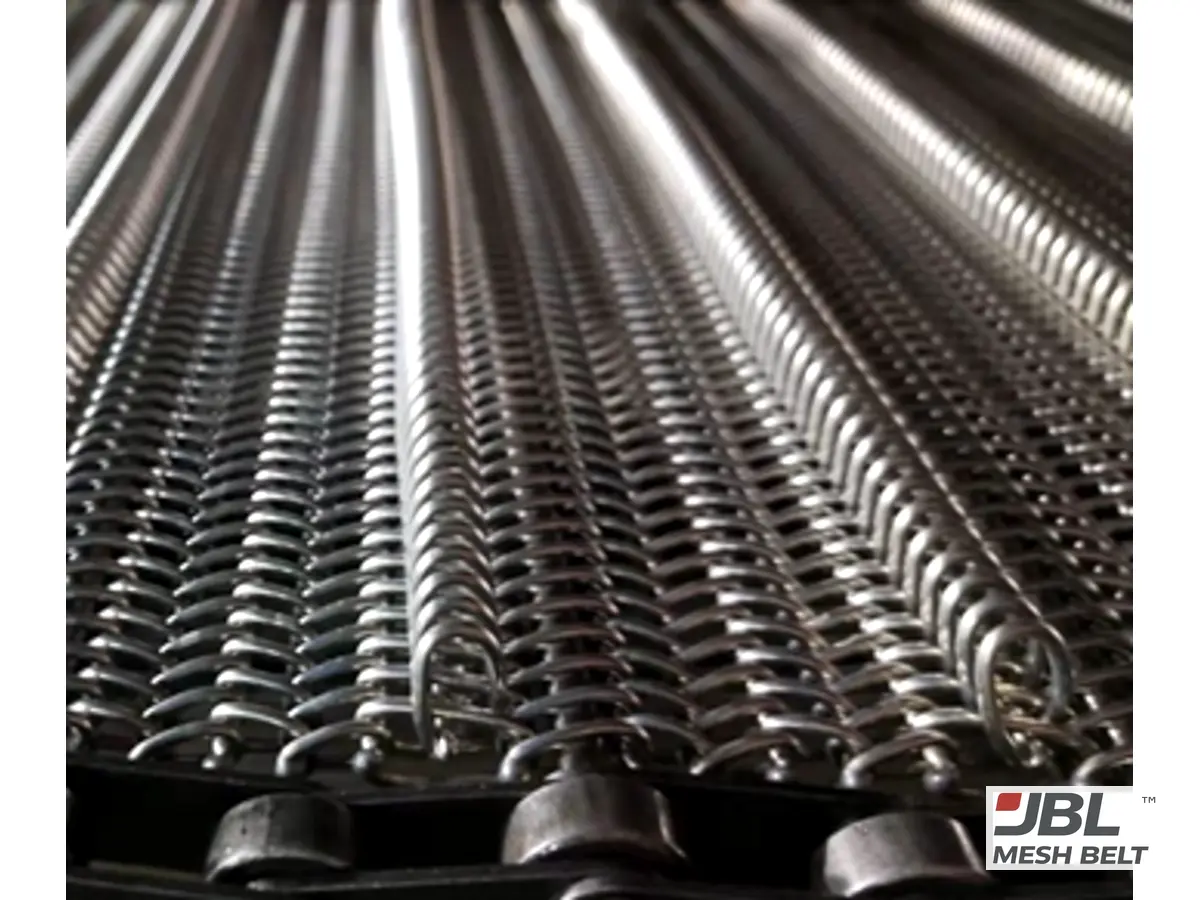
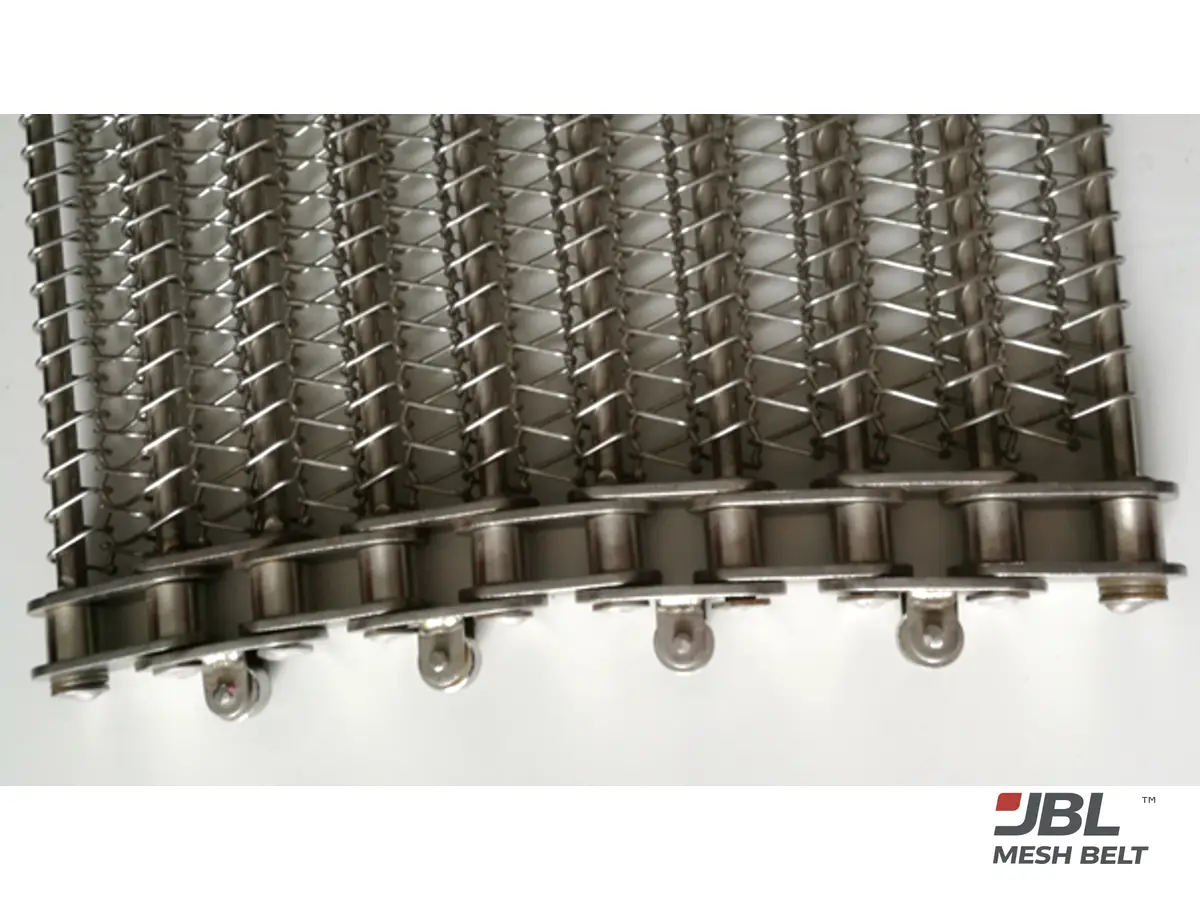
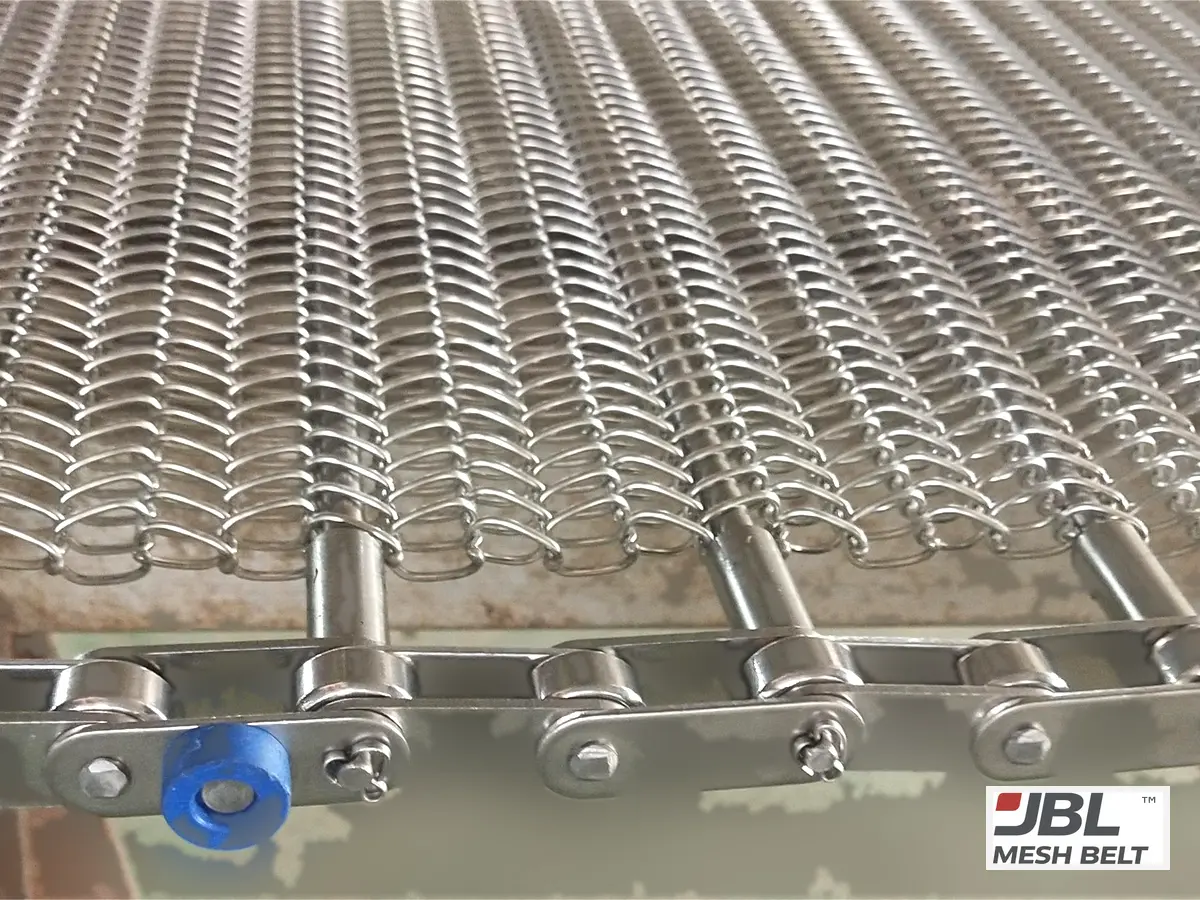
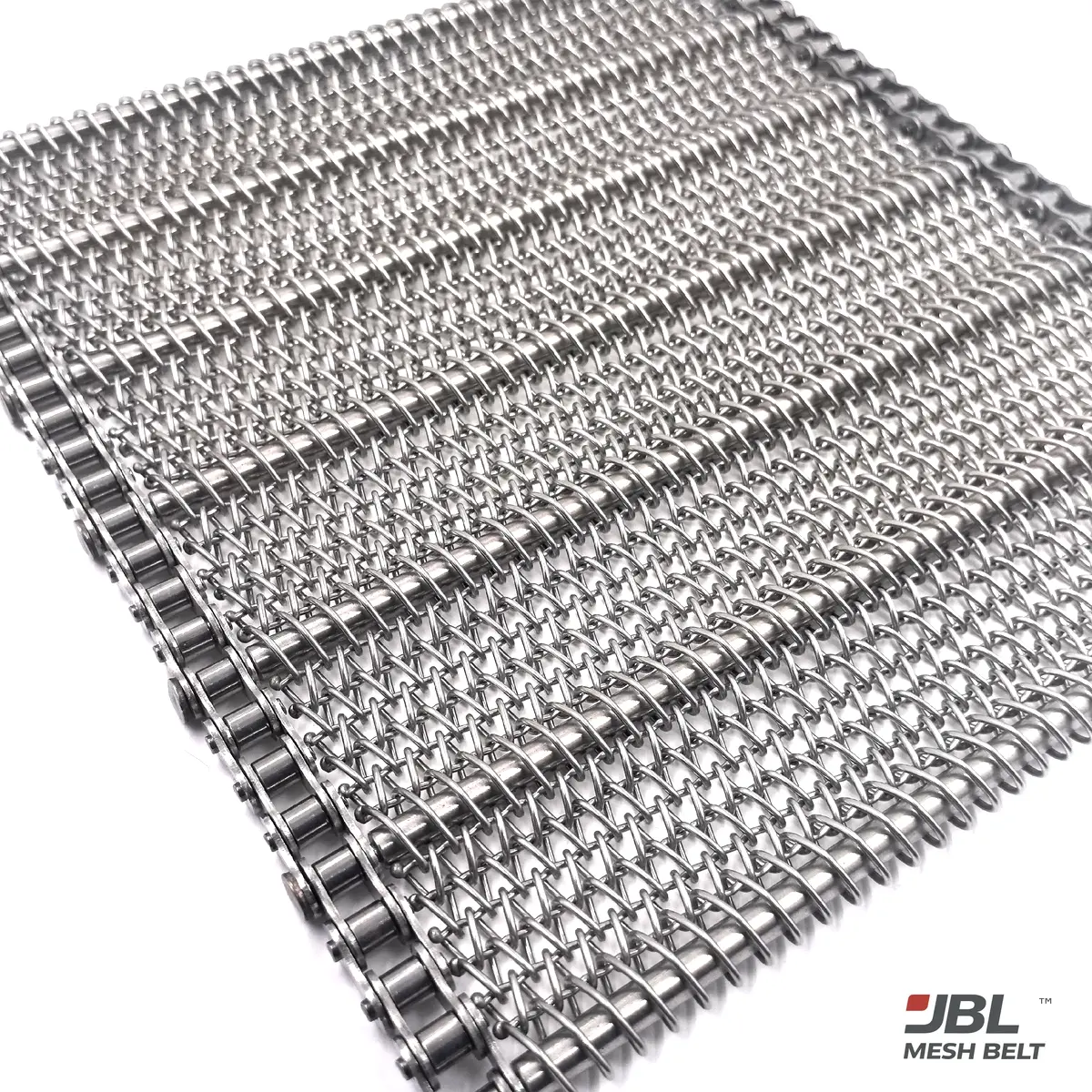
Stainless steel chain-driven conveyor belt with roller chain edges, angled view
Chain pitch
12.7–63.5 mm (0.500–2.500 in)
Chain model
#40 / #50 / C2042–C2102
Belt width
300–5000 mm (11.81–196.85 in)
Material
SUS304 / SUS316 / carbon steel
01
Two edge types

Washer Welded or Cotter Pin Edge: Which Chain-Driven Belt Does Your Line Need?

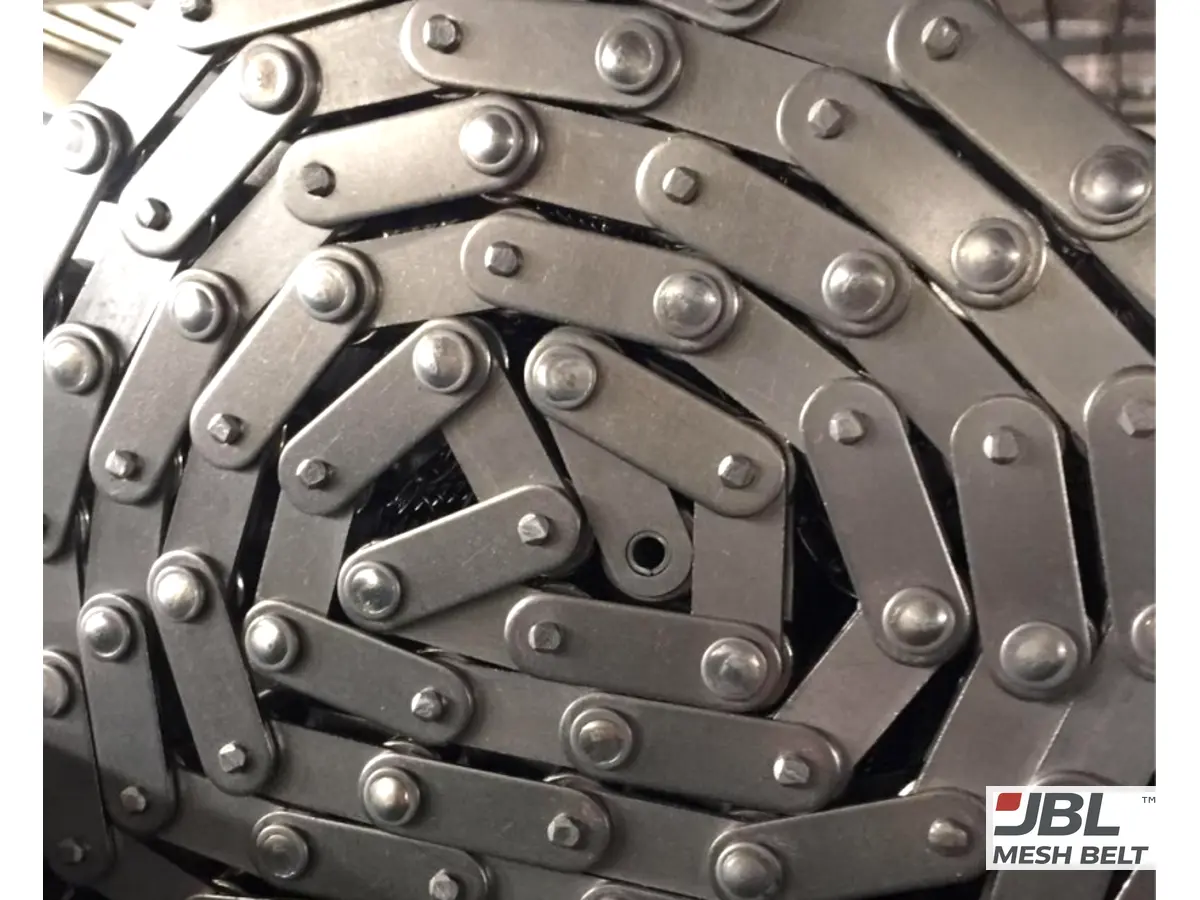
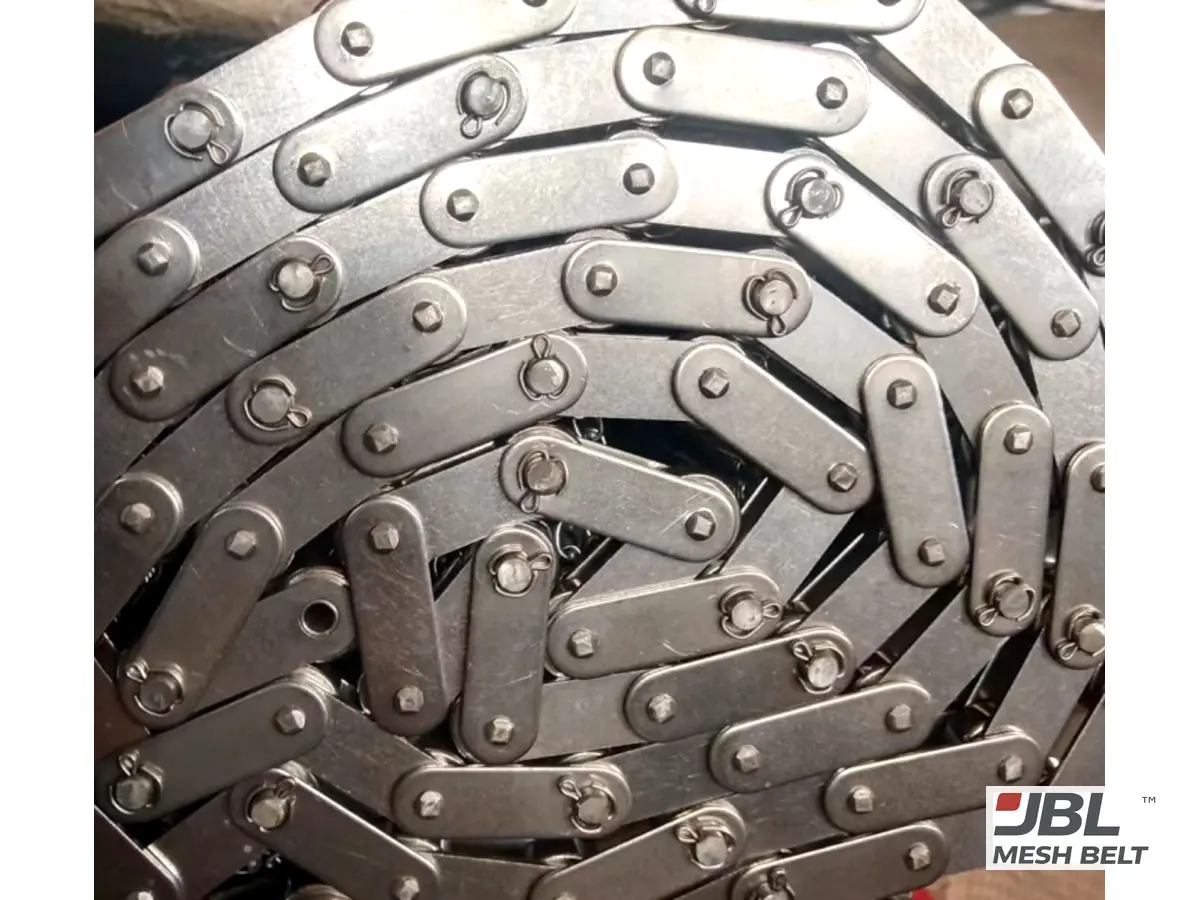
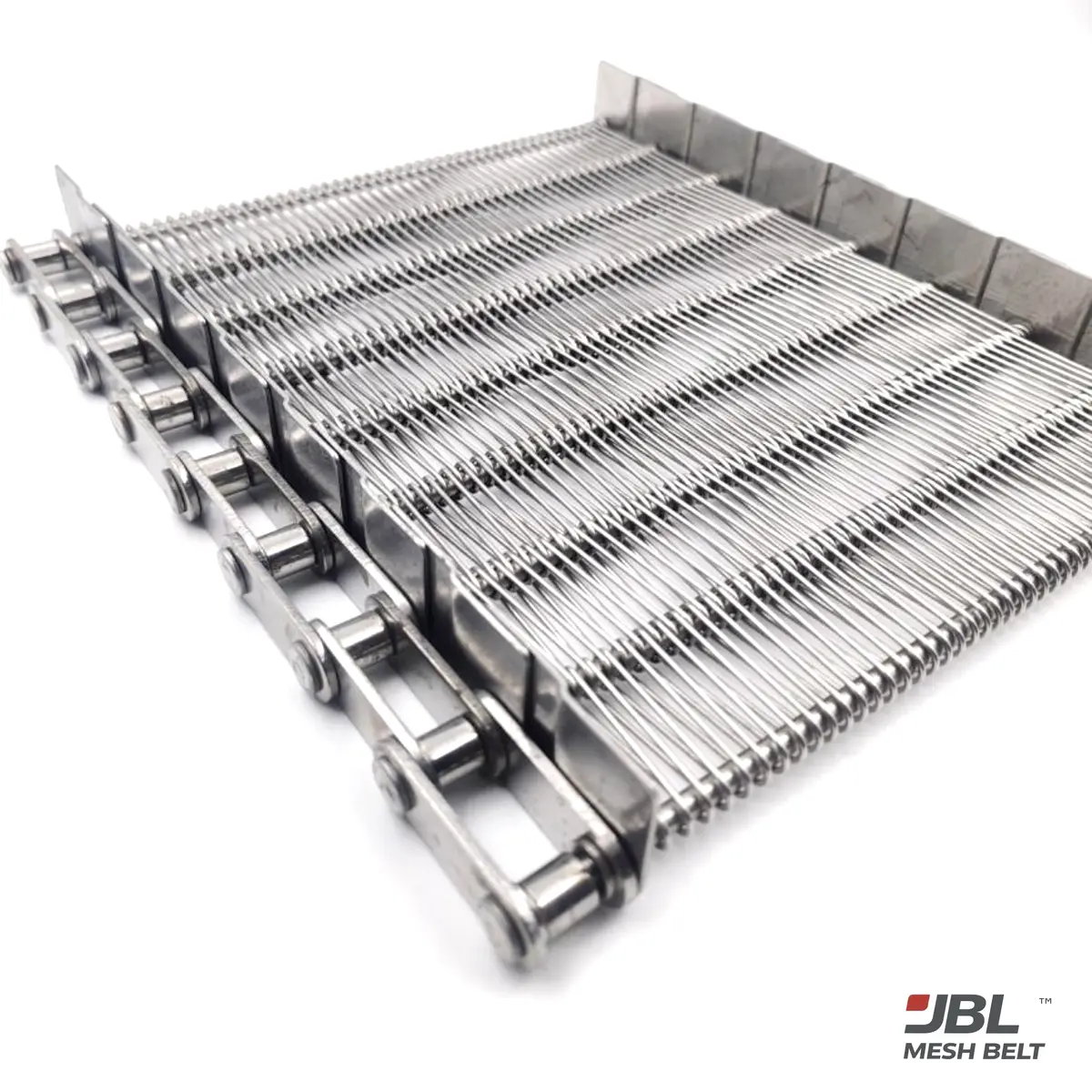
Your maintenance decides it. A washer welded edge is fixed; a cotter pin edge can be opened to replace a section. Both run on roller chains matched to your sprockets.

Washer welded edge

Fixed

welded rod ends

12.7–63.5

chain pitch, mm

Roller

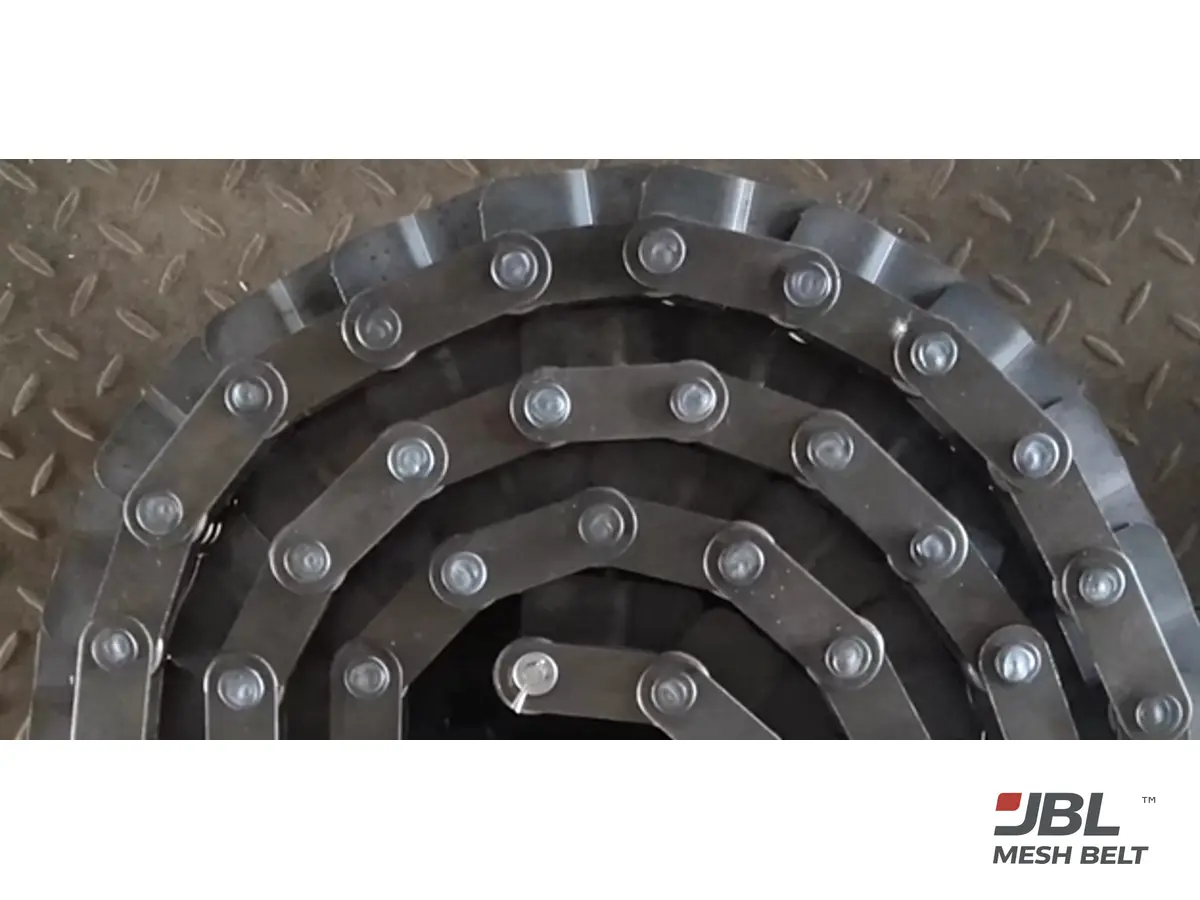
chain, solid or hollow

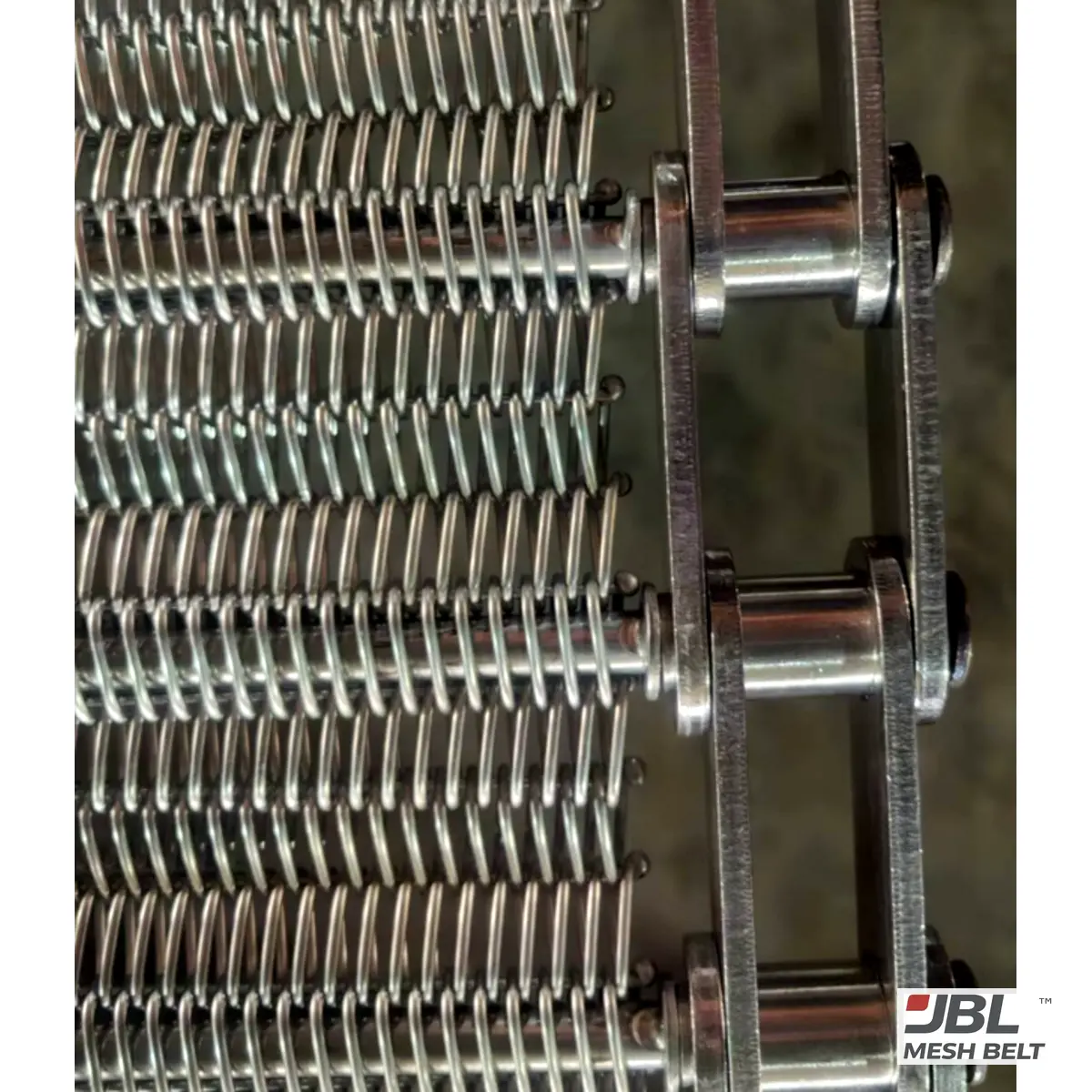
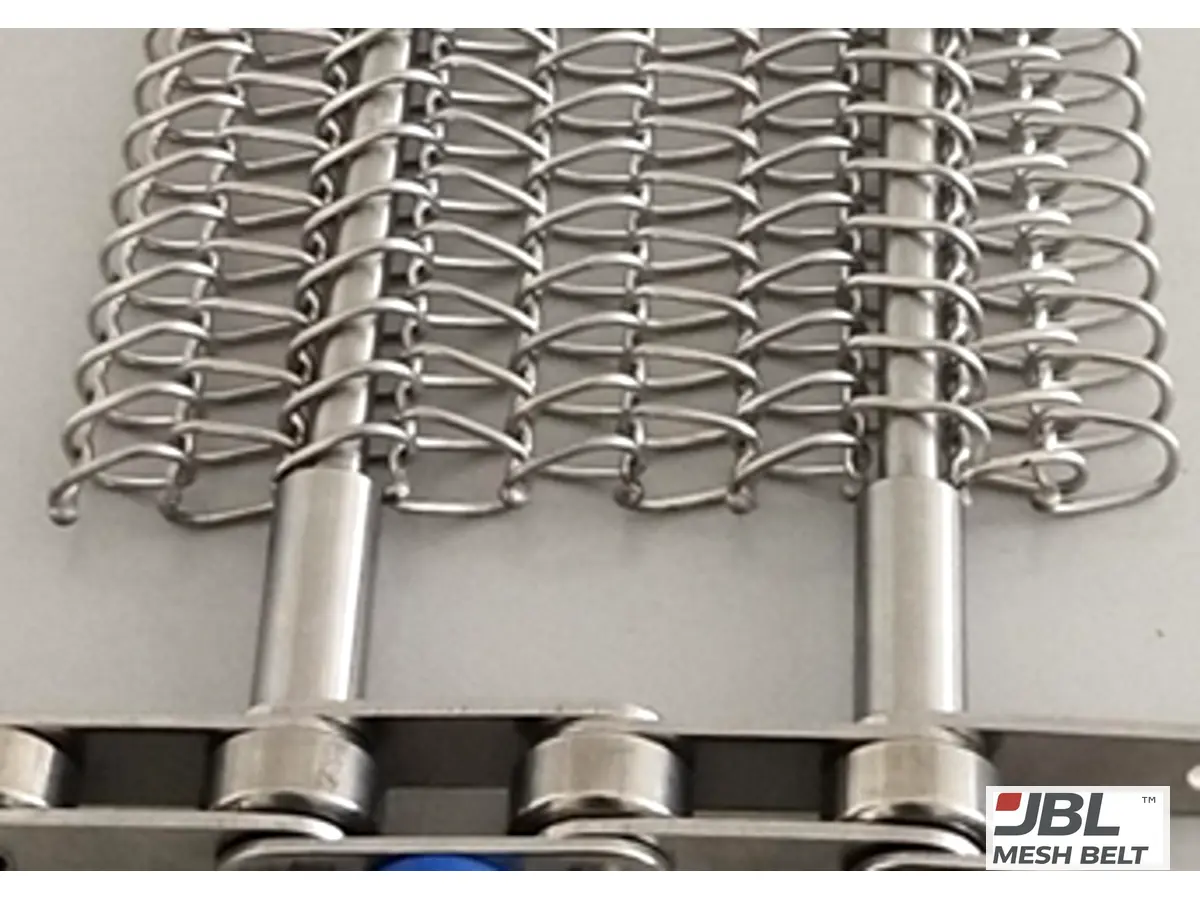
Chain-driven belt: washer welded, rolled
Washer welded, rolled
Chain-driven belt: chain side view
Chain side view
Chain-driven belt: chain edge, corner
Chain edge, corner

Cotter pin edge

Opens

for maintenance

Same

chain range

Per drawing

pin size

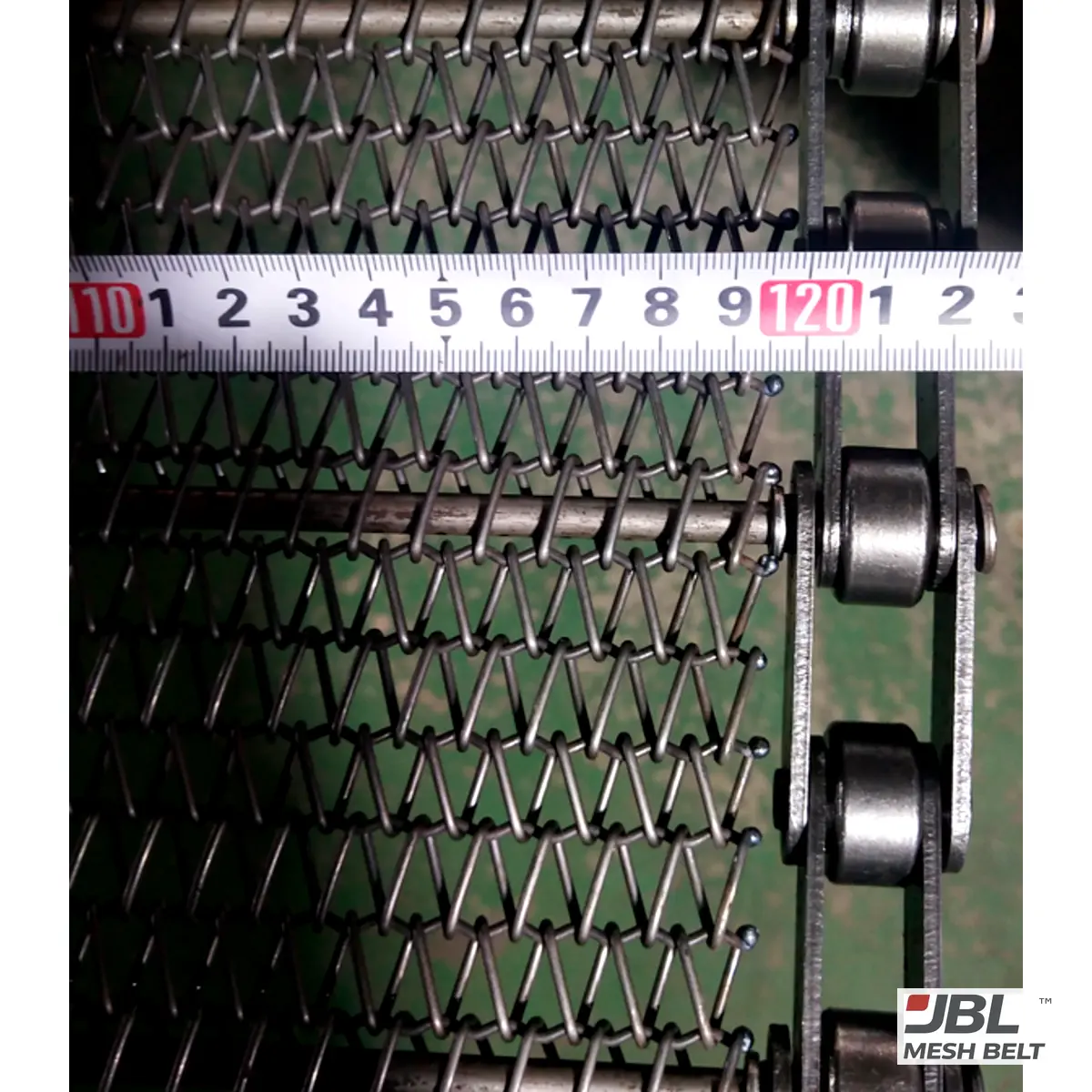
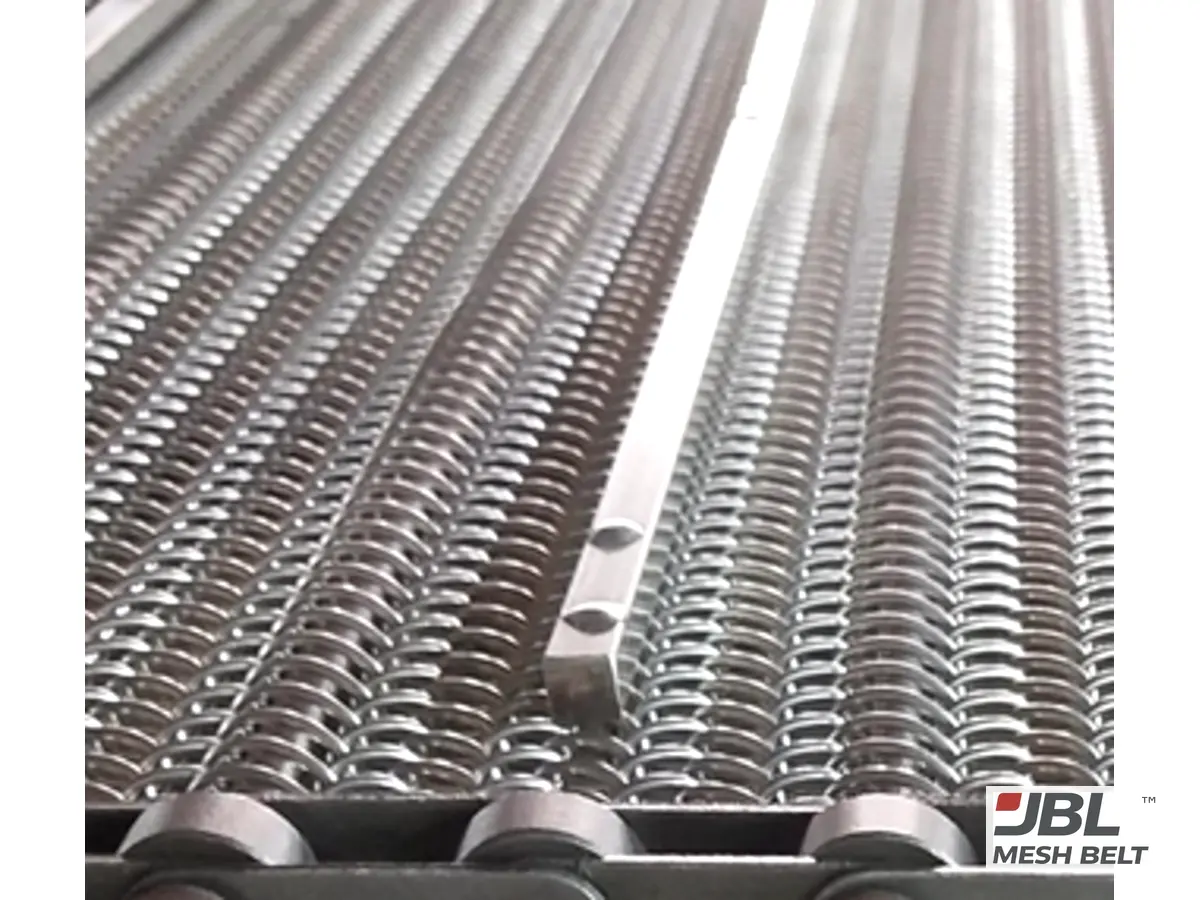
Chain-driven belt: cotter pin edge
Cotter pin edge
Chain-driven belt: belt, angled
Belt, angled
Chain-driven belt: belt with tubes
Belt with tubes
02
Specifications & options

Chain-Driven Belt Specifications: Chain Model, Chain Pitch, Rod and Mesh

Compare your old belt with this drawing. Chain model, chain pitch and belt width are enough to start — every value in mm and inches, confirmed on your project drawing.

Chain pitch

12.7–63.5 mm

0.500–2.500 in

Rod diameter

4–12 mm

0.157–0.472 in

Spiral wire

1.0–3.0 mm

0.039–0.118 in

Belt width

300–5000 mm

11.81–196.85 in

Dimension drawing and table

Chain-driven belt
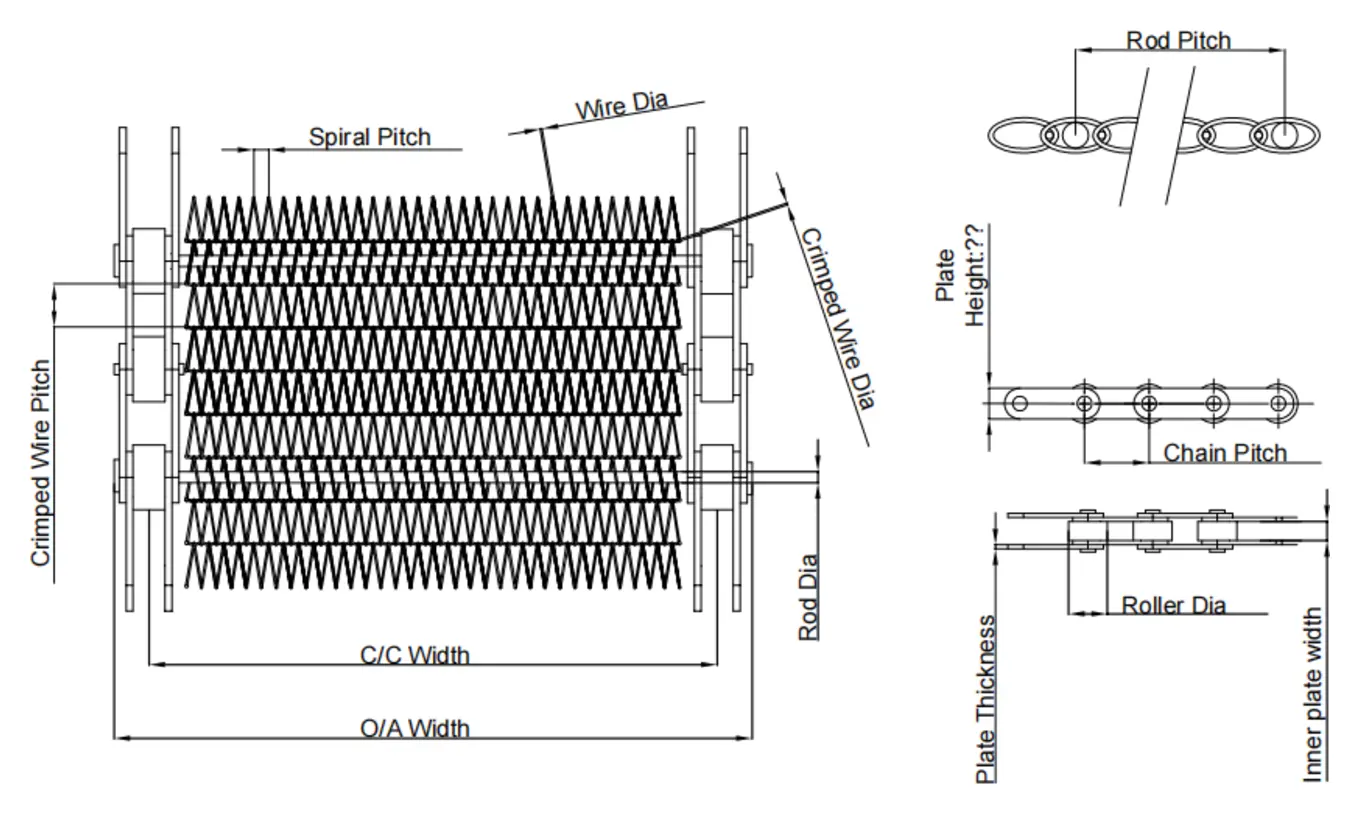
Chain-driven belt dimension drawing: spiral pitch, wire diameter, rod pitch, rod diameter, chain pitch, overall width and chain centre distance
Drawing labelReference (mm / in)
MaterialSUS304 / SUS316 / carbon steel
Spiral pitch3–20 mm (0.118–0.787 in)
Crimp wire pitch4–20 mm (0.157–0.787 in)
Spiral wire diameter1.0 / 1.2 / 1.4 / 1.6 / 1.8 / 2.0 / 2.5 / 3.0 mm
Cross rod diameter4 / 5 / 6 / 8 / 9 / 10 / 12 mm (0.157–0.472 in)
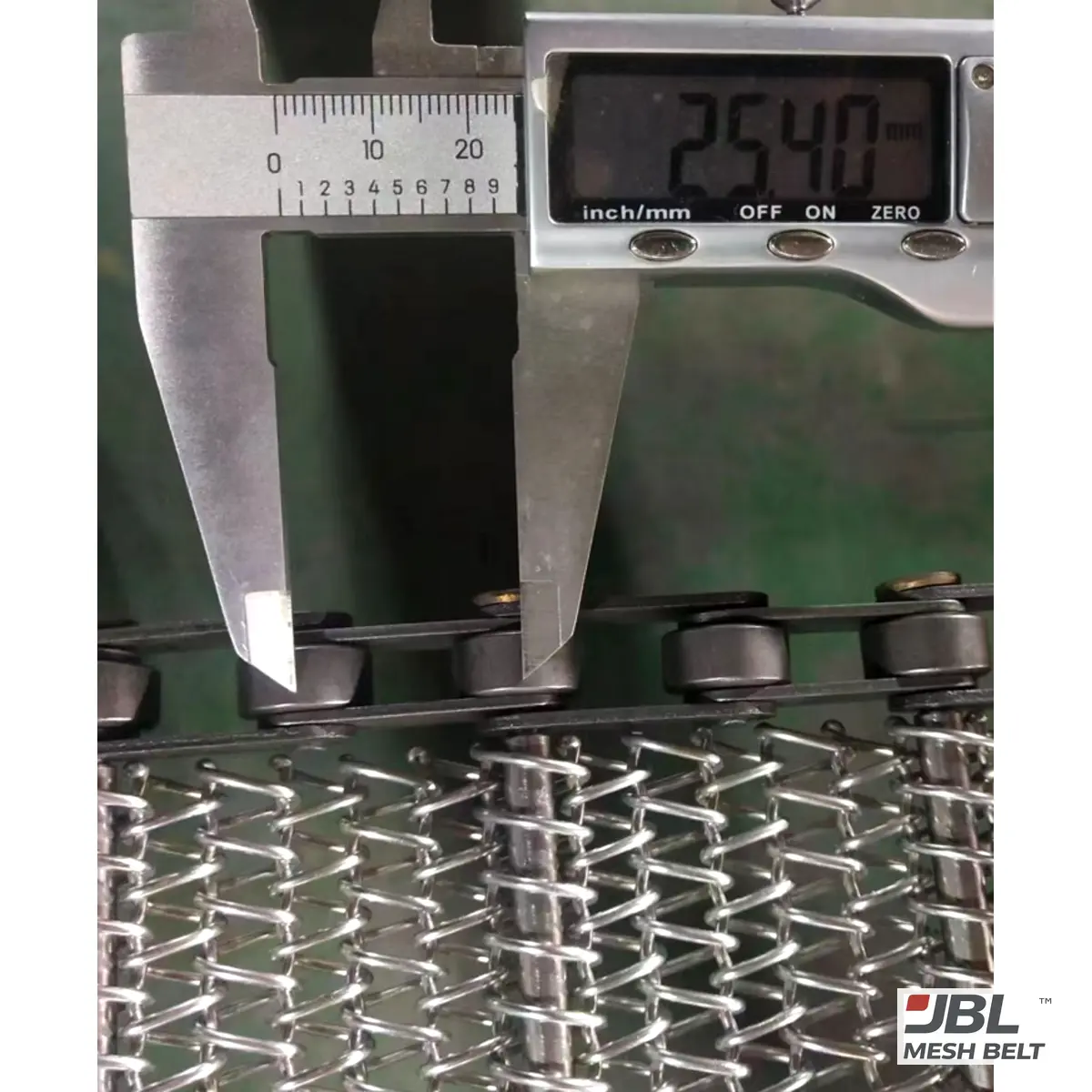
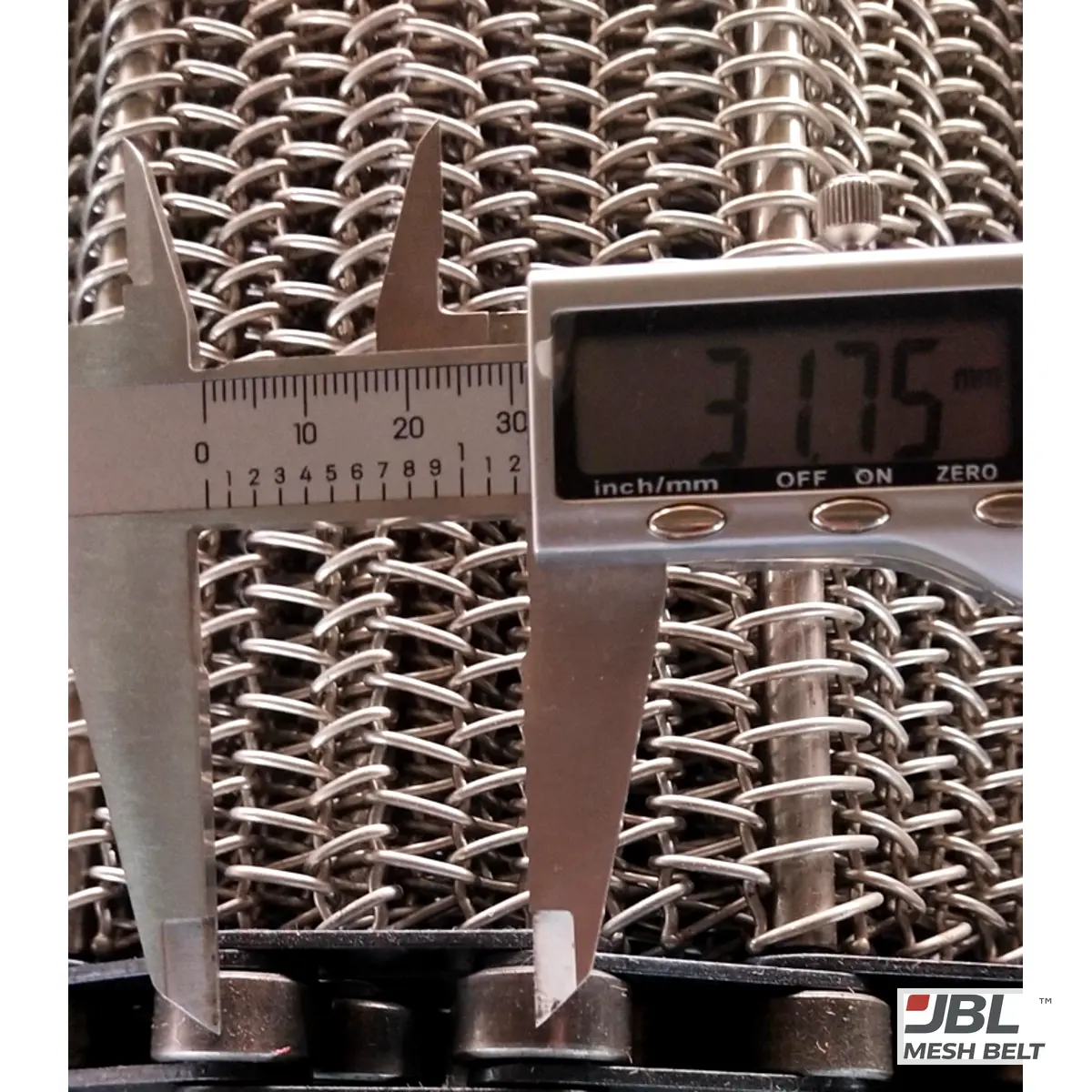
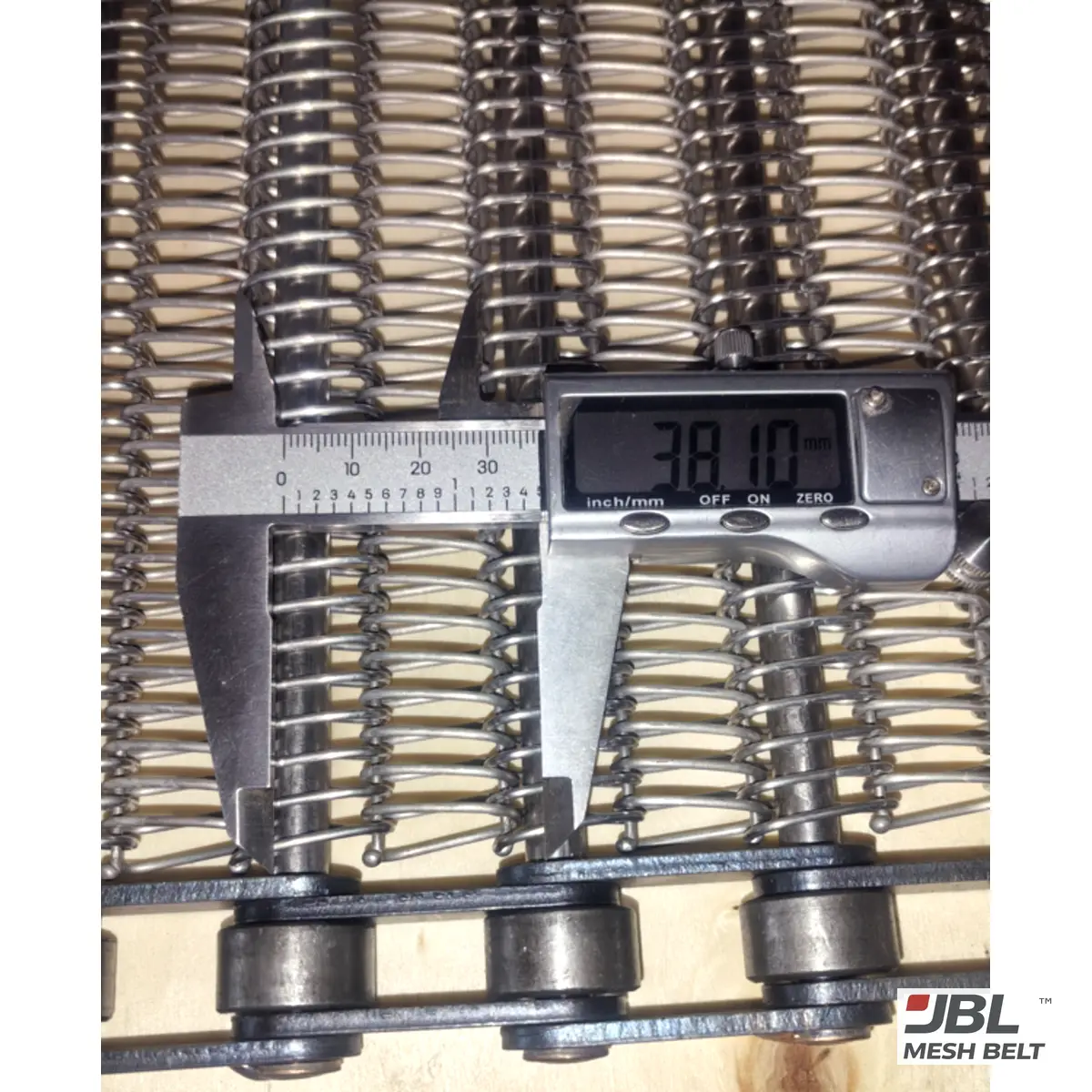
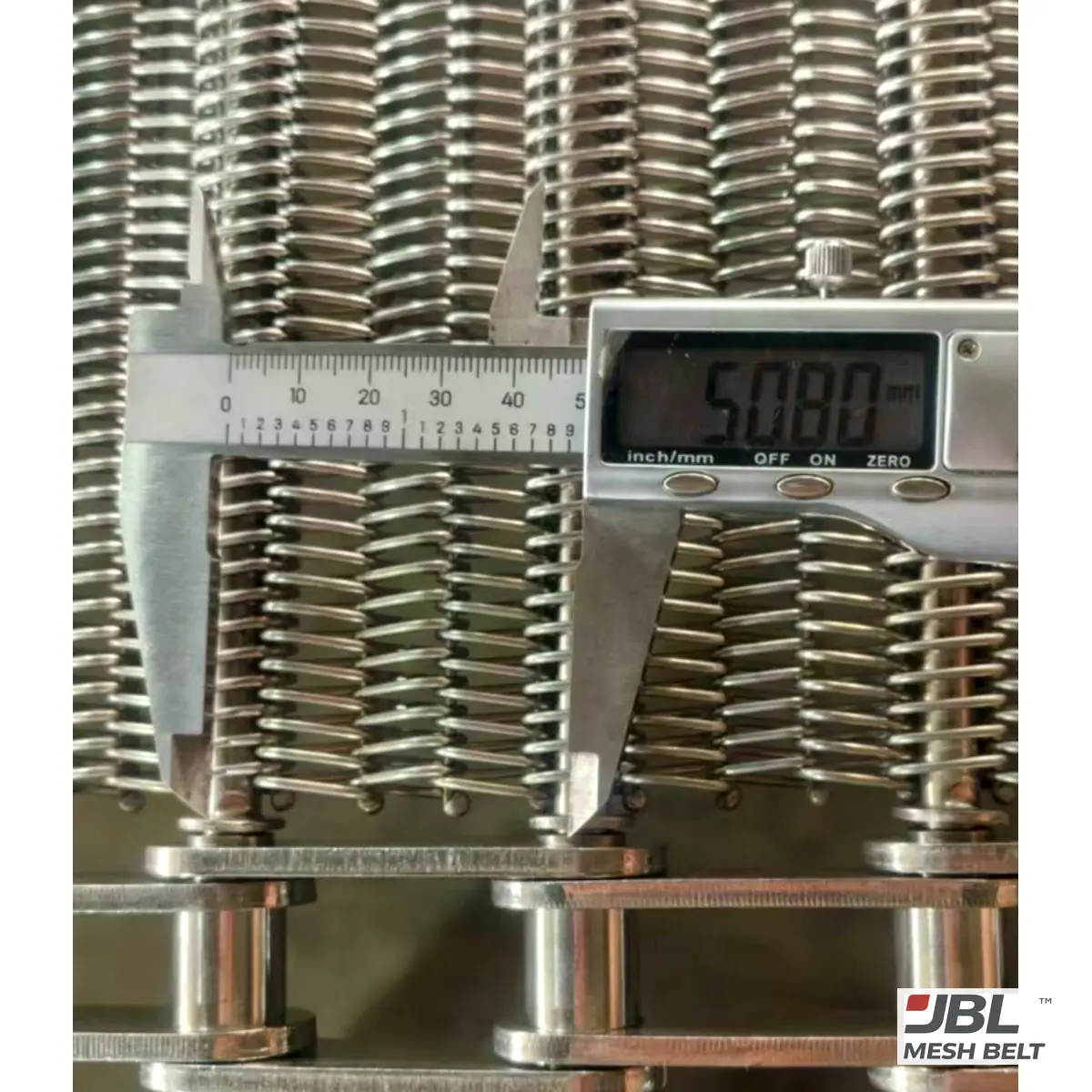
Chain pitch12.7 / 15.875 / 25.4 / 31.75 / 38.1 / 50.8 / 63.5 mm (0.500–2.500 in)
Chain model#40 / #50 / C2042 / C2052 / C2062 / C2082 / C2102 — solid or hollow roller
Cross rod pitchMultiples of the chain pitch
Belt width300–5000 mm (11.81–196.85 in), custom
EdgeWasher welded / cotter pin

Use the drawing to tell us which dimensions you can measure. Final values follow the confirmed project drawing.

Choose your options

12.7 mm (0.500 in)
12.7 mm (0.500 in)
25.4 mm (1.000 in)
25.4 mm (1.000 in)
31.75 mm (1.250 in)
31.75 mm (1.250 in)
38.1 mm (1.500 in)
38.1 mm (1.500 in)
50.8 mm (2.000 in)
50.8 mm (2.000 in)
63.5 mm (2.500 in)
63.5 mm (2.500 in)

Measured a few dimensions? Send them for a chain-driven belt review.

03
Fit check · chain and pitch first

Will the New Belt Fit Your Sprockets — and Join Your Old Belt?

Looking the same is not enough. Chain model and pitch, rod pitch and belt width decide whether the belt engages your sprockets — and if it joins an old belt, the old pitch must match. They are checked first, before you get a quotation.

Replacement

Replacing or joining to the belt on your line

You send
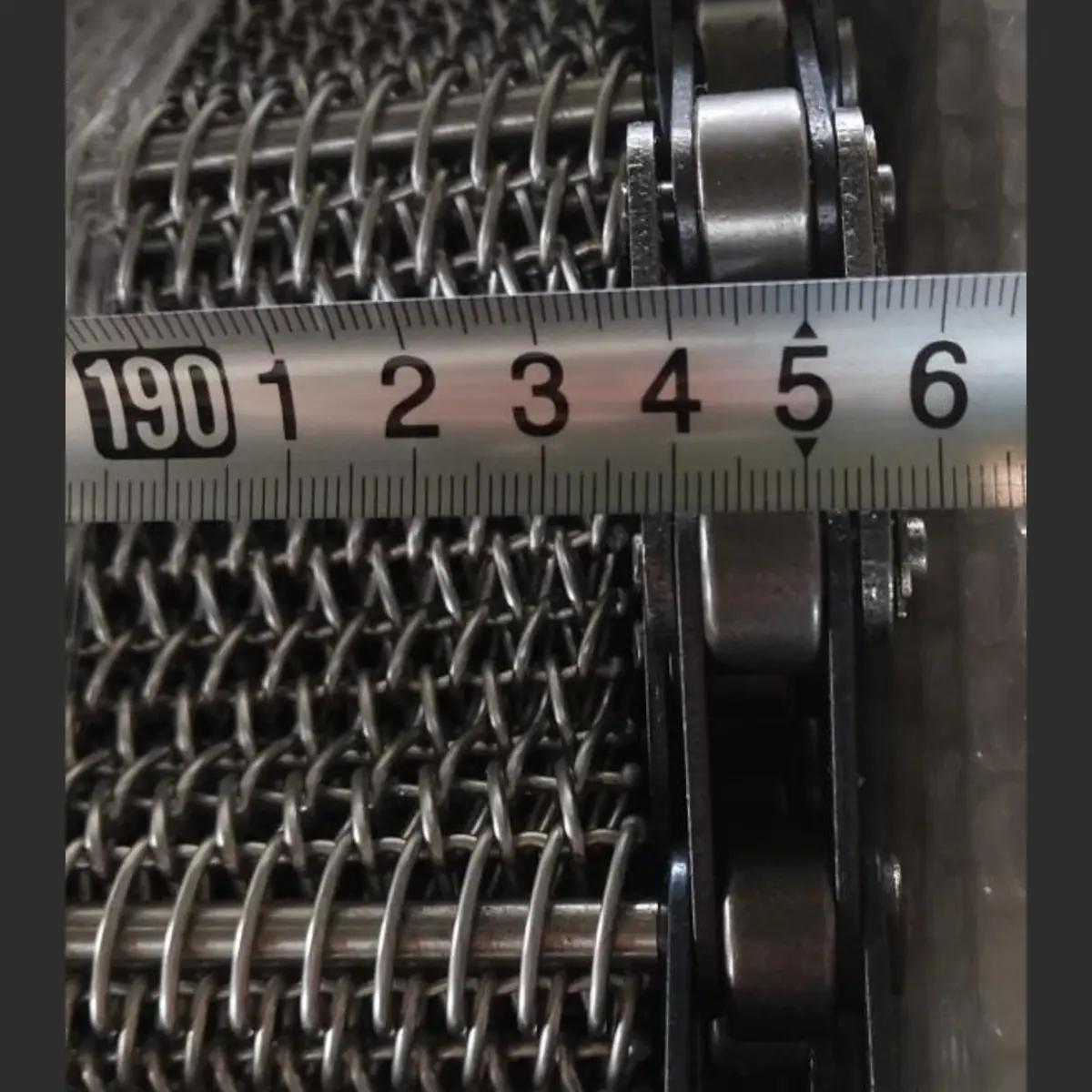
Chain marking or a measured photo, a tape over 10 pitches, and whether the new belt joins your old one.
We check first
Chain model and pitch, rod pitch, spiral pitch and wire — and whether overall width or chain centre distance must be kept.
Your sprockets
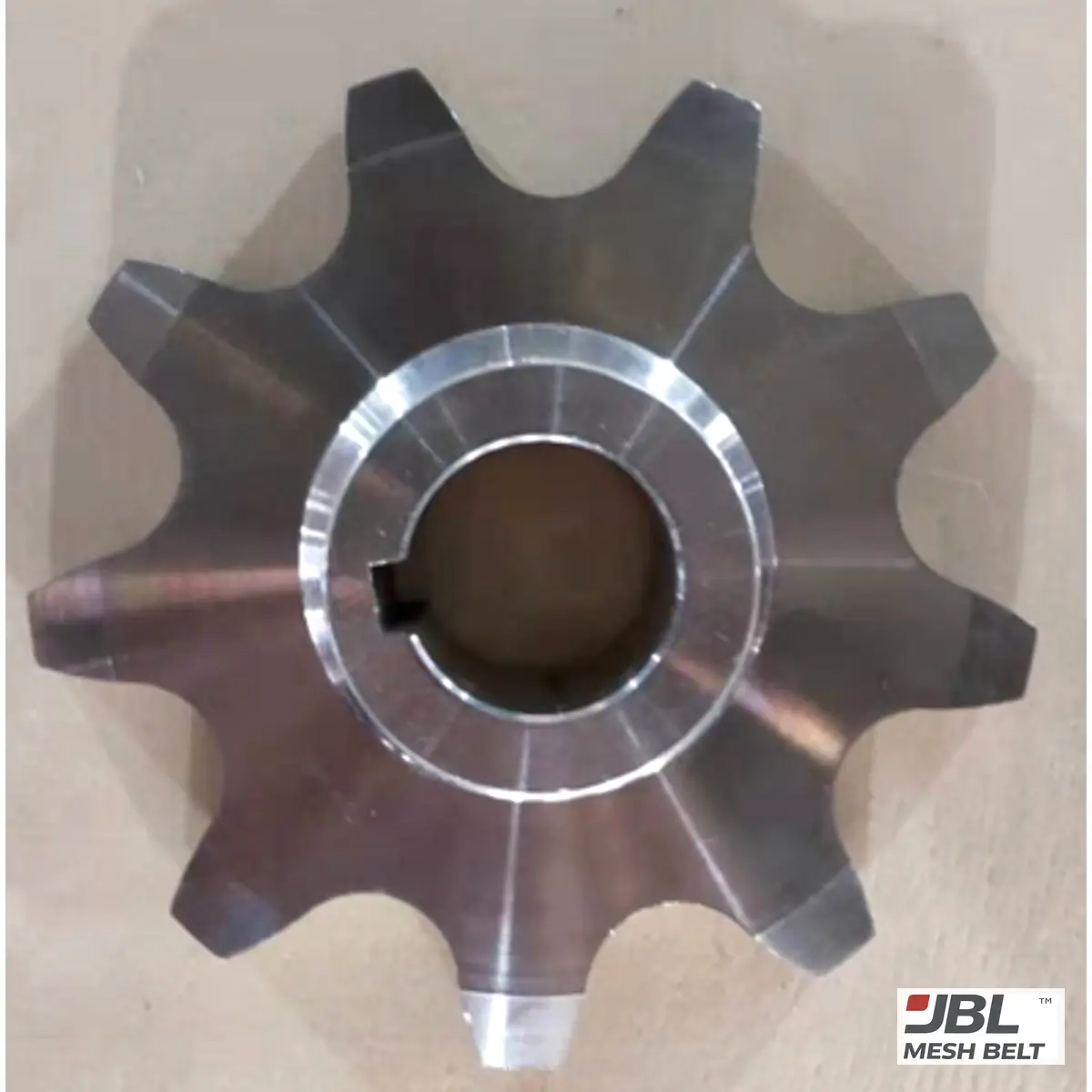
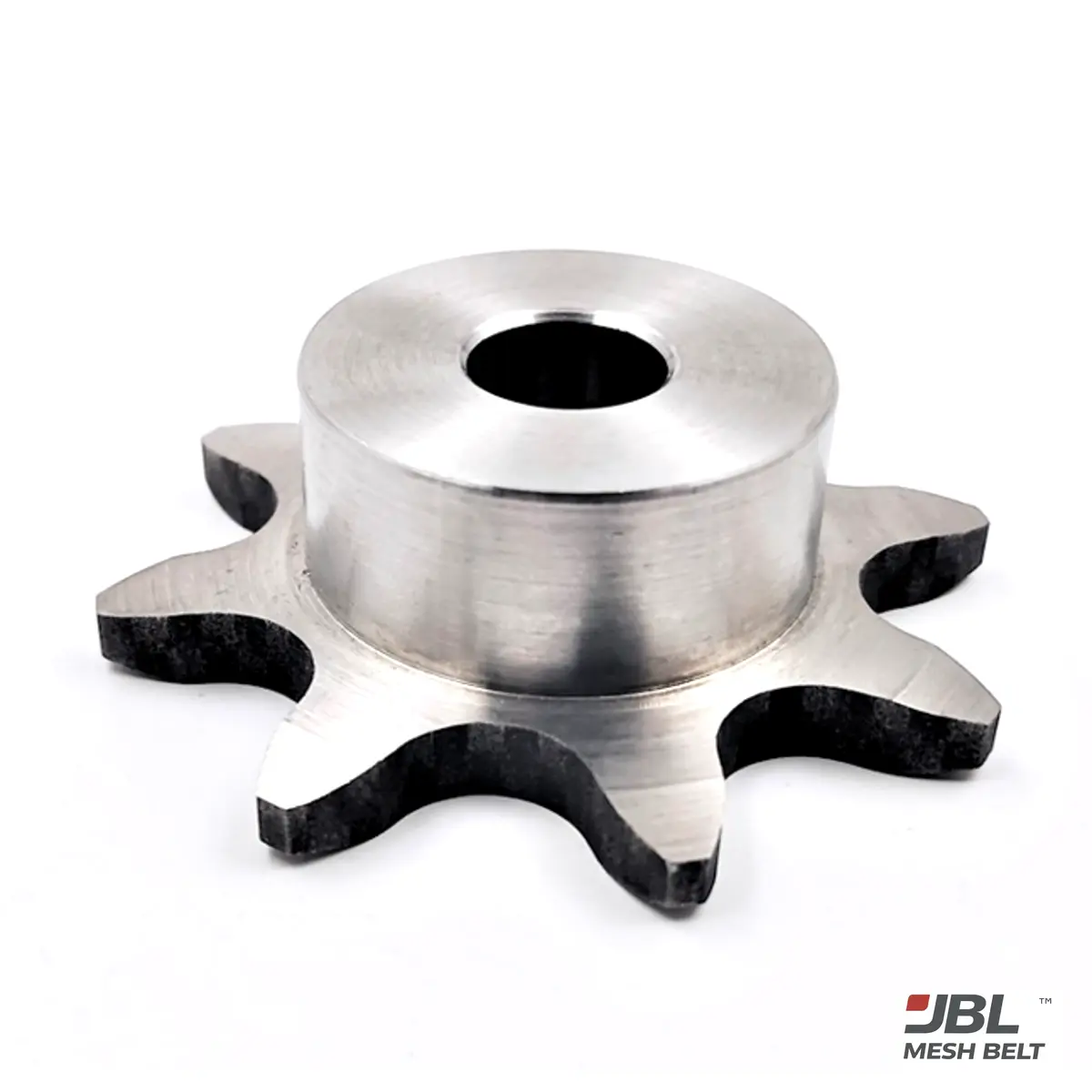
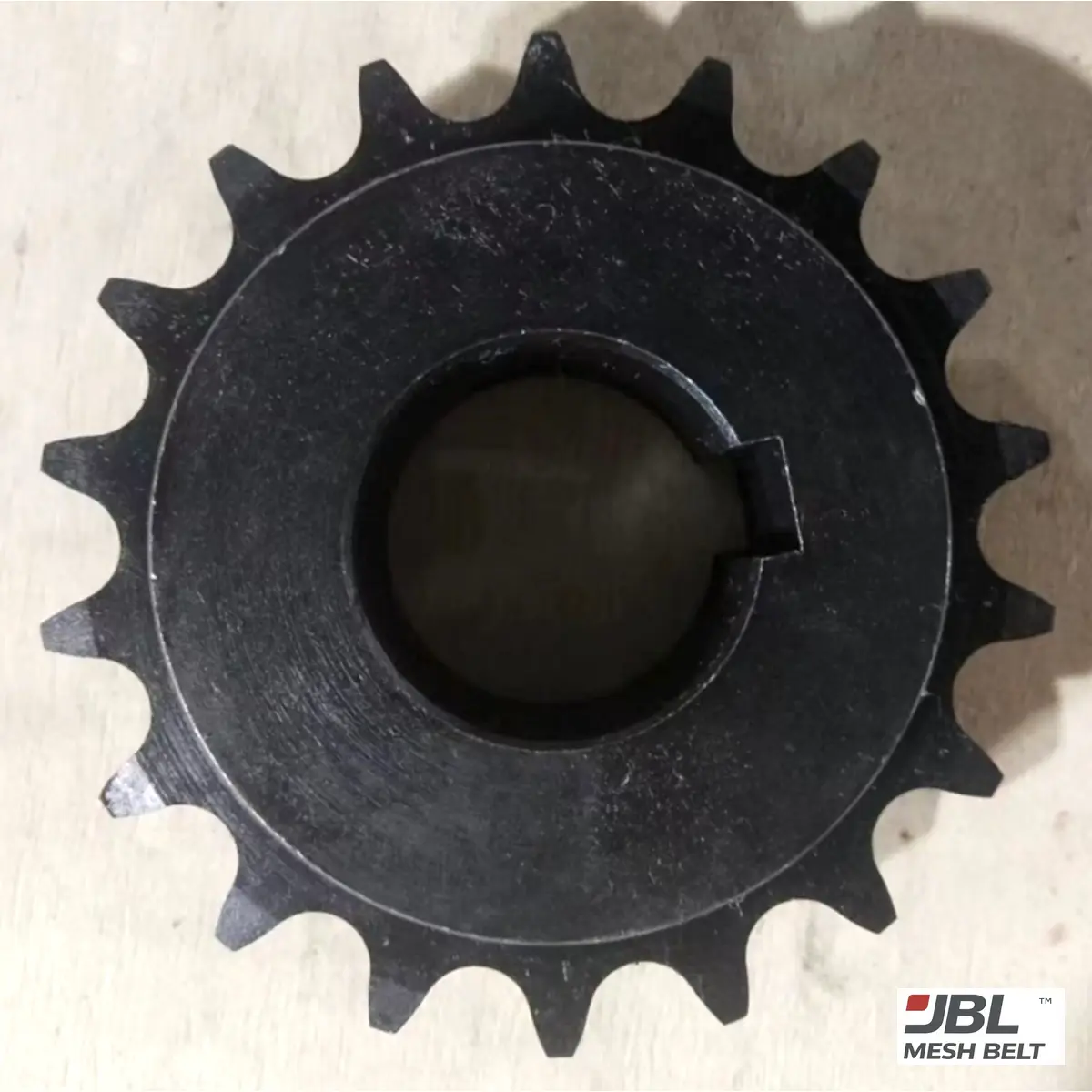
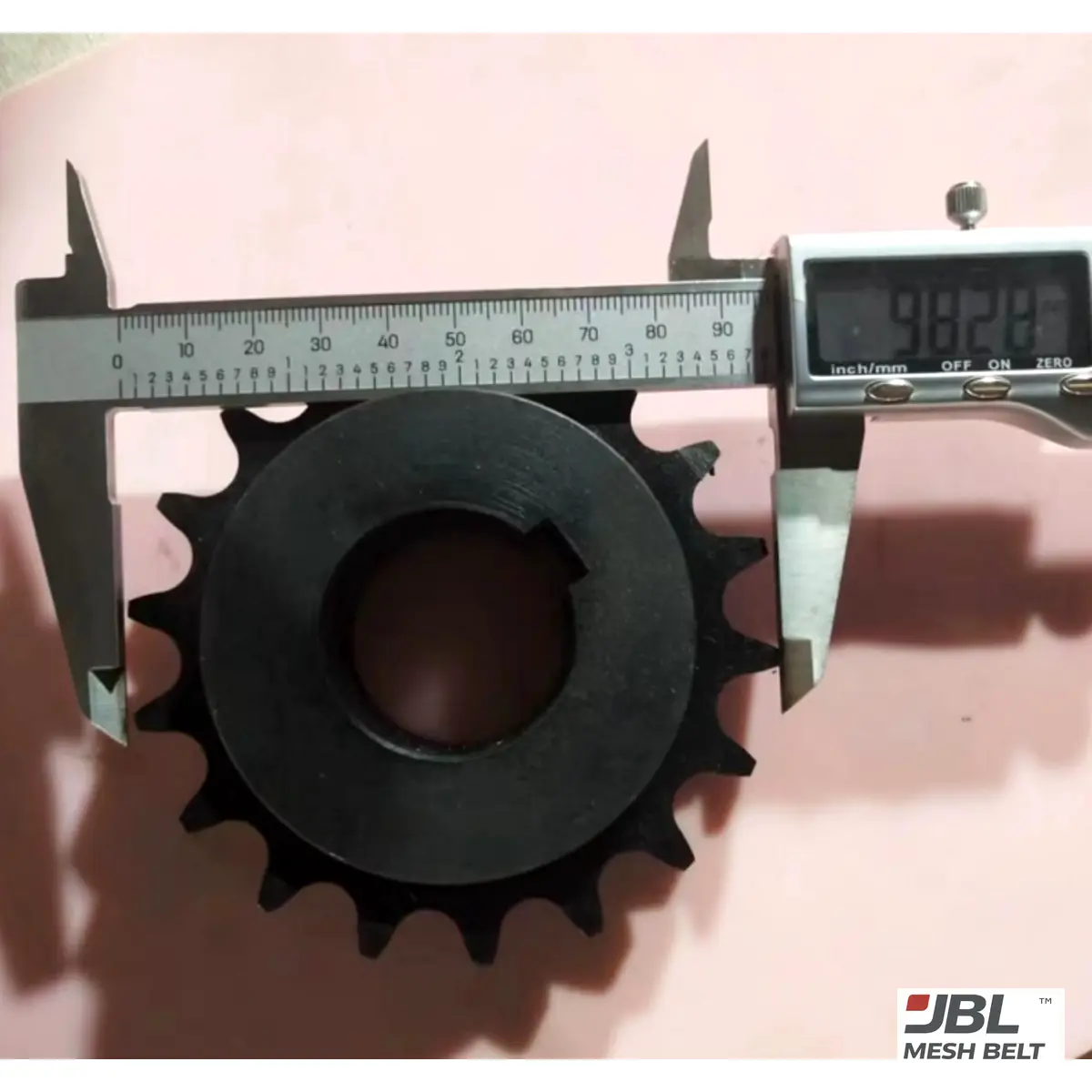
Chain pitch, tooth count and wear checked. If they need replacing, sprockets are matched to the chain.
You get
Before quoting: will it engage your sprockets and join your old belt as it is.
New line

Supplying a new frying, baking or cooling line

You send
Product, temperature, belt width and length, load, and the chain and sprocket layout.
We check first
Chain model and pitch, rod pitch as a multiple of it, mesh, material and accessories.
Your sprockets
Supplied with the belt; chain pitch, tooth count, bore and keyway confirmed on the drawing.
You get
A confirmed drawing, and a complete first article checked before bulk production.
04
Project QC gates

How Is a Chain-Driven Belt Verified Before Shipment?

Four checks that matter to you: chain and mesh measured, welds and edges checked, a flat even mesh, and accessories fitted to the drawing. You see photos and video before it ships.

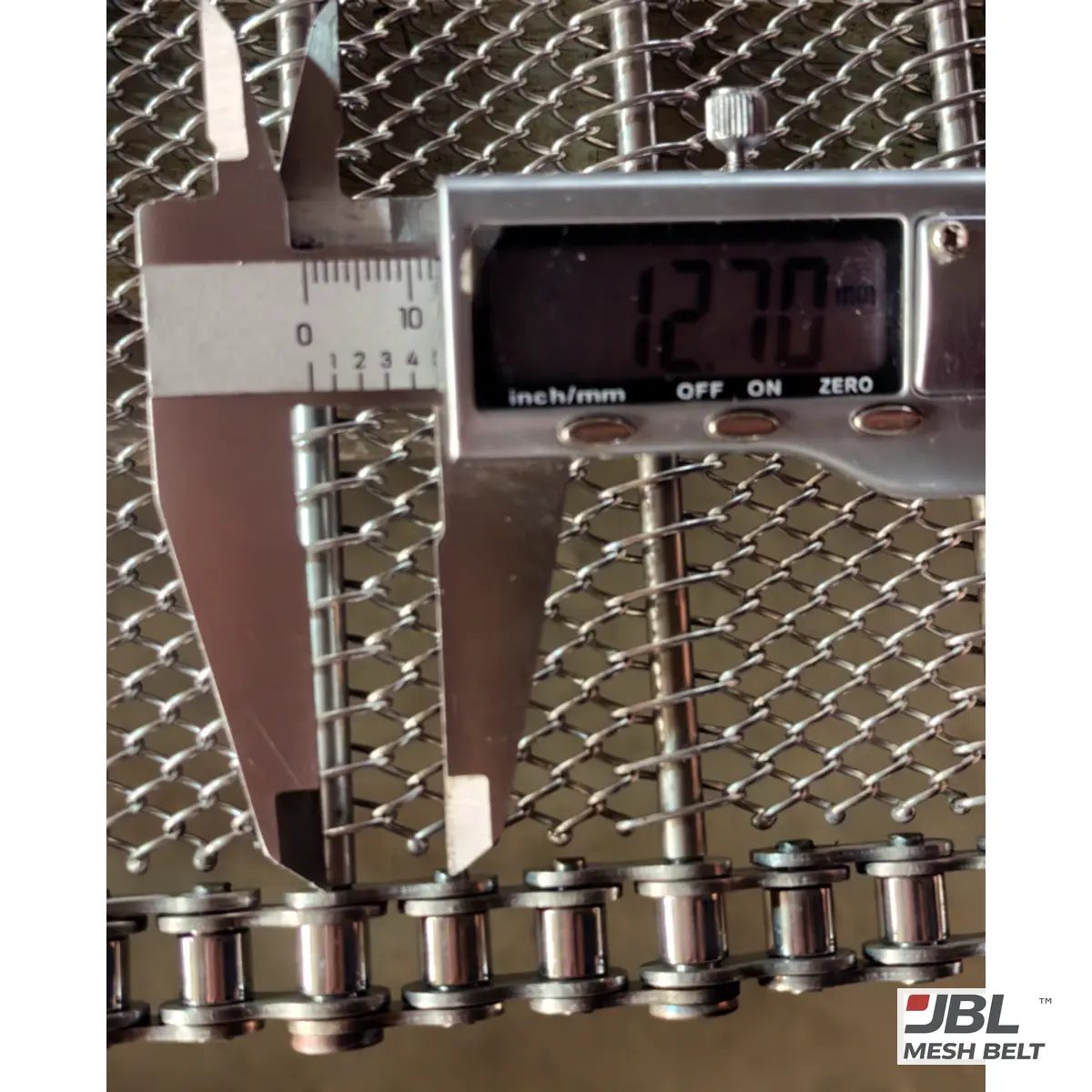
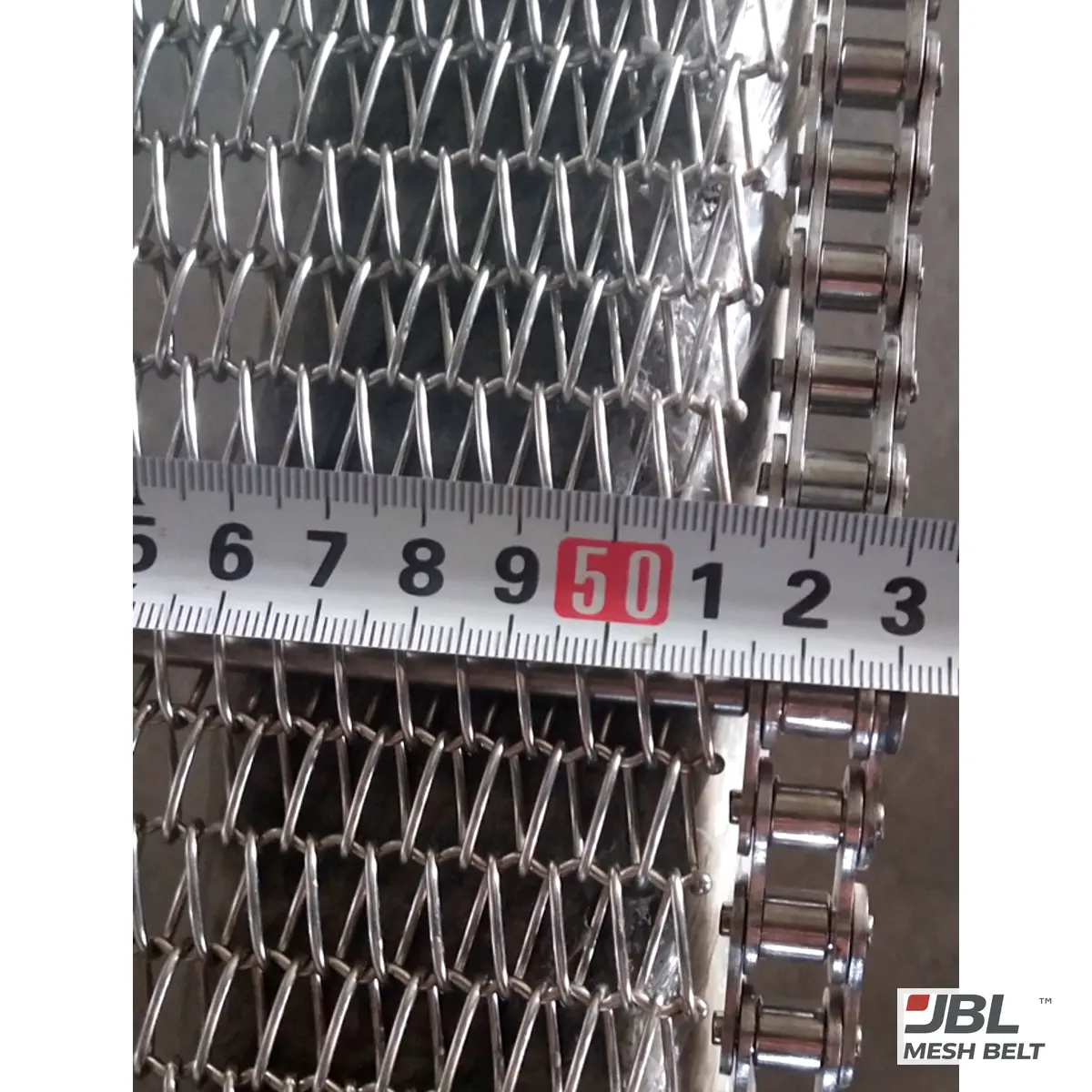
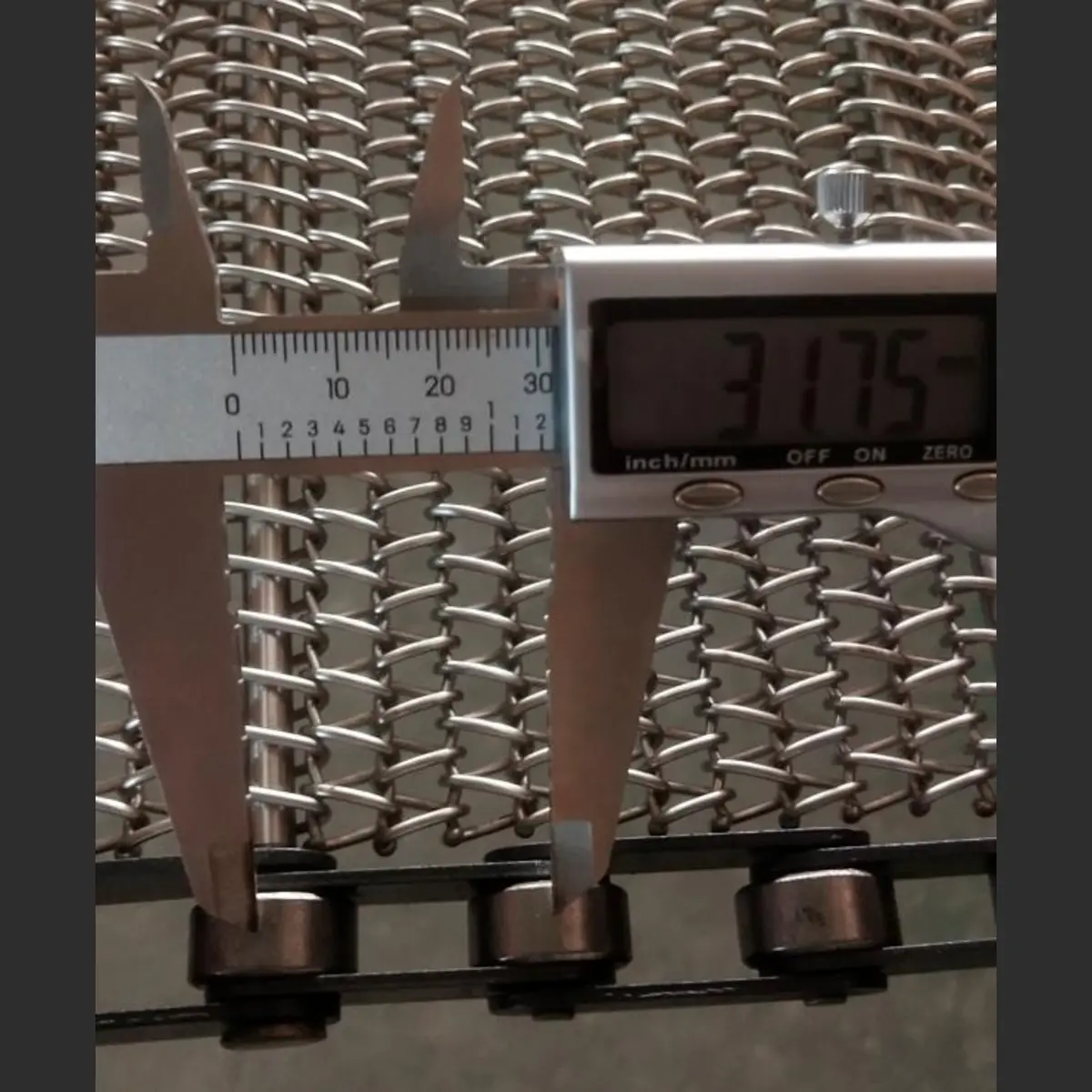
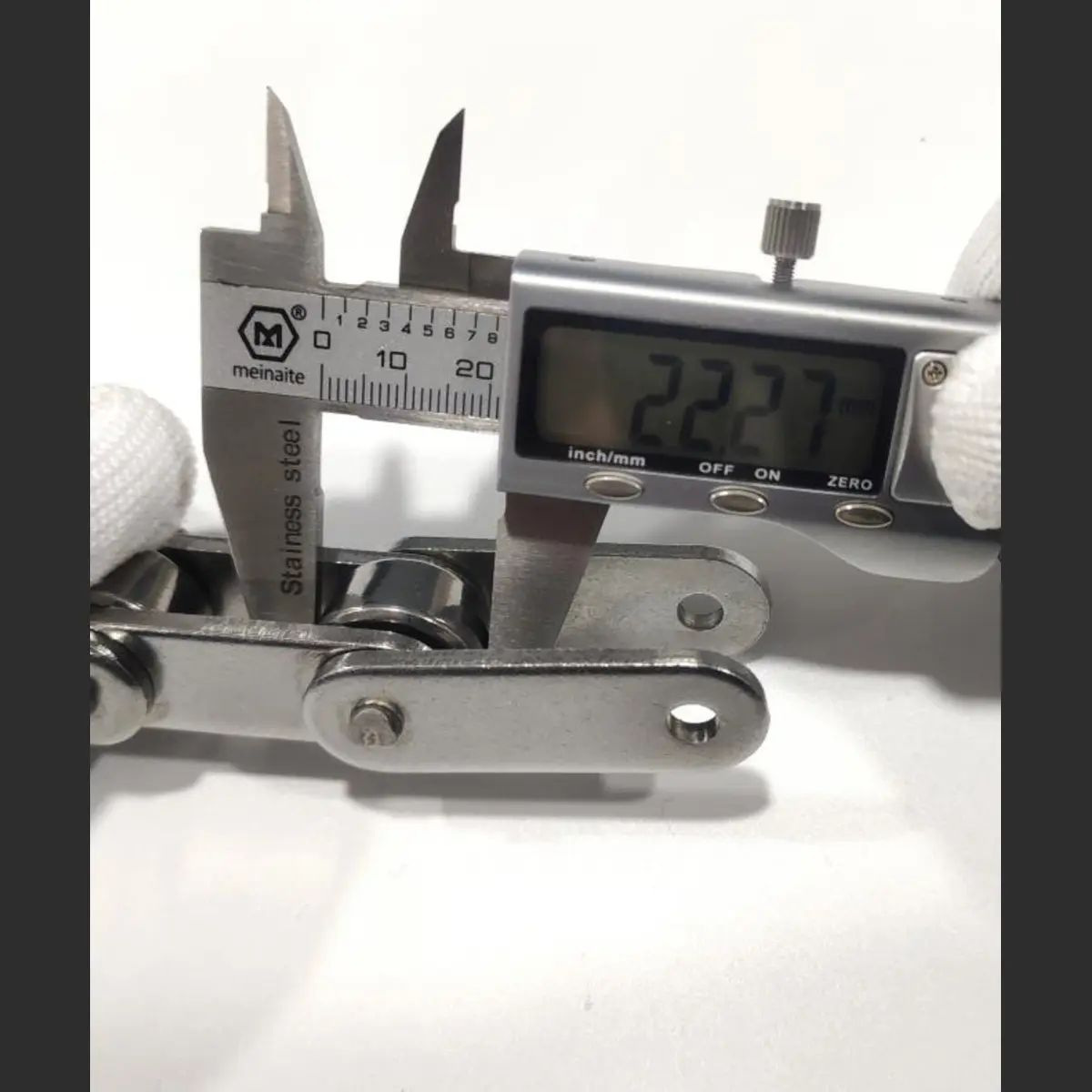
  1. Chain-driven belt check: chain pitch 31.75 mm measured with a caliper
    01

    Chain and mesh measured

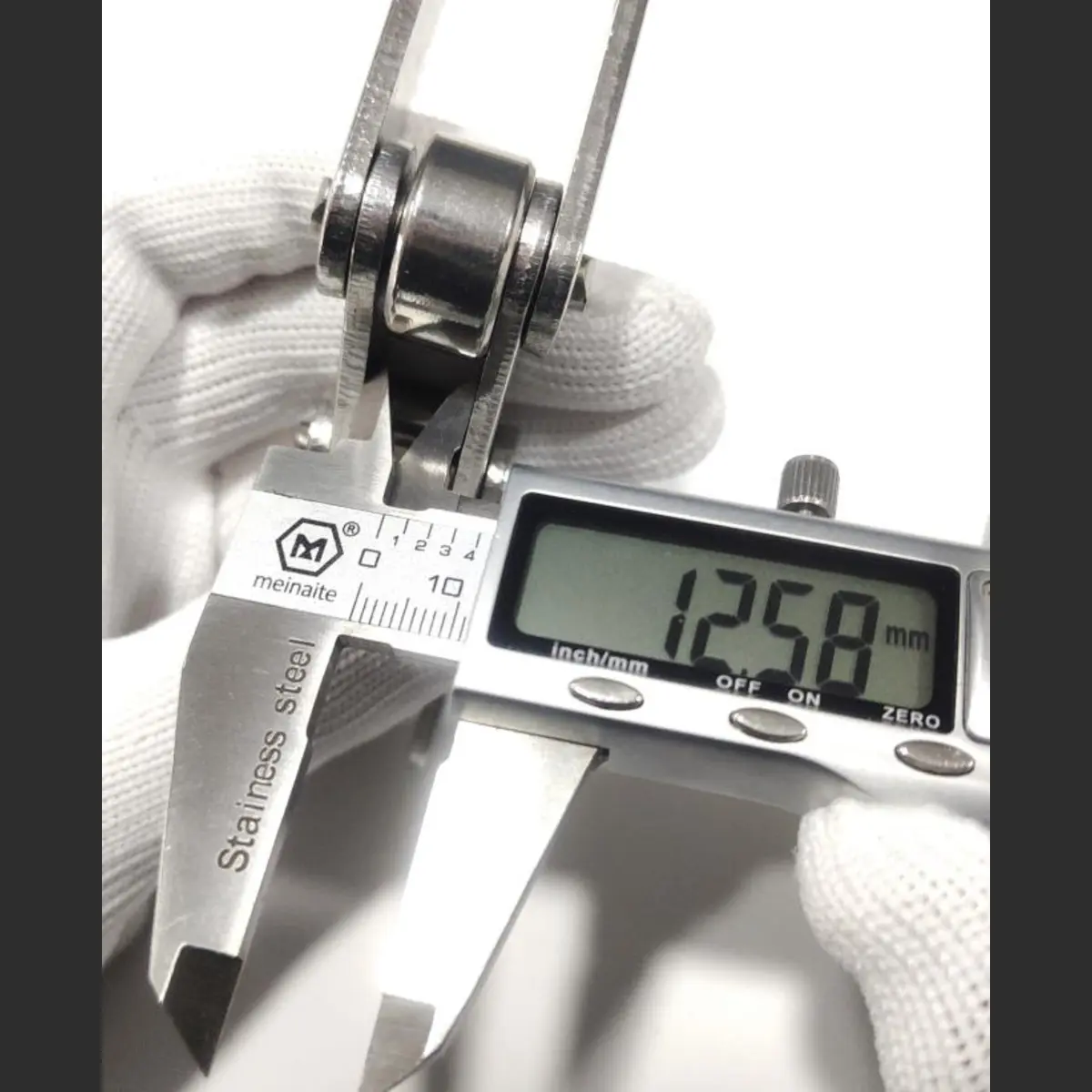
    Chain pitch, roller, plate height and inner width, rod, rod pitch, spiral wire and width measured against your drawing.

  2. Chain-driven belt check: chain and rod-end welds checked
    02

    Welds and edges checked

    Welds smooth and even — no lap, missed or weak welds; edges not burned or blackened.

  3. Chain-driven belt check: mesh surface checked before shipment
    03

    Flat, even mesh

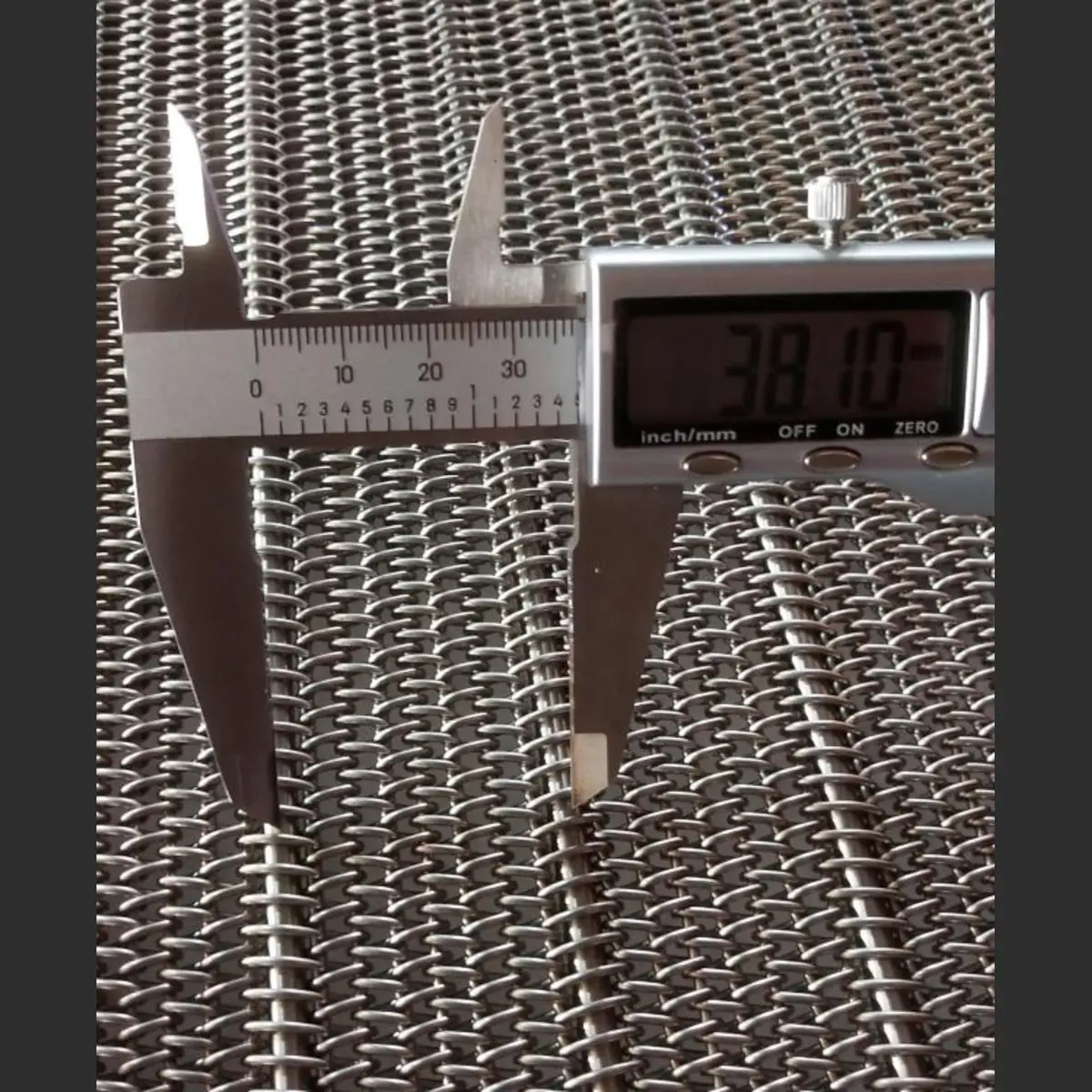
    Mesh surface and edges checked along the belt; spiral pitch and rod pitch measured over 10 pitches.

  4. Chain-driven belt check: L-type flights fitted and checked
    04

    Accessories fitted

    Flights, side guides and side plates fitted and checked against the drawing before packing.

Also checked: a complete first article before bulk production · material confirmed against your order · chain connectors, rods and washers counted · carbon steel lightly oiled.

05
Engineering experience

Problems You May See on a Chain-Driven Belt — and How They Are Prevented

A burned edge, extra washers, a deformed edge or a broken chain link means a stopped line and downtime. Each one has a check before your belt ships.

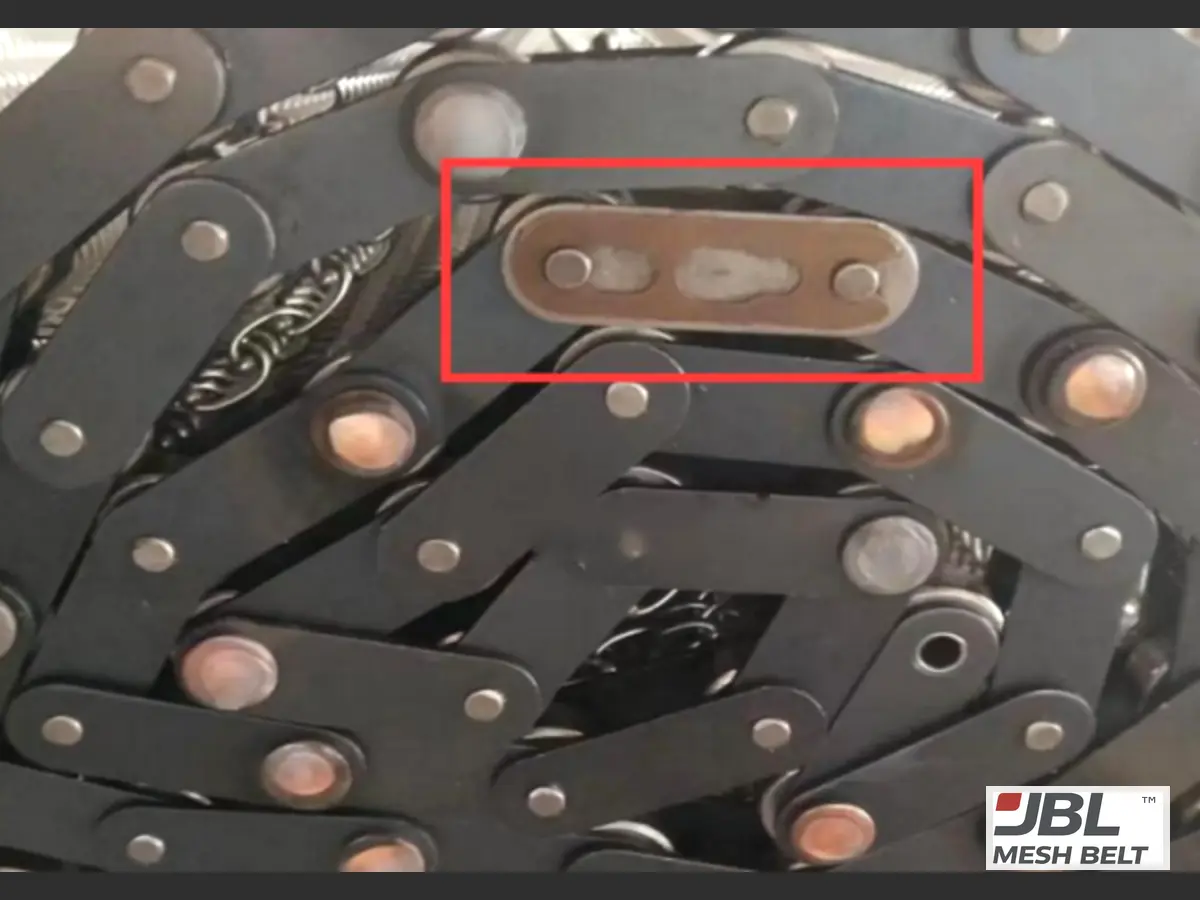
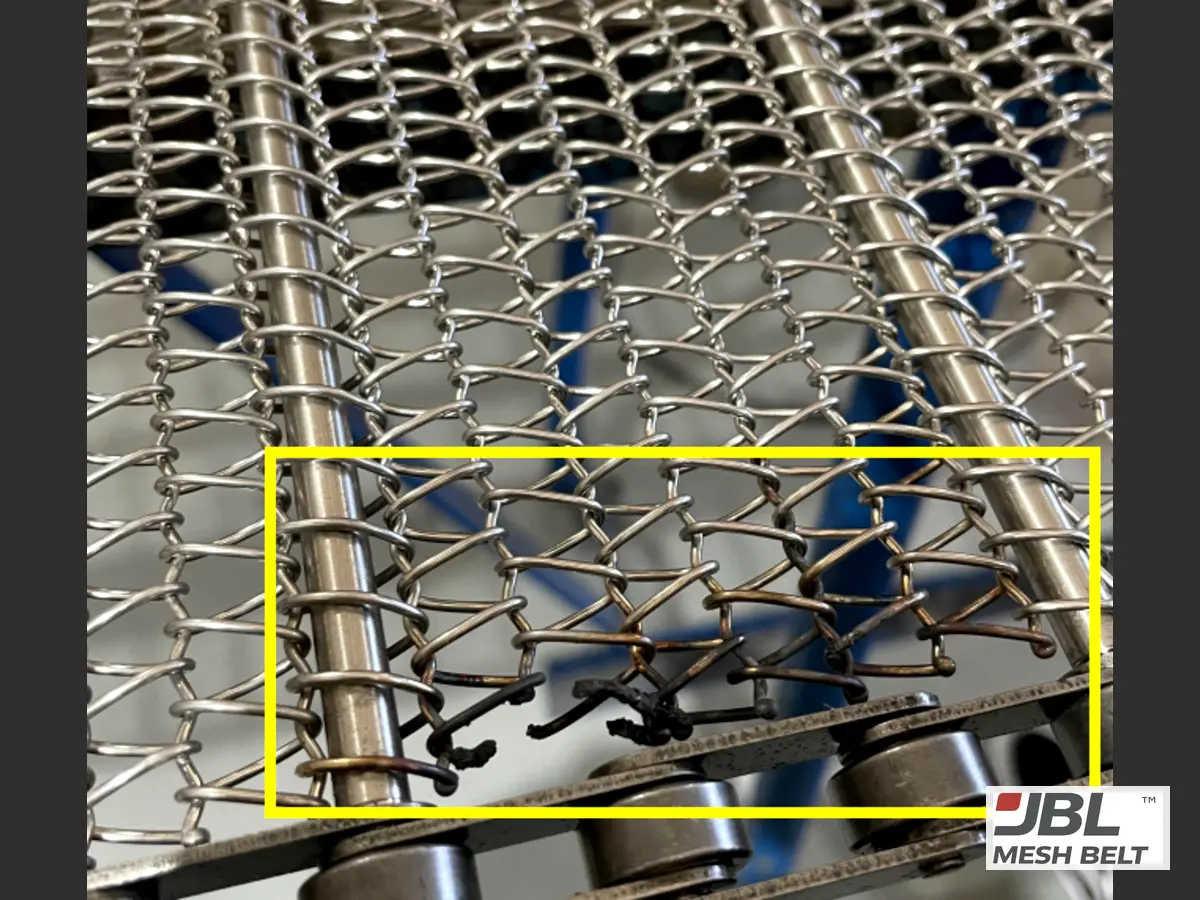
Chain-driven belt problem: mesh edge burned at the weldProblem

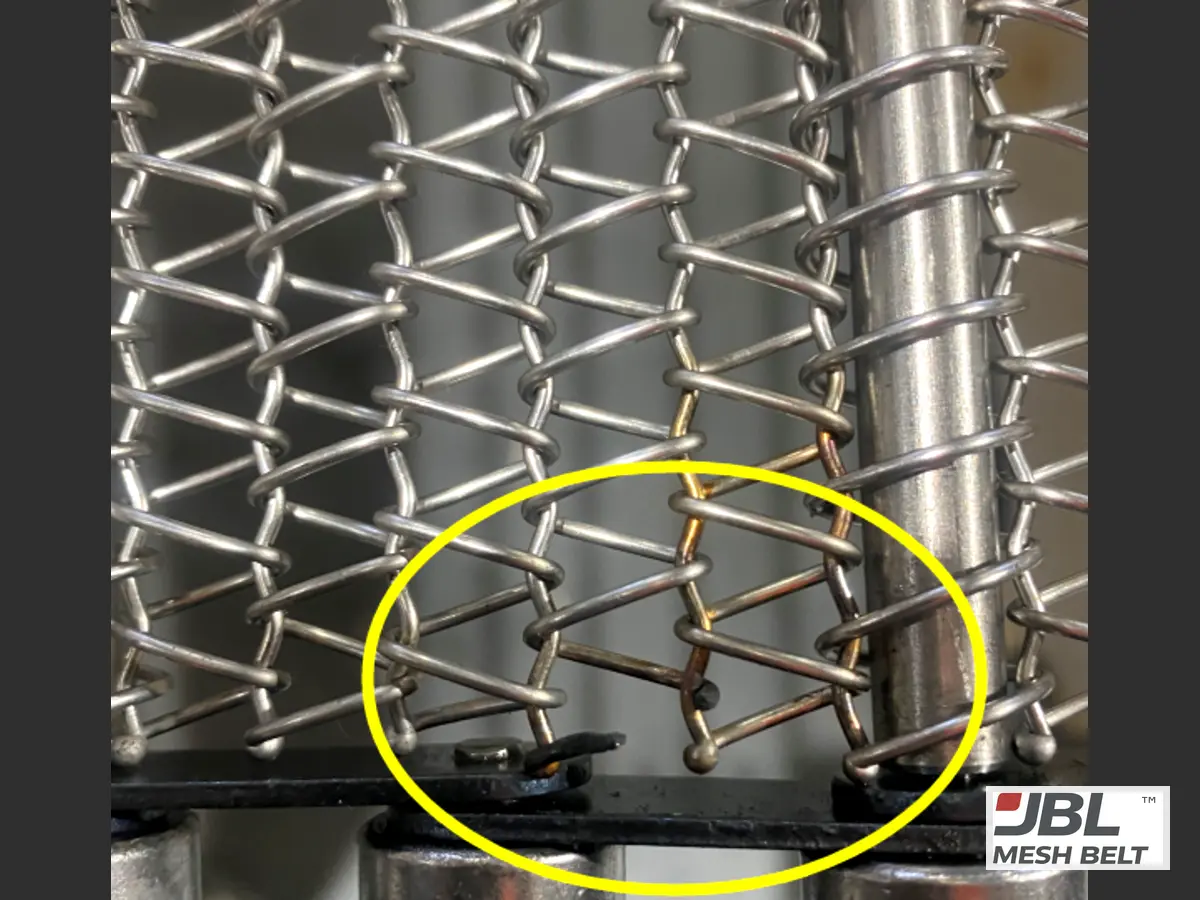
Mesh edge burned at the weld

Overheated welding burns and breaks the spiral wire at the edge (box).

✓ Edges checked for burning or blackening; welds smooth and even.

Seeing this on your belt? Send a photo →
Chain-driven belt problem: blackened edgeProblem

Blackened edge

Heat-blackened wire next to the chain (circled) — weak and unsightly on a food line.

✓ Edge colour and wire checked along the whole belt before packing.

Seeing this on your belt? Send a photo →
Chain-driven belt problem: extraneous washersProblem

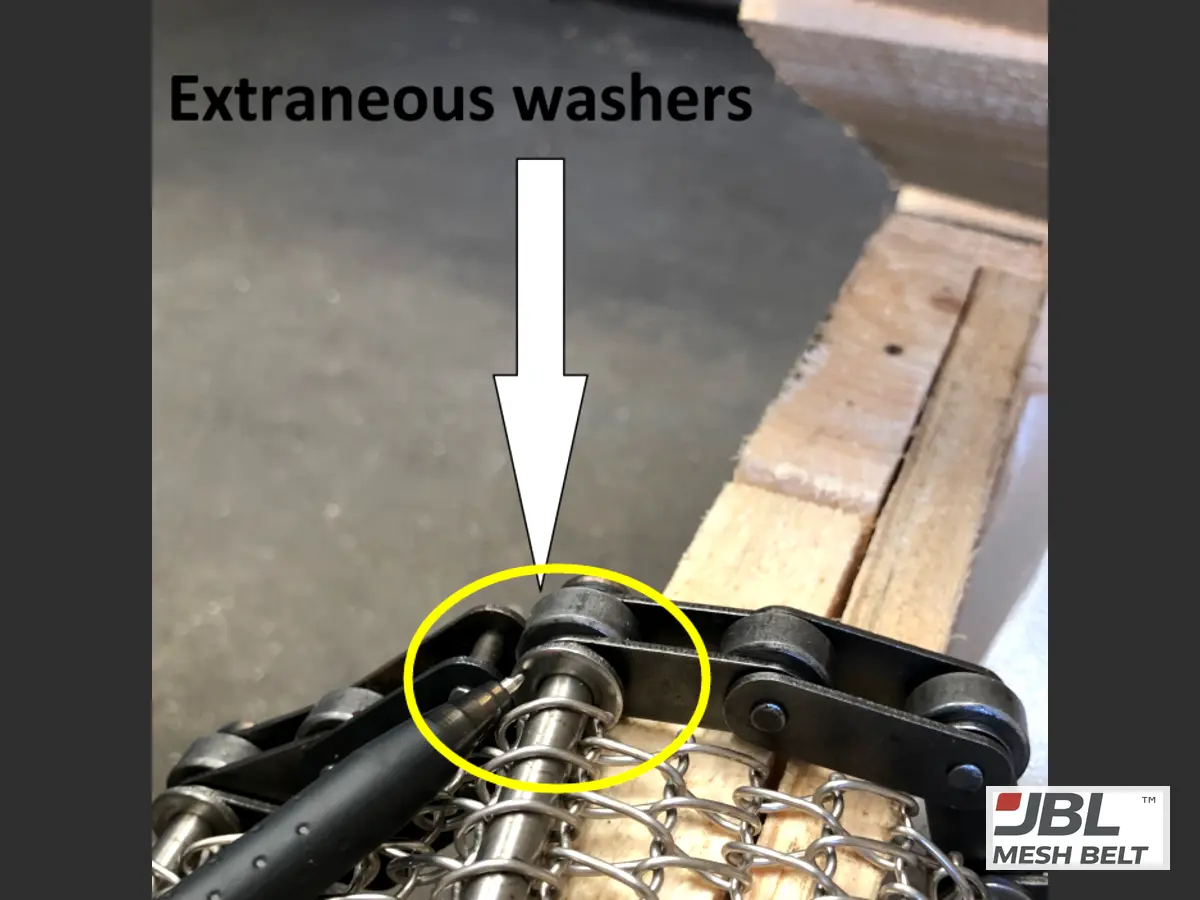
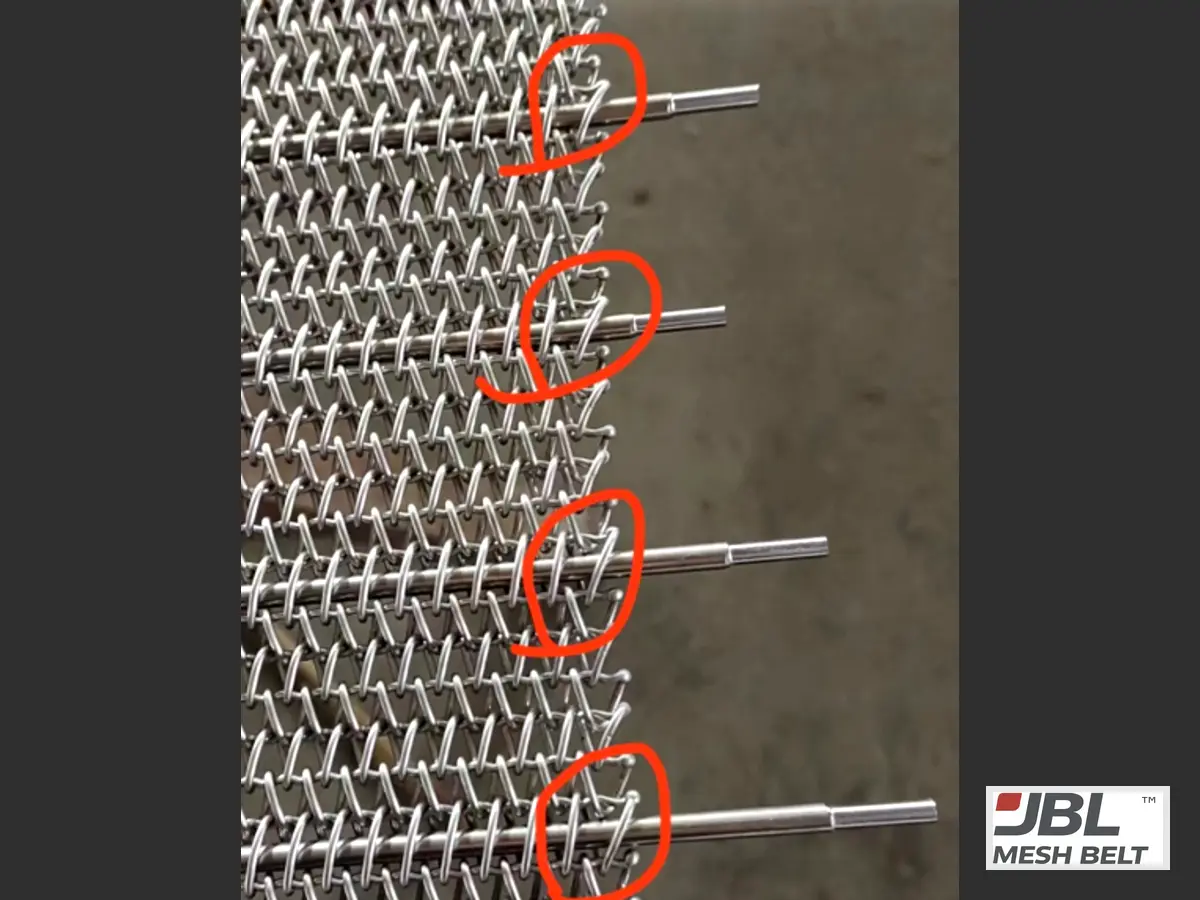
Extraneous washers

Inner washers welded where the design calls for none (circled) — the mesh no longer seats against the chain.

✓ Washer layout set on the drawing and checked on the first article.

Seeing this on your belt? Send a photo →
Chain-driven belt problem: broken chain linkProblem

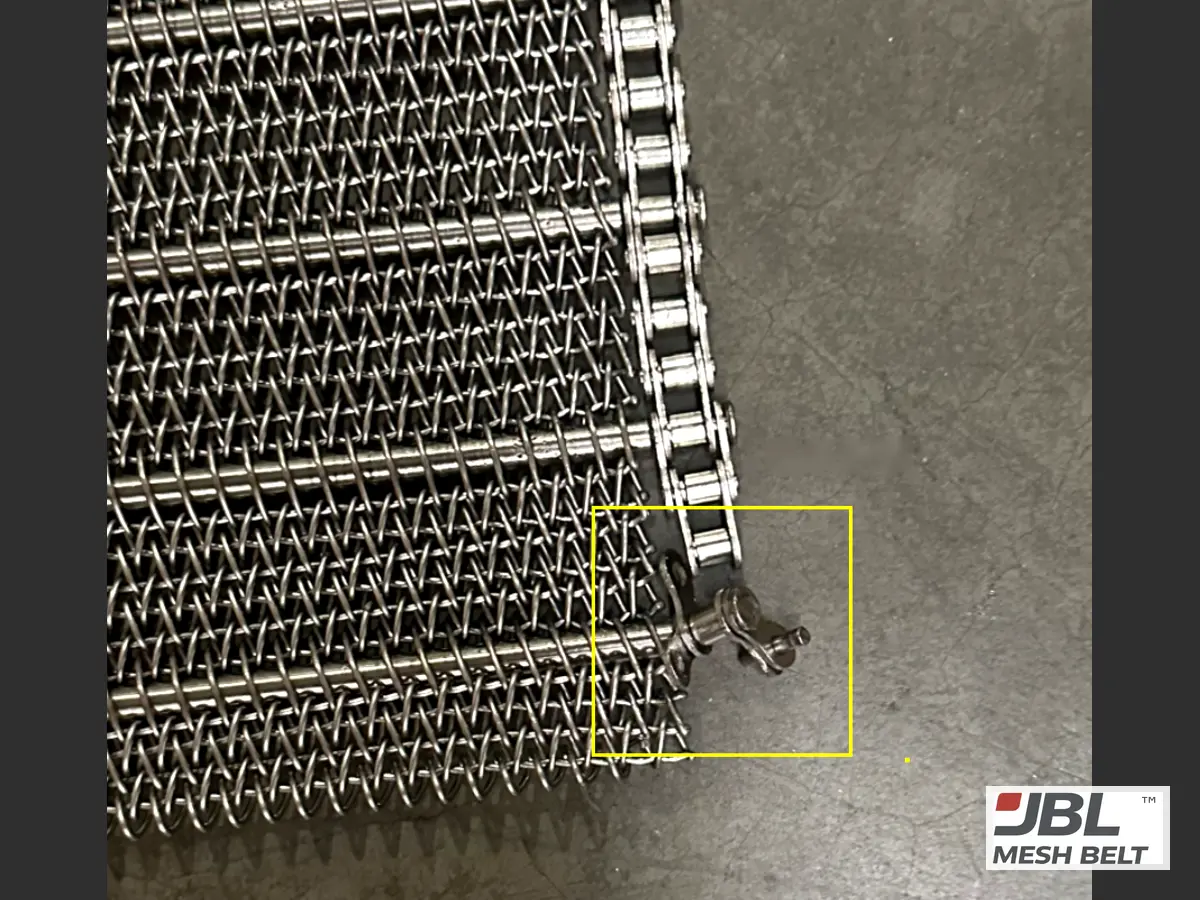
Broken chain link

A chain link that has broken away from the rod (box) stops the line.

✓ Chain, rod ends and connectors checked; chain connectors packed and counted.

Seeing this on your belt? Send a photo →
06
Shipment records

What Arrives at Your Plant

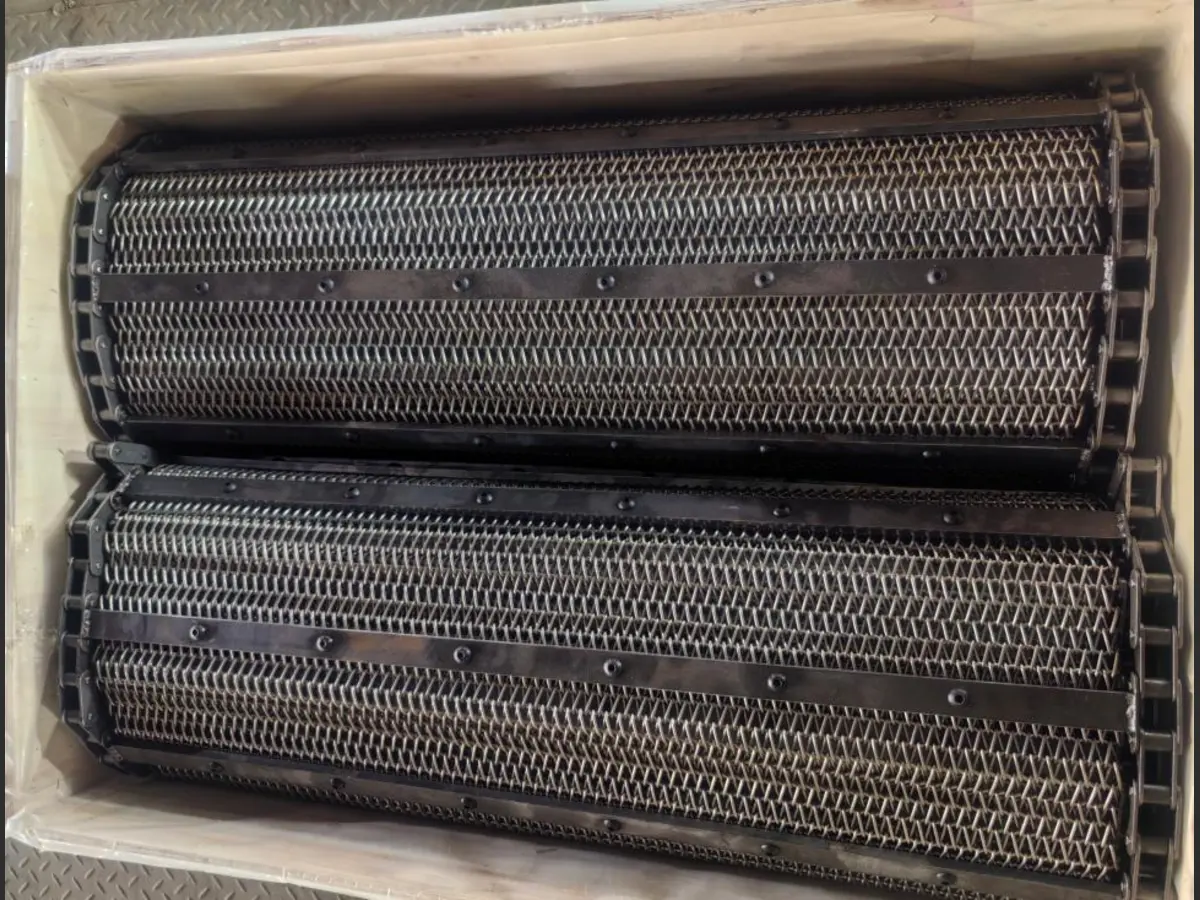
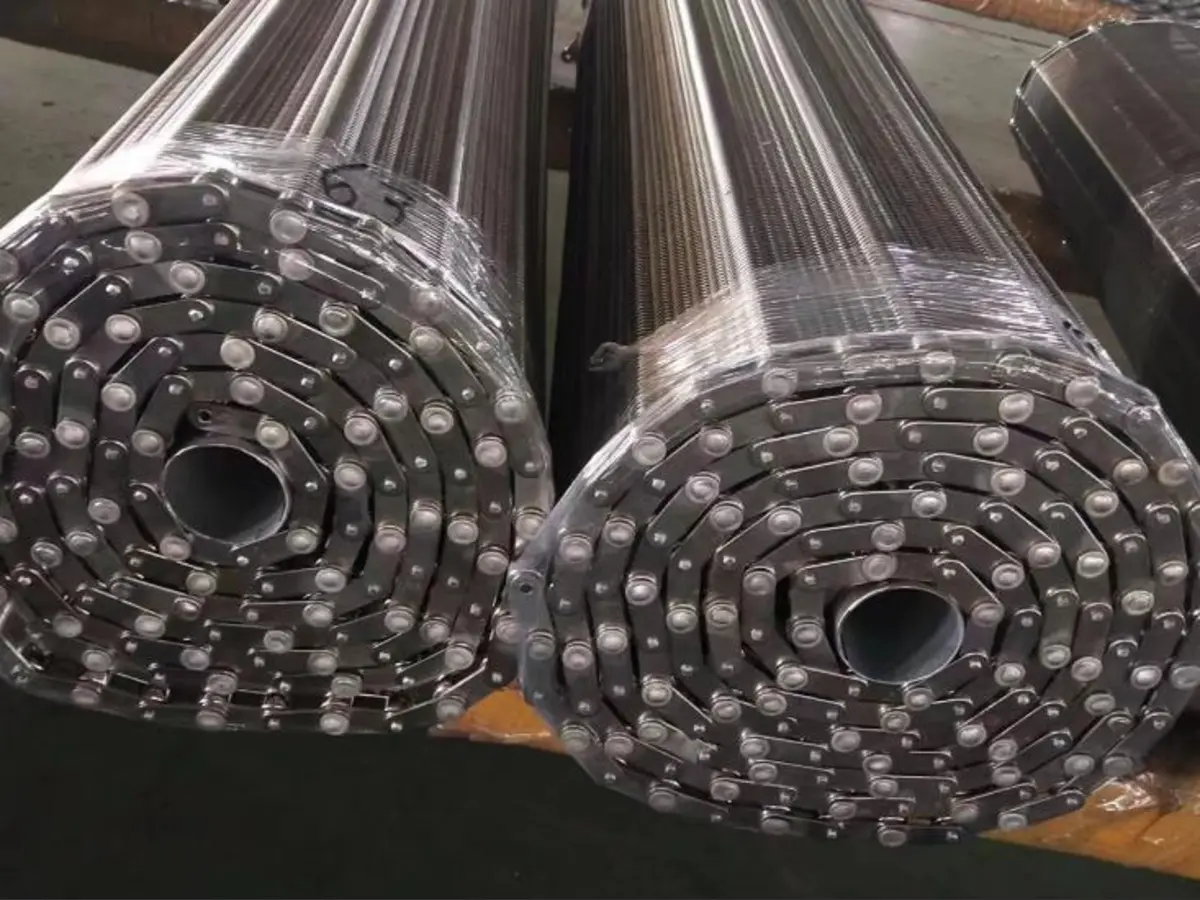
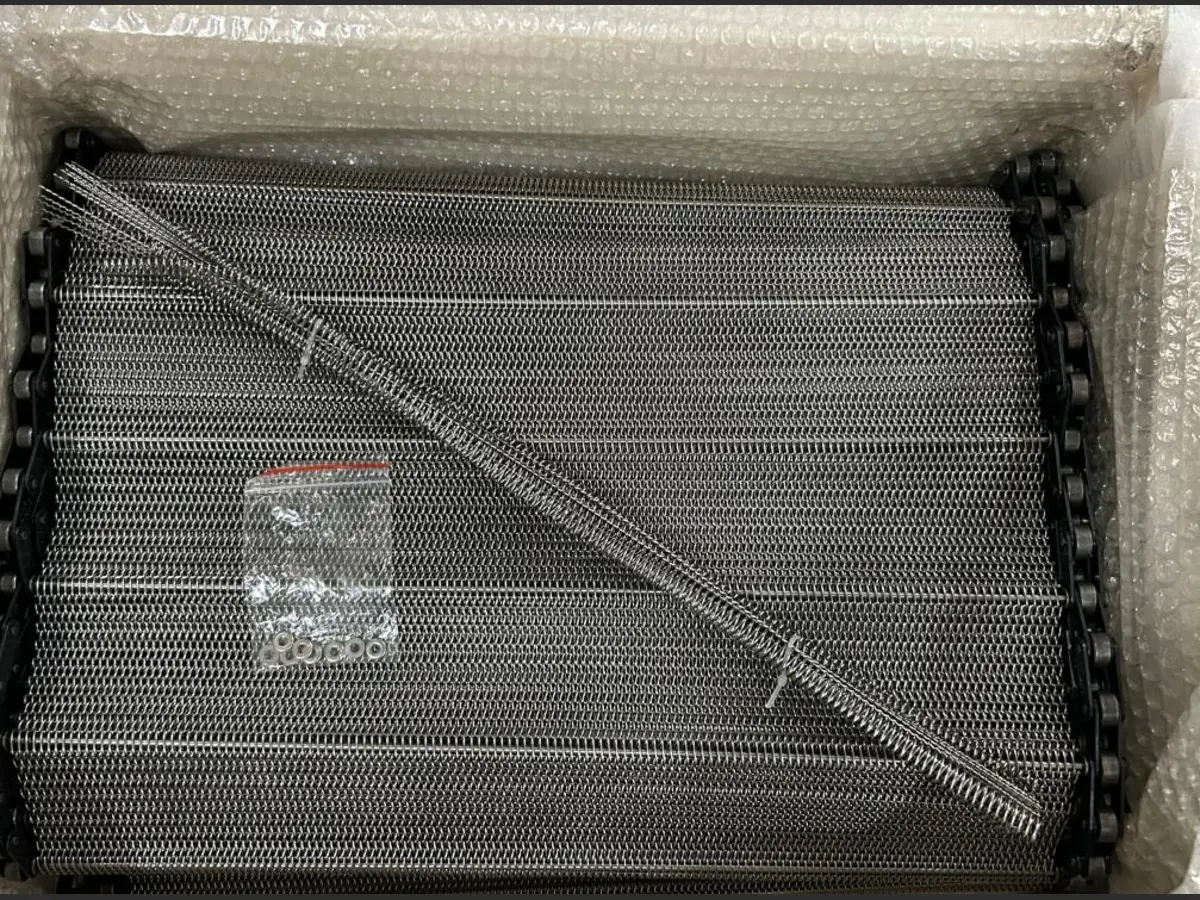
Your belt arrives rolled or laid flat in a lined export crate, with spare rods, washers and chain connectors counted and packed. Real shipments; order numbers hidden.

Chain-driven belt shipment: rolled with its chains

Rolled with its chains

Rolled so the chain edges are protected.

Chain-driven belt shipment: rolls wrapped

Rolls wrapped

Each roll wrapped and labelled.

Chain-driven belt shipment: spare rods and washers

Spare rods and washers

Laid flat in a lined crate with spare rods and washers.

Need a different chain, pitch, width, flight or side guide?

Custom chain-driven belts are welcome — built to your line and application, with feasibility confirmed for your project. Send your old belt photos or drawing.

Contact an Engineer →
07
FAQ

Questions Buyers Ask Before Ordering a Chain-Driven Belt

Q1Where is a chain-driven belt used?

Where the belt must be positively driven by chains and sprockets — frying, baking, cooling, freezing, washing and general food processing lines, often with flights or side guards.

Q2Which chain do I need?

The chain model and pitch must match your sprockets — for example #40, #50, C2042, C2052, C2062, C2082 or C2102, at 12.7 to 63.5 mm pitch. Send the chain marking or a measured photo and the sprocket tooth count.

Q3Why must the rod pitch match the chain?

The cross rods pass through the chain, so the rod pitch is a multiple of the chain pitch. Both are fixed on the drawing before quotation.

Q4Can the new belt be joined to my old belt?

Yes, if the pitch matches. Tell us whether you are replacing the whole belt or joining a new section to an old one; for joining we need the old belt's pitch data or a sample, and whether the overall width or the chain centre distance must be kept.

Q5Washer welded or cotter pin edge?

Washer welded edges are fixed; cotter pin edges can be opened for maintenance. Matching your existing edge is the usual starting point.

Q6Which wire for freezing?

For freezing, the mesh is made from hard-drawn wire — soft wire can deform in the cold. Material is SUS304, SUS316 or carbon steel, confirmed for your temperature and product.

Q7Which accessories can be fitted?

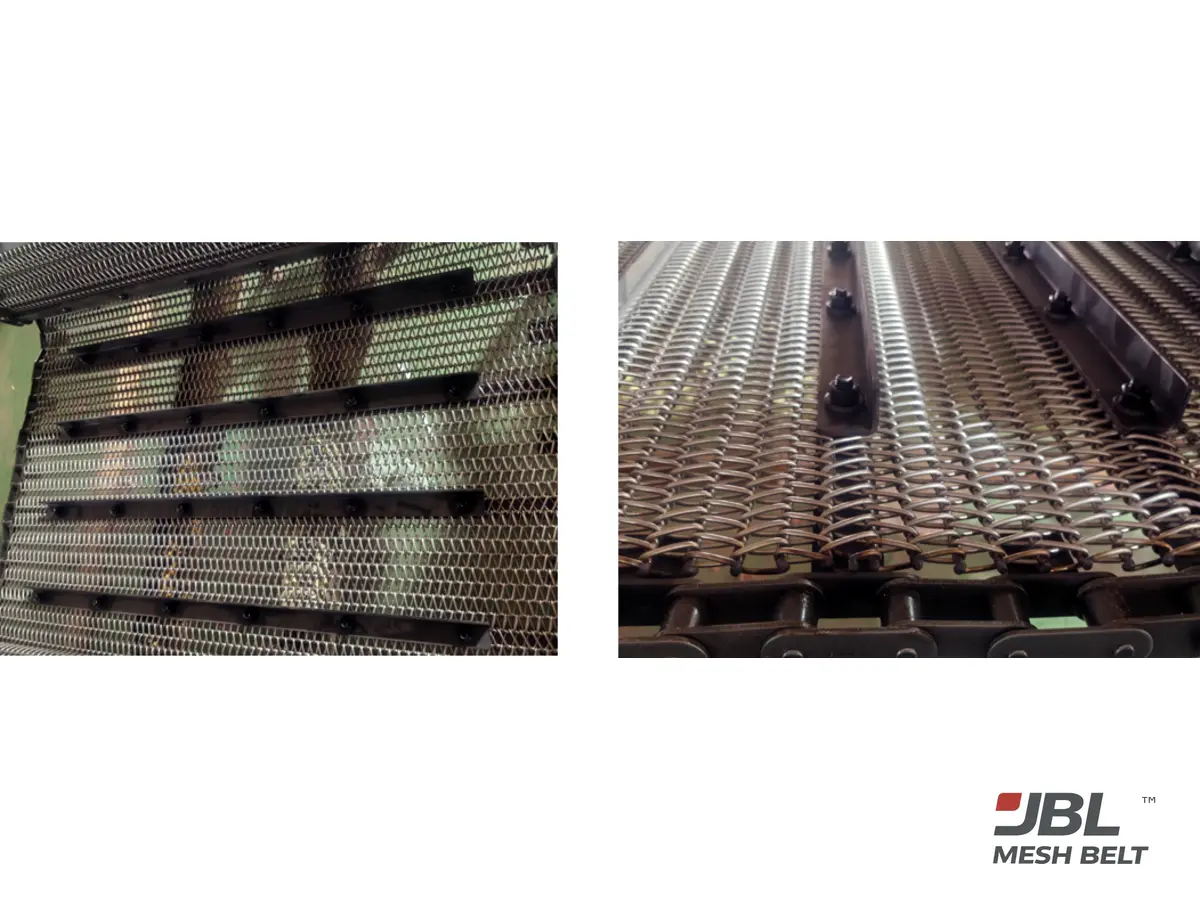
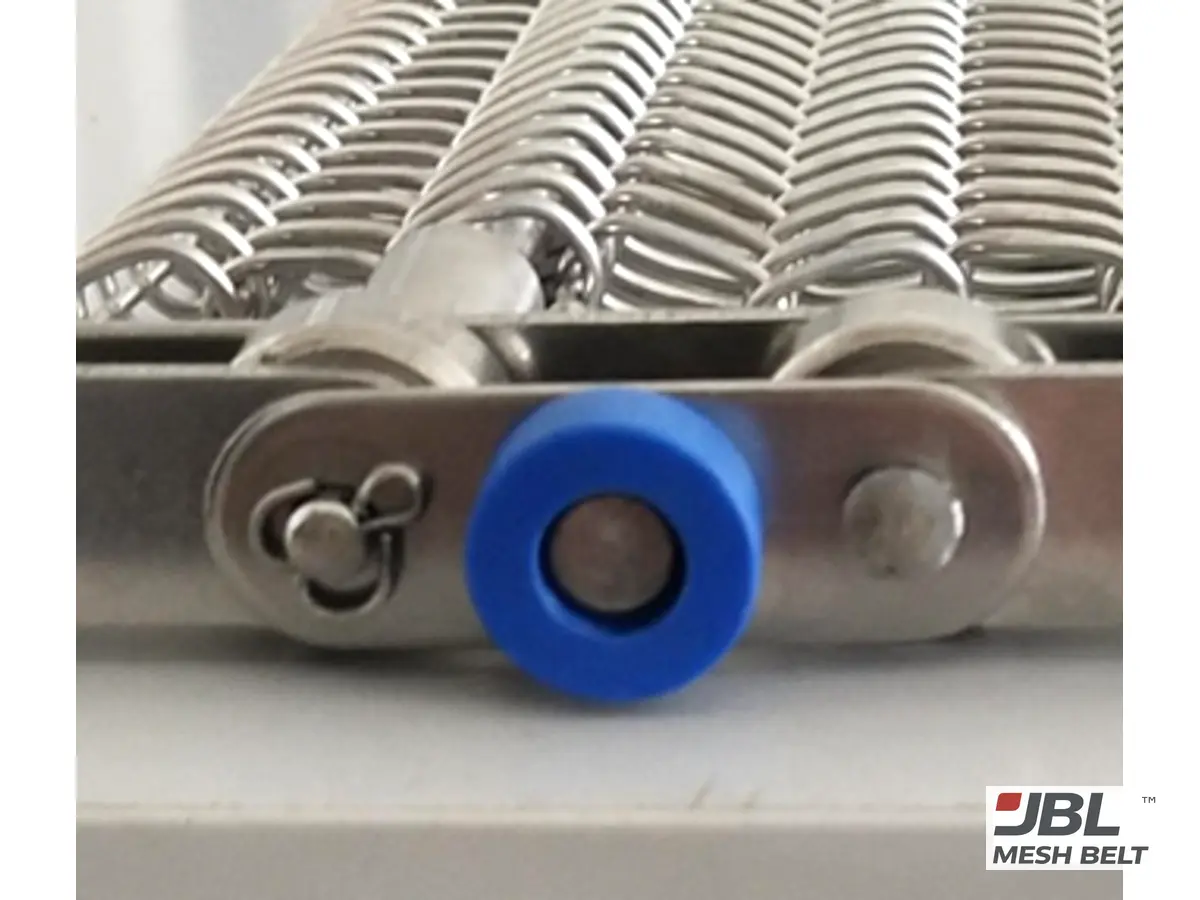
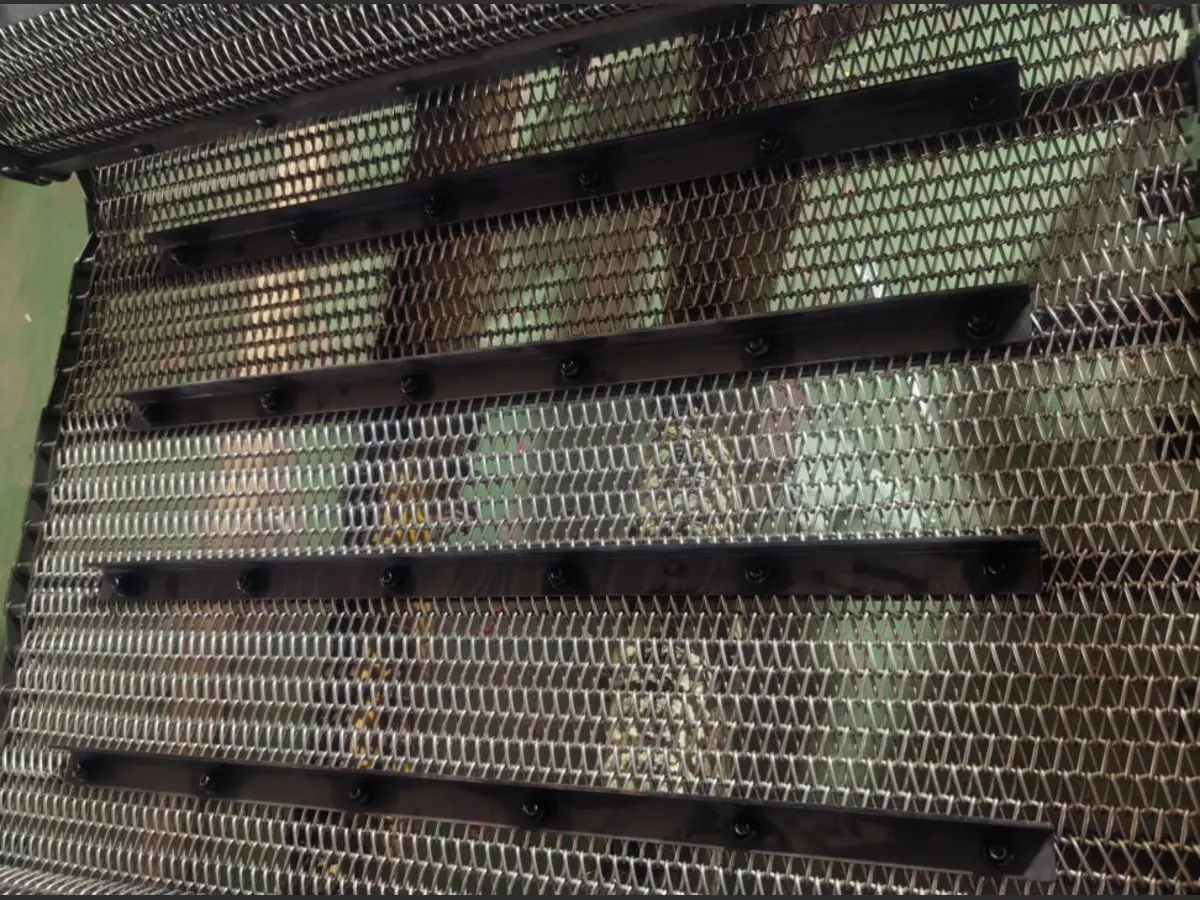
Side guides, tubes, side rollers, square bars, spiral-wire flights, L-type flights and side plates — size and spacing per drawing.

Q8Can you supply sprockets?

Yes. SUS304 / SUS316 or mild steel sprockets matched to the chain model and pitch; tooth count, bore and keyway per drawing.

Q9What should I send for a quotation?

Chain model and pitch, rod pitch and diameter, spiral pitch and wire diameter, belt width and length, edge type, accessories, material, application and temperature, plus photos or a sample of the old belt.

Q10How are commercial terms confirmed?

They depend on the belt and the project, and are confirmed in writing in the quotation.
Evidence

Real Projects and Videos for This Belt

Real JBL projects with this belt type — measured, sampled, tested and shipped — and videos of the belts running or checked before shipment.