Replacement Support

Replace Your Metal Conveyor Belt — Even Without the Original Drawing. We Review It Against Your Equipment First.

Send a section of your old belt, a drawing or measured photos. We measure it, check it against your drum, drive and sprockets, and show you a sample before production — then test it before shipment.

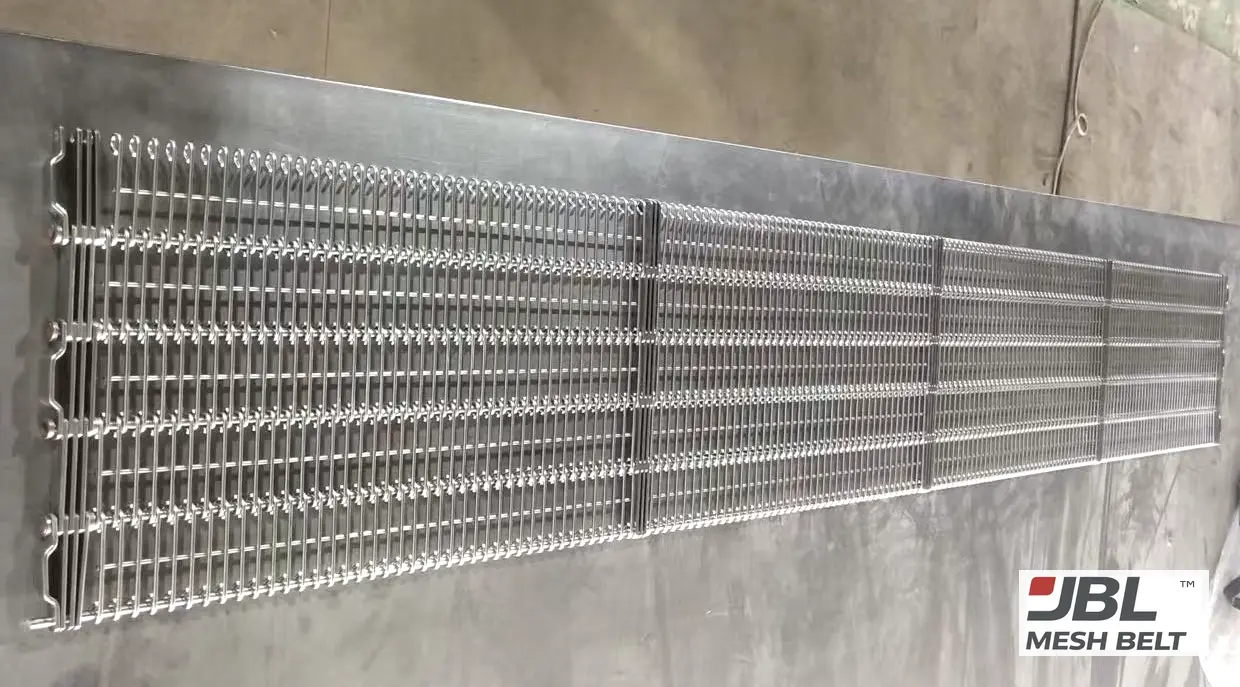
New belt joined to a customer's old belt sample
Before quoting
Compatibility checked
Before production
Sample approved by you
Before shipment
Drum or stacking test video
WhatsApp
Send your drawing or old-belt photos
01
Compatibility

Same Width and Pitch — Why a New Belt May Still Not Fit

A belt is matched to a system, not to two numbers. These twelve points are checked before the specification is confirmed — the last two only for self-stacking belts.

  1. 01

    Belt width

    Overall and mesh width, measured at several points.

  2. 02

    Rod diameter

    Every rod type on the belt, with a caliper.

  3. 03

    Rod pitch

    Over 10 pitches, not one.

  4. 04

    Link pitch and height

    Link geometry decides how the belt turns and stacks.

  5. 05

    Wire diameter

    Spiral or mesh wire, and which wire it is.

  6. 06

    Turn ratio

    How tightly the belt can turn on your drum.

  7. 07

    Inside radius and drum

    Drum (cage) diameter and how the belt meets it.

  8. 08

    Drive engagement

    Sprocket or drum drive — where and how the belt is driven.

  9. 09

    Sprockets

    Pitch, teeth, bore and wear on your existing sprockets.

  10. 10

    Wear on the old belt

    Stretched pitch or worn links mean the old belt is not the original size.

  11. 11

    Tier height

    Self-stacking belts: tier height and side plate height and thickness.

  12. 12

    Running direction

    Self-stacking belts: CW or CCW.

02
Three ways to replace

What Do You Have? Three Ways to Replace a Belt

Start from whatever you have now. Each route ends with a sample you approve before production.

New belt joined to the customer's old belt sample
I have an old belt section

Sample-based replacement

You send
A short section of the old belt, photos of the edge and the machine, and the drawing if you have one.
We do
Measure every dimension, check material and structure, compare with the drum and drive, and check a sample where needed.
You get
A sample made to your old belt — joined to it or compared side by side — before production.
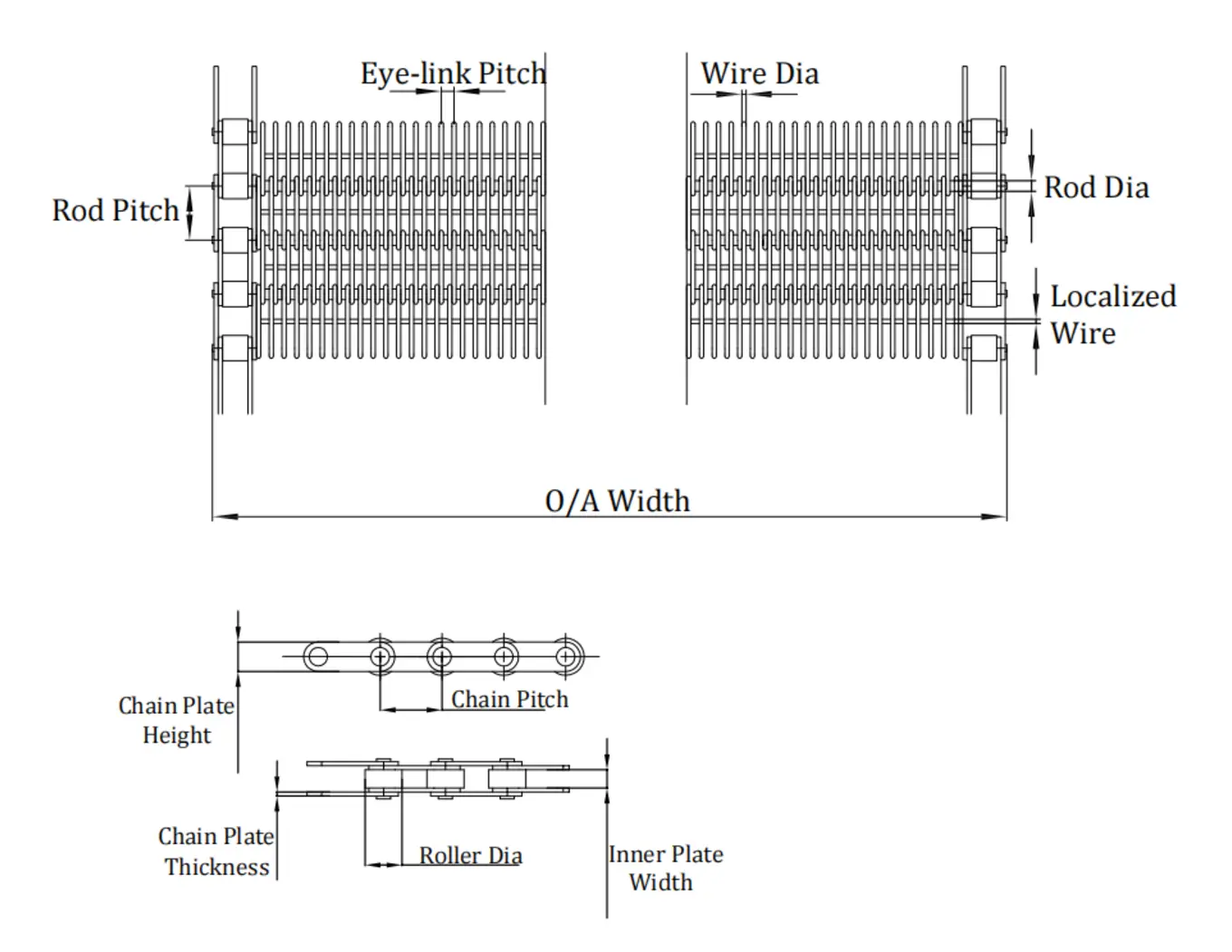
Belt dimension drawing
I have a drawing

Drawing and specification-based

You send
The belt drawing or specification sheet, the machine model and the application.
We do
Check the drawing against the machine and process; suggest improvements such as surface finish where useful.
You get
A confirmed drawing and quotation, then a first article checked against it.
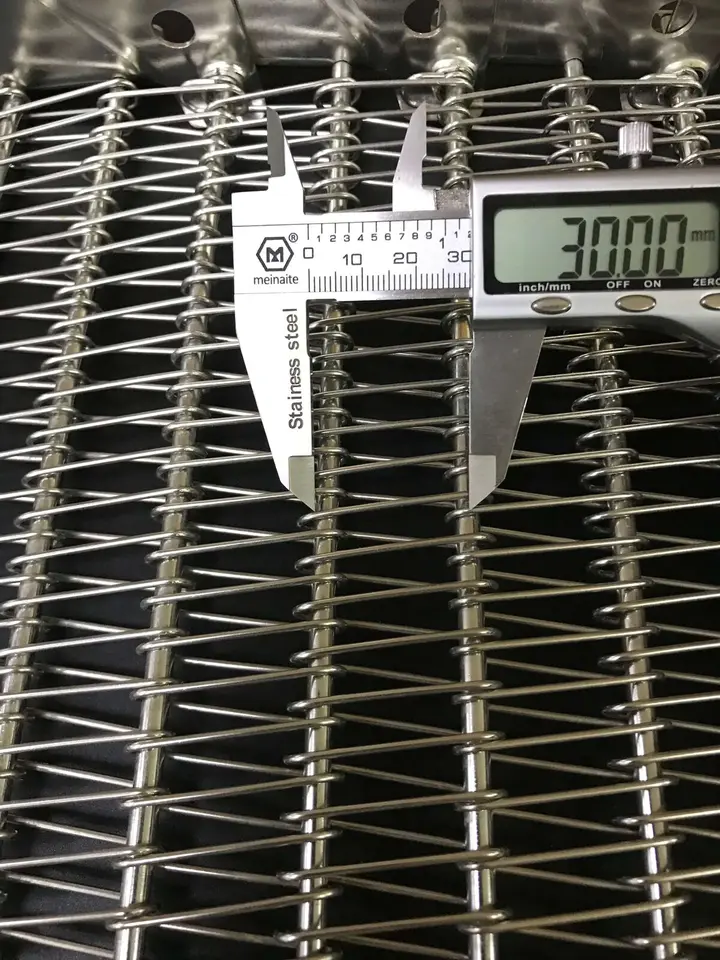
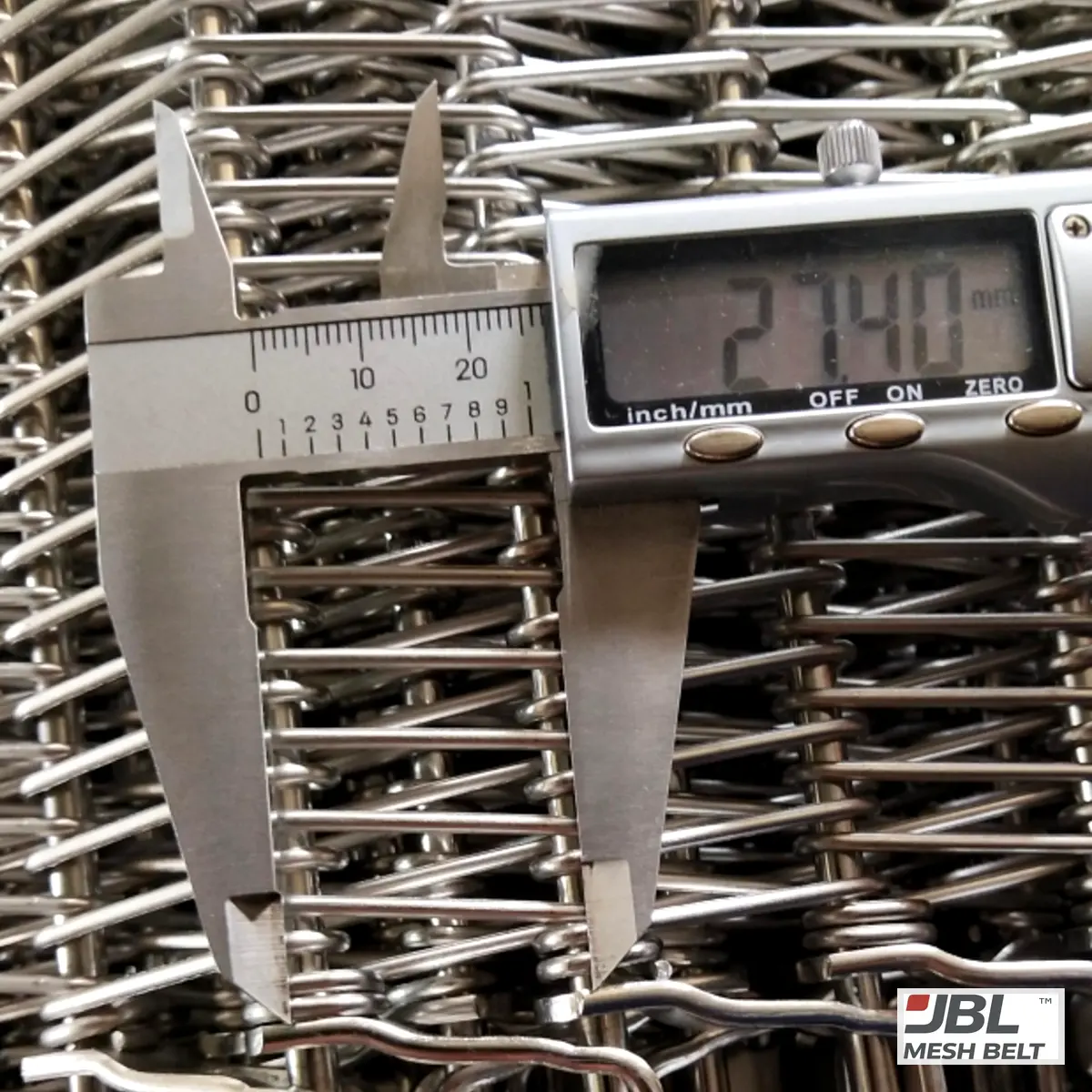
Belt measured with a caliper
I only have photos

Reverse engineering from photos

You send
Close-up photos with a tape or caliper in them, overall width, and photos of the drum and sprockets.
We do
Identify the belt type and structure, list what is missing, give an indicative quotation.
You get
A list of the dimensions still needed — then a sample before production.
How to photograph and measure your old belt →
03
Verified before shipment

How a Replacement Belt Is Verified — Real Photos

From your old belt to the crate: measured, compared, joined, tested and packed — and you see each step.

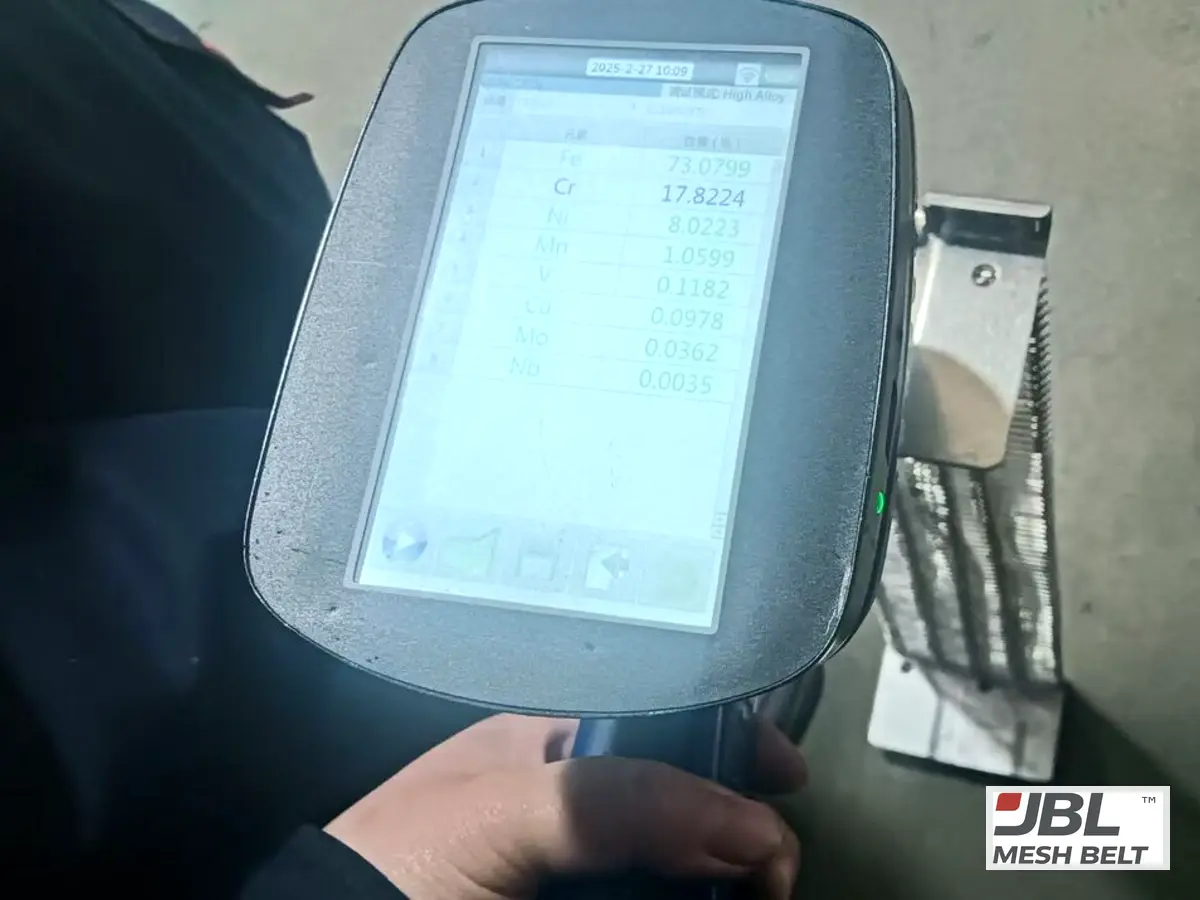
  1. Material checked against the original

    01Material checked against the original

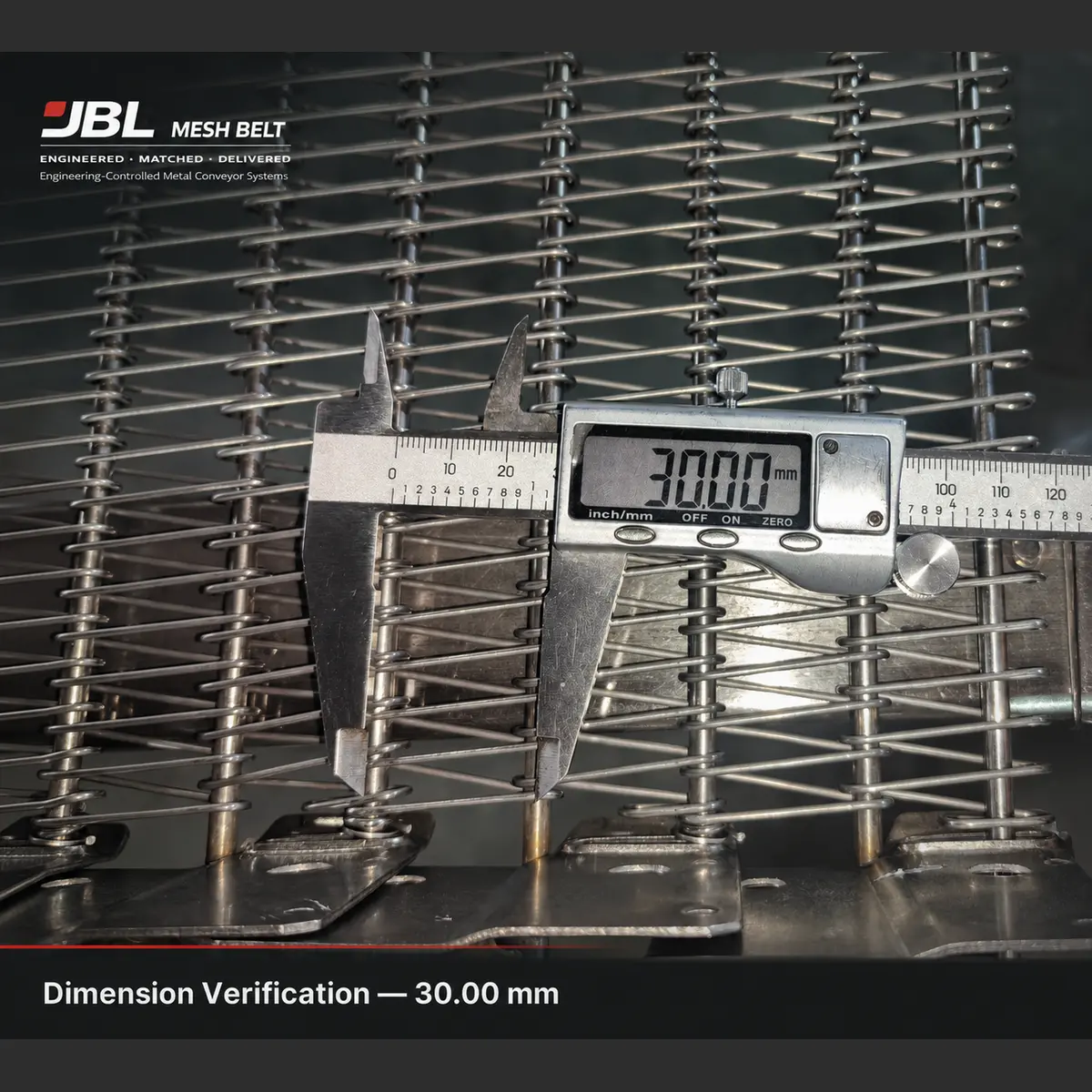
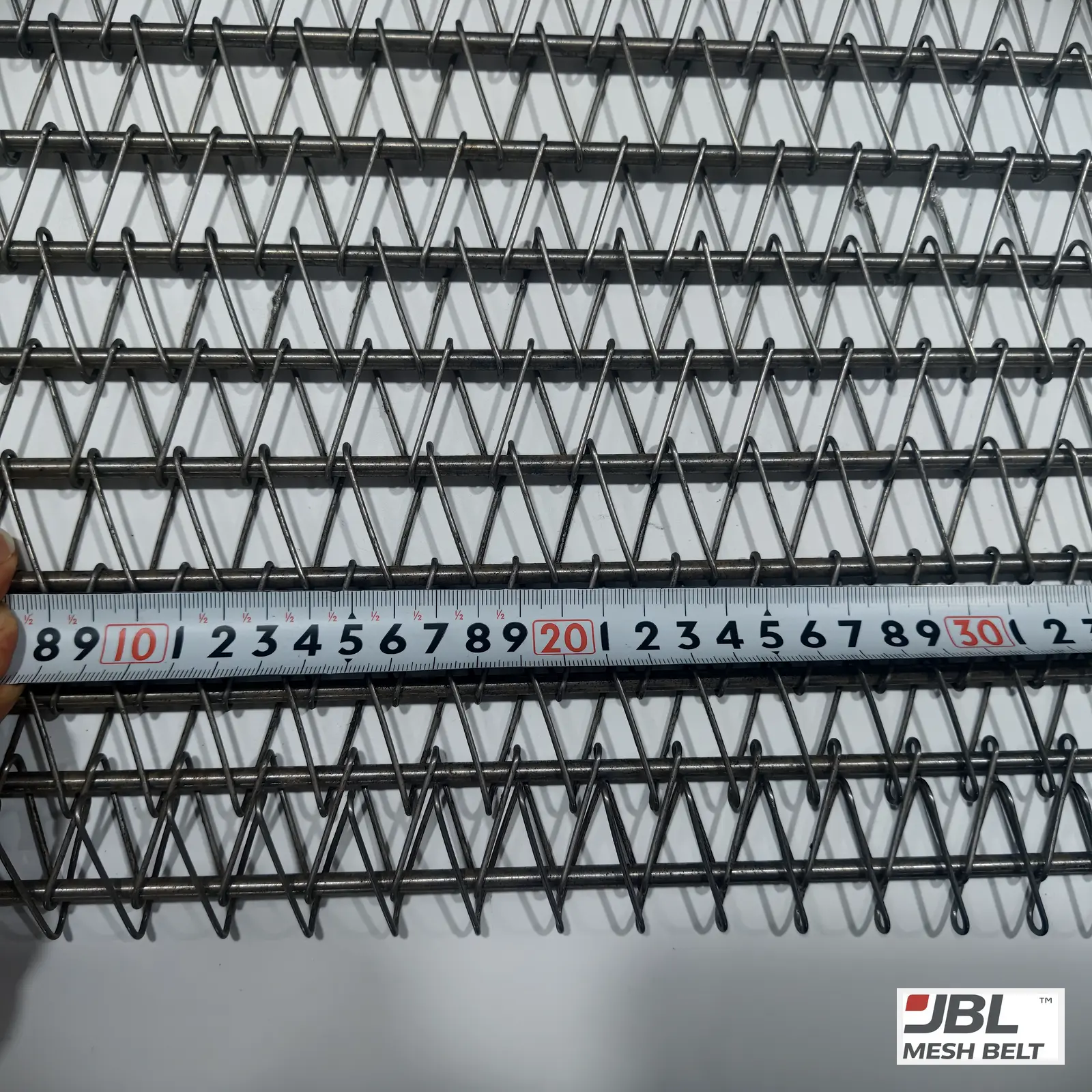
  2. Rod pitch measured over the old belt

    02Rod pitch measured over the old belt

  3. New belt joined to the old sample

    03New belt joined to the old sample

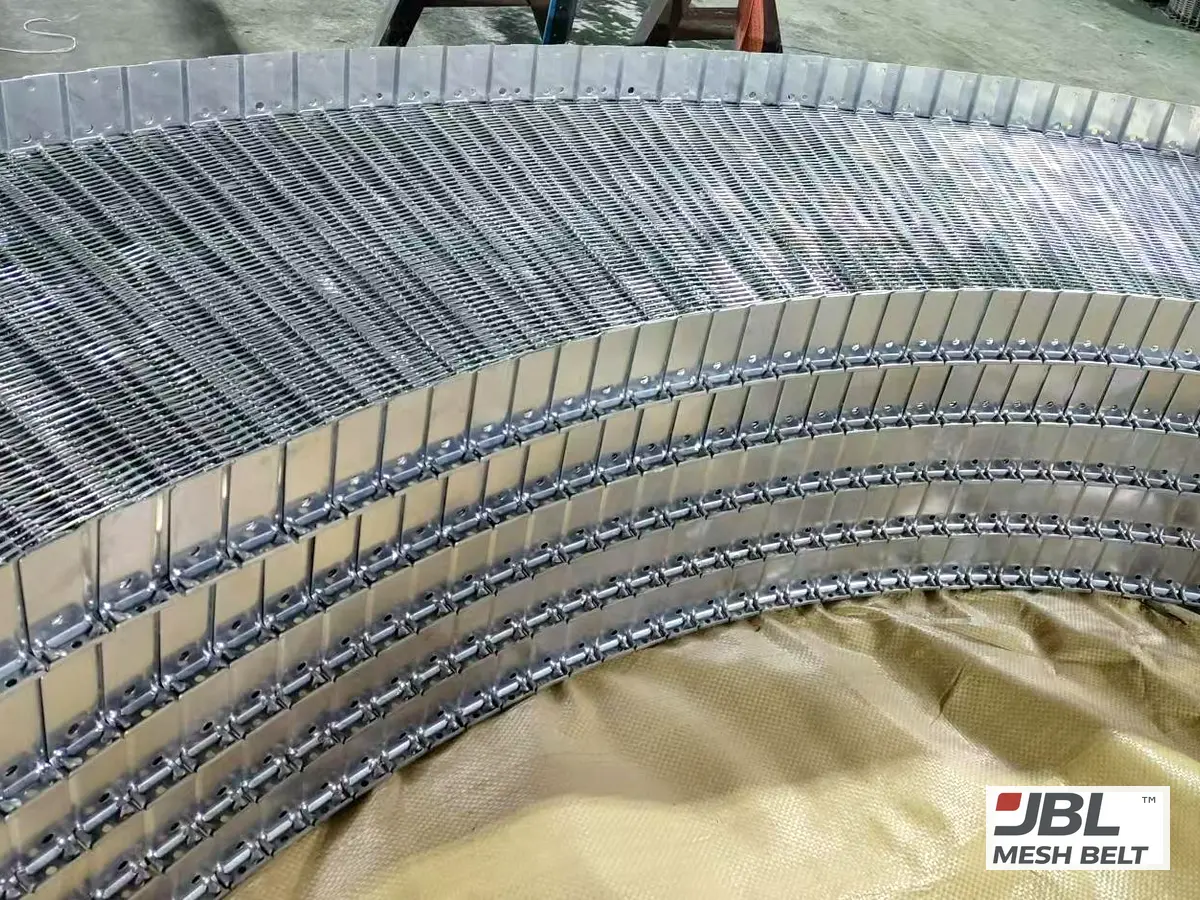
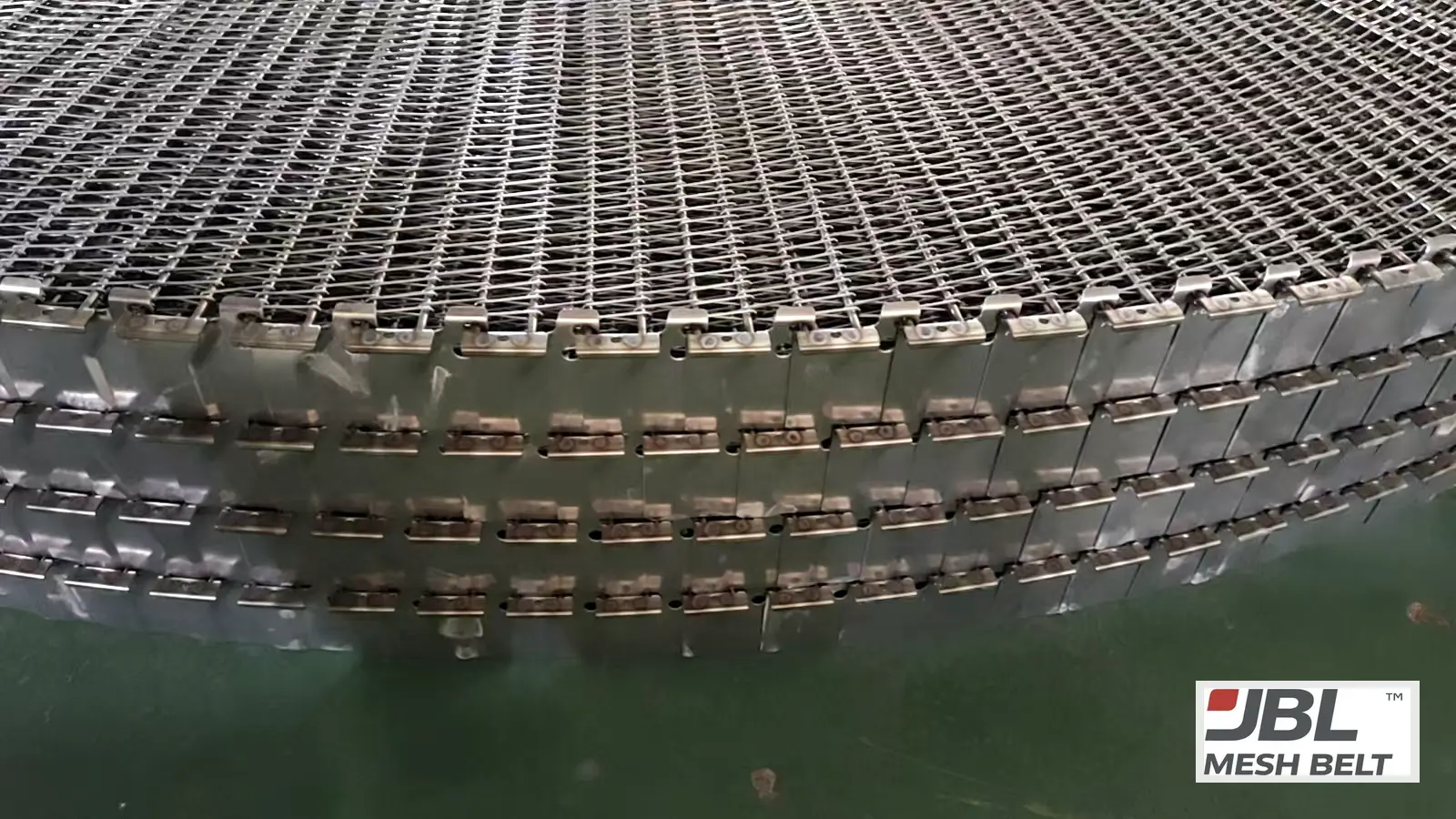
  4. Stacking test before shipment

    04Stacking test before shipment

  5. Pitch re-checked before shipment

    05Pitch re-checked before shipment

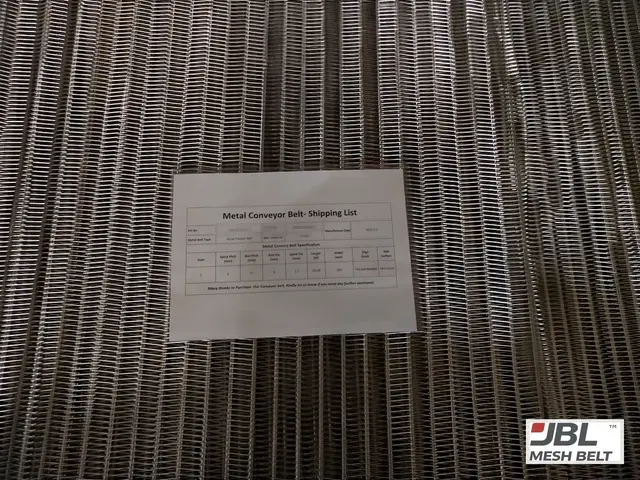
  6. Packed with a shipping list

    06Packed with a shipping list

04
Replacement projects

Replacement Projects We Have Handled

Real cases first — each with its own page, photos and caliper readings. Customers and original brands are not named.

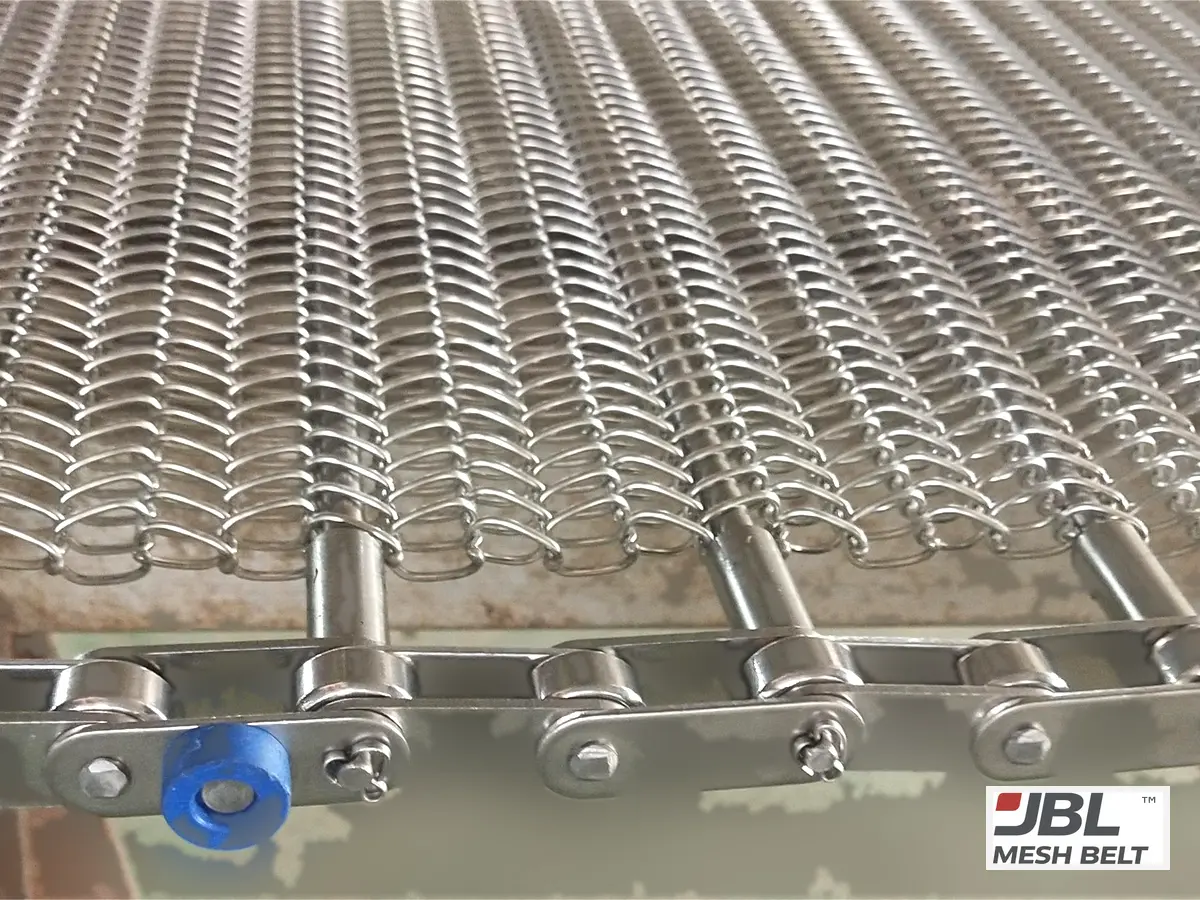
Chain-driven belt edge with roller chain, cotter pins and blue guide rollers

Australia · 2023

Chain-driven belt with 316 mesh for a steam oven tunnel in Australia — reverse-engineered from the customer's sample

From a sample of the original belt we measured the chain and the mesh, made a trial chain with guide rollers, then about 33 m of belt with SUS316 mesh and rods and a SUS304 chain.

Chain-Driven Belt · Steam oven tunnel

Clenched edge of a flat wire belt sample for a can washing line

Australia · 2022

316 / 316L flat wire belt for a can washing line in Australia — reverse-engineered from the customer's sample

The customer sent a section of the original belt. We measured pitch, rod and strip, matched the clenched edge, and supplied about 61 m with SUS316 rods and SUS316L flat strips.

Flat Wire Belt · Can washing line

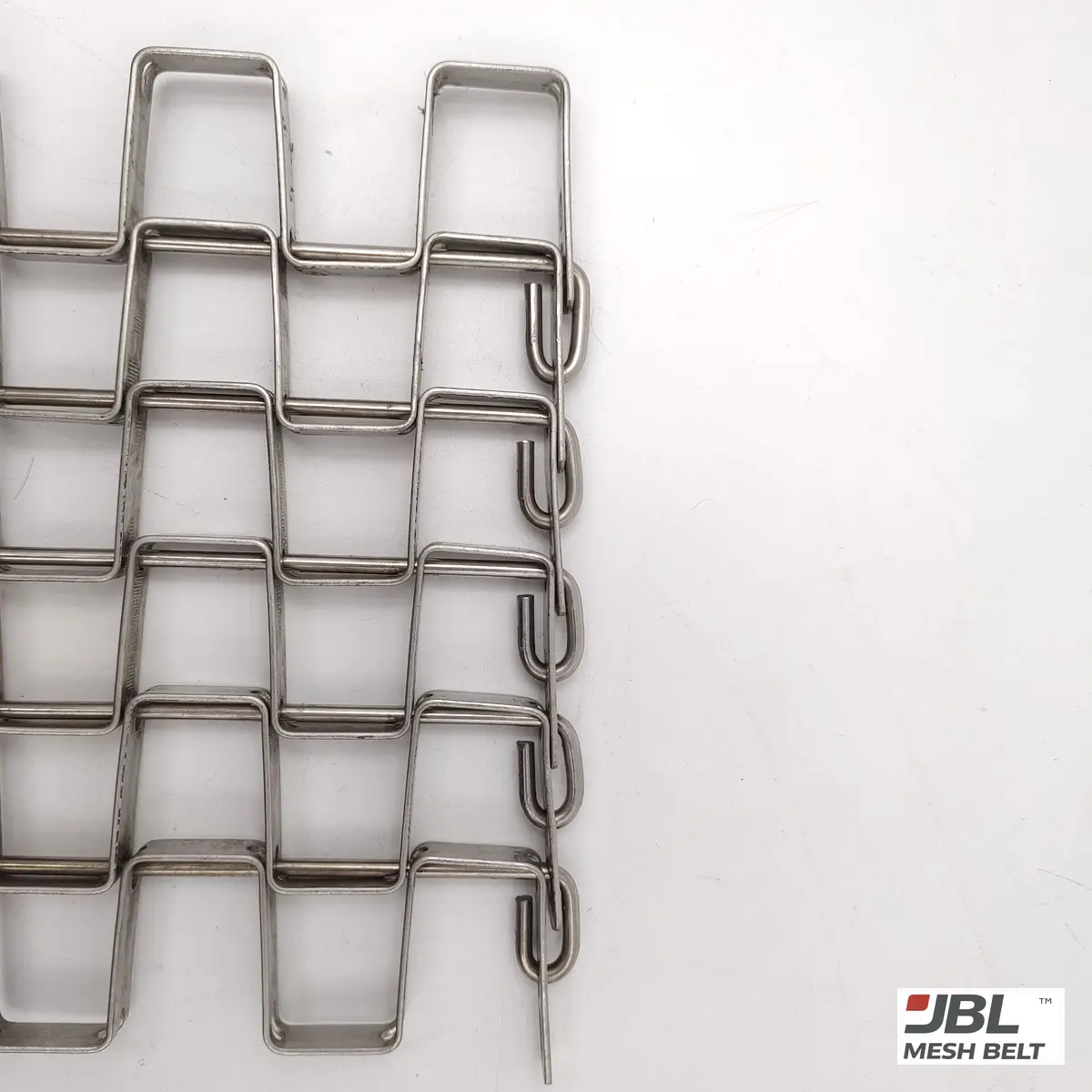
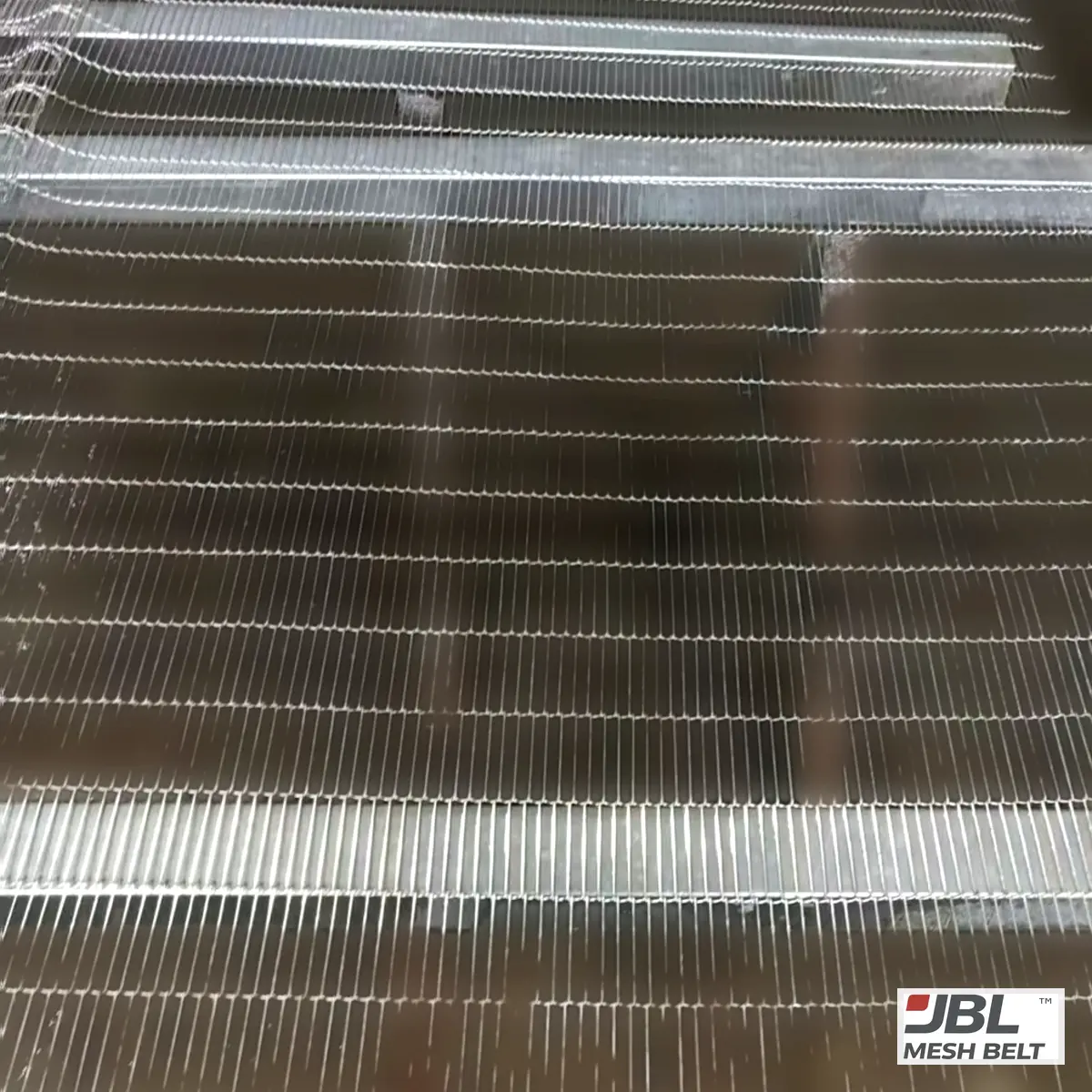
Z-type ladder belt laid on support bars for checking before packing

Libya · 2025

Z-type ladder belt for a potato chip frying line in Libya — copied from the original sample, drawn, trial-checked, then 50 m

The original equipment maker's replacement price was high. From the customer's sample we drew the belt, compared a trial length with the original, then made 50 m in SUS304.

Z-Type Ladder Belt · Potato chip frying line

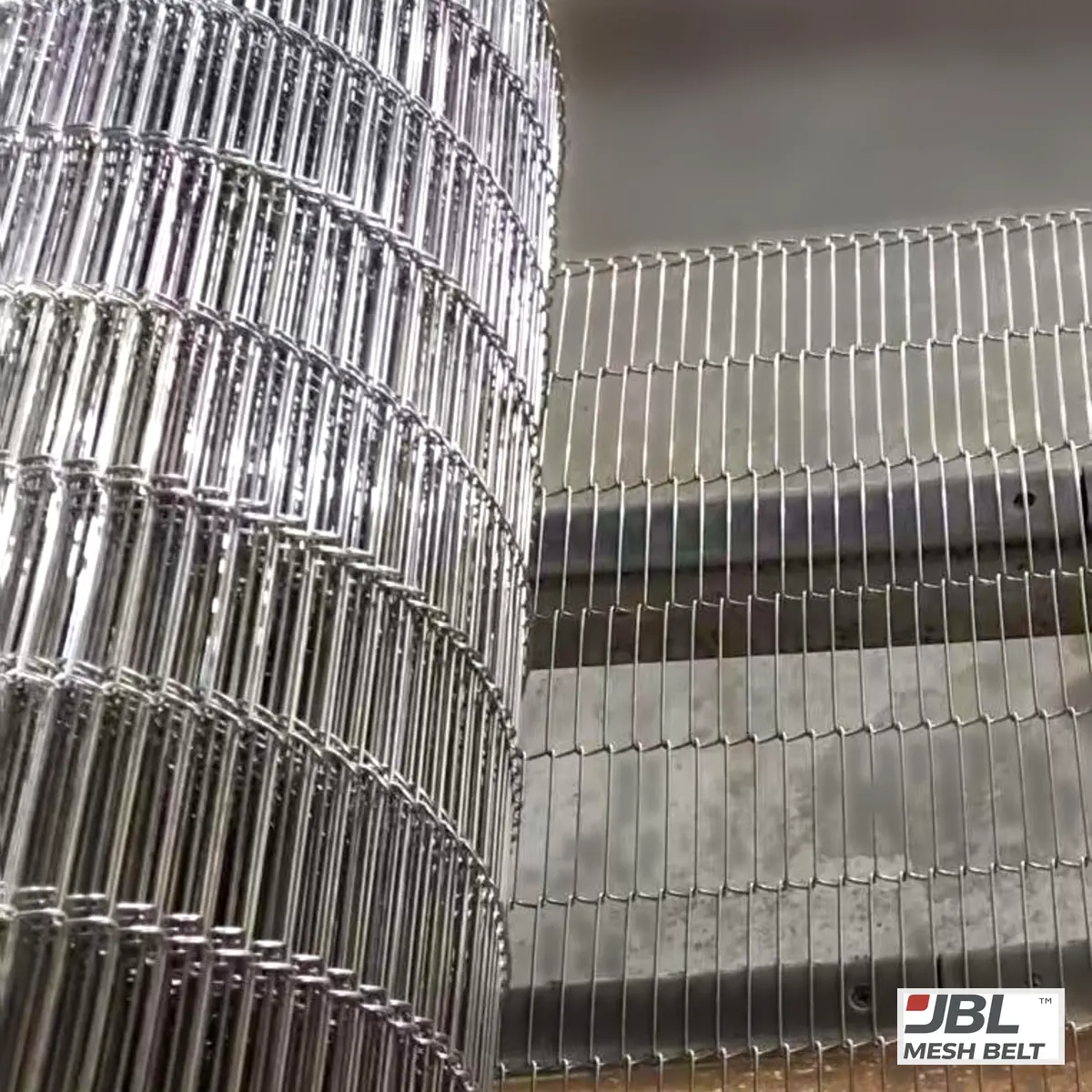
Z-type ladder belt roll and a laid-out length for pizza ovens

Australia · 2025

Z-type ladder belts for pizza ovens in Australia — about 300 m in 10 m lengths, one length per oven

From the customer's original belt we drew the belt, matched wire and pitch, and supplied about 300 m in SUS304, cut into 10 m lengths for pizza ovens.

Z-Type Ladder Belt · Pizza ovens

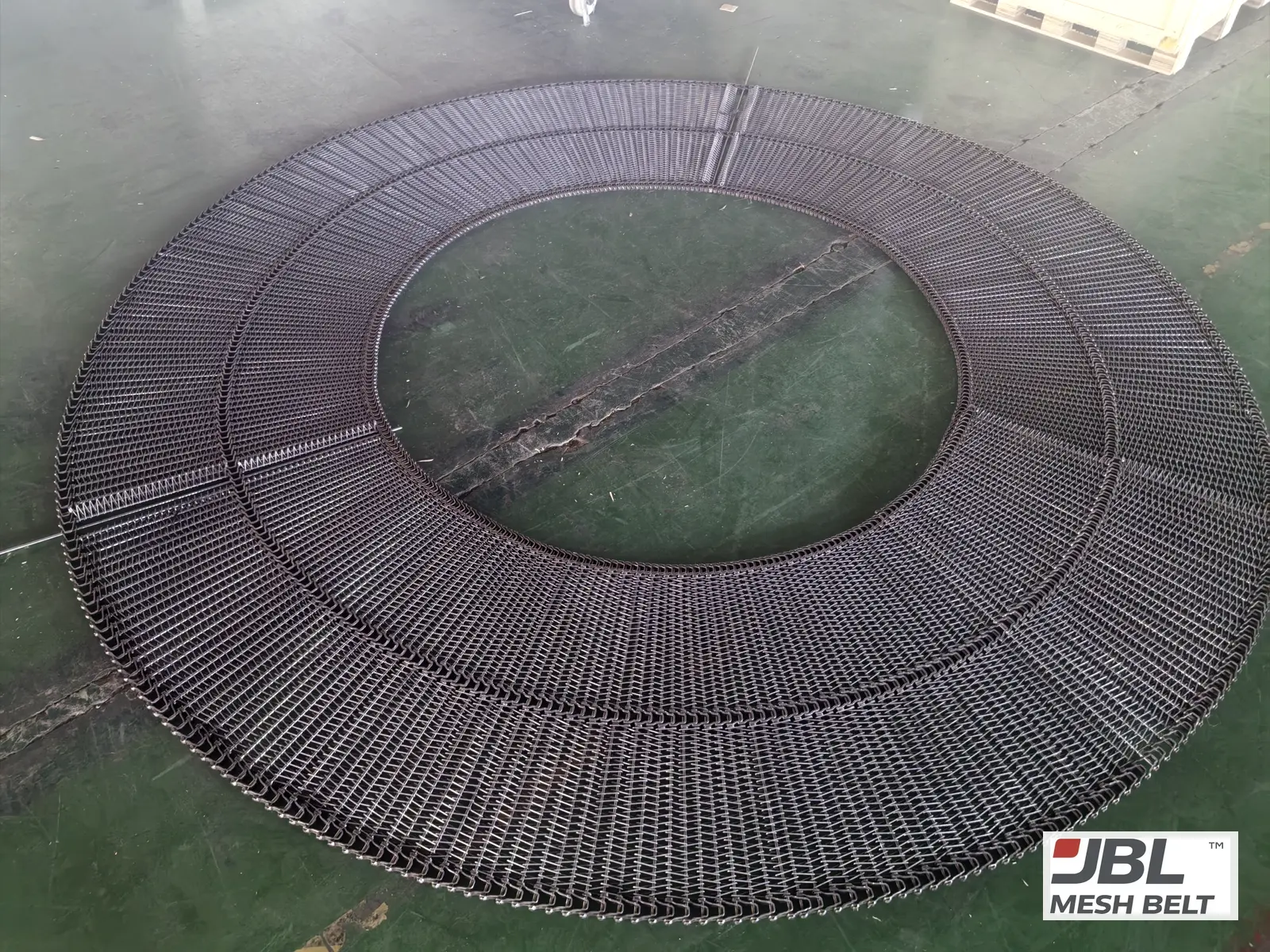
Self-stacking belt laid out in a full circle for the turning test

United Kingdom · 2026

450 m self-stacking belt for a UK line — copied from the OEM sample, turn- and stack-tested, then bulk

The OEM's replacement belt was too expensive. From the customer's sample: dimensions measured, sample compared, approved, then turning and stacking tests before 450 m.

Self-Stacking Belt · OEM replacement belt

Flat wire honeycomb belt with washer-welded edge, laid flat

USA · 2024

About 700 m of flat wire belt for onboard fish freezing in the USA — built to a strict drawing, with clips and sprockets

Replacing an OEM belt from a well-known American equipment maker. Drawing and original sample checked, trial run checked for tight radii and no burrs and approved — then clips, flight bars and sprockets too.

Flat Wire / Honeycomb Belt · Onboard fish freezing (fishing vessels)

Eye link belt sample sections with flat-link edges laid out for checking

Spain · 2026

New eye link belts for a shrimp IQF tunnel line in Spain — drawn, sampled, approved, then built

No sample to copy: requirements turned into drawings, a physical sample checked on the customer's line, then about 100 m of belt.

Eye Link Belt · Shrimp IQF tunnel freezing

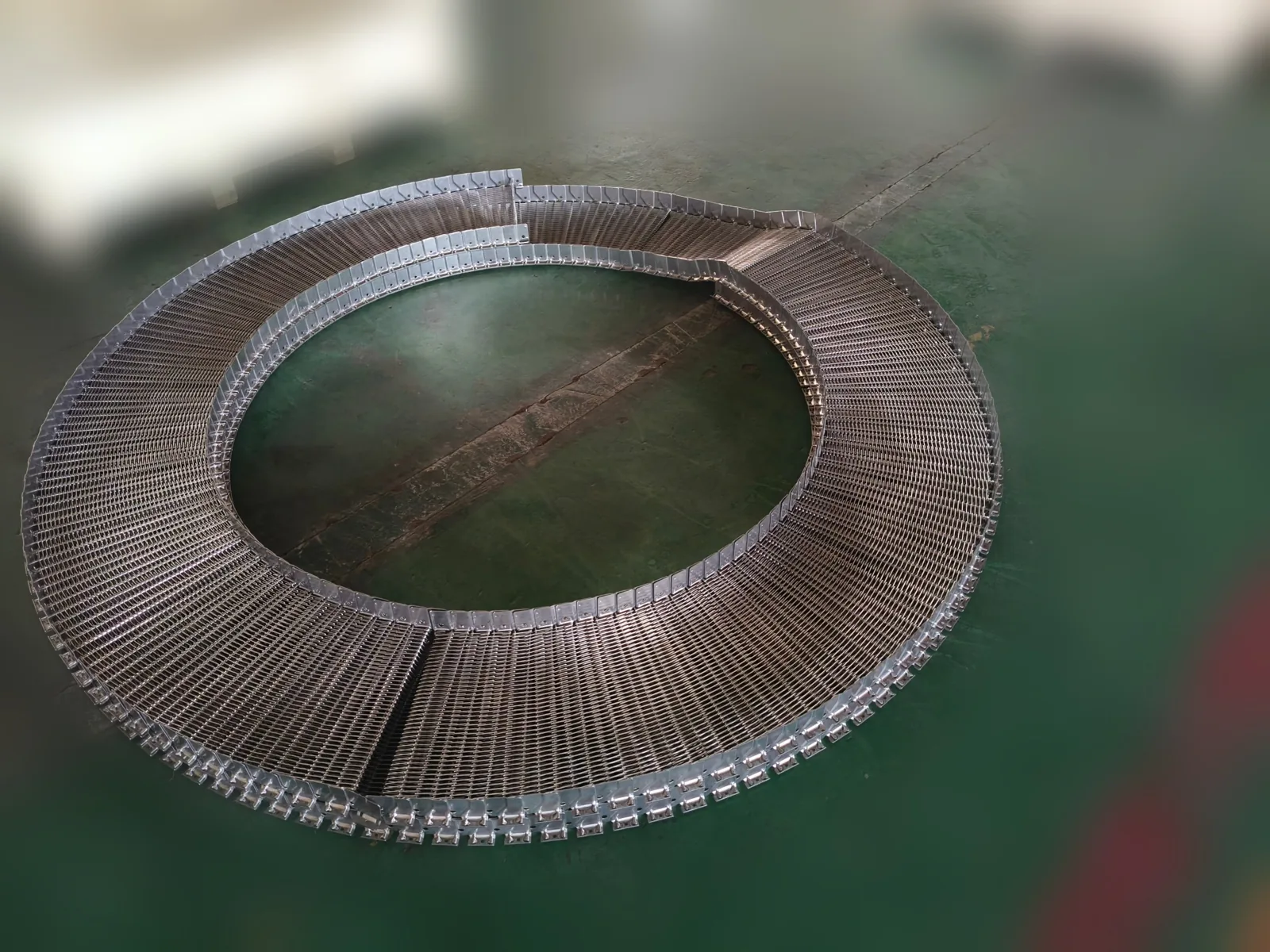
Spiral belt laid out in a full circle for the turn test

Malaysia · 2026

Small radius spiral belt replacement in Malaysia — trial run approved from photos, turn-tested, then about 130 m bulk

Drawing prepared from the customer's data and confirmed before production. Trial run photographed and samples sent; welds ground smooth; belt laid out in a full circle to check the turn before bulk.
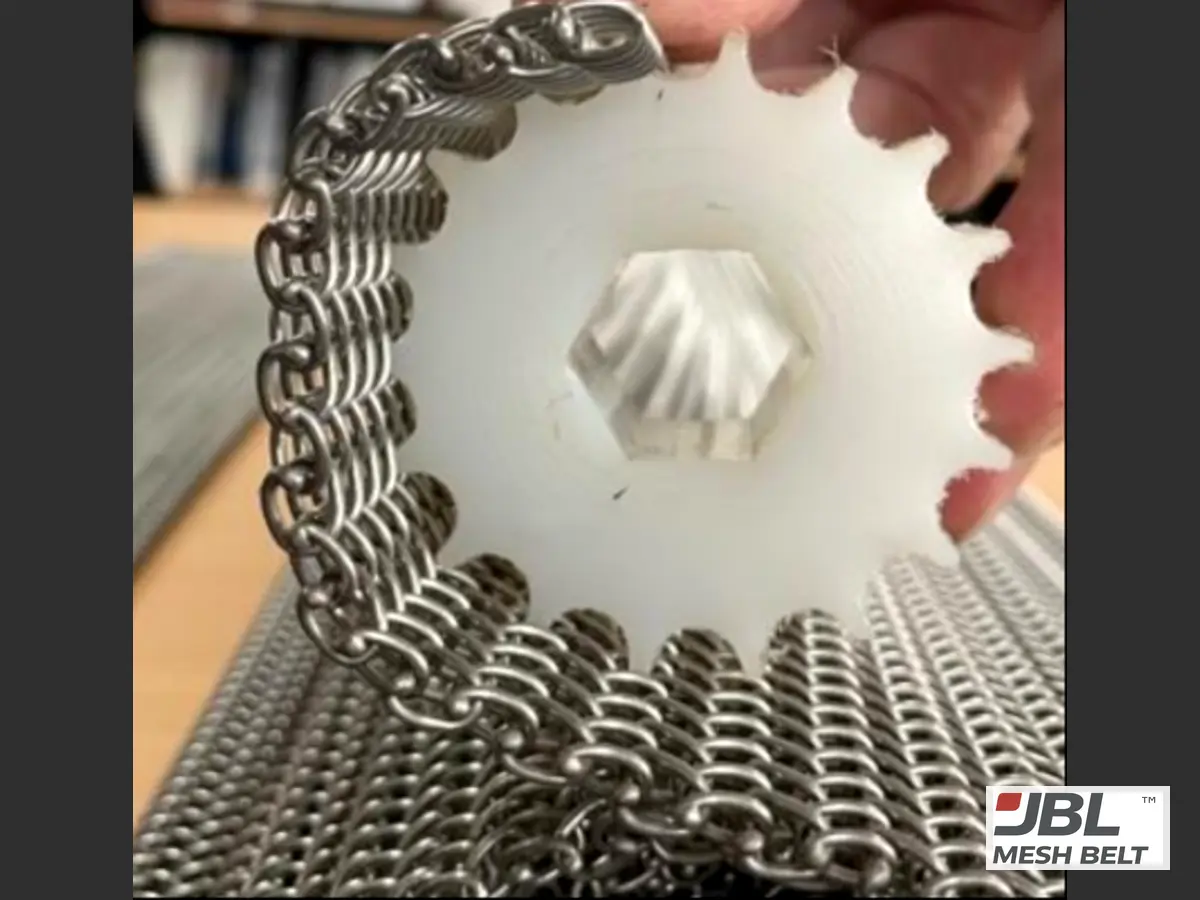
Small Radius Spiral Freezer Belt · Small radius spiral belt replacement

Self-stacking belt tiers stacked on a curve during the stacking test

Brazil · 2025

Self-stacking freezer belt for a meat plant in Brazil — trial run first, then 350 m, then a repeat 350 m

Copied from the customer's original belt, joined to it and stacking-tested. About 50 m run on the freezer first; the 350 m order followed, then a second 350 m.

Self-Stacking Belt · Meat freezing

Customer's original spiral belt measured with a tape

2026

Spiral belt and sprockets for a waffle cooling spiral — reverse engineered from the customer's belt

Original spiral built by another equipment maker. Belt and sprockets measured, trial run compared with the original and approved from photos before bulk.

Spiral Belt · Waffle spiral cooling

Spiral cooling belt carrying bakery products on the customer's line

Australia · Melbourne · 2023–2024

400 m spiral cooling belt, made from the customer's sample

Bakery in Melbourne. Belt and sprockets from the customer's sample, pitch, rod and link matched with a caliper, sprocket run-tested before shipment.

Spiral Belt · Bakery spiral cooling

All project cases →

More replacement scenarios

Self-Stacking Belt

Sample-based

Original belt from an existing stacking freezer. Sample measured for material, structure, side plate height and thickness; the new belt was joined to the original and tested before production.

Self-Stacking Belt

Reverse engineering

A section of the original freezer belt was sent with no drawing. Structure analysed, a sample made and compared before bulk.

Spiral Belt (cooling)

Reverse engineering

Bakery cooling spiral designed by a third party. Drum and belt photos and data reviewed; the sample was approved by the buyer before production.

Spiral Freezer Belt

Drawing-based

Replacement for an existing spiral, made to drawing with an improved surface finish; the buyer reported the belt running well after installation.

What buyers wrote after installation: read the original emails →

05
Belt, drive or system?

Replacement Belt, Belt and Sprockets, or a Change to the Machine?

Most lines need only a belt matched to the existing drive. If more is needed, you are told before quoting — not after installation.

Belt only

The drum, drive and sprockets are in good condition and the belt is matched to them.

Typical: Most replacement projects

Belt and sprockets

Sprockets are worn or the new belt pitch differs; sprockets are made and checked with the belt.

Typical: Worn drives, mixed suppliers

Machine change needed

The drive, drum or layout must change — we tell you, and the equipment builder handles the machine.

Typical: Capacity changes, damaged drums

Problems we check for on every replacement belt

Weld burrs

Weld burrs

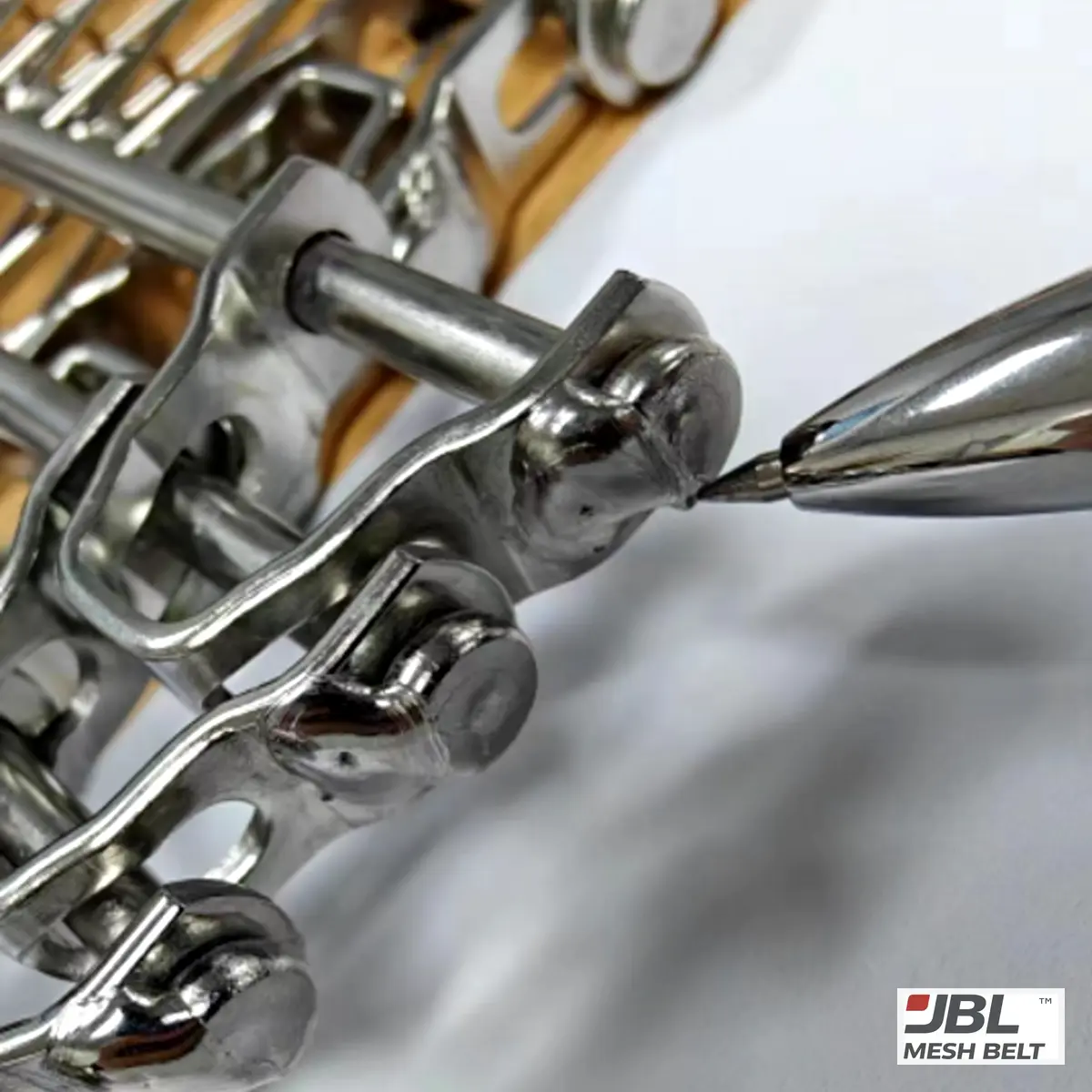
Burrs on links catch product and wear the drum. Welds are checked and cleaned before packing.

Cracked rod-end welds

Cracked rod-end welds

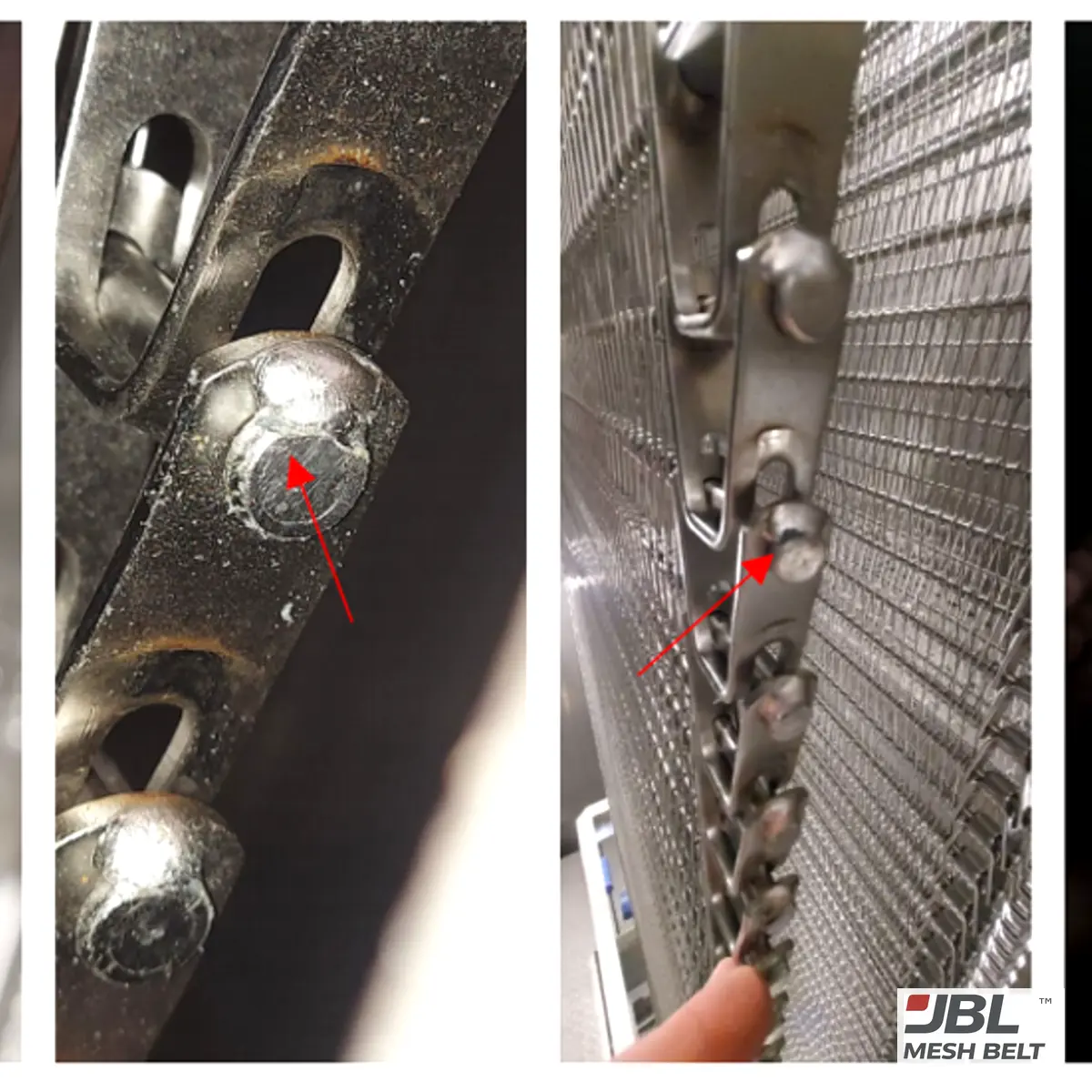
Weak rod-end welds break under tension. Every edge weld is checked.

Deformed side plates

Deformed side plates

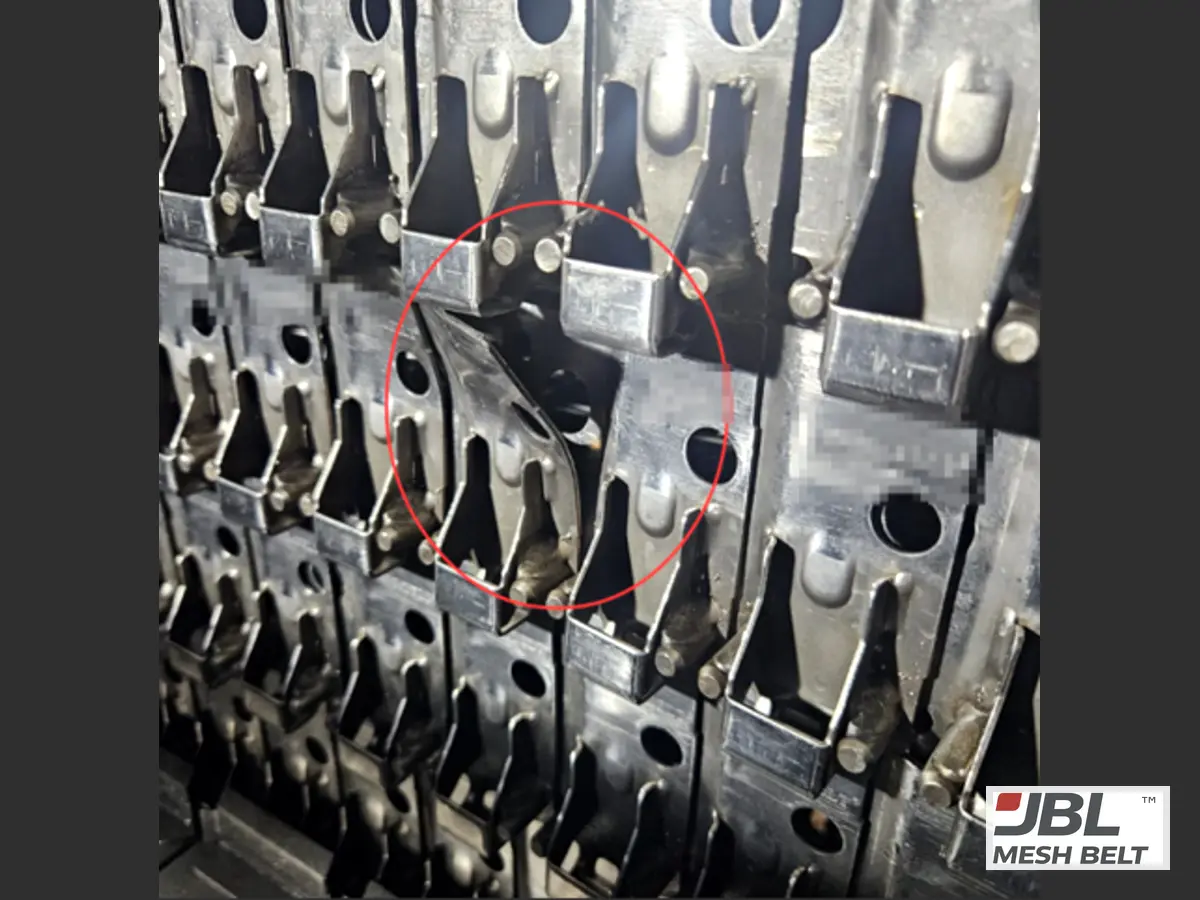
Bent plates stop a self-stacking belt from stacking. Plates are checked straight and square.

Sprocket pitch mismatch

Sprocket pitch mismatch

The belt rides over the teeth. Sprocket pitch is confirmed before quoting.

Starting a new line instead?

The same verification — drawing, sample, tests and photos — applies to new projects and equipment builders.

06
FAQ

Questions Buyers Ask Before Replacing a Belt

Q1Can a belt with the same width and pitch replace my existing belt?

Not by itself. Drive engagement, inside radius, link geometry, turn ratio and direction must also match — they are checked before you get a quotation.

Q2Can you replace my belt without the original drawing?

Yes. From a section of the old belt, or from measured photos, confirmed with a sample before production.

Q3Do you need the whole belt or a section?

A short section is enough — long enough to show a few pitches, both edges and the joins.

Q4What should I measure before replacing a spiral freezer belt?

Width, rod diameter, rod pitch, link pitch, wire diameter, turn ratio, inside radius, drive and sprocket details; for self-stacking belts also tier height and CW / CCW.

Q5My old belt is worn. Will you copy the wear?

No. Worn pitch and links are identified; the new belt is made to the original size, confirmed with you.

Q6Can you match a belt from another manufacturer?

Yes. The belt is measured and checked against your machine — the brand of the old belt does not matter.

Q7Do I need to change my drive?

Not if the belt matches your existing drive engagement and sprockets — this is checked first. If a change is needed, you are told before quoting.

Q8Will the next order be the same?

Yes. Replacement belts are recorded with their specification and shipment photos, and repeat orders follow that record.

Q9What is the fastest way to start?

Send your drawing or old-belt photos on WhatsApp +86 138 1487 2506. Commercial terms are confirmed in writing in the quotation.