Biscuit Belt · Welded or Looped Edge

Biscuit Belt for Baking Ovens: Dense, Flat Support — Pitch and Edge Confirmed First

A biscuit belt is a dense, flat woven metal belt that supports product in biscuit production and baking ovens. It has to lie flat and match your old belt, so spiral pitch, rod pitch and edge are measured and confirmed before the order goes ahead.

Replacing a biscuit oven belt or fitting out a new line? The belt must match your old one and lie flat. Spiral pitch and rod pitch are measured the same way as your old belt, the edge — welded or looped — is confirmed from your photos, and the surface is checked flat before shipment.

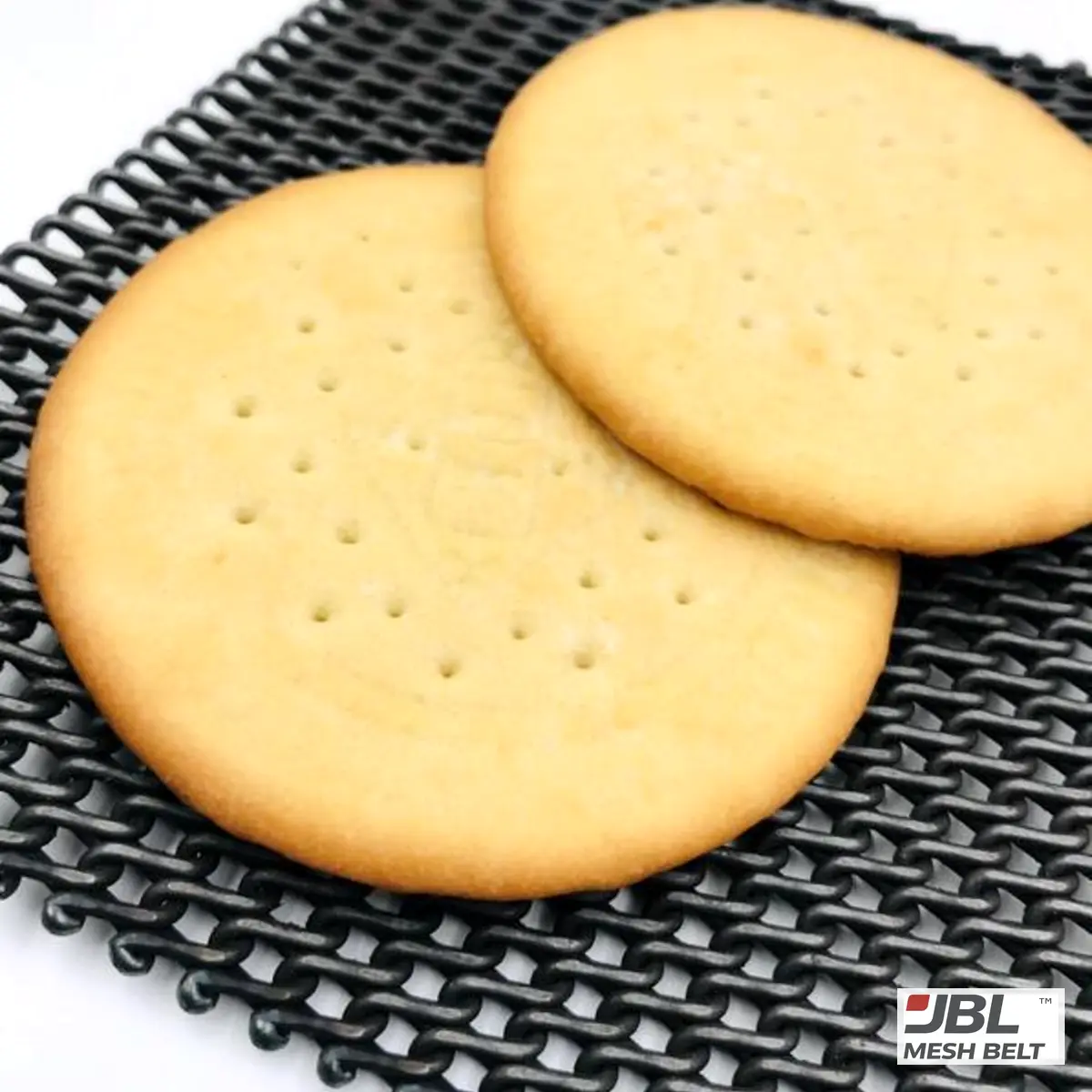
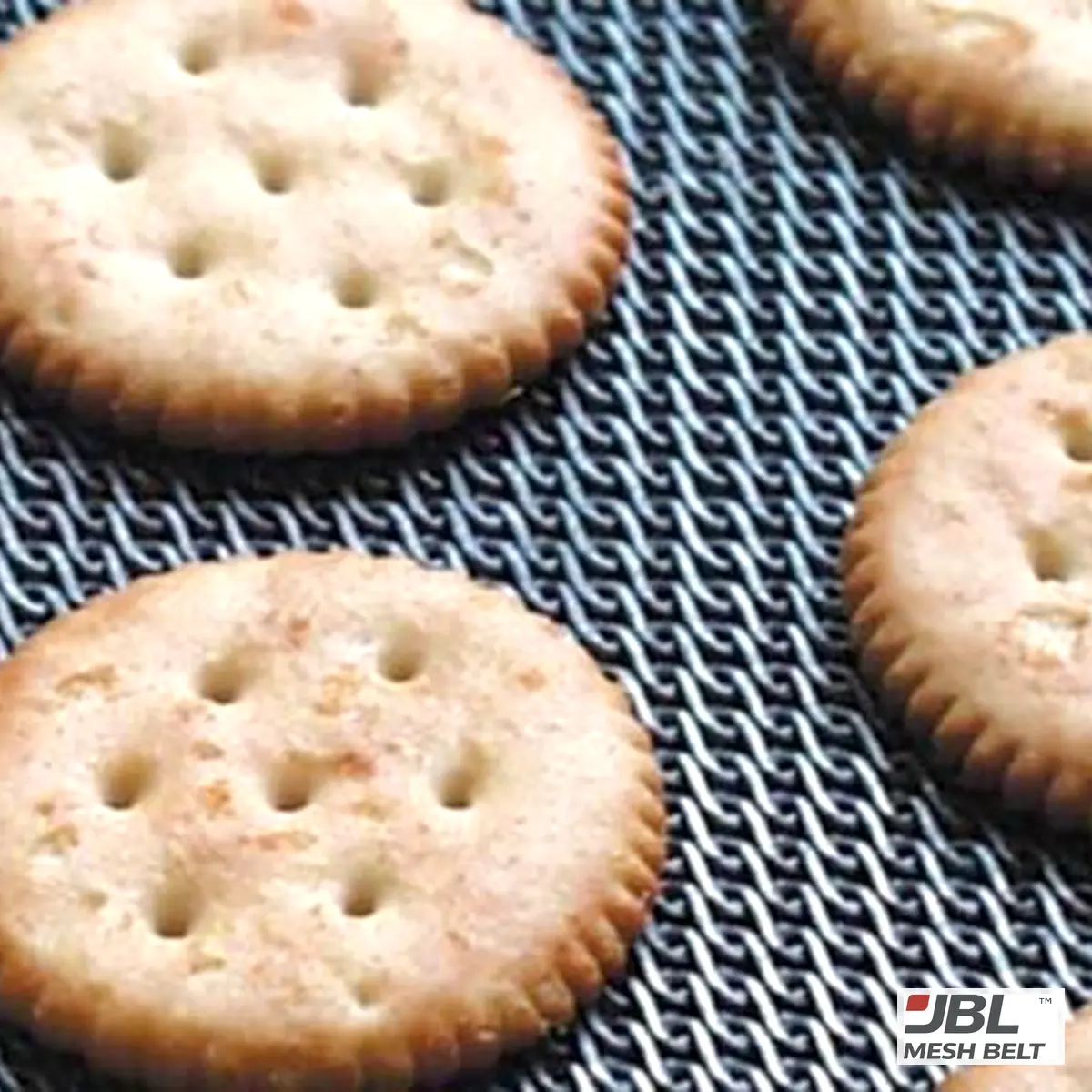
Biscuits on a dense stainless steel biscuit belt
Spiral pitch
3.2–4.5 mm (0.126–0.177 in)
Rod pitch
3.9–6.8 mm (0.154–0.268 in)
Thickness
2–3 mm (0.079–0.118 in)
Belt width
300–1400 mm (11.81–55.12 in)
01
Two edge types

Welded or Looped Edge: Which Biscuit Belt Does Your Oven Need?

Both give a dense, flat surface for biscuits and crackers. The edge decides how the belt runs against your guides — and edge names differ between suppliers, so it is confirmed from your photos.

Welded edge

Welded

spiral ends

Flat

surface

300–1400

mm wide

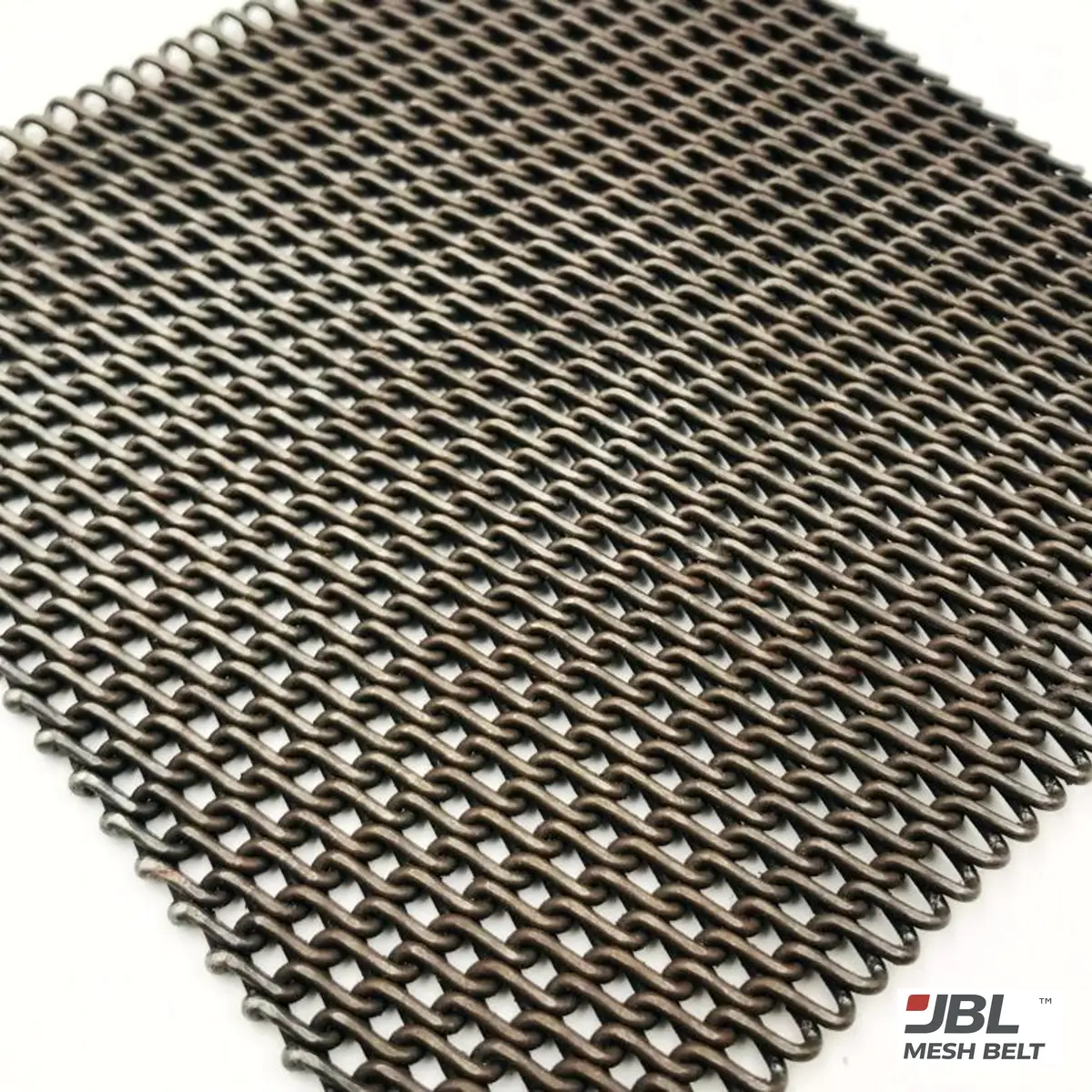
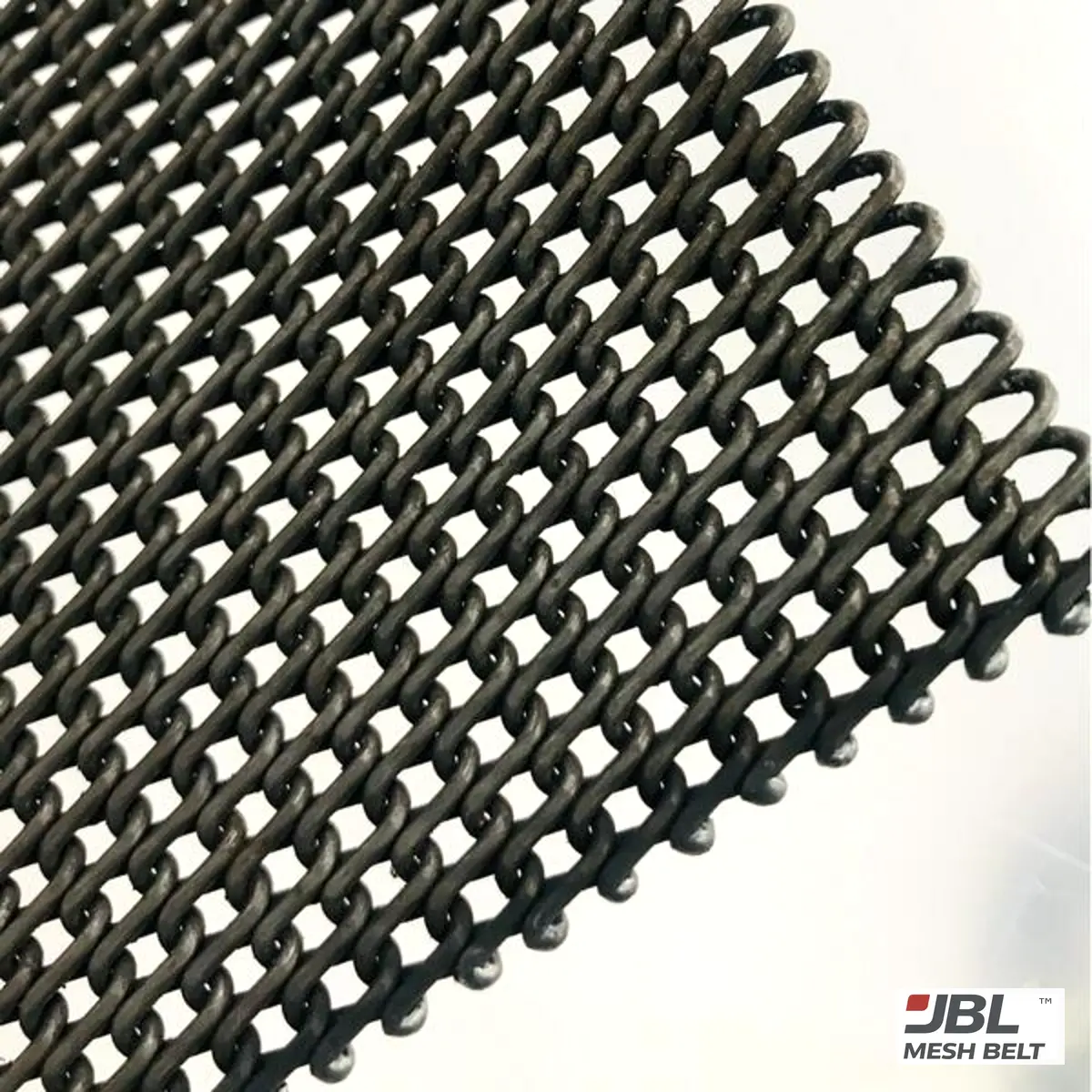
Biscuit belt: welded edge example
Welded edge example
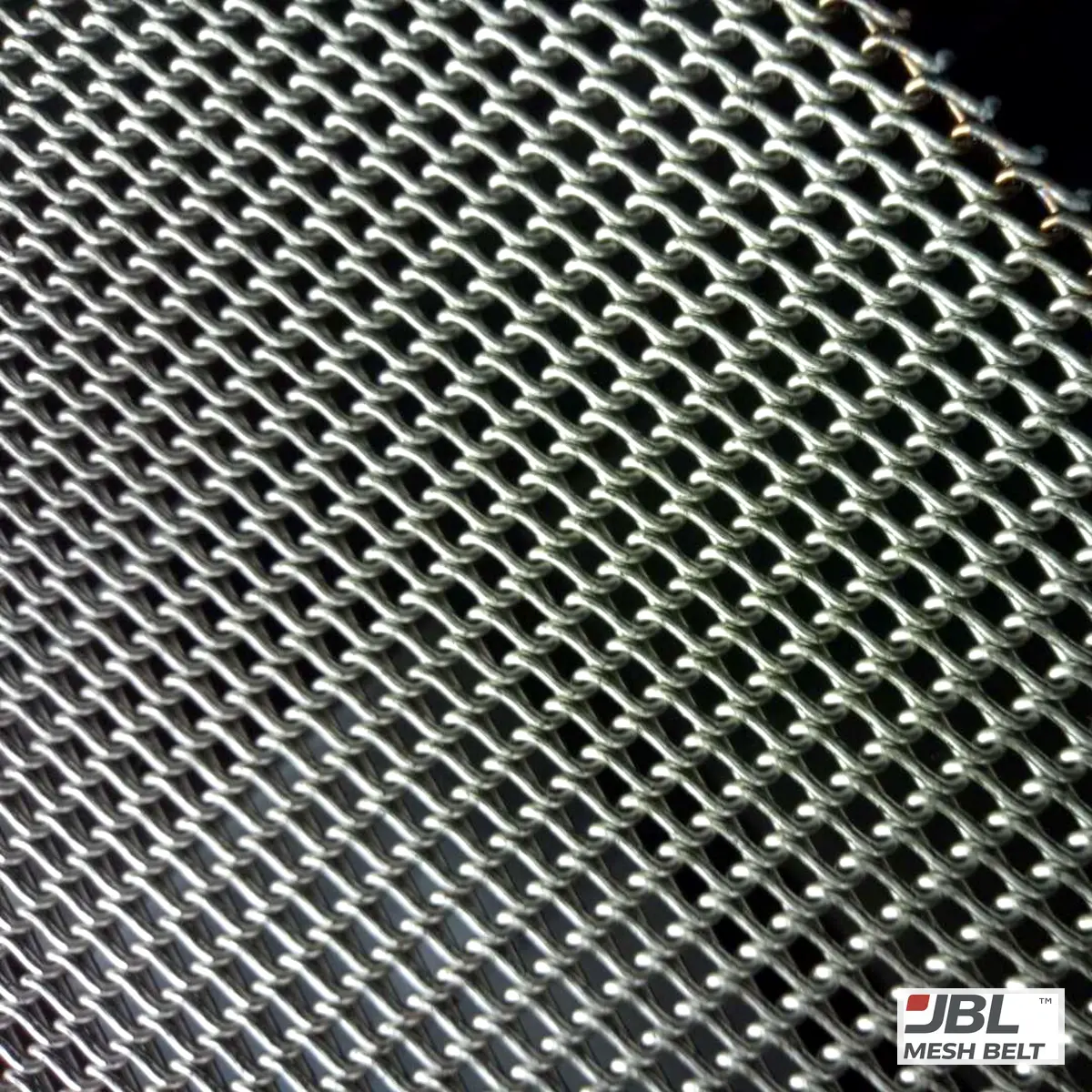
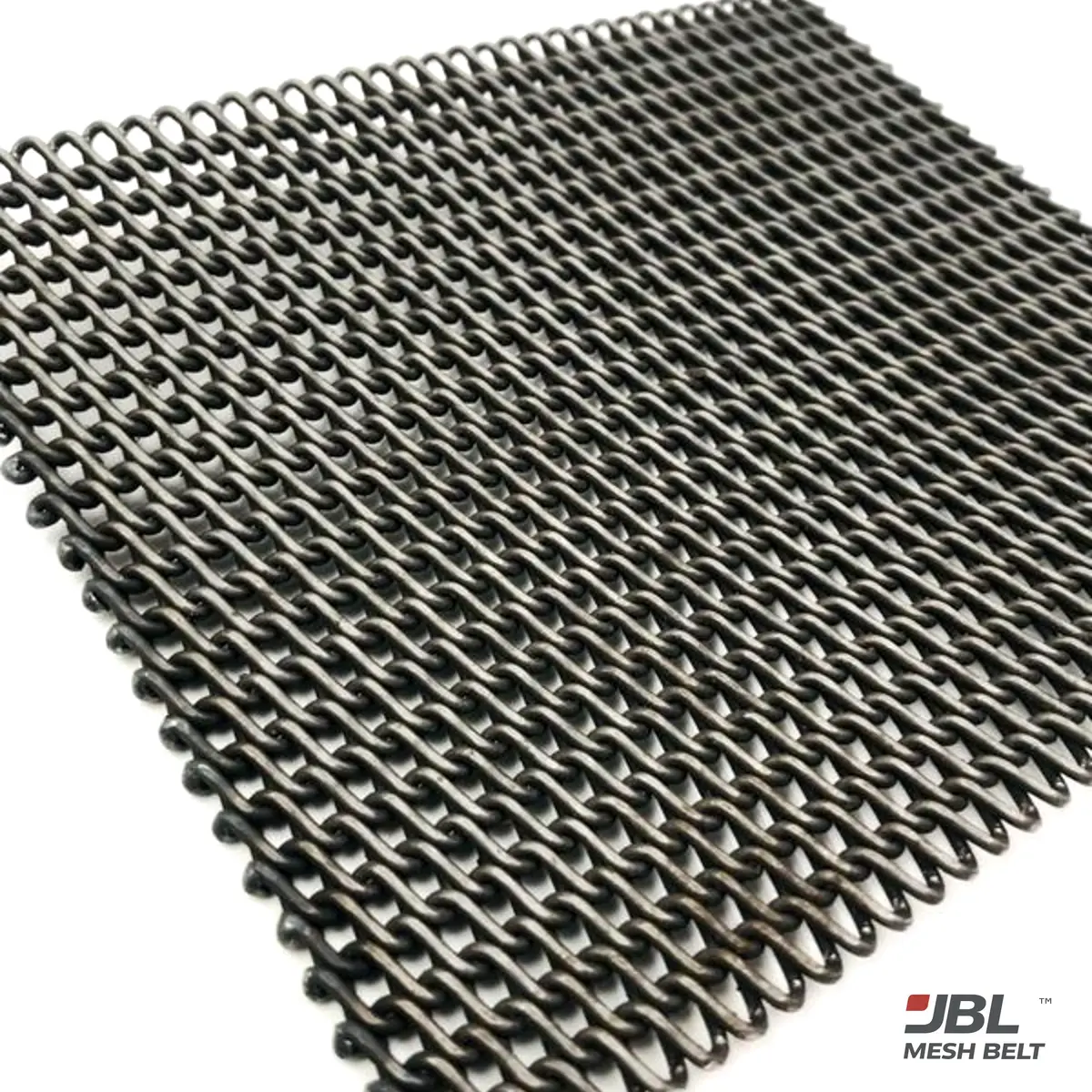
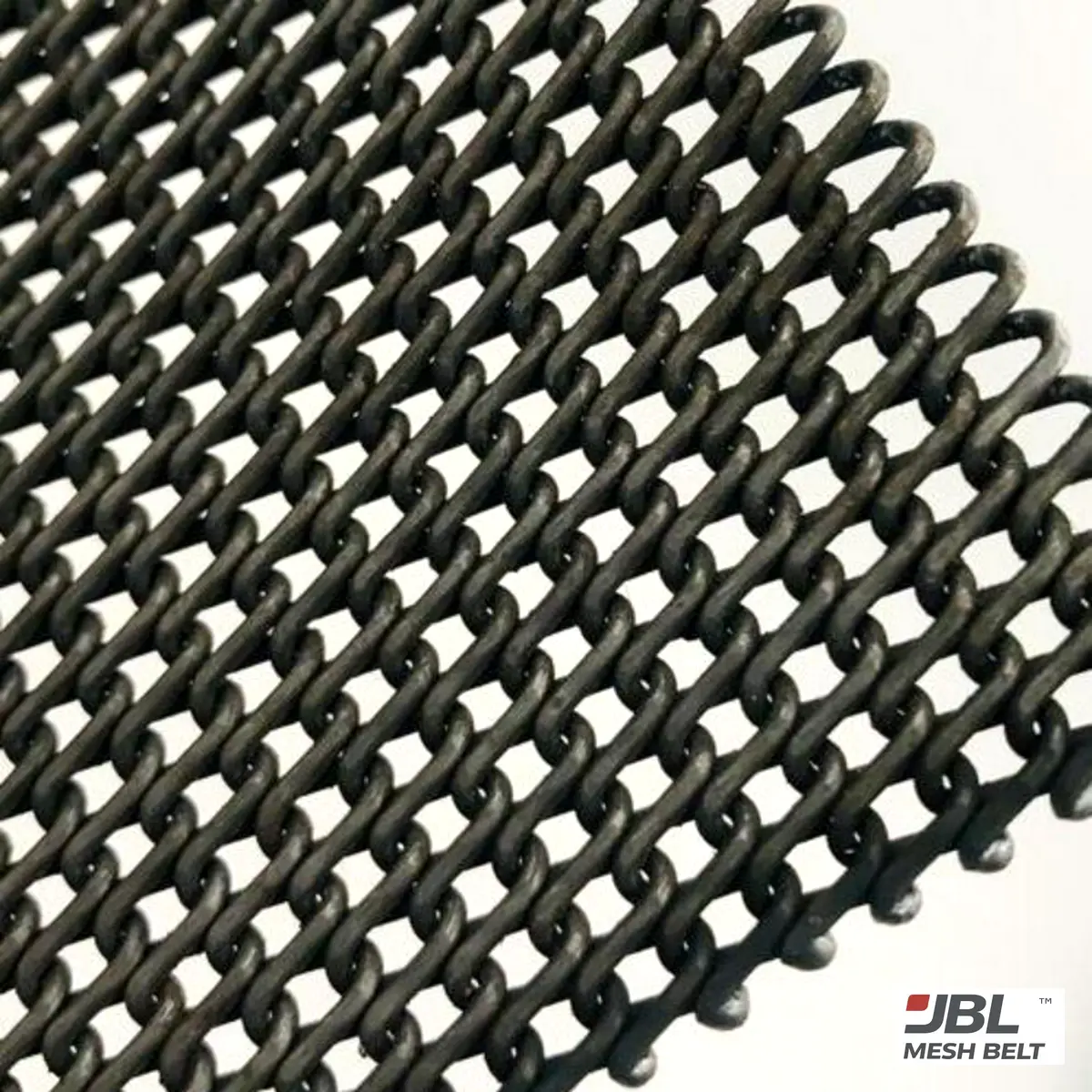
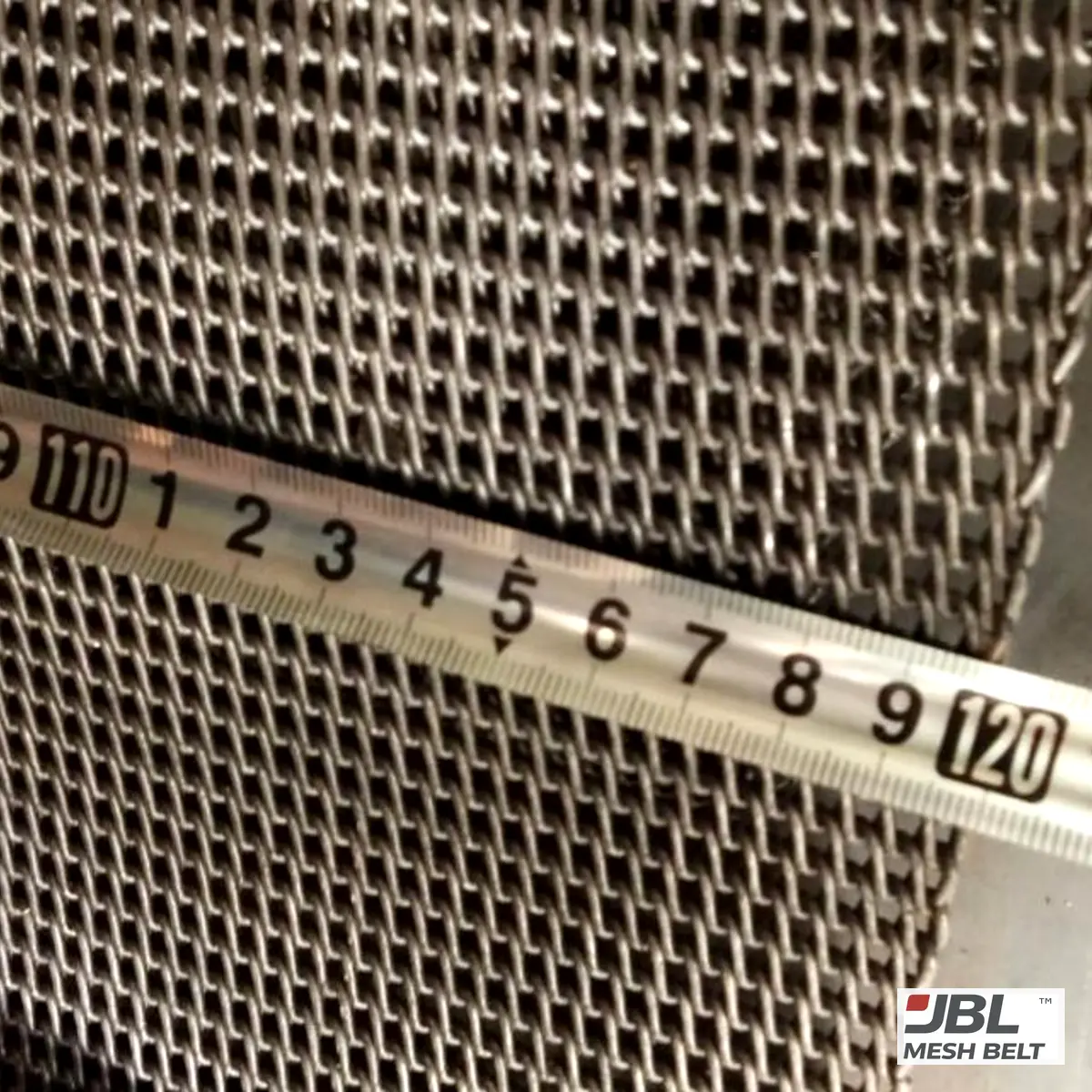
Biscuit belt: fine mesh surface
Fine mesh surface
Biscuit belt: mesh surface, angled
Mesh surface, angled

Looped (clenched) edge

Looped

spiral ends

Per photo

geometry

Dense

support

Biscuit belt: looped edge example
Looped edge example
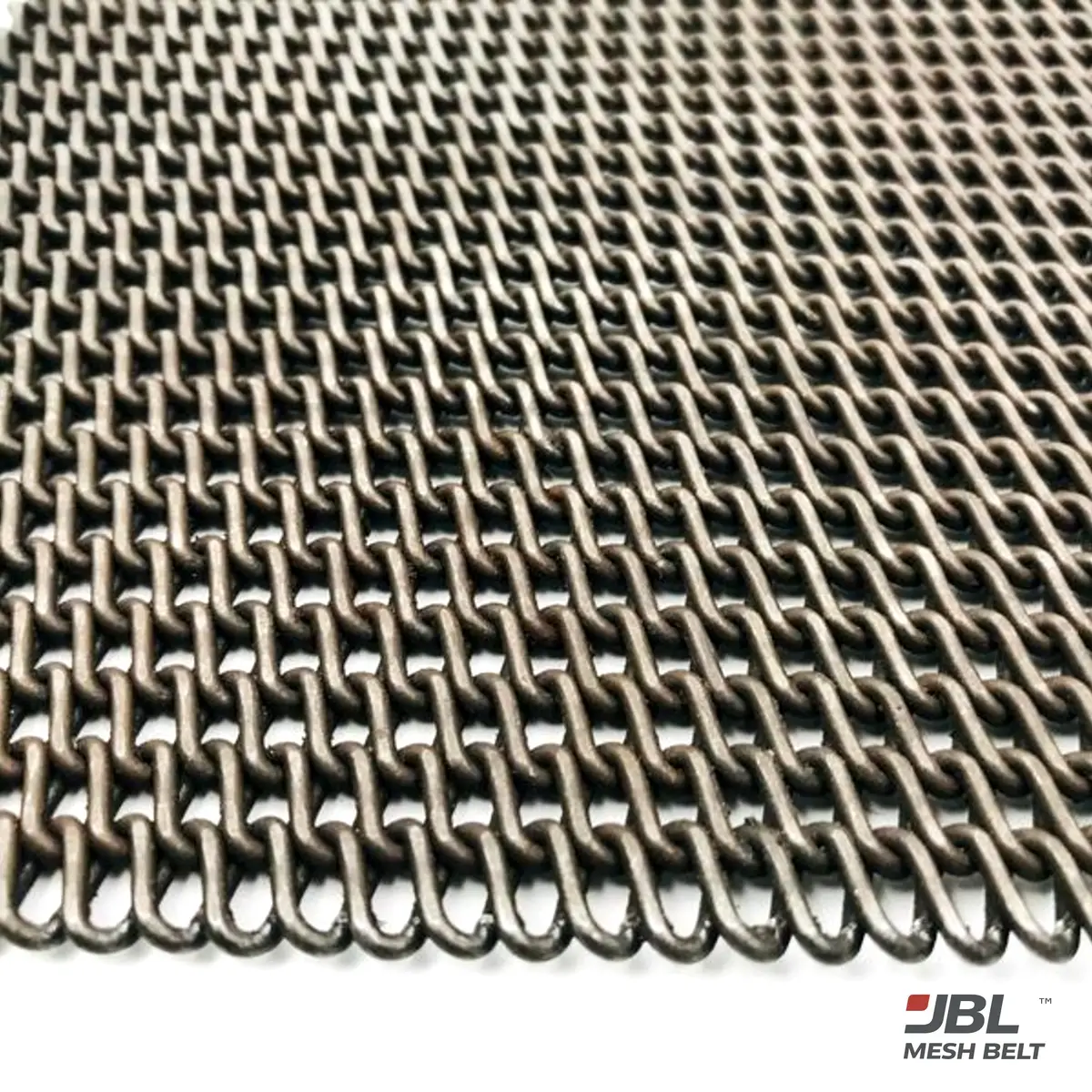
Biscuit belt: mesh and edge detail
Mesh and edge detail
Biscuit belt: crackers on the belt
Crackers on the belt
02
Specifications & options

Biscuit Belt Specifications: Spiral Pitch, Rod Pitch, Wire, Thickness and Width

Compare your old belt with this table. Spiral pitch, rod pitch and overall width are enough to start — every value in mm and inches, confirmed on your project drawing.

Spiral pitch

3.2–4.5 mm

0.126–0.177 in

Rod pitch

3.9–6.8 mm

0.154–0.268 in

Rod wire

1.0–1.5 mm

0.039–0.059 in

Belt width

300–1400 mm

11.81–55.12 in

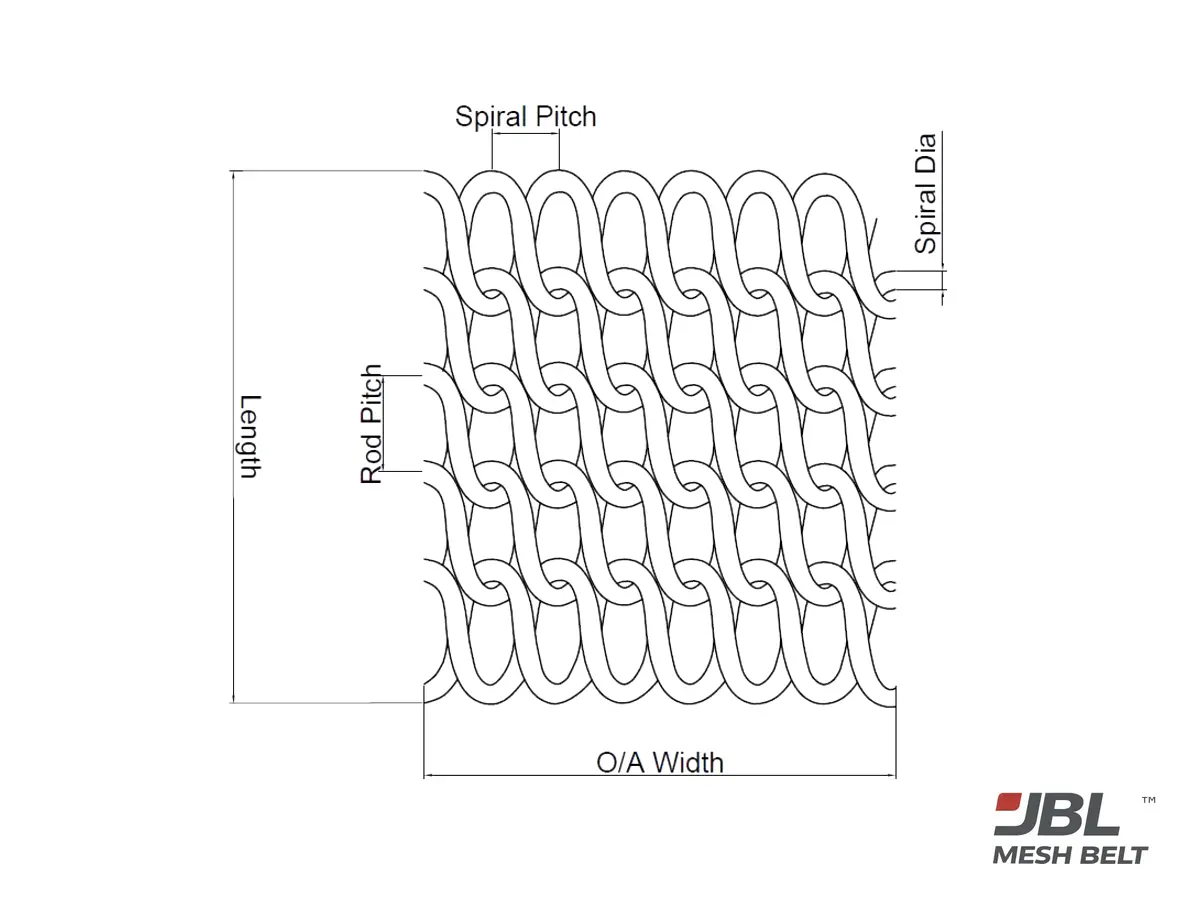
Dimension drawing and table

Biscuit belt
Biscuit belt dimension drawing: spiral pitch, spiral diameter, rod pitch, length and overall width
Drawing labelReference (mm / in)
MaterialCarbon steel / SUS304 / SUS316
Spiral pitch3.2 / 3.65 / 4 / 4.3 / 4.4 / 4.5 mm (0.126–0.177 in)
Rod pitch3.9 / 5.2 / 5.4 / 6.7 / 6.8 mm (0.154–0.268 in)
Rod diameter1.0 / 1.2 / 1.3 / 1.4 / 1.5 mm (0.039–0.059 in)
Belt thickness2 / 2.4 / 2.6 / 2.8 / 3 mm (0.079–0.118 in)
Belt width300–1400 mm (11.81–55.12 in)
Belt lengthCustom
EdgeWelded / looped (clenched) — geometry per photo or drawing
MeasuringDirection and repeat of each pitch confirmed on the drawing
Drive & supportDrums, guides and any sprockets per project

Use the drawing to tell us which dimensions you can measure. Final values follow the confirmed project drawing.

Choose your options

Welded edge
Welded edge
Looped edge
Looped edge
Mesh and edge detail

Send a close-up photo of your old belt edge — edge names differ between suppliers.

Measured a few dimensions? Send them for a biscuit belt review.

03
Fit check · pitch, edge and flatness first

Will the New Belt Match Your Old One — and Bake Evenly?

Looking the same is not enough. Spiral pitch and rod pitch measured the same way, the edge — welded or looped — and a flat surface decide whether the new belt matches your oven and supports the product evenly. They are checked first, before you get a quotation.

Replacement & repeat order

Replacing or re-ordering a biscuit belt

You send
A sample or close-up photos with a tape, the overall width and thickness, and the edge.
We check first
Spiral pitch and rod pitch measured the same way as your old belt, which wire the diameter refers to, and the edge geometry.
Your oven
Drums, guides and any sprockets checked against the belt; working temperature confirmed for the material.
You get
Before quoting: a drawing of the belt to match your old one, with pitches, edge and width confirmed.
New line

Supplying a belt for a new oven line

You send
Product size, baking temperature, belt width and length, and the oven layout.
We check first
Mesh density for your product, material for the temperature, edge and flatness.
Your oven
Drive and support — drums, guides, sprockets — confirmed on the drawing.
You get
A confirmed drawing and a first-article check of pitch, width and flatness before bulk.
04
Project QC gates

How Is a Biscuit Belt Verified Before Shipment?

Four checks that matter to you: wire and pitch, spirals before weaving, overall width, and a flat surface. You see the photos before it ships.

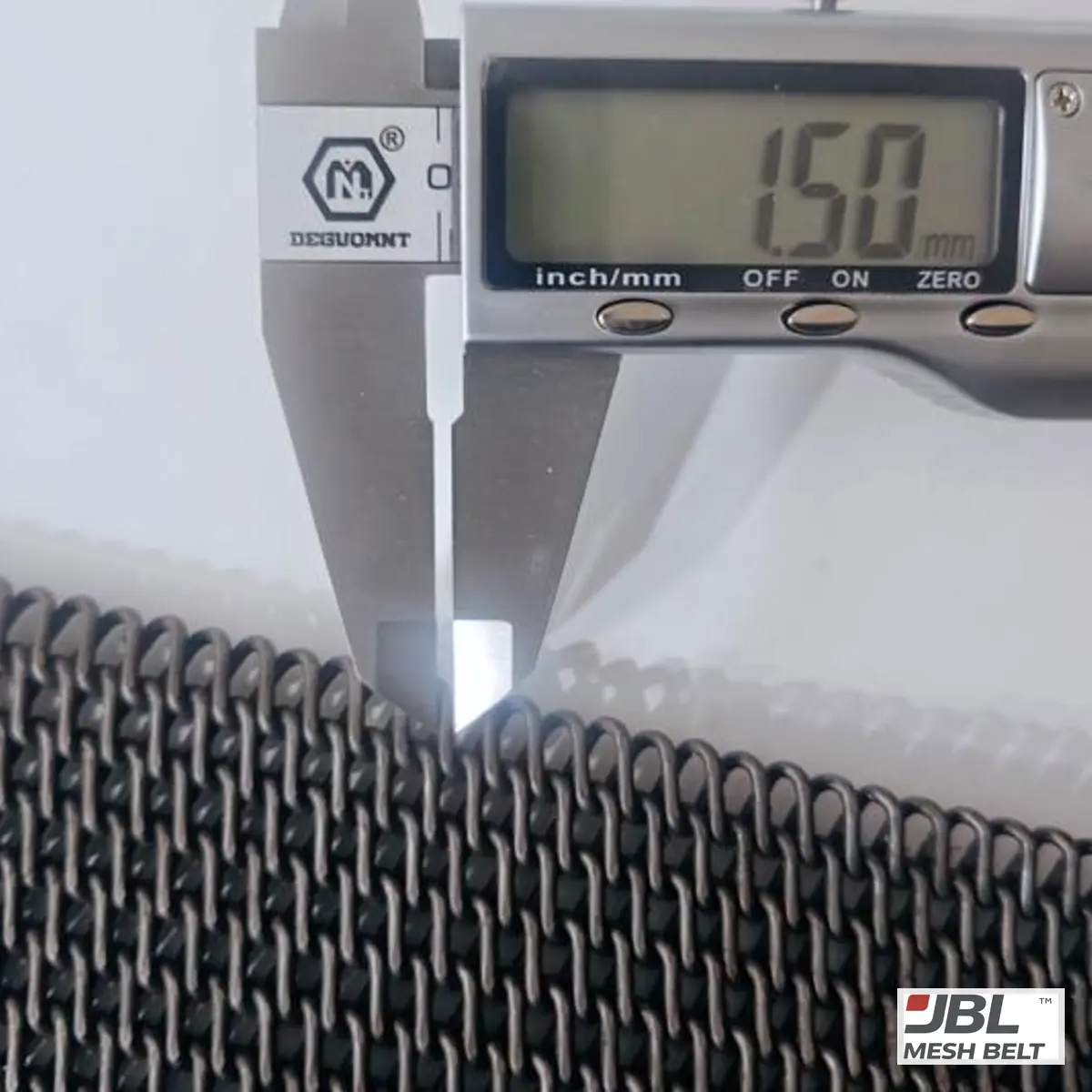
  1. Biscuit belt check: wire diameter 1.50 mm measured with a caliper on the belt
    01

    Wire and pitch measured

    Wire diameter and pitch measured with a caliper on the finished belt against the drawing.

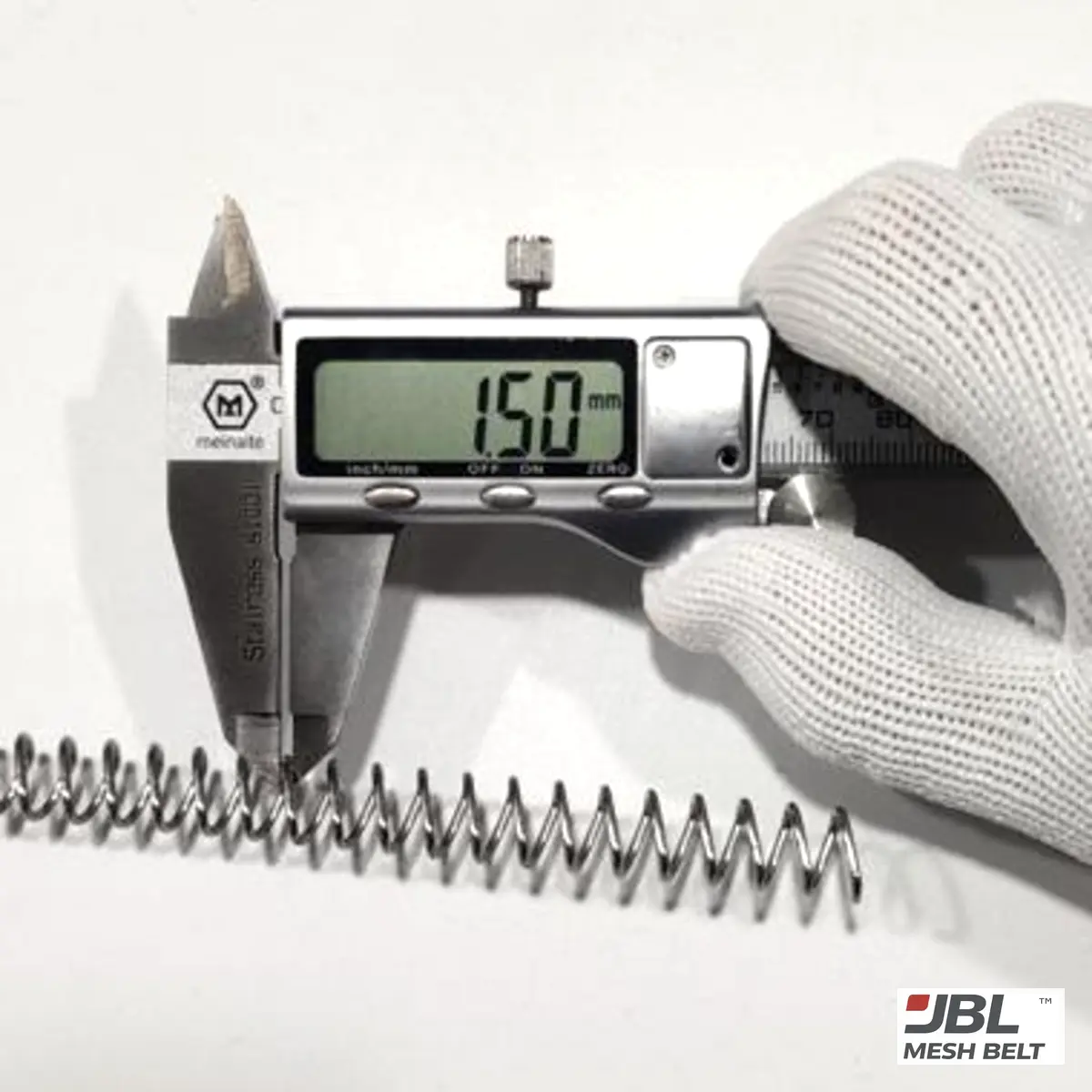
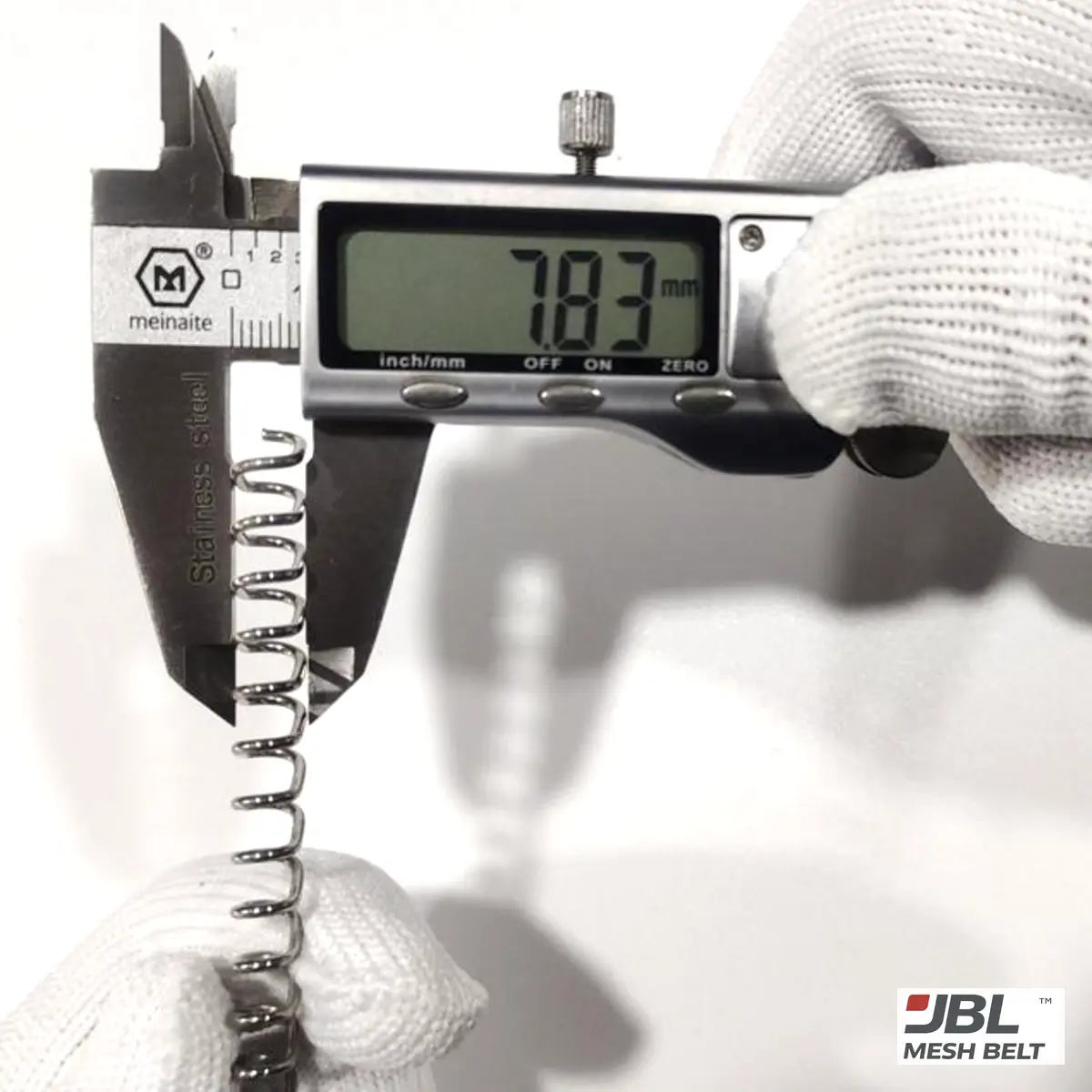
  2. Biscuit belt check: spiral wire 1.50 mm measured before weaving
    02

    Spirals checked before weaving

    Each spiral checked for wire, outer diameter and pitch before it is woven in.

  3. Biscuit belt check: overall width 1200 mm measured with a tape
    03

    Overall width at several points

    Overall width measured with a tape at several points along the belt.

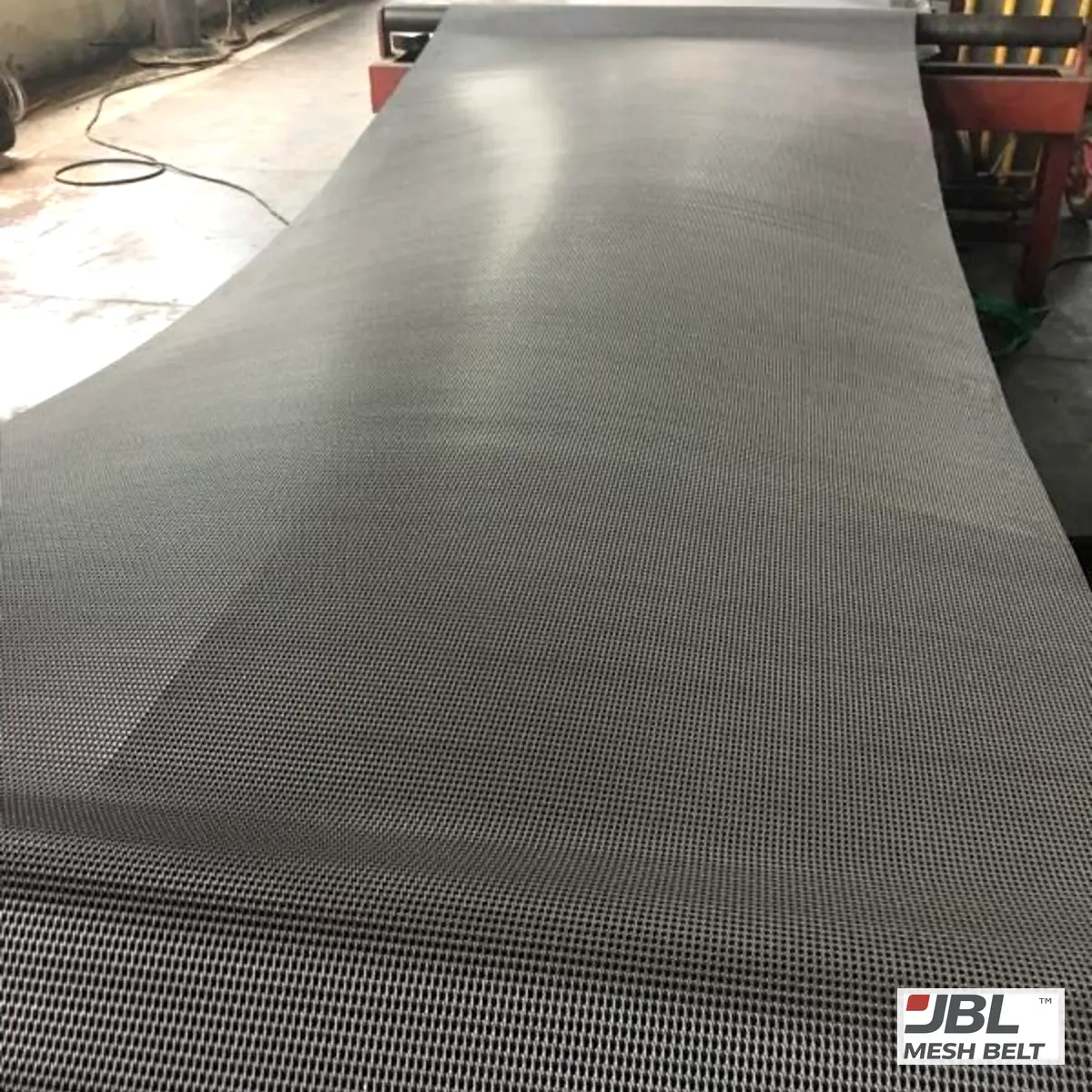
  4. Biscuit belt check: biscuit belt laid out for a flatness check
    04

    Flat surface checked

    The belt is laid out and checked flat, so the product is supported evenly through the oven.

Also checked: edge against your photo · thickness at several points · a complete first article before bulk · belt rolled on a drum for packing.

Biscuit belt laid out on the floor for a flatness check
Flatness check — real belt

Flat belt, even bake

Biscuits sit directly on the mesh. The finished belt is laid out and checked flat before it is rolled — and the photos are sent to you before the crate is closed.

05
Engineering experience

Problems You May See With a Biscuit Belt — and How They Are Prevented

A pitch measured another way, the wrong wire, a misnamed edge or an uneven surface means a belt that does not match your oven. Each one is checked before your belt is made.

Problem

Pitch measured a different way

Spiral pitch and rod pitch can be measured in different directions and over different repeats. Two suppliers can give two numbers for the same belt.

✓ Measuring direction and repeat confirmed against your old belt before quoting.

Not sure about yours? Send a photo →
Problem

Wrong wire diameter

A biscuit belt has spiral wire and rod wire. A diameter without saying which wire leads to the wrong belt.

✓ Which wire each diameter refers to is named on the drawing.

Not sure about yours? Send a photo →
Problem

Edge names mixed up

Welded, clenched and looped edges are named differently by different suppliers — a verbal edge description is not enough.

✓ Finished edge geometry confirmed from your photo or drawing.

Not sure about yours? Send a photo →
Problem

Belt not flat

An uneven surface supports biscuits unevenly through the oven.

✓ Belt laid out and checked flat before packing; tolerance confirmed per project.

Not sure about yours? Send a photo →
06
Shipment records

What Arrives at Your Plant

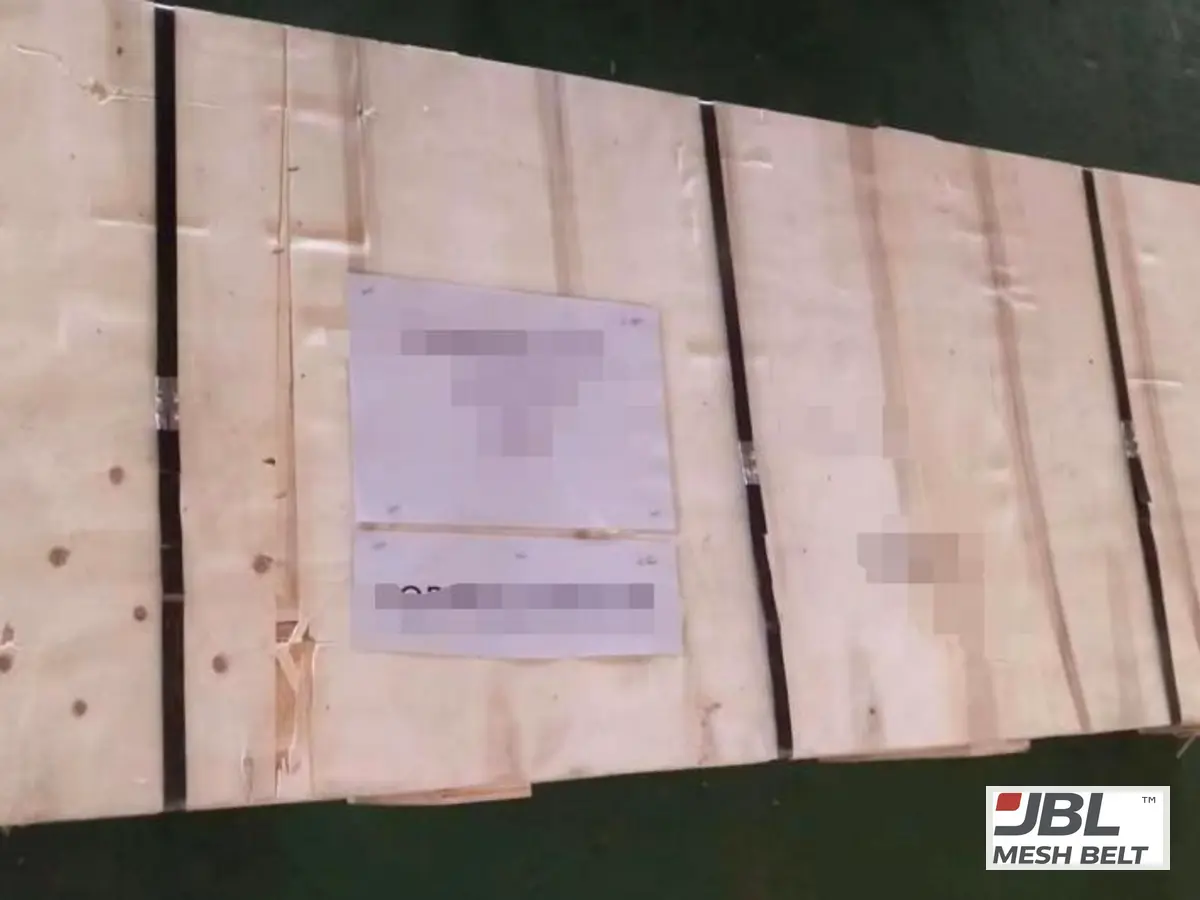
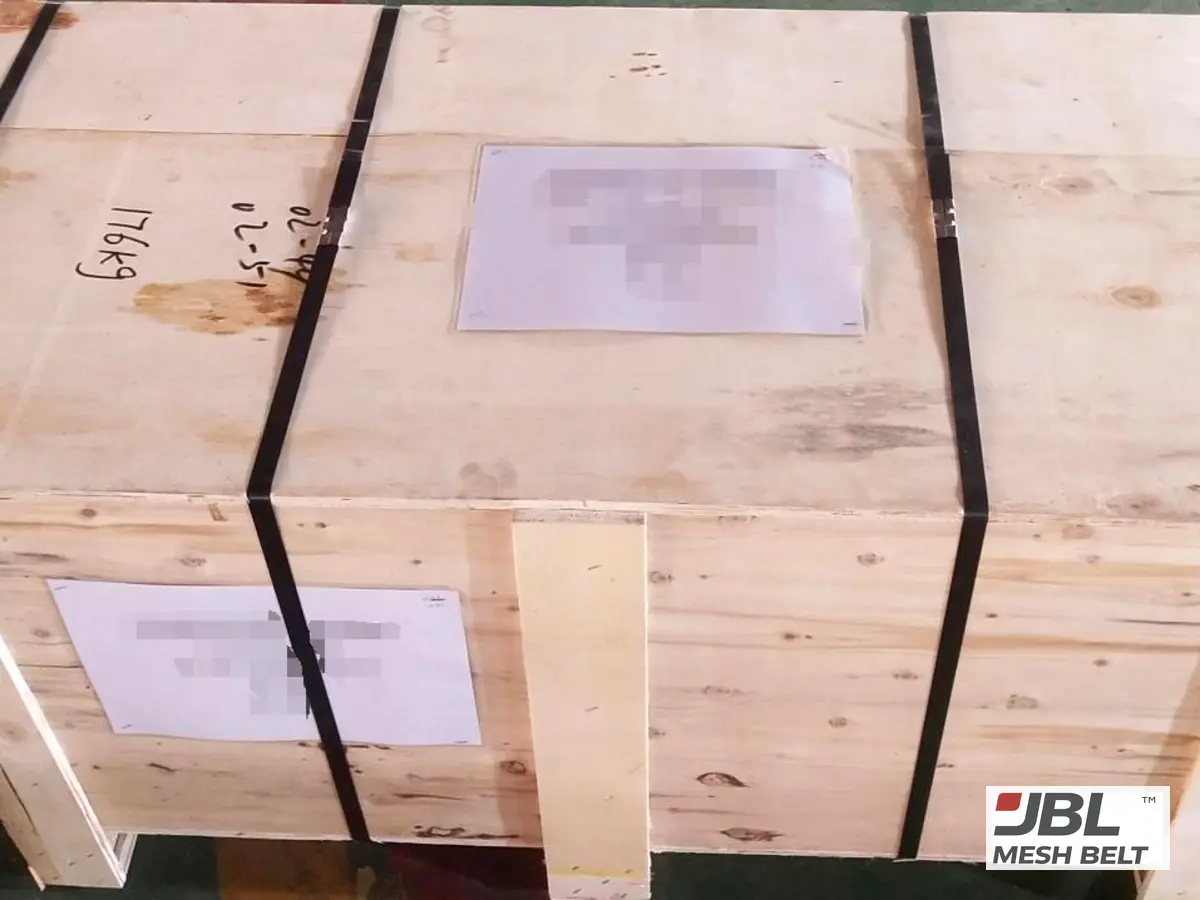
Your belt arrives rolled on a drum and packed in a lined export crate, with a packing list on top. Real shipments; order details hidden.

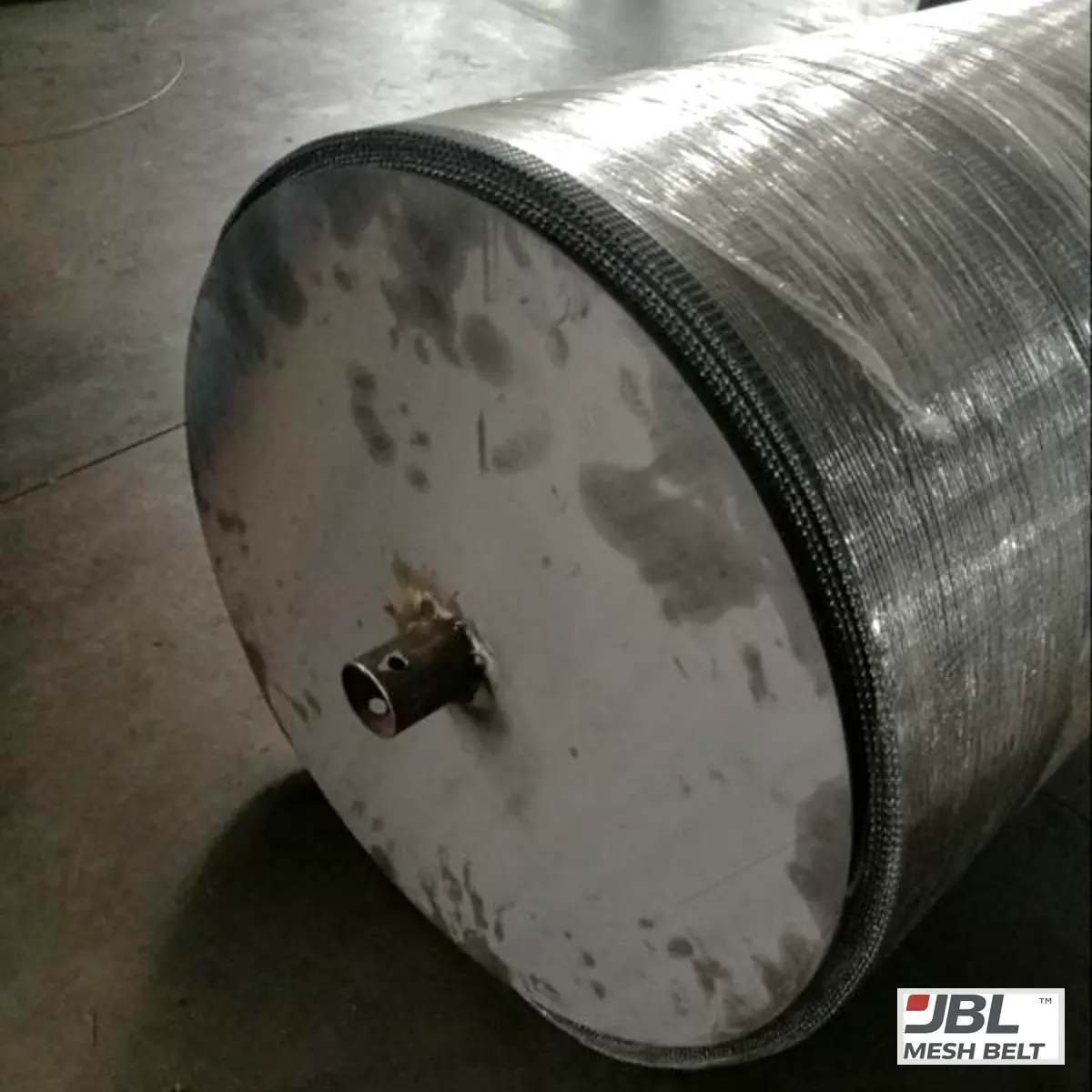
Biscuit belt shipment: rolled for packing

Rolled for packing

Rolled on a drum to keep the belt flat.

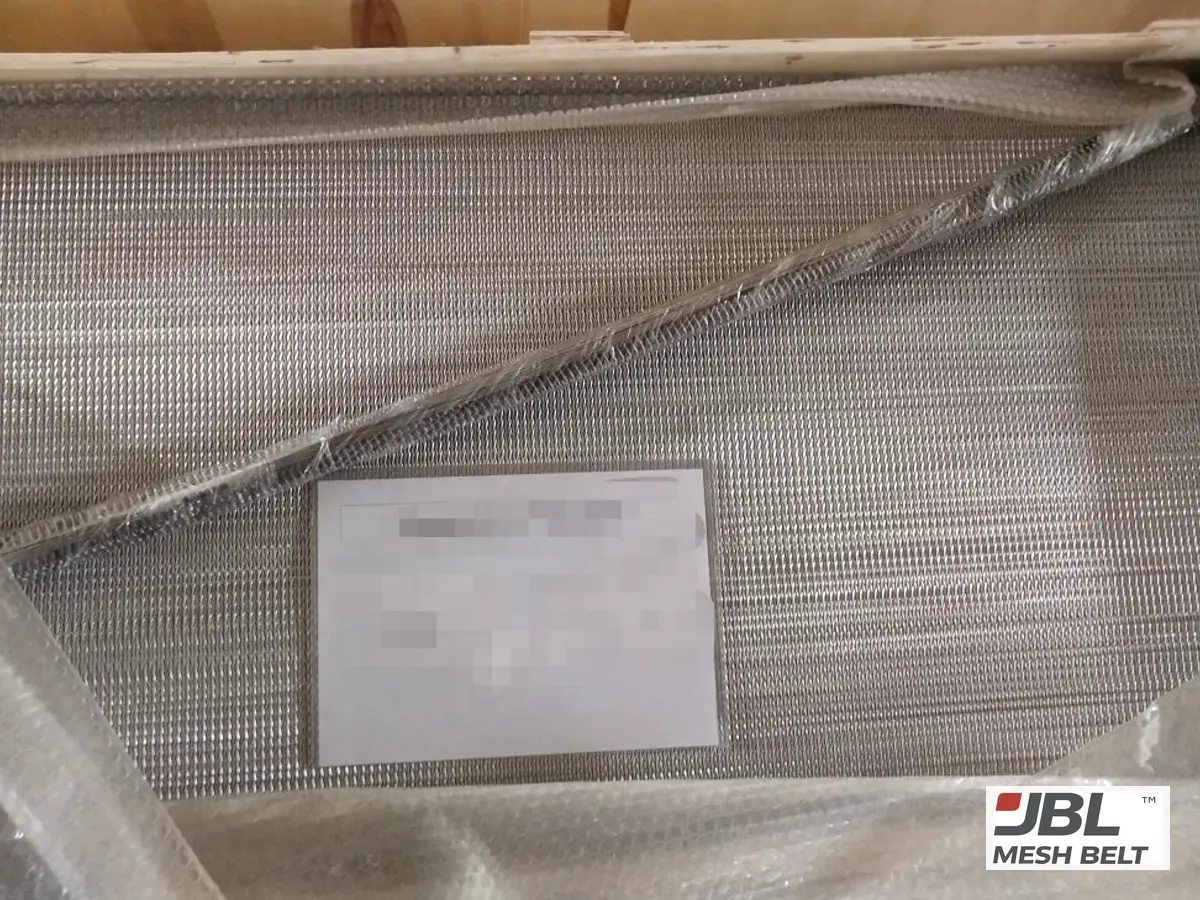
Biscuit belt shipment: packing list on the belt

Packing list on the belt

Specification and quantity for checking on arrival.

Biscuit belt shipment: export crate

Export crate

Wooden crate, strapped and labelled.

Biscuit belt shipment: ready to ship

Ready to ship

Crate closed after the final check.

Need a different pitch, wire, width, edge or material?

Custom biscuit belts are welcome — built to your oven and product, with feasibility confirmed for your project. Send your old belt photos, sample or drawing.

Contact an Engineer →
07
FAQ

Questions Buyers Ask Before Ordering a Biscuit Belt

Q1What is a biscuit belt?

A dense, flat metal belt woven from small spirals joined by connecting rods. It gives even support to biscuits, crackers and other baked products through the oven and on continuous food lines.

Q2Why does flatness matter?

Biscuits sit directly on the mesh. A belt that is not flat supports the product unevenly through the oven. The surface is checked flat before shipment; the flatness tolerance and how it is checked are confirmed for your project.

Q3Welded or looped edge?

Both are made. Edge names differ between suppliers (clenched, looped), so the finished edge geometry is confirmed from photos of your old belt or your drawing.

Q4How should I measure my old belt?

Measure spiral pitch and rod pitch over several repeats and say in which direction you measured. Give the wire diameter and say which wire it is — spiral or rod — plus the overall width and thickness. A close-up photo with a tape in it helps.

Q5Which material?

Carbon steel, SUS304 or SUS316. The grade is chosen by baking temperature, product and cleaning, and the temperature limit is confirmed per project.

Q6How wide can it be?

Reference widths are 300–1400 mm (11.81–55.12 in); belt length is custom. Overall width is measured at several points before shipment.

Q7Can I order from a model code?

A model code alone is not enough — codes differ between suppliers. The structure is confirmed against your sample, photos or drawing before quoting.

Q8What about drums, guides or sprockets?

Drive and support — drums, guides and any project-specific sprockets — are confirmed against your oven layout before quoting.

Q9What should I send for a quotation?

Product size, baking conditions and temperature, belt width and length, photos or a sample of the old belt, pitch measurements, edge type, material and the drive and support layout.

Q10How are commercial terms confirmed?

They depend on the belt and the project, and are confirmed in writing in the quotation.