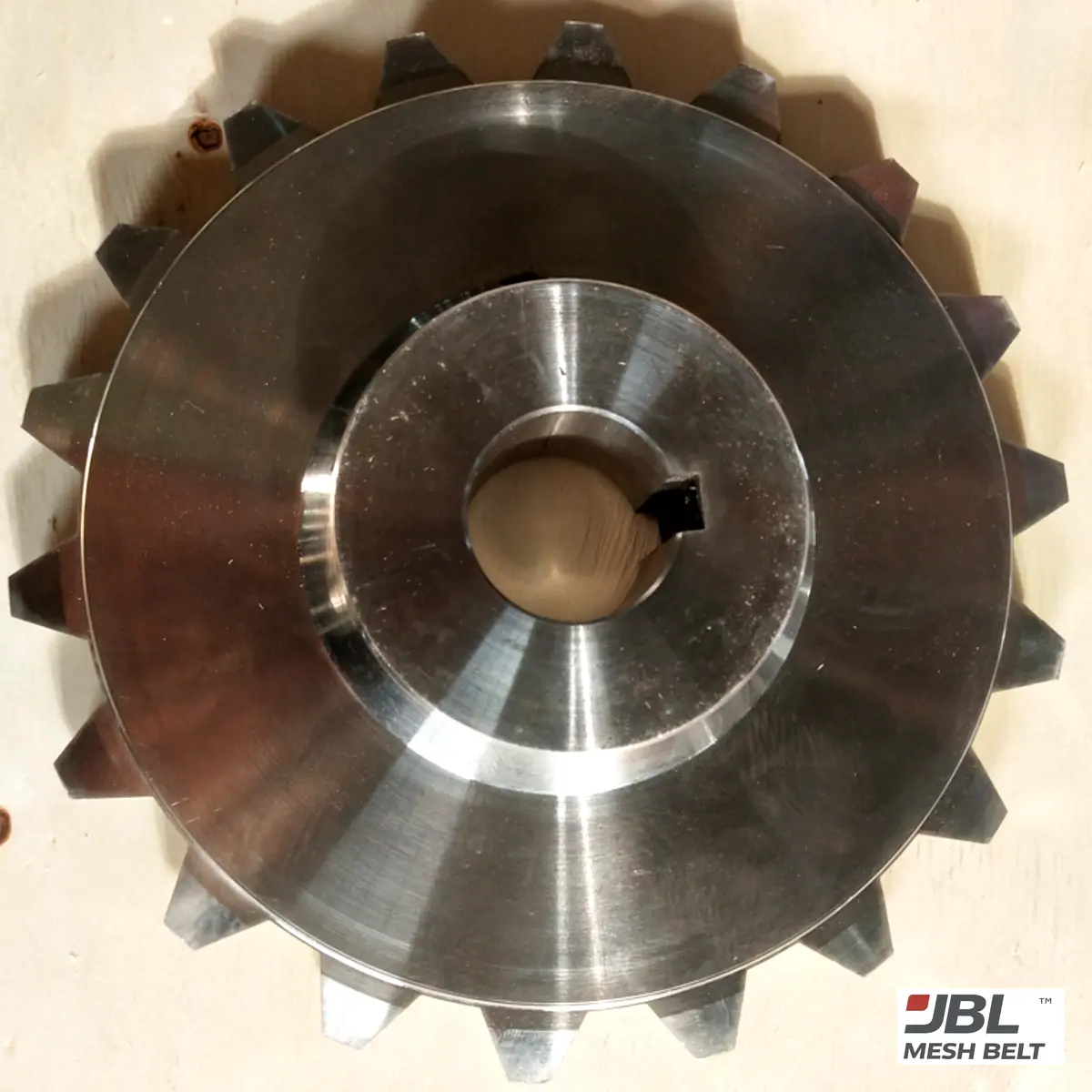
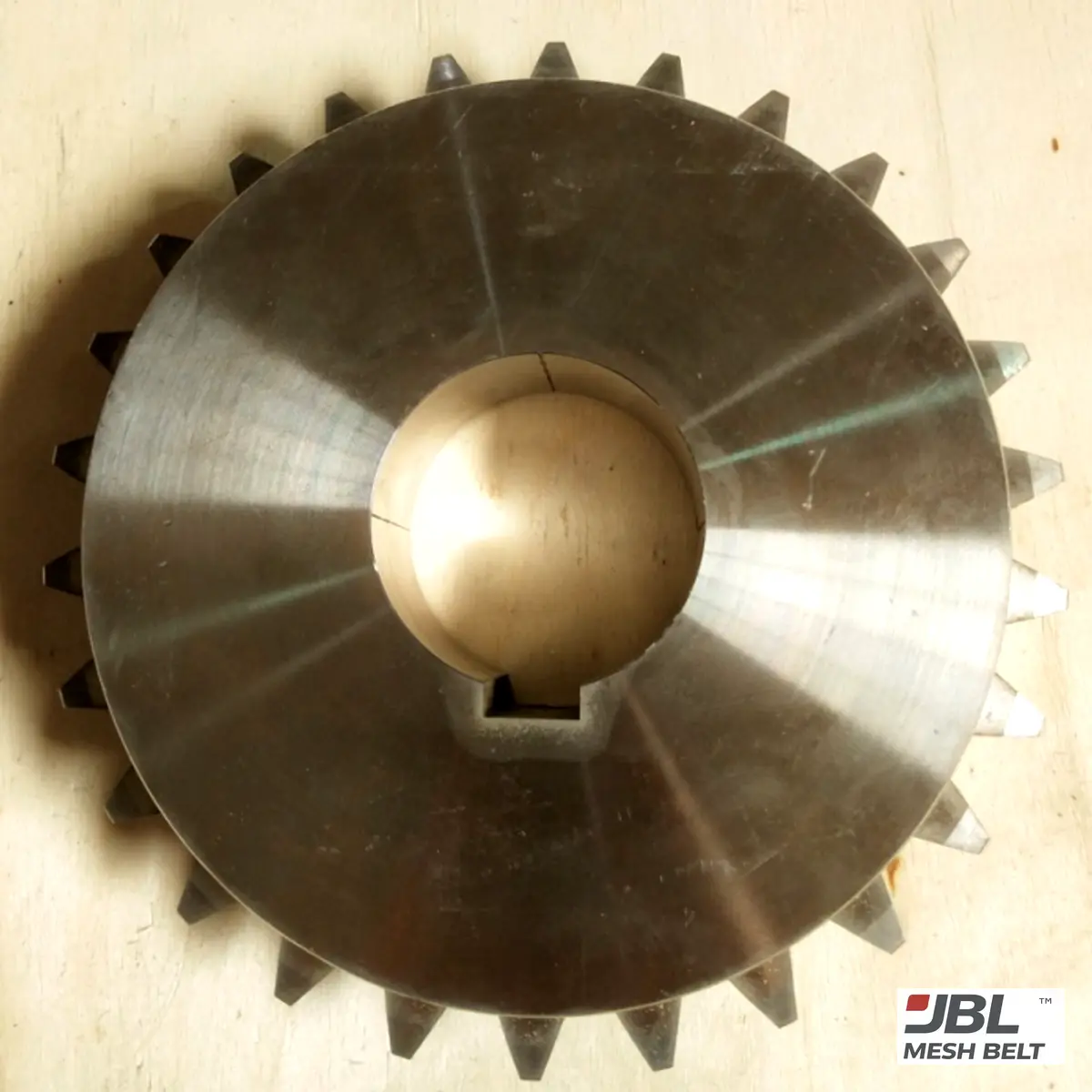
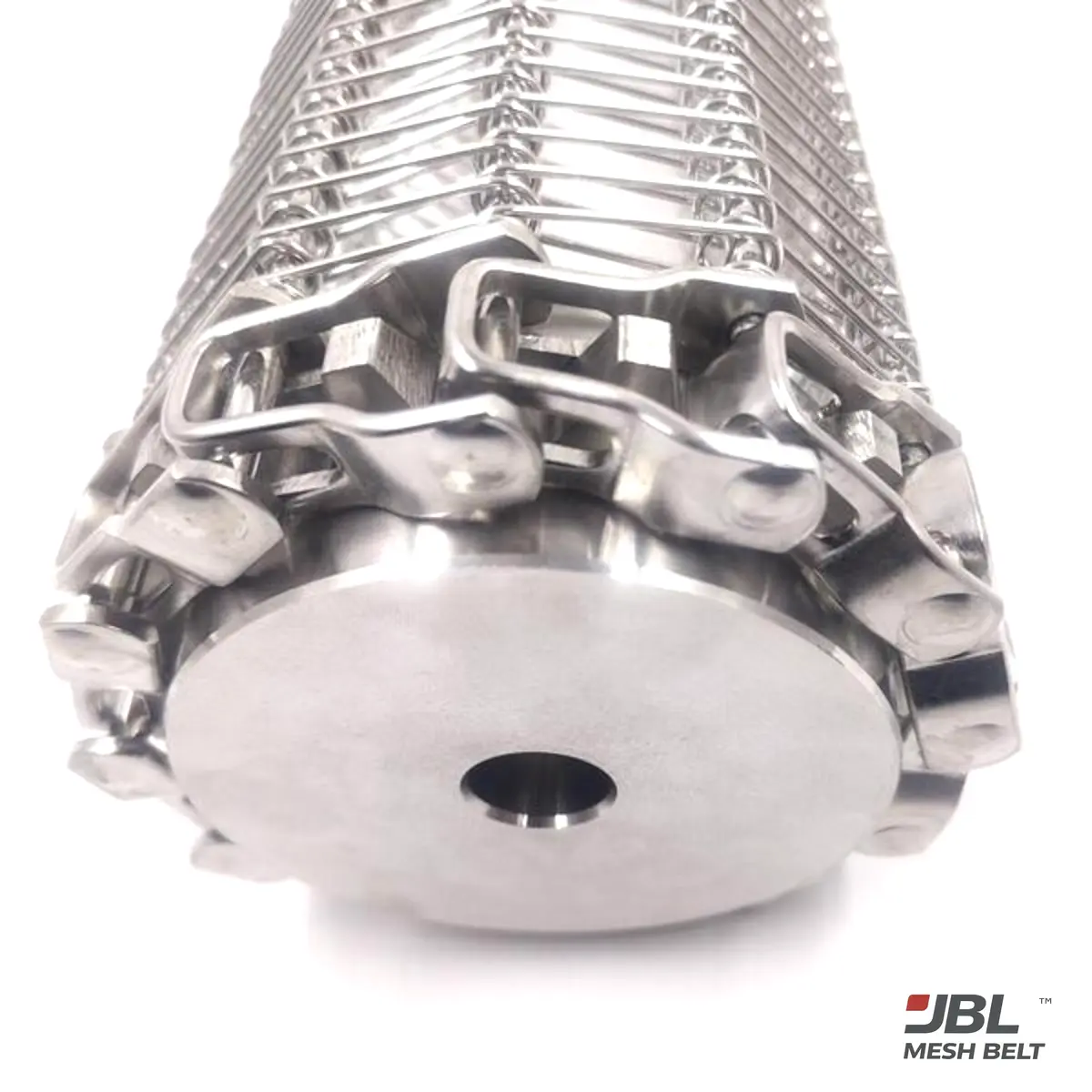
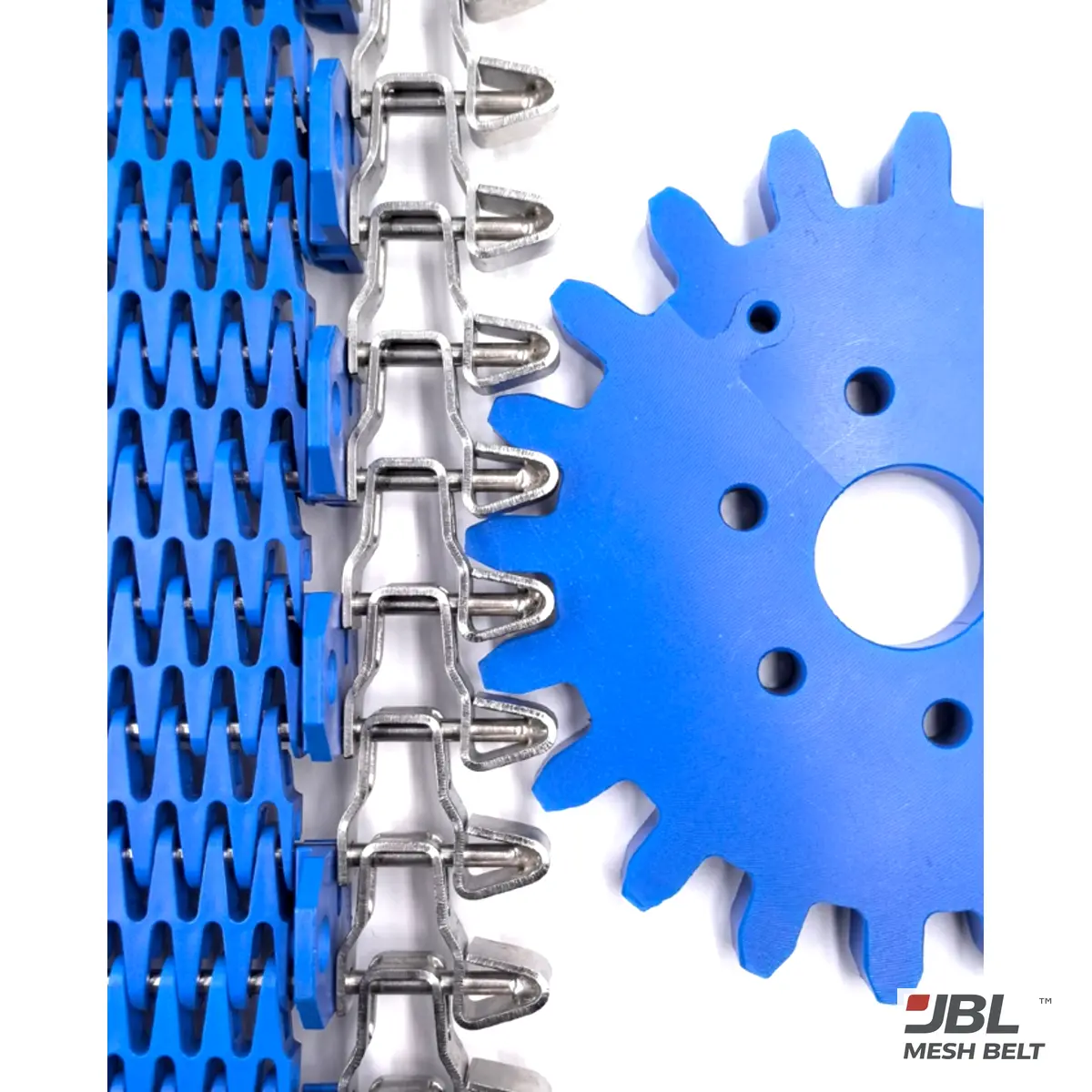
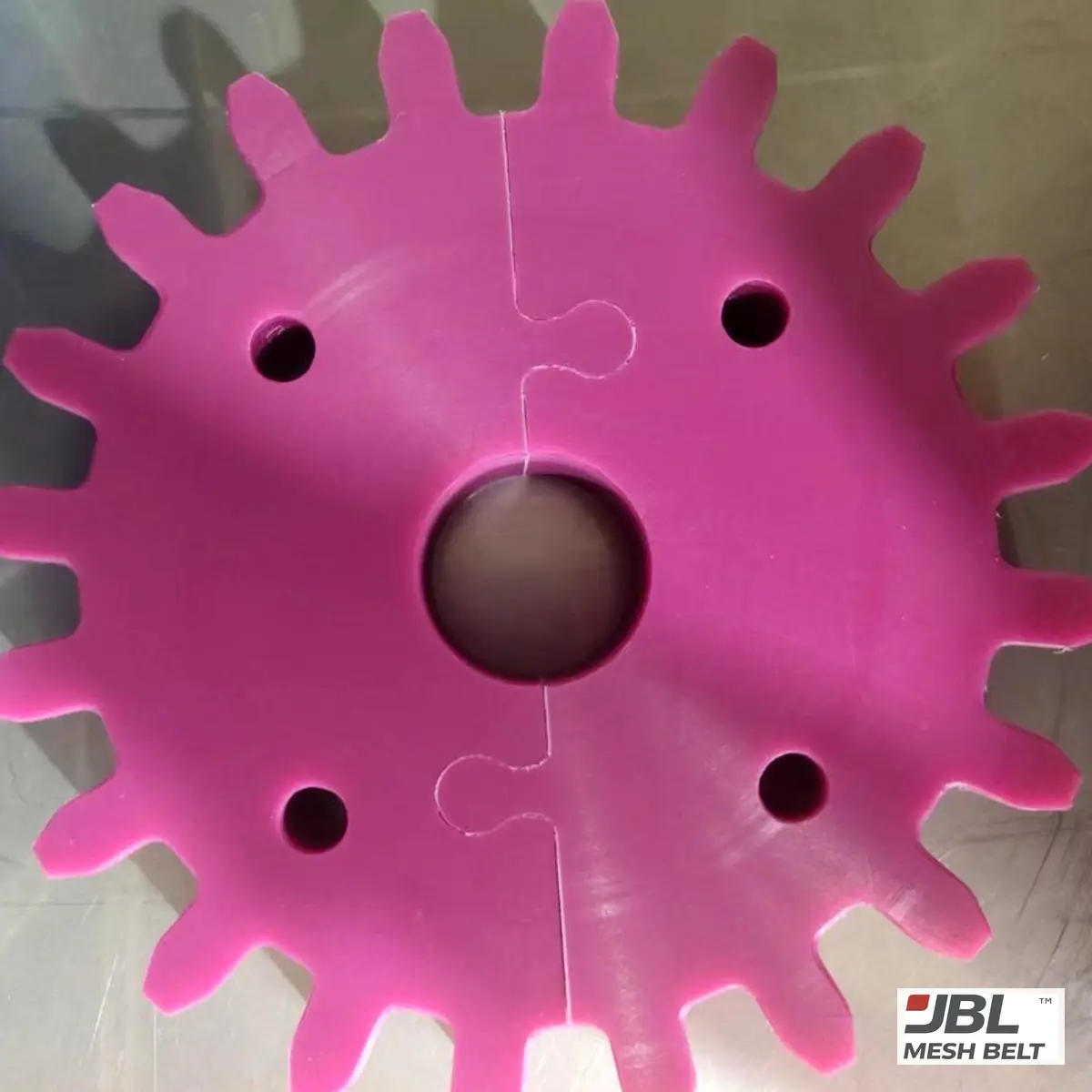
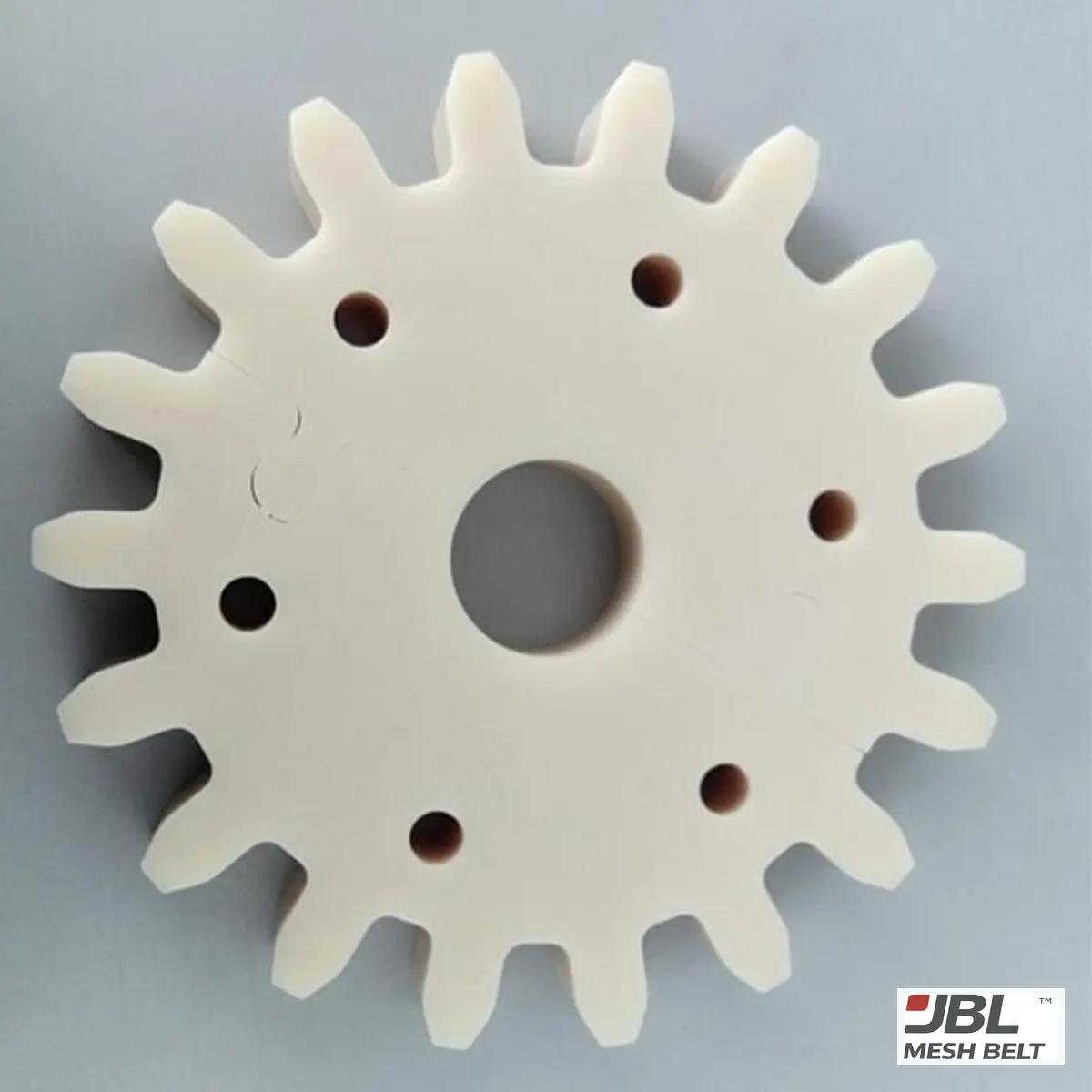
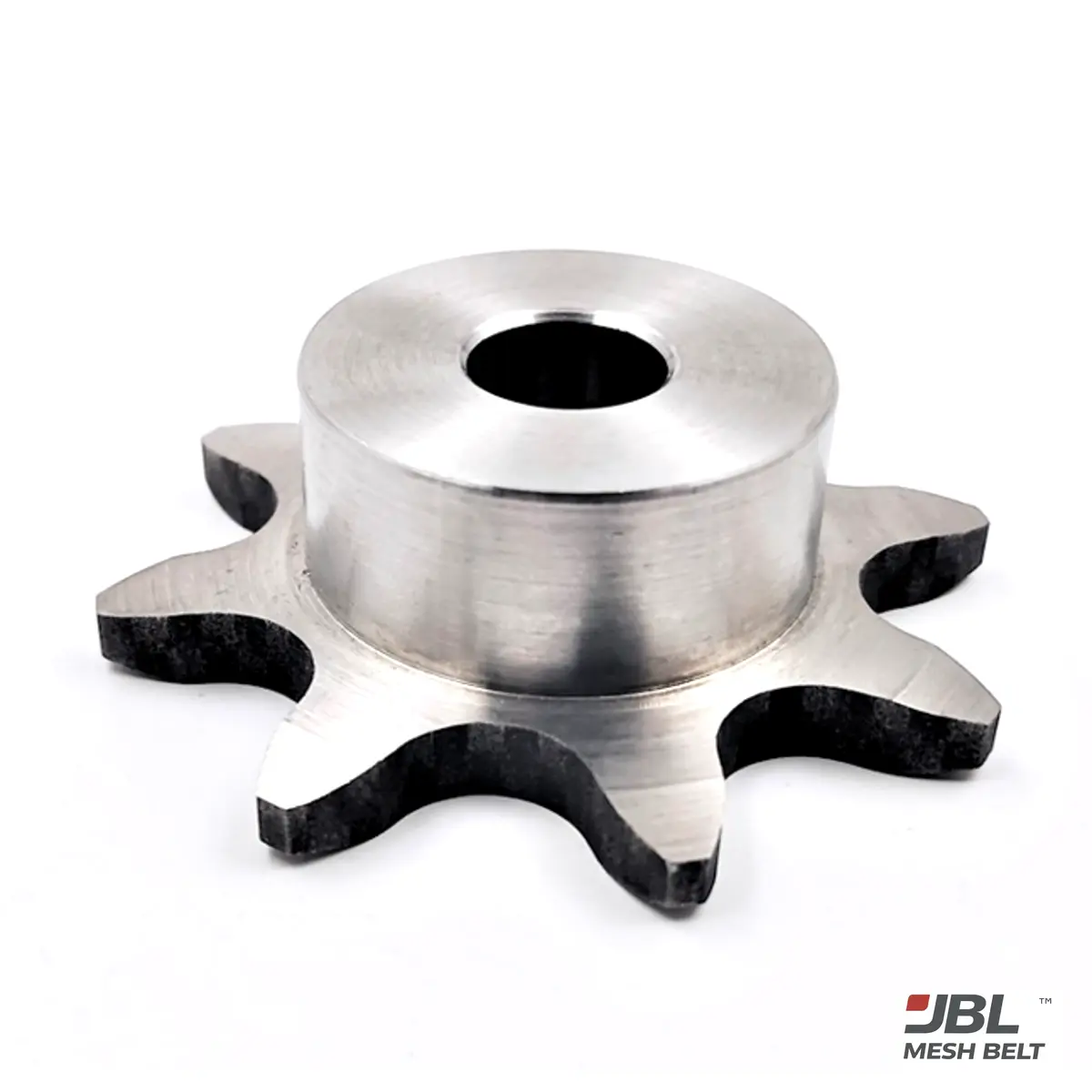
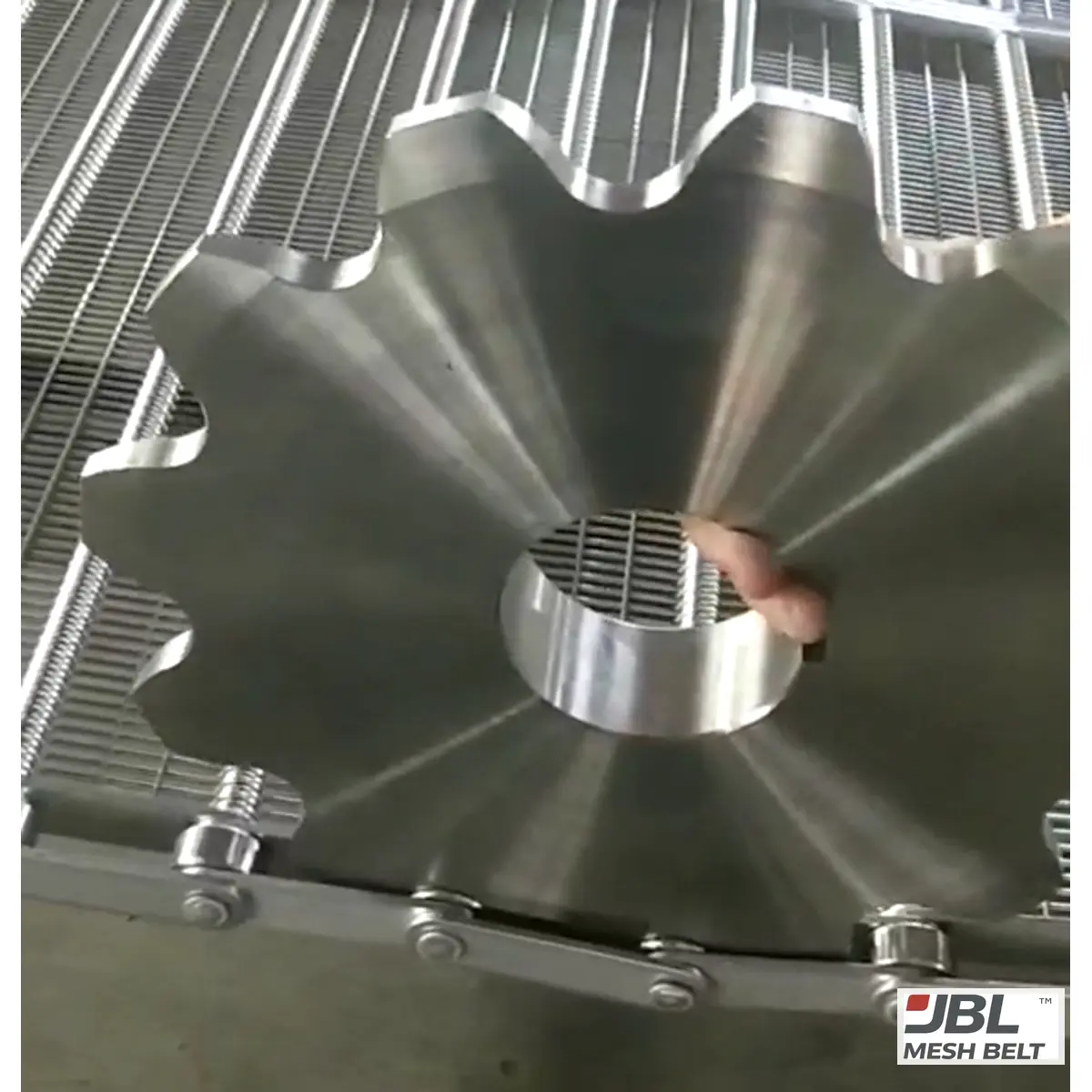
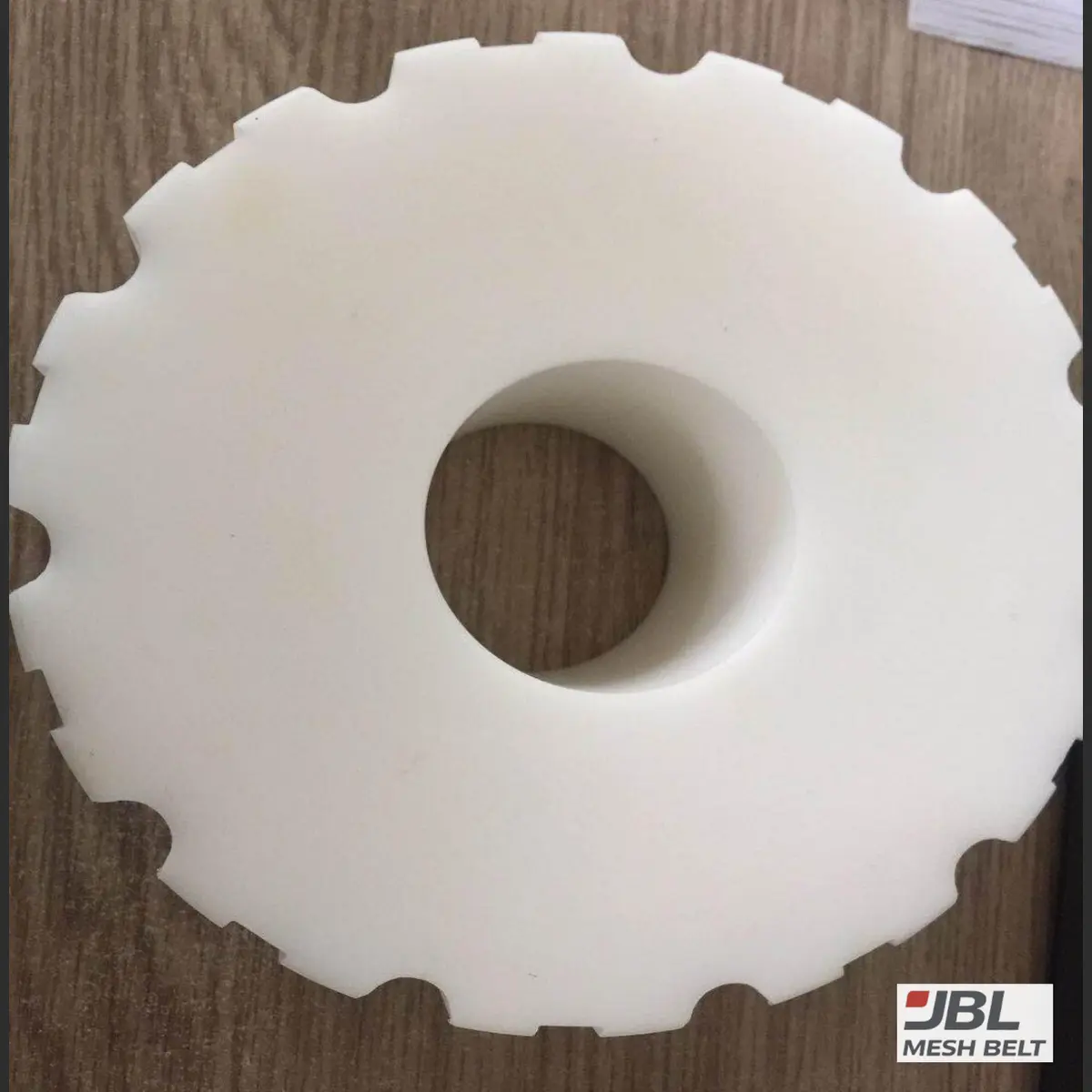
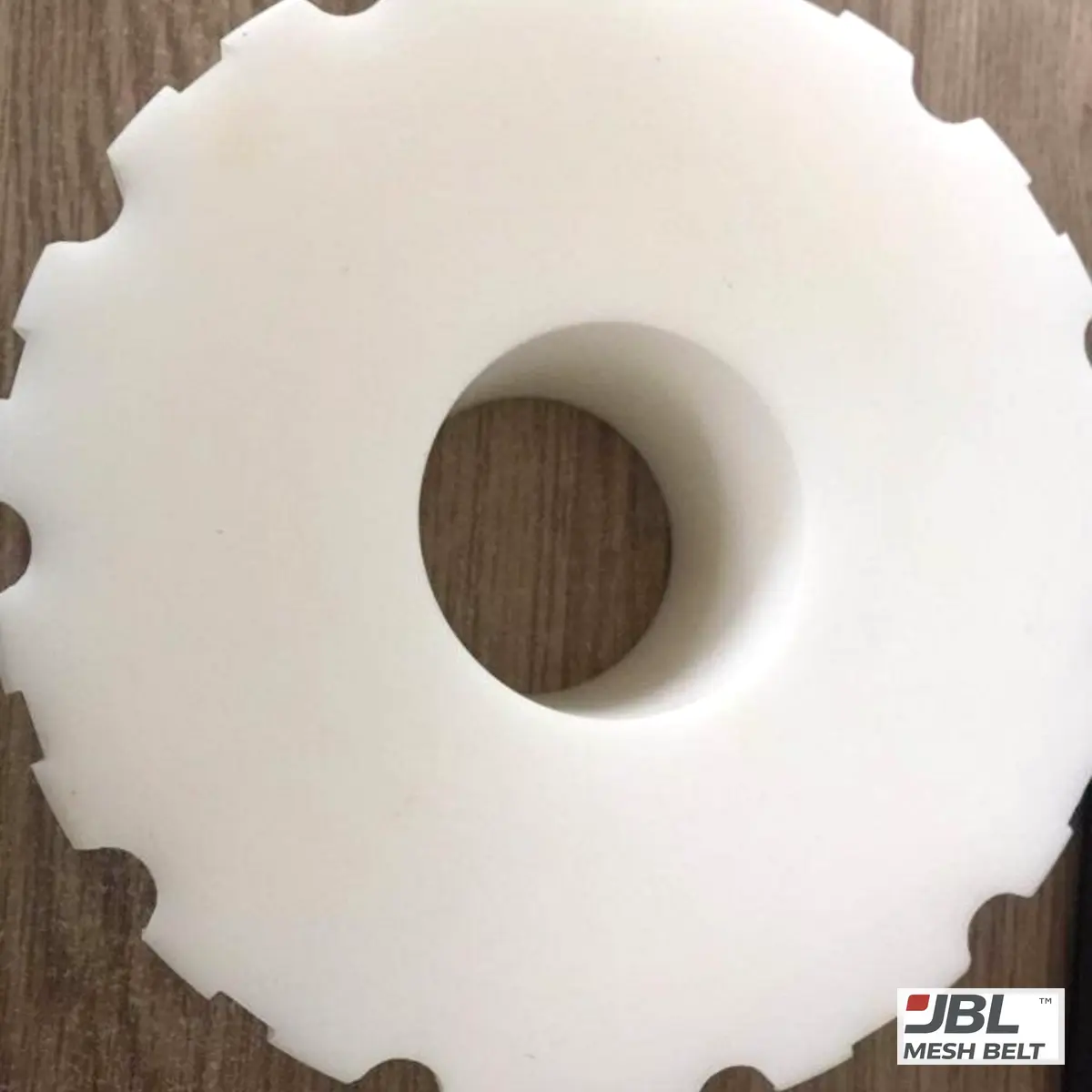
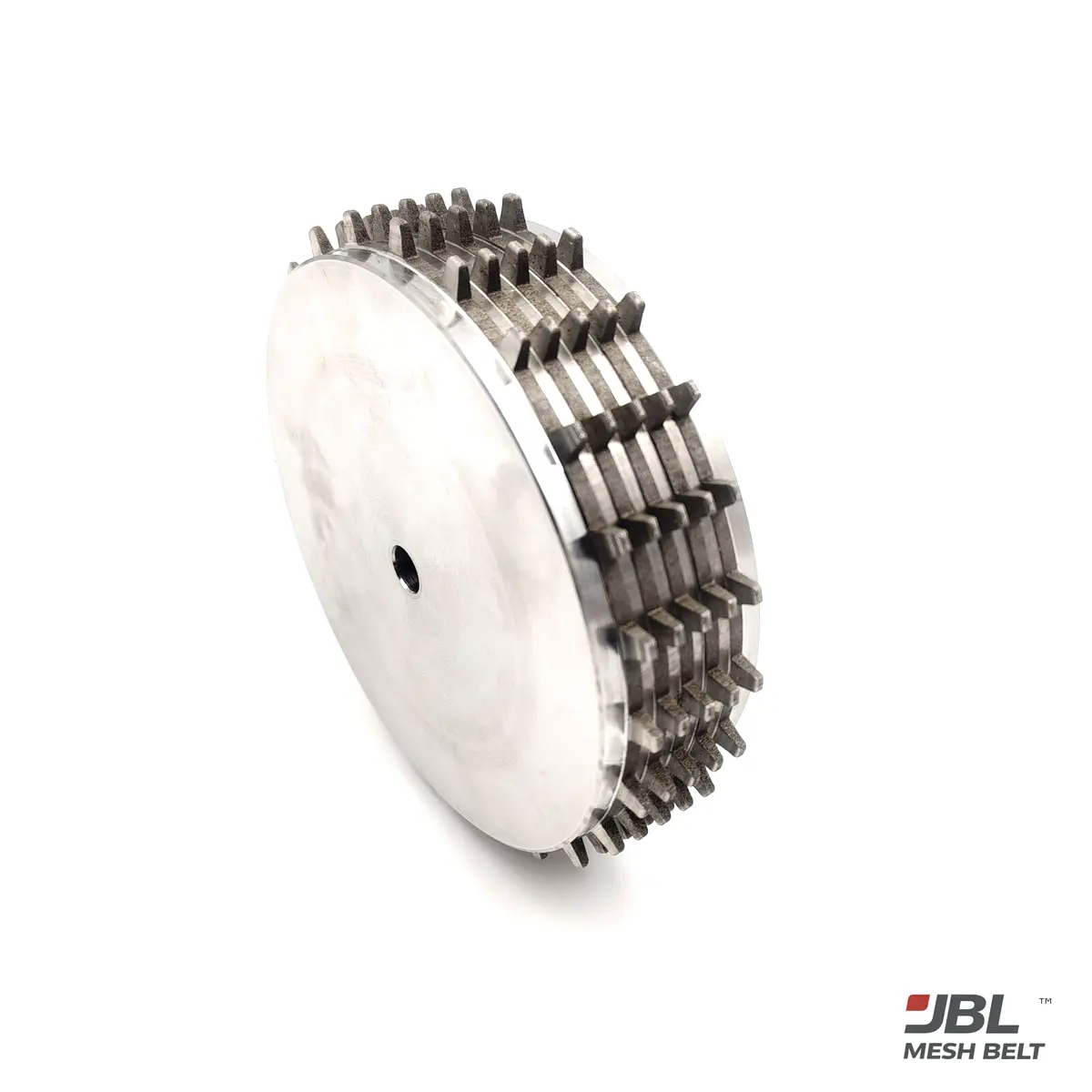
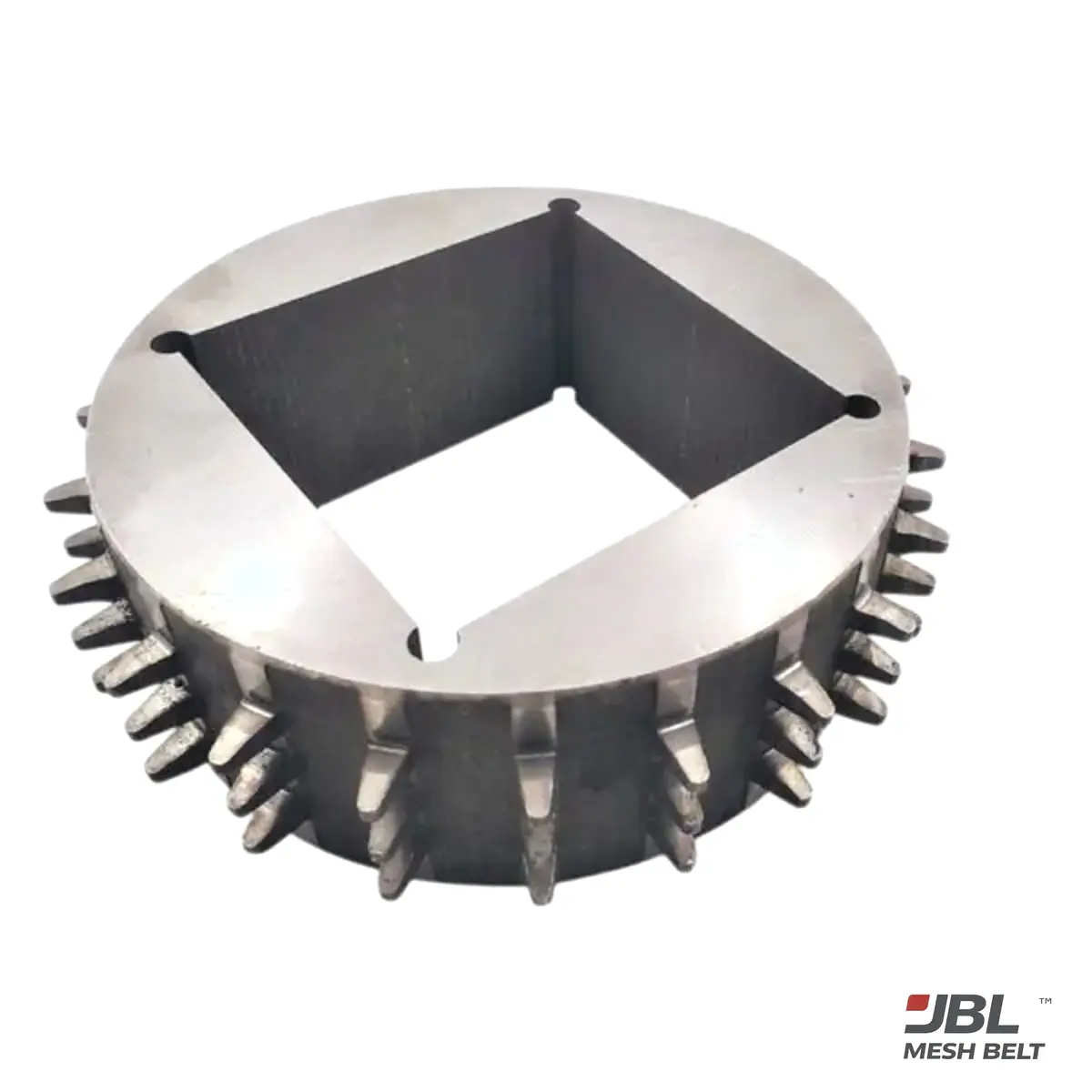
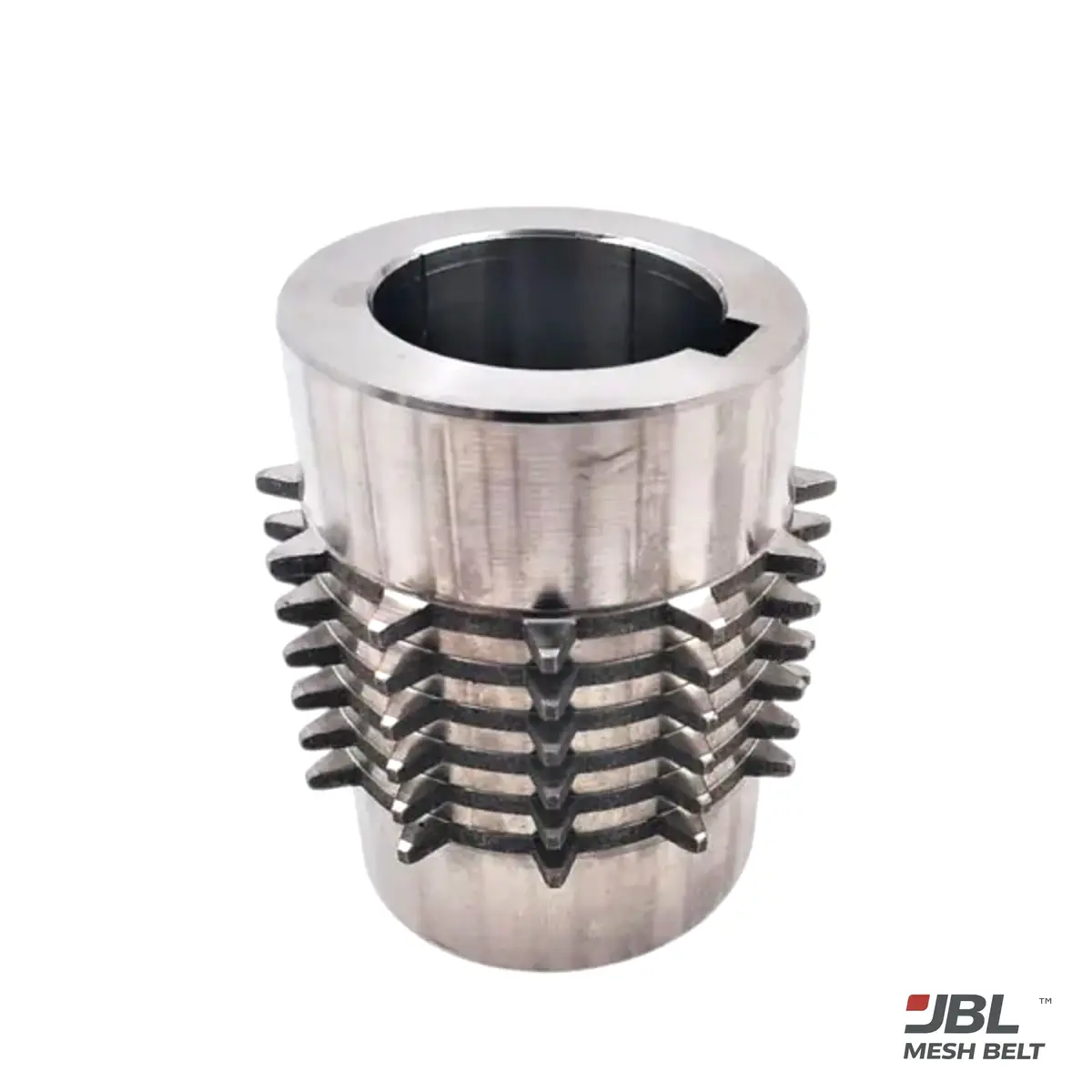
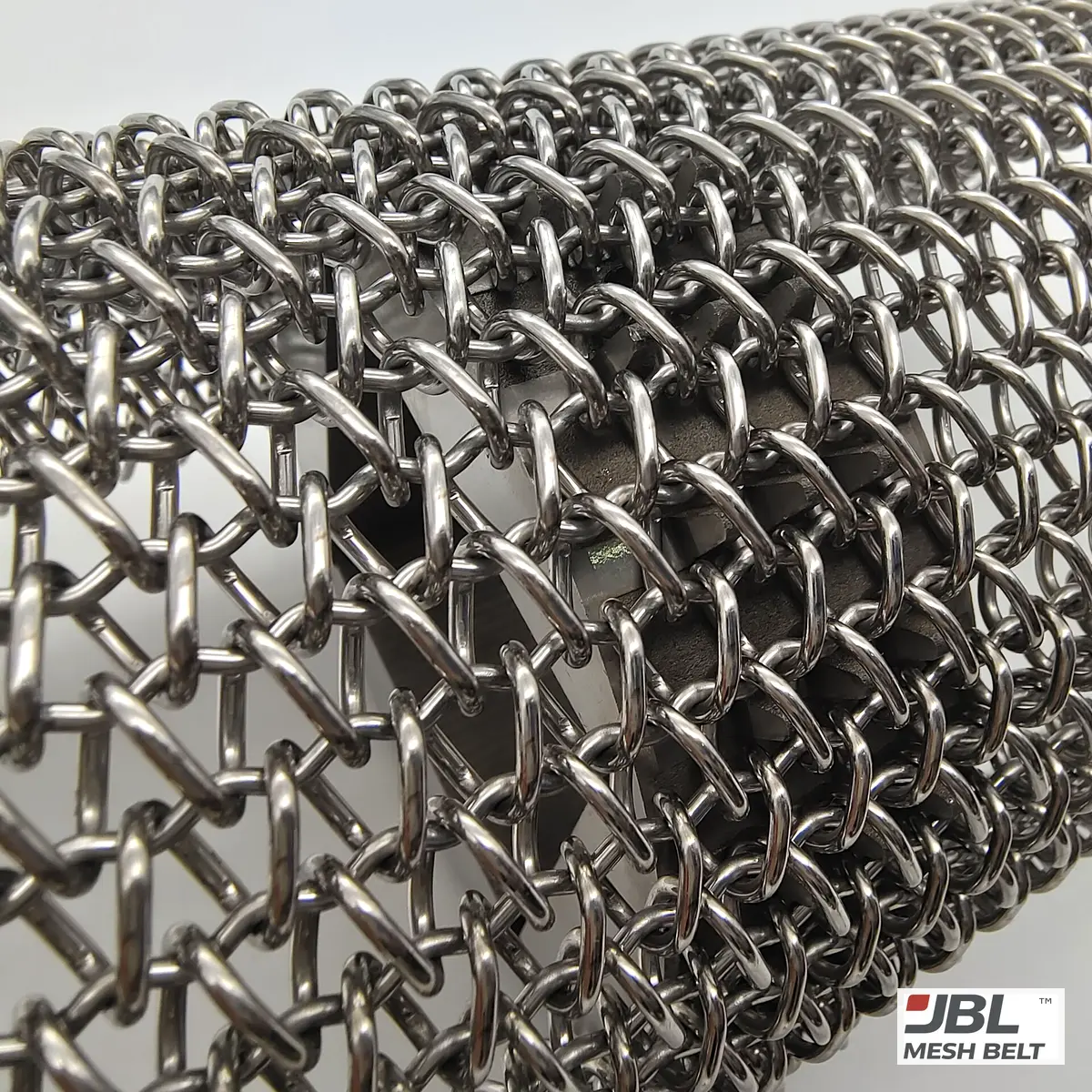
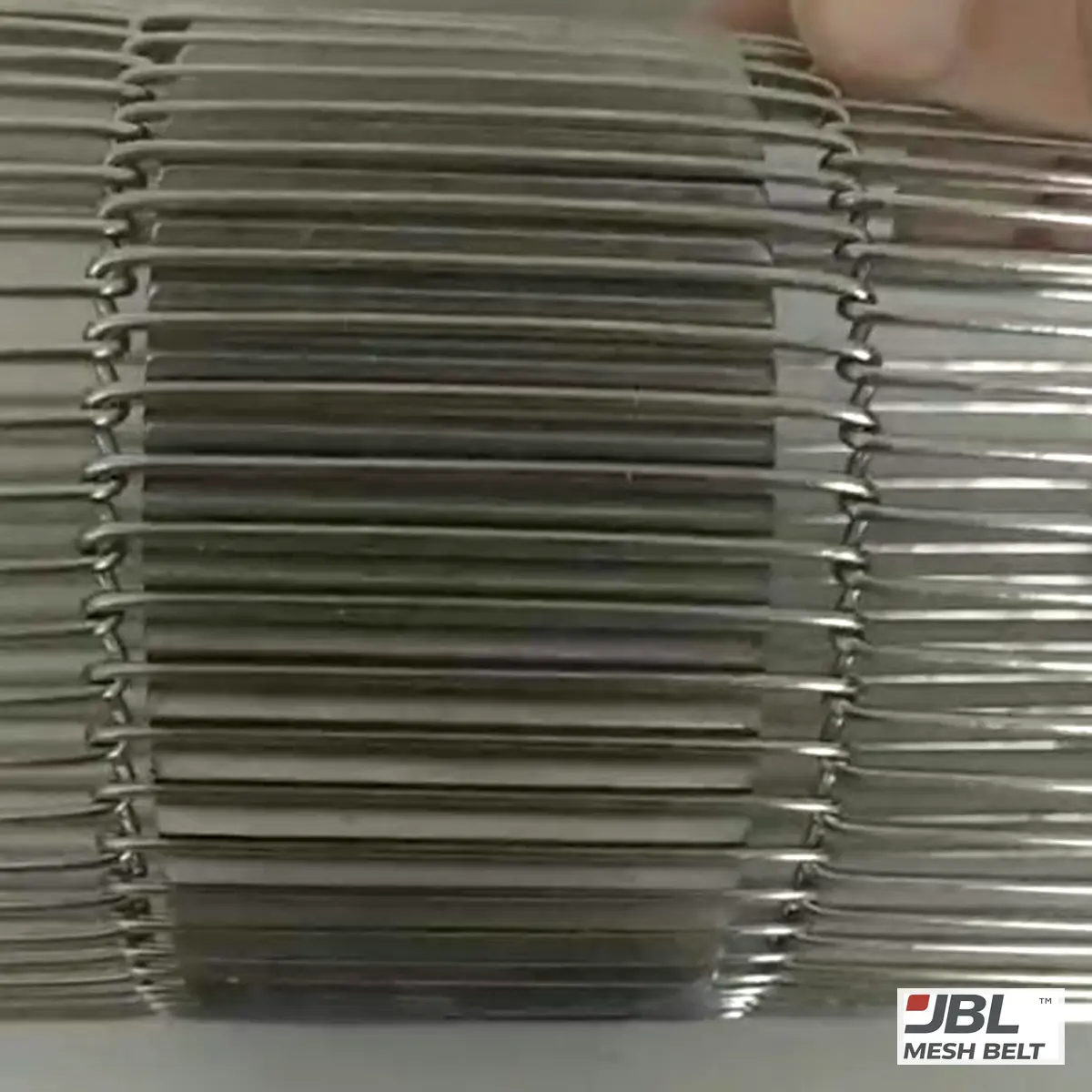
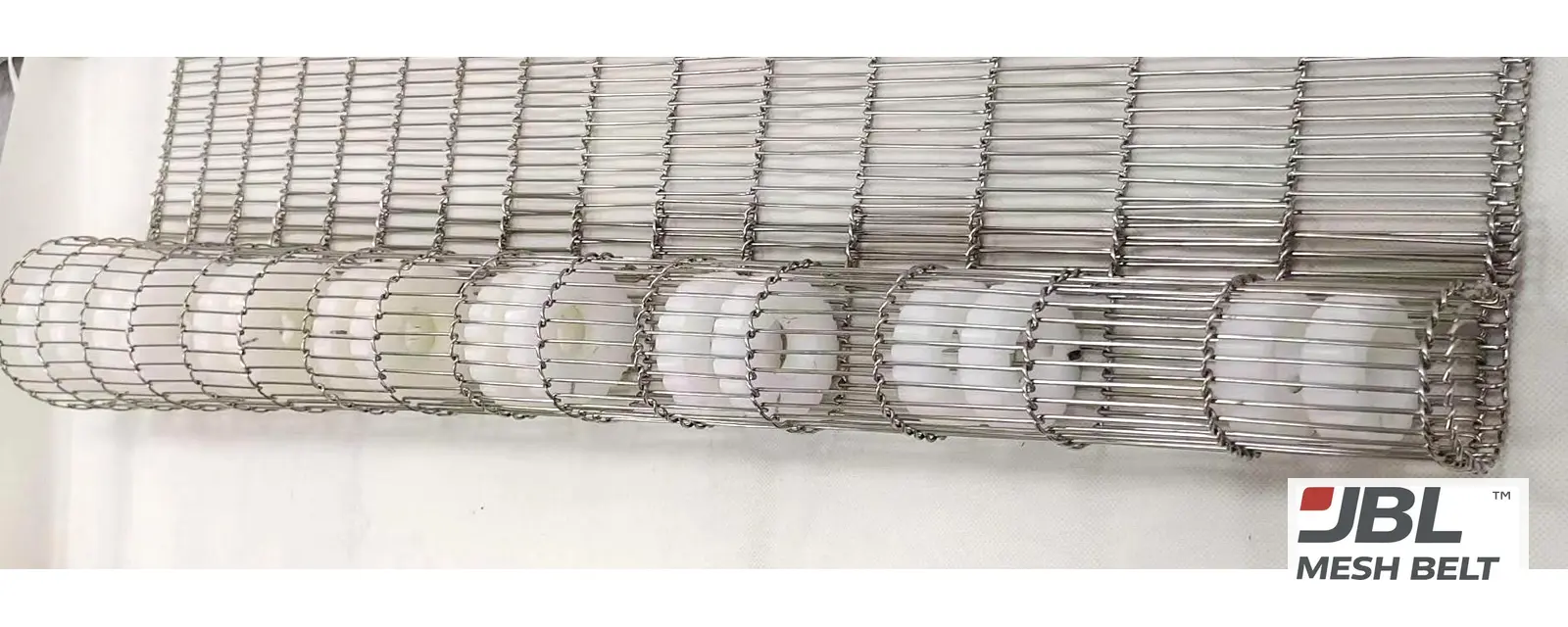
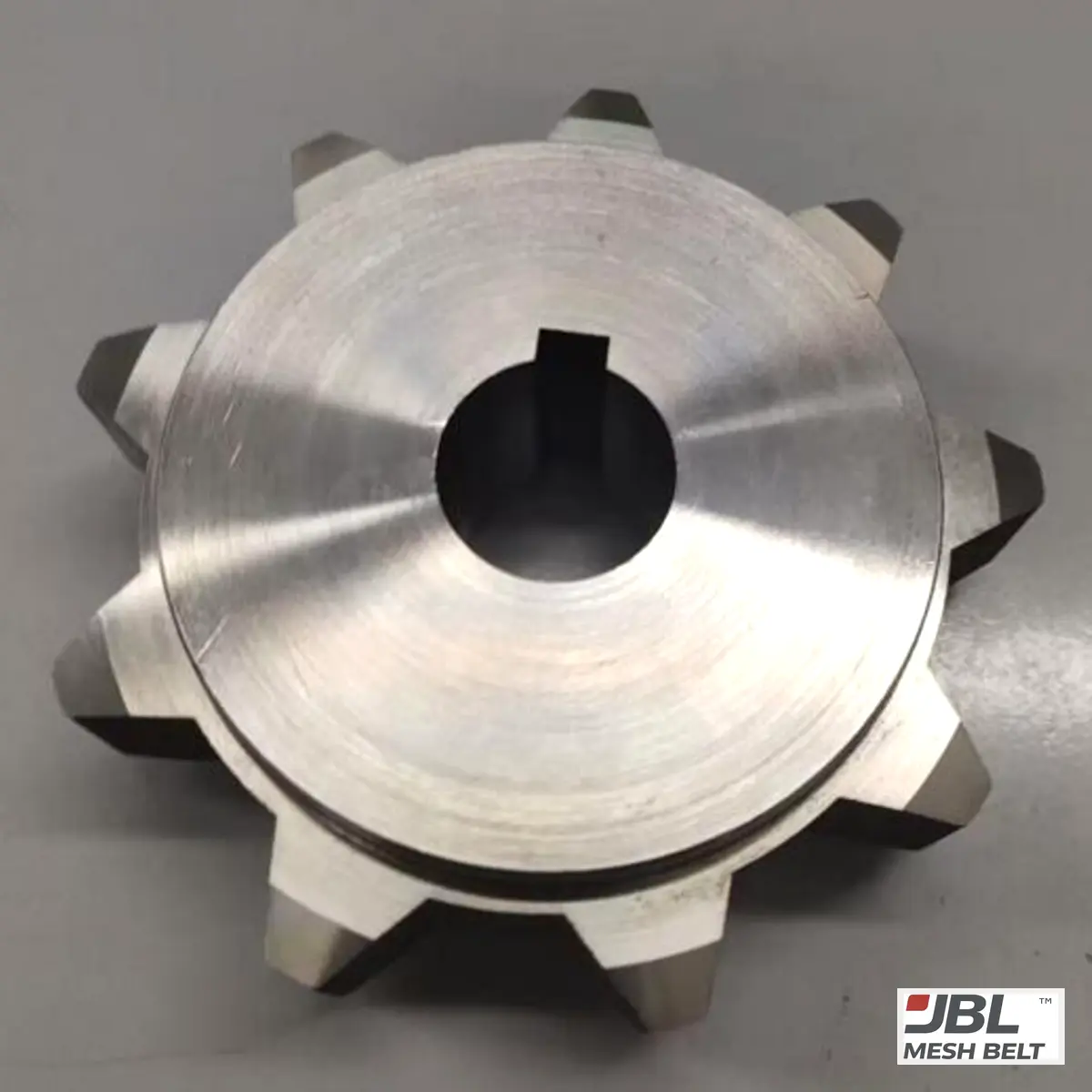
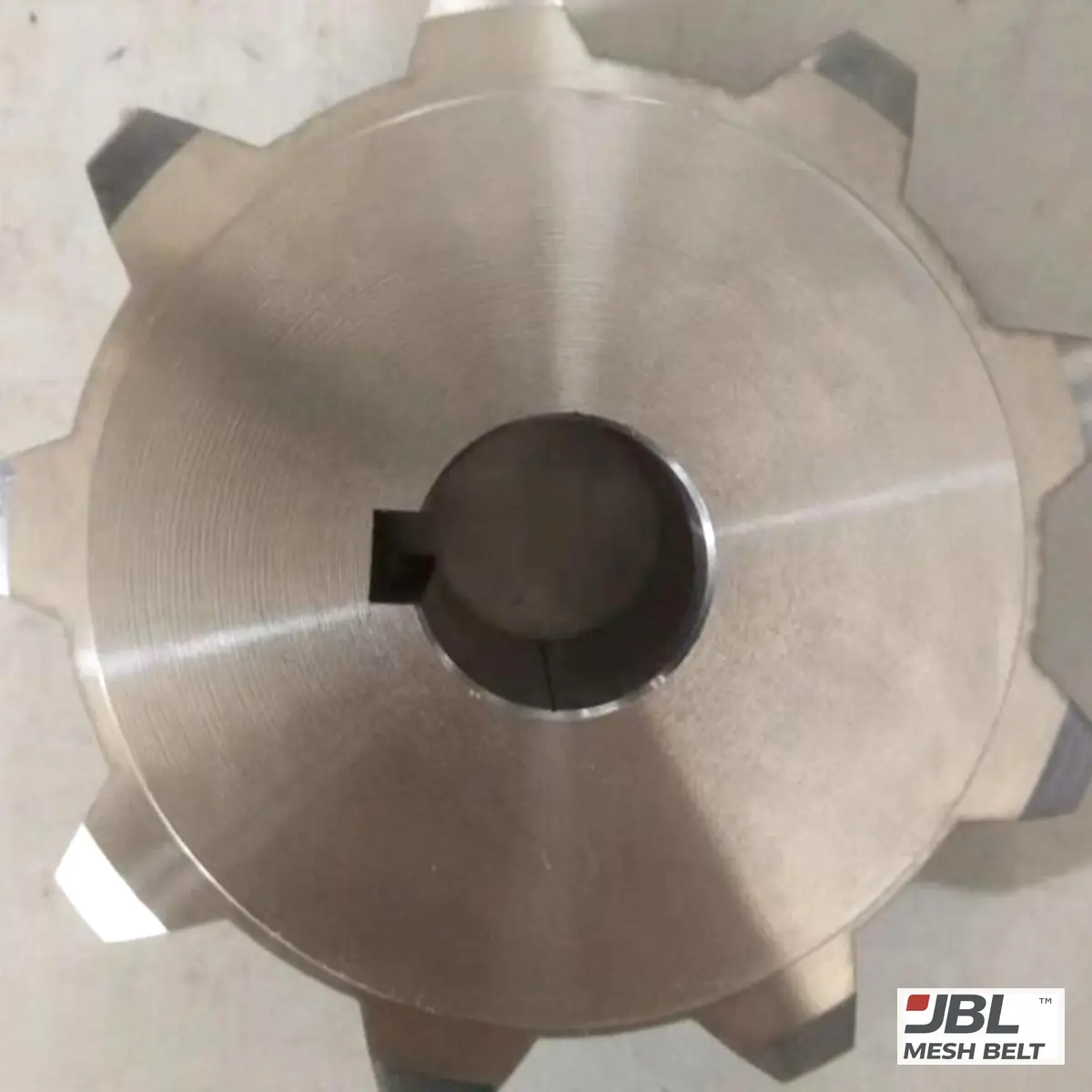
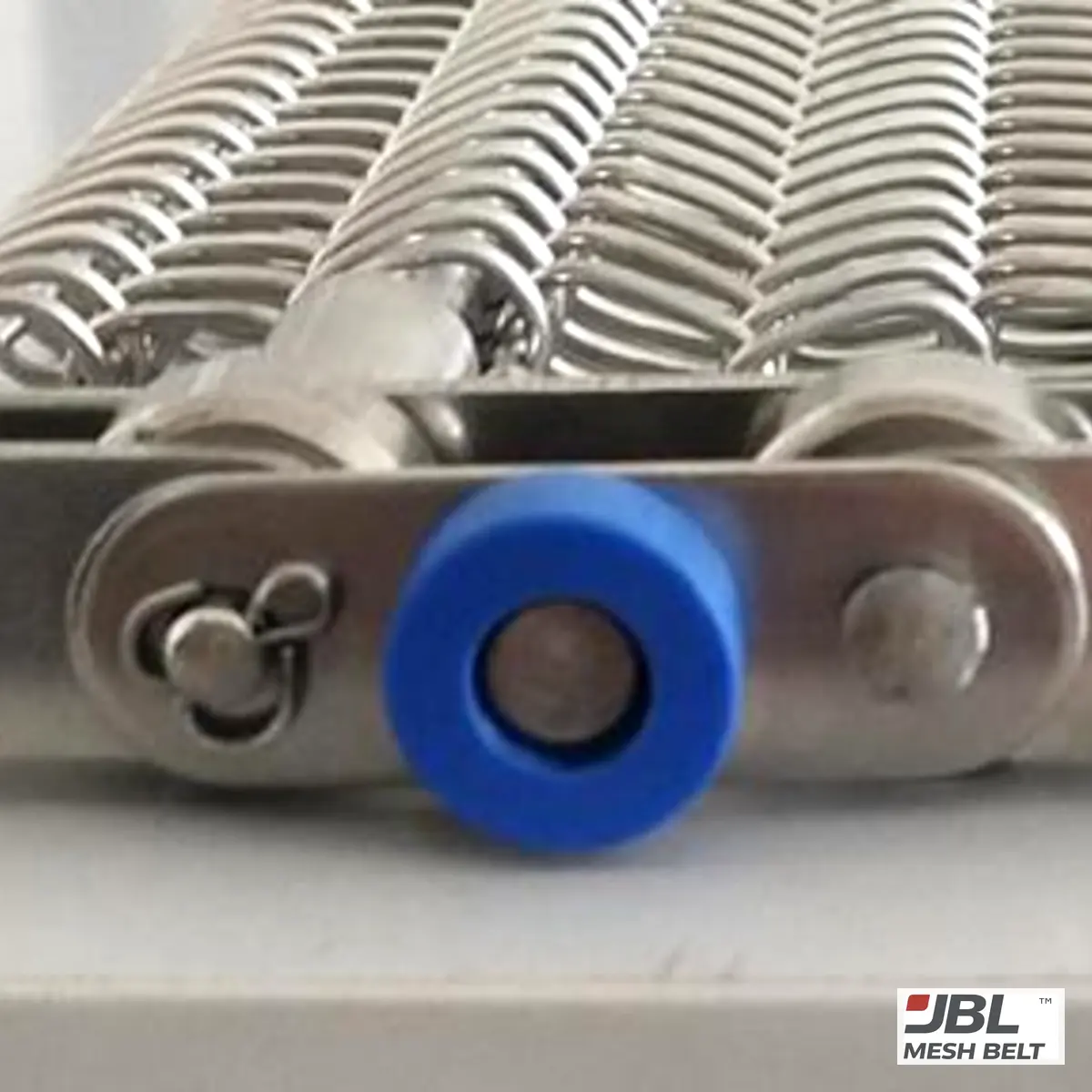
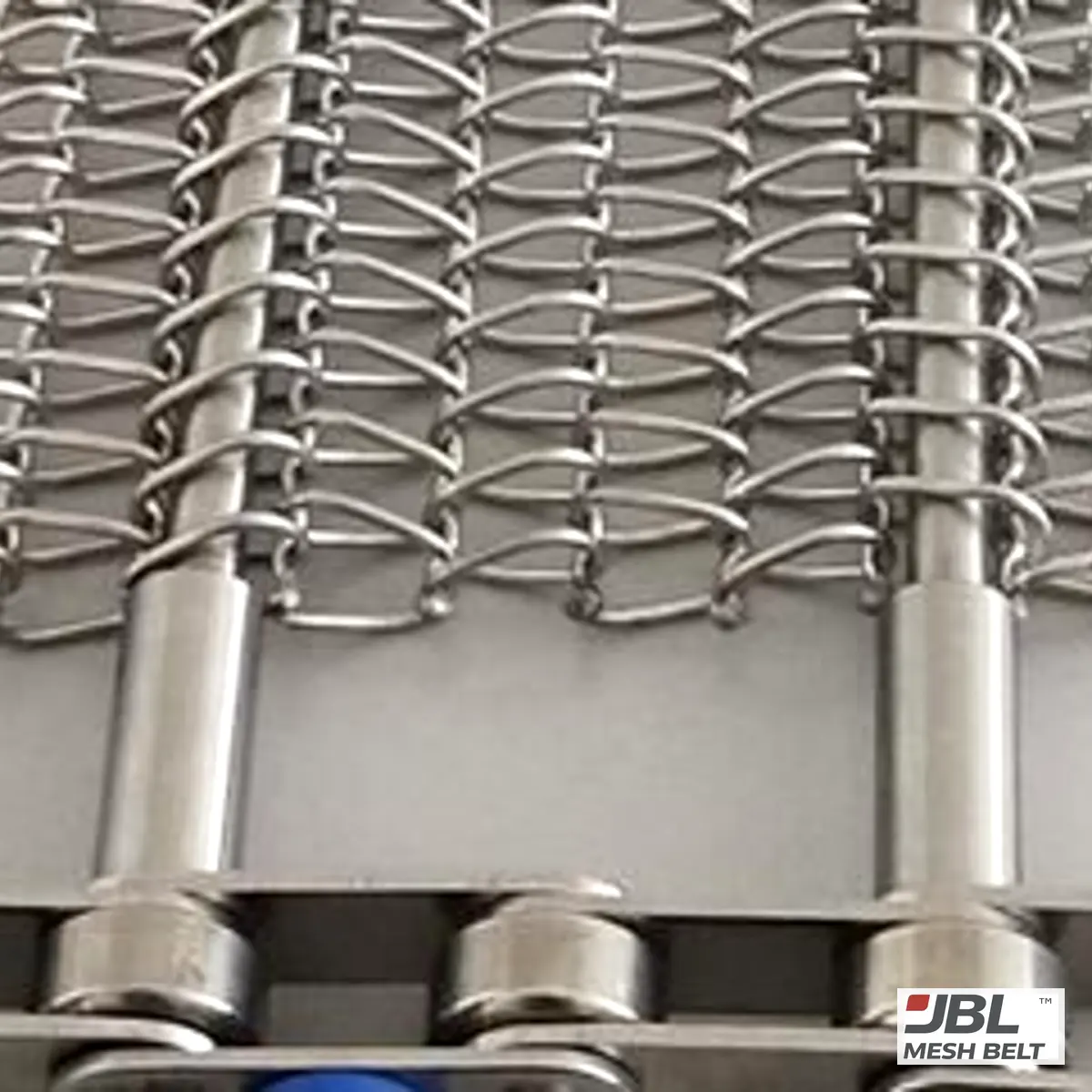
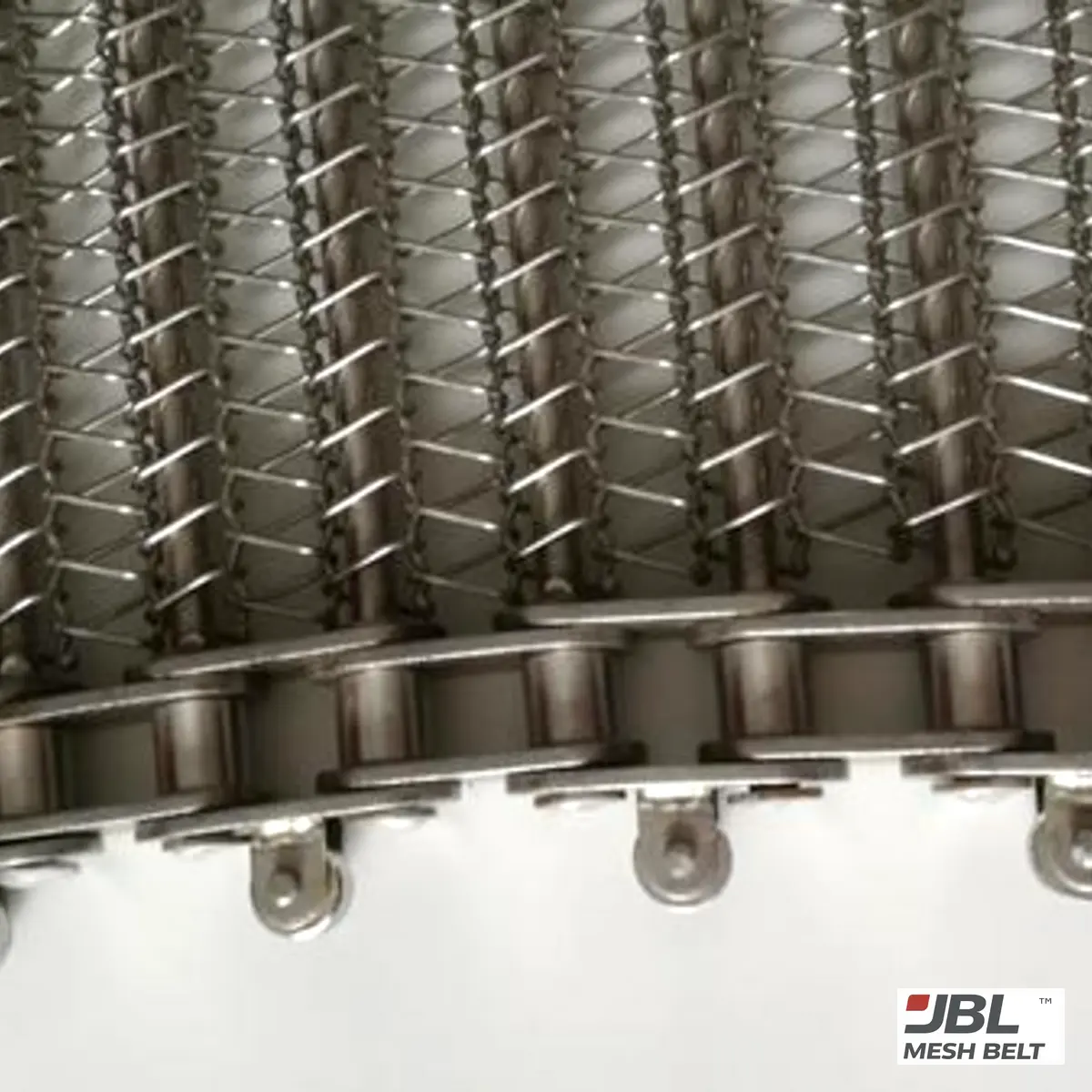
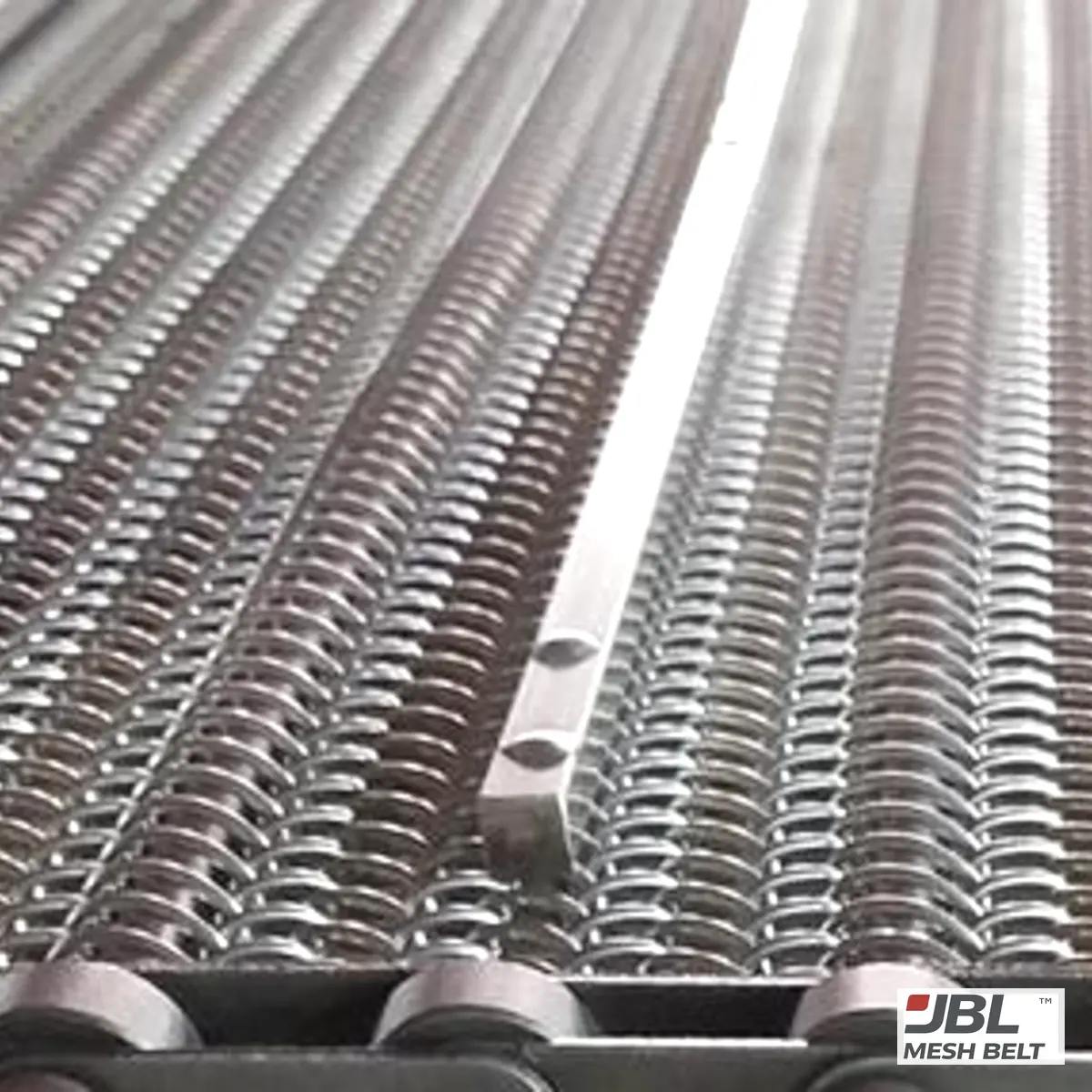
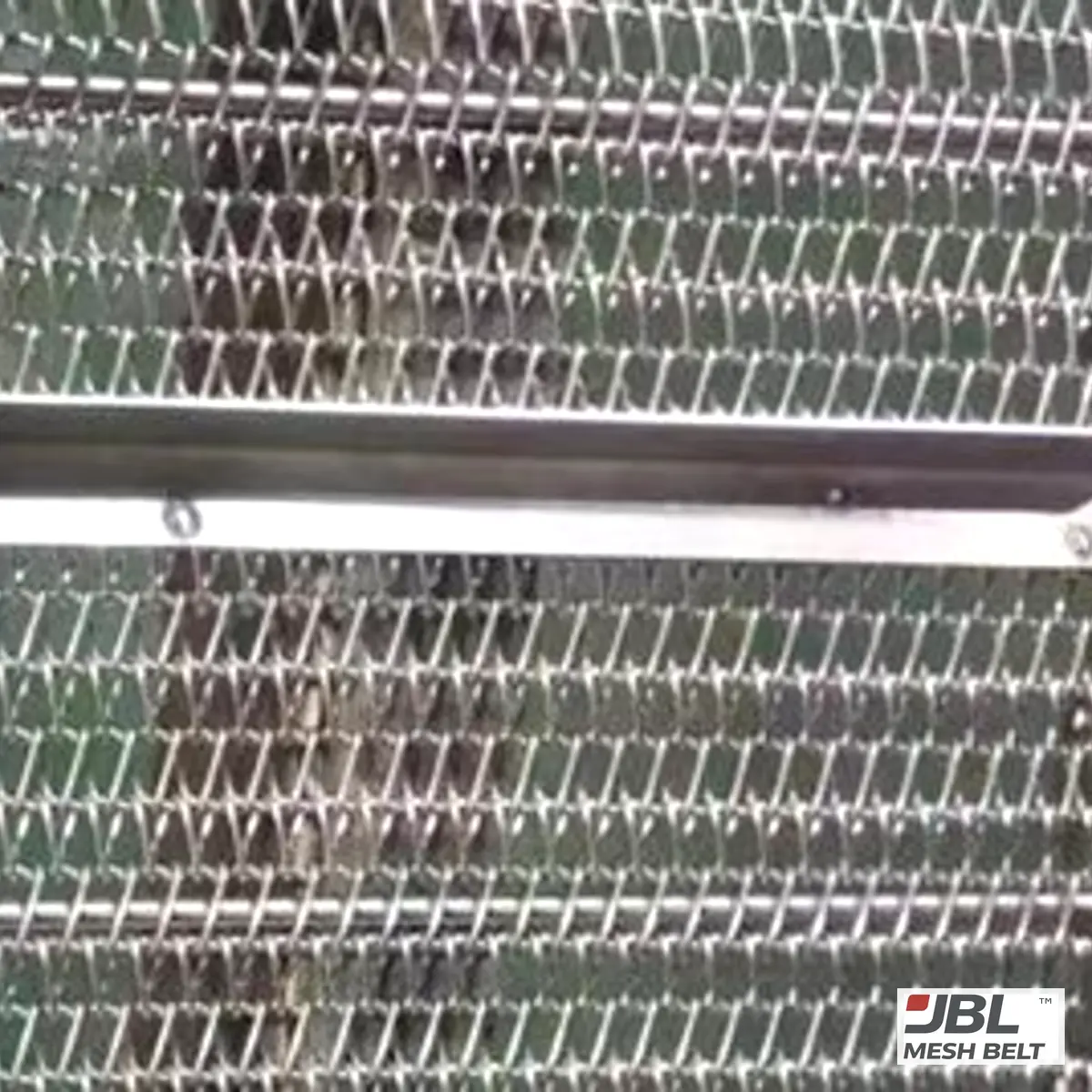
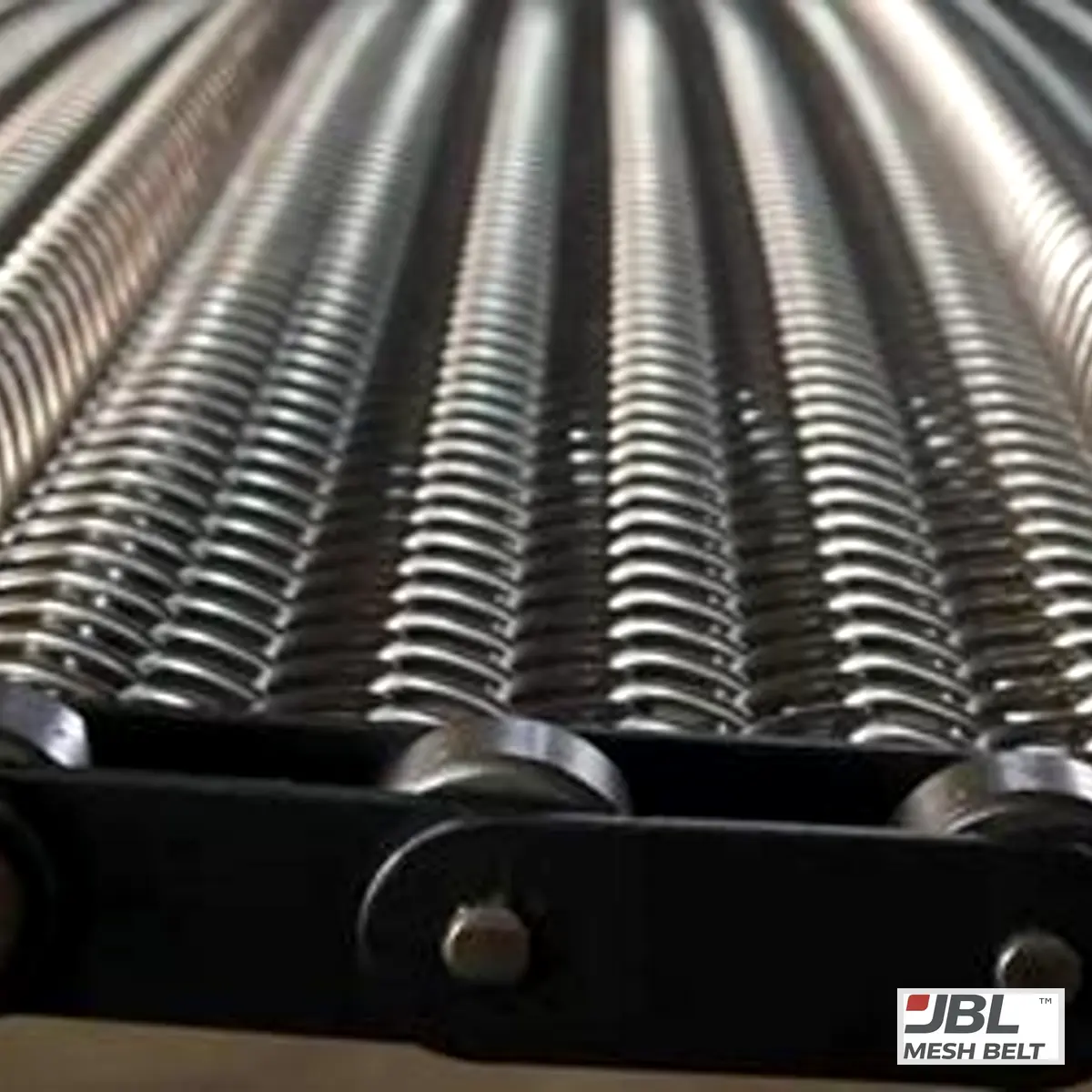
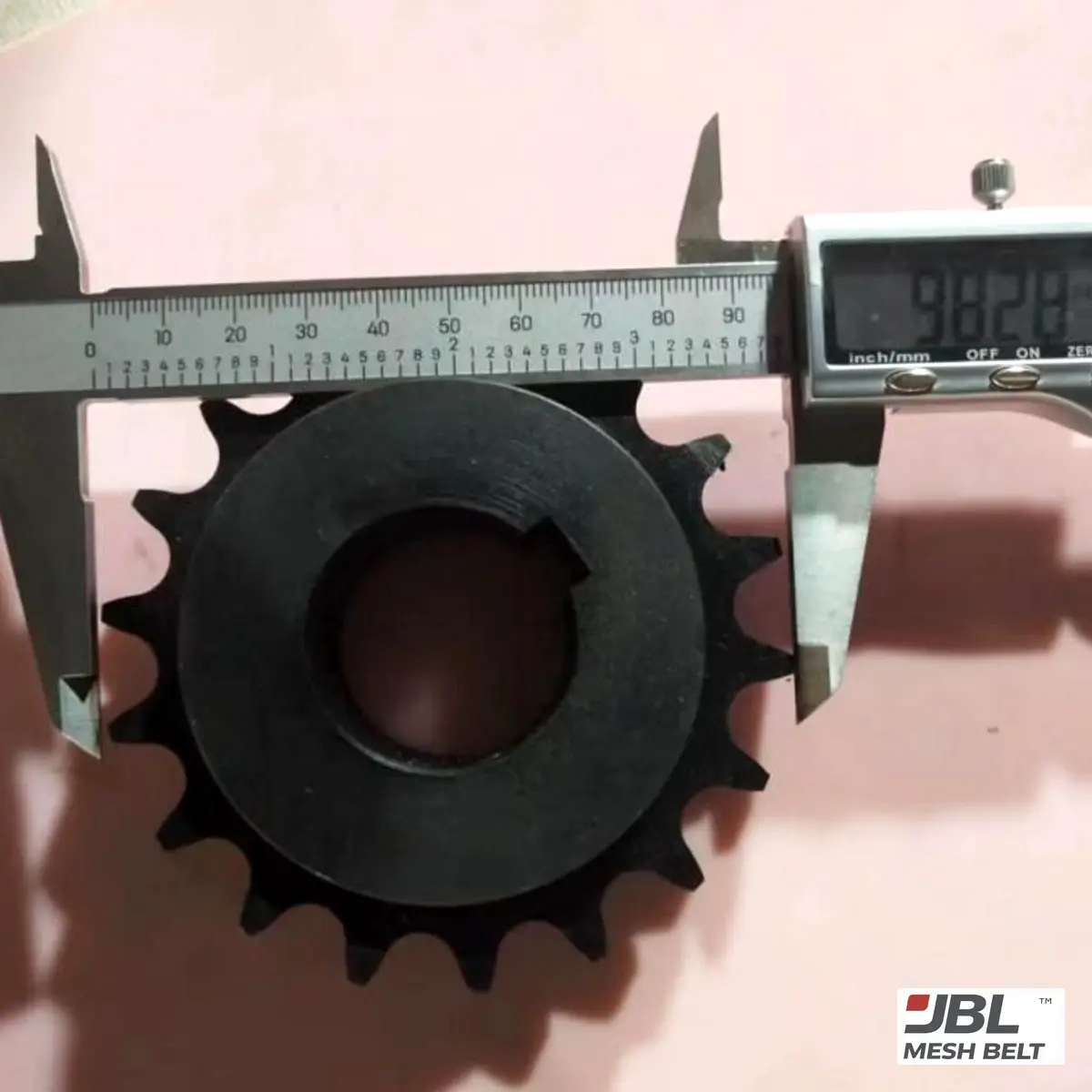
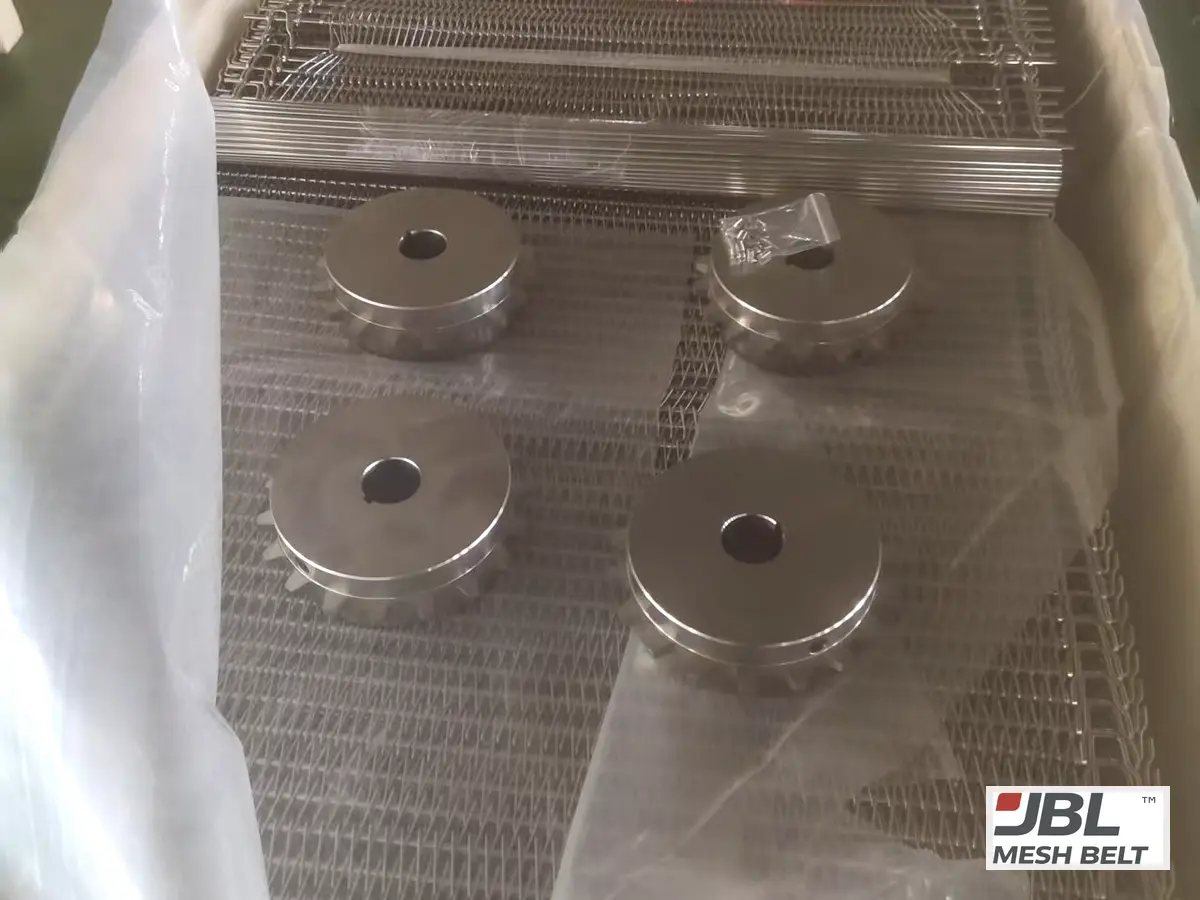
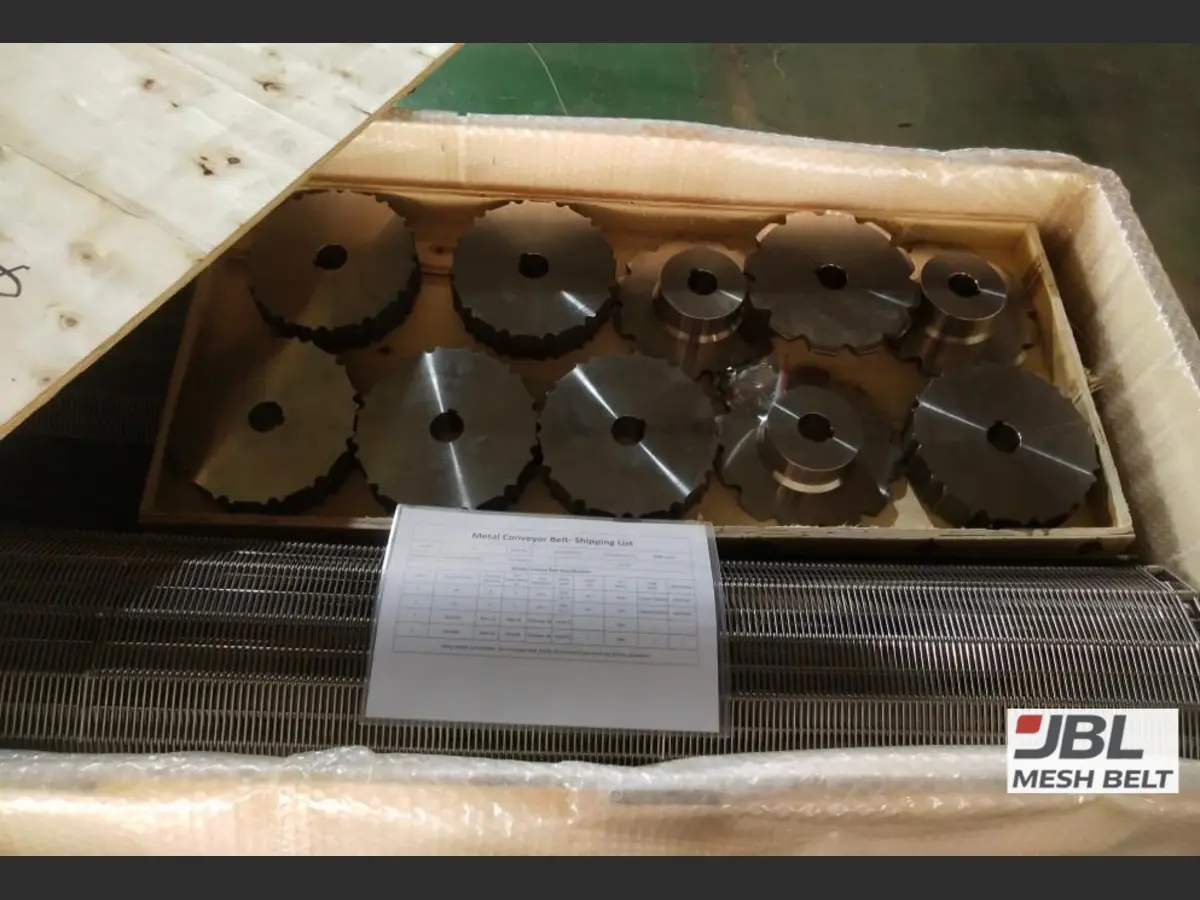
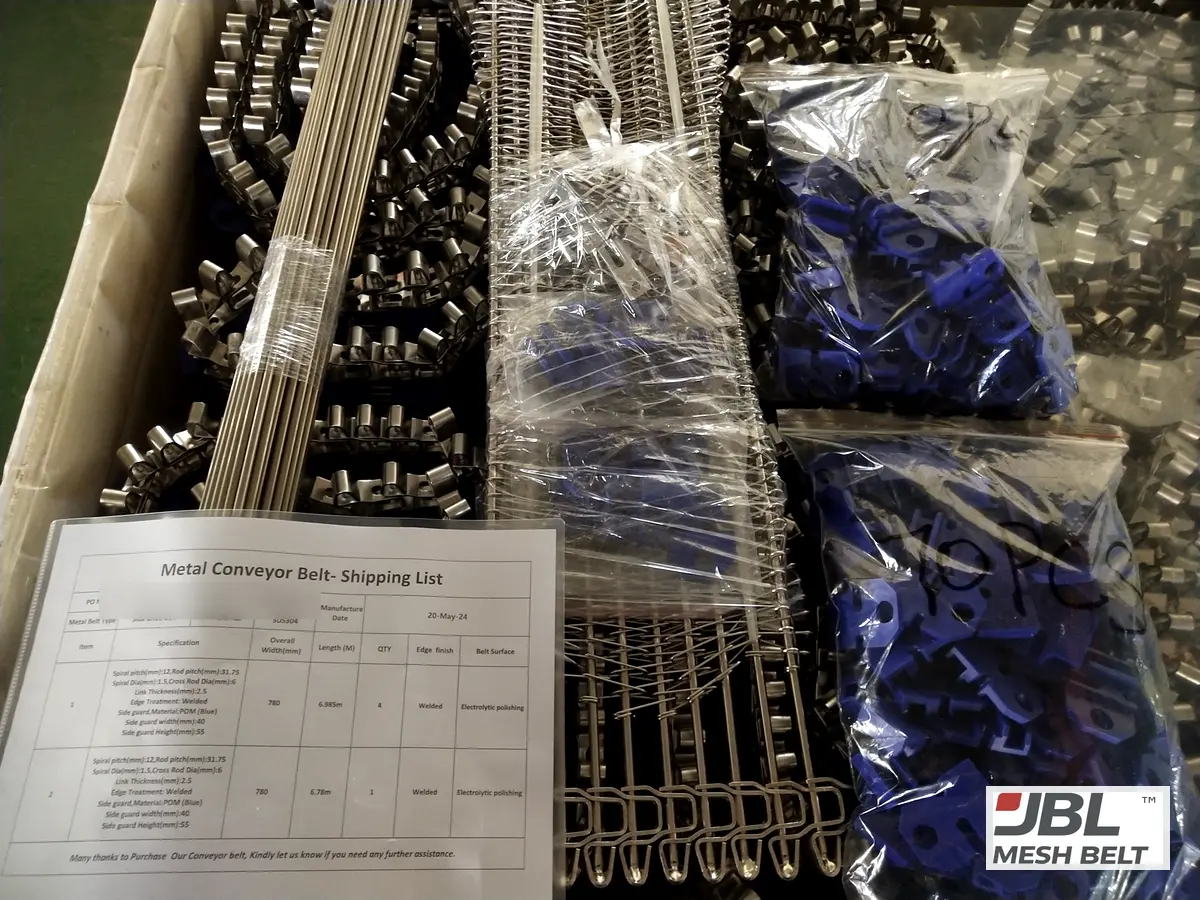
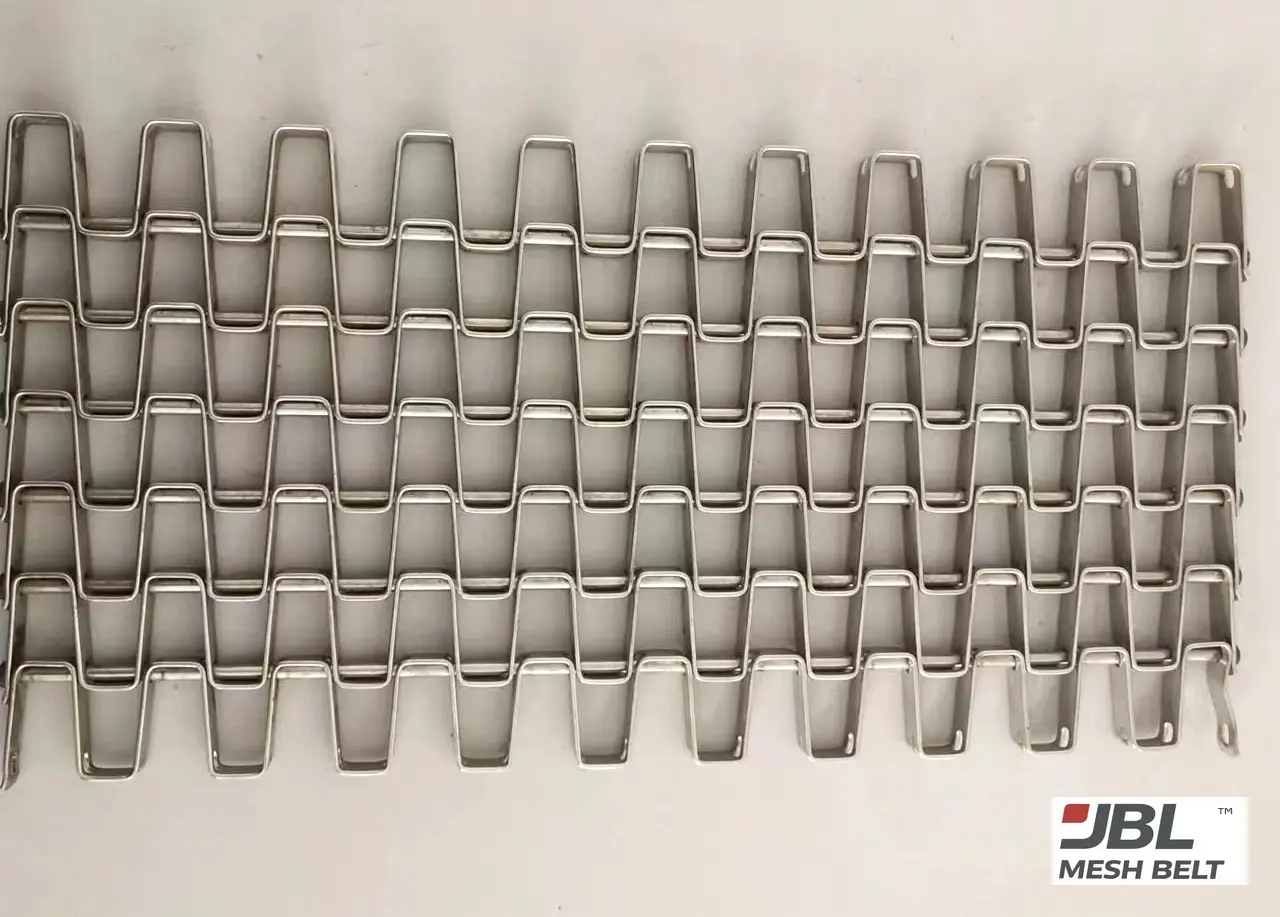
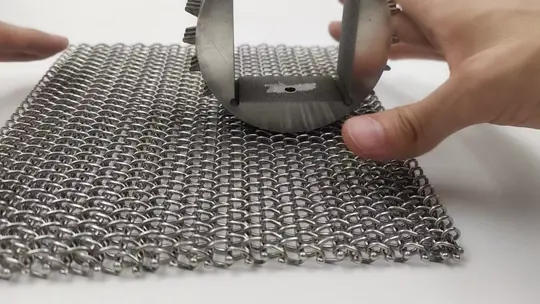
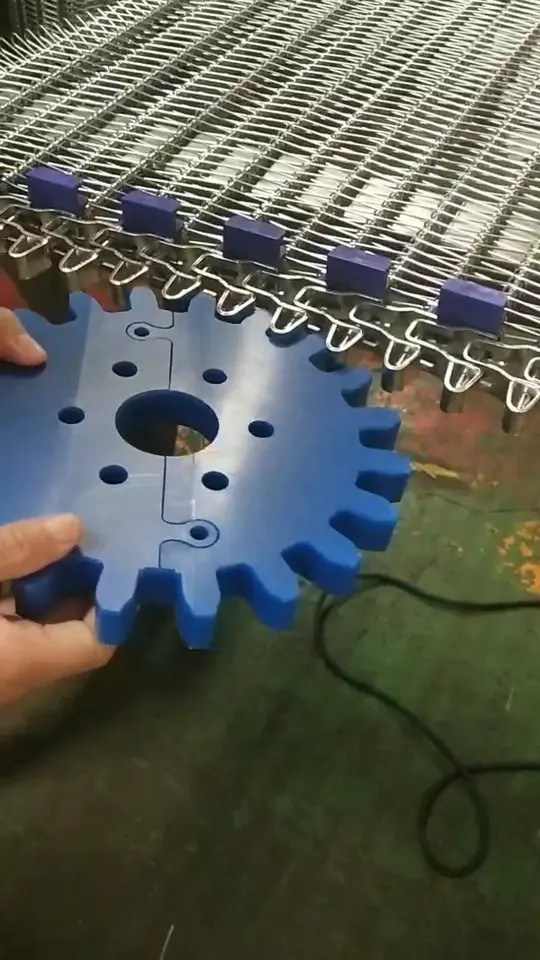
Not always. Send photos of the teeth, bore and wear, and we check whether it is a worn vs incompatible sprocket. A spiral belt sprocket is reviewed with the belt and any cage bar wear before a replacement is confirmed.
Yes — for a new belt, as worn-sprocket replacements or as spares. A sprocket is treated as part of the drive: it is matched to the belt or chain pitch and tooth profile, not supplied from a photo alone.
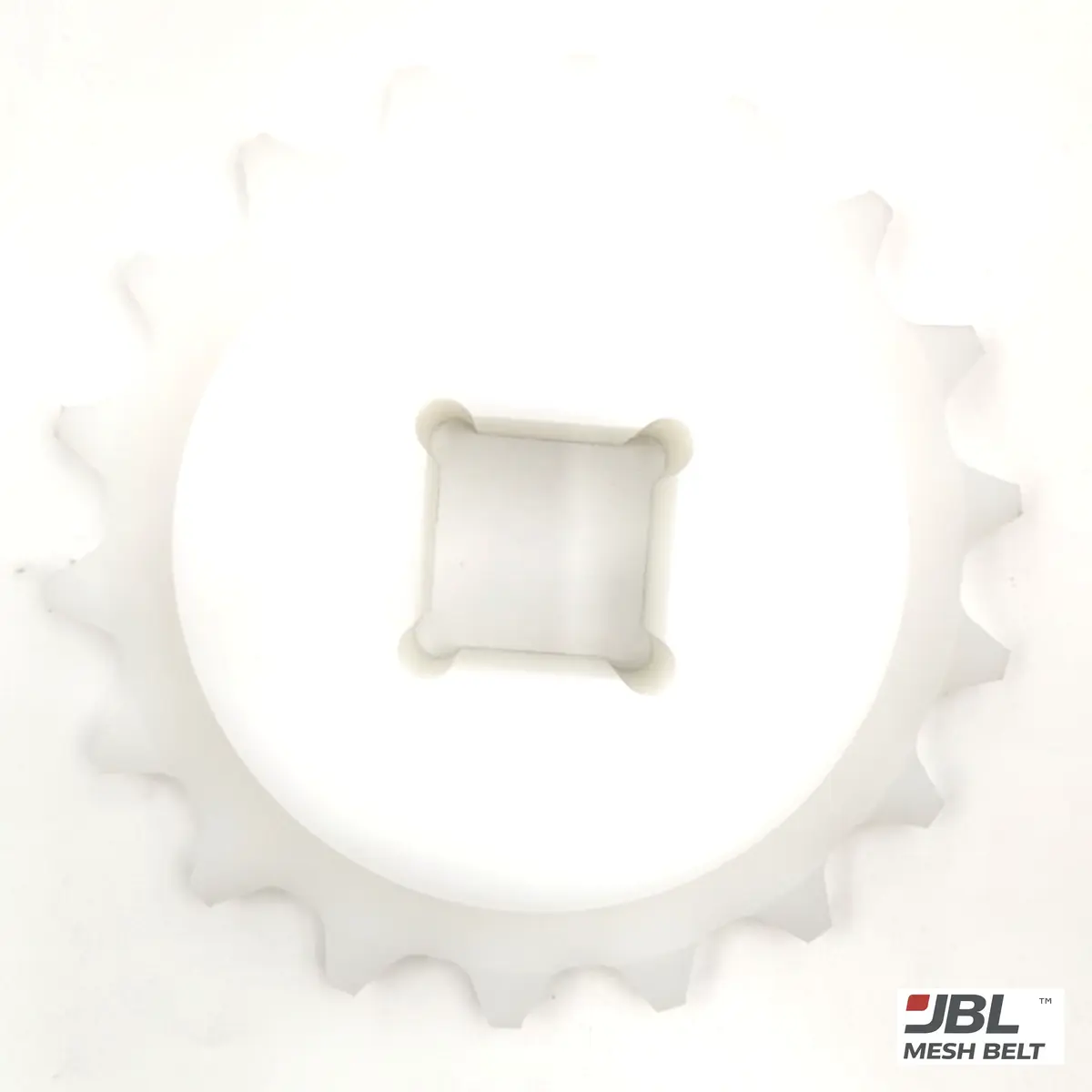
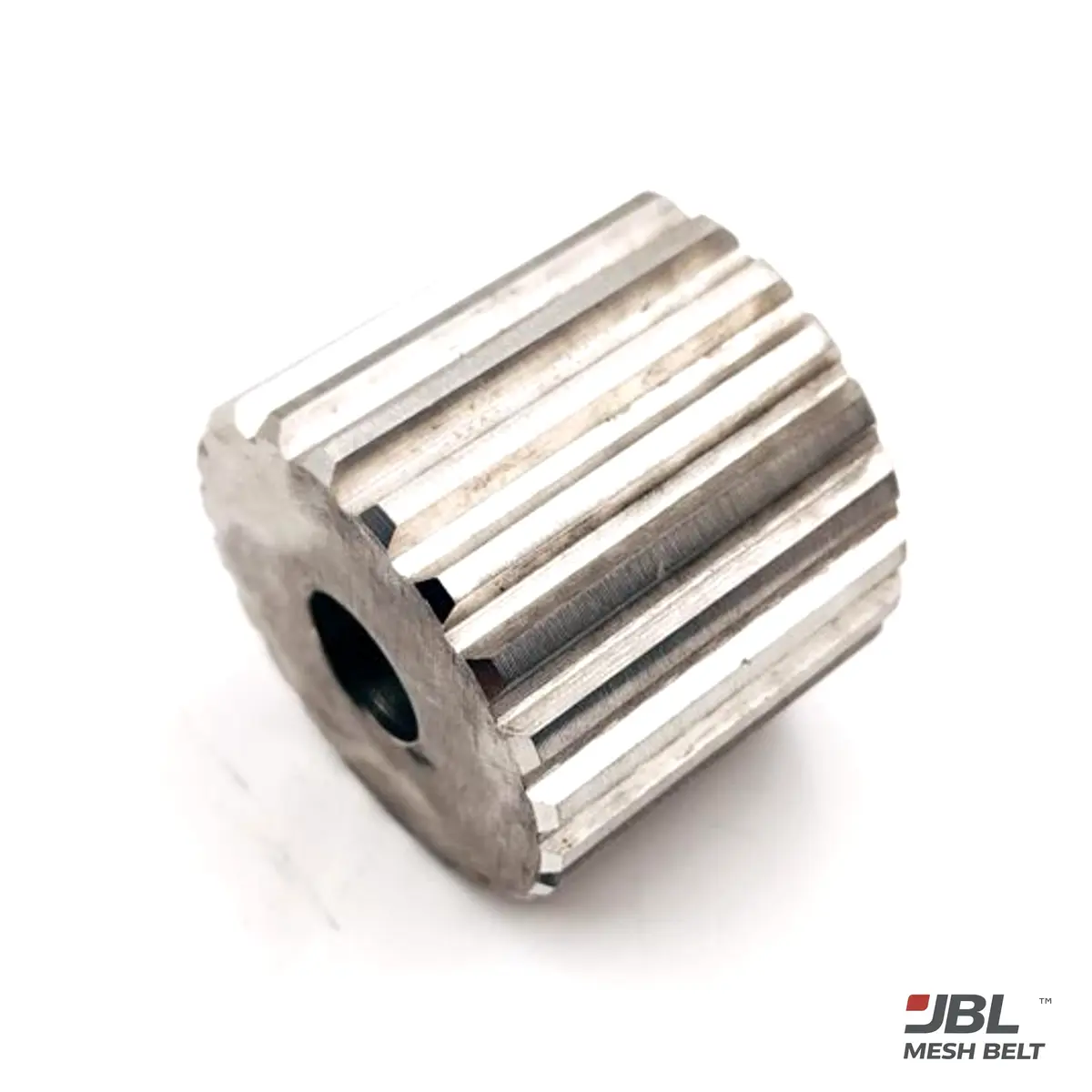
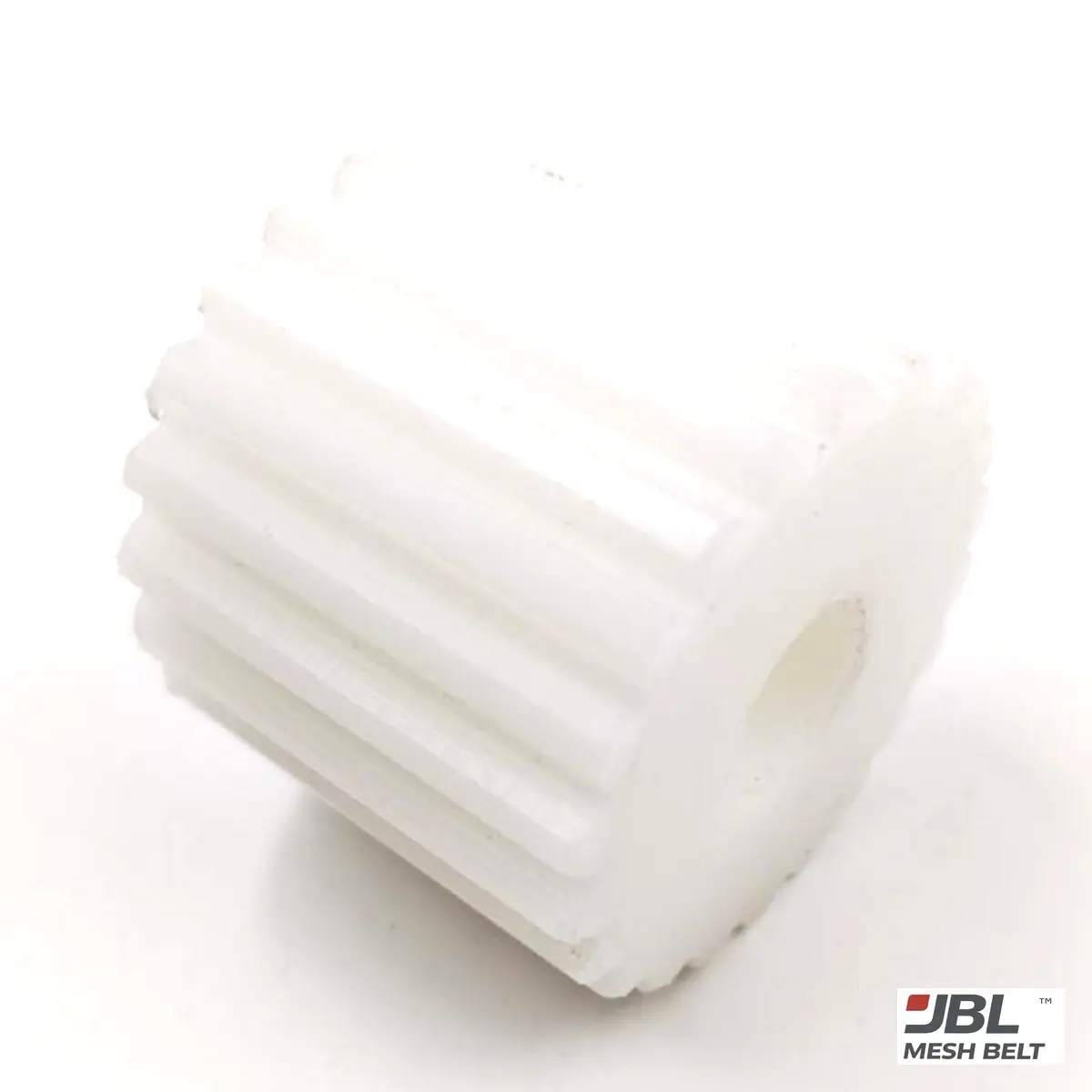
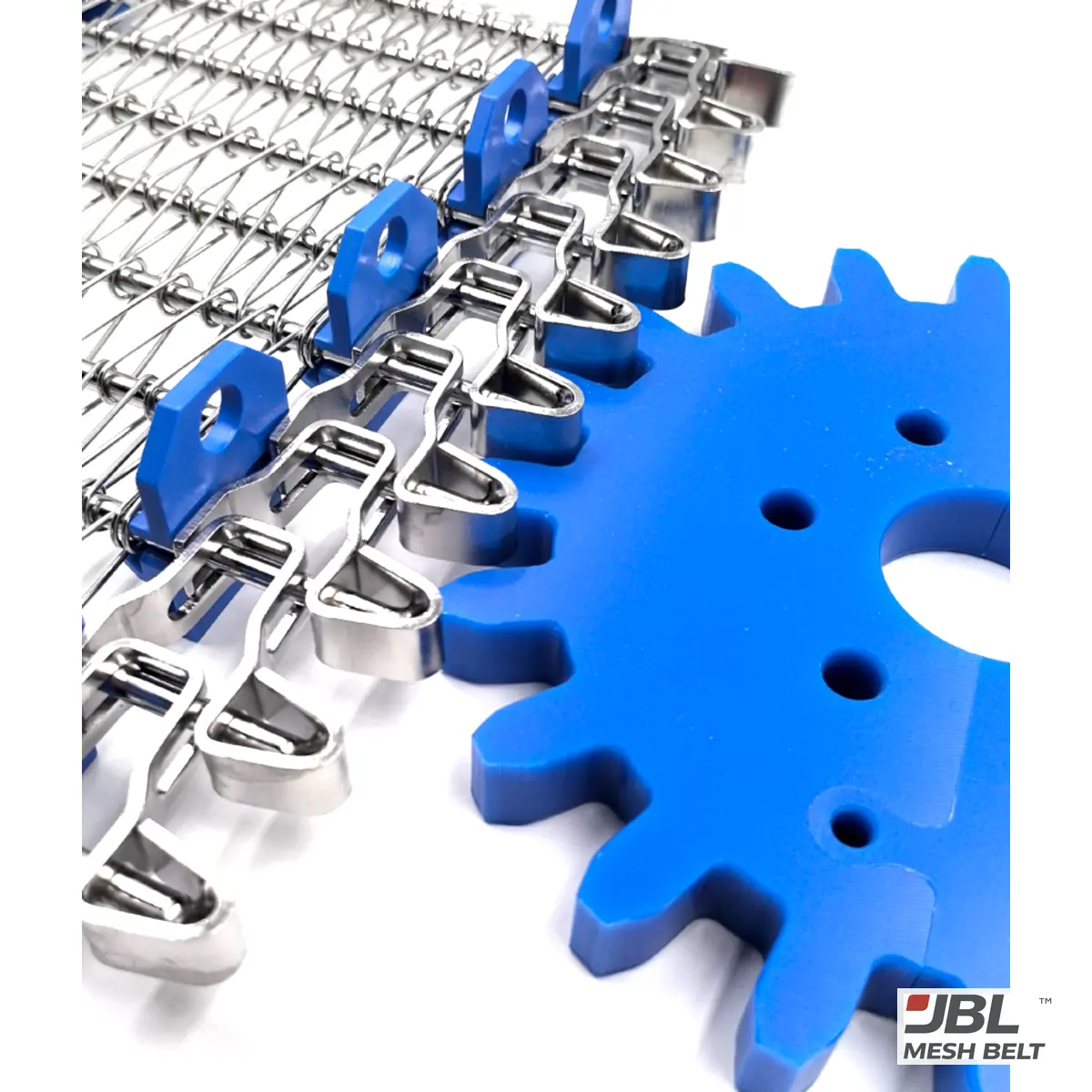
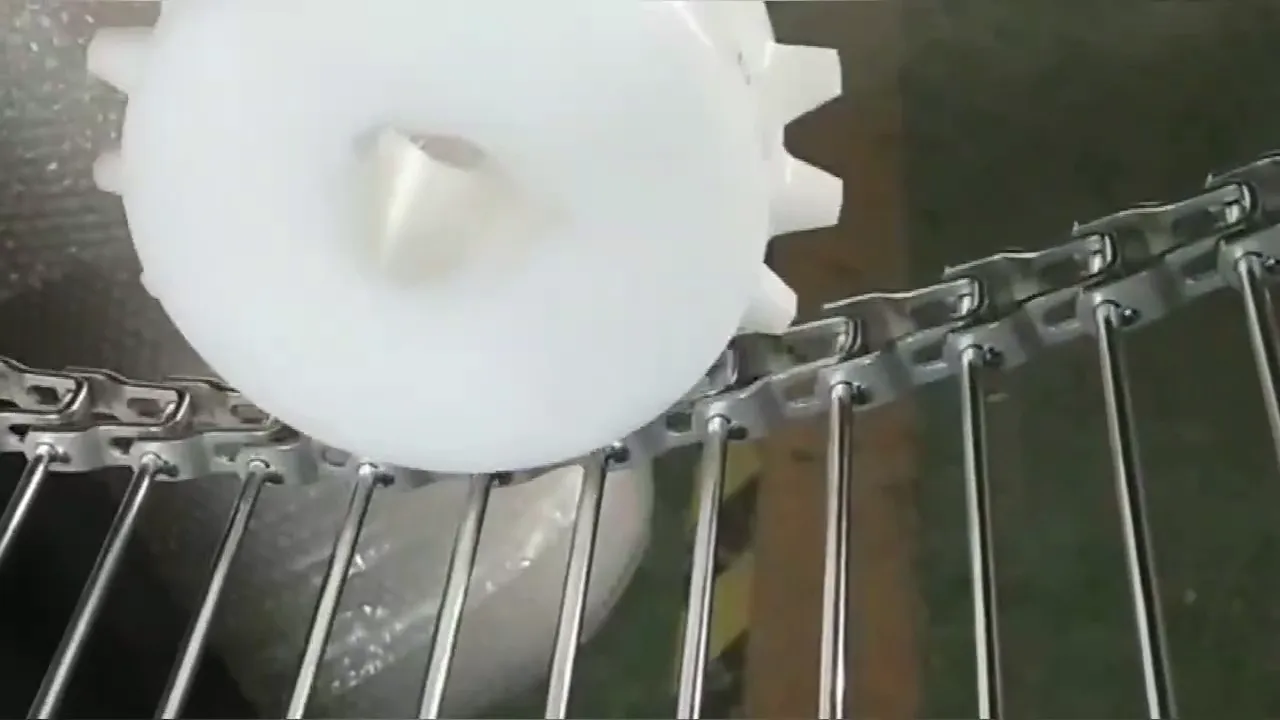
SUS304, SUS316 or mild steel for heavy and hot lines; UHMWPE, nylon or POM where low weight, quiet running or low-temperature service matters. The material is chosen with the belt, product and temperature.
Tell us the cleaning frequency, water temperature, cleaners and operating temperature. Hot washing, strong chemicals and frozen residue all affect which plastic is chosen.
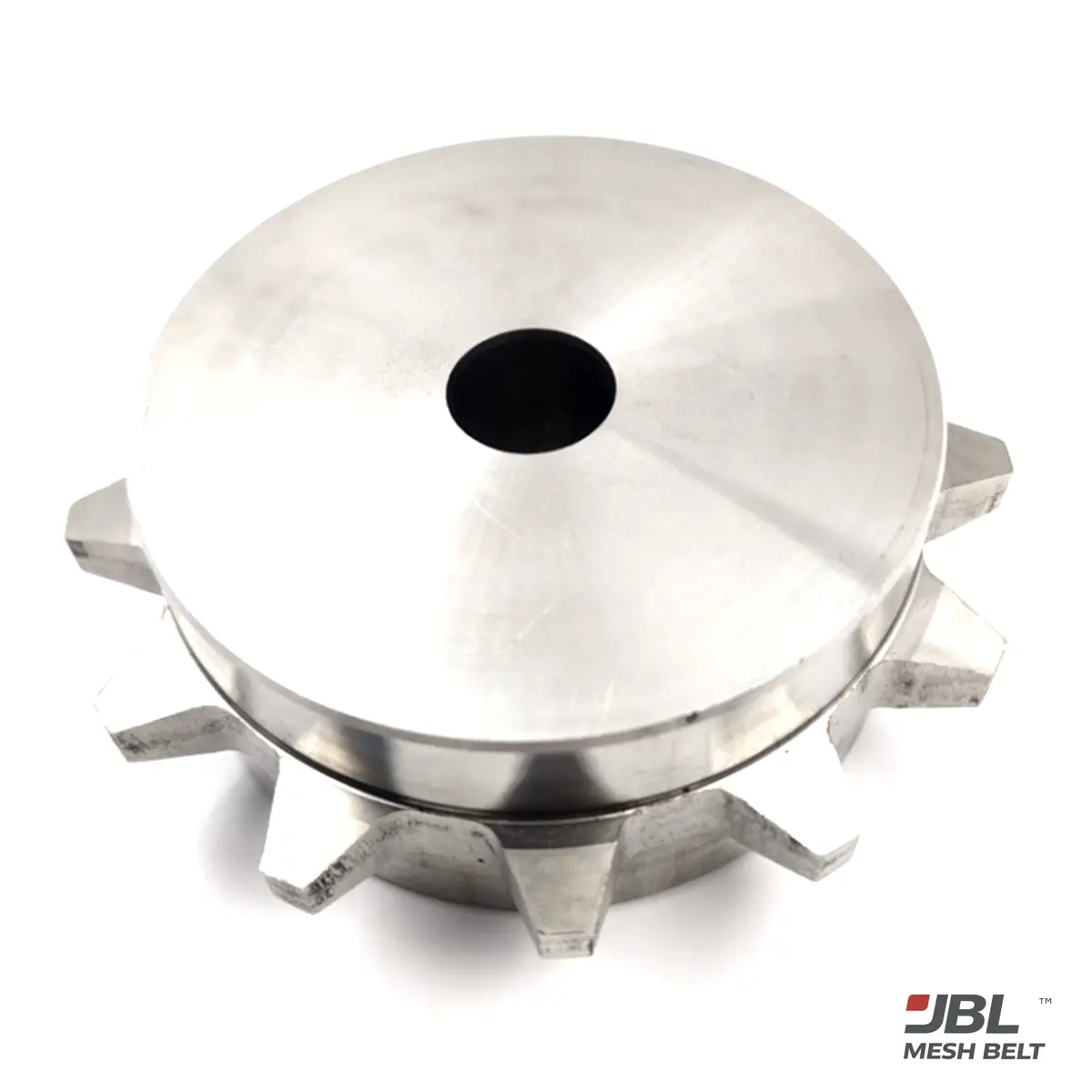
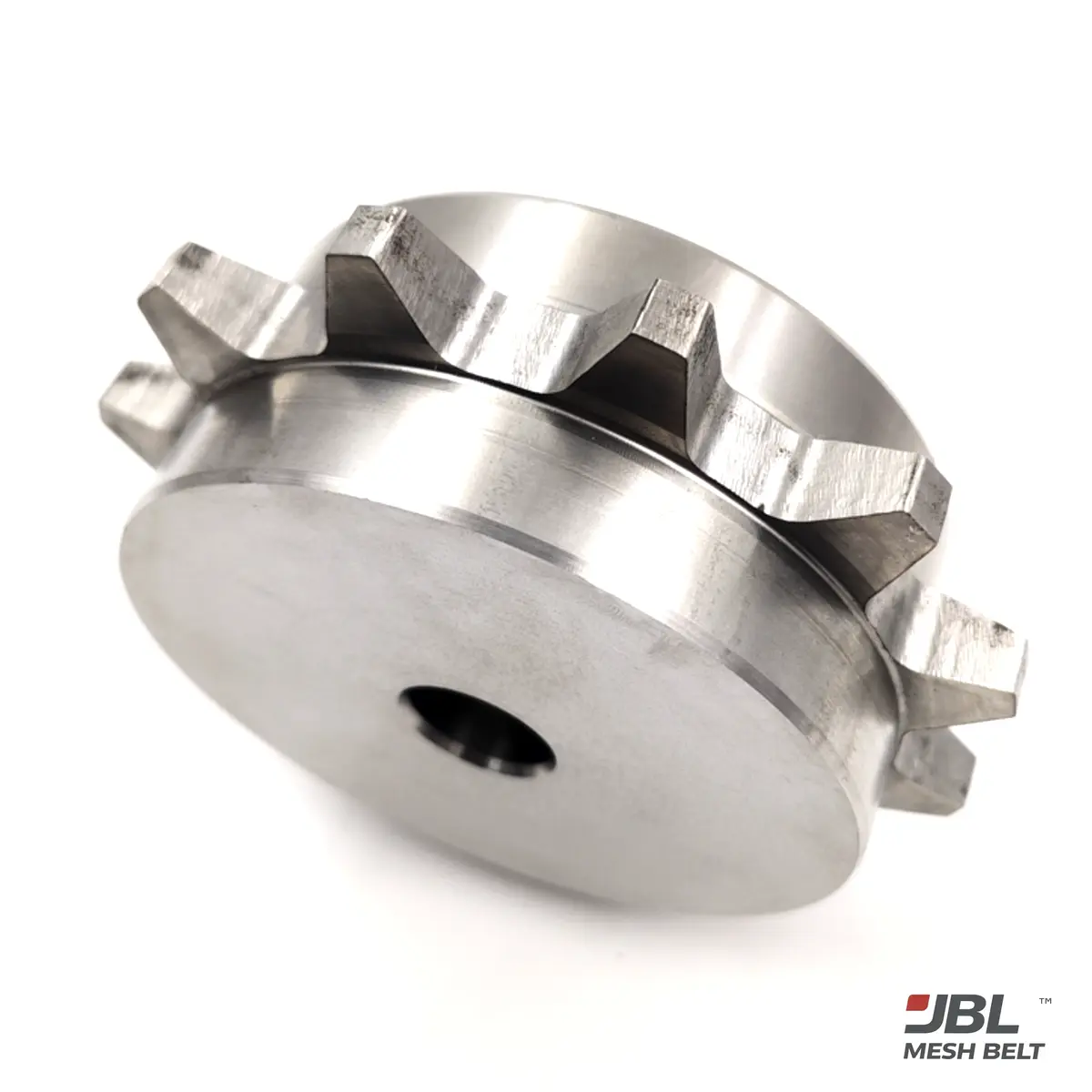
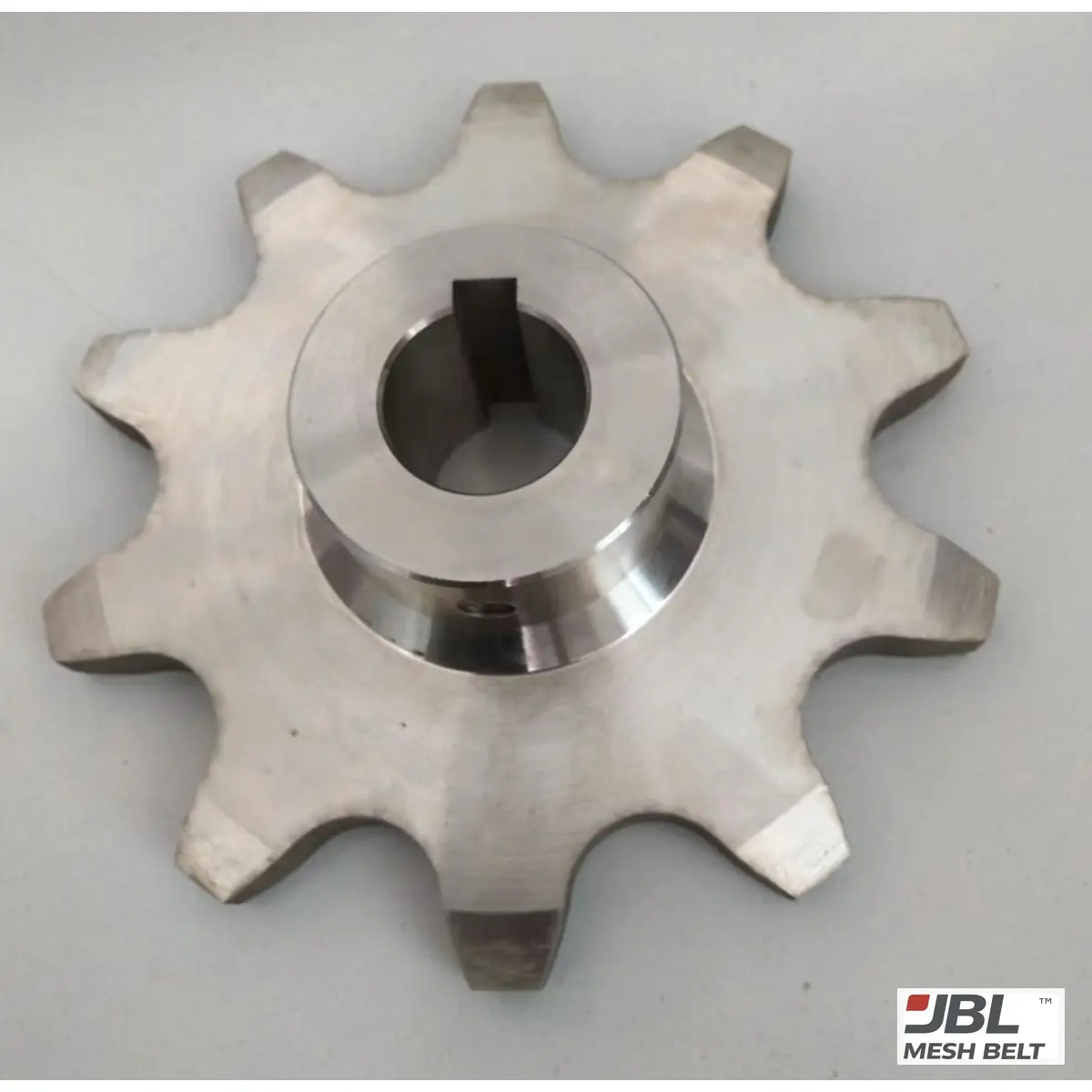
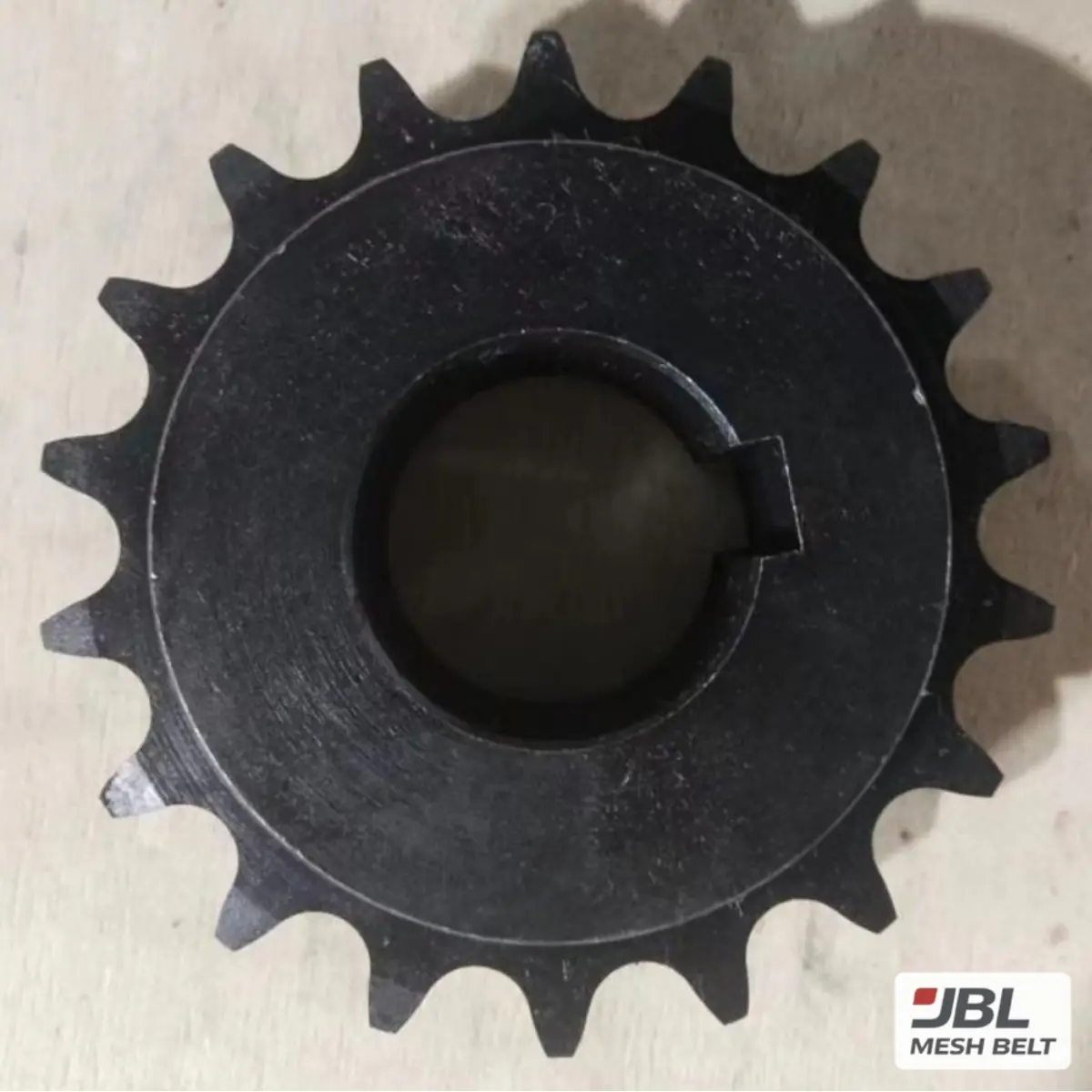
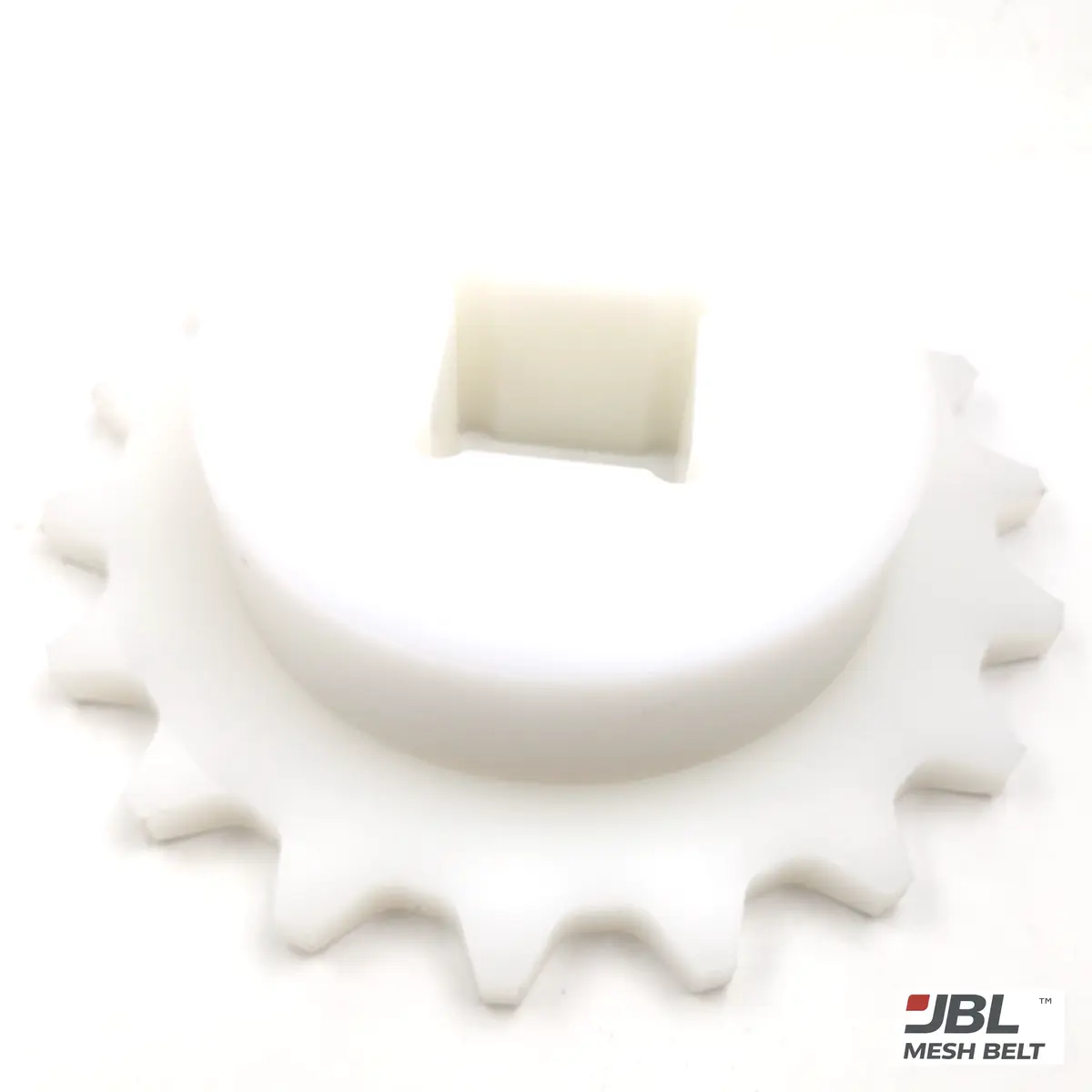
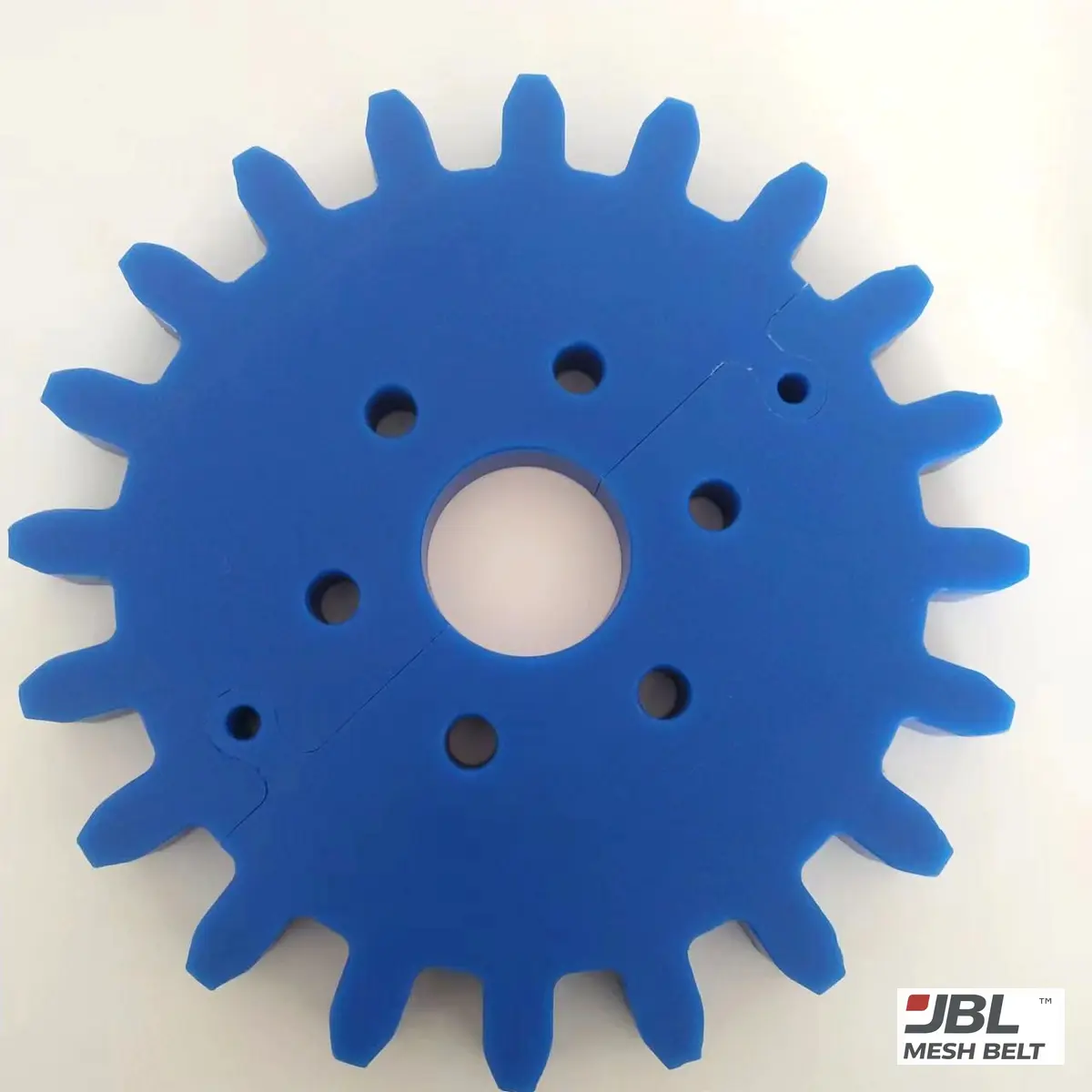
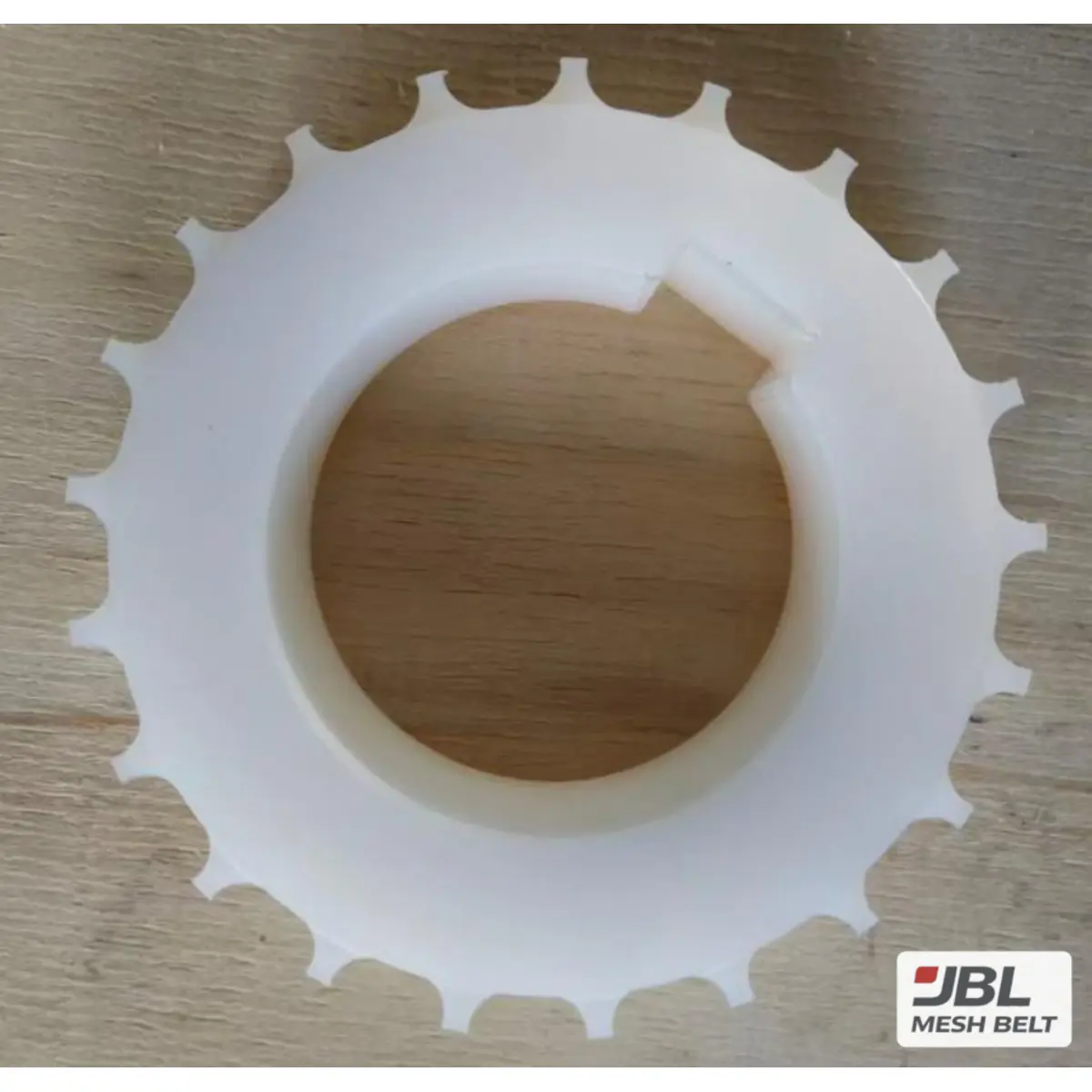
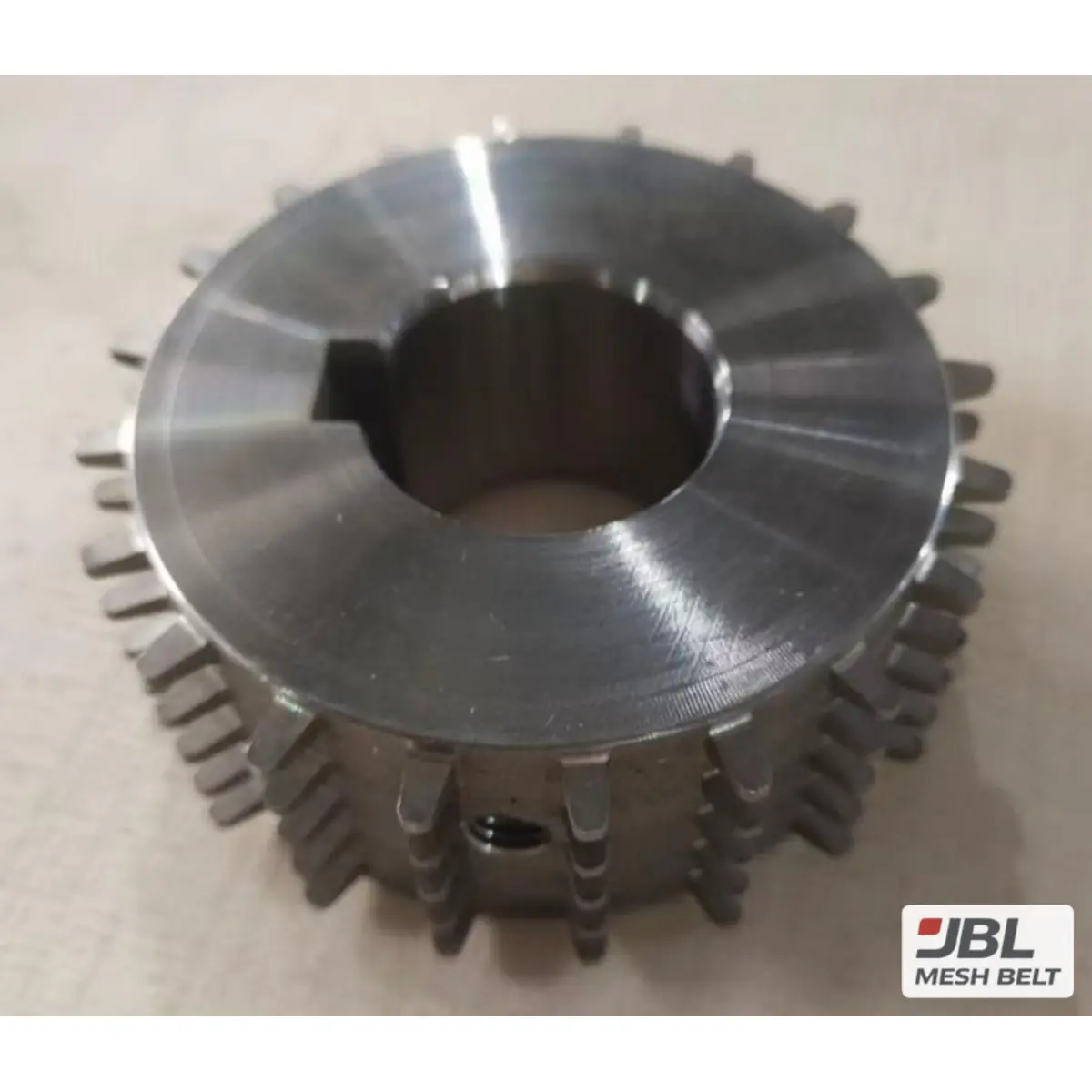
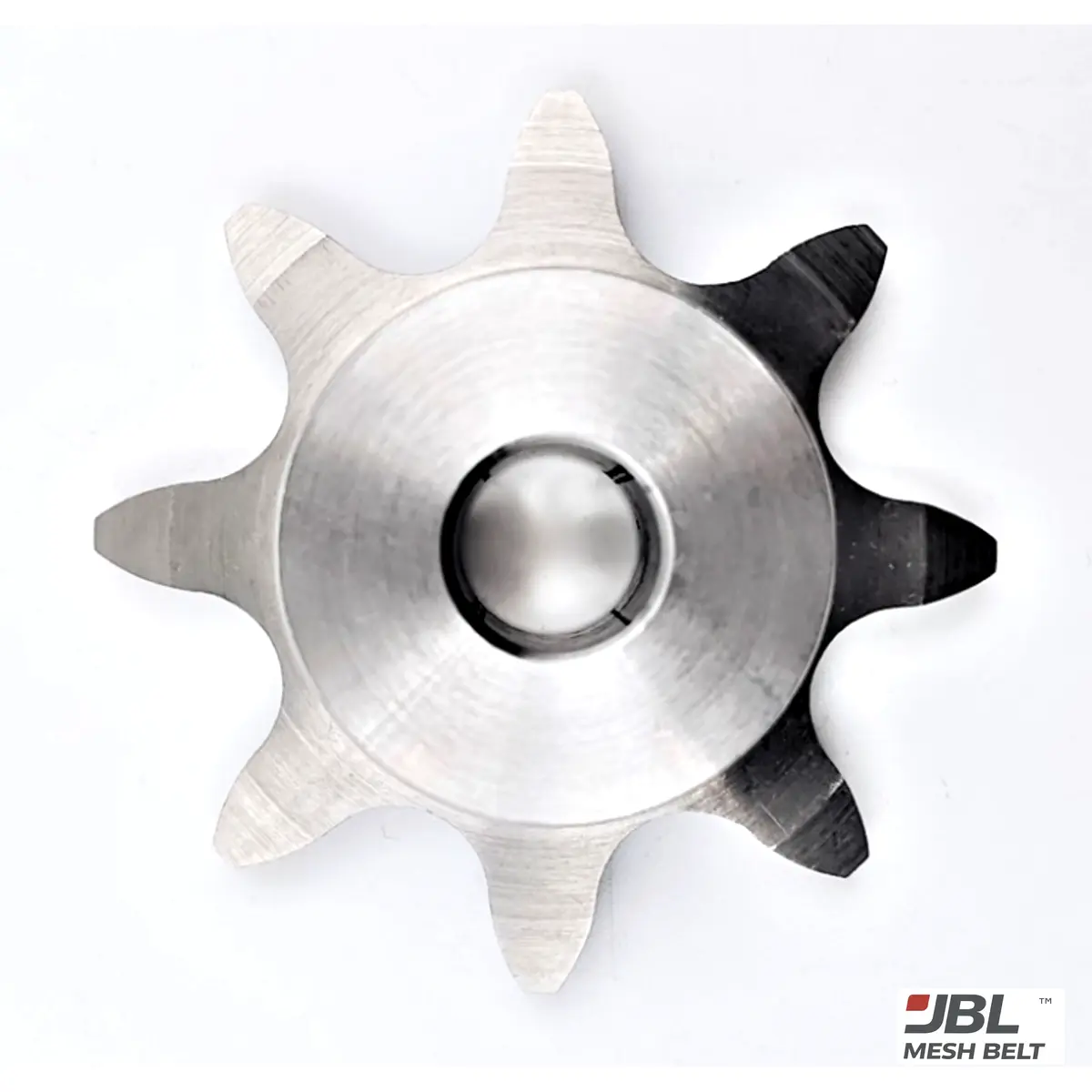
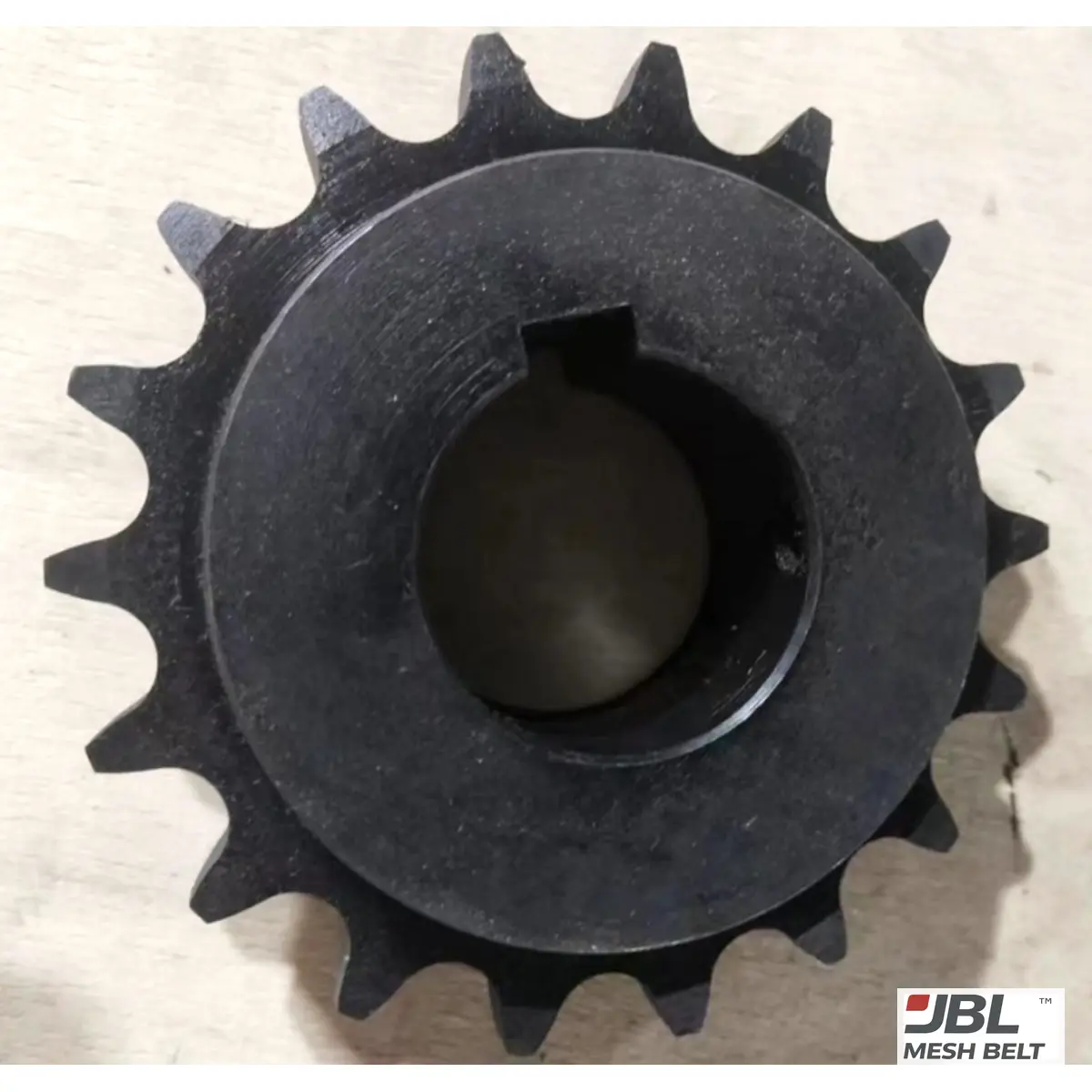
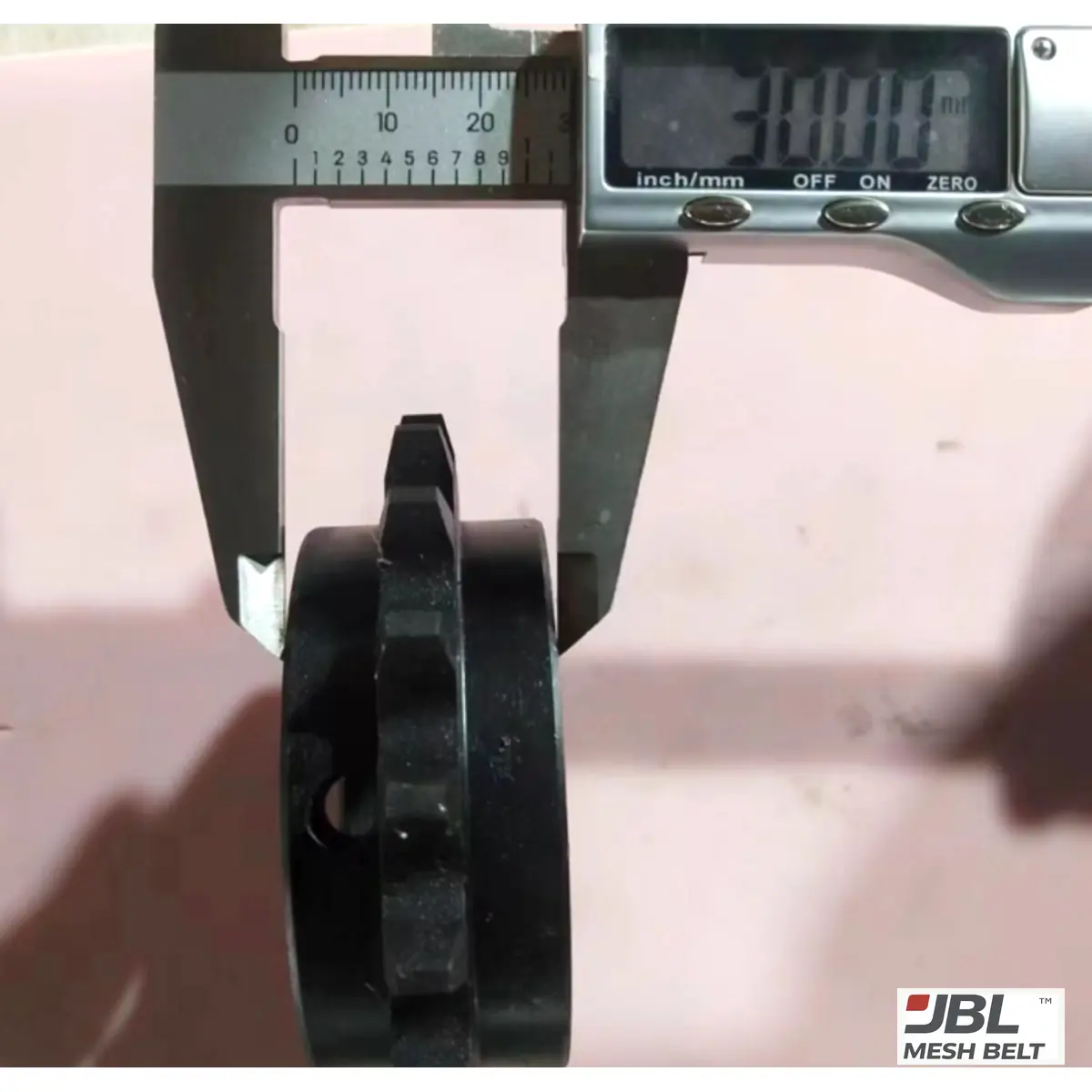
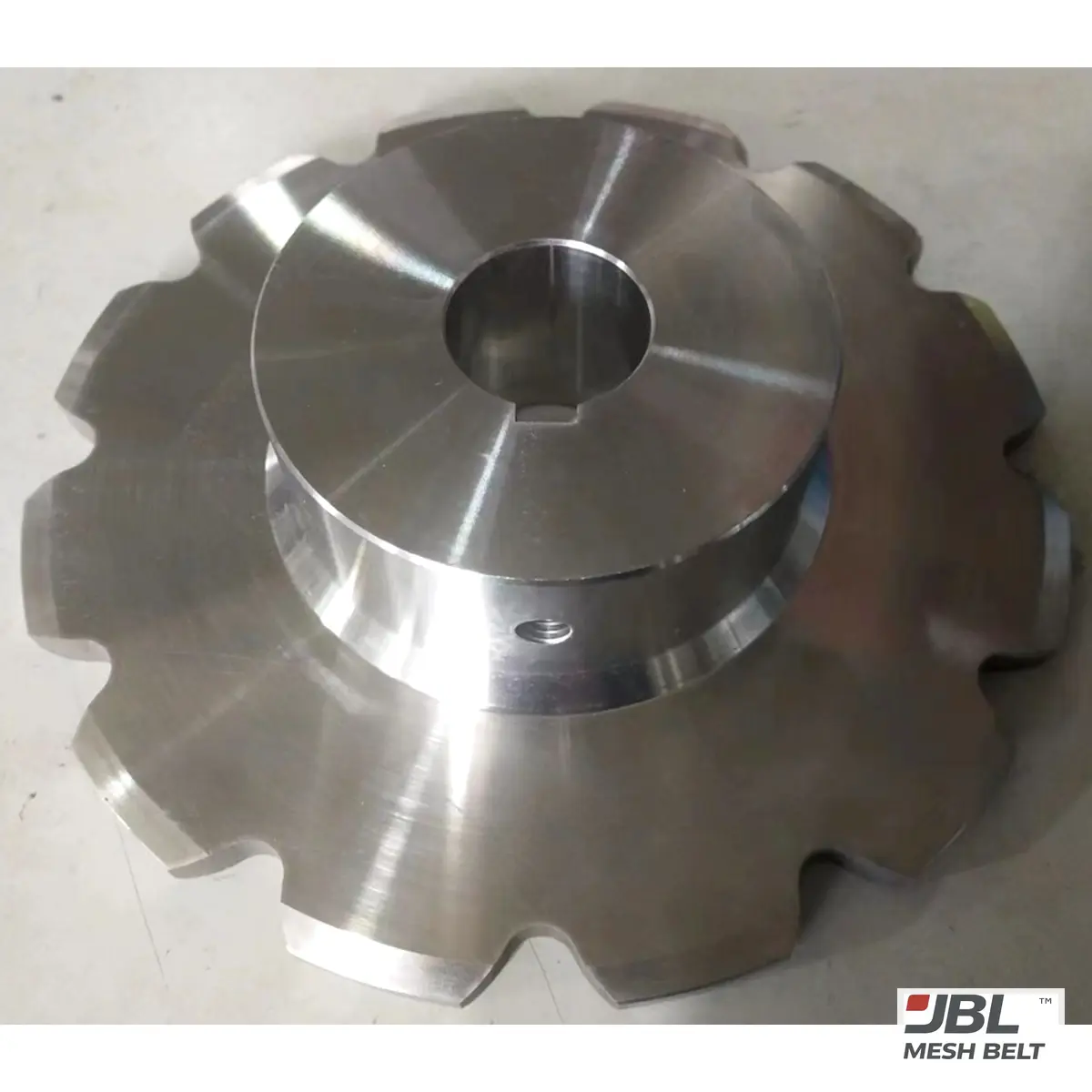
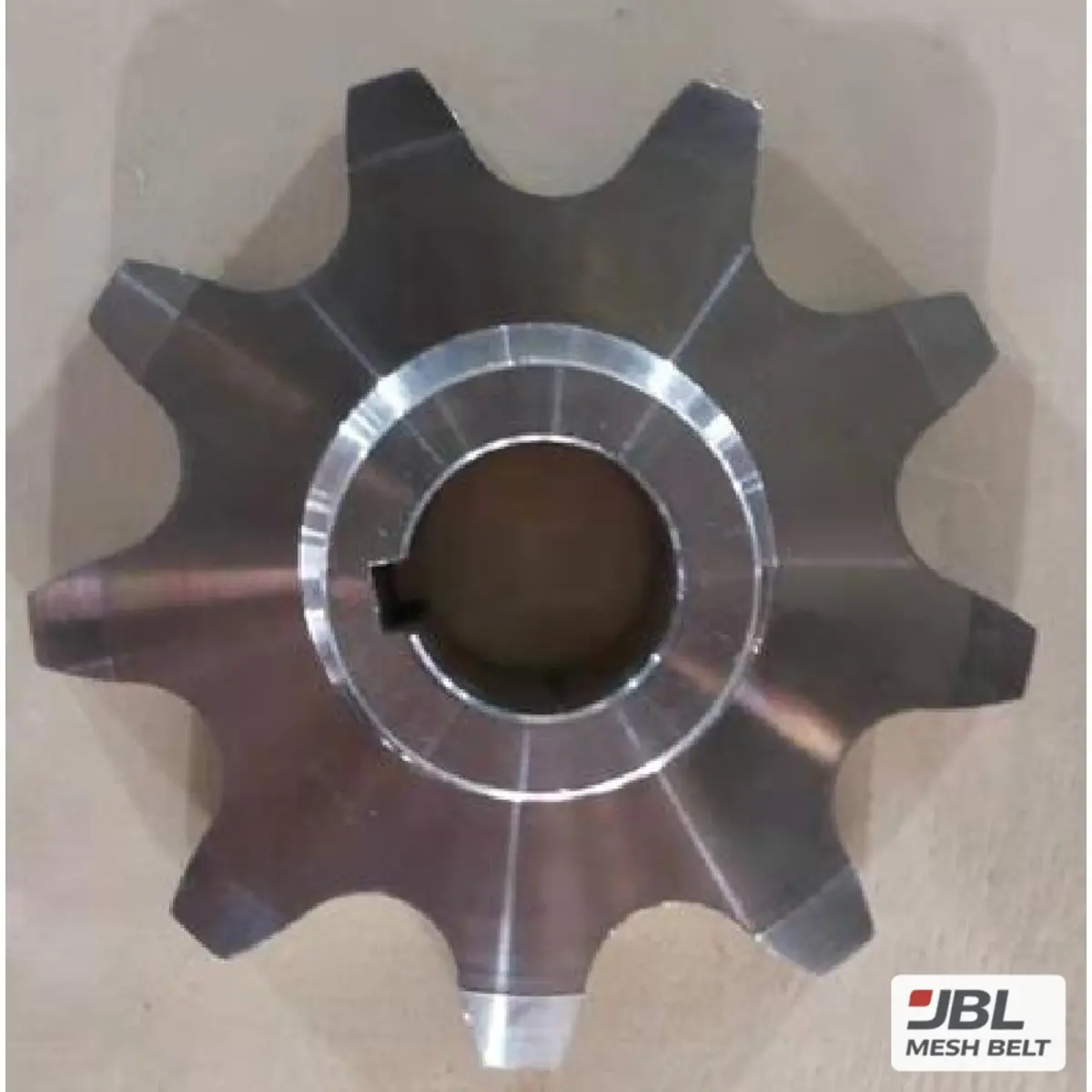
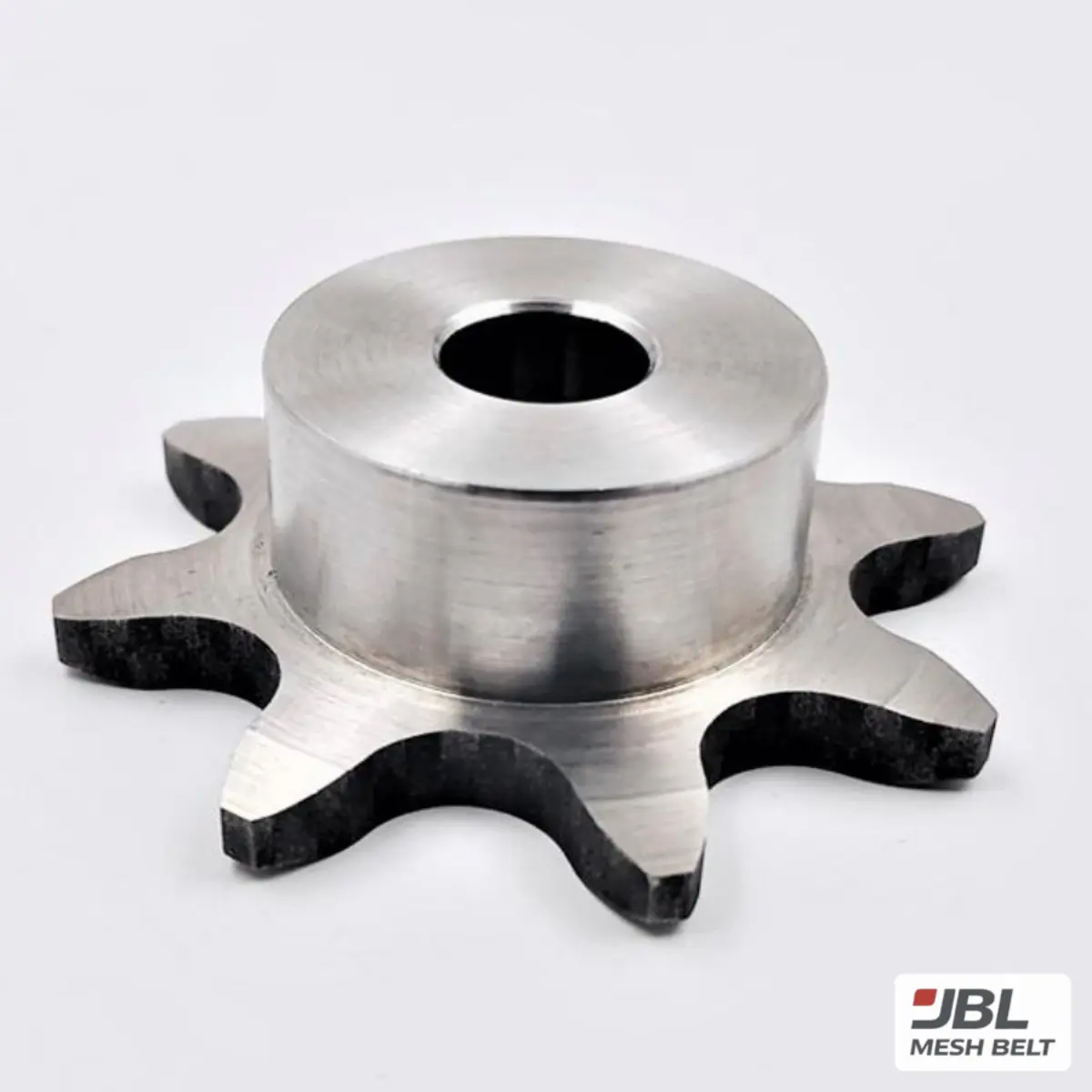
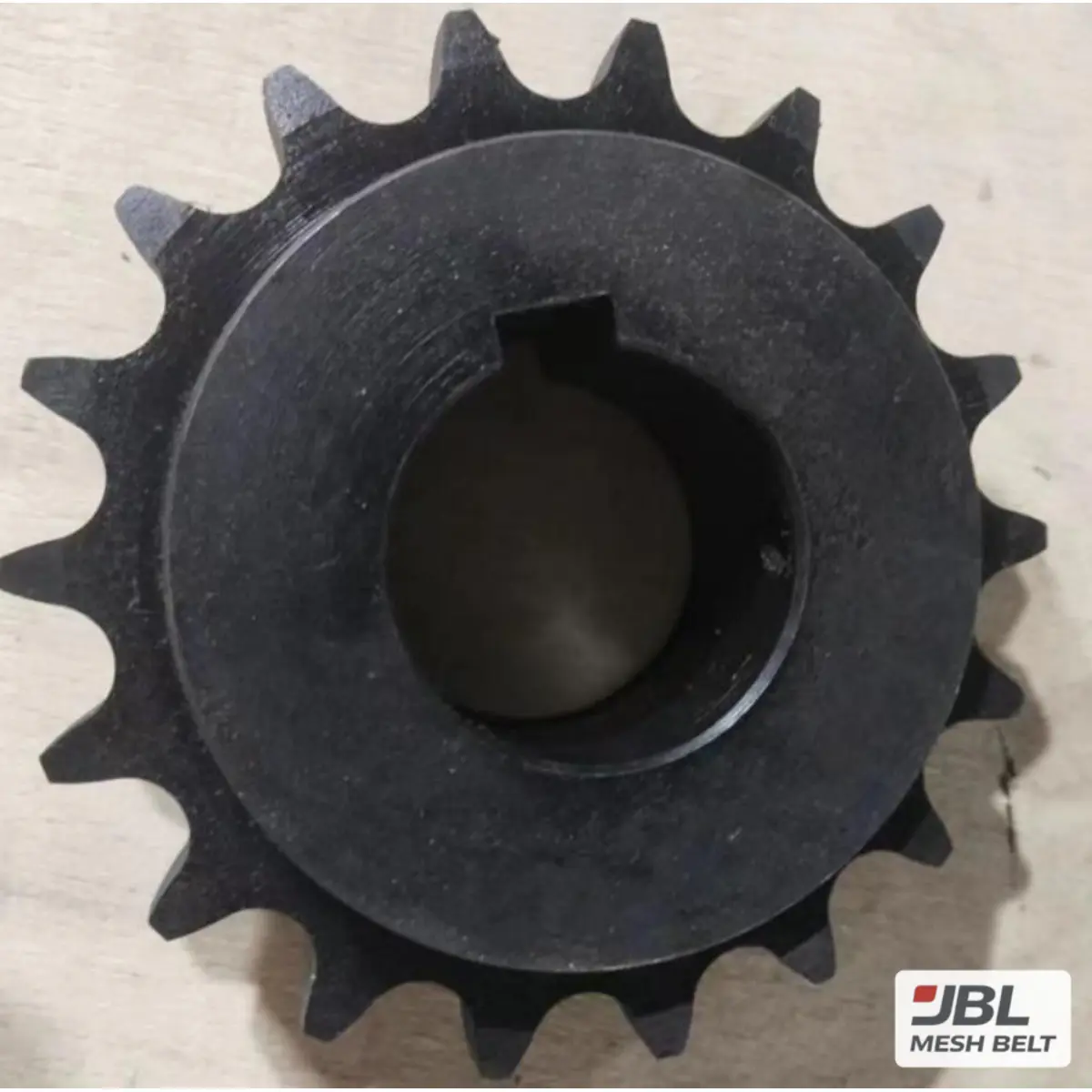
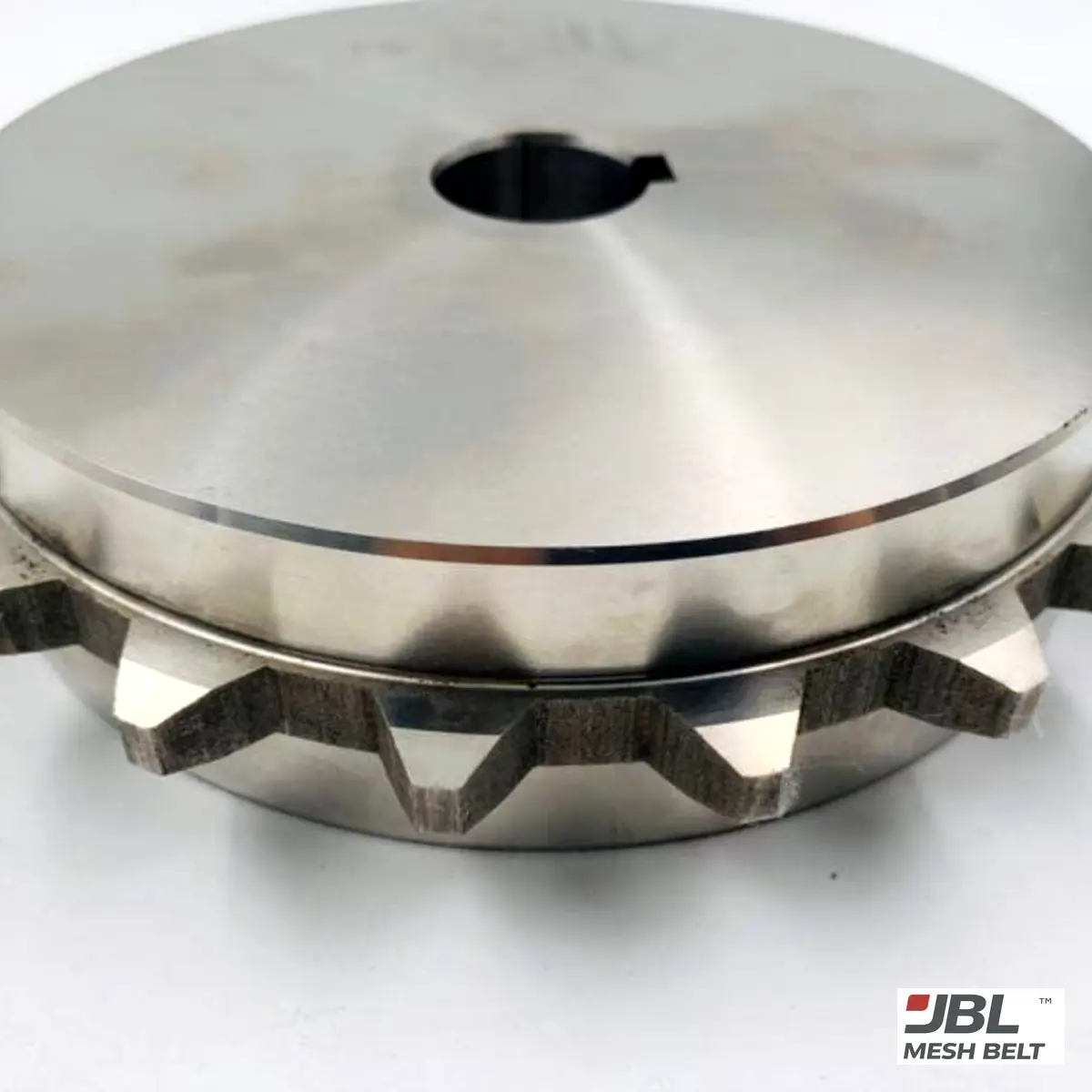
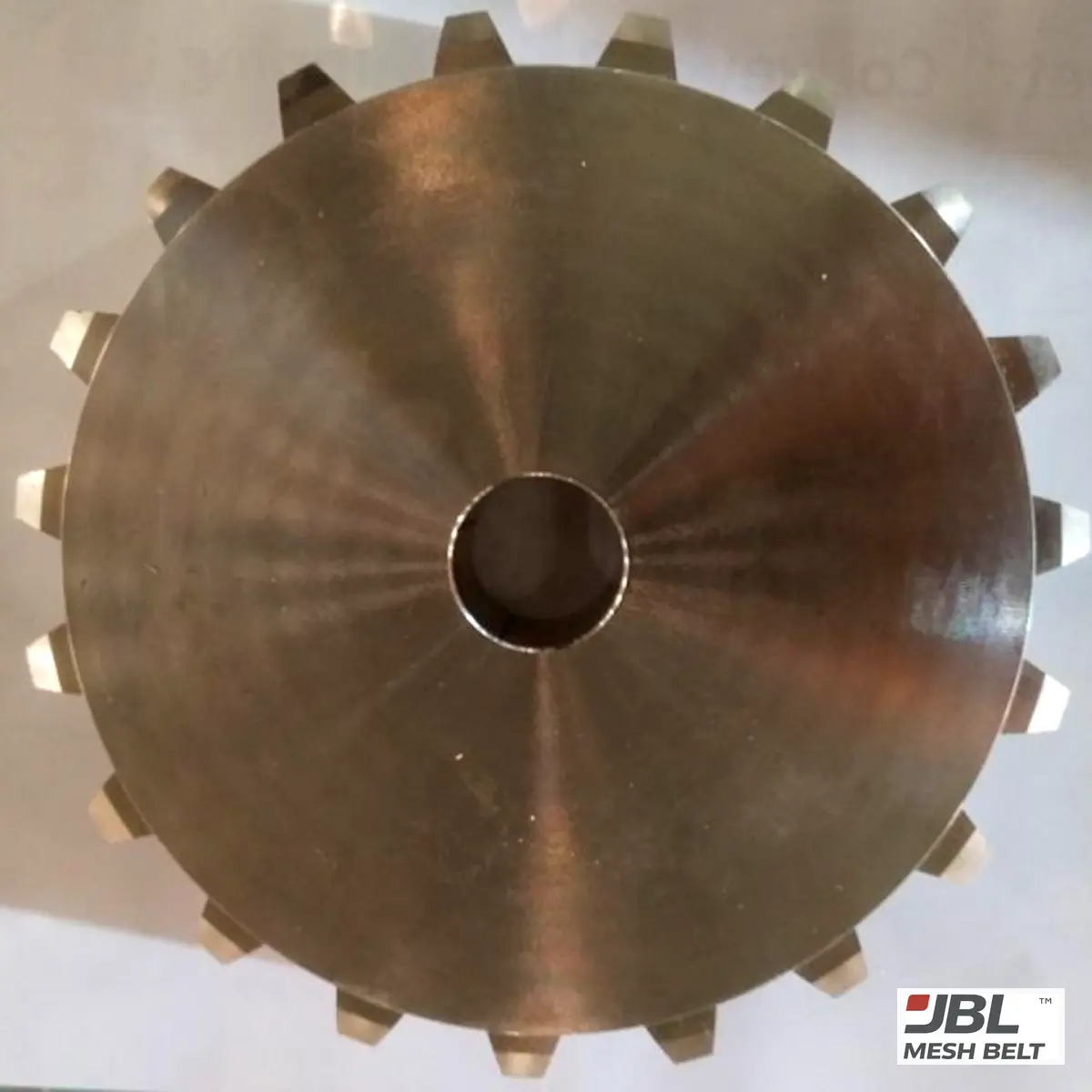
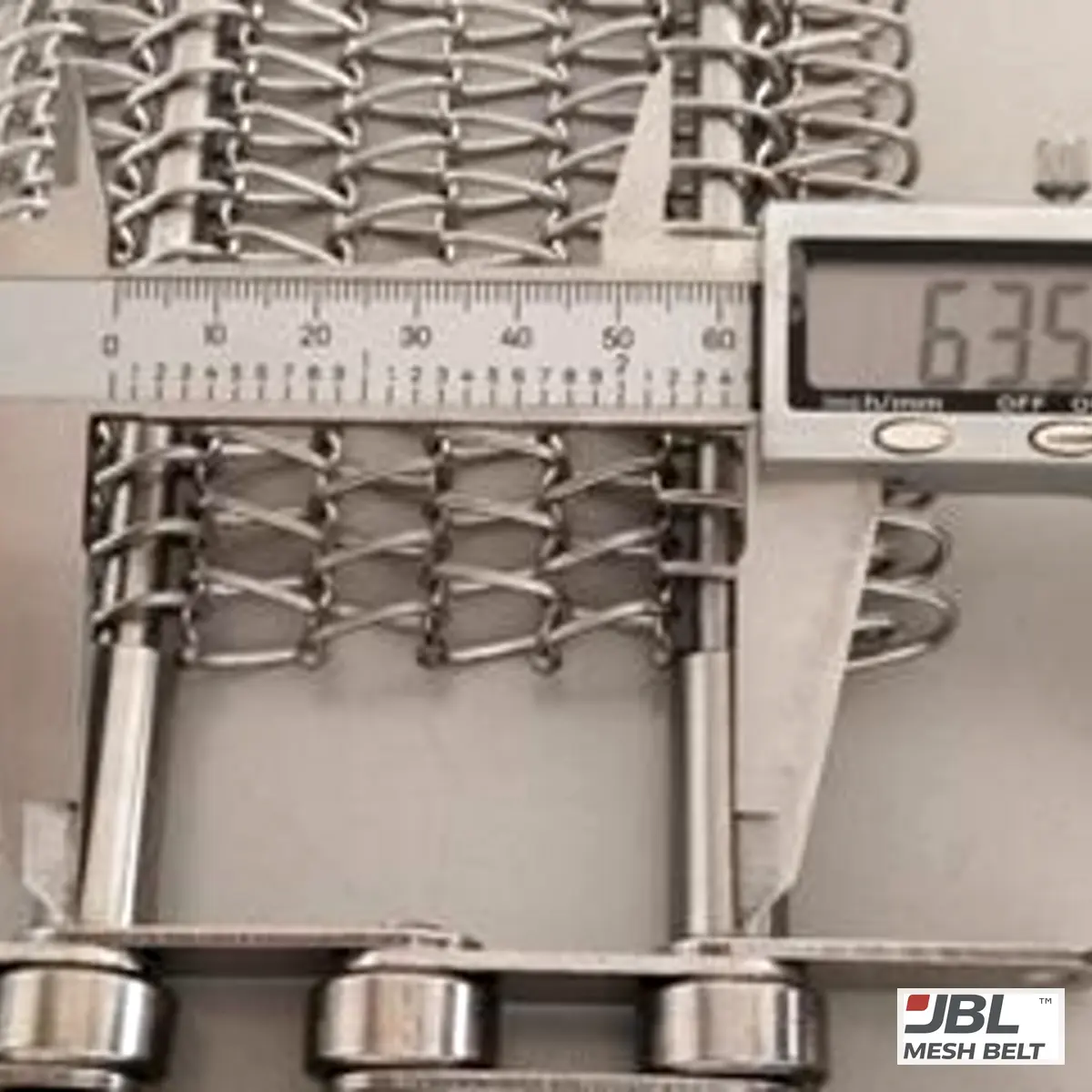
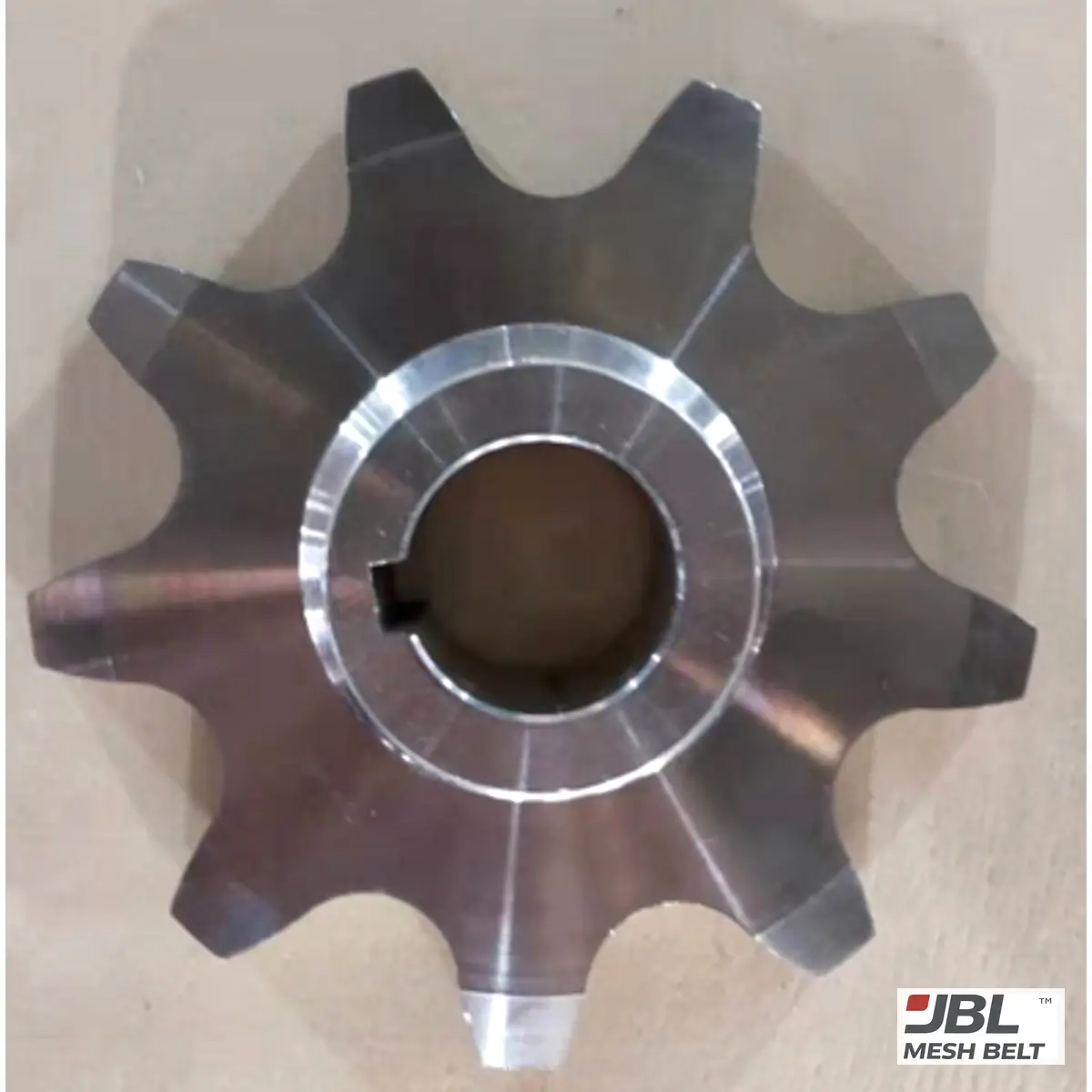
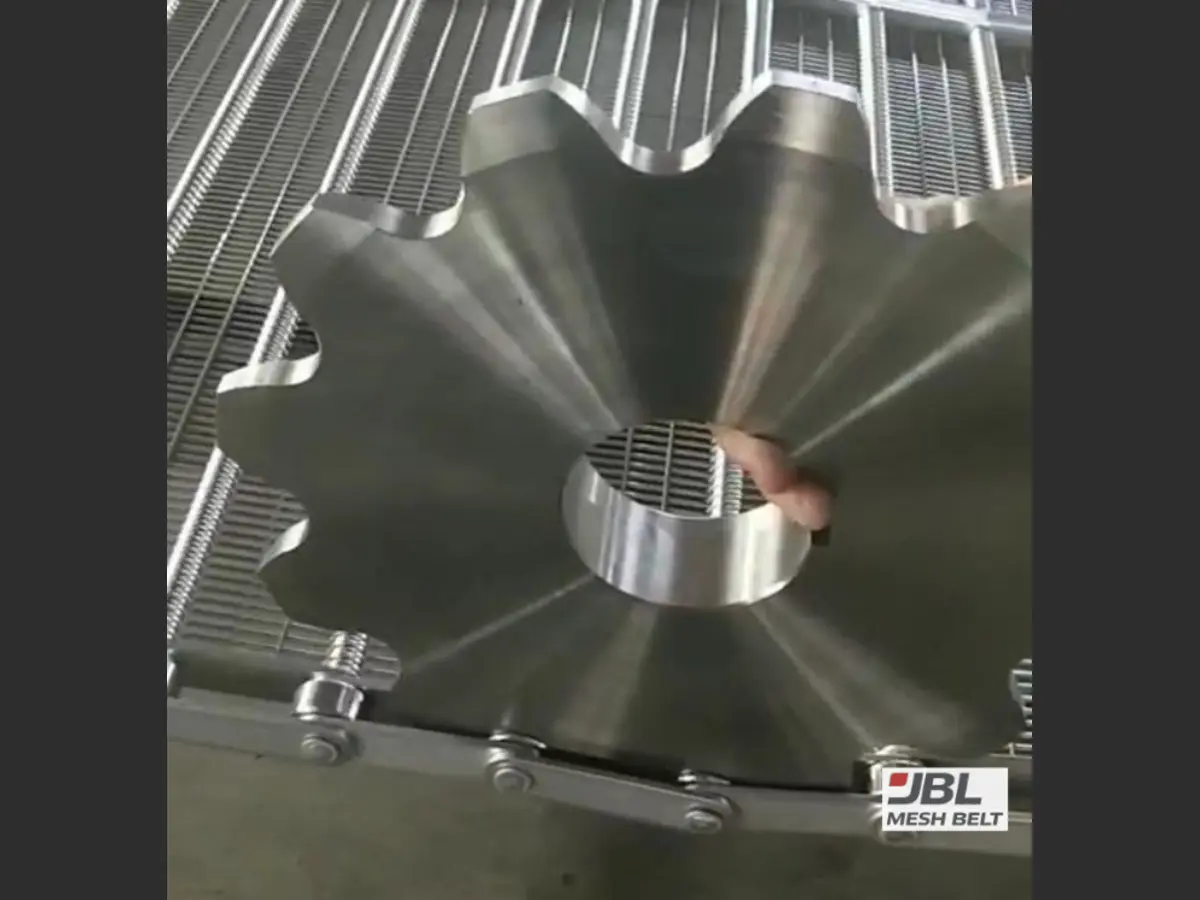
The belt or chain it drives and its pitch, the tooth profile and number of teeth, material, bore and fit, keyway and set screws, hub and overall thickness, number of rows and whether it is split — plus photos with measurements, or a drawing.
No. A complete, accurate drawing is enough to work from. An old sprocket or photos with a caliper help, especially for worn teeth.
Not from appearance alone. Without the pitch of the belt or chain it drives, a sprocket is not quoted.
Both. Round bores with a keyway and set screws, or square bores for square shafts — size and fit confirmed on the drawing.
Split sprockets can be made so they fit onto a shaft without removing it; the split, bolt holes and locating screw holes are set on the drawing.
Bore and key dimensions are measured, steel teeth are polished smooth, plastic sprockets are checked free of scratches, black marks and excess burrs, and the sprocket is run with its belt when the belt is supplied too.
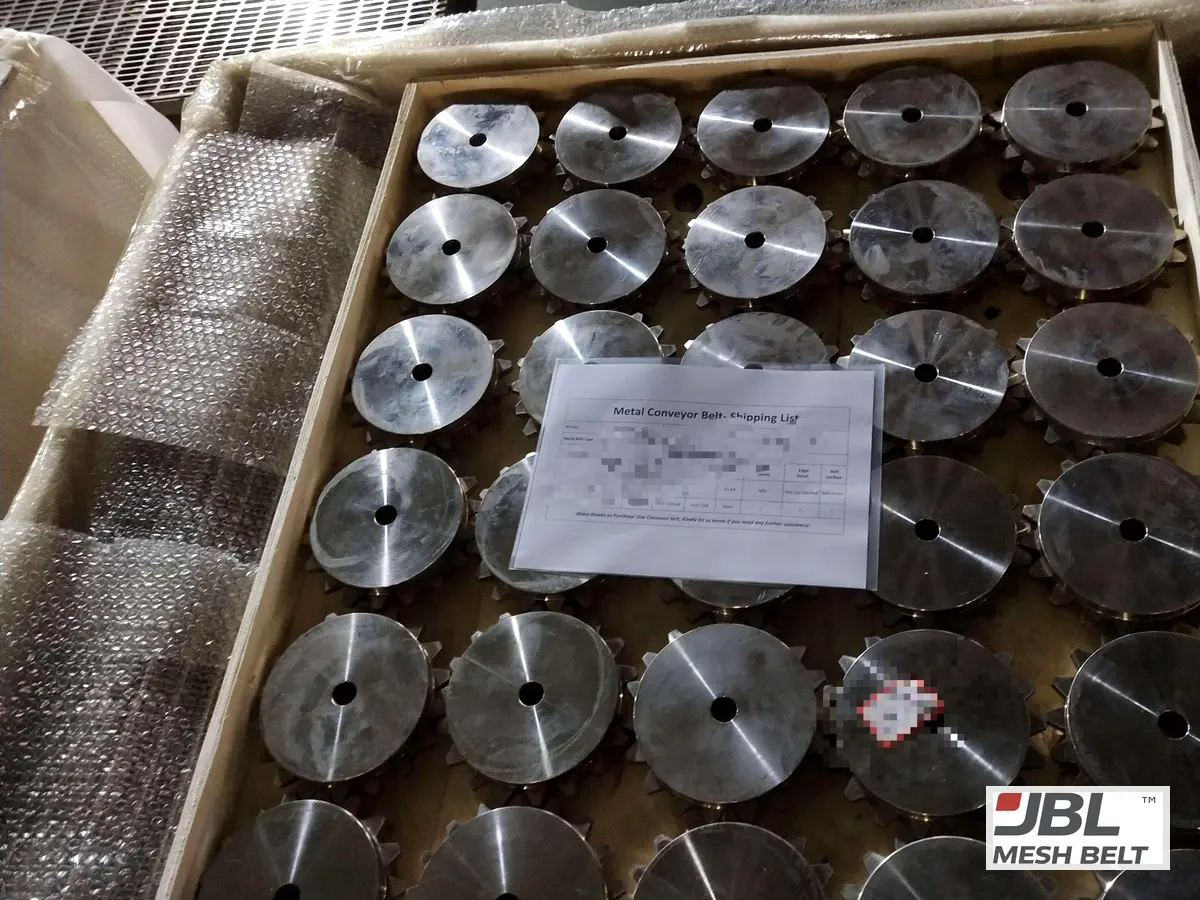
Each sprocket is wrapped on its own in stretch film and bubble wrap, so it does not move, knock or rub in transit.
They depend on the sprocket and the project, and are confirmed in writing in the quotation.