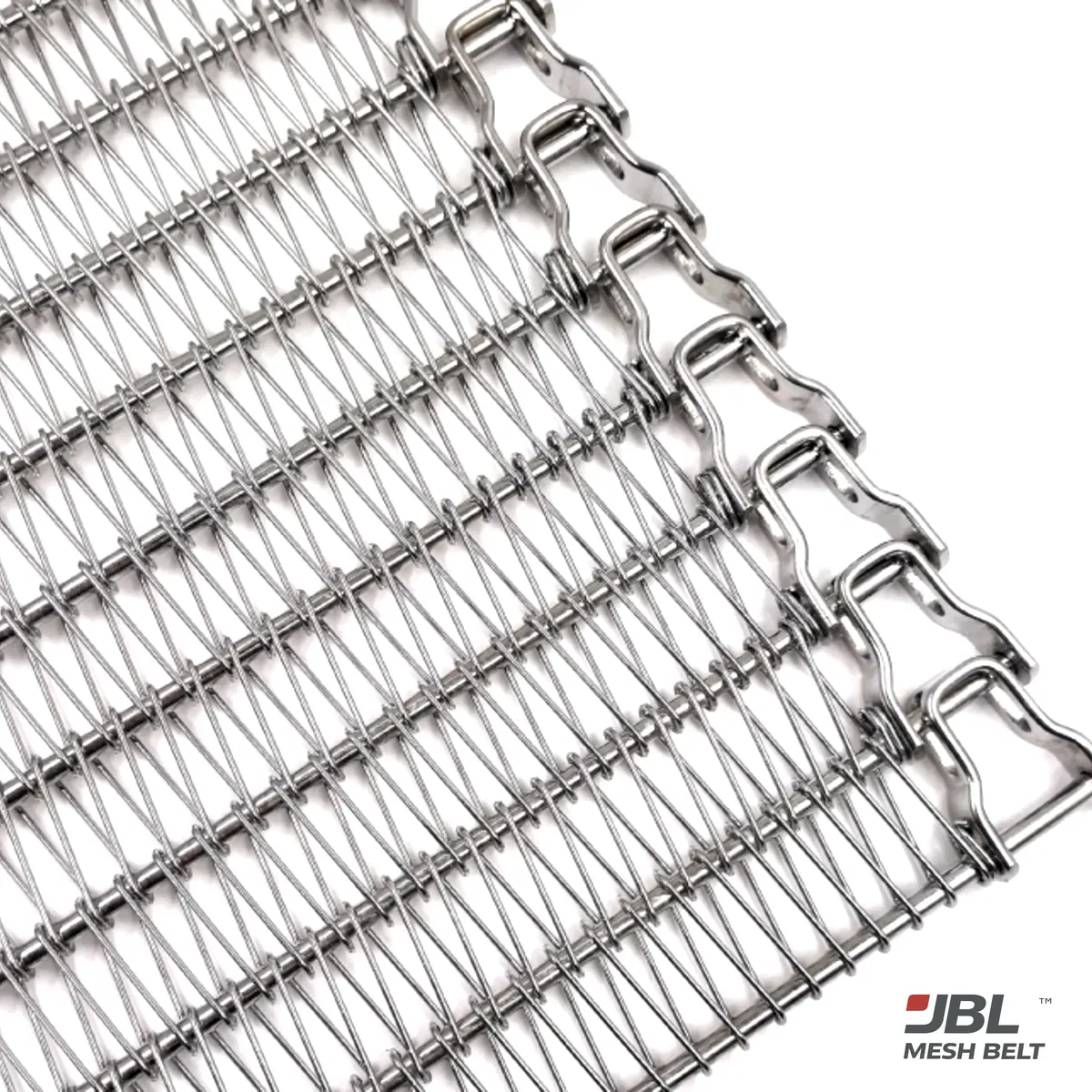
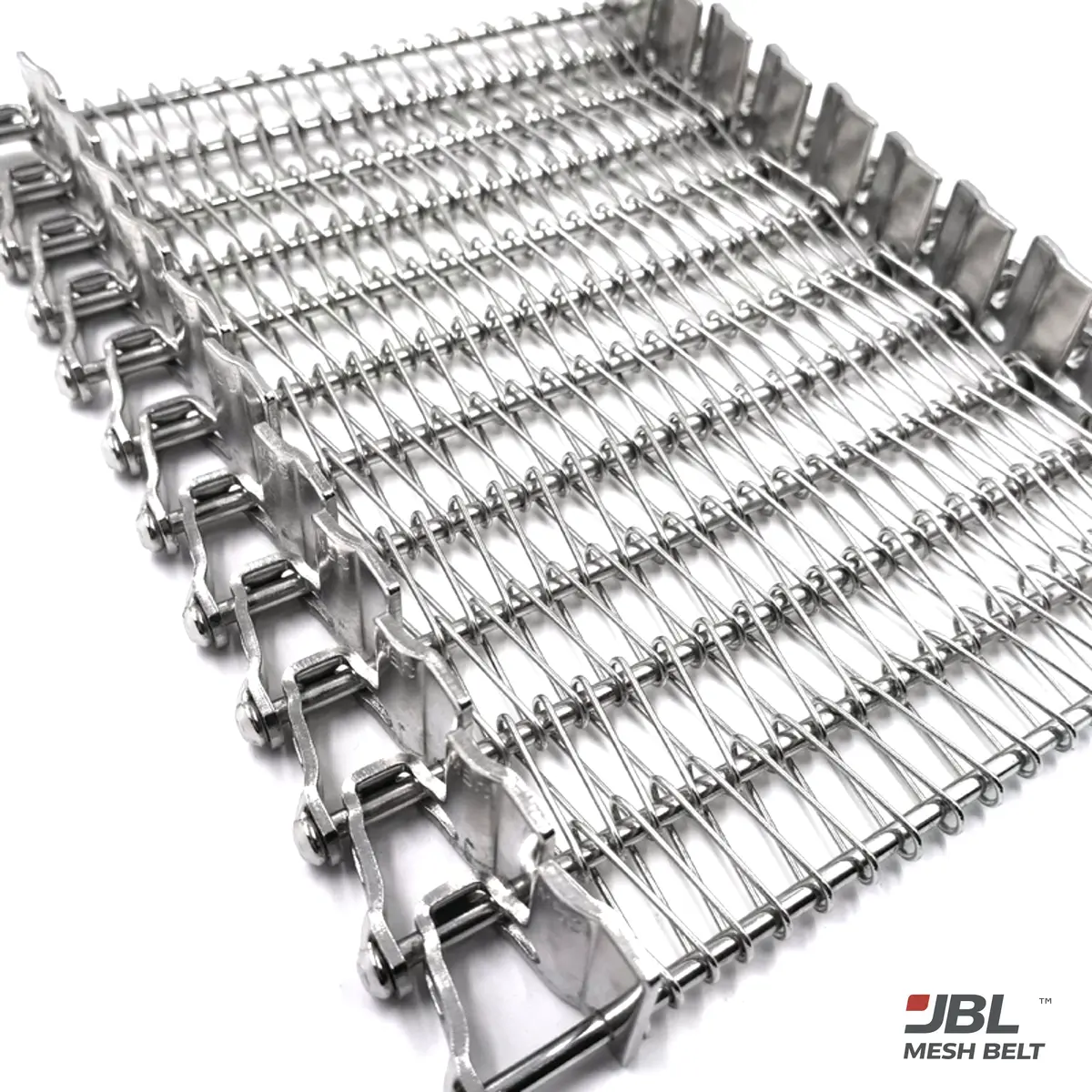
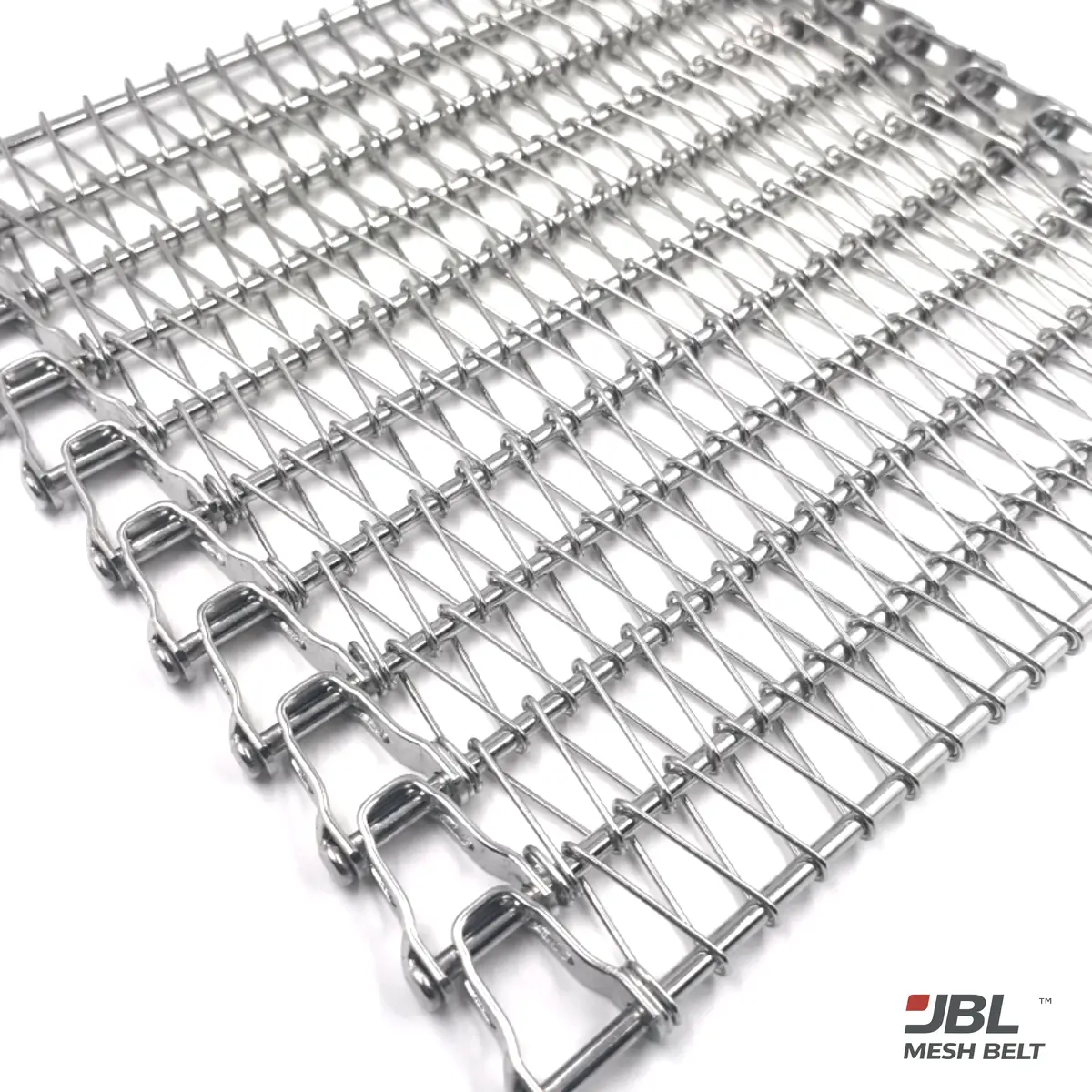
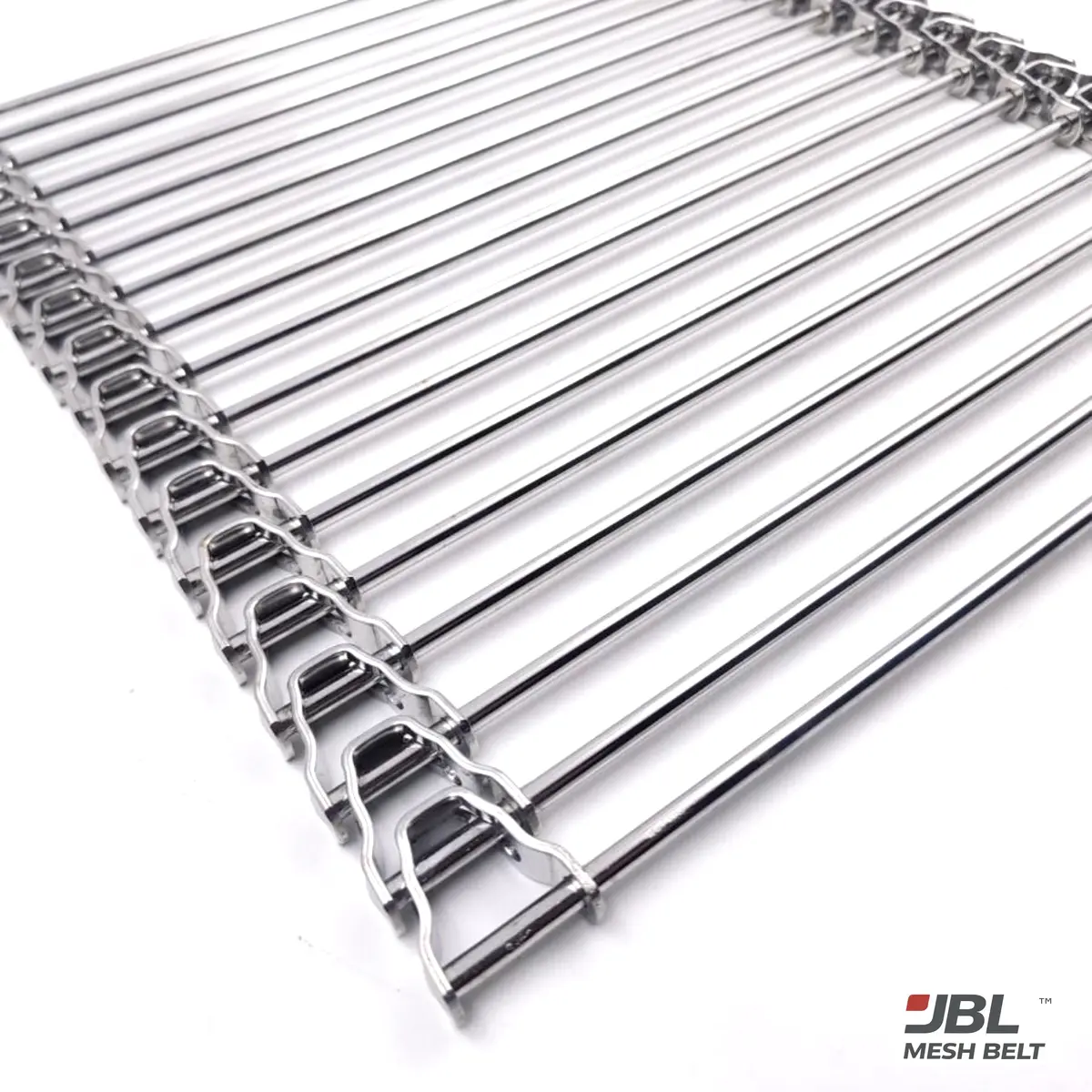
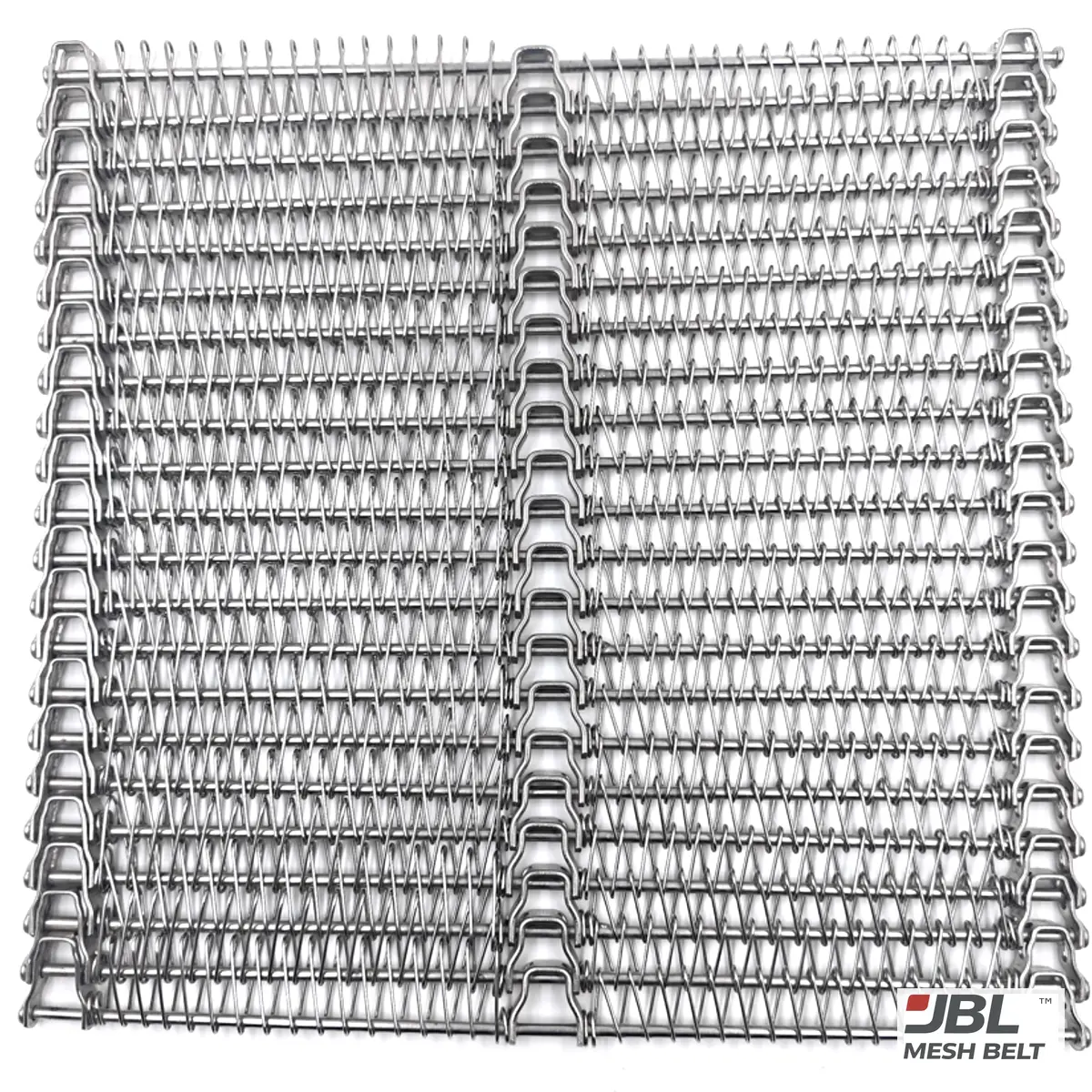
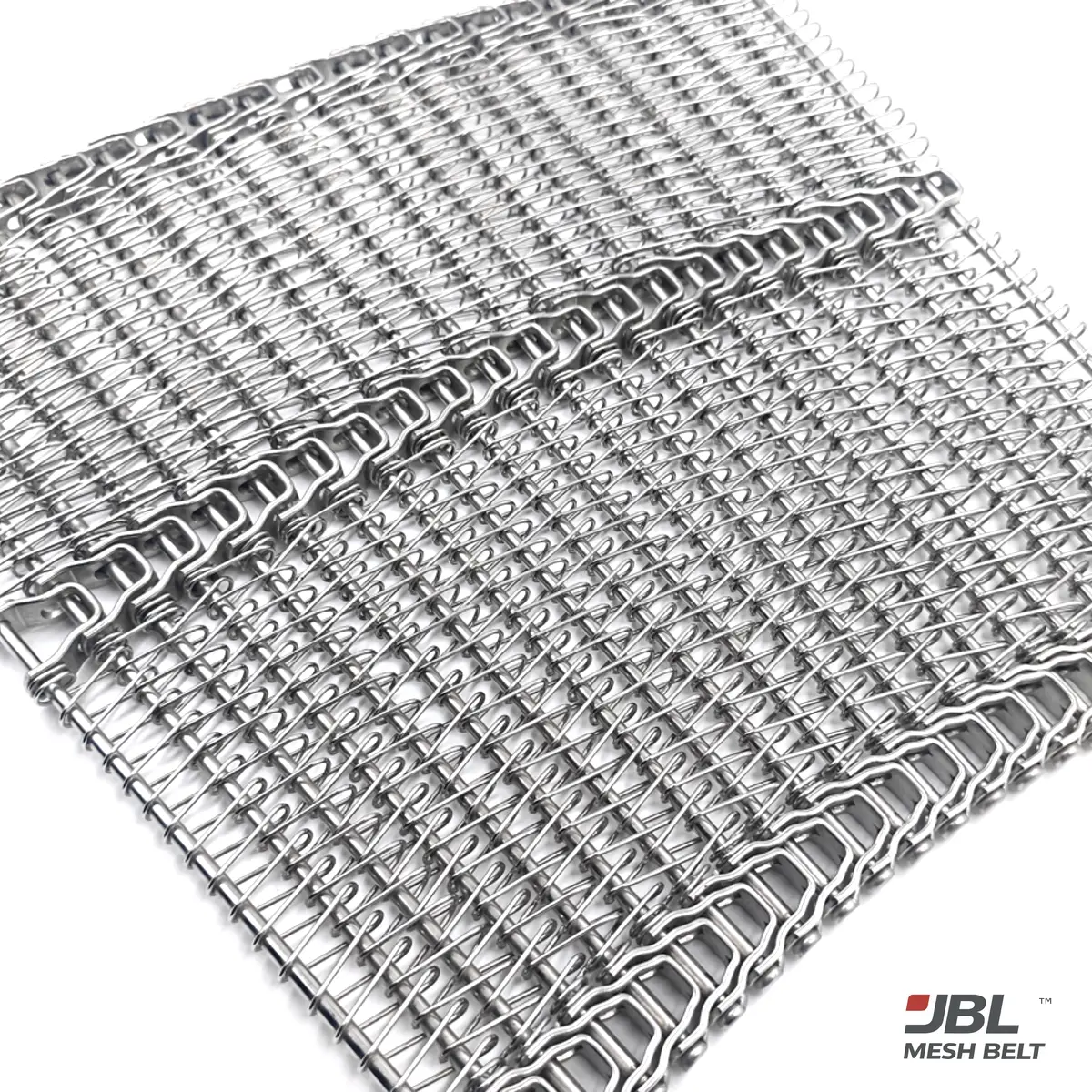
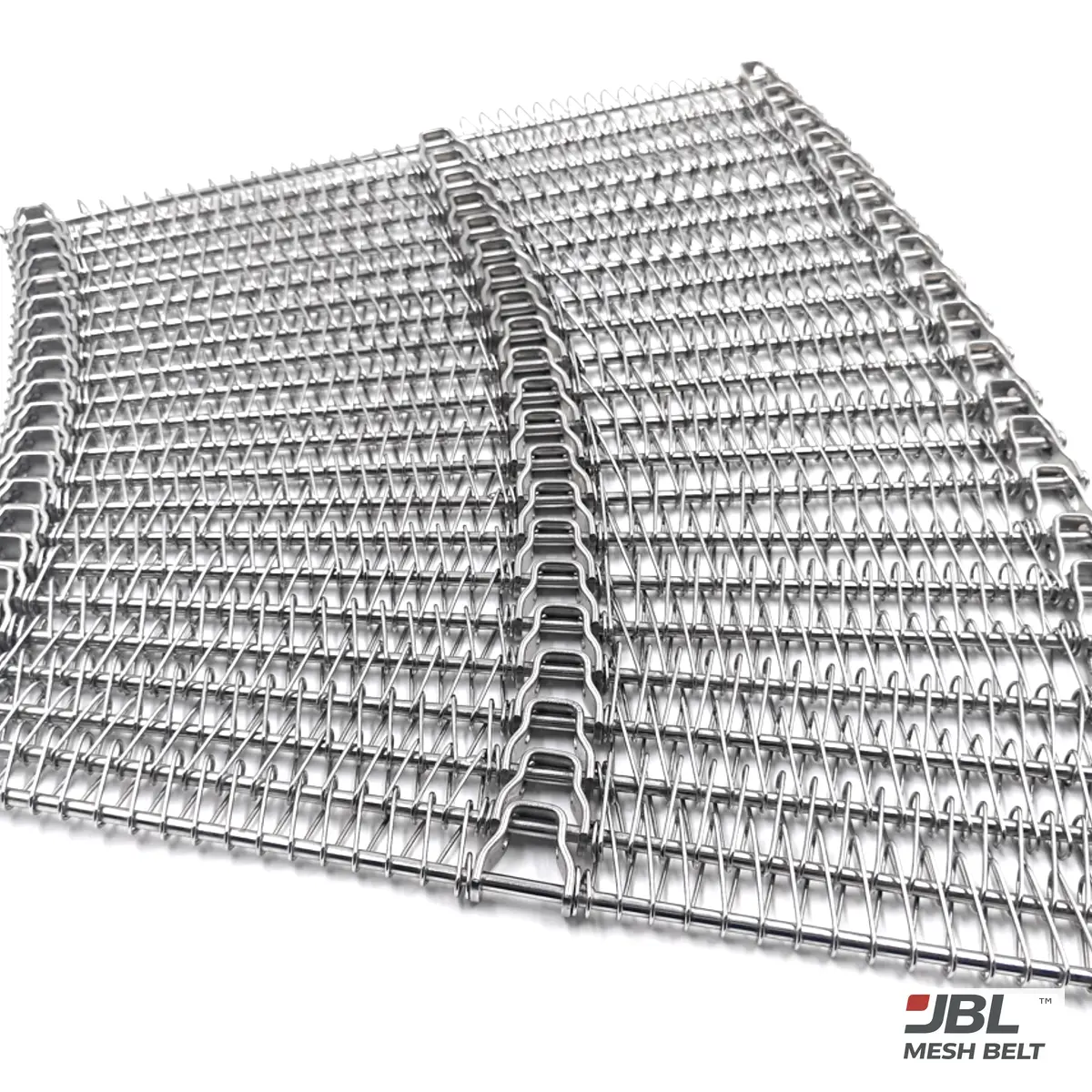
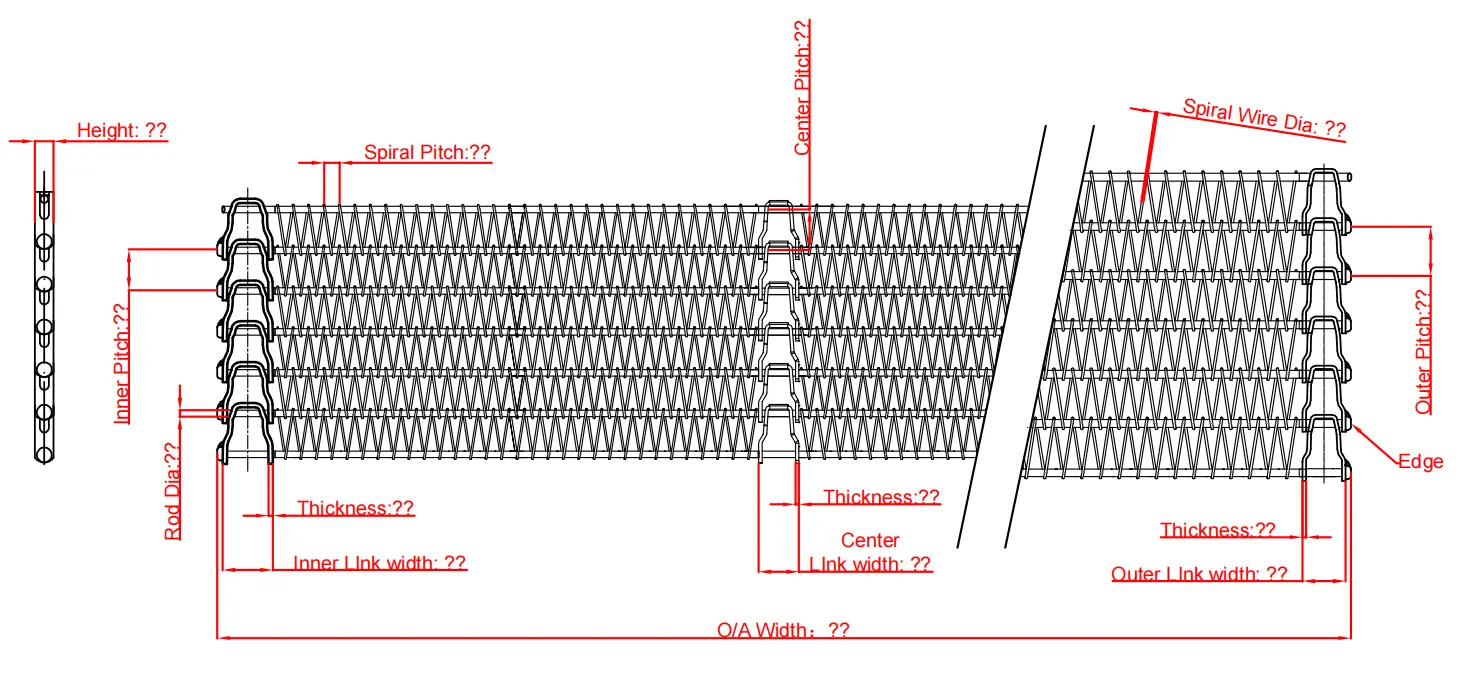
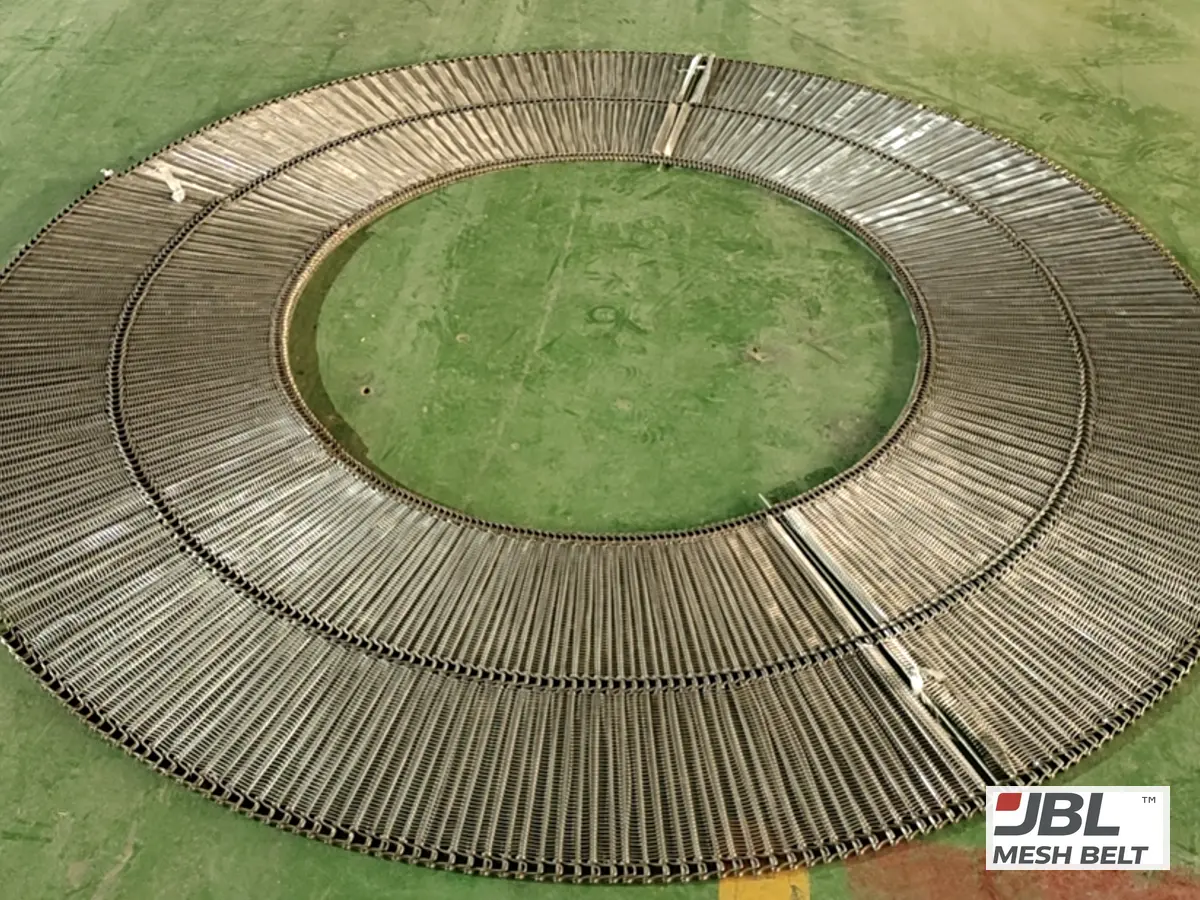
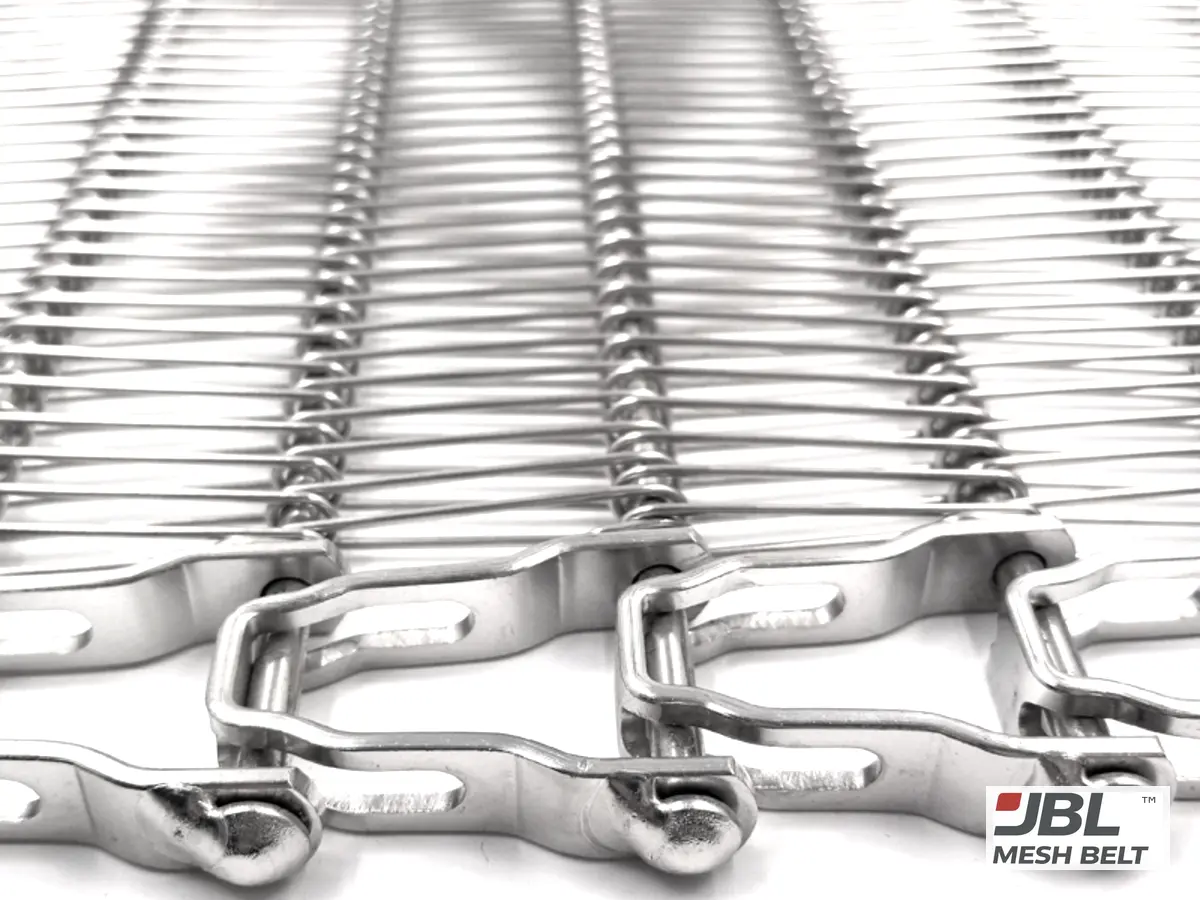
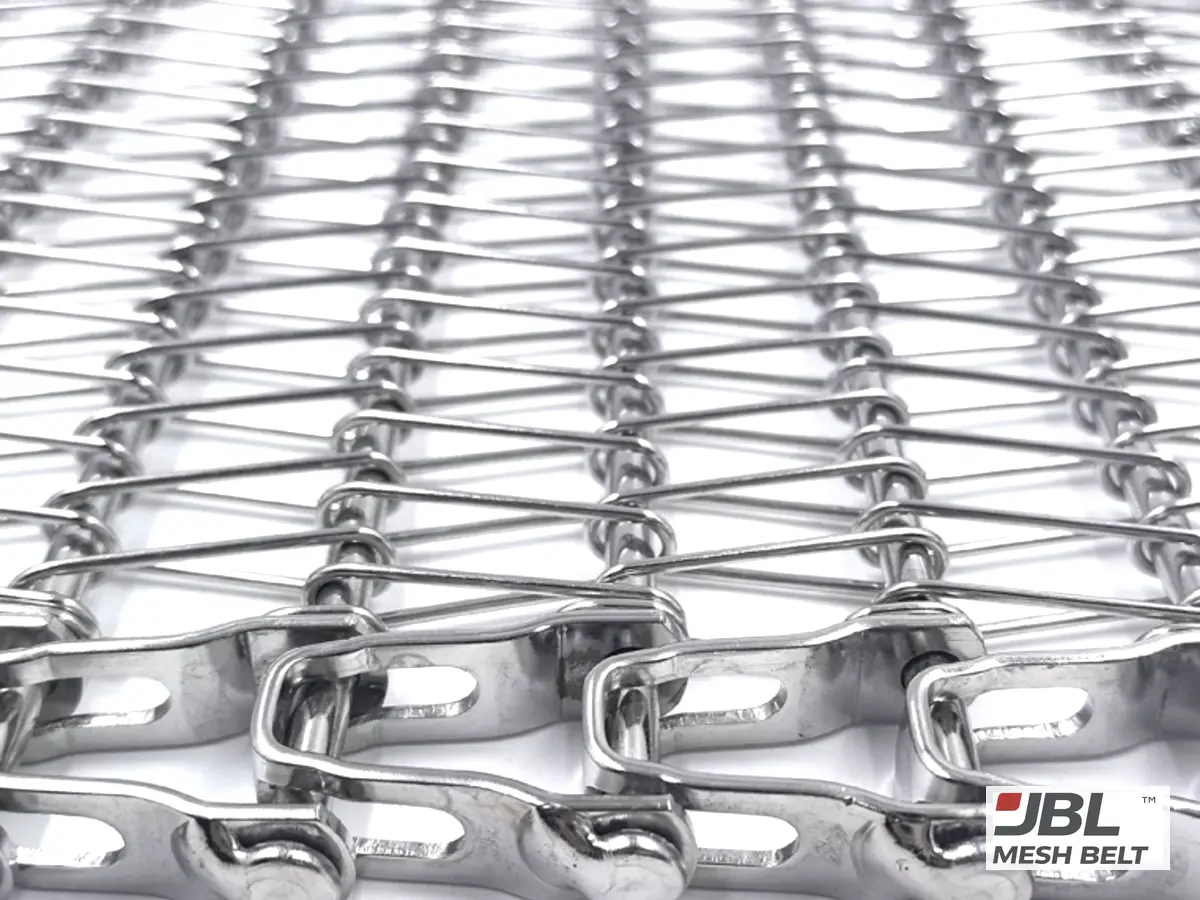
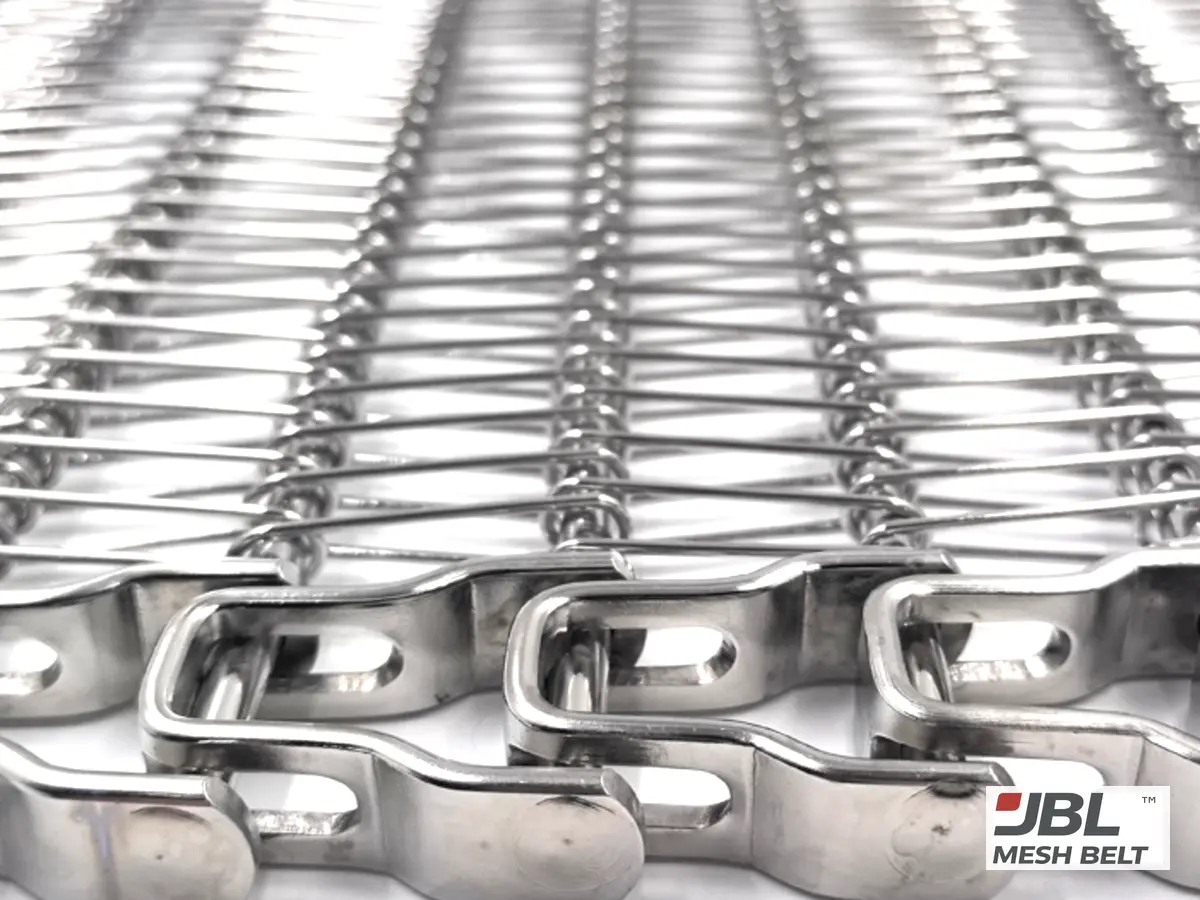
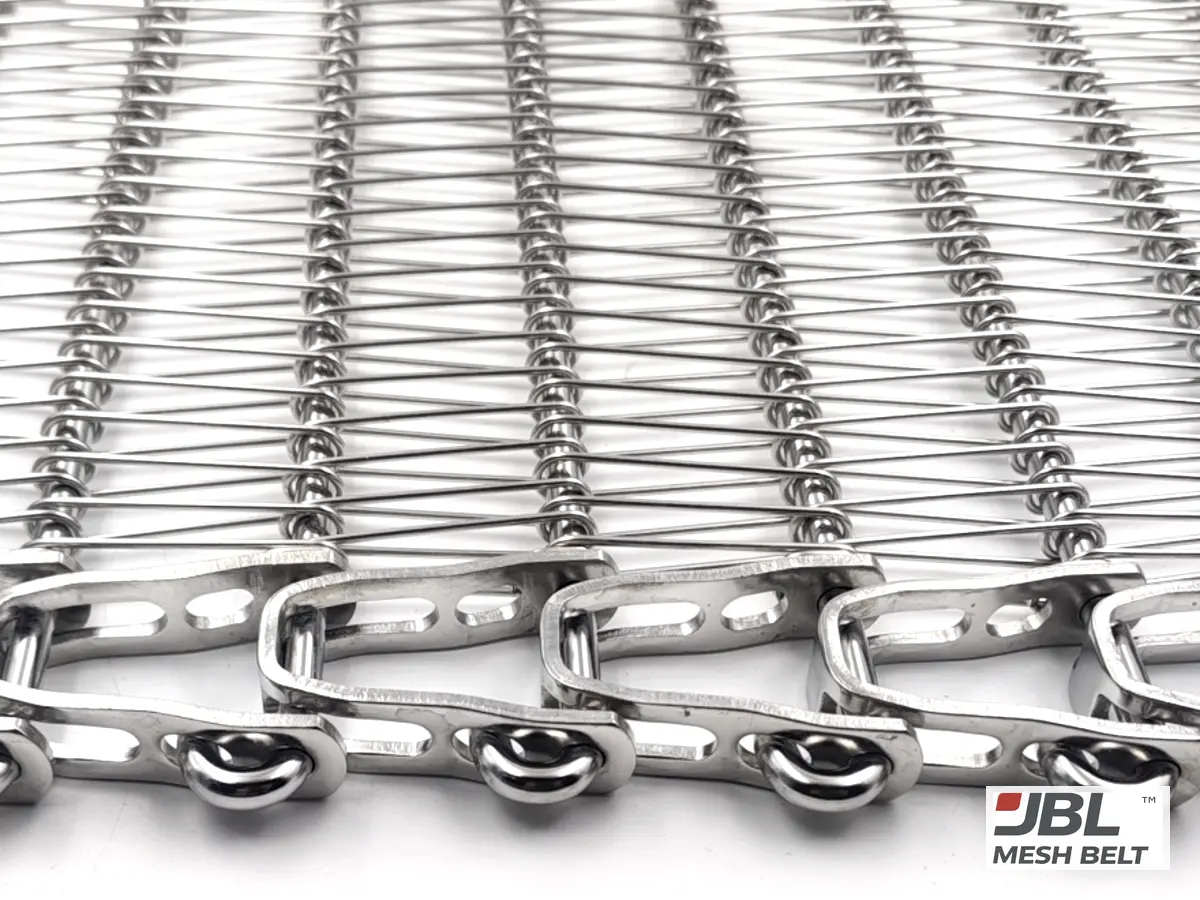
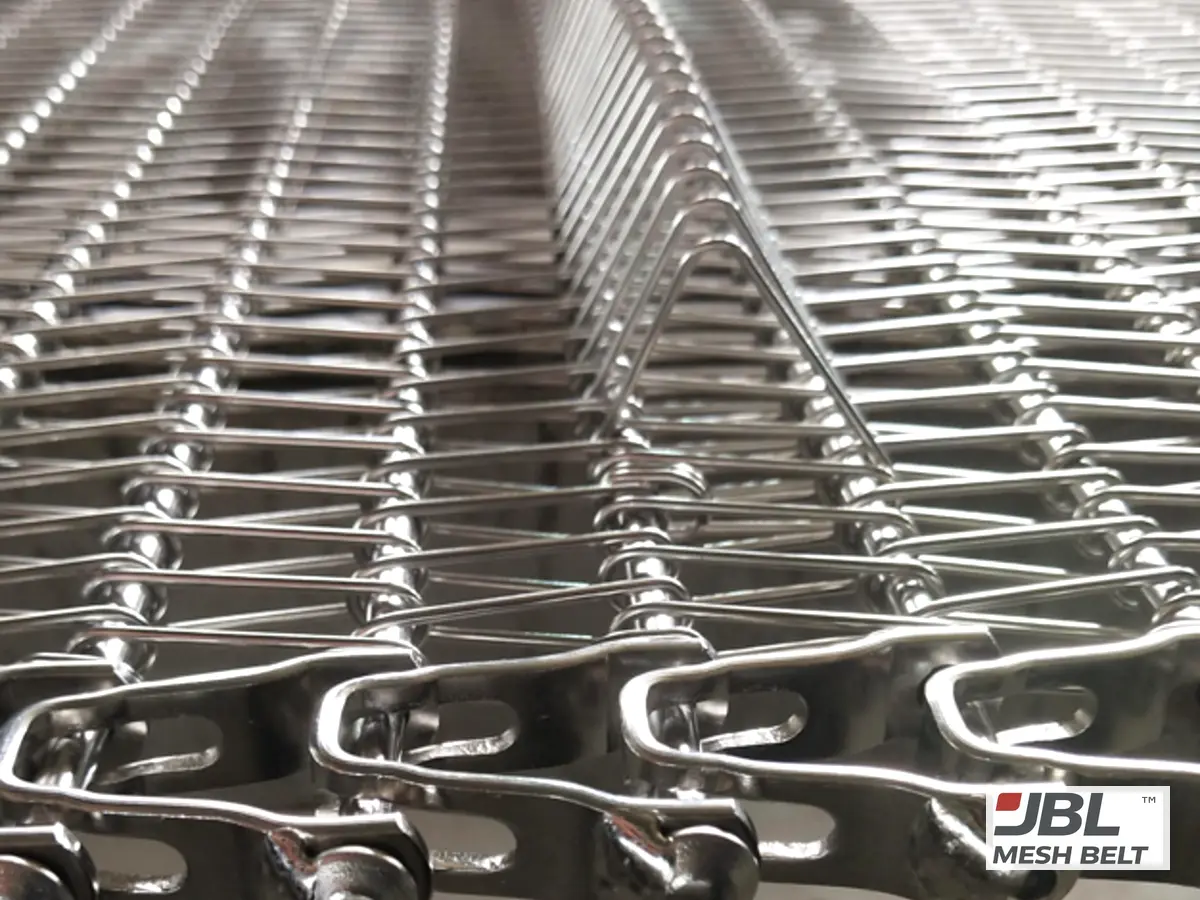
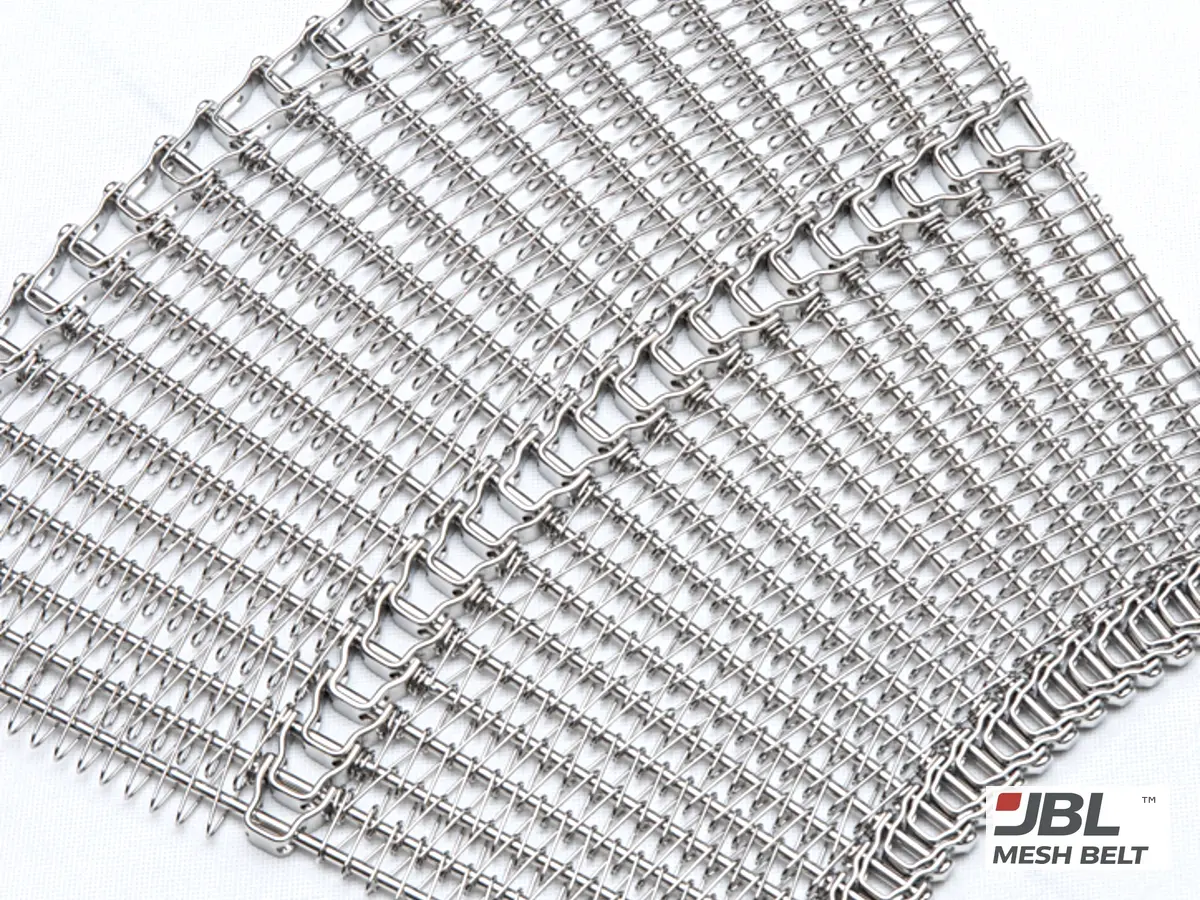
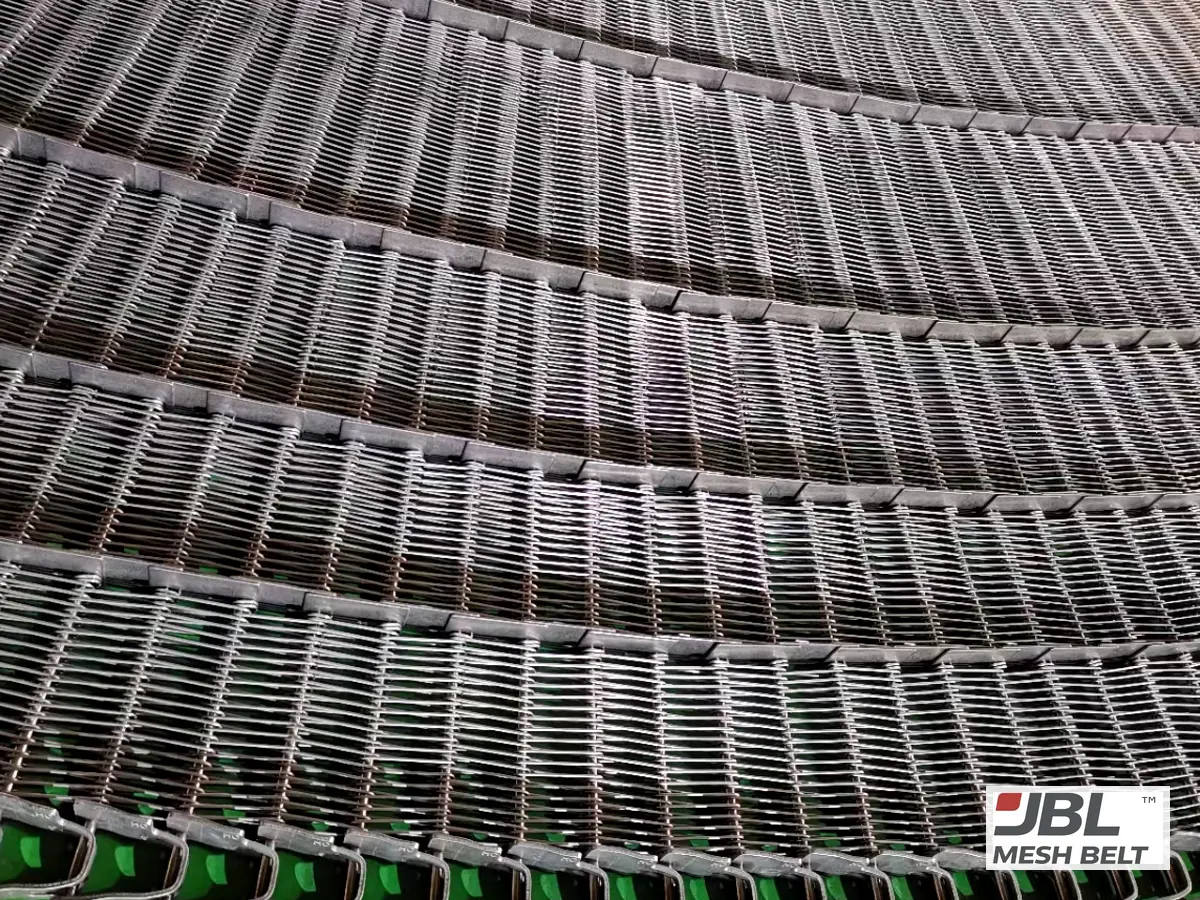
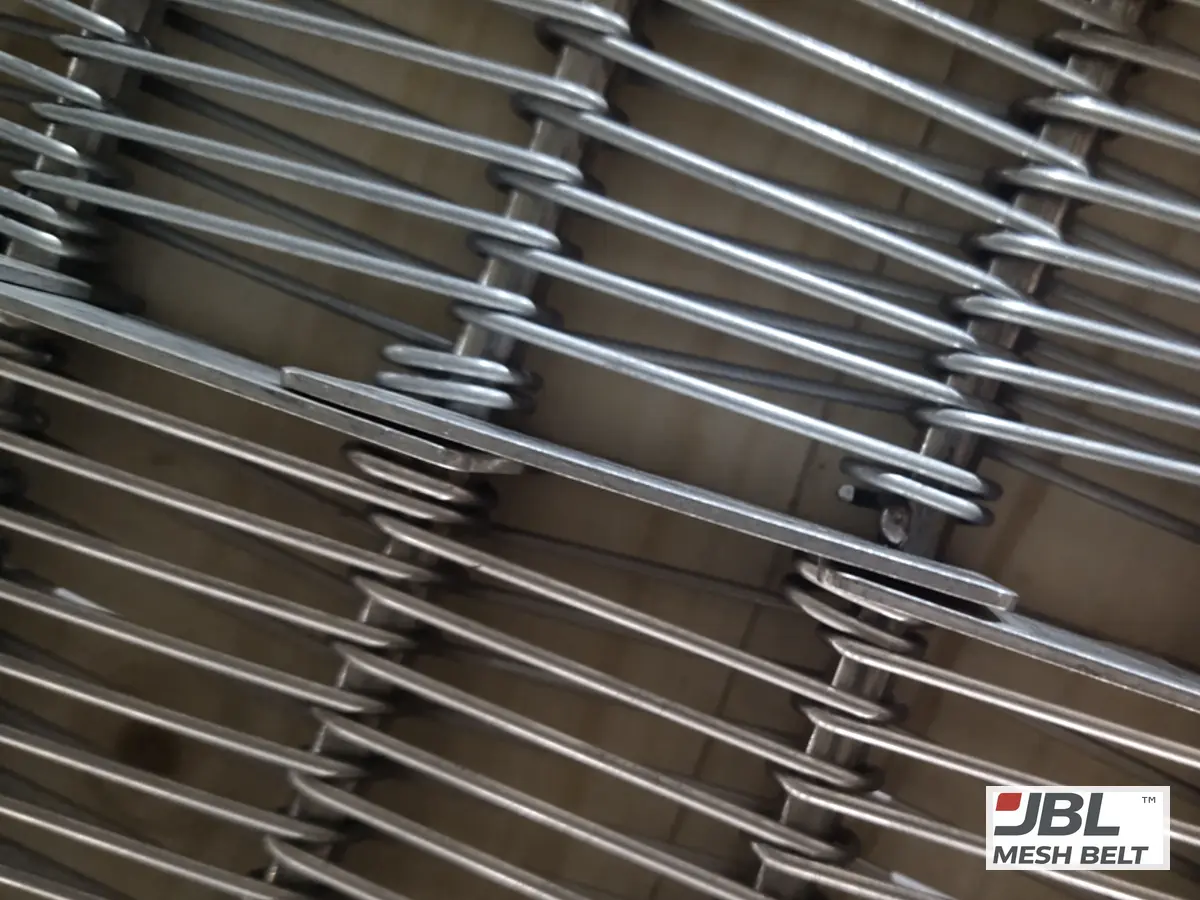
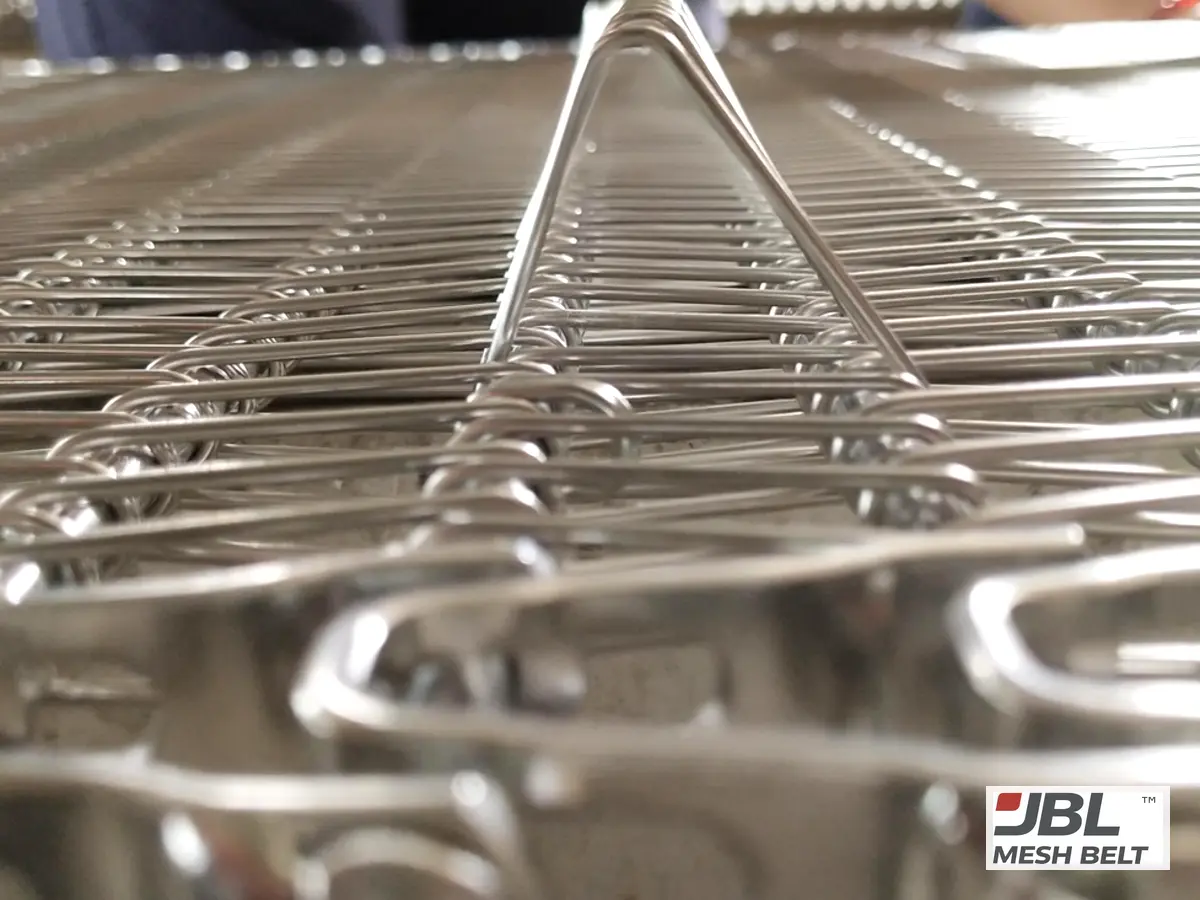
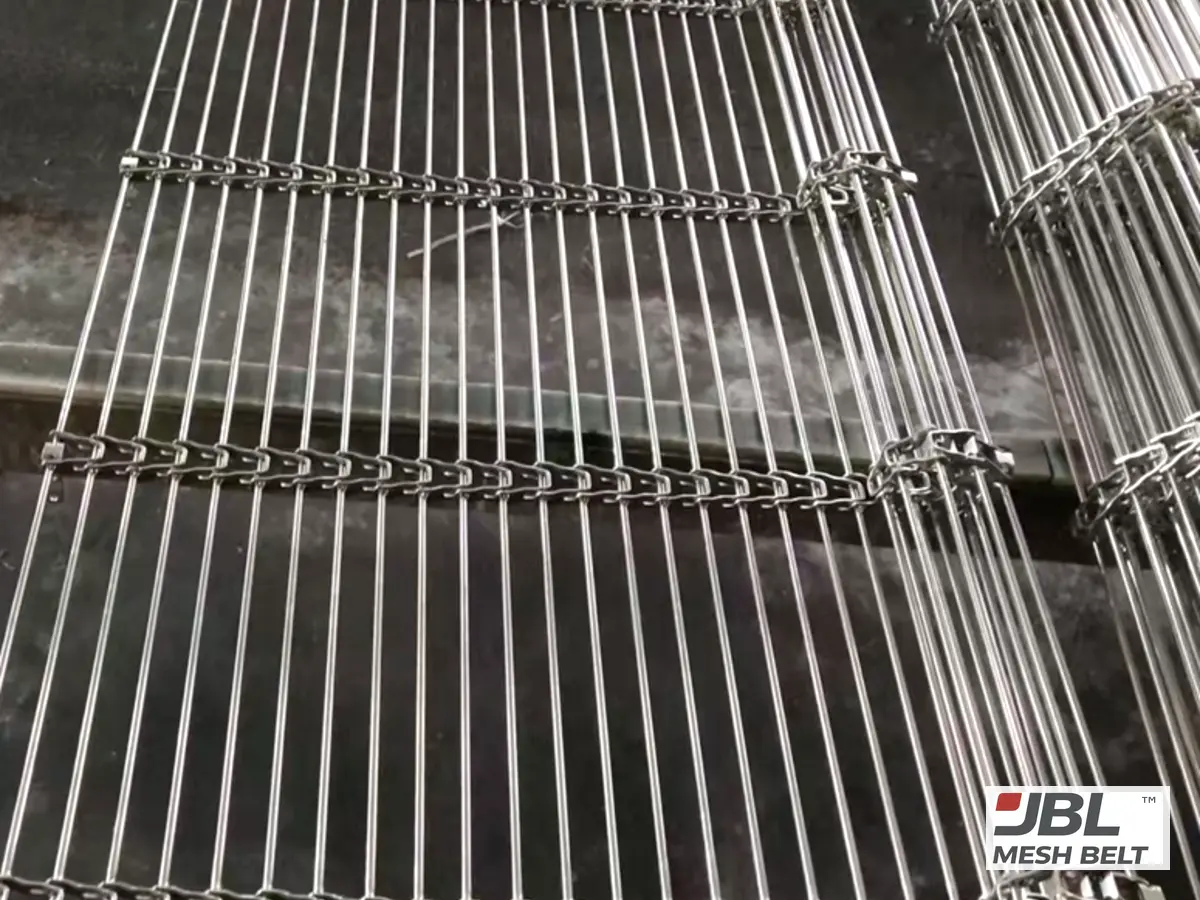
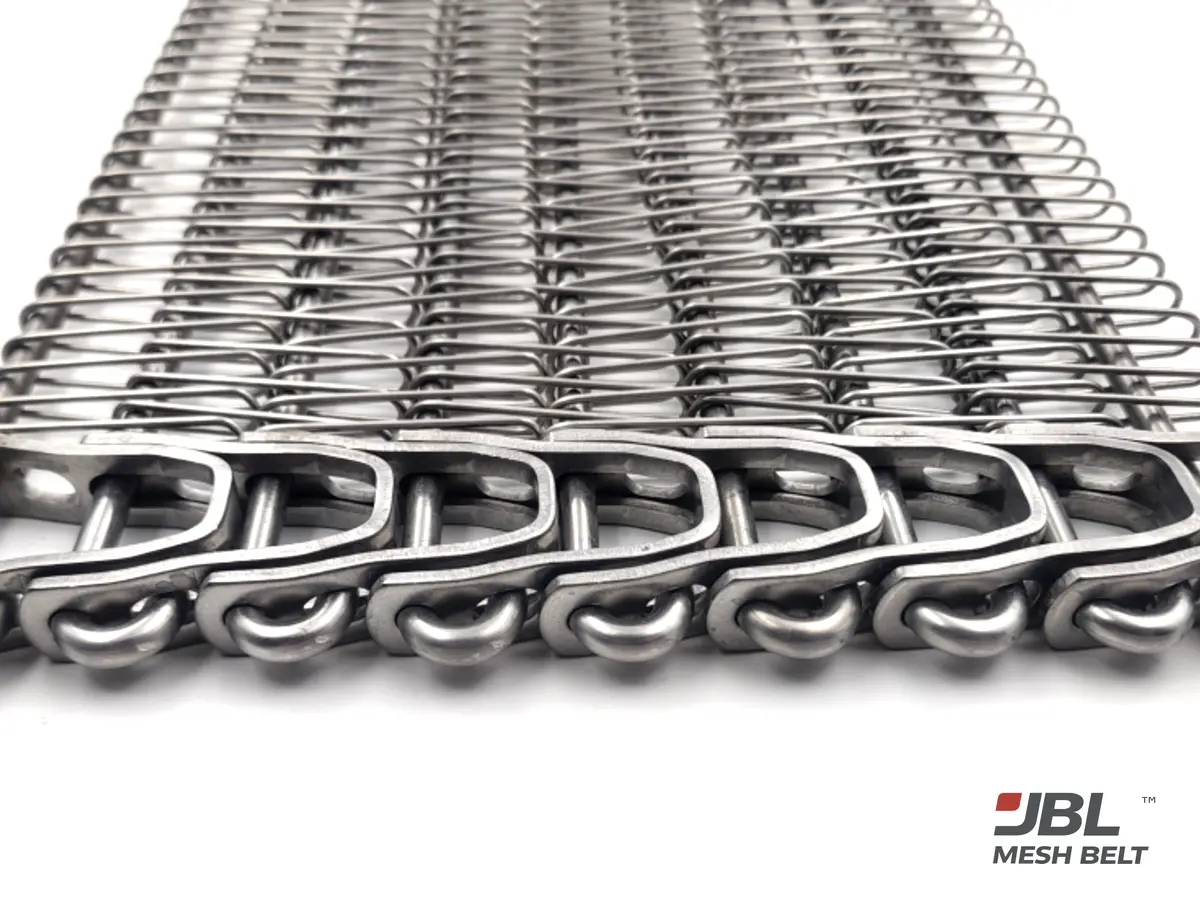
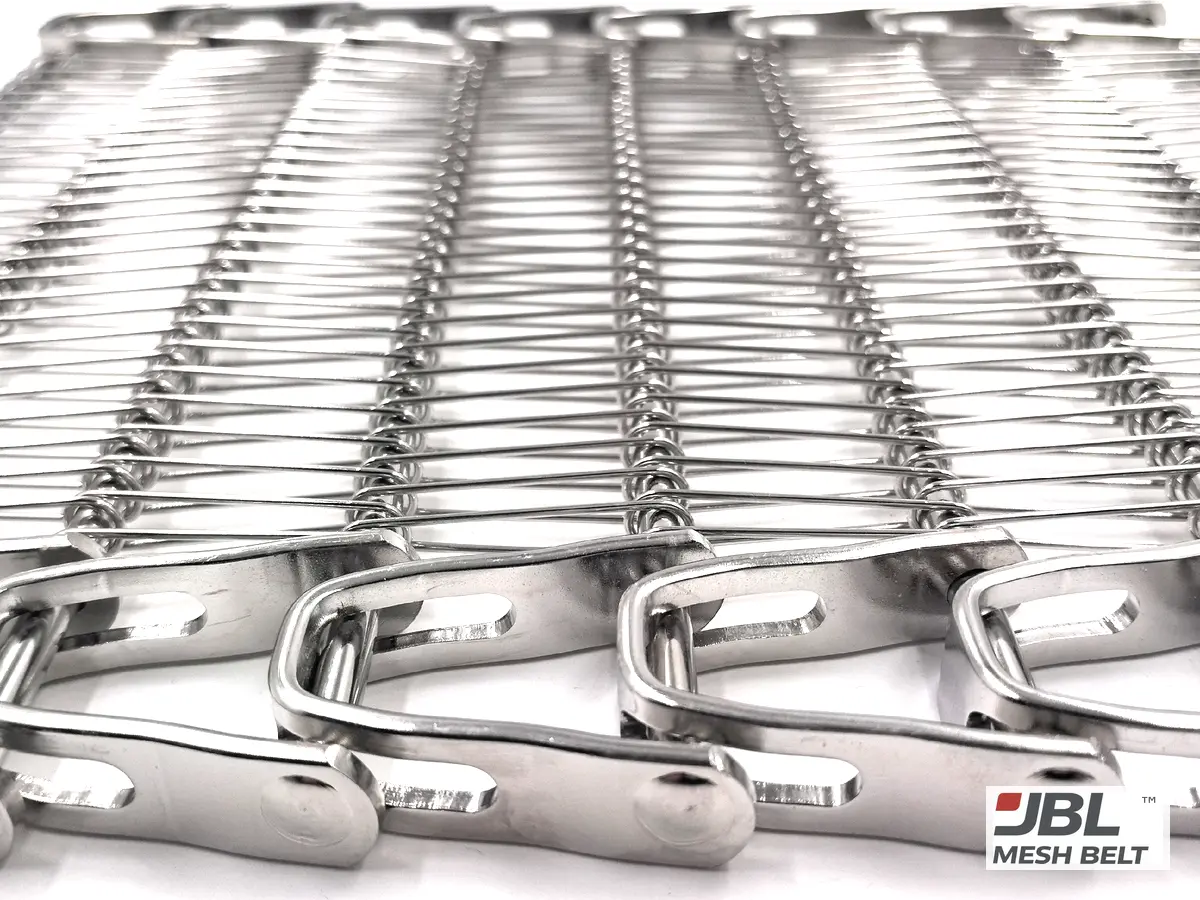
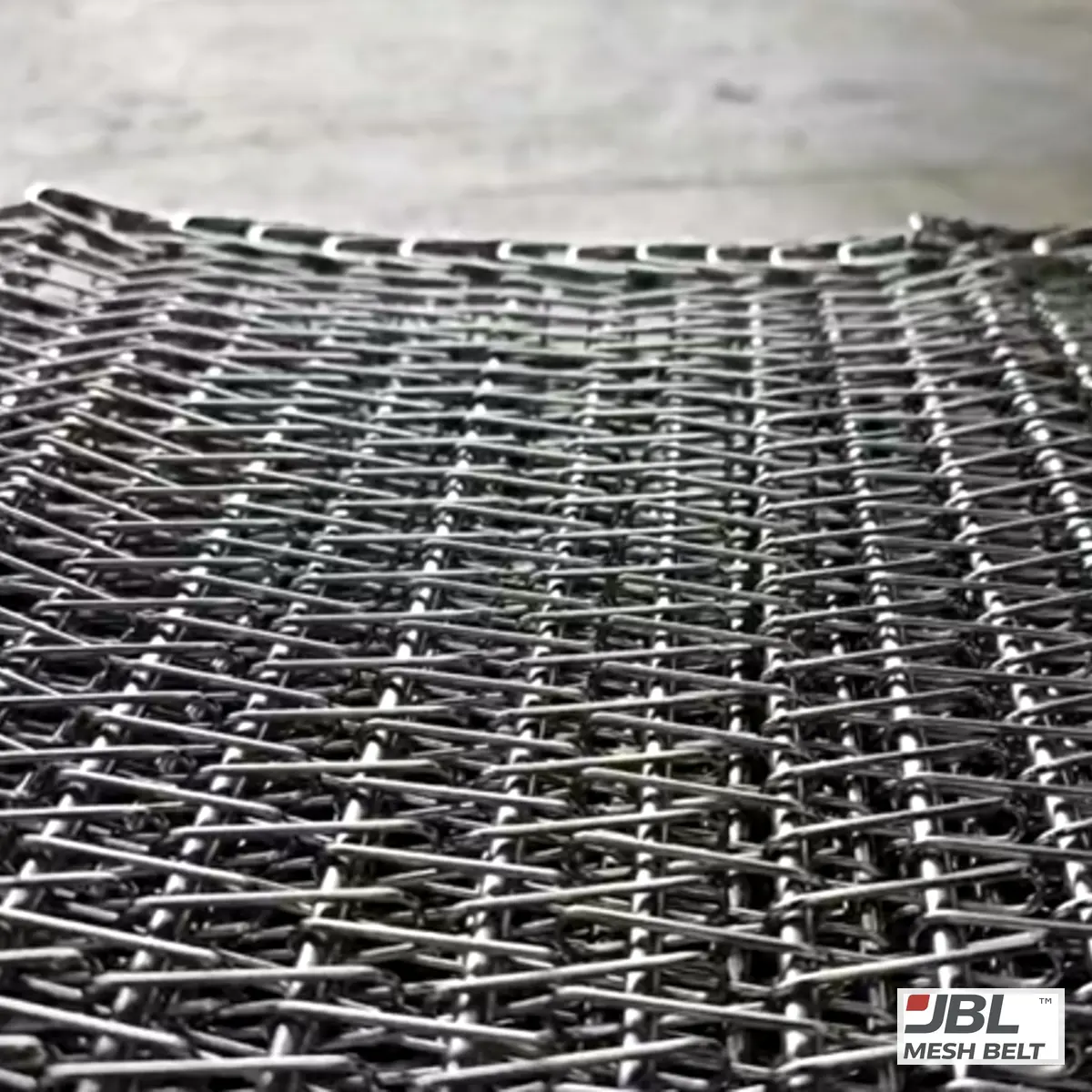
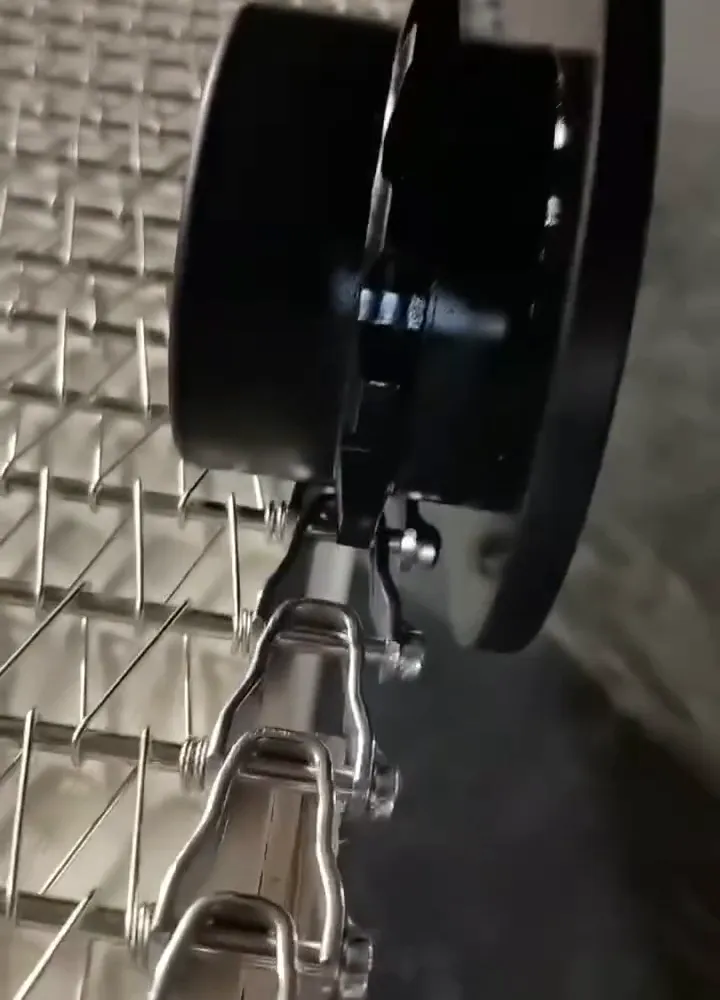
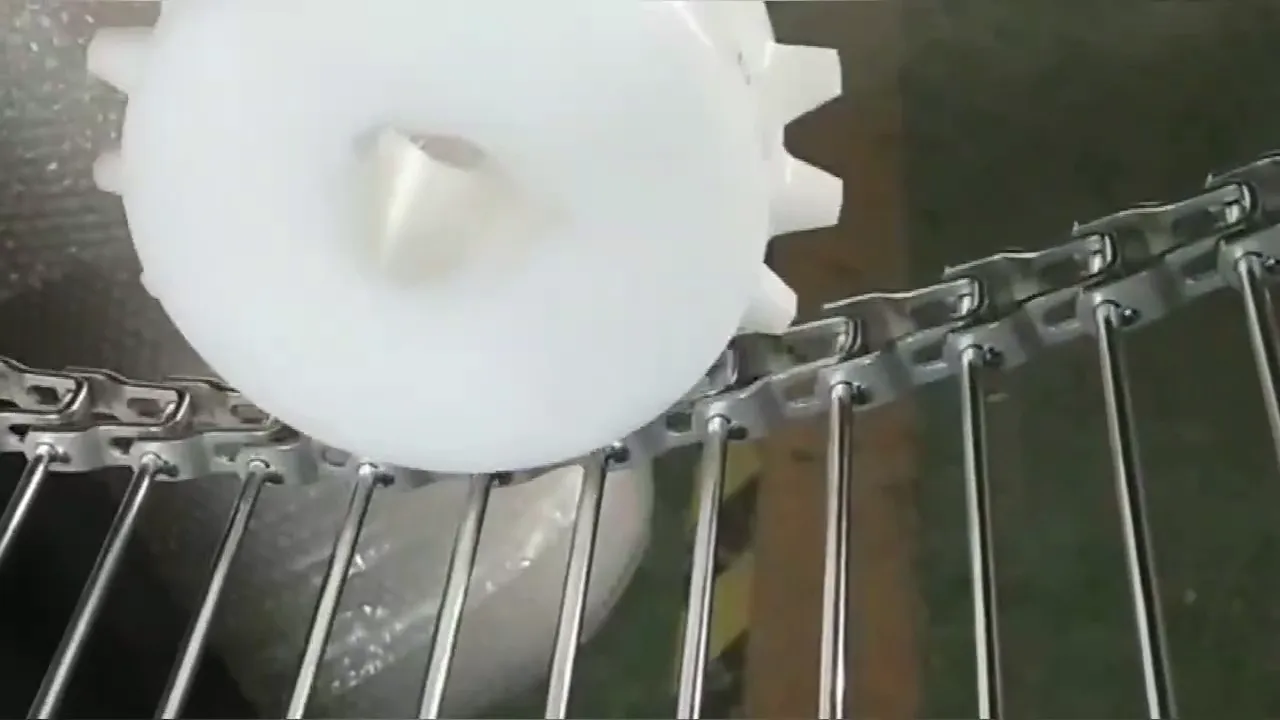
Yes. For a spiral belt freezer we review the replacement spiral belt together with the spiral freezer parts that touch it, such as sprockets. Spiral belt replacement without drawing starts from your old belt photos and measurements, and the drawing is confirmed with you before production.
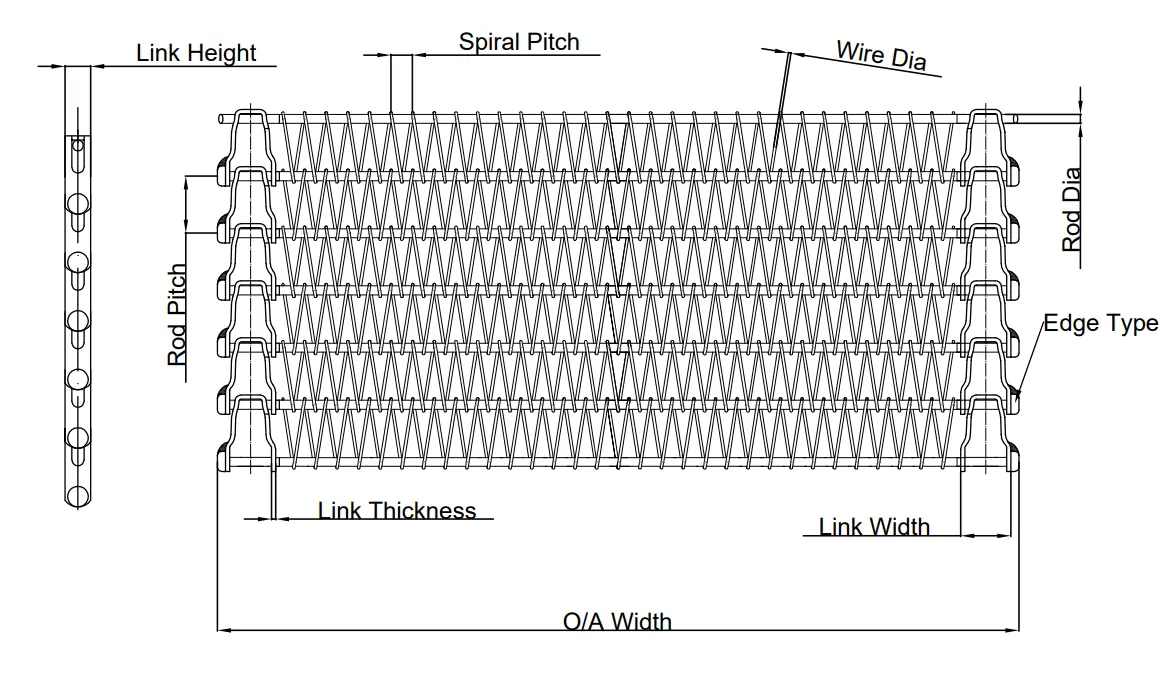
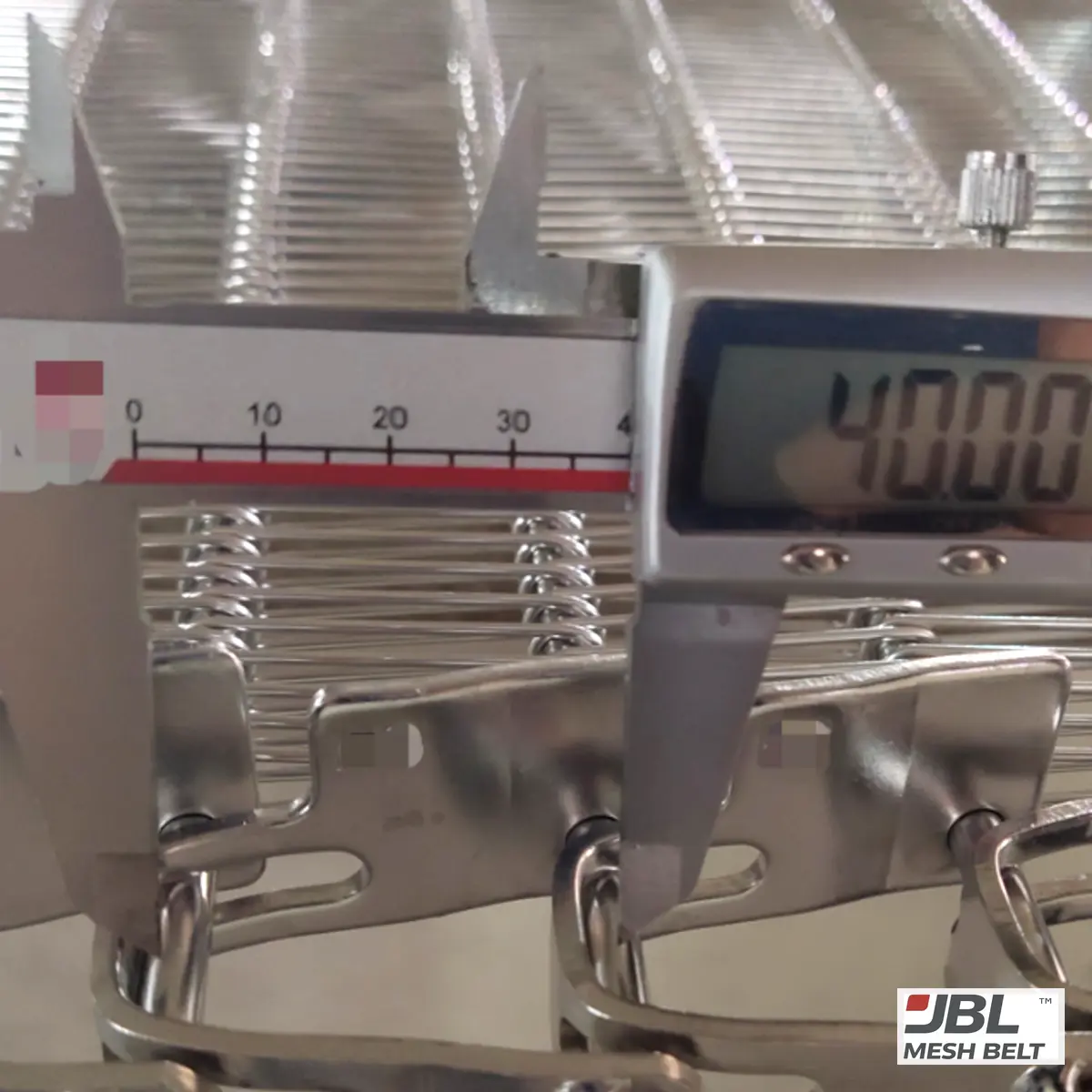
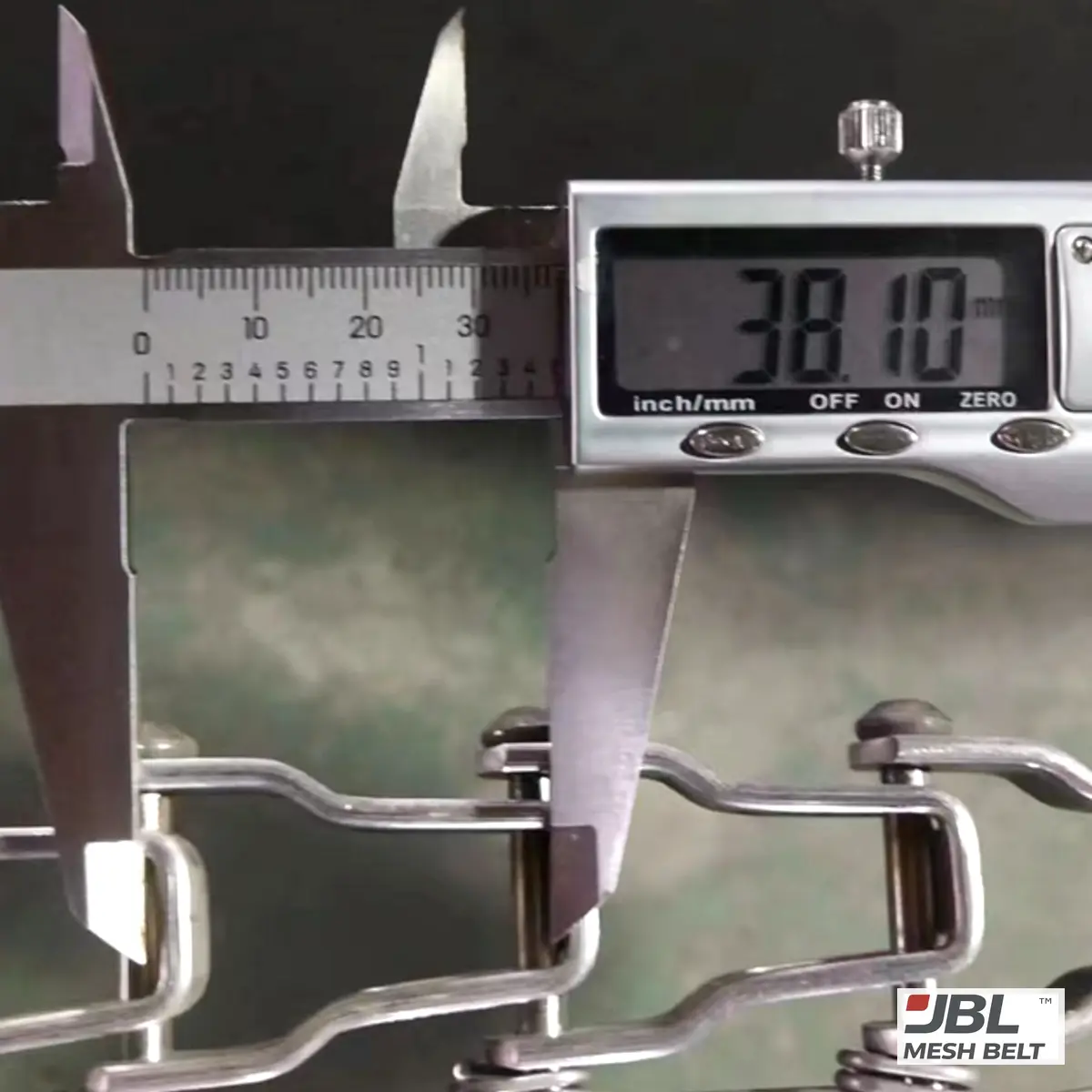
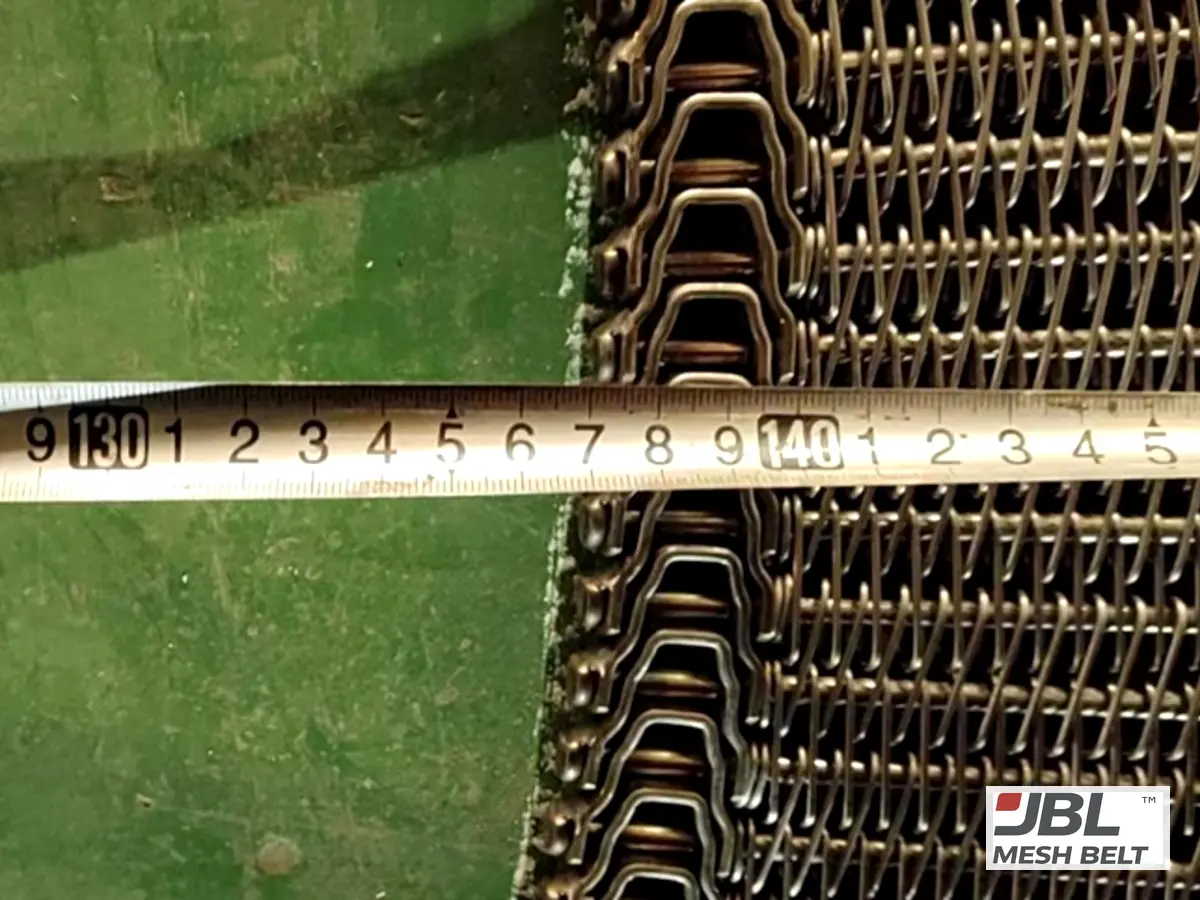
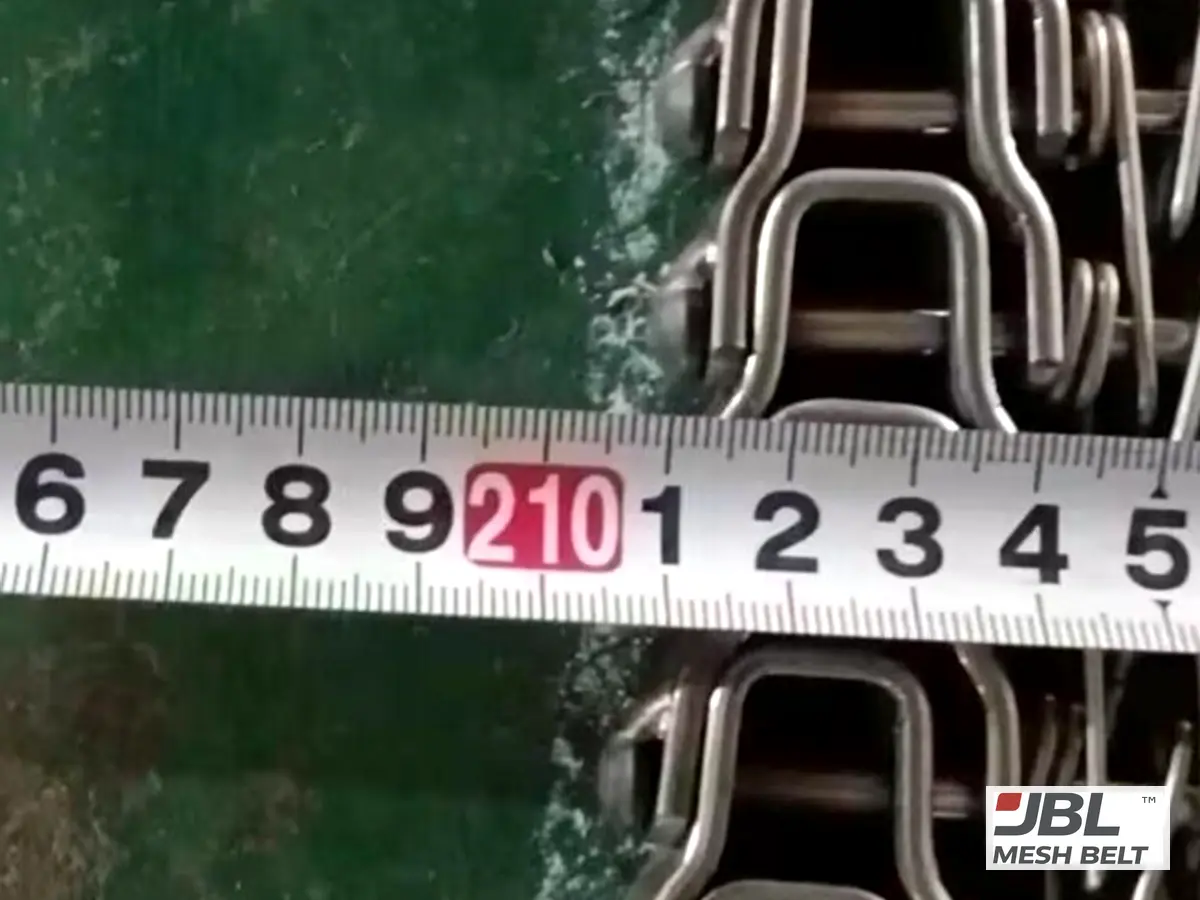
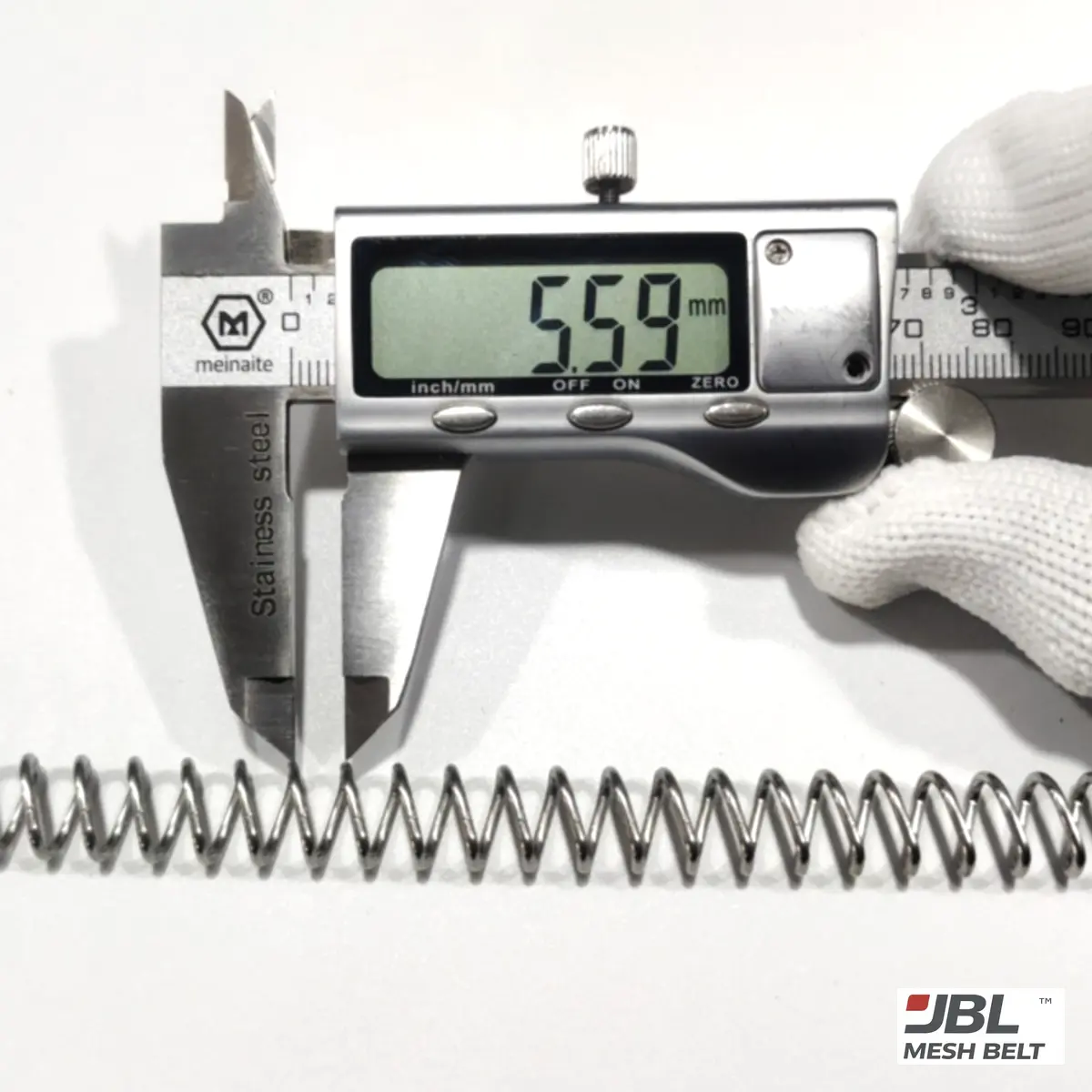
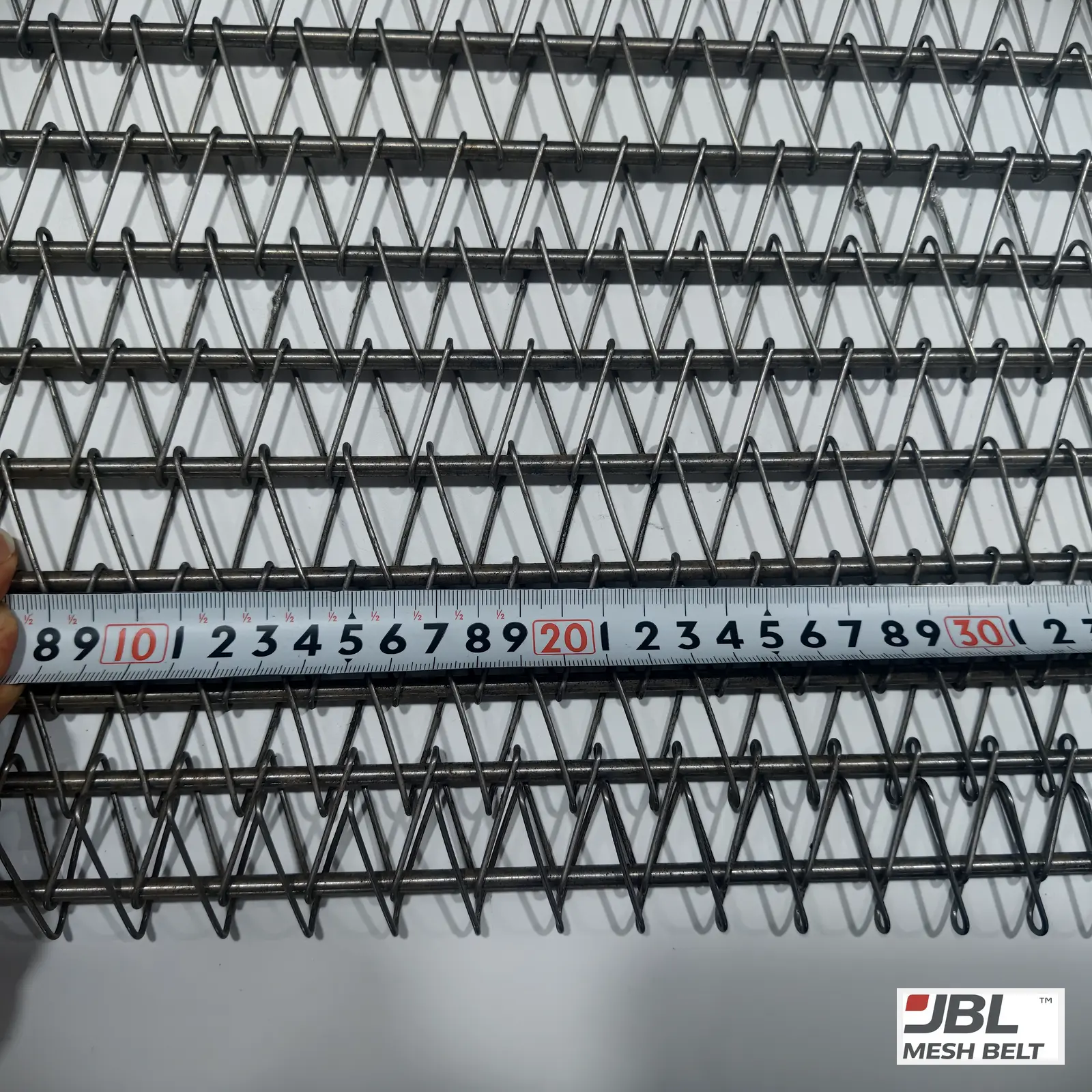
Send photos of the old belt with a ruler or caliper, or a short section of it. Spiral pitch, rod pitch, rod and wire diameter, link and edge type are measured, checked against your drum diameter, turn ratio, direction and drive, and a sample is confirmed by you before production.
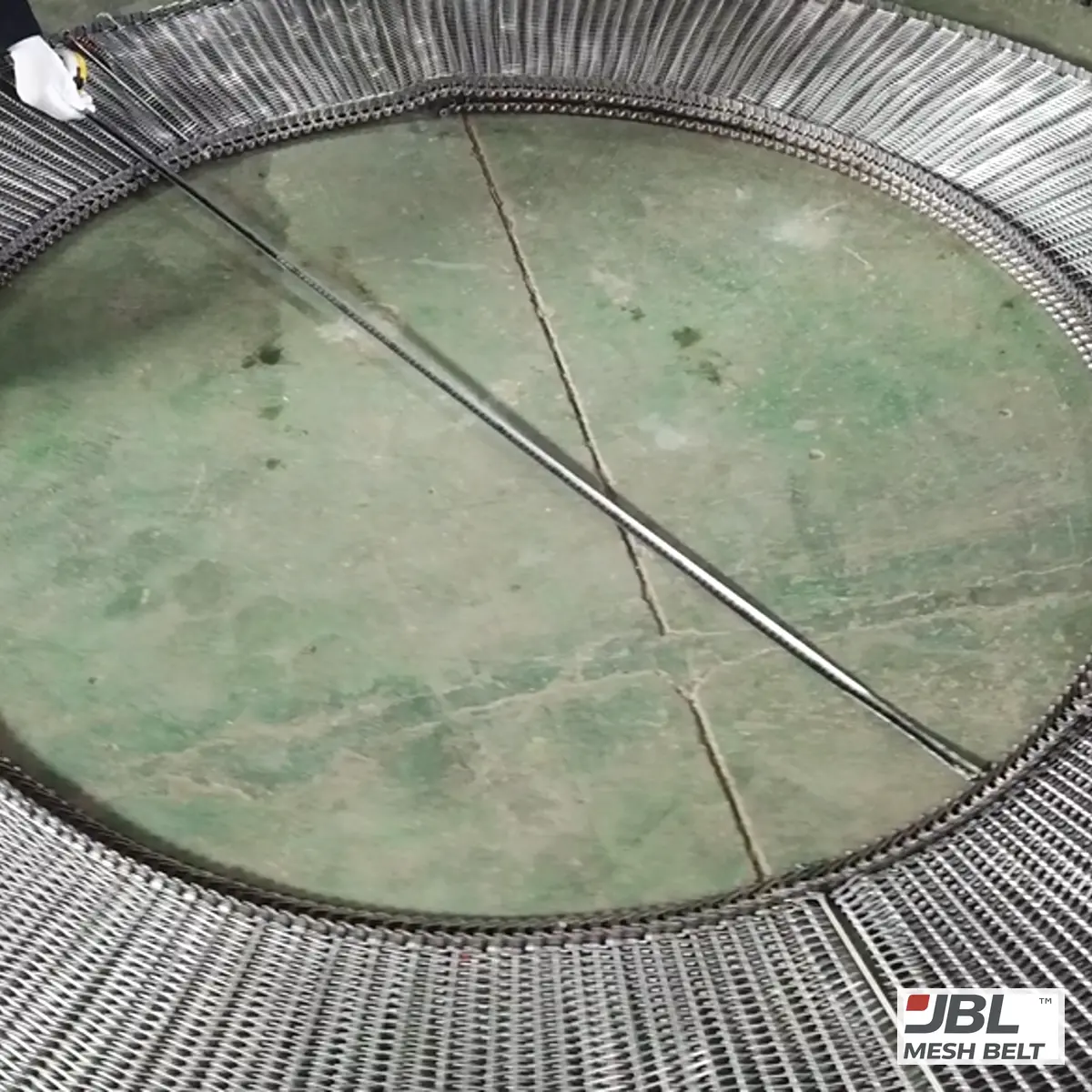
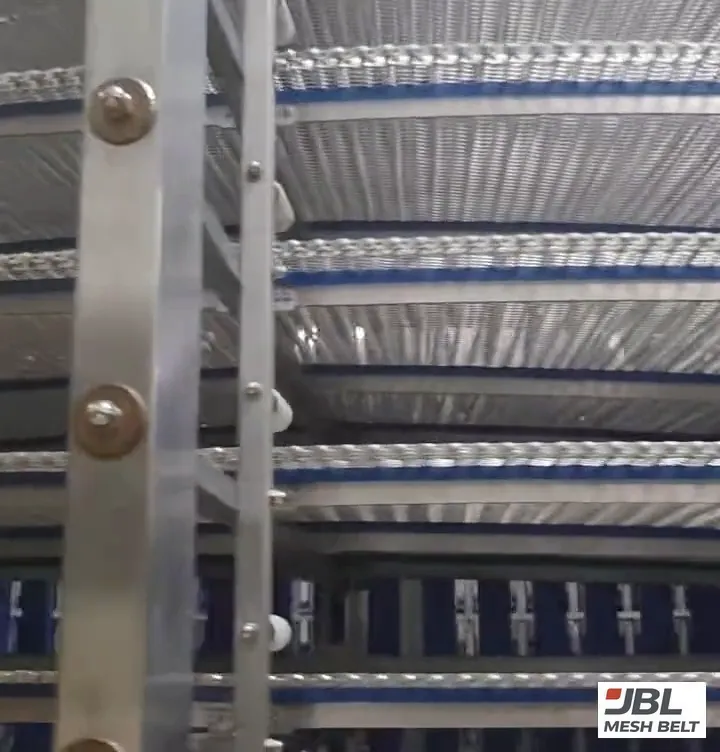
Freezer brand and model, belt width and length, drum (cage) diameter, turn ratio, single or bi-drum, ascending or descending, drive and sprocket details, product and temperature range, plus photos or a drawing. Photos support an indicative quotation; a formal quotation follows a confirmed drawing or specification.
Turn ratio describes how tightly the belt turns around your drum relative to its width. A belt with the wrong turn ratio will not turn correctly on your drum, even if width and pitch are the same. Reference projects range from 1.15 to 2.5 for standard two-row link belts, and from 1.1 for small radius three-row link belts — always confirmed against your drum and belt width.
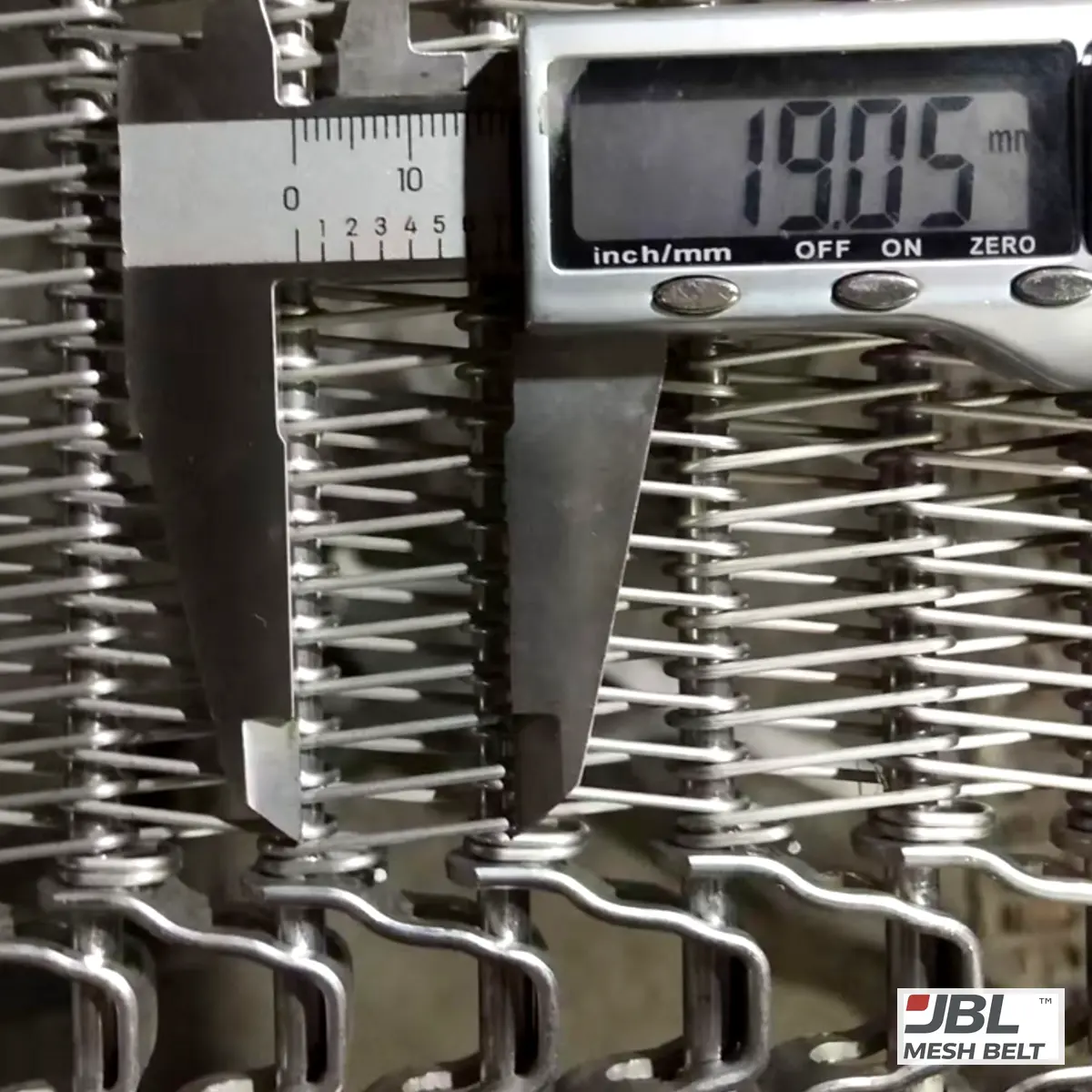
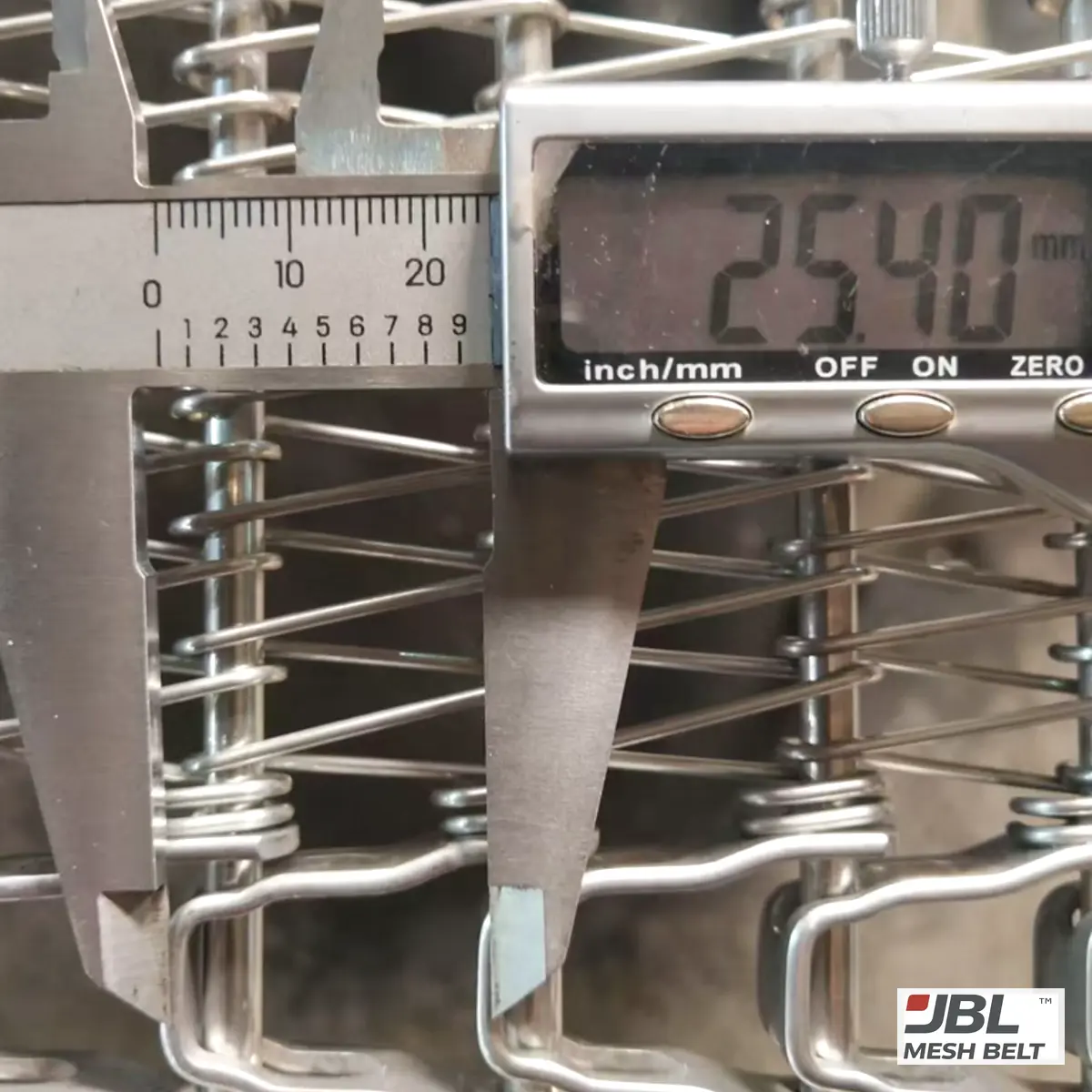
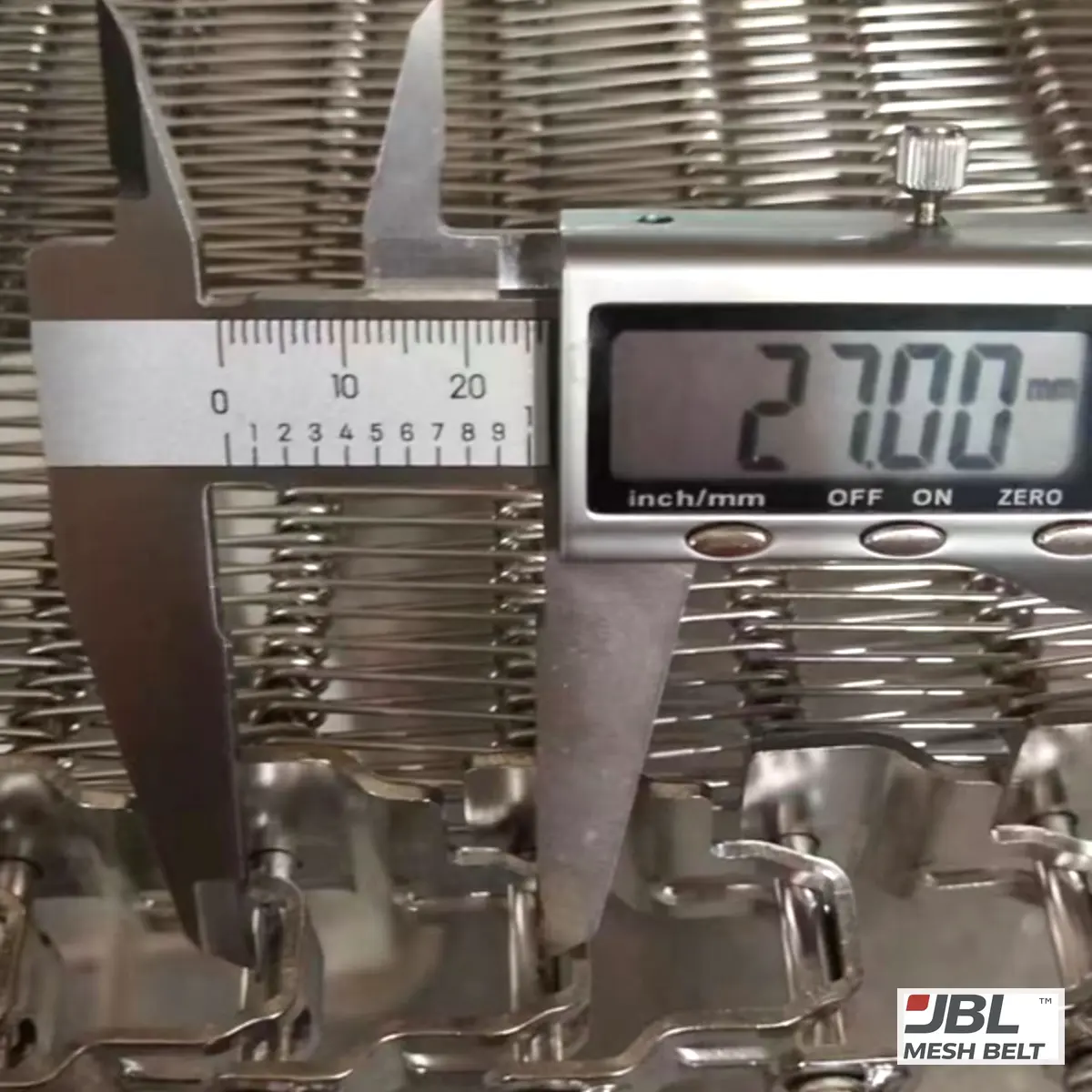
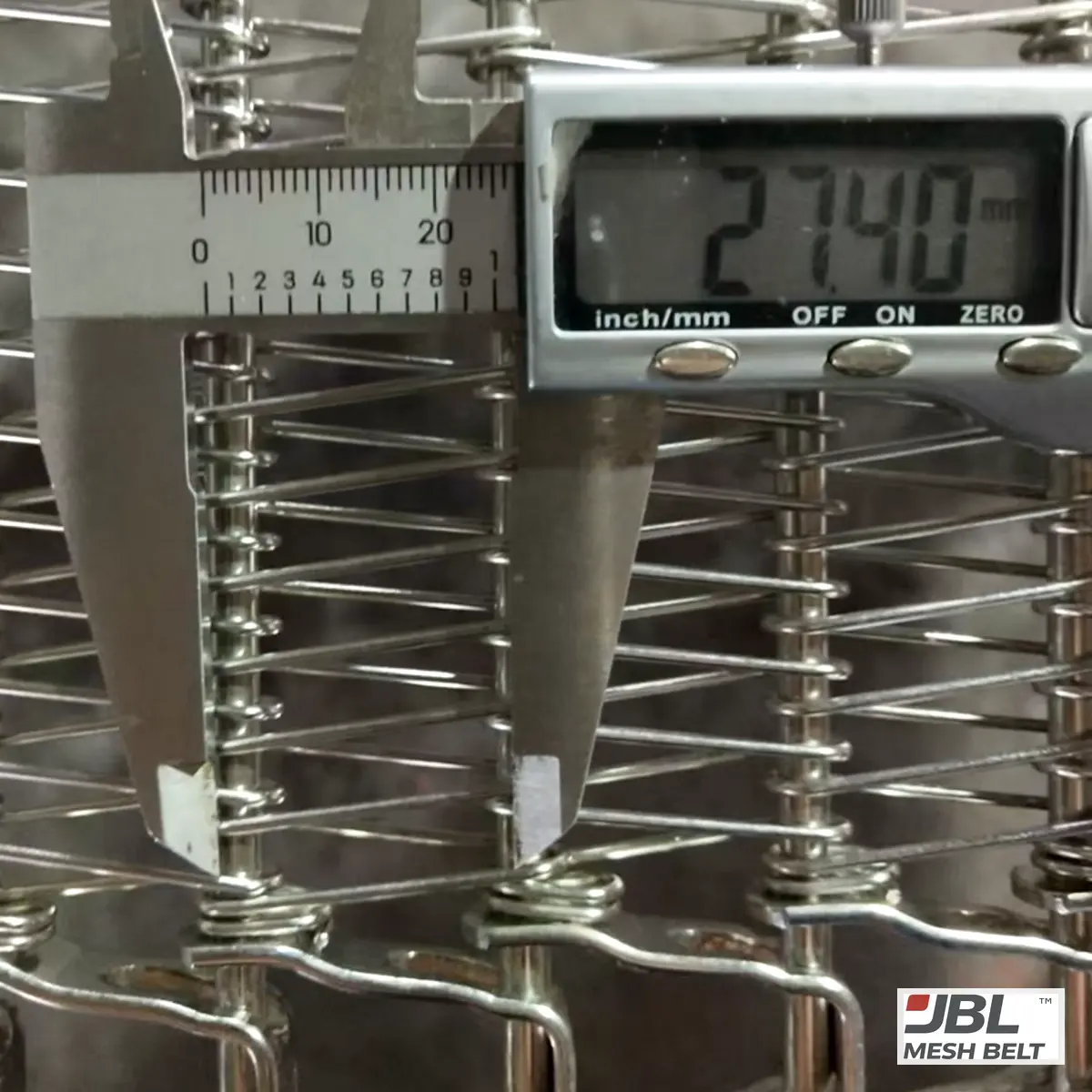
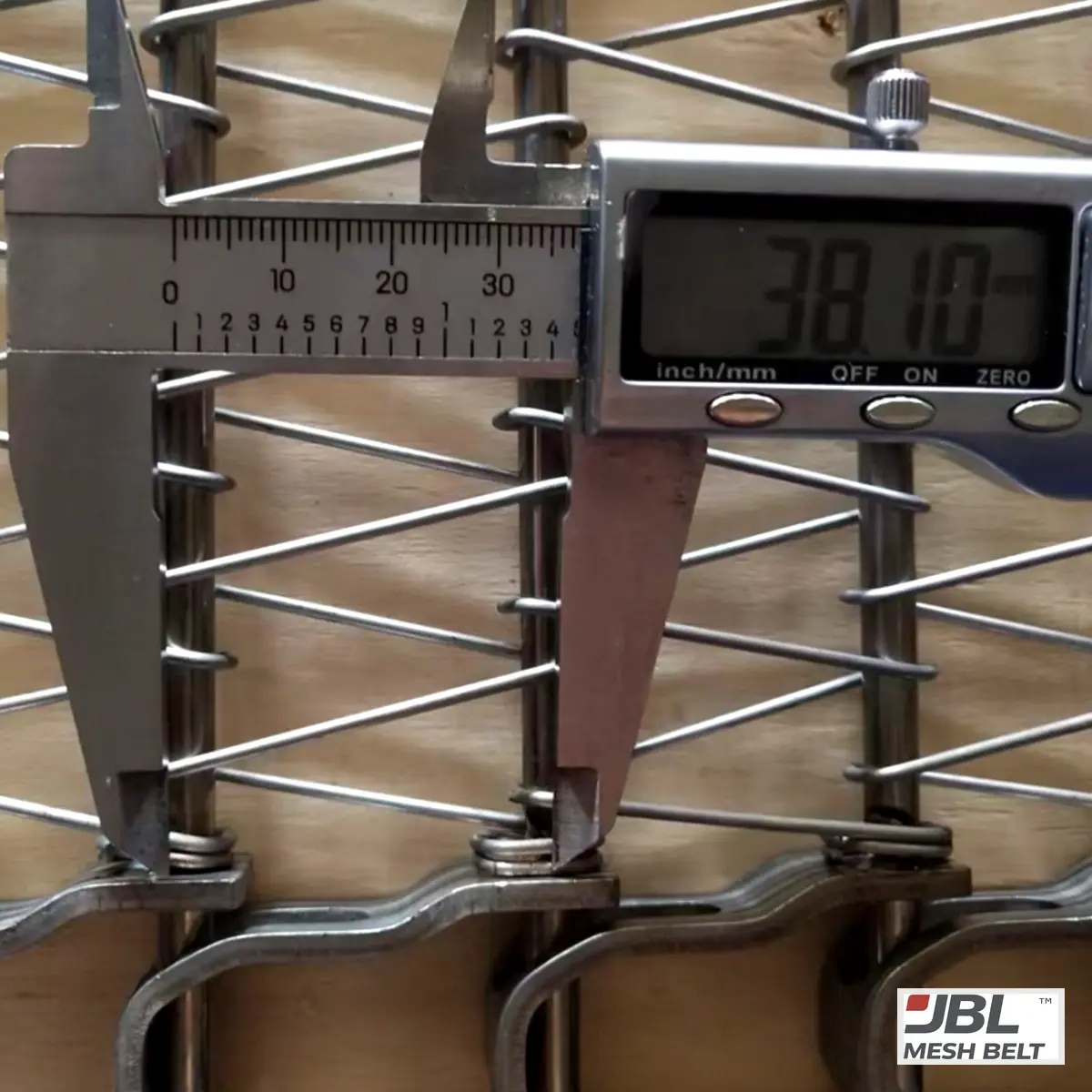
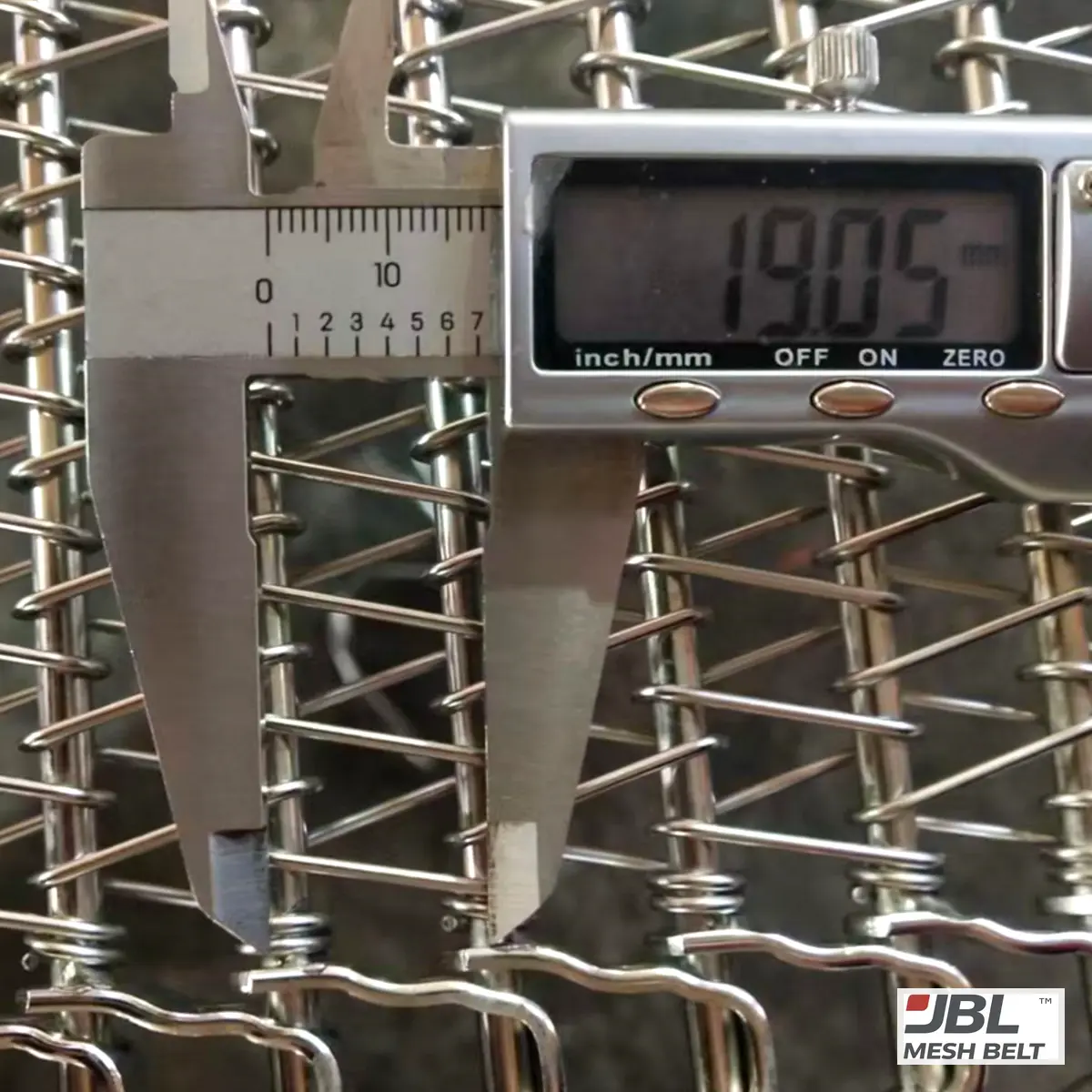
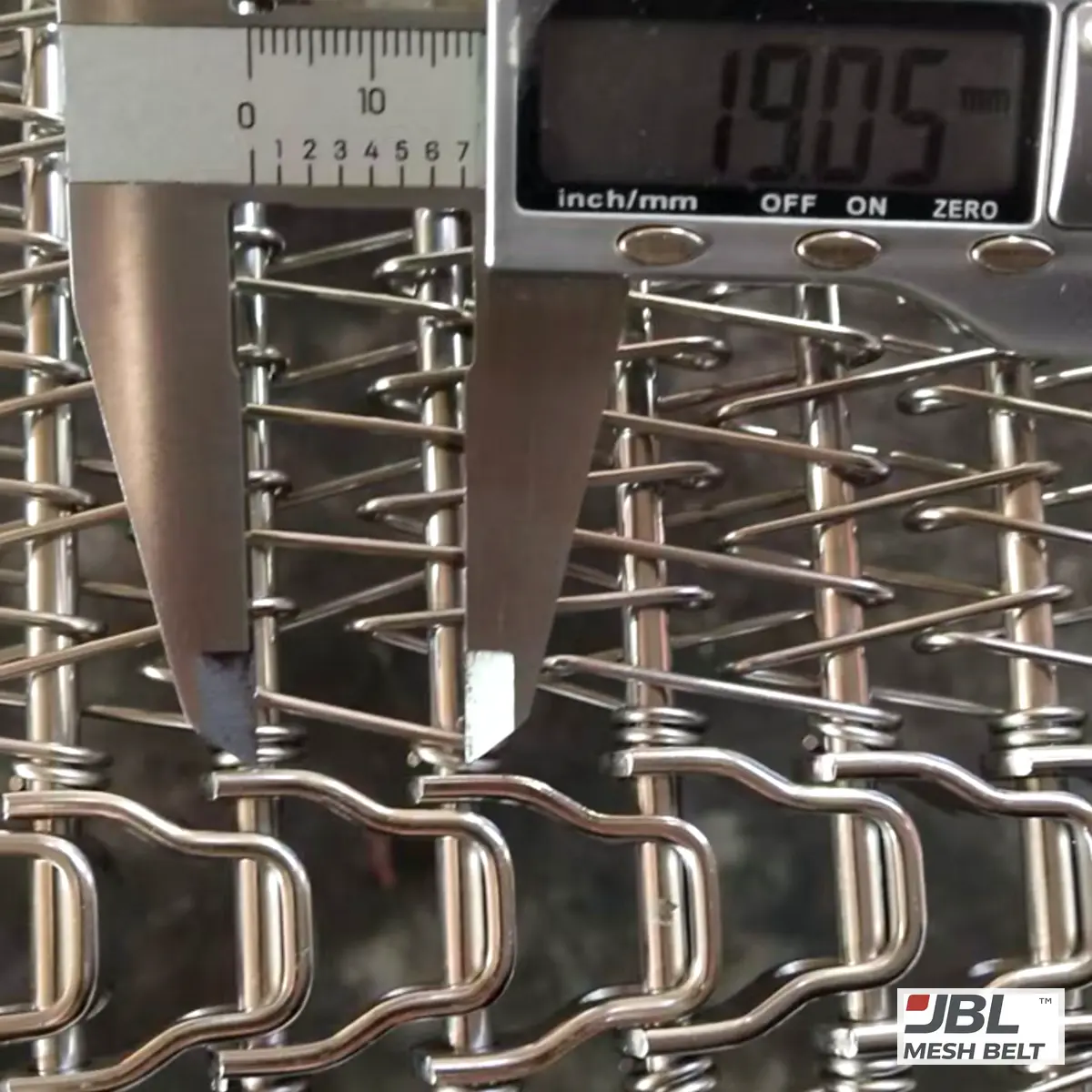
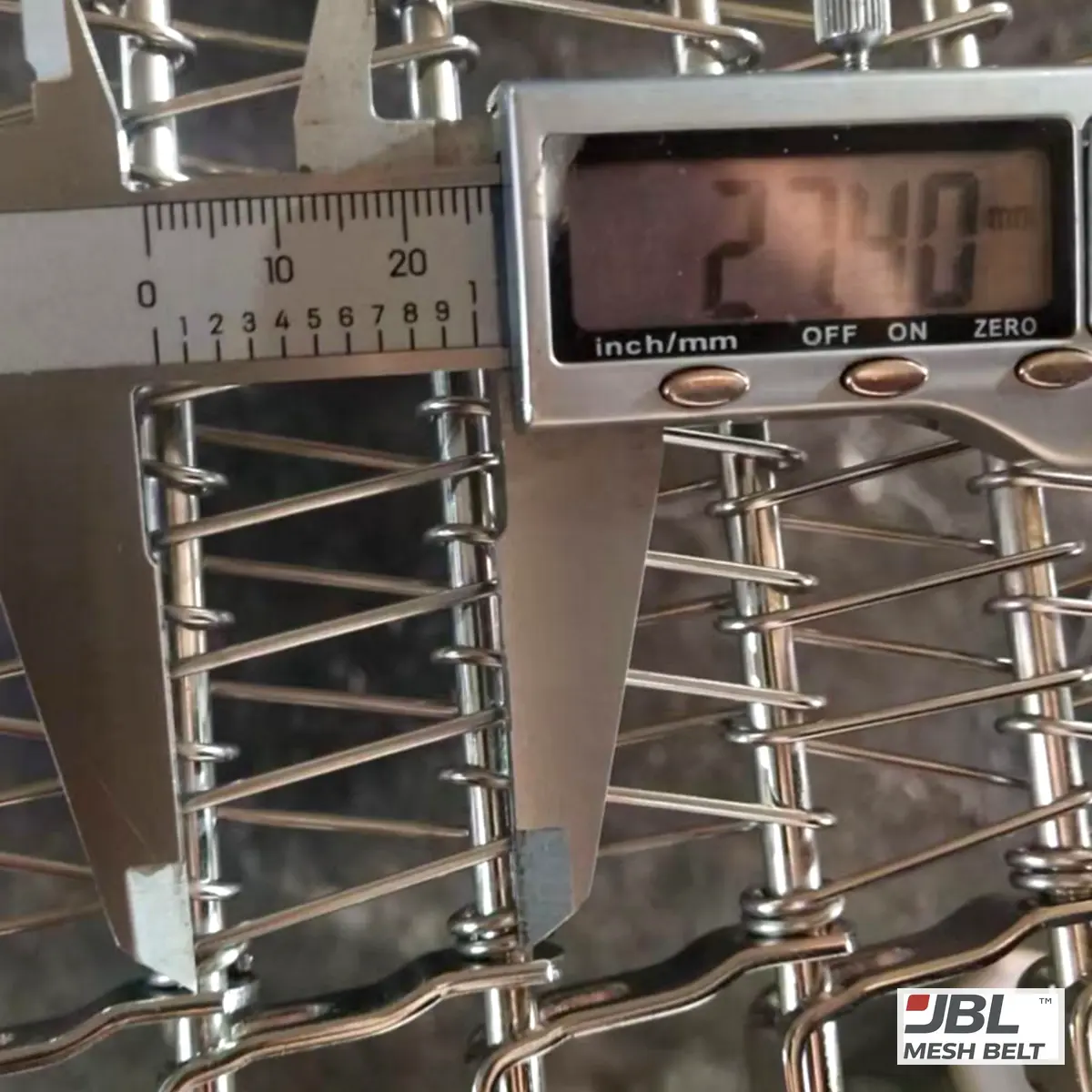
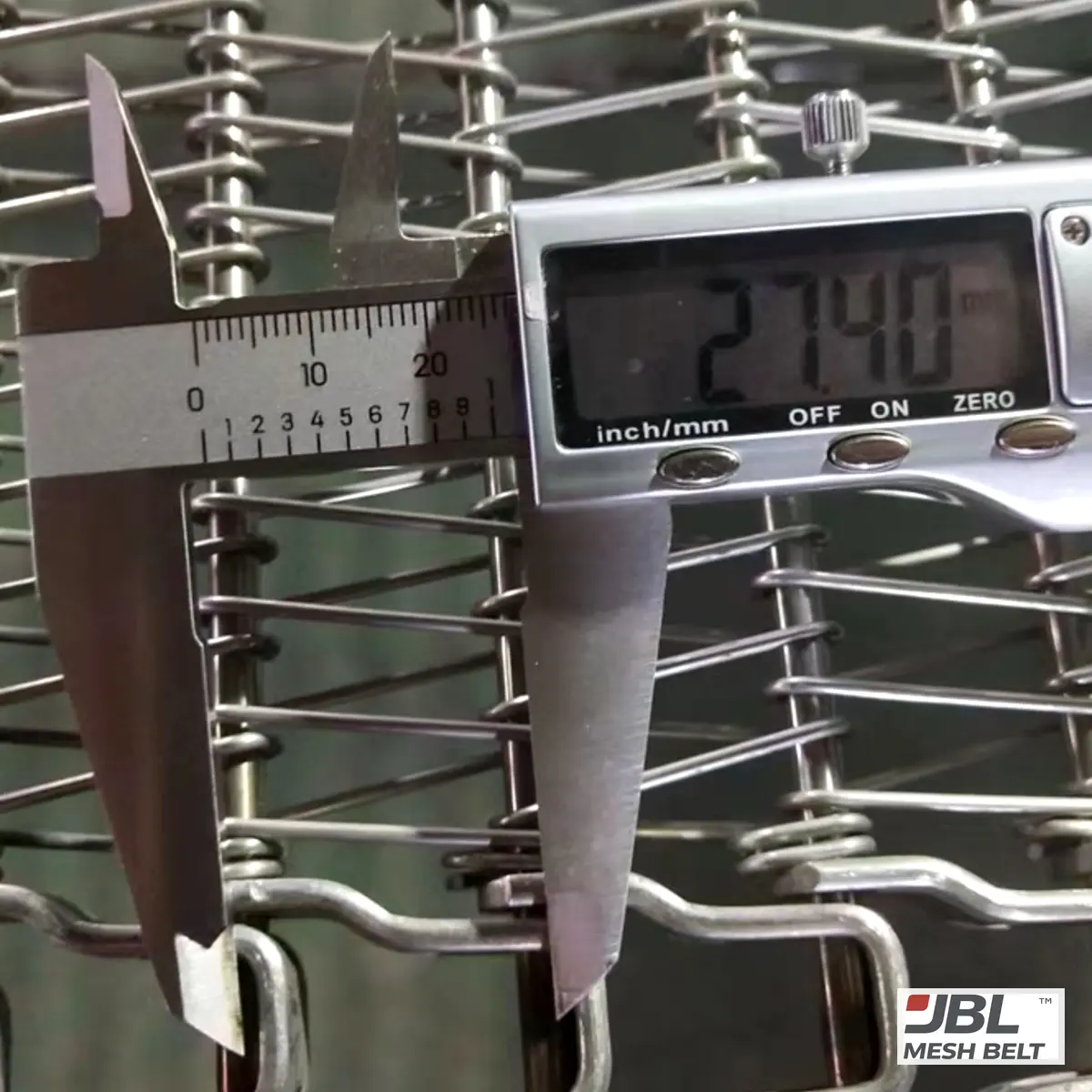
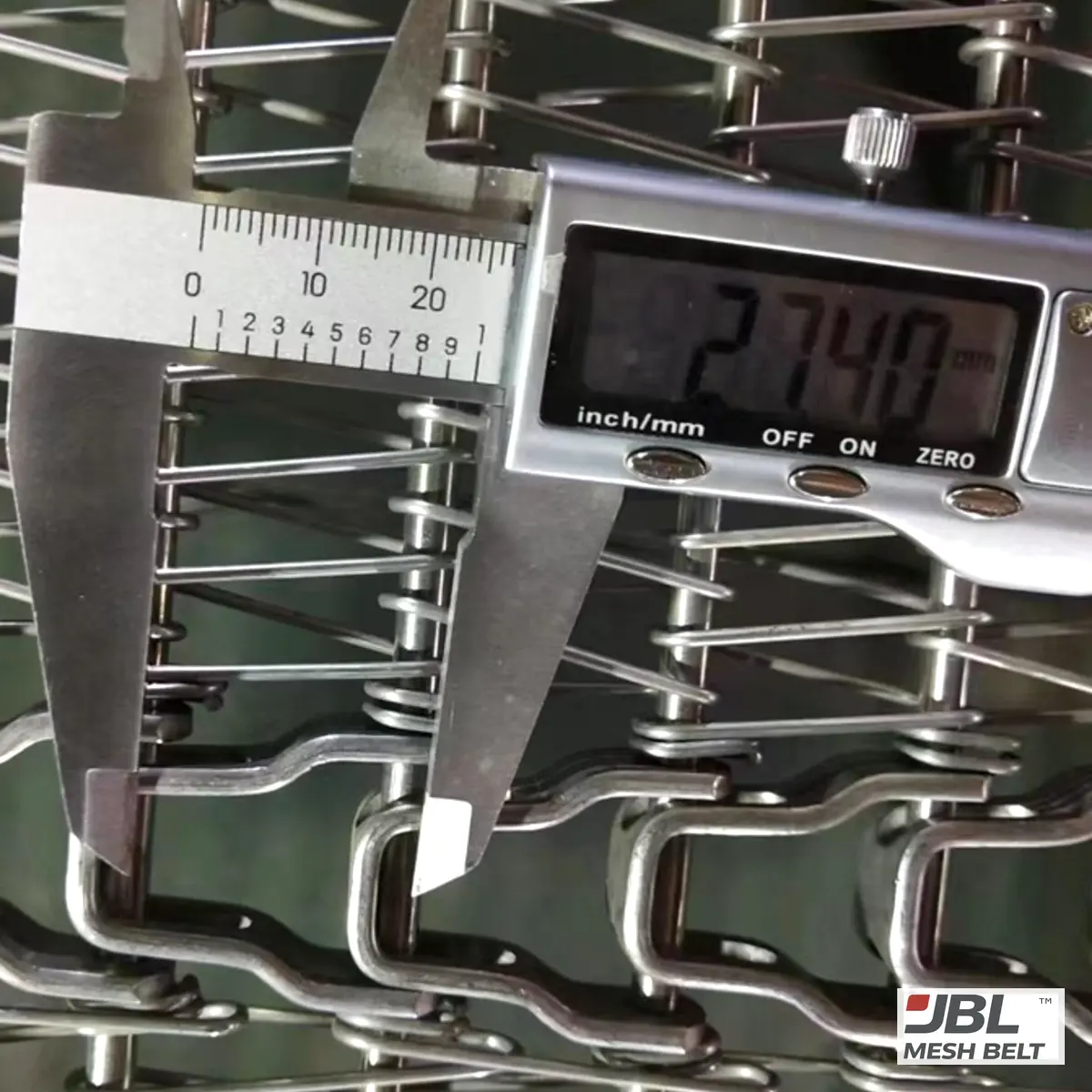
When the freezer layout needs a tighter turn than a standard belt allows. Small radius belts use a shorter inner and middle pitch with a longer outer pitch, for example 19.05 × 27.4 mm (0.750 × 1.079 in) or 27.4 × 38.1 mm (1.079 × 1.500 in).
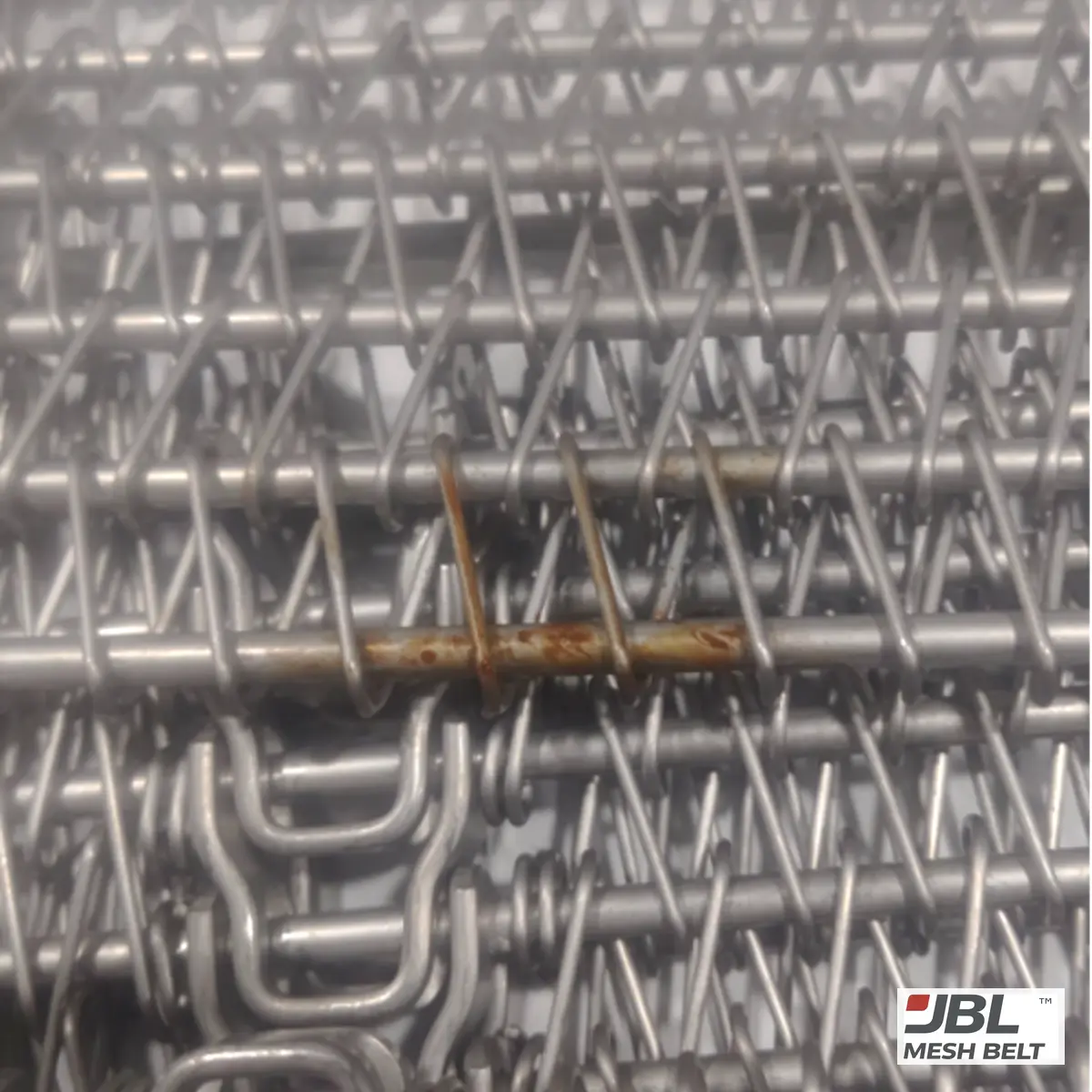
Common causes are a mismatch with the drum diameter, turn ratio, direction or sprockets, edge wear, and pitch elongation over time. The first step is to separate belt problems from system problems using photos, measurements and a short running video.
SUS304 suits most freezing and cooling lines. SUS316 is considered where salt, brine, cleaning chemicals or corrosion are a concern, for example in seafood processing. The material is confirmed per project.
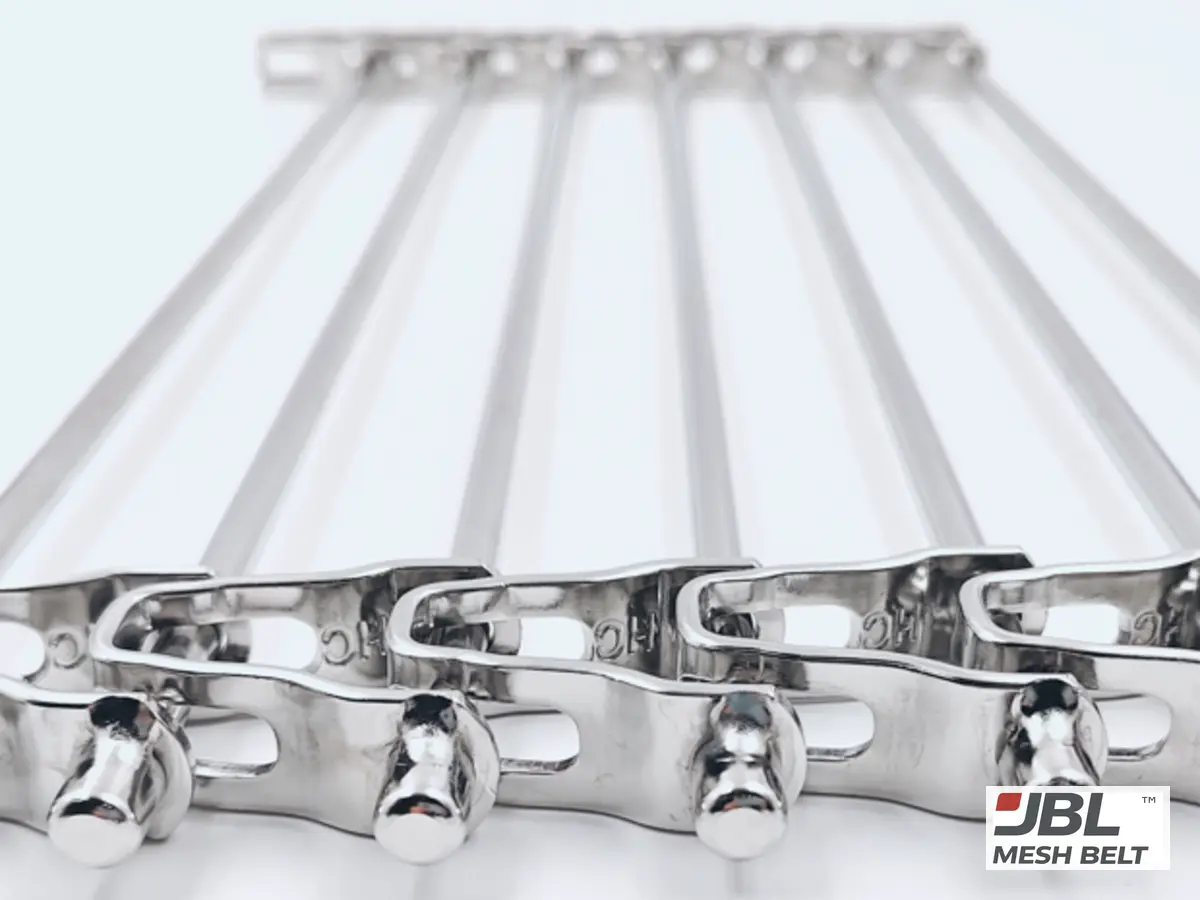
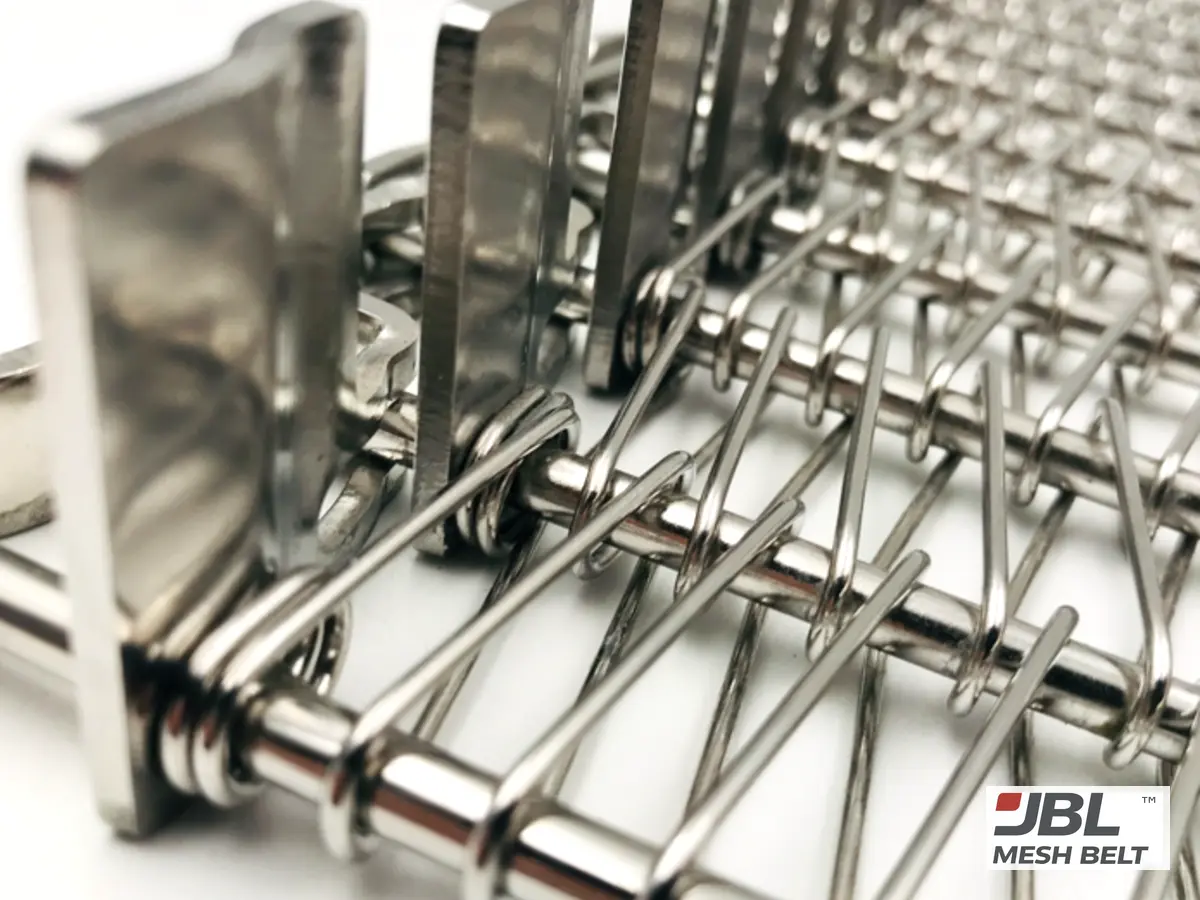
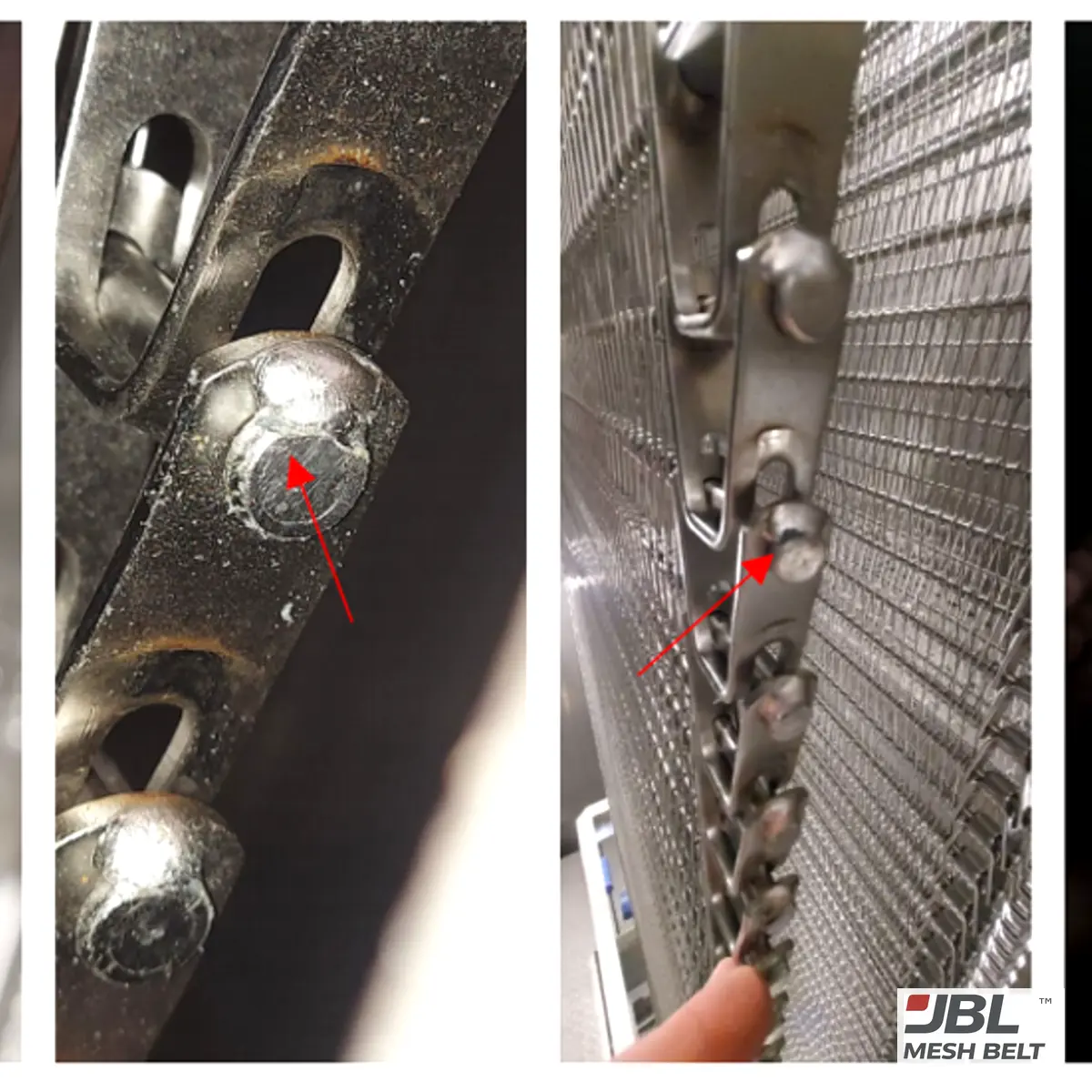
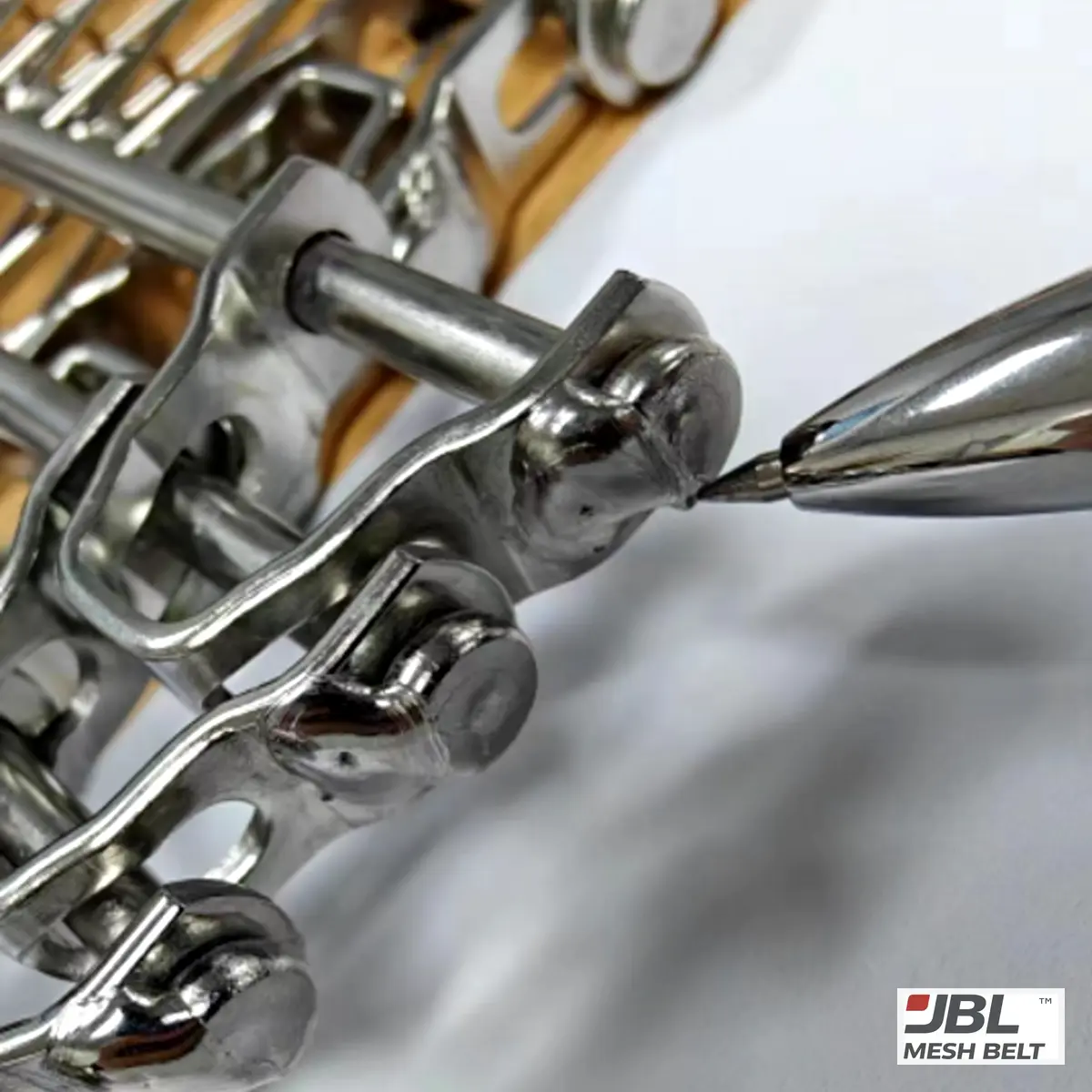
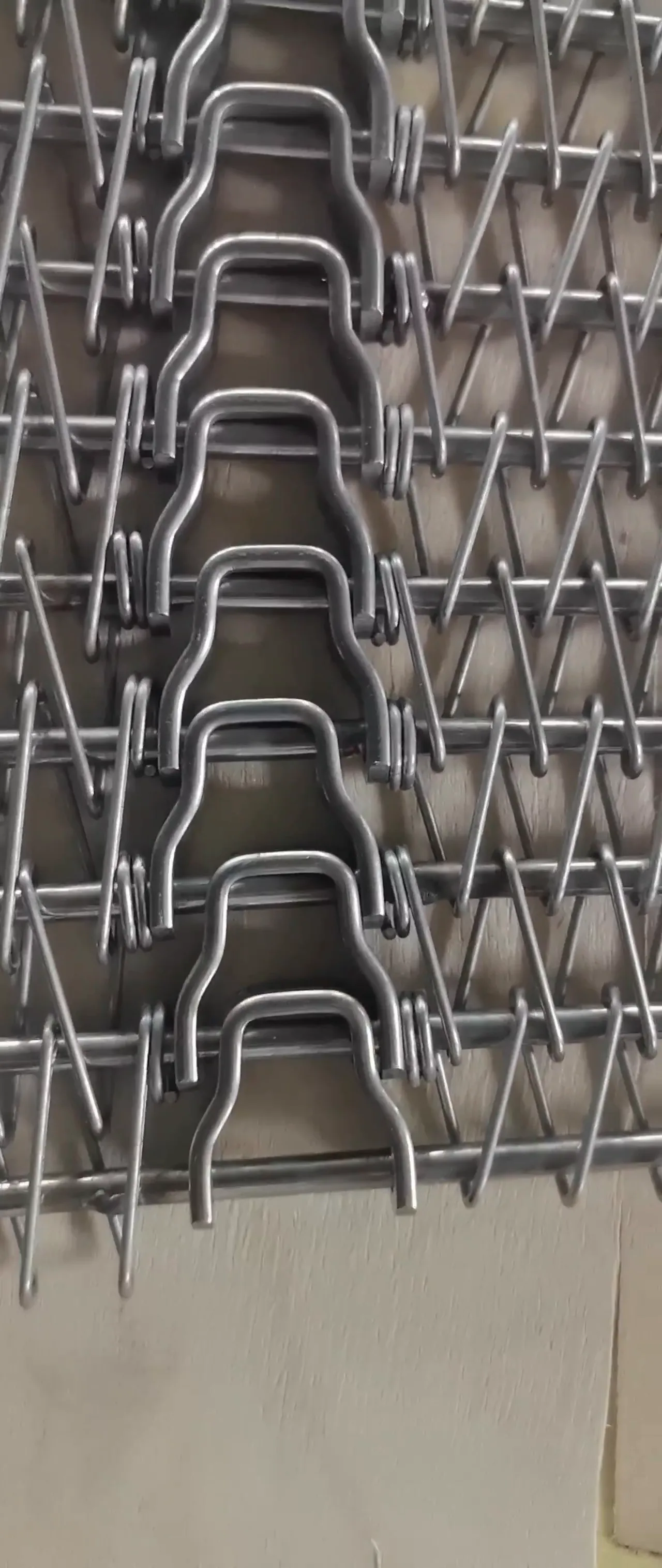
Button welded, flat-hat welded, rod welded, button cap welded or clinched. The edge has to match how the belt contacts your drum, guides and product; matching the existing edge is the usual starting point for a replacement.
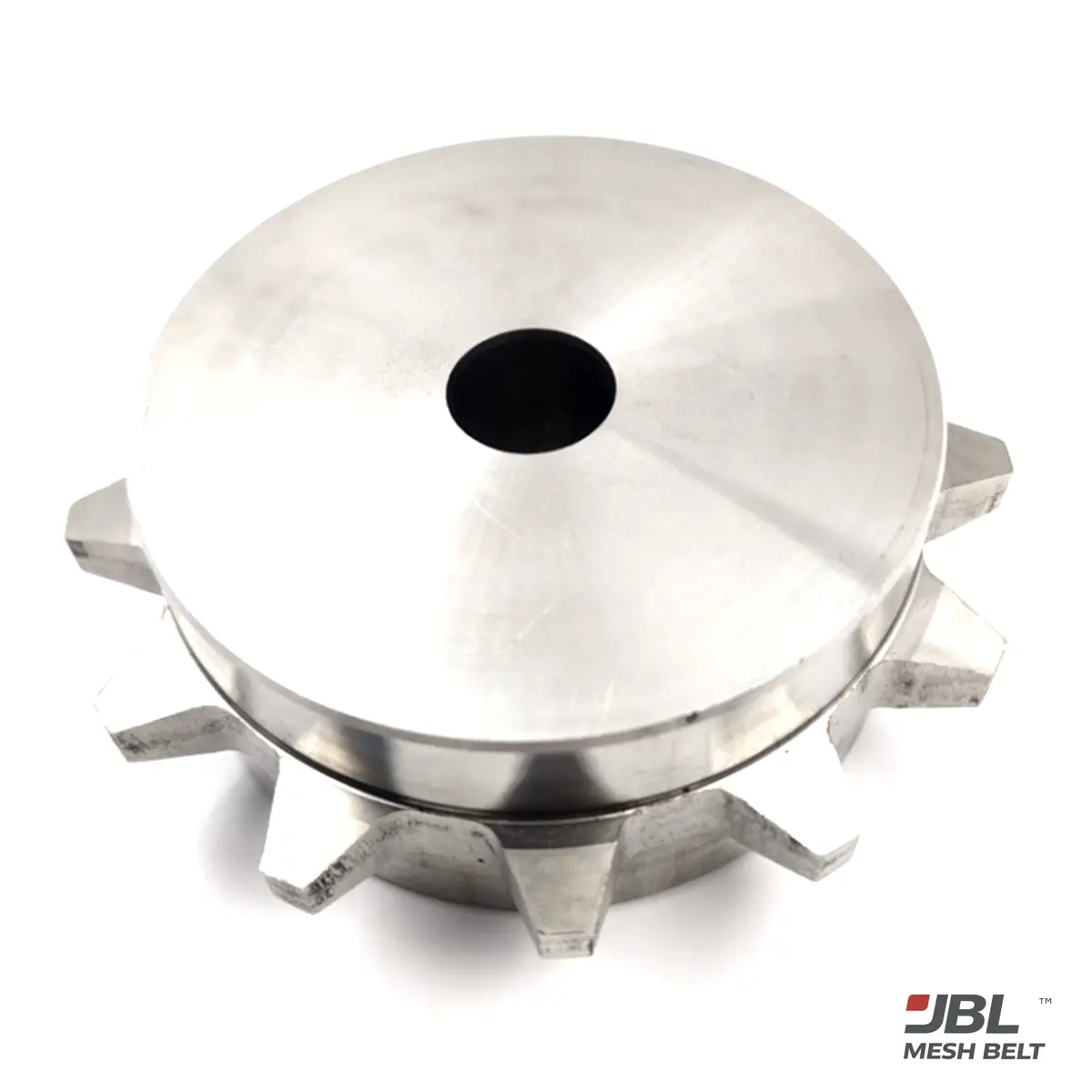
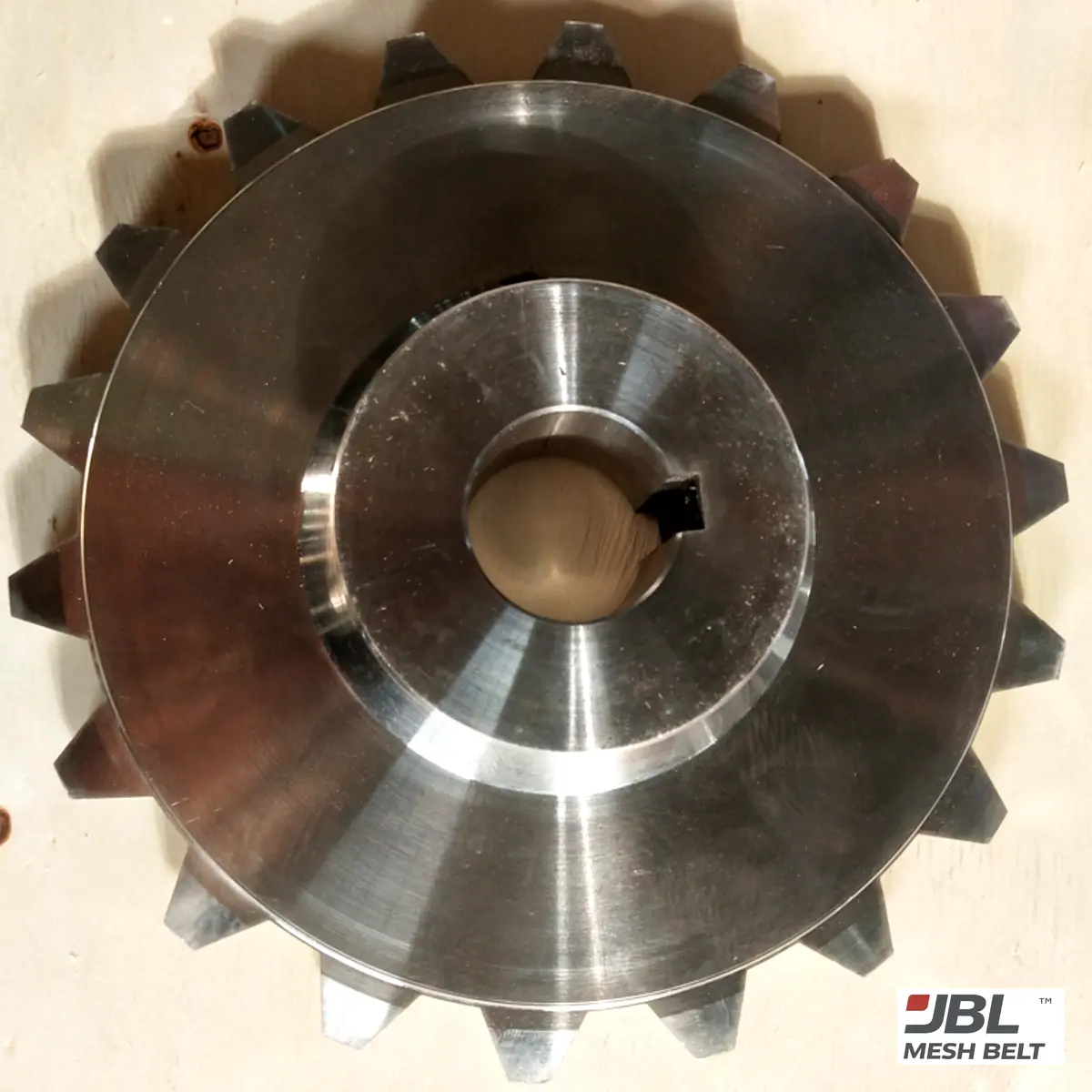
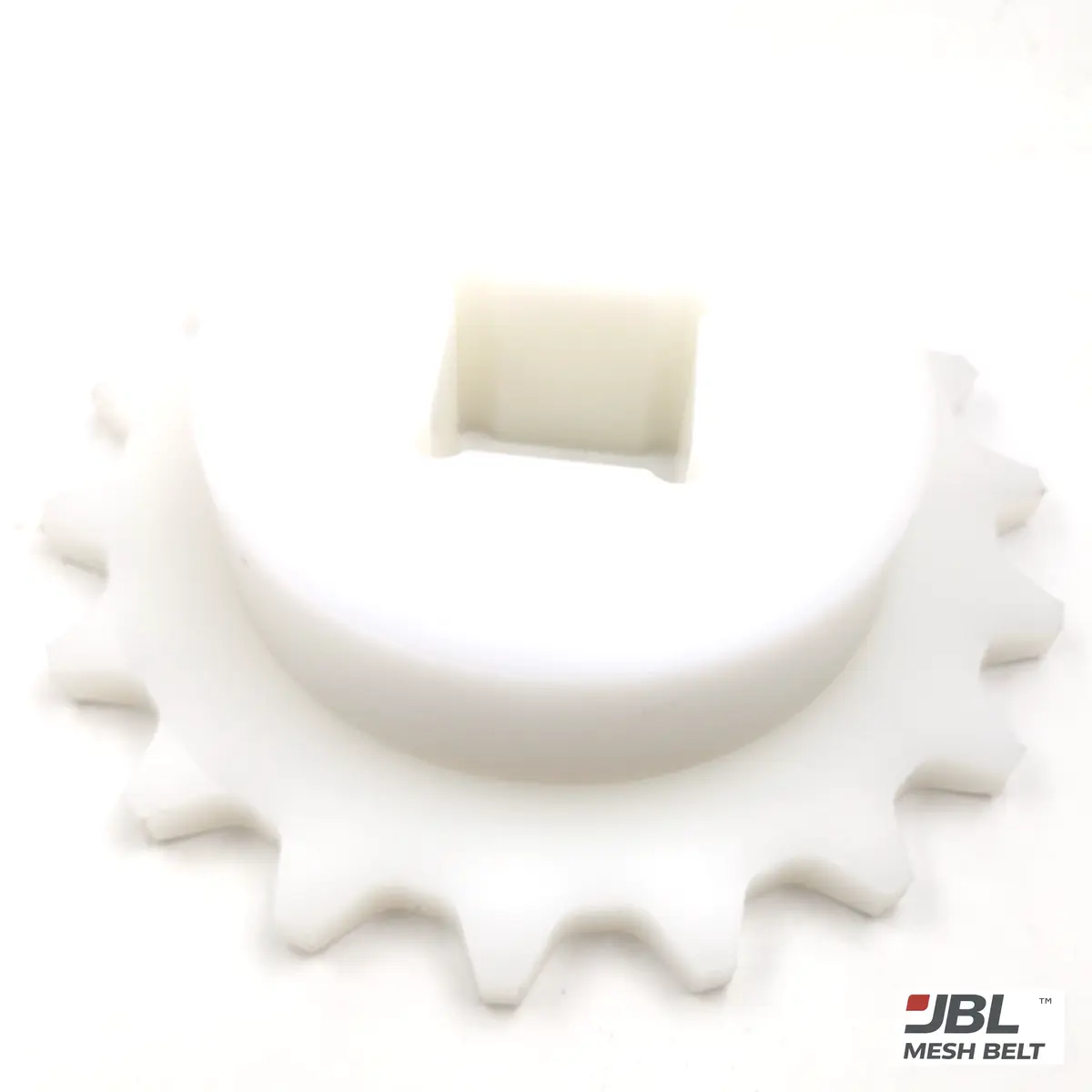
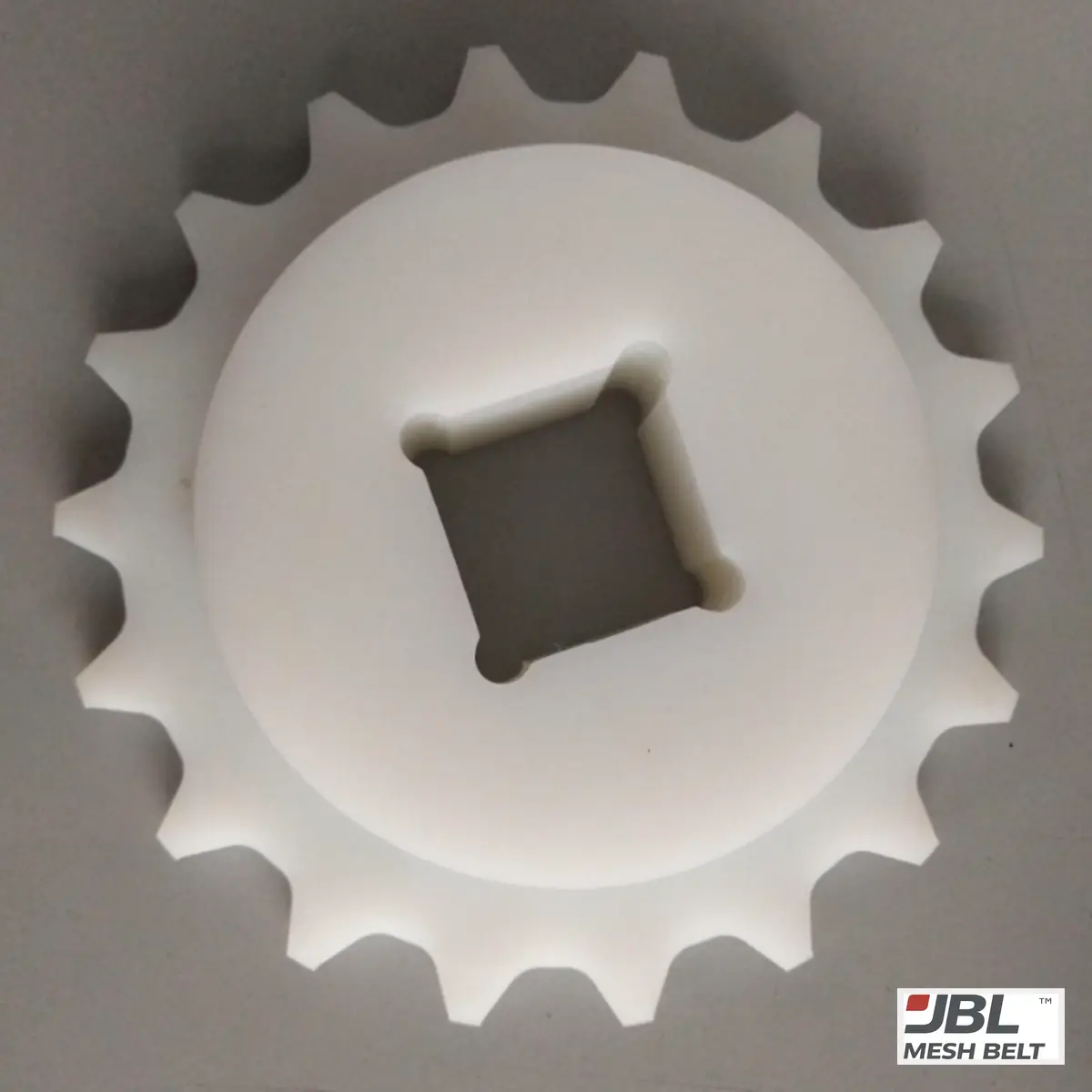
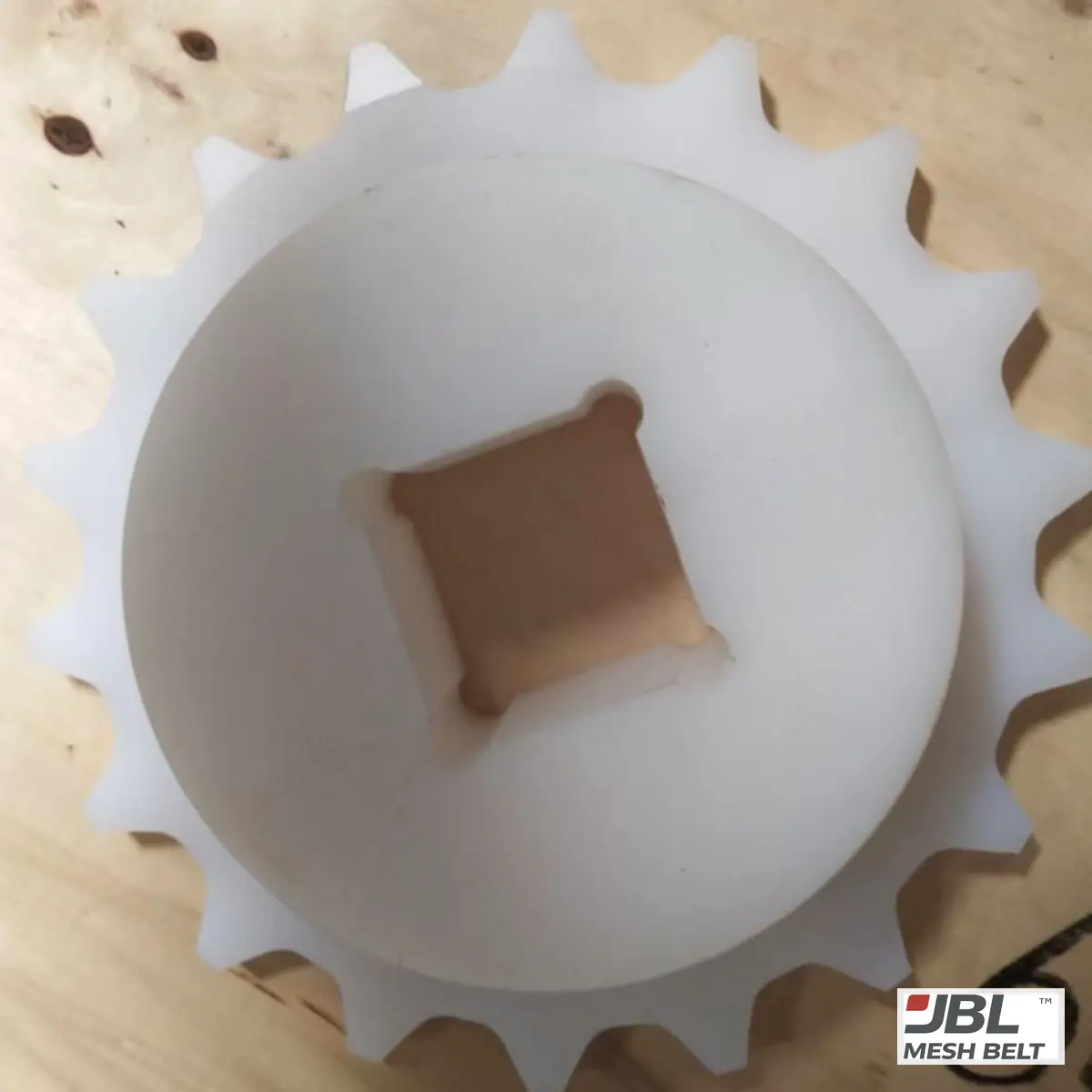
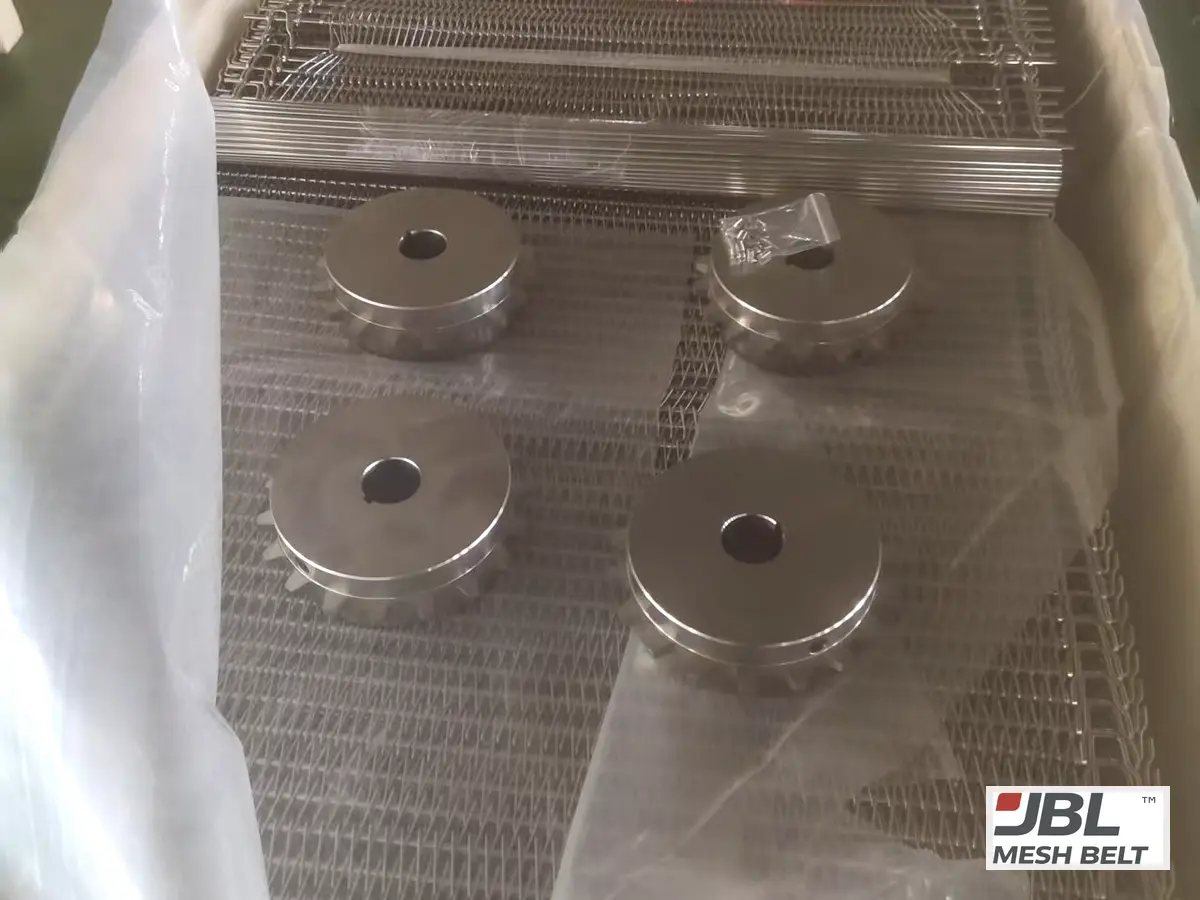
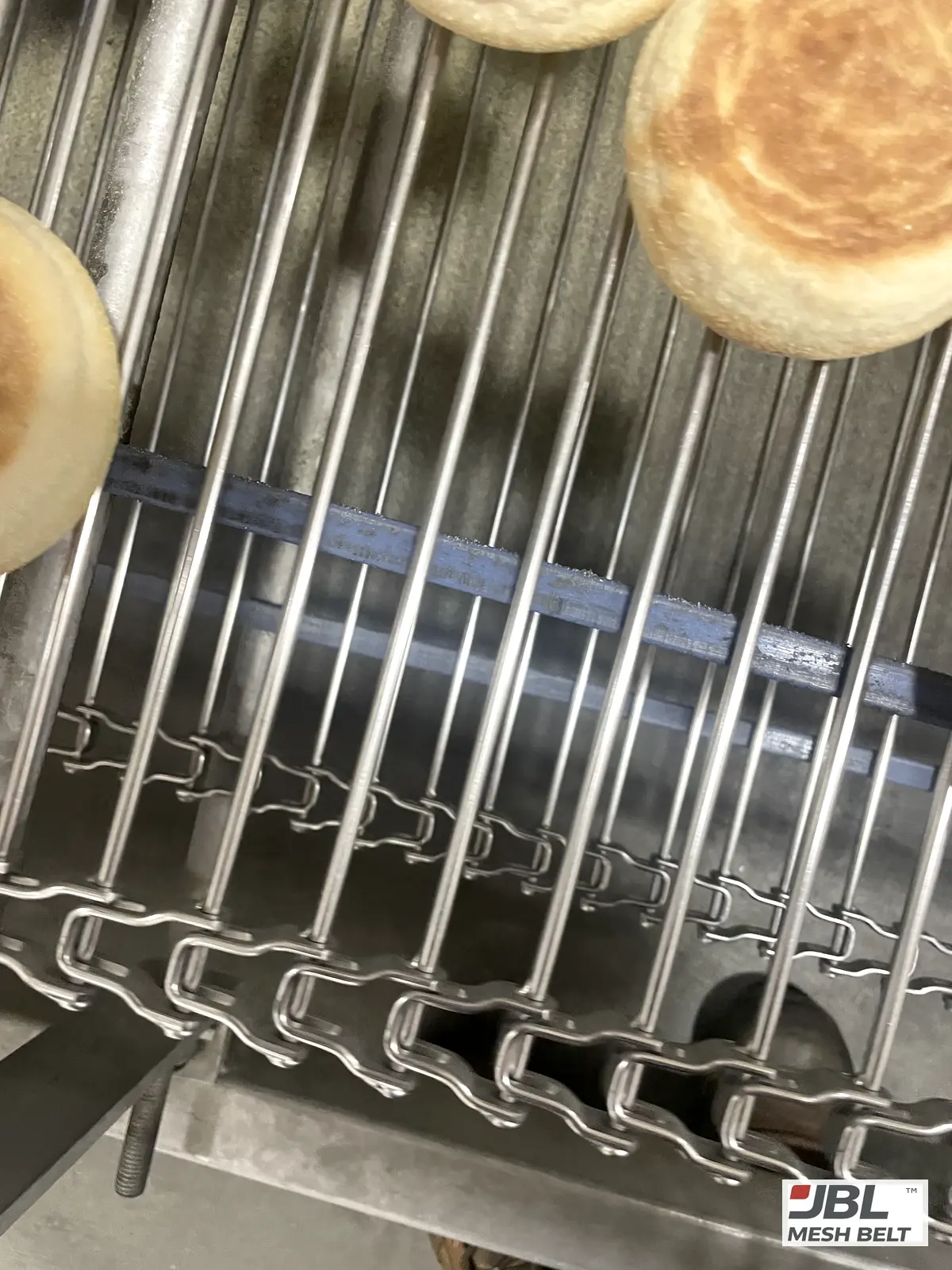
Not always. Your existing sprockets are checked first for wear, tooth count and bore. If they need replacing, stainless steel or plastic sprockets are supplied with the belt, confirmed against the drawing and checked with the belt before packing.
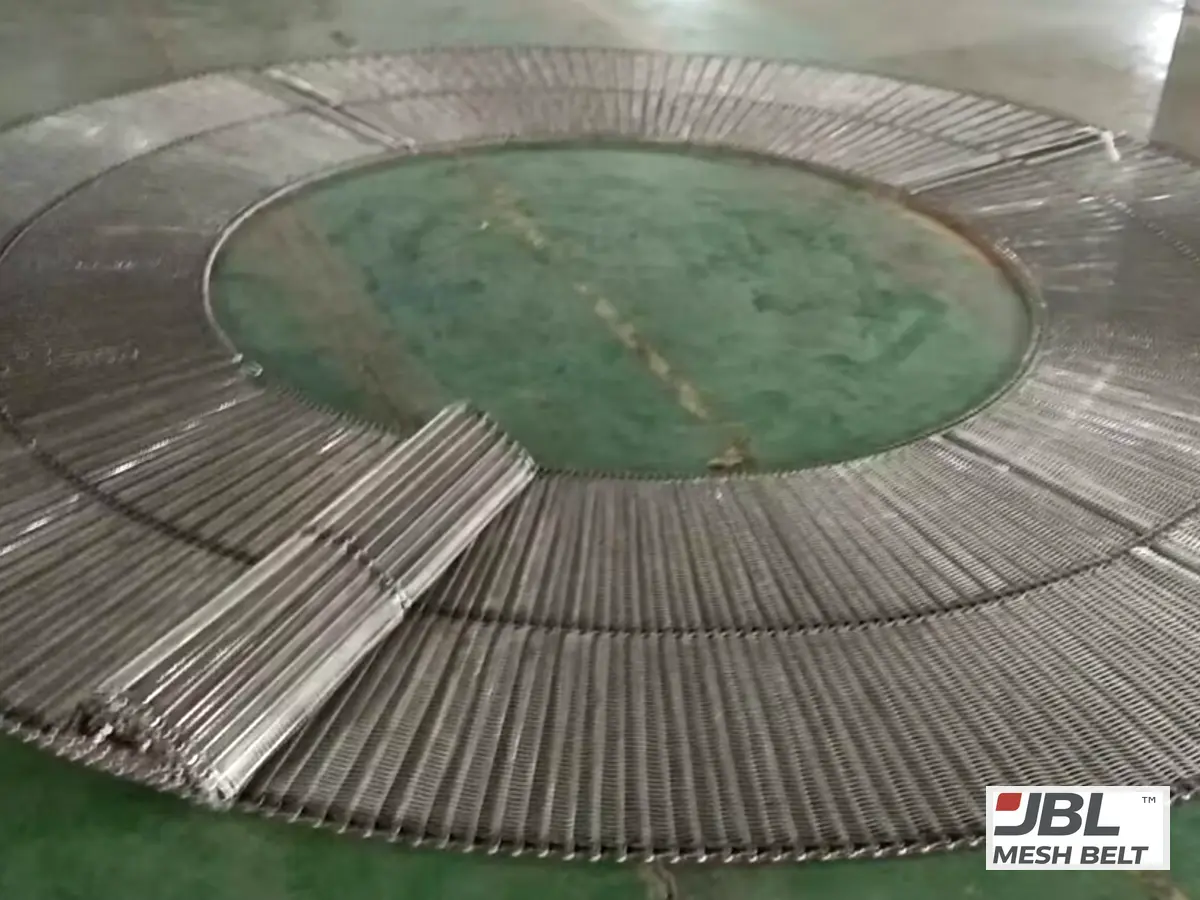
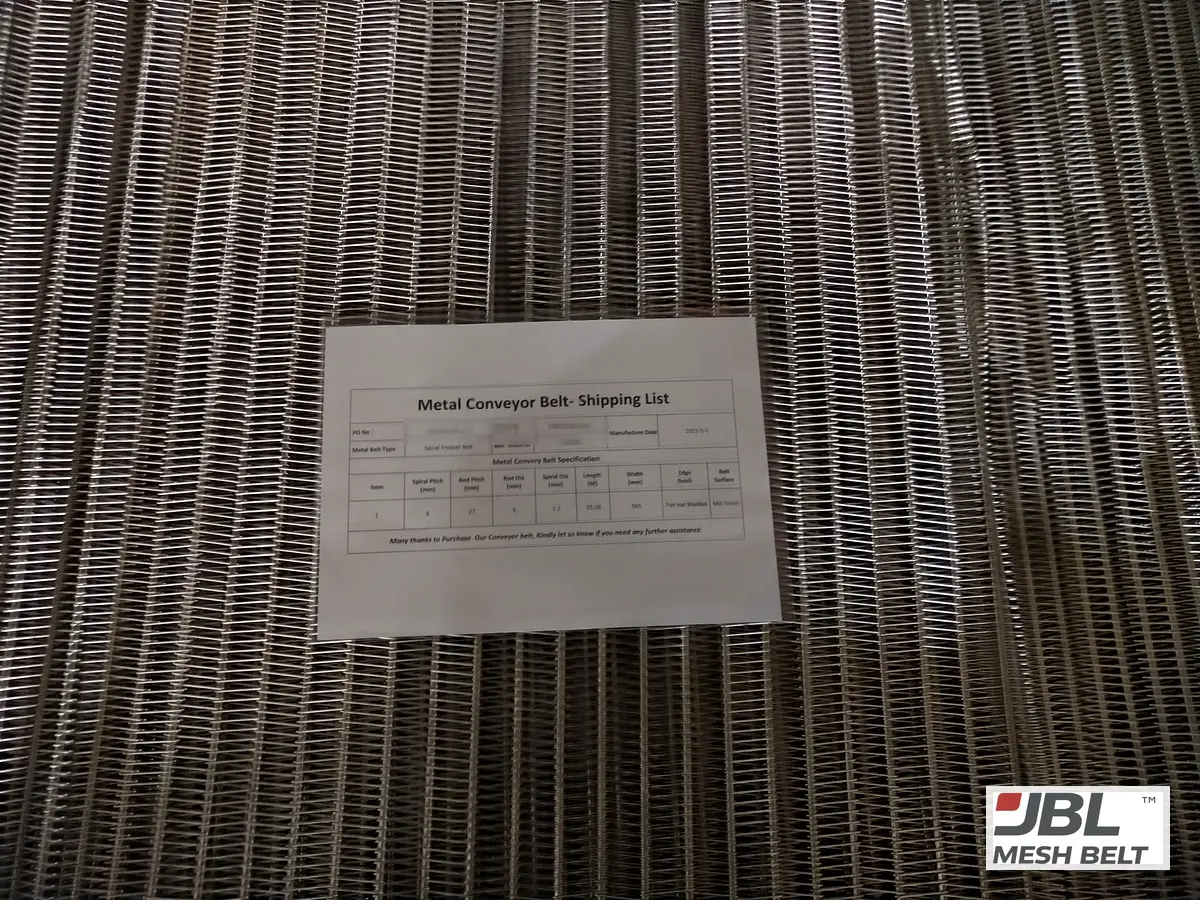
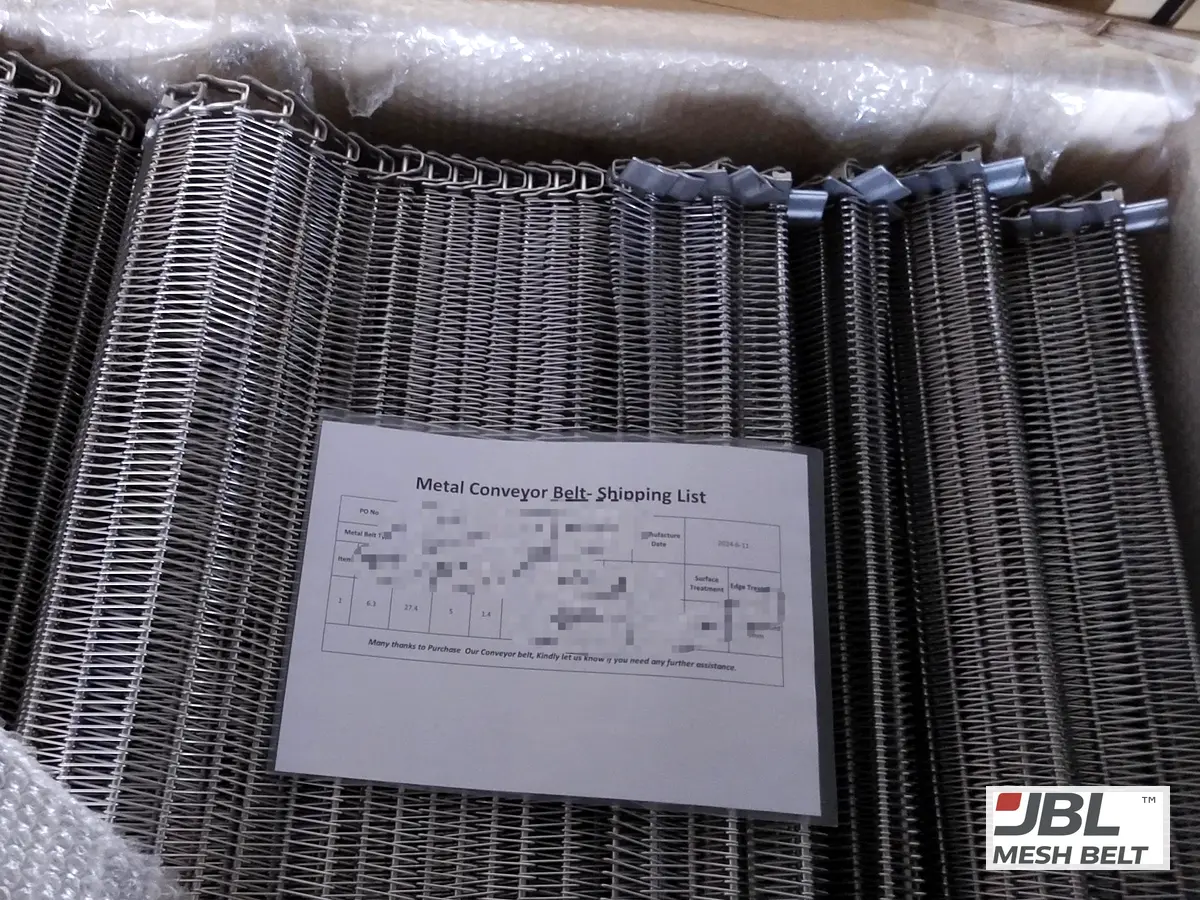
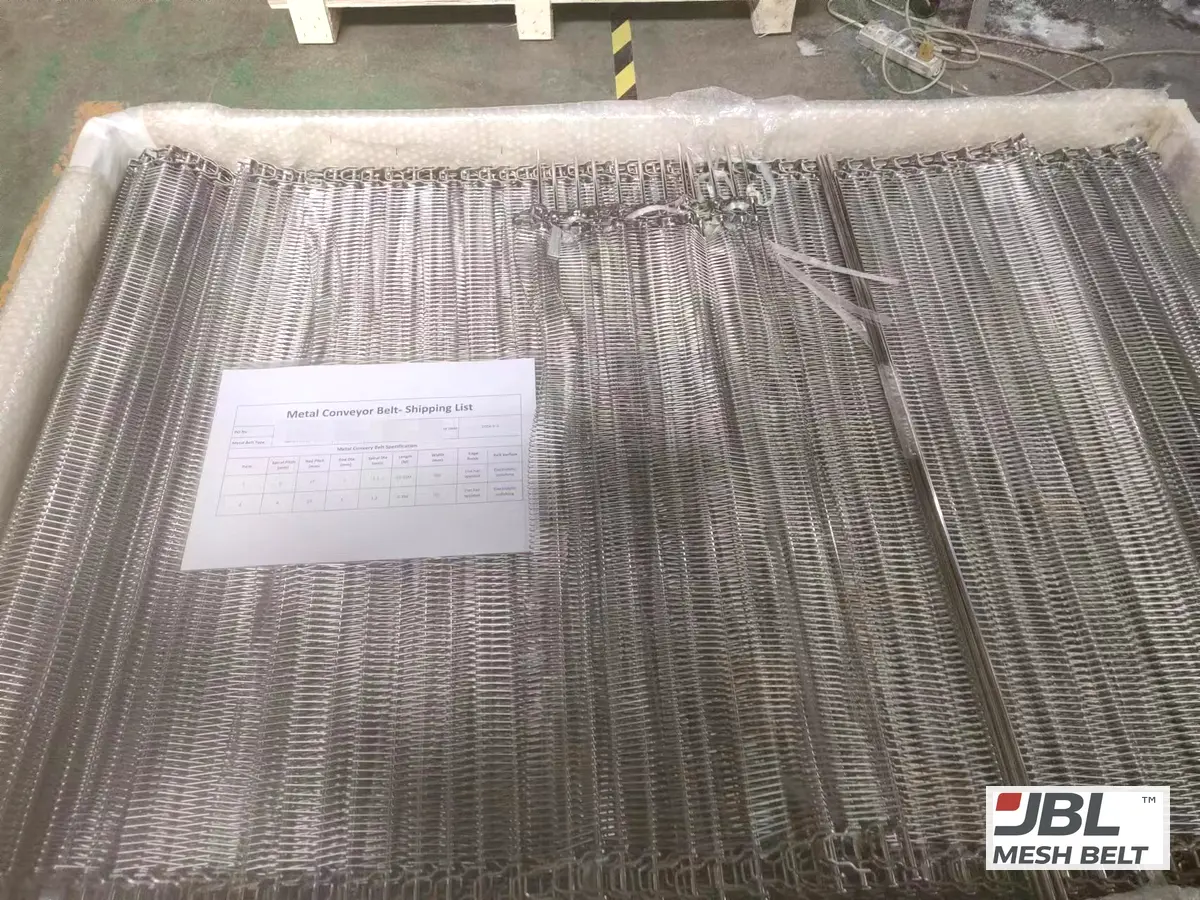
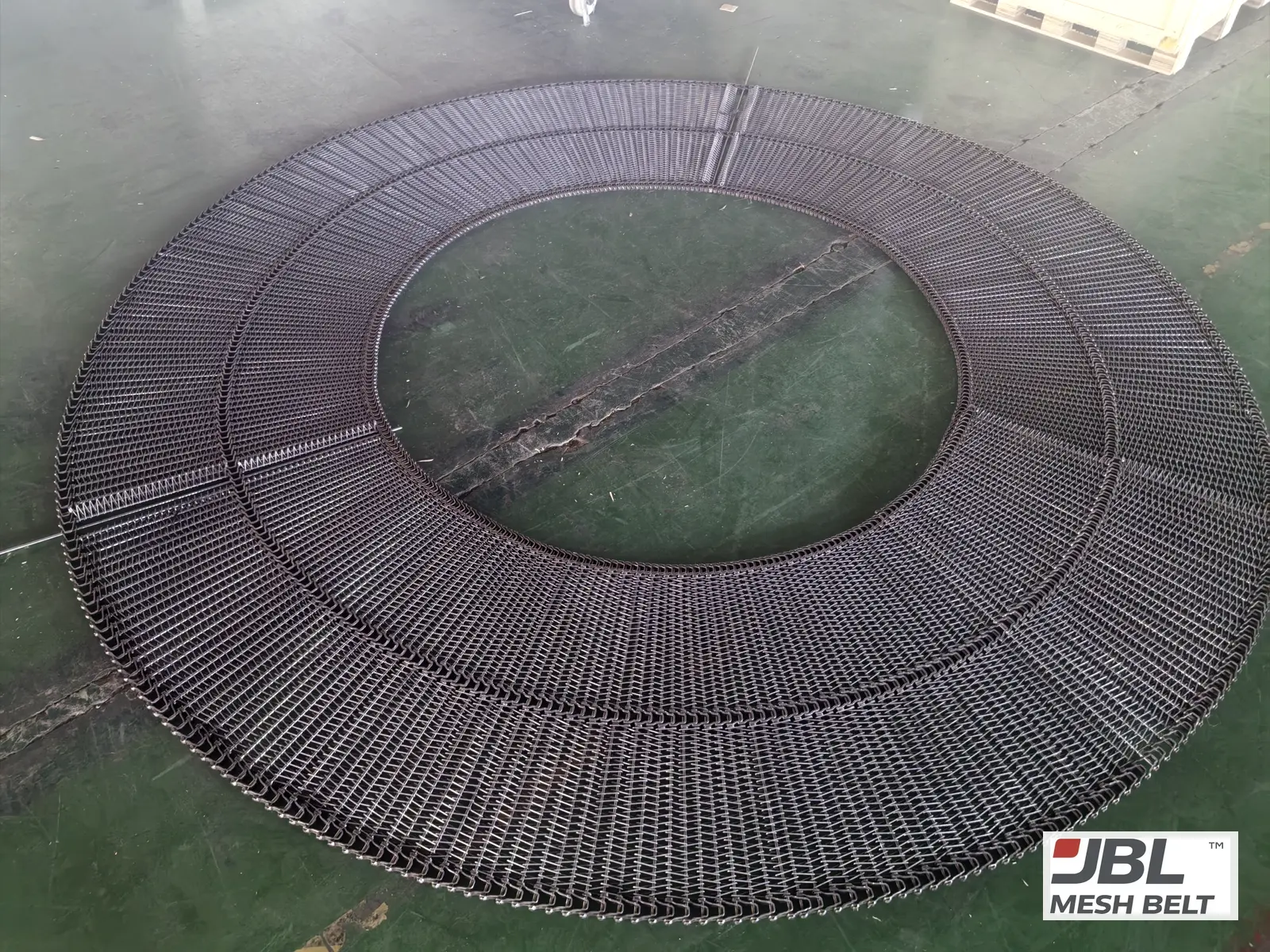
Dimensions are measured against the confirmed drawing, the belt is turned on a test drum matched to your drum diameter and turn ratio, edge welds and burrs are reviewed, and inspection photos and video are shared with you before the crate is closed.
Lay a short section flat and send a top view, both edges close up, the rod ends and the underside, plus caliper readings of rod pitch over ten pitches, spiral pitch, wire and rod diameter. A photo of the freezer nameplate or drum helps. Measurements in mm or inches are both fine.
An engineer identifies the belt and checks it against your drum diameter, turn ratio, direction and sprockets. You get a reply with what fits, what is still missing and the next step. A drawing follows for your confirmation, and a sample or trial length where the project needs it.
They depend on the belt and the project, and are confirmed in writing in the quotation.