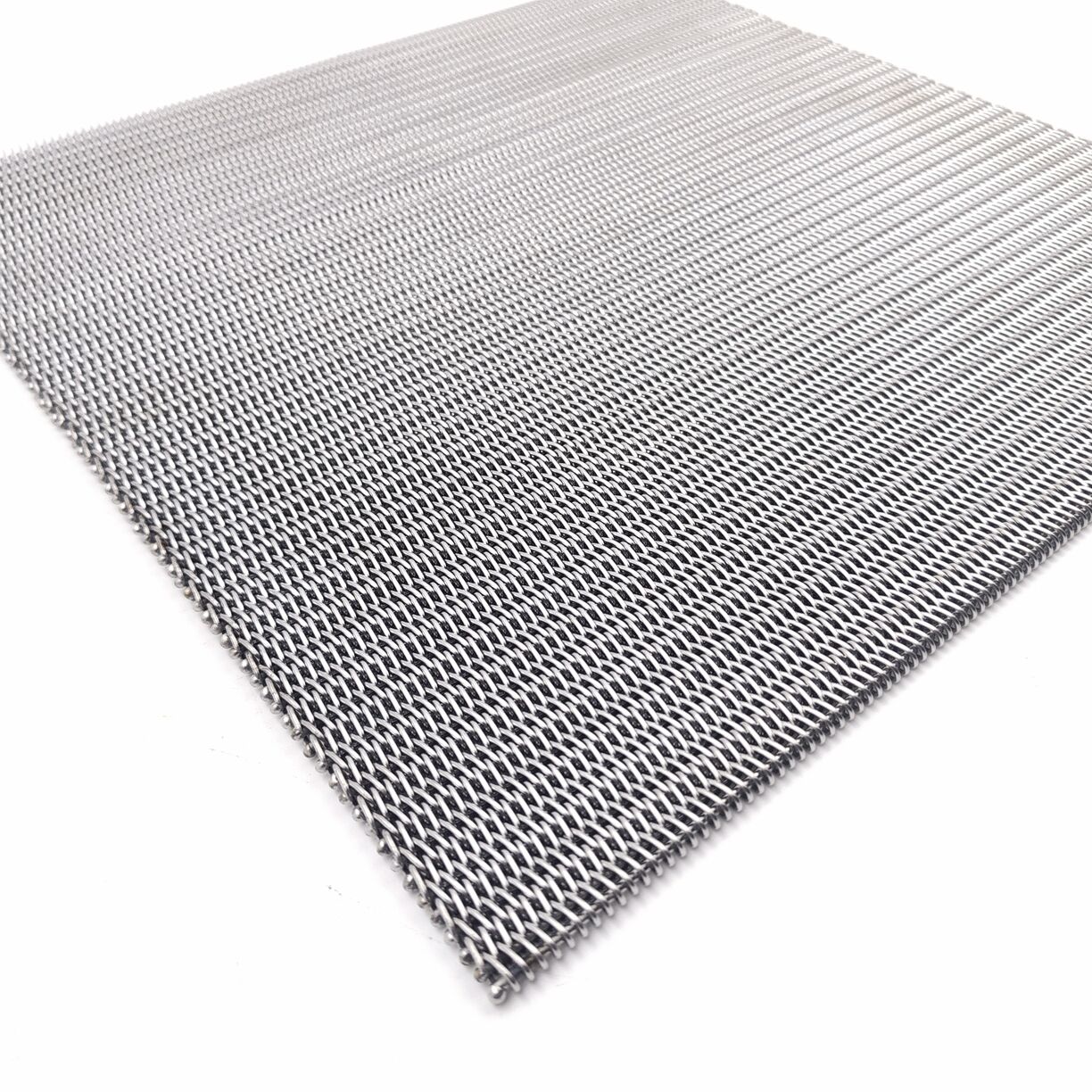
Structure reference
Woven Structure Reference
Woven-belt structure photos are used as a reference; the compound structure is confirmed from your sample or drawing.
Compound Weave Belt is designed for applications requiring specialized woven structures, stable product support and reliable continuous conveying. Belt selection is based on equipment design, product characteristics and operating conditions rather than structure alone.
Used for dense-support food and industrial conveying, small-product support, OEM and replacement projects.
This page is structured as a review route. Final product selection should be confirmed by drawing, sample, old belt evidence, or installed-line conditions.
These images are selected as product, inspection, application, or packing references. They increase trust without exposing customer names, shipping labels, or private project information.
Woven-belt structure photos are used as a reference; the compound structure is confirmed from your sample or drawing.
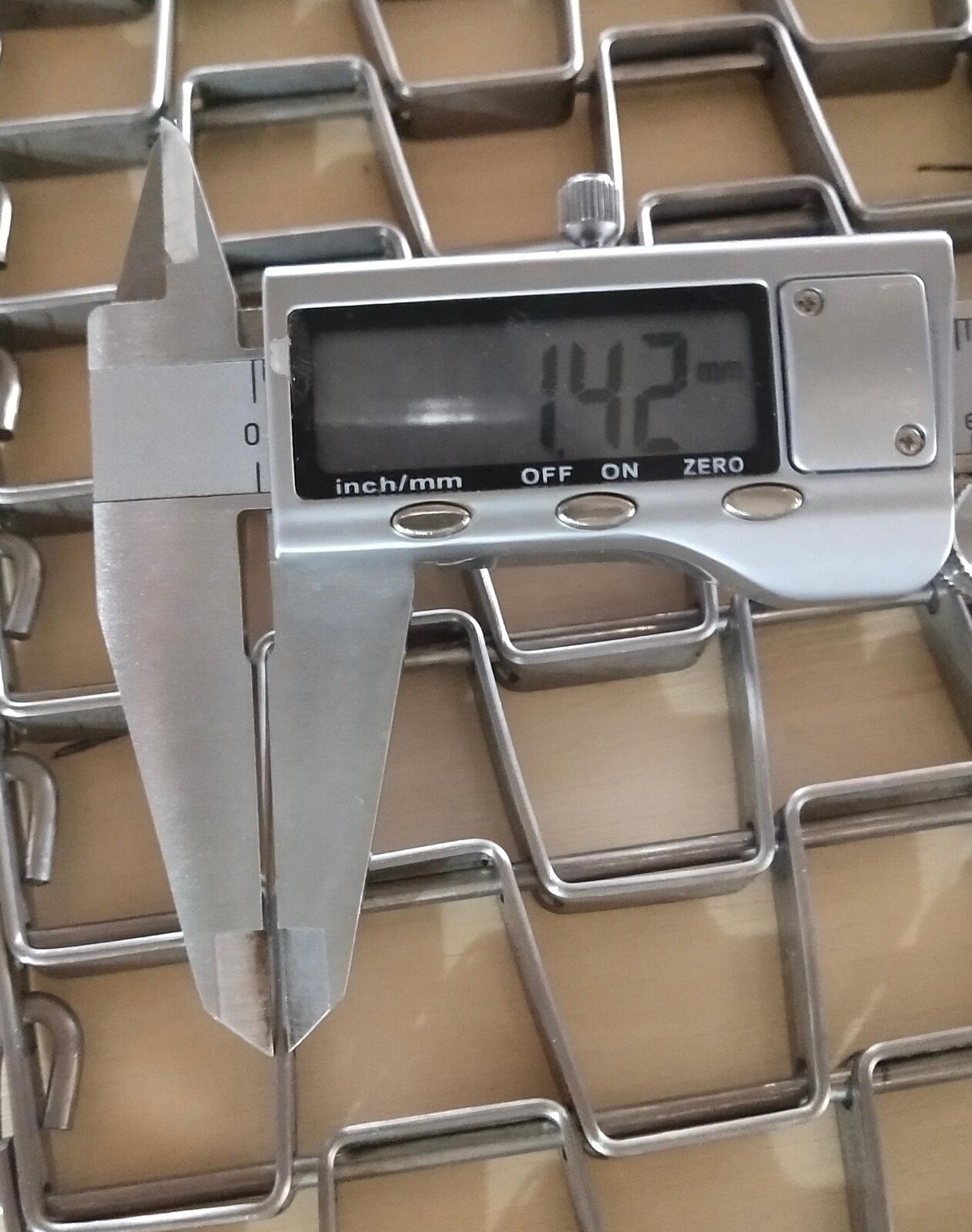
Measured photos help connect the product body, edge route, and final specification before release.
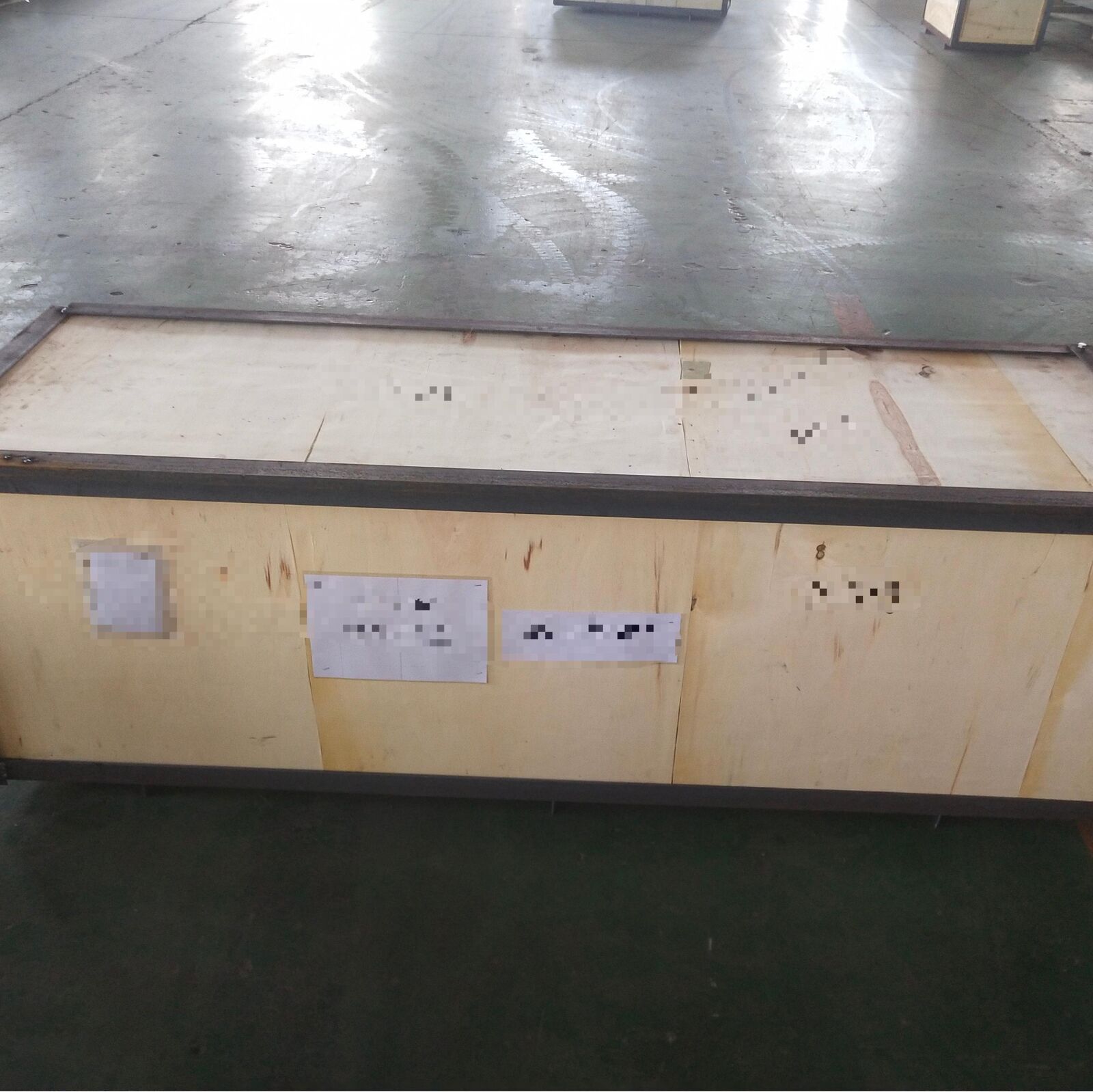
Packing photos can support release review for overseas projects, accessories, and repeat-order communication.
The page is not written as a catalog. It turns buyer uncertainty into practical review points before quotation or production.
Complete drawings are helpful, but preliminary review can start from photos, samples, measurements, and operating conditions.
Before recommendation or production release, the useful review points are product photos, measured dimensions, operating conditions, drive interface, material route, and approved reference records.
Width, usable width, pitch, rod diameter, wire diameter, side plate height, opening, and edge allowance.
Belt speed, line speed, load, temperature, cleaning method, product release, airflow, drainage, and duty cycle.
Turn ratio, drum diameter, tower path, sprocket engagement, support rails, drive side, and tracking route.
Confirmed drawing, approved sample, material record, pre-shipment inspection, packing photos, and repeat-order archive.
These records support trust during OEM, distributor, and replacement discussions without using promotional language.
Old belt, product, edge, drive, or application photos.
Width, pitch, wire, rod, edge, or part dimensions.
Material, weld, burr, running, or release checks.
Belt, parts, label, crate, and accessory evidence.
Model codes are reviewed against a sample or drawing first, because definitions differ between suppliers. The structure is confirmed before quotation.
No. They are reference specifications. Final dimensions and combinations follow the confirmed project drawing.
JBL can identify which specification details are missing before quotation or production confirmation.