Flat Wire / Honeycomb Belt · Stainless or Mild Steel

Replacing a Flat Wire Belt: What to Measure From a Sample

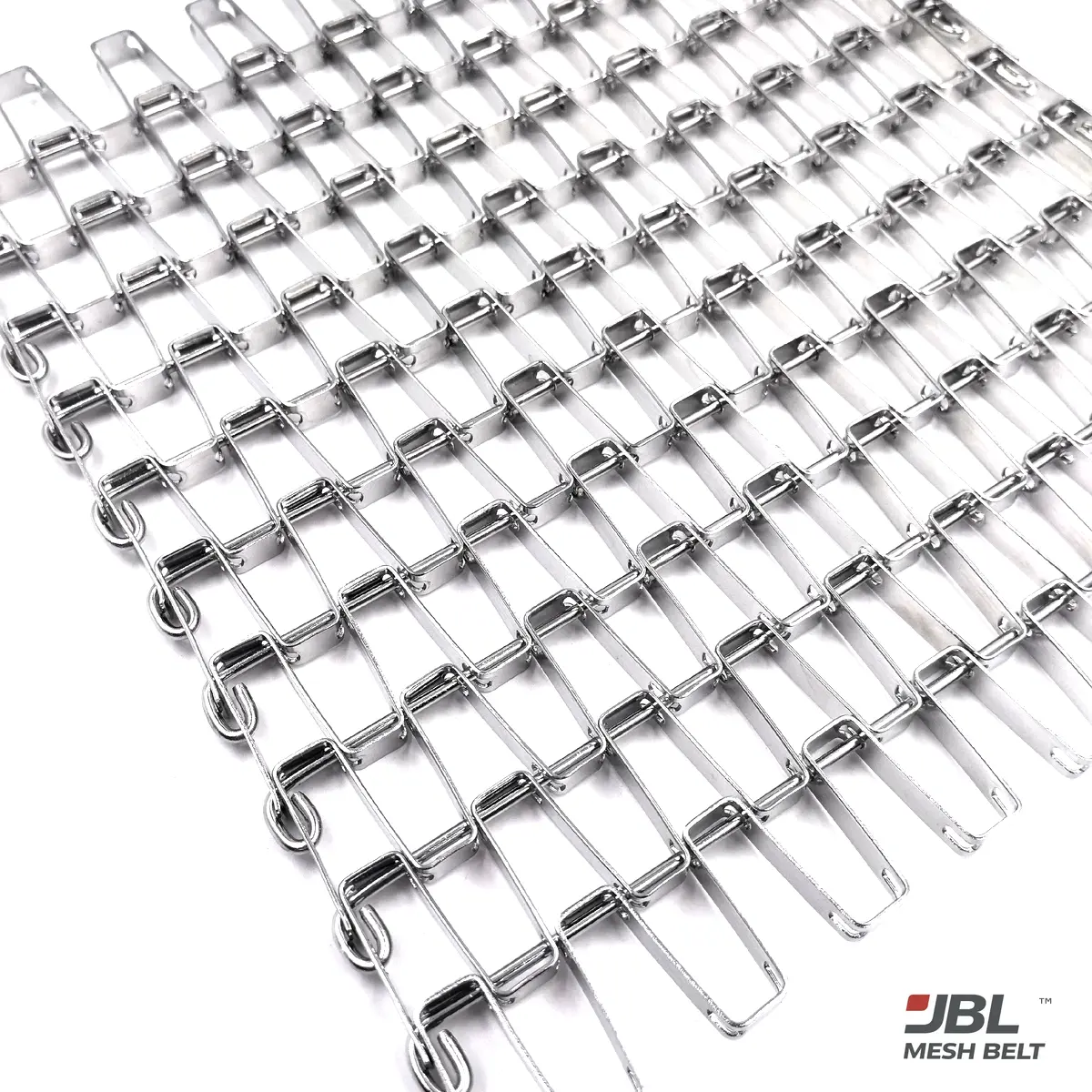
A flat wire, or honeycomb, belt is an open metal conveyor belt made of flat strips joined by rods. It suits lines that need airflow, such as cooling, drying and baking. The number of openings, strip size, rod pitch and edge decide whether it fits.

Replacing a flat wire belt, or fitting out a new line? Before quoting, the number of openings, flat strip size, rod pitch and edge are checked against your old belt. The inside of every strip is checked for scratches, rows are kept even, and the belt is run on its sprockets before it ships.

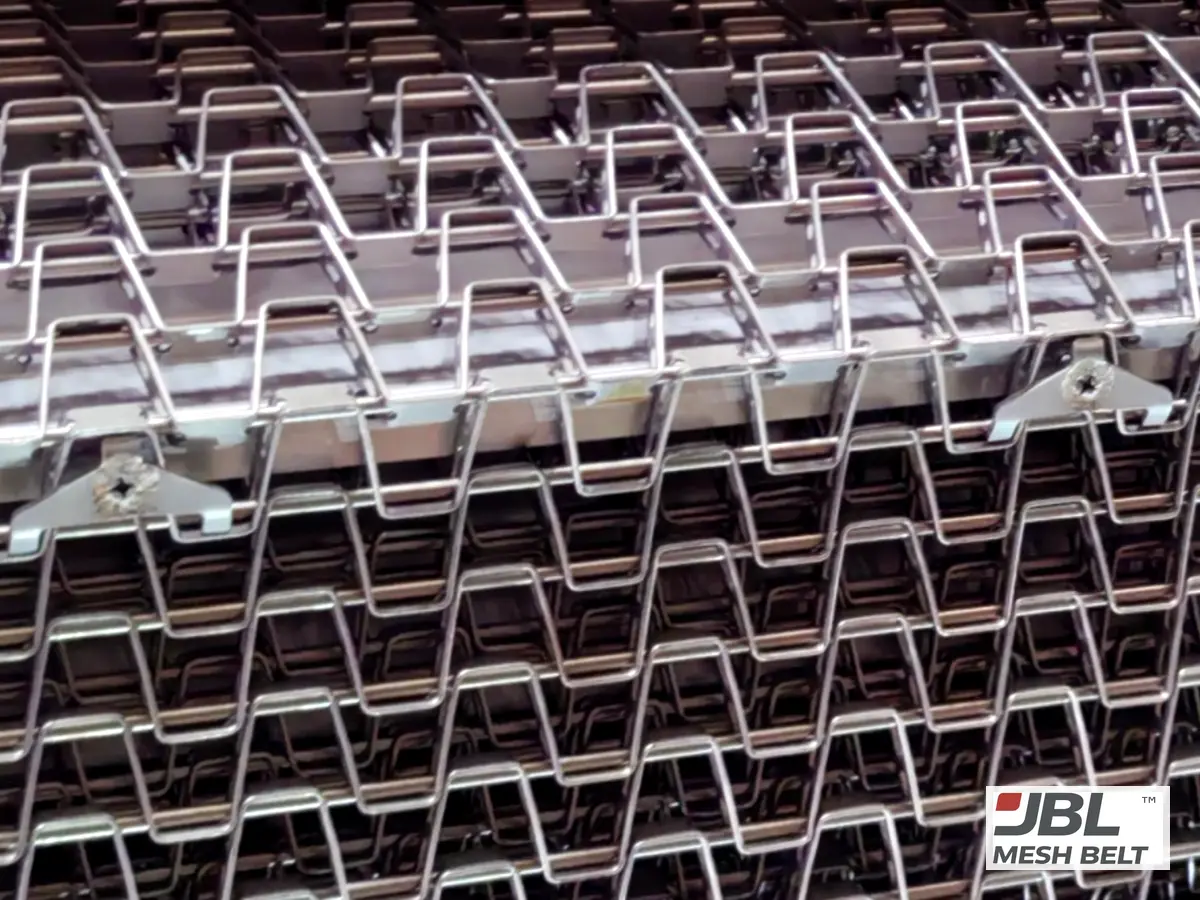
Stainless steel flat wire honeycomb conveyor belt, overview
Rod pitch
12.7–50.8 mm (0.500–2.000 in)
Flat strip
1.2 × 9.5 to 2.8 × 16 mm
Belt width
200–4000 mm (7.87–157.48 in)
Openings
Odd number, per drawing
01
Two build types

Plain Flat Wire or Chain-Edge: Which Belt Does Your Line Need?

Your drive decides it. A plain flat wire belt is driven by sprockets across the width; a chain-edge belt is pulled by chains at the sides. Open structure for airflow in cooling, drying and baking.

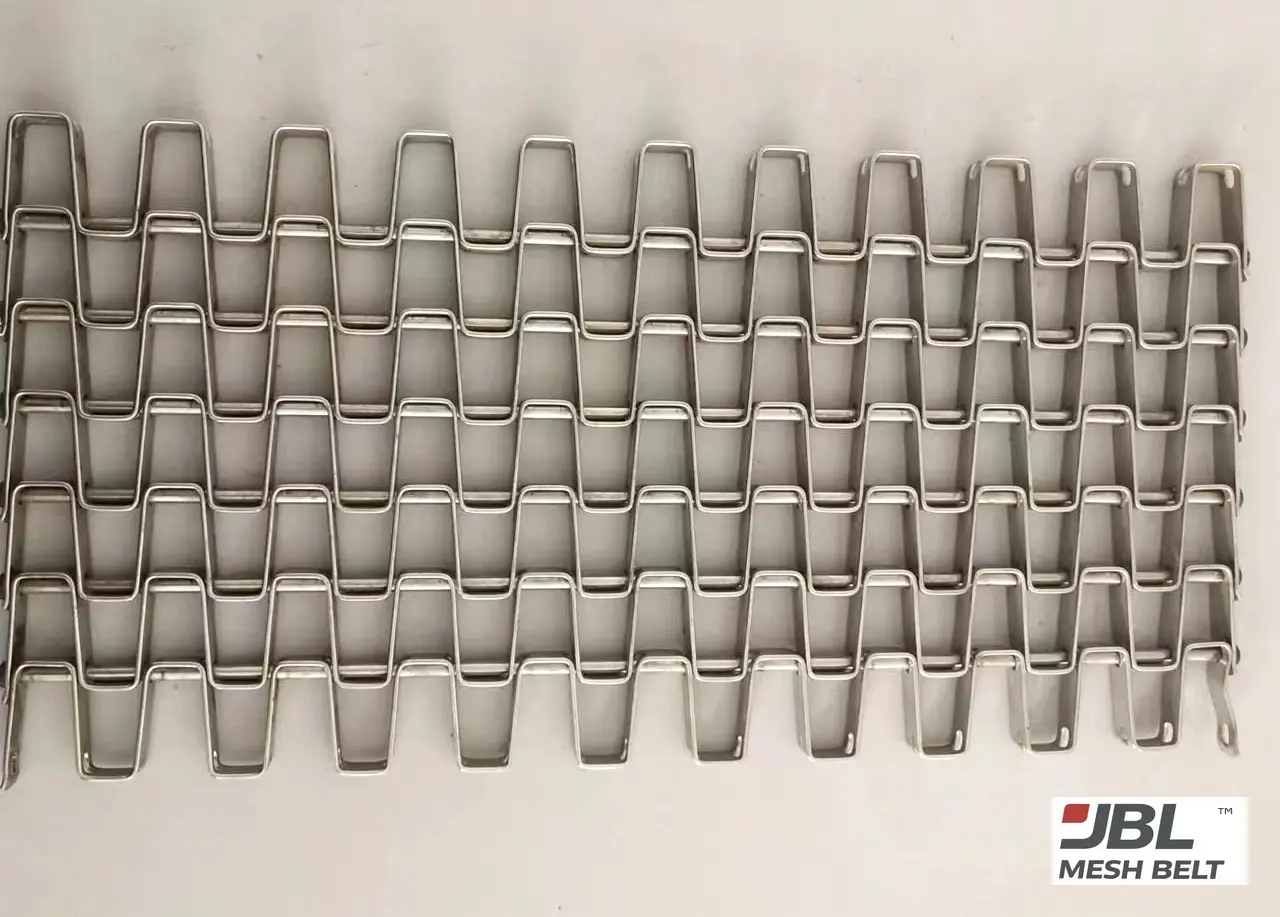
Plain flat wire belt

12.7–50.8

rod pitch, mm

Odd

openings across width

Welded

or clinched edge

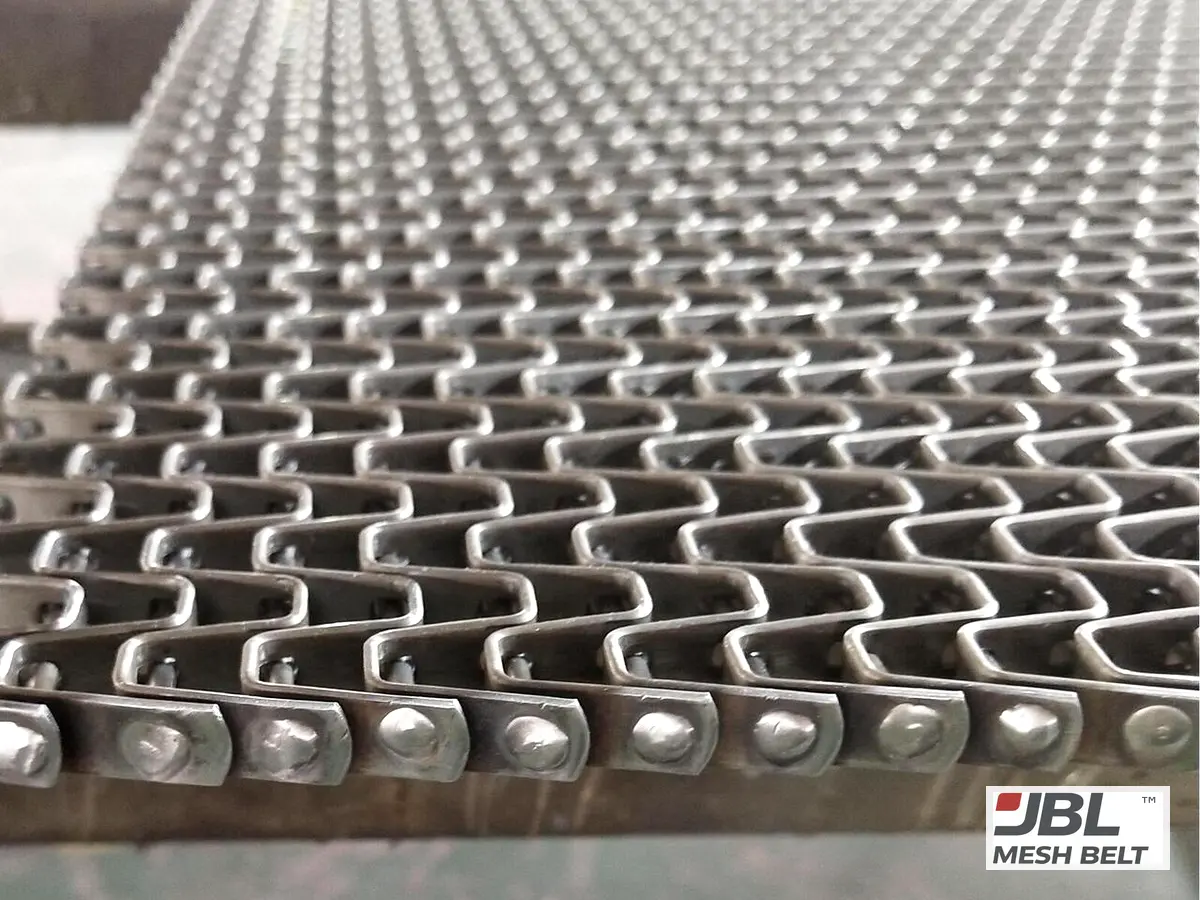
Flat wire belt: angled view
Angled view
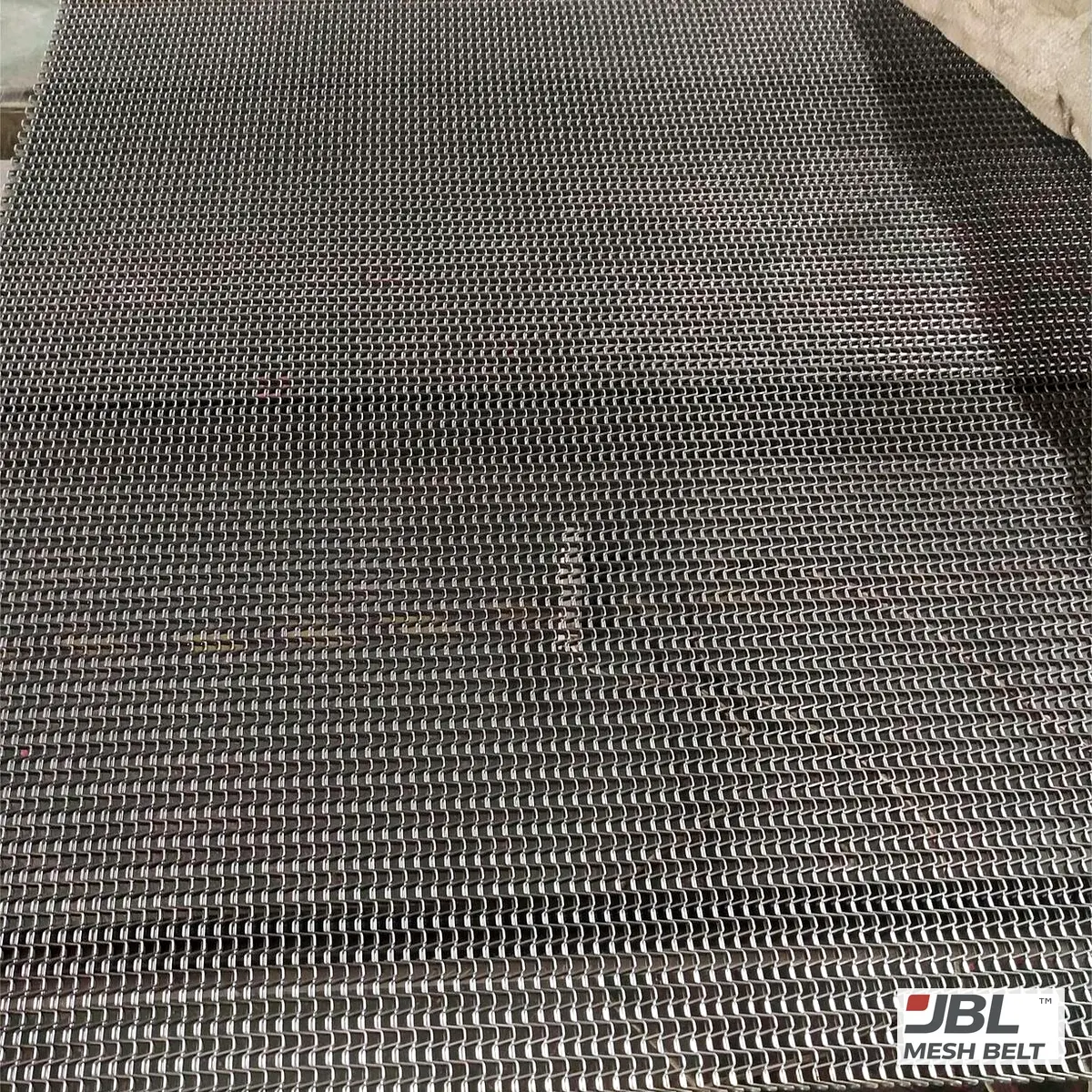
Flat wire belt: belt surface
Belt surface
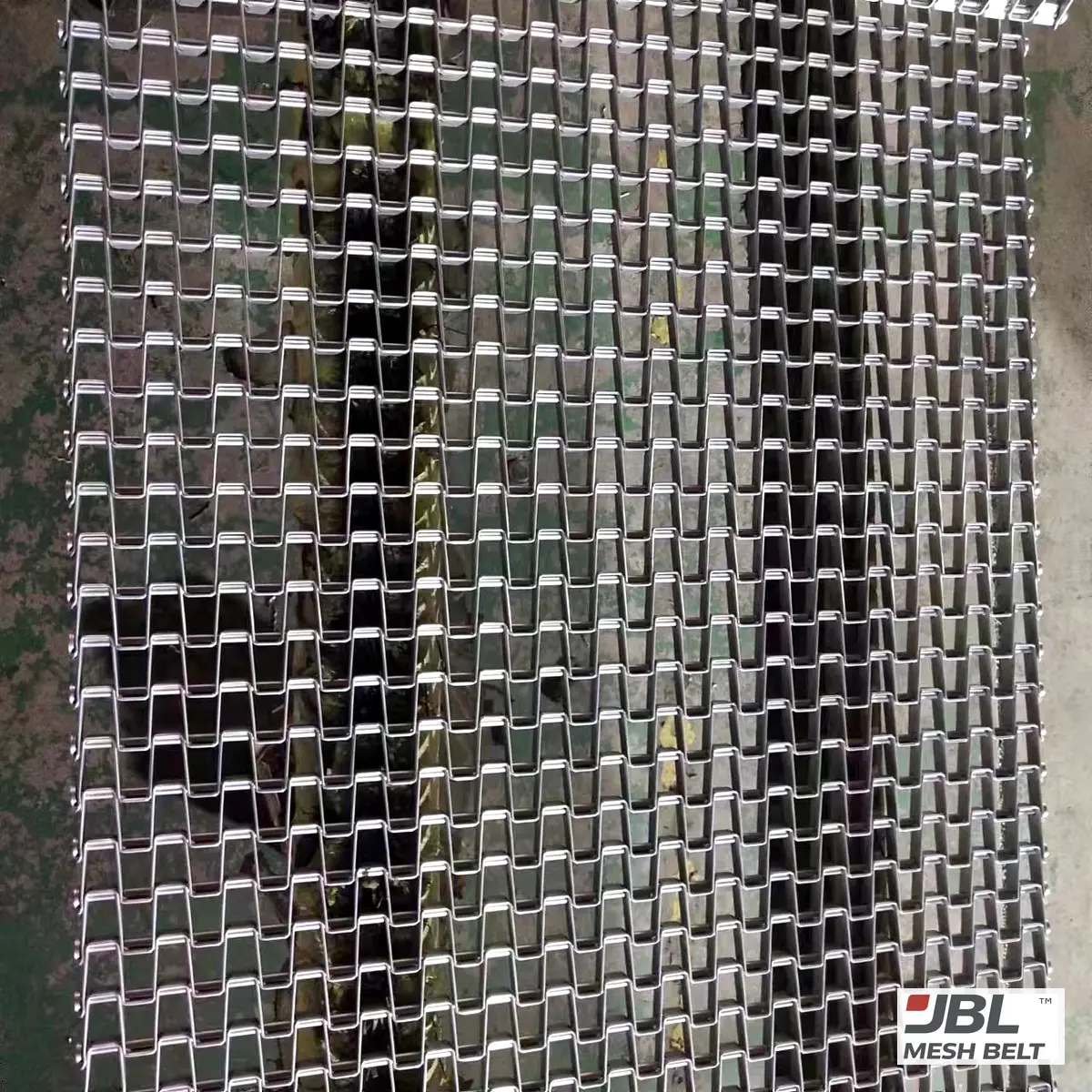
Flat wire belt: full belt, top view
Full belt, top view

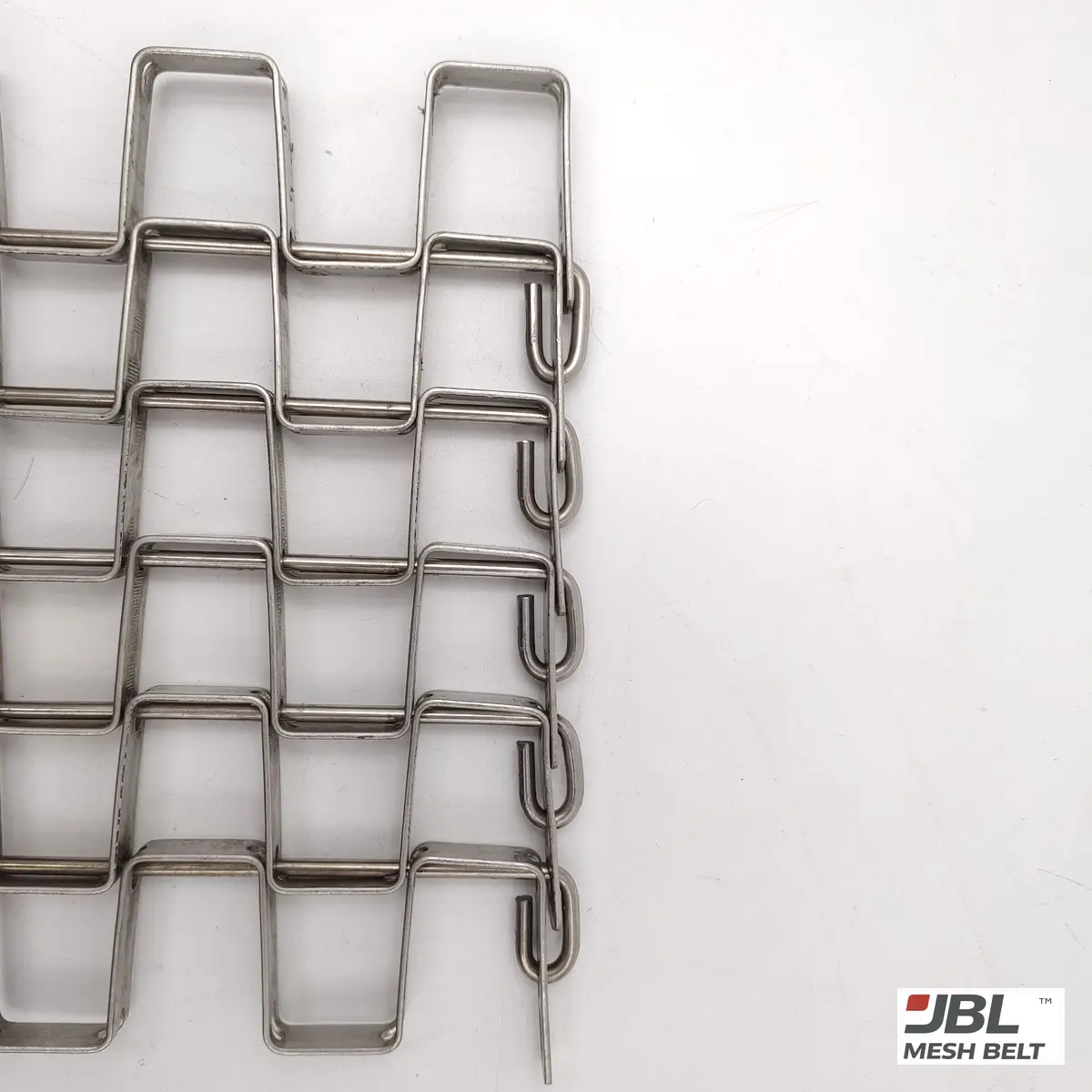
Chain-edge flat wire belt

Chain

side drive

Per drawing

chain count and layout

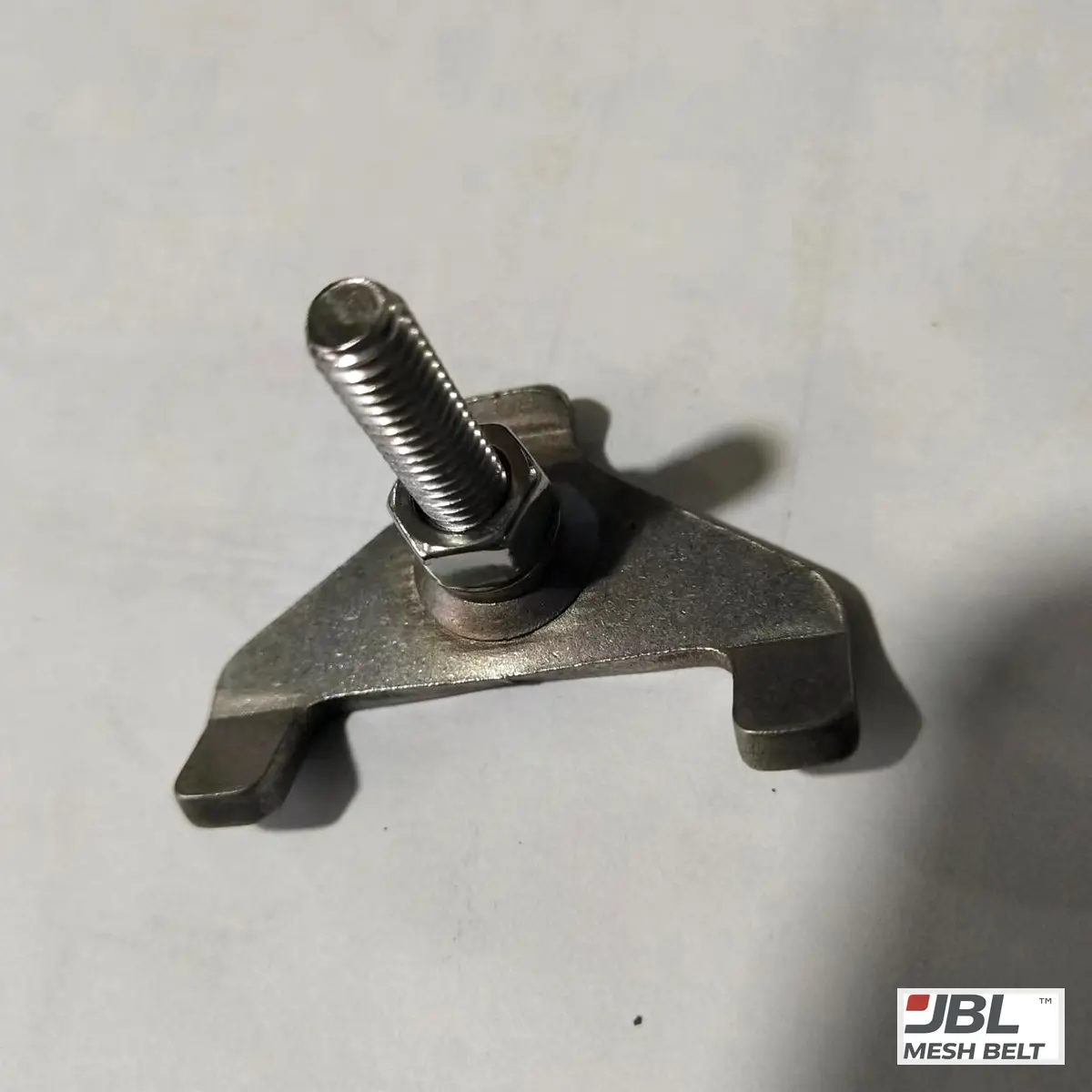
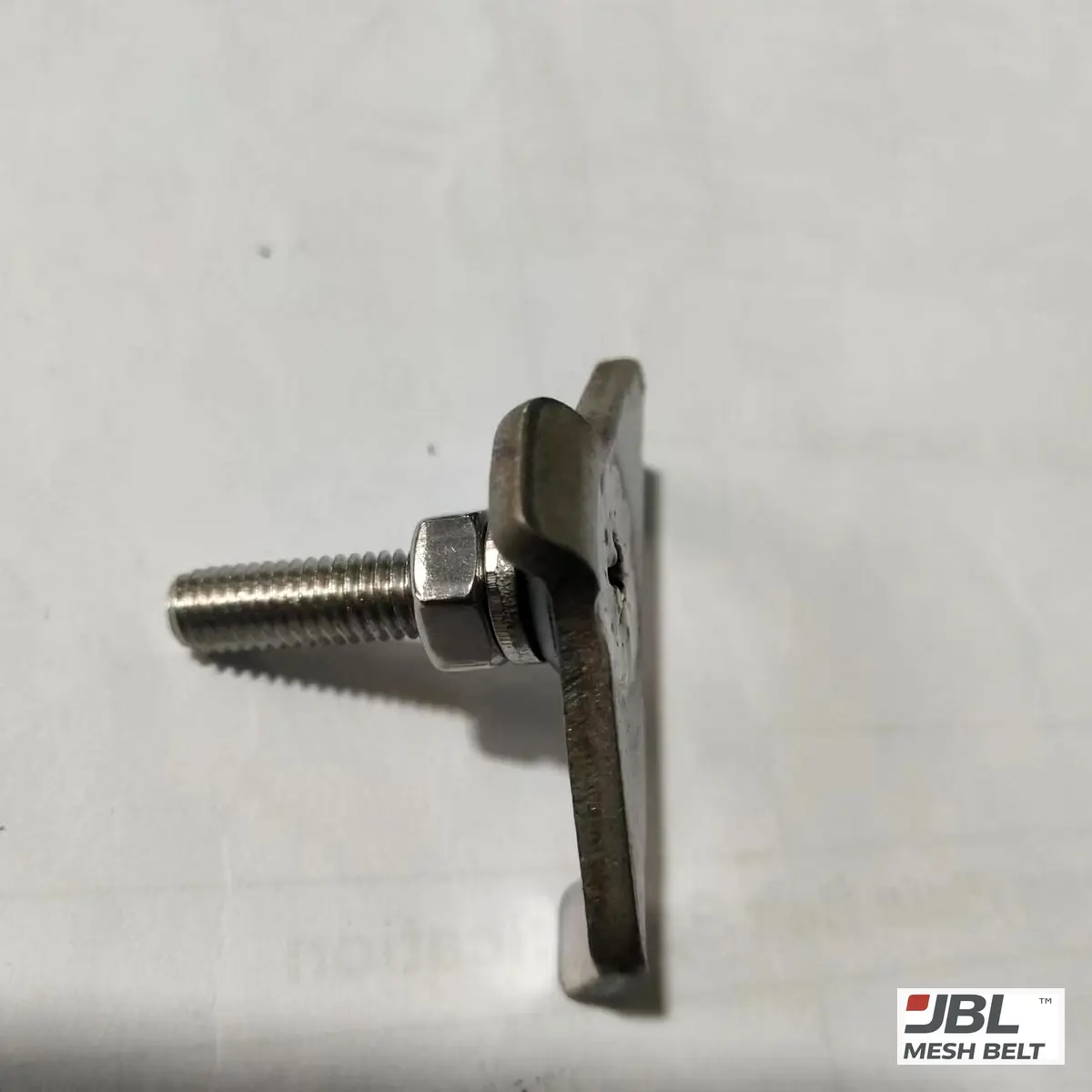
Lift plates

where specified

Flat wire belt: chain edge
Chain edge
Flat wire belt: with lift plates
With lift plates
02
Specifications & options

Flat Wire Belt Specifications: Openings, Flat Strip, Rod Pitch and Edge

Compare your old belt with this table. Opening count, rod pitch and flat strip size are enough to start — every value in mm and inches, confirmed on your project drawing.

Rod pitch

12.7–50.8 mm

0.500–2.000 in

Rod diameter

3–8 mm

0.118–0.315 in

Flat strip

1.2–2.8 mm thick

0.047–0.110 in

Belt width

200–4000 mm

7.87–157.48 in

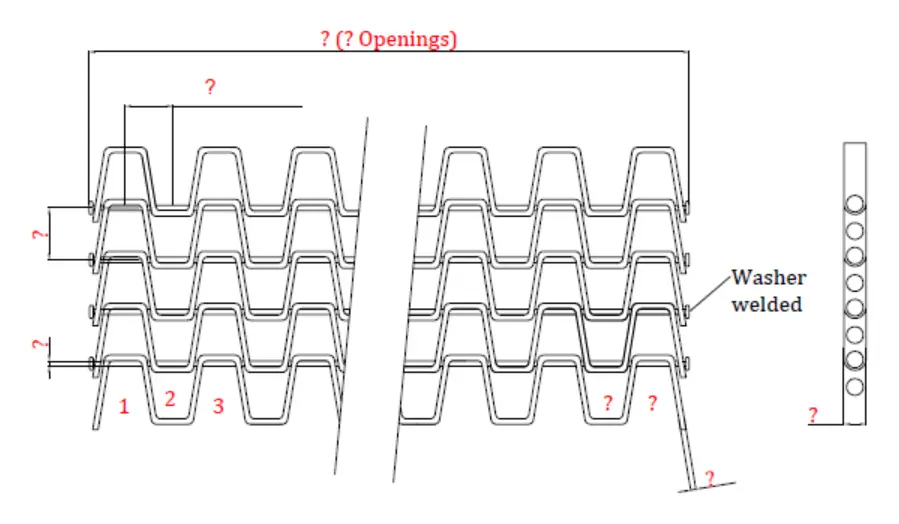
Dimension drawing and table

Flat wire belt · fill in the red marks from your old belt
Flat wire belt measurement drawing: overall width and number of openings, spiral pitch, rod pitch, rod diameter, flat strip thickness and height, washer welded edge
Drawing labelReference (mm / in)
MaterialSUS304 / SUS316 / SUS316L / mild steel
Overall width (openings)200–4000 mm (7.87–157.48 in); odd number of openings
Spiral pitch12.7–40 mm (0.500–1.575 in), or custom
Rod pitch12.7 / 25.4 / 27.4 / 38.1 / 50.8 mm (0.500 / 1.000 / 1.079 / 1.500 / 2.000 in)
Rod diameter3 / 4 / 5 / 6 / 8 mm (0.118 / 0.157 / 0.197 / 0.236 / 0.315 in)
Flat strip1.2 × 9.5 / 1.2 × 10 / 1.42 × 9.4 / 1.6 × 12 / 1.6 × 12.7 / 2.8 × 16 mm
EdgeWasher welded / rod welded / clinched
SurfacePickling / electropolishing (stainless); oiled (mild steel)
AccessoriesLift plates, side guards, centre flights

Use the drawing to tell us which dimensions you can measure. Final values follow the confirmed project drawing.

Choose your options

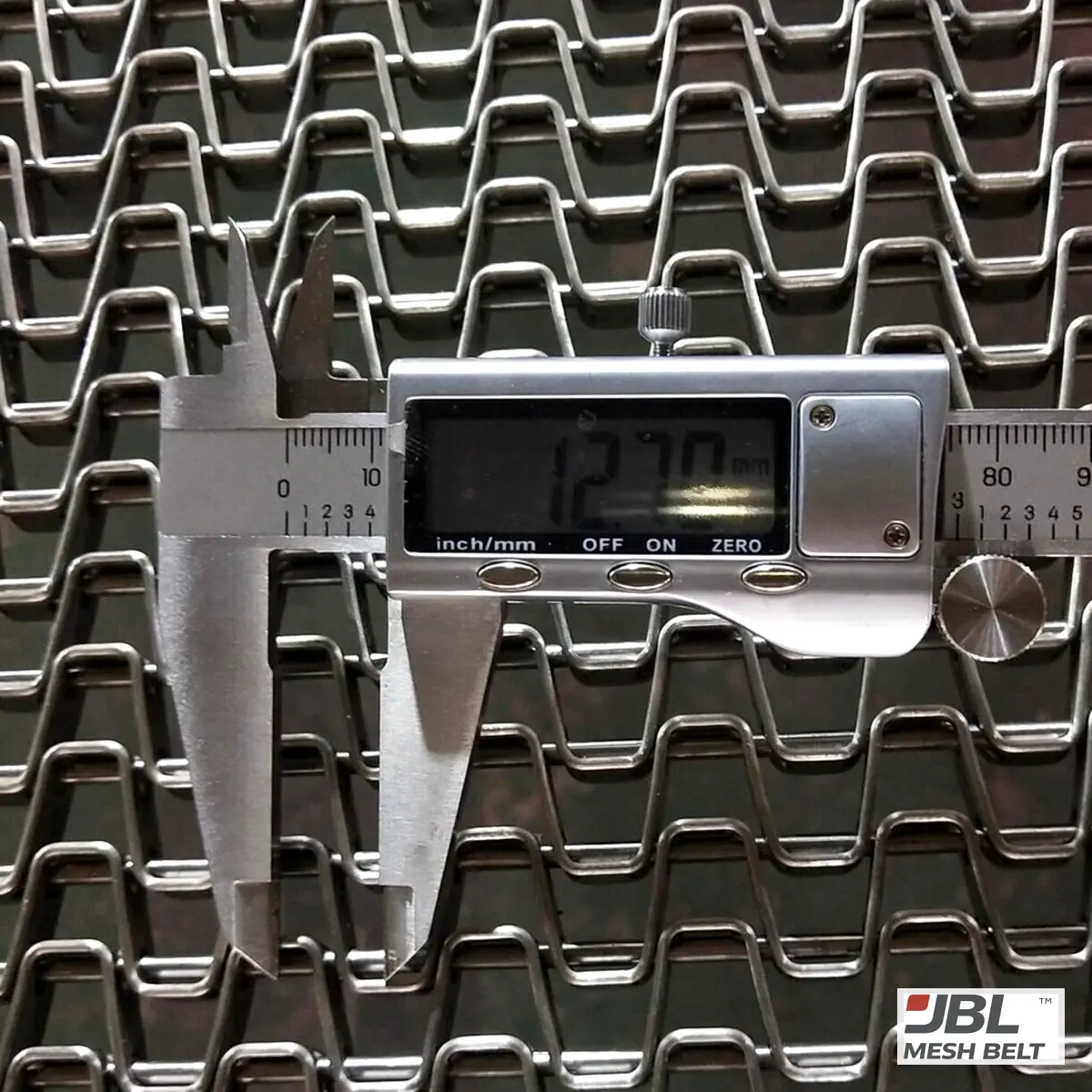
Pitch 12.70 mm (0.500 in)
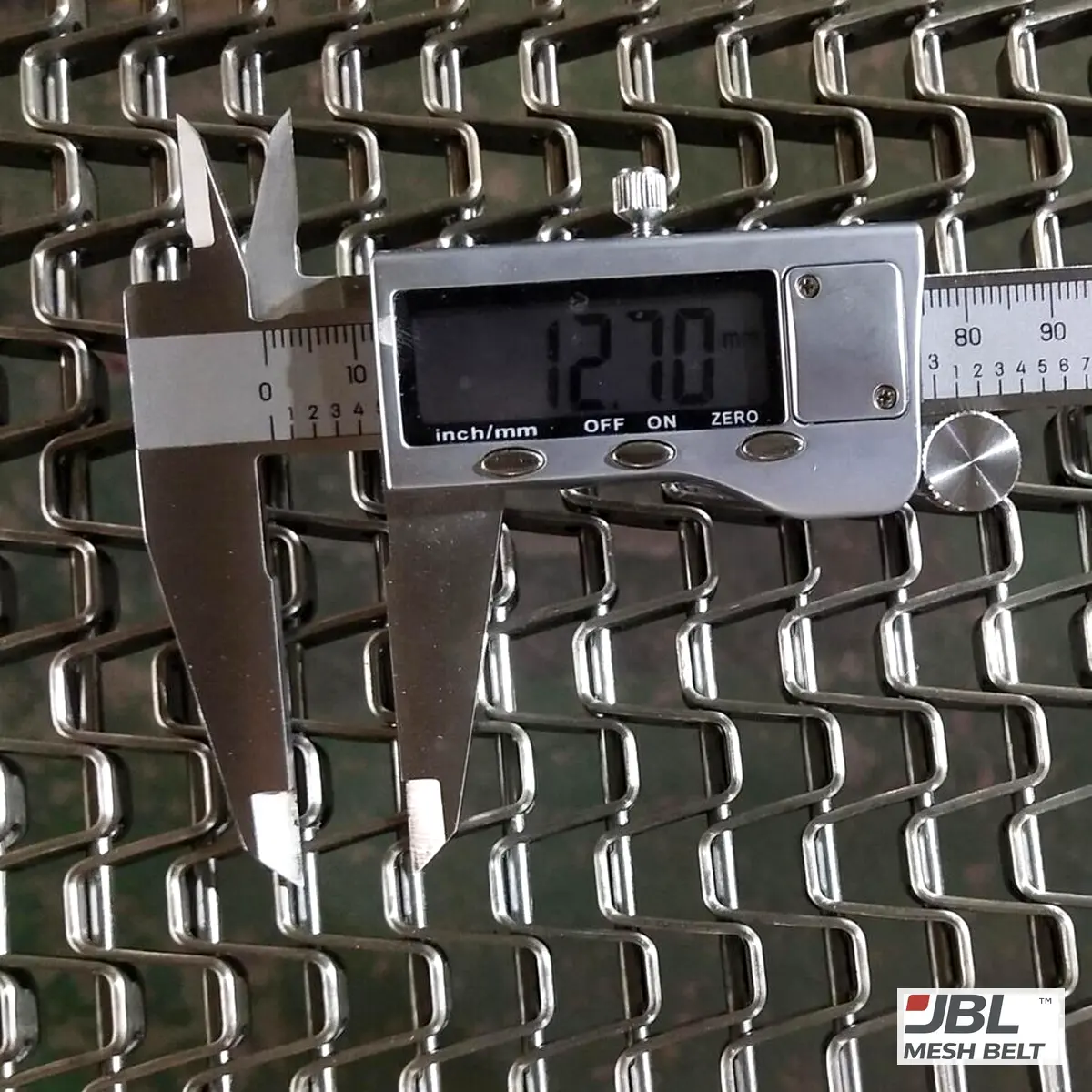
Pitch 12.70 mm, second point
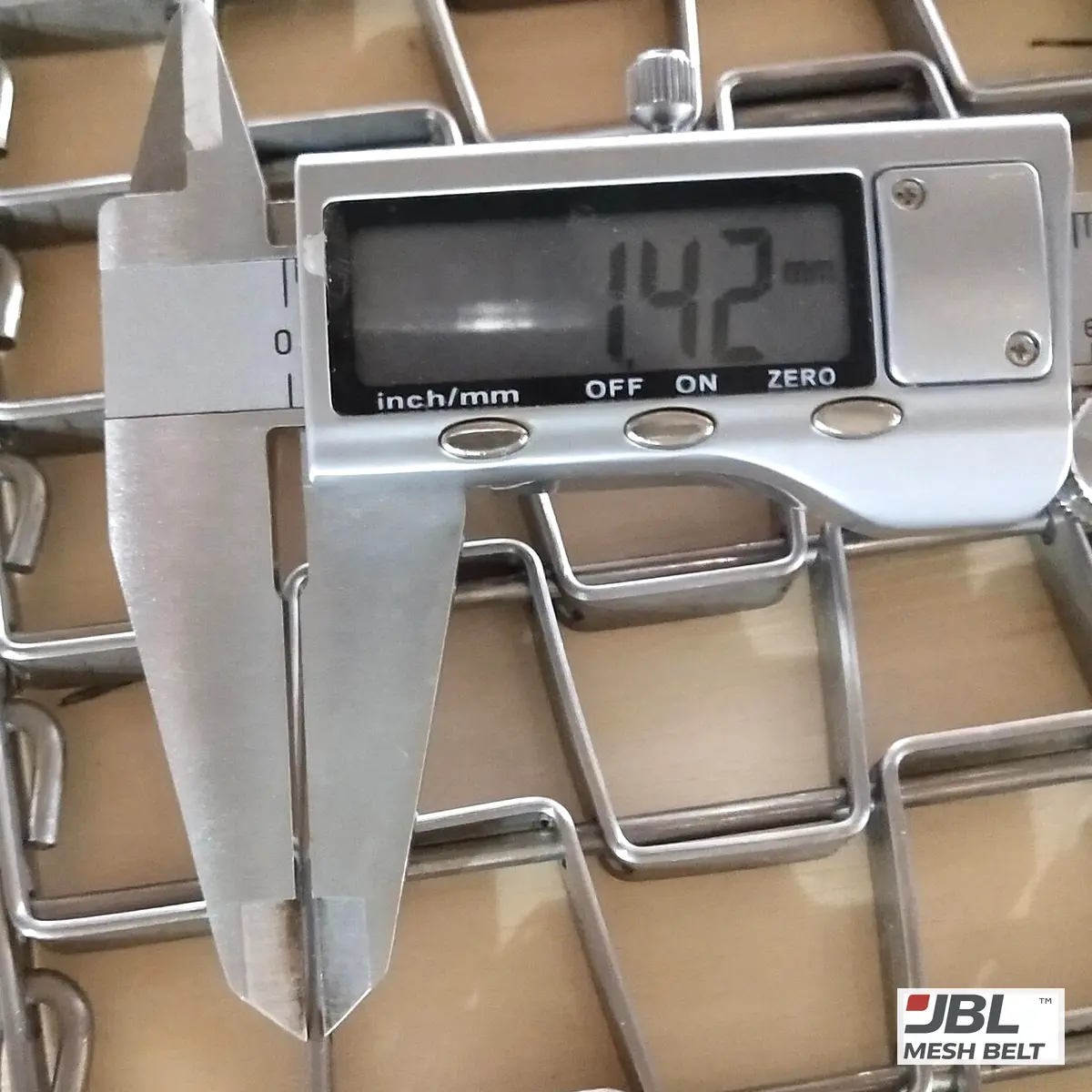
Flat strip 1.42 mm (0.056 in)
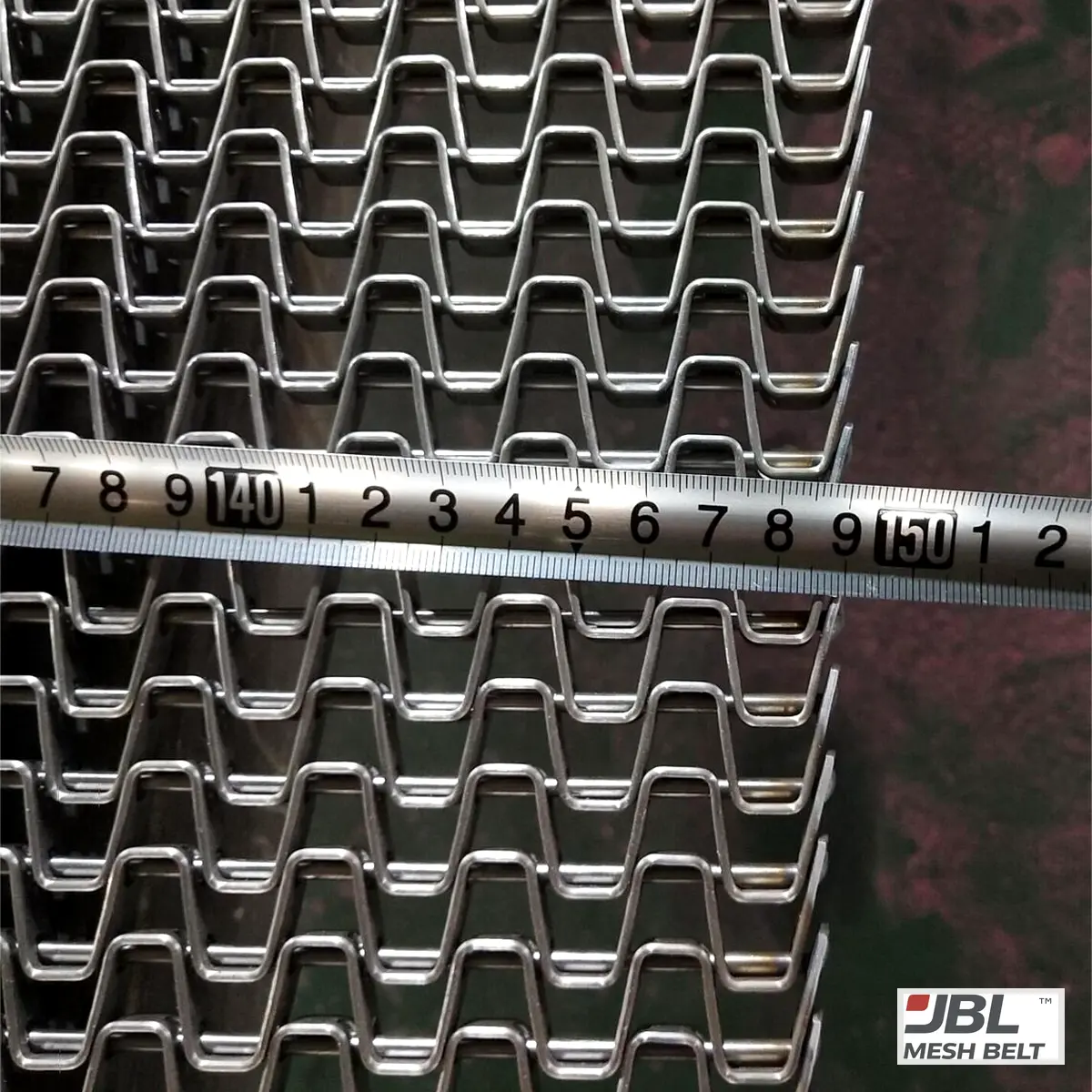
Tape check along the belt

Measured a few dimensions? Send them for a flat wire belt review.

03
Fit check · openings and strip first

Will the New Belt Fit Your Line and Your Sprockets?

Looking the same is not enough. Opening count, flat strip size, rod pitch and edge decide whether the belt runs straight and supports your product — they are checked first, before you get a quotation.

Replacement

Replacing a flat wire belt on your line

You send
Photos of the old belt and its edge with a ruler, the number of openings, width and length, or a short sample.
We check first
Opening count (odd), rod pitch, rod diameter, flat strip size and edge type — measured on your old belt.
Your sprockets
Pitch and wear checked. If they need replacing, sprockets are matched and run with the new belt.
You get
Before quoting: will it run on your line and sprockets as it is, and whether any part needs a separate check.
New line

Supplying a new cooling, drying or baking line

You send
Product, temperature, belt width and length, load and drive layout.
We check first
Opening size for your airflow and product support, strip size, pitch, material and edge.
Your sprockets
Supplied with the belt; pitch, tooth count, bore and keyway confirmed on the drawing.
You get
A confirmed drawing, and a first-article check before bulk production.
04
Project QC gates

How Is a Flat Wire Belt Verified Before Shipment?

Four checks that matter to you: pitch and strip measured, strip inside free of scratches, rows even with small gaps, and edge and running checked. You see photos and video before it ships.

  1. Flat wire belt check: pitch 12.70 mm measured with a caliper
    01

    Pitch and strip measured

    Rod pitch, rod diameter, flat strip thickness and height, and width measured against your drawing.

  2. Flat wire belt check: flat strip inside checked for scratches
    02

    Strip inside checked

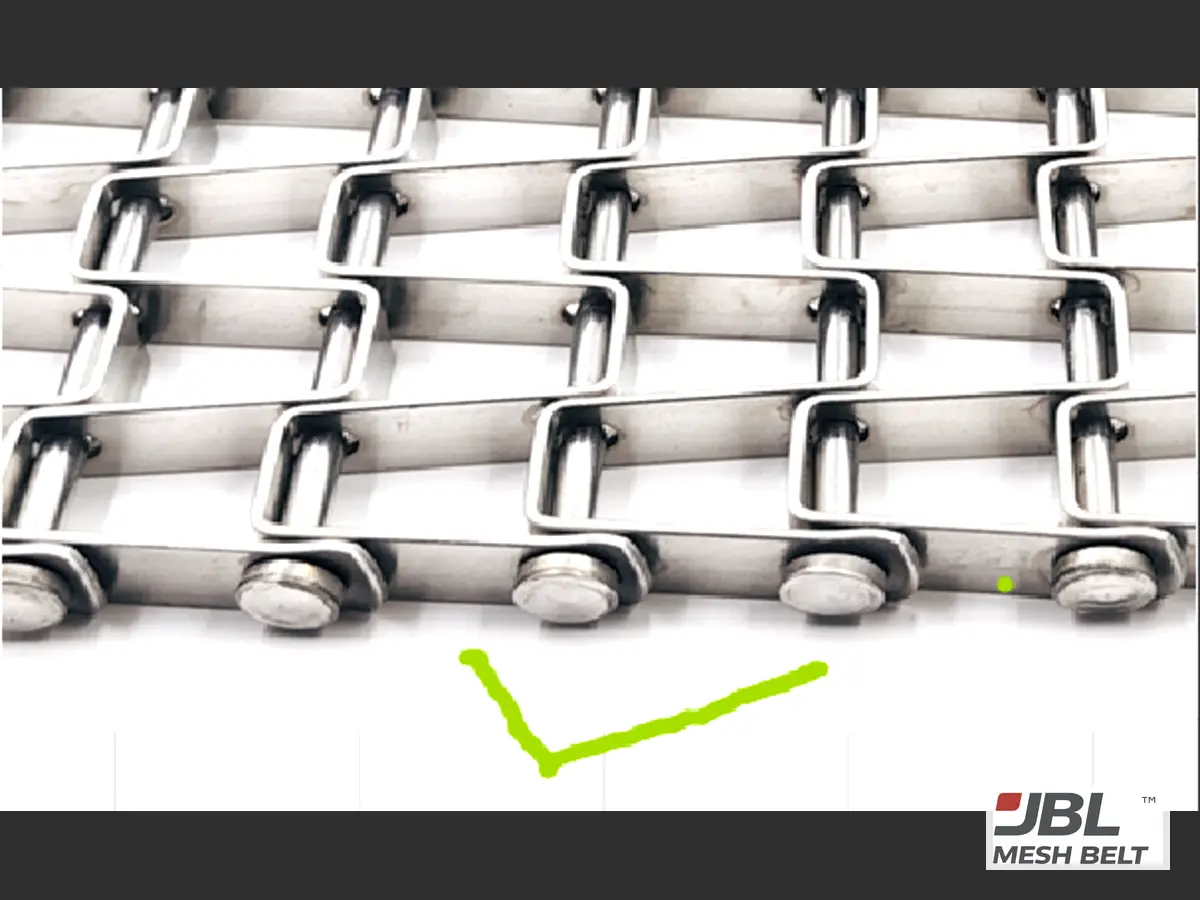
    The inside of every flat strip checked by eye and hand — no scratches or tool marks that could mark your product.

  3. Flat wire belt check: flat wire belt surface checked for even rows
    03

    Even rows, small gaps

    Corners of adjacent rows sit close and even, so product cannot catch; checked on the first article.

  4. Flat wire belt check: flat wire belt edge checked before shipment
    04

    Edge and running checked

    Edge welds or clinches checked; the belt is run on sprockets and checked for tracking before packing.

Also checked: material confirmed against your order · opening count as drawn · mild steel oiled against rust · spare rods and strips packed where agreed.

05
Engineering experience

Problems You May See on a Flat Wire Belt — and How They Are Prevented

Scratched strips that mark your product, rows that catch it, or a belt that will not run straight means rejected product and downtime on your line. Each one has a check before your belt ships.

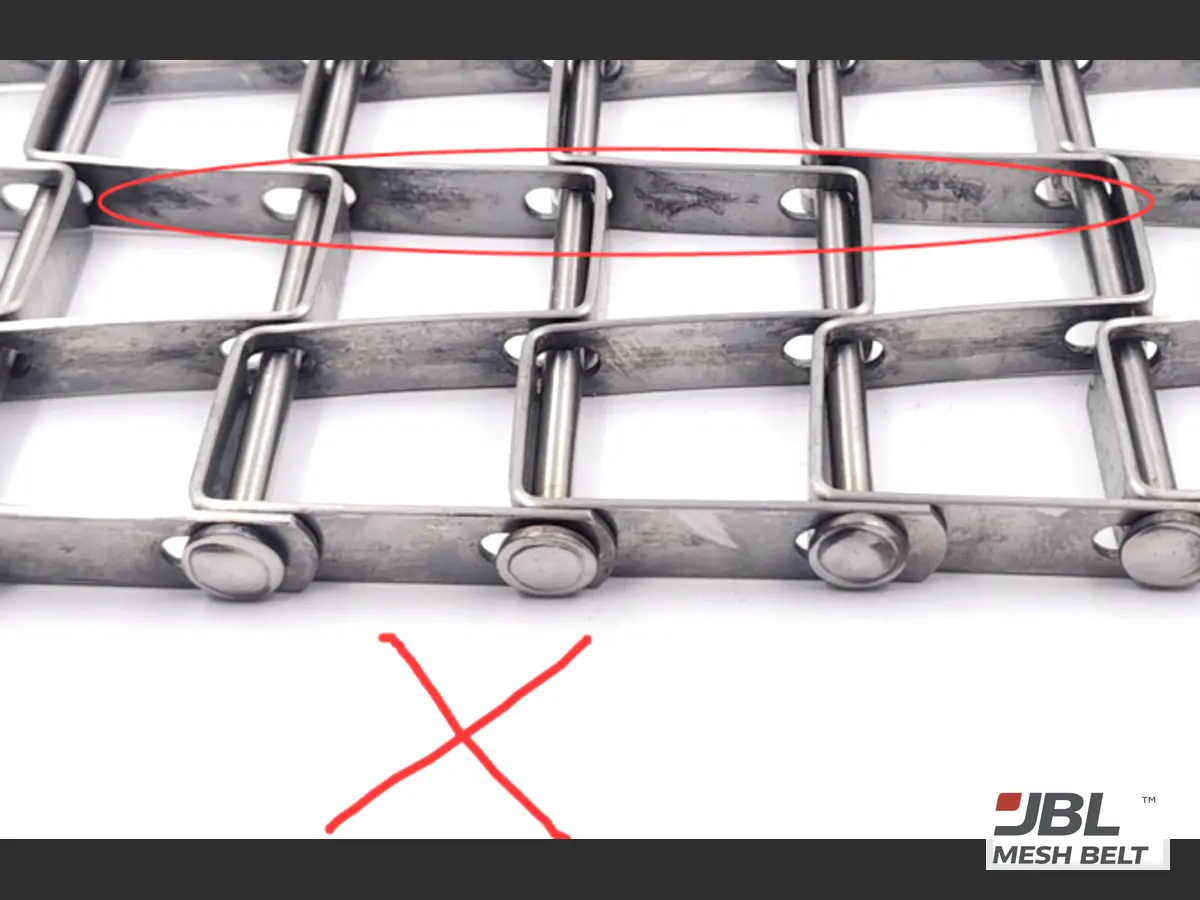
Flat wire belt problem: scratches inside the flat stripProblem

Scratches inside the flat strip

Scratches or tool marks inside the strip (circled) mark your product as it rides on the belt.

✓ Inside of every strip checked by eye and hand; scratched sections replaced before shipment.

Seeing this on your belt? Send a photo →
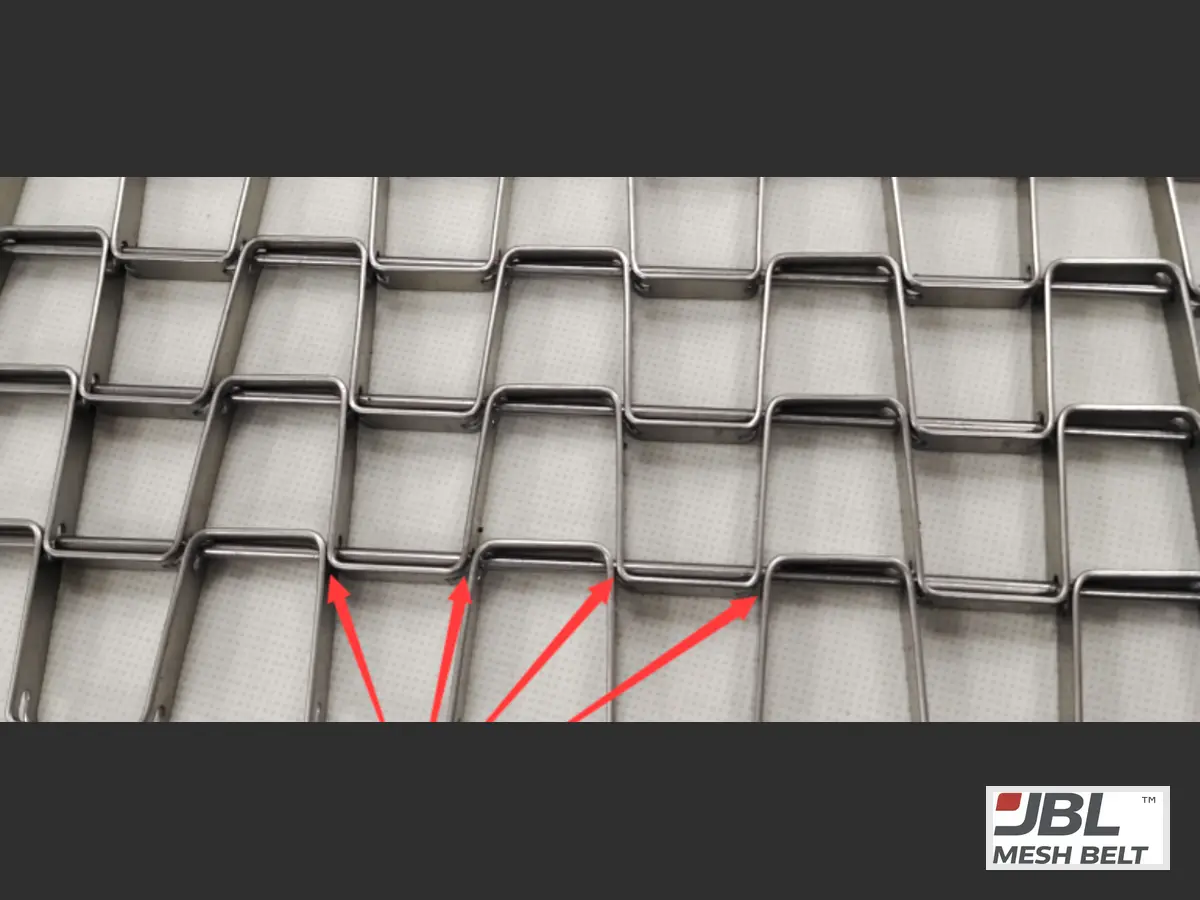
Flat wire belt problem: gaps between rows too largeProblem

Gaps between rows too large

When the corners of adjacent rows sit far apart (arrows), small products catch between them.

✓ Row gap kept small and even; measured at several points on the first article.

Seeing this on your belt? Send a photo →
Problem

Even number of openings

An even opening count makes the structure asymmetric, and the belt does not run straight.

✓ Opening count fixed as an odd number on the drawing before quotation.

Seeing this on your belt? Send a photo →
Problem

Wrong edge from a verbal description

Washer welded, rod welded and clinched edges are easily confused in words — a wrong edge cannot be fixed later.

✓ Edge confirmed from a photo of your old belt and recorded with the order.

Seeing this on your belt? Send a photo →
06
Shipment records

What Arrives at Your Plant

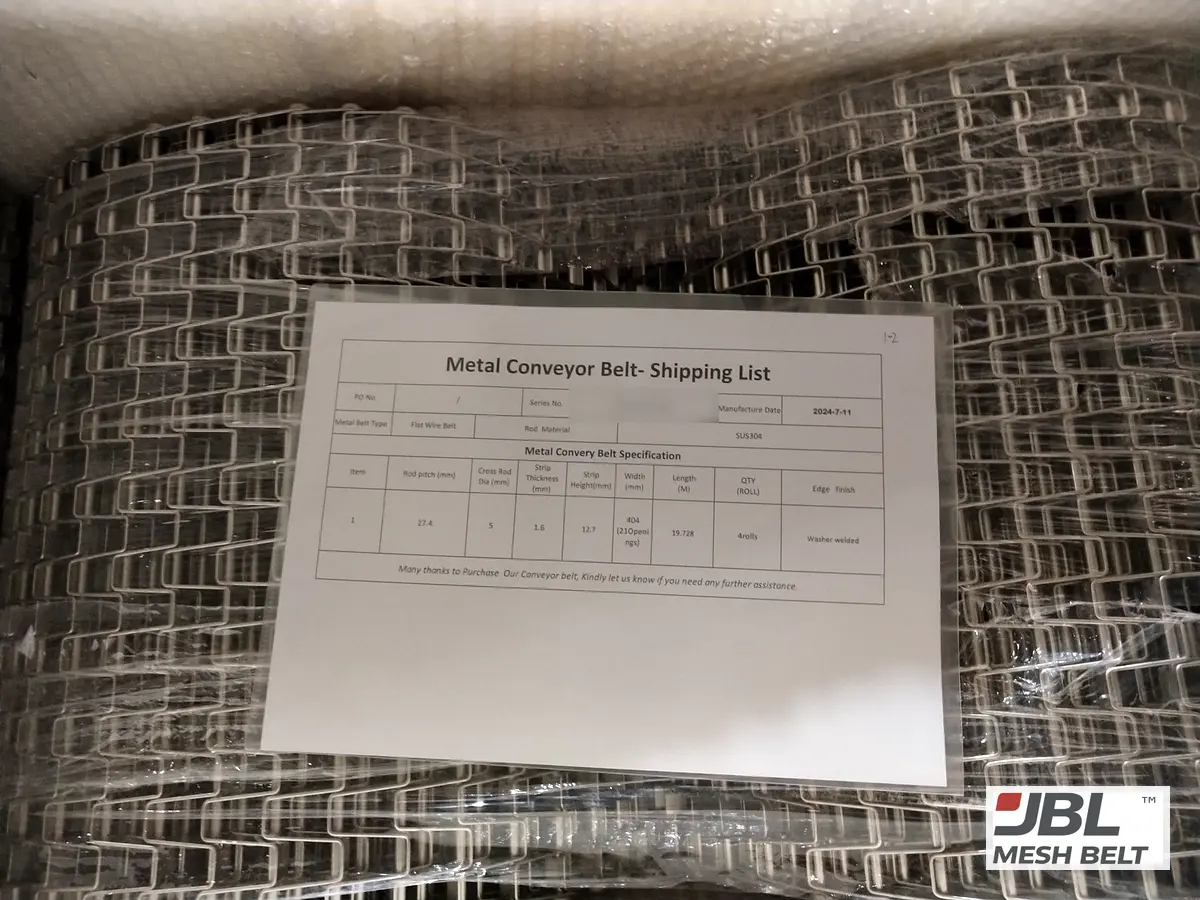
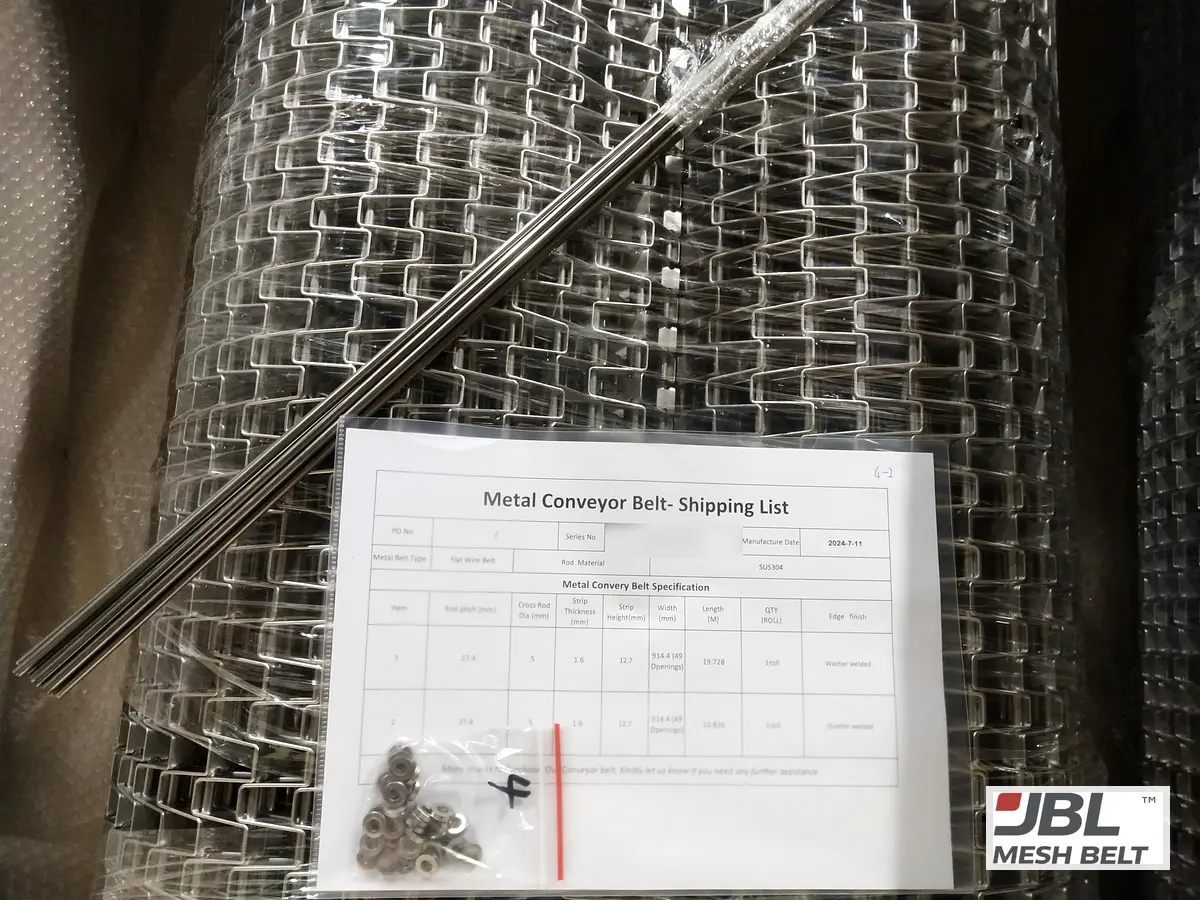
Each roll arrives wrapped, with a shipping list your team can check on arrival — rod pitch, strip, width and opening count — plus agreed spare rods and washers. Real shipments; order numbers hidden.

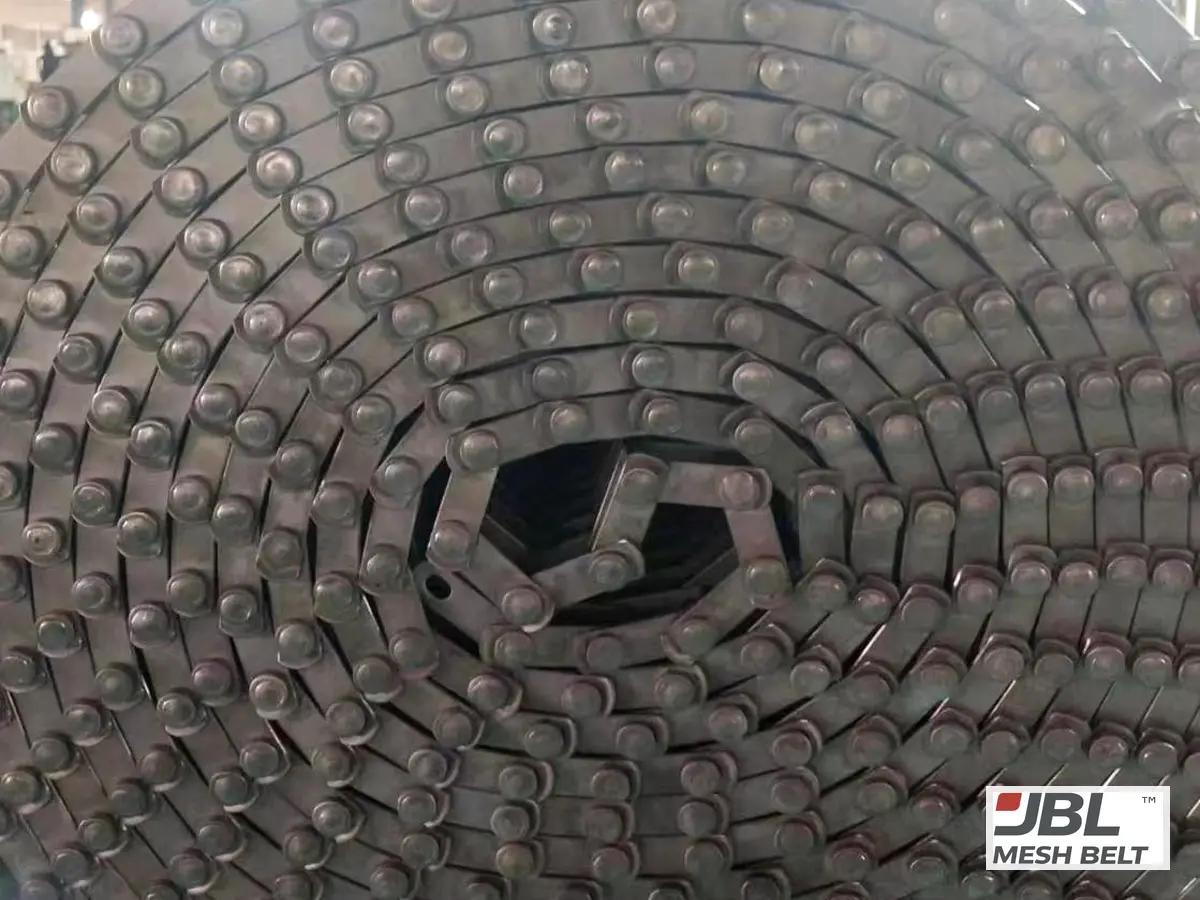
Flat wire belt: rolled for packing

Rolled for packing

Chain-edge belts are rolled so the chain is protected.

Flat wire belt: shipping list on each roll

Shipping list on each roll

Rod pitch, rod, strip, width with opening count (here 21), length and edge.

Flat wire belt: chain-edge belt ready

Chain-edge belt ready

Edge and chain checked before the crate is closed.

Flat wire belt: spare rods and washers

Spare rods and washers

Spare rods and edge washers packed with the roll they fit (here 49 openings).

Need a different opening size, strip, width, edge or lift plate?

Custom flat wire belts are welcome — built to your line and application, with feasibility confirmed for your project. Send your old belt photos or drawing.

Contact an Engineer →
07
FAQ

Questions Buyers Ask Before Ordering a Flat Wire Belt

Q1Where is a flat wire (honeycomb) belt used?

Open-structure conveying for cooling, drying, baking, heat treatment and continuous food processing — where air must pass through the belt and the product needs a flat, stable surface.

Q2Why must the number of openings be odd?

The flat strip is formed into openings across the belt width. An odd count keeps the structure symmetrical so the belt runs straight; the count is fixed on the drawing before quotation.

Q3What do I need to measure on my old belt?

The number of openings across the width, rod pitch, rod diameter, flat strip thickness and height, overall width and the edge type. Photos of the edge with a ruler help confirm it.

Q4Will the flat strip mark my product?

Not if the inside of the strip is clean. Every strip is checked inside for scratches or tool marks before shipment; a scratched section is replaced.

Q5Why does the gap between rows matter?

If the corners of adjacent rows sit too far apart, small products can catch between them. The gap is kept small and even, and checked on the first article.

Q6Which edge do I need?

Washer welded, rod welded or clinched — matched to your old belt from a photo, not a verbal description. Chain-edge versions are built with the chain count and layout on the drawing.

Q7Which material and finish?

SUS304, SUS316, SUS316L or mild steel. Stainless belts are pickled or electropolished; mild steel belts are oiled against rust. The choice follows your temperature and product.

Q8Can you add lift plates or side guards?

Yes — lift plates, side guards and centre flights can be fitted, with size and spacing confirmed on the drawing.

Q9Can you supply sprockets?

Yes. SUS304 / SUS316 or plastic (nylon, UHMWPE, POM) sprockets are matched to the belt pitch and run with the belt before shipment.

Q10How are commercial terms confirmed?

They depend on the belt and the project, and are confirmed in writing in the quotation.