Metal conveyor belts · Choose by application

Which Metal Conveyor Belt for Your Line? Choose Your Application

Pick your process, product or machine. You see the belts that fit, why, and what is checked before you get a quotation.

Process

Cold
Heat
Wet
Handling
Industrial

Industry or product

Machine

Choose one or more — or browse all 11 belt types and sprockets below.

Spiral Freezer Belt — metal conveyor belt

Spiral Freezer Belt

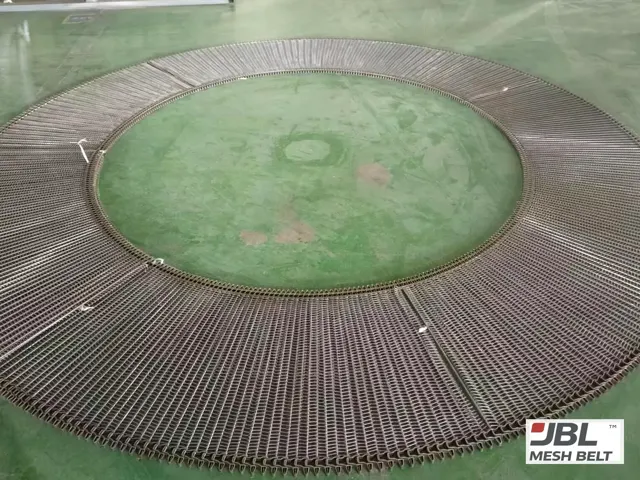
Spiral freezers, coolers and proofers — drum-driven, turning around the drum.

Buyers ask first: Which turn ratio and drum diameter?

View belt →
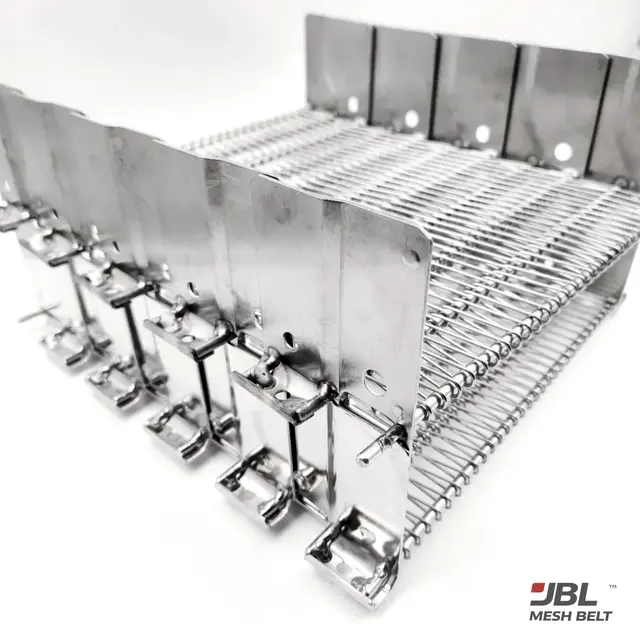
Self-Stacking Belt — metal conveyor belt

Self-Stacking Belt

Self-stacking spiral freezers, where the belt tiers carry each other.

Buyers ask first: CW or CCW? Which tier height?

View belt →
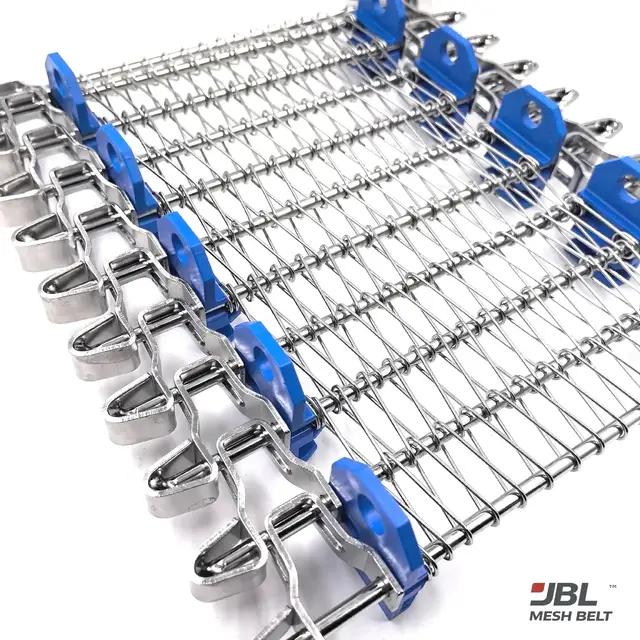
Side-Driven Belt — metal conveyor belt

Side-Driven Belt

Compact spirals and turning conveyors driven at the belt edge.

Buyers ask first: Rod pitch 31.75 or 34 mm? Stainless or POM?

View belt →
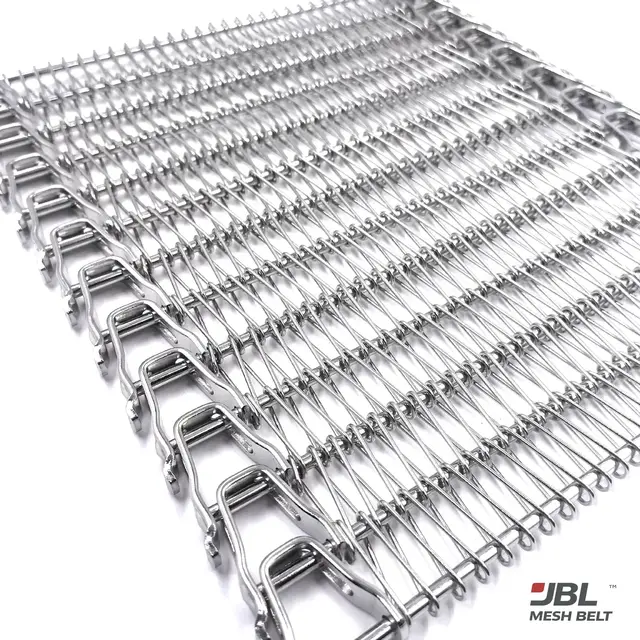
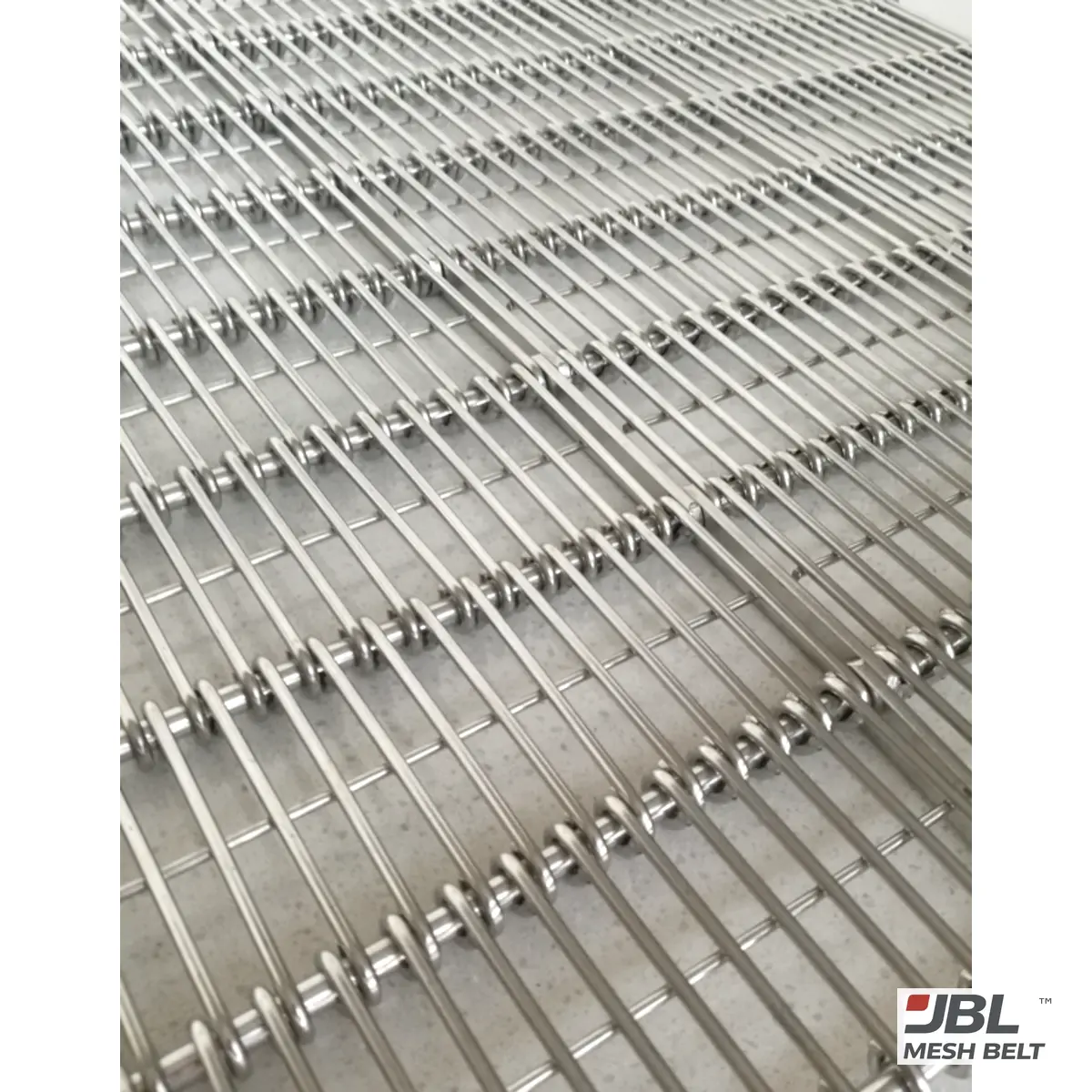
Eye Link Belt — metal conveyor belt

Eye Link Belt

Open, strong belt for tunnel freezing, frying, drying and pasteurizing.

Buyers ask first: Rod pitch, eye-link pitch and edge type?

View belt →
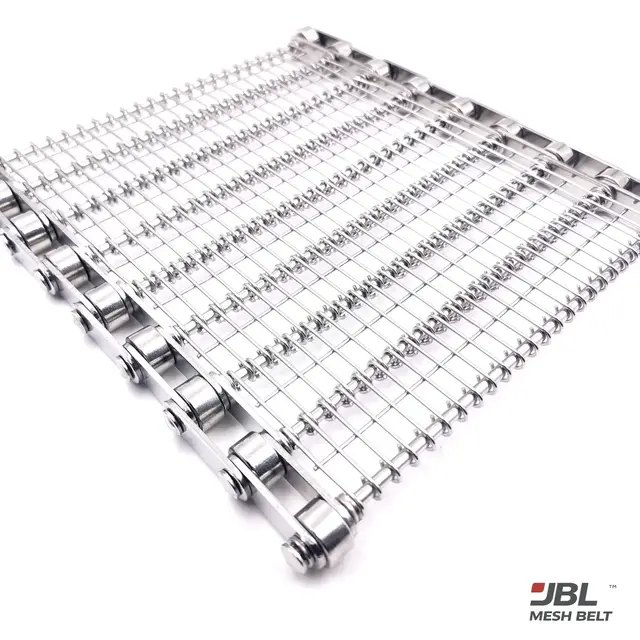
Chain-Driven Belt — metal conveyor belt

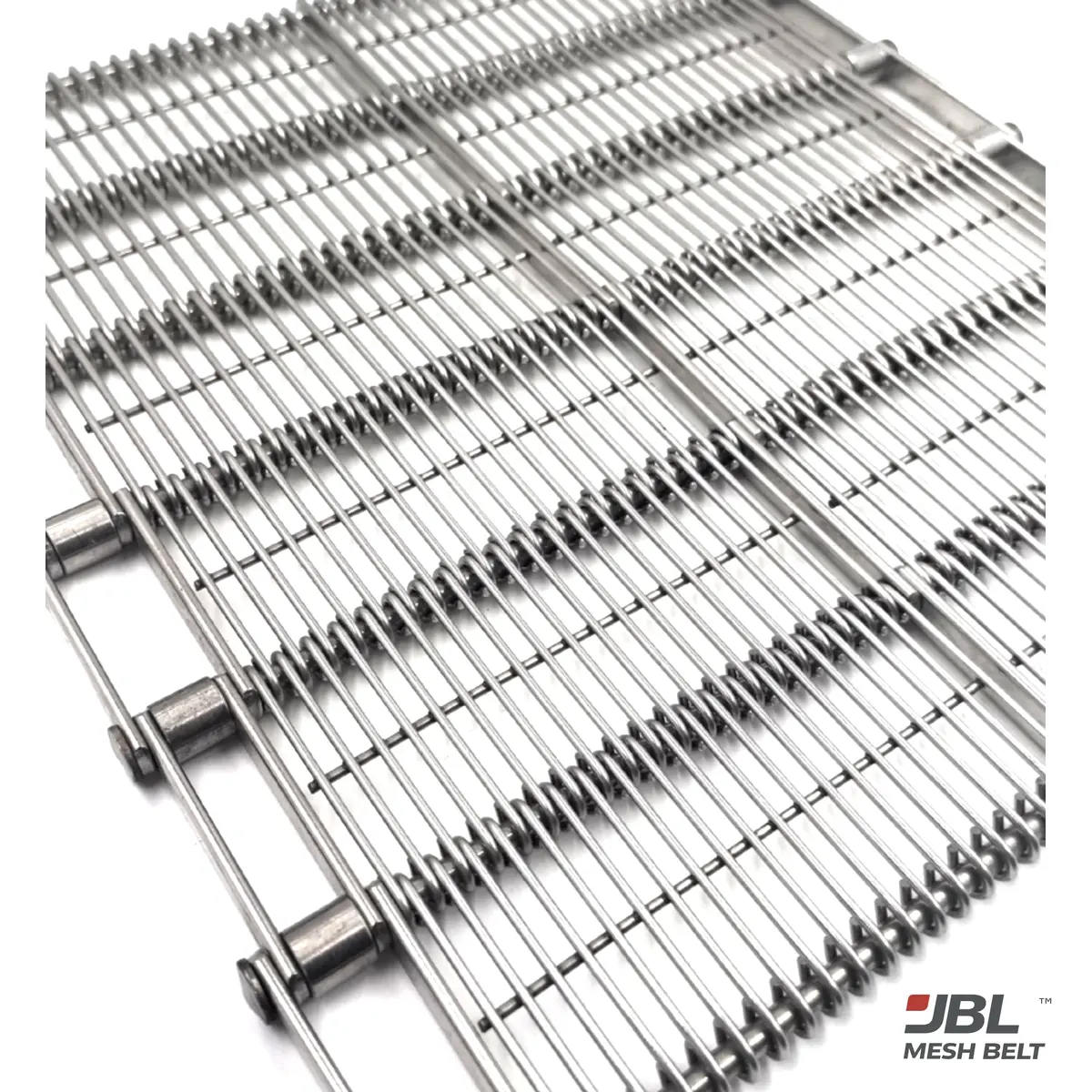
Chain-Driven Belt

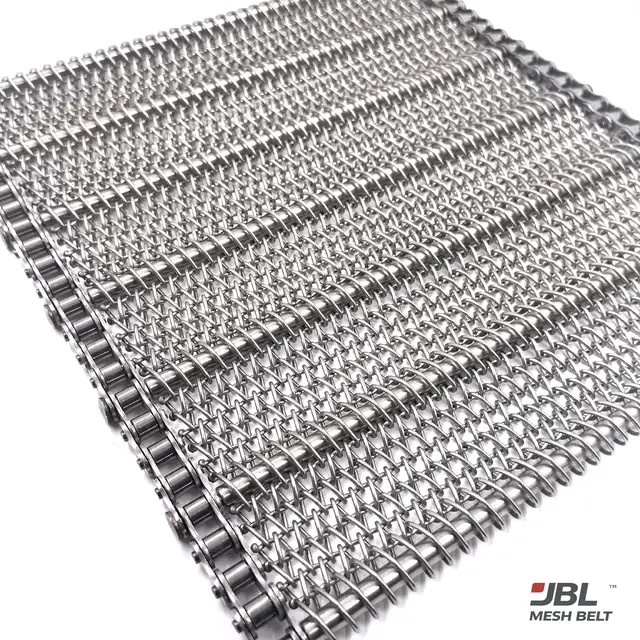
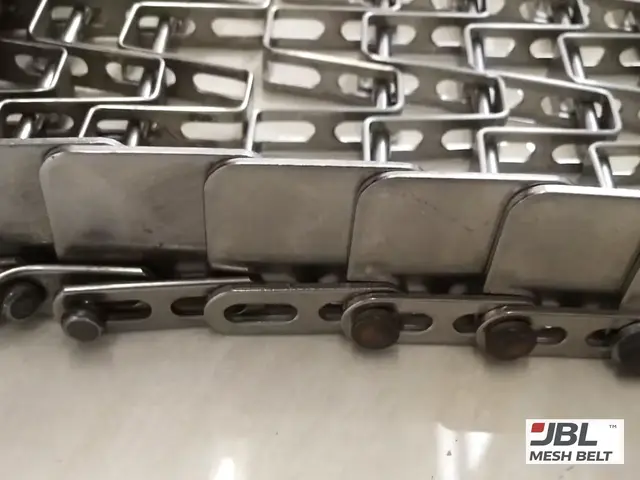
Positive drive by roller chains — wide, long or loaded lines.

Buyers ask first: Chain pitch and how the mesh joins the chain?

View belt →
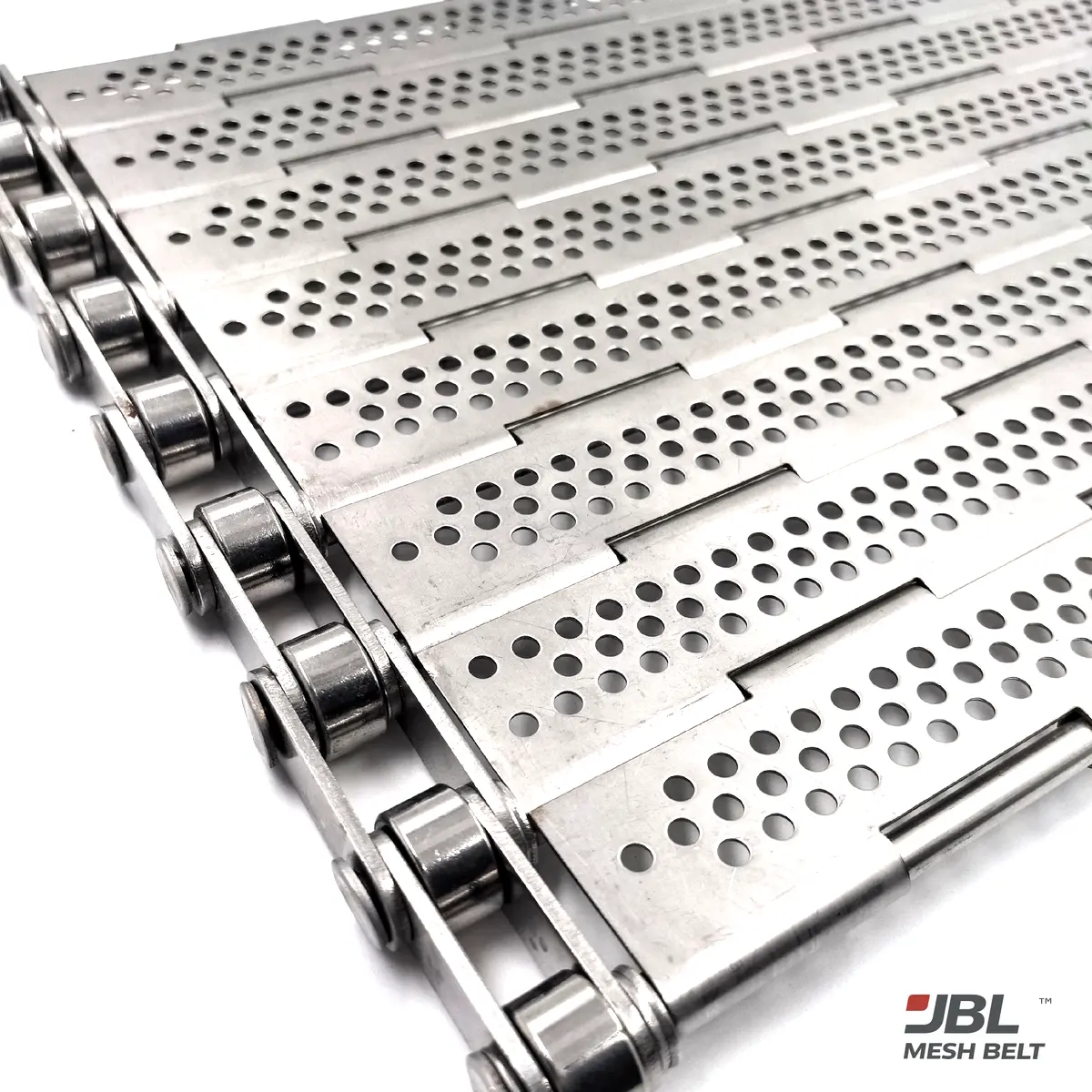
Plate Link Belt — metal conveyor belt

Plate Link Belt

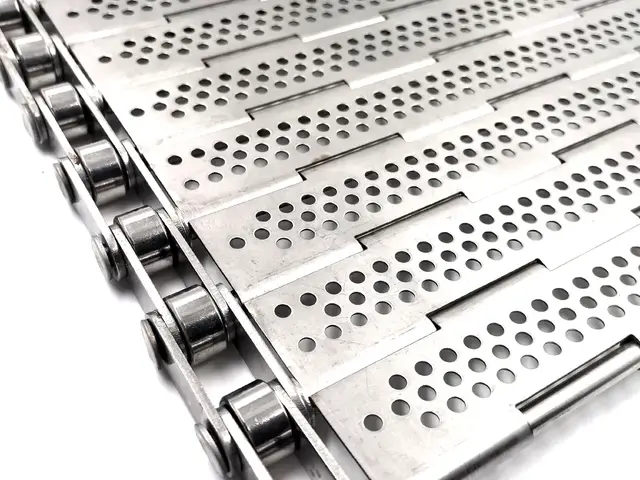
Heavy loads, impact, flights and side guards — solid or perforated plates.

Buyers ask first: Load and drive confirmed first?

View belt →
Flat Wire / Honeycomb Belt — metal conveyor belt

Flat Wire / Honeycomb Belt

Flat, open surface for cooling, draining, washing and light baking.

Buyers ask first: Number of openings and edge type?

View belt →
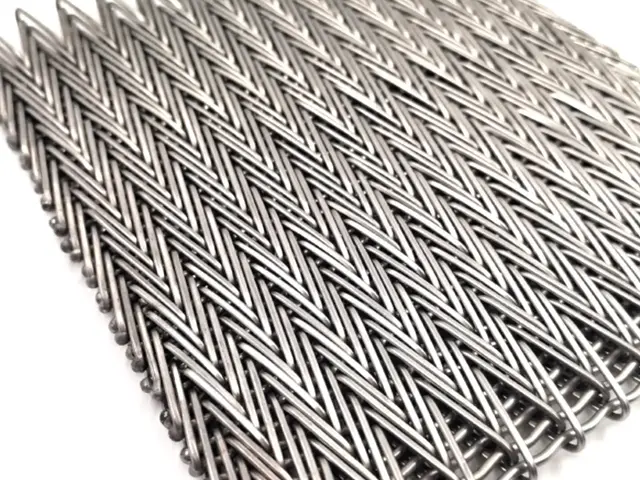
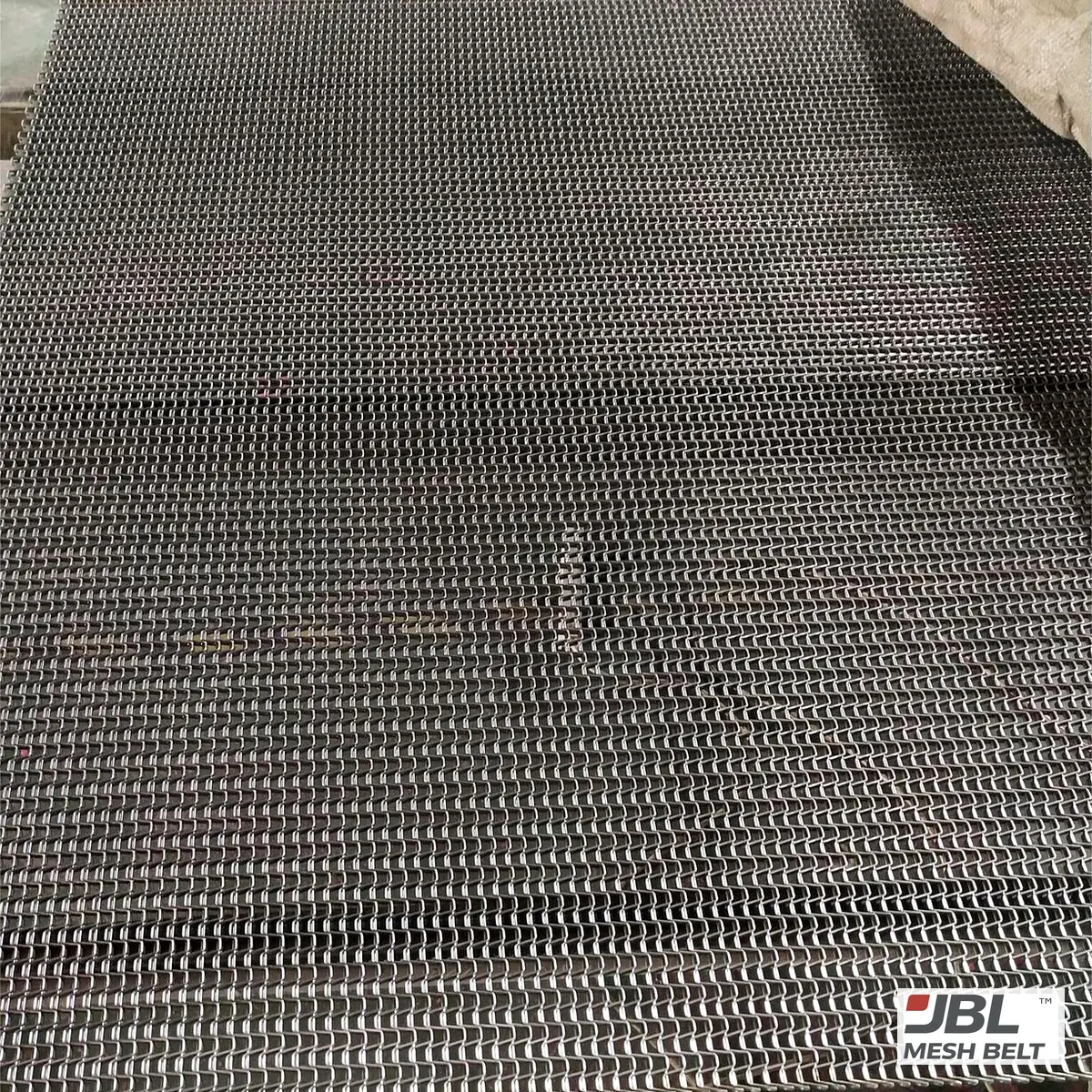
Balanced Weave Belt — metal conveyor belt

Balanced Weave Belt

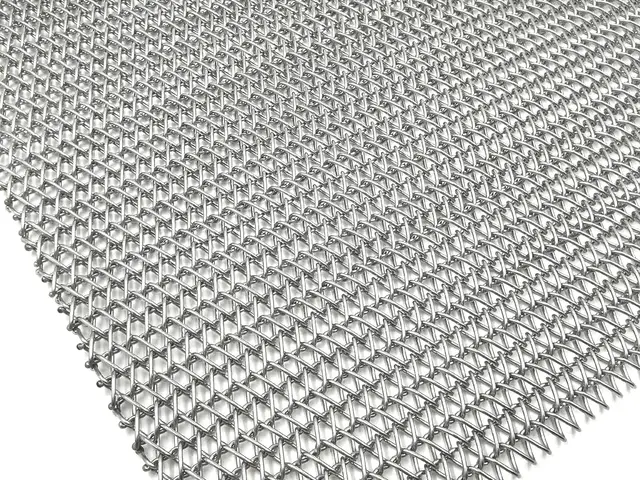
Flat, stable woven belt for baking, drying, cooling and heat treatment.

Buyers ask first: Sprocket-driven or friction-driven?

View belt →
Compound Weave Belt — metal conveyor belt

Compound Weave Belt

Dense woven surface for small products that must not fall through.

Buyers ask first: Rod arrangement confirmed from a sample?

View belt →
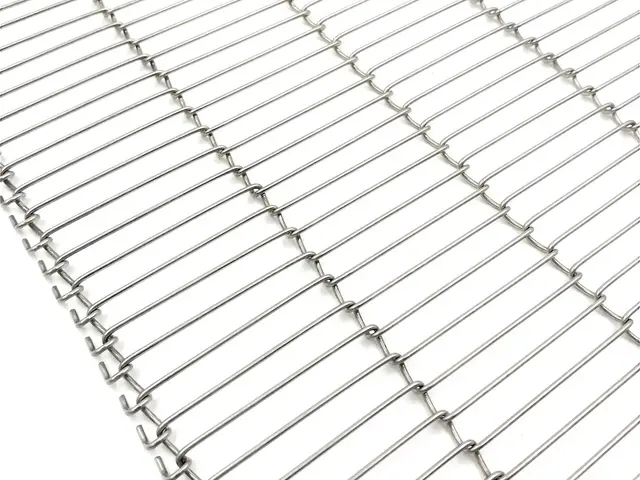
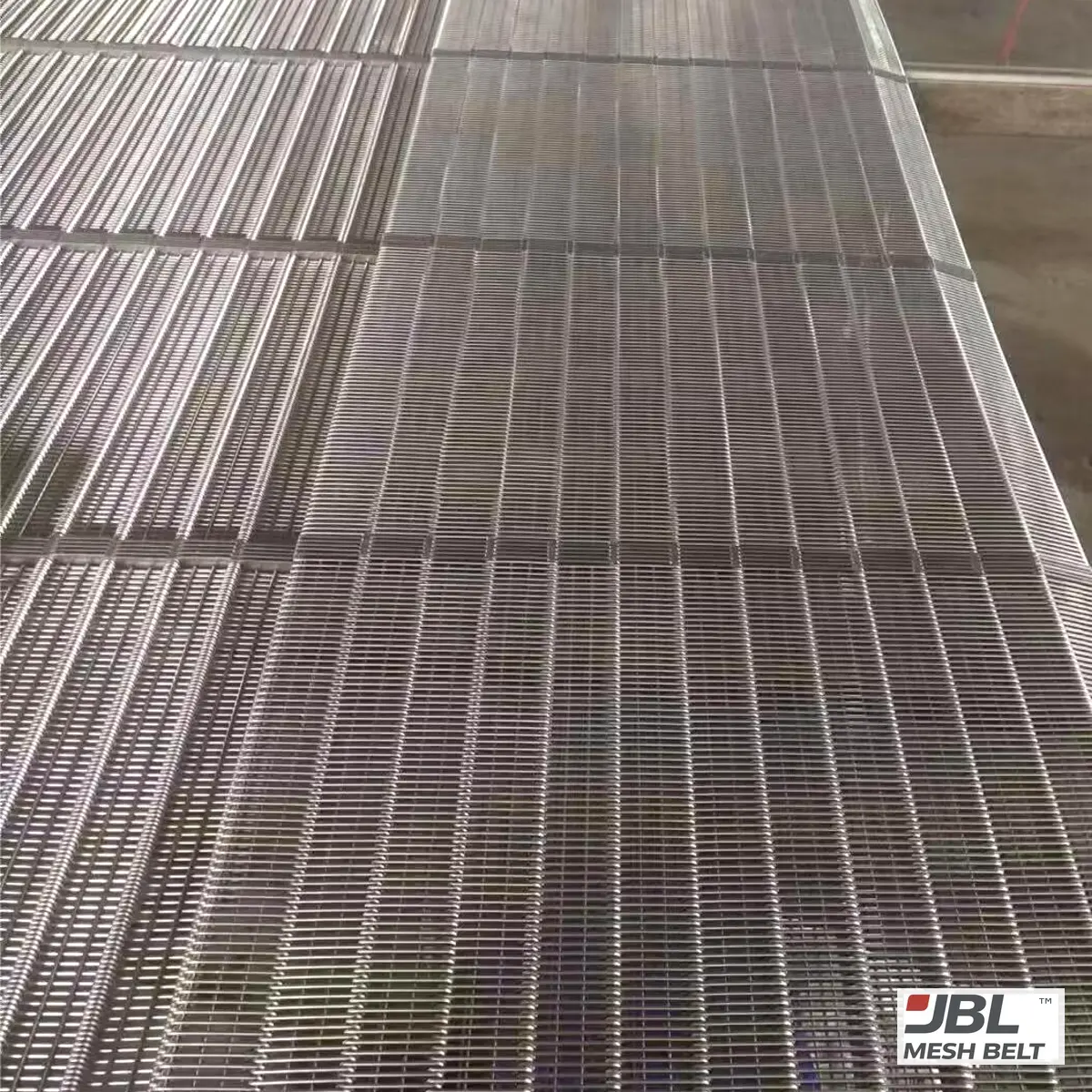
Z-Type Ladder Belt — metal conveyor belt

Z-Type Ladder Belt

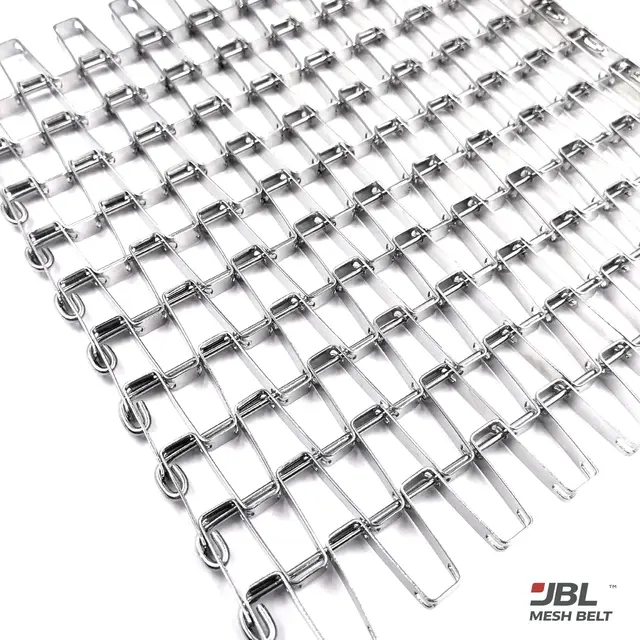
Very open ladder belt for draining, cooling and light conveying.

Buyers ask first: Odd number of spaces? Crimped edge?

View belt →
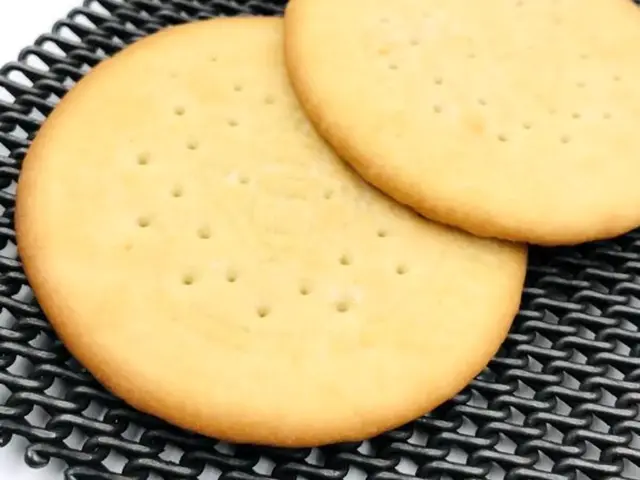
Biscuit Belt — metal conveyor belt

Biscuit Belt

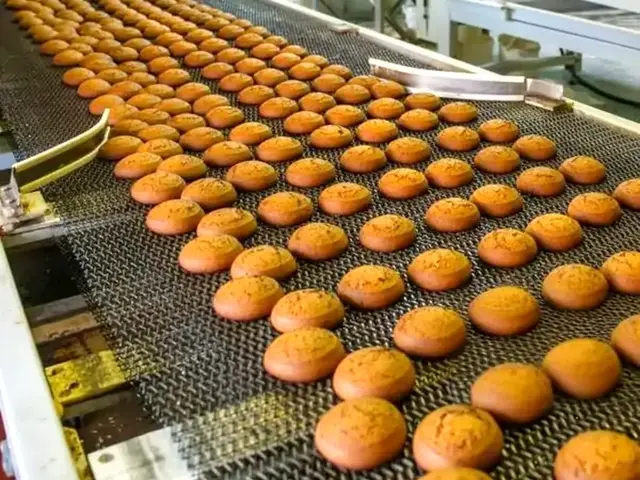
Dense, flat belt for biscuit and cracker baking ovens.

Buyers ask first: Welded or looped edge? Flatness checked?

View belt →
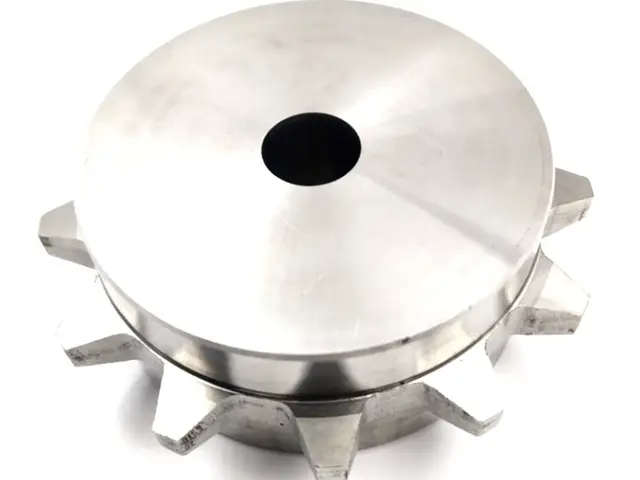
Sprockets — metal conveyor belt

Sprockets

Matched to the pitch of whichever belt or chain they drive.

Buyers ask first: Pitch of the belt it drives?

View belt →

Not sure which belt you have?

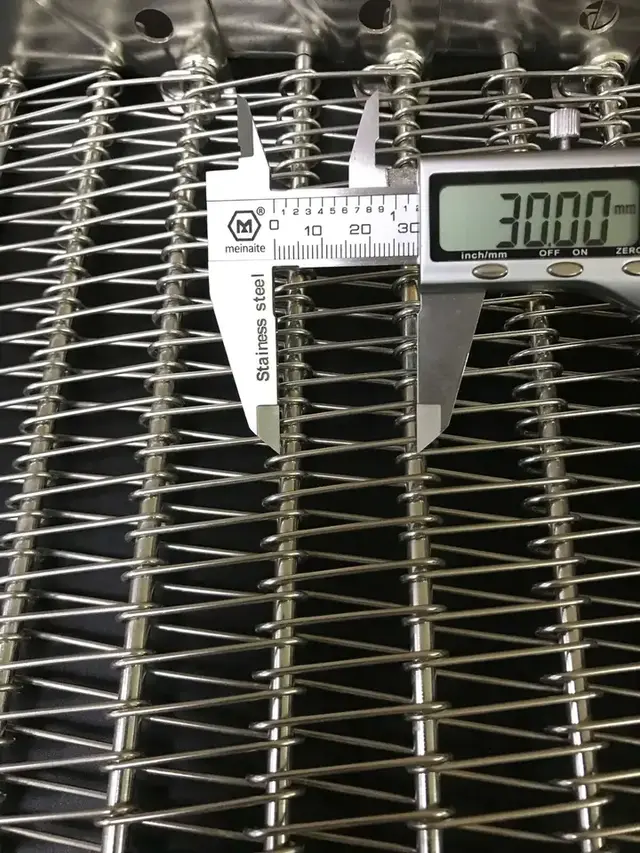
Send a photo with a tape in it — we identify it.

Will it fit your machine?

Drum, drive and sprockets are checked before quoting.

No original drawing?

An old belt section or measured photos are enough to start.

Want to see it first?

Sample approval and test video before shipment.

01
Belts by process

Which Belt for Your Process? Answers for Every Application

Each answer says which belts fit, what goes wrong with the wrong one, and the three things checked before quoting.

Which belt for a spiral freezer?

A spiral freezer belt for drum-driven spirals, a self-stacking belt for self-stacking freezers, or a side-driven belt for compact edge-driven spirals. The belt is matched to the drum and the drive, not only to the width.

With the wrong belt: The belt tracks off, rides up the drum or will not stack — the line stops.

Checked before quoting:
  • ✓Drum diameter and turn ratio
  • ✓Running direction (CW / CCW) and tier height
  • ✓Sprockets and drive engagement
More: Seafood and IQF freezing →

Which belt for cooling and proofing bread, pastry or dough?

Spiral or self-stacking belts in spiral coolers and proofers; flat wire or balanced weave belts on straight cooling conveyors.

With the wrong belt: A surface that marks soft dough, or a spiral belt that does not match the drum.

Checked before quoting:
  • ✓Product and how soft it is
  • ✓Spiral drum and turn ratio, or straight conveyor length
  • ✓Cleaning method
More: Bakery cooling and proofing →

Which belt for a baking oven?

A biscuit belt for biscuits and crackers; a balanced weave belt for bread, pastry and general baking; a compound weave belt where small products need a dense surface.

With the wrong belt: A belt that is not flat bakes unevenly; the wrong edge runs against the oven guides.

Checked before quoting:
  • ✓Product size and base pattern
  • ✓Edge: welded or looped
  • ✓Drive: sprocket or friction

Which belt for a fryer?

An eye link belt or a chain-driven belt for continuous frying of fries, chips, meat and snacks; a flat wire or Z-type ladder belt where a flat, very open surface is needed.

With the wrong belt: Wrong material or structure for the oil and the product means distortion, residue or a belt that is hard to clean.

Checked before quoting:
  • ✓Product and oil temperature
  • ✓Material grade
  • ✓Flights or submerging plates needed

Which belt for a dryer?

An eye link, balanced weave or chain-driven belt — open enough for airflow, strong enough for the load and the length of the dryer.

With the wrong belt: Airflow blocked by a dense belt, or a long belt that stretches and tracks off.

Checked before quoting:
  • ✓Product size and load
  • ✓Dryer length and number of tiers
  • ✓Drive: chain or sprocket

Which belt for a pasteurizer?

An eye link belt is the usual choice — open for water or steam flow and strong over long lengths. Material is chosen for the water treatment and cleaning.

With the wrong belt: Corrosion from the wrong material for the water and cleaning chemicals.

Checked before quoting:
  • ✓Water or steam, and cleaning chemicals
  • ✓Belt length and load
  • ✓Edge and drive

Which belt for washing and draining?

A flat wire or Z-type ladder belt for a very open surface that drains fast; an eye link belt for heavier products.

With the wrong belt: Water held on the belt, or product caught in the openings.

Checked before quoting:
  • ✓Product size
  • ✓Open area and number of spaces
  • ✓Edge type

Which belt for turning, heavy or incline conveying?

A side-driven belt for turning conveyors; a plate link or chain-driven belt for heavy loads, flights and inclines; a compound weave belt for small products.

With the wrong belt: A belt that cannot turn, or plates and chains that are not sized for the load.

Checked before quoting:
  • ✓Turn radius or incline
  • ✓Load per metre
  • ✓Flights and side guards

Which belt for industrial heat treatment, annealing, sintering, veneer drying or scrap?

Balanced weave belts for heat treatment, glass annealing and sintering; chain-driven belts for veneer drying; plate link belts for chips and scrap. Material, temperature and load are reviewed for each project before quotation.

With the wrong belt: A belt not sized for the temperature or load distorts or wears early.

Checked before quoting:
  • ✓Working temperature and atmosphere
  • ✓Load and product size
  • ✓Furnace or line length and drive
02
Compare belt types

Metal Conveyor Belt Types Compared

Surface, drive and typical lines side by side. Temperature limits and loads are confirmed per project, not from a table.

BeltSurfaceDriveTypical linesReplacing it? Check first
Spiral Freezer BeltOpen, rod and linkDrum and sprocketSpiral freezing, cooling, proofingTurn ratio, drum, direction
Self-Stacking BeltOpen, side platesDrum, self-supporting tiersSelf-stacking freezersTier height, CW / CCW
Side-Driven BeltOpen, stainless or POMEdge sprocketsCompact spirals, turningRod pitch, sprocket holes
Eye Link BeltOpen, strongSprocket or chainTunnel freezing, frying, dryingRod and eye-link pitch
Chain-Driven BeltMesh on roller chainsChain sprocketsFryers, dryers, long linesChain pitch, mesh-to-chain fit
Plate Link BeltSolid or perforated platesChain sprocketsHeavy load, scrap, inclinePlate and chain pitch
Flat Wire / Honeycomb BeltFlat, very openSprocketCooling, draining, washingOpenings, edge
Balanced Weave BeltWoven, flatSprocket or frictionBaking, drying, heat treatmentSpiral and crimp pitch
Compound Weave BeltWoven, denseSprocket or frictionSmall productsRod arrangement
Z-Type Ladder BeltLadder, very openSprocketDraining, coolingSpaces, edge, loop width
Biscuit BeltWoven, dense, flatDrum or sprocketBiscuit ovensPitch measuring, edge
03
Belts by equipment

Which Belt Does My Machine Use — and What Do I Measure?

Find your machine, the belts it usually runs, and what to measure before you ask for a replacement.

Spiral freezer

Measure: Width, rod pitch, drum diameter, turn ratio, direction

Self-stacking freezer

Measure: Tier height, side plate, CW / CCW, rod pitch

Tunnel / IQF freezer

Measure: Width, pitch, edge, drive

Spiral cooler or proofer

Measure: Drum diameter, turn ratio, tiers

Tunnel oven

Measure: Pitch, edge, flatness, drive

Fryer

Measure: Pitch, chain, flights, material

Dryer

Measure: Pitch, width, length, drive

Washer

Measure: Openings or spaces, edge, width

Furnace or annealing lehr

Measure: Pitch, wire, width, temperature

05
FAQ

Questions Buyers Ask When Choosing a Metal Conveyor Belt

Q1How do I choose a metal conveyor belt?

Start from the process (freezing, baking, frying, drying, washing), the product and the equipment. The belt type follows from those; then width, pitch, edge, material and drive are confirmed against your line.

Q2Which belt is best for a spiral freezer?

A spiral freezer belt for drum-driven spirals, a self-stacking belt for self-stacking freezers, or a side-driven belt for edge-driven spirals. Drum diameter, turn ratio and direction decide the fit.

Q3Eye link or flat wire for IQF freezing?

Eye link where strength and airflow over long tunnels matter; flat wire where a flat, very open surface suits the product. Product size and weight decide.

Q4Which belt for biscuits?

A biscuit belt — dense and flat, with welded or looped edges. Balanced weave belts are used for other bakery products.

Q5Which belt for frying?

Eye link or chain-driven belts for most continuous fryers; the material is chosen for the oil and the product.

Q6Can one belt type work for freezing and cooling?

Often yes — spiral and self-stacking belts are used in both freezers and coolers. The drum, turn ratio and product are checked for each line.

Q7Do you supply belts for industrial furnaces and lehrs?

Yes. Balanced weave, chain-driven and plate link belts are supplied for heat treatment, glass annealing, sintering, veneer drying and scrap handling; temperature, atmosphere and load are reviewed per project.

Q8I don't know the name of my belt. What should I send?

Photos of the belt surface and edge, with a tape measure in the picture, the belt width, the equipment and the product. That is enough to identify the type.

Q9Do you supply sprockets and accessories with the belt?

Yes — sprockets, wear strips, flights, side plates and guides are matched to the belt and supplied with it.

Q10How fast do you reply?

Usually within 8 hours. Lead time, payment and warranty are confirmed in writing in the quotation.