Spiral cooling
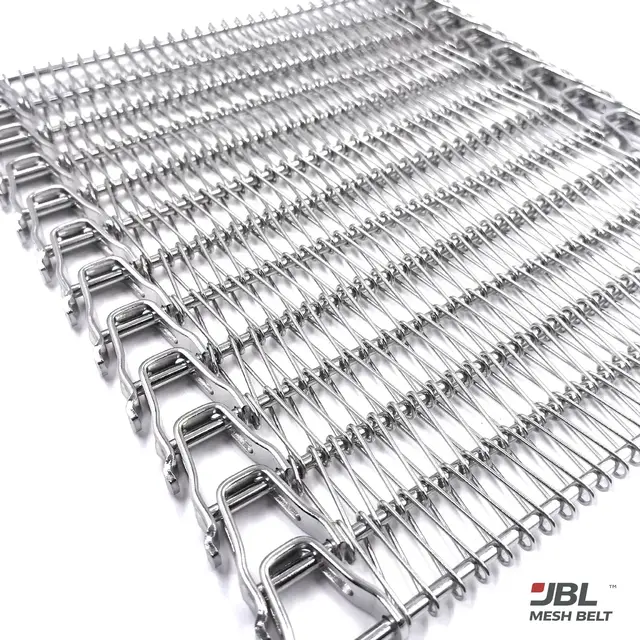
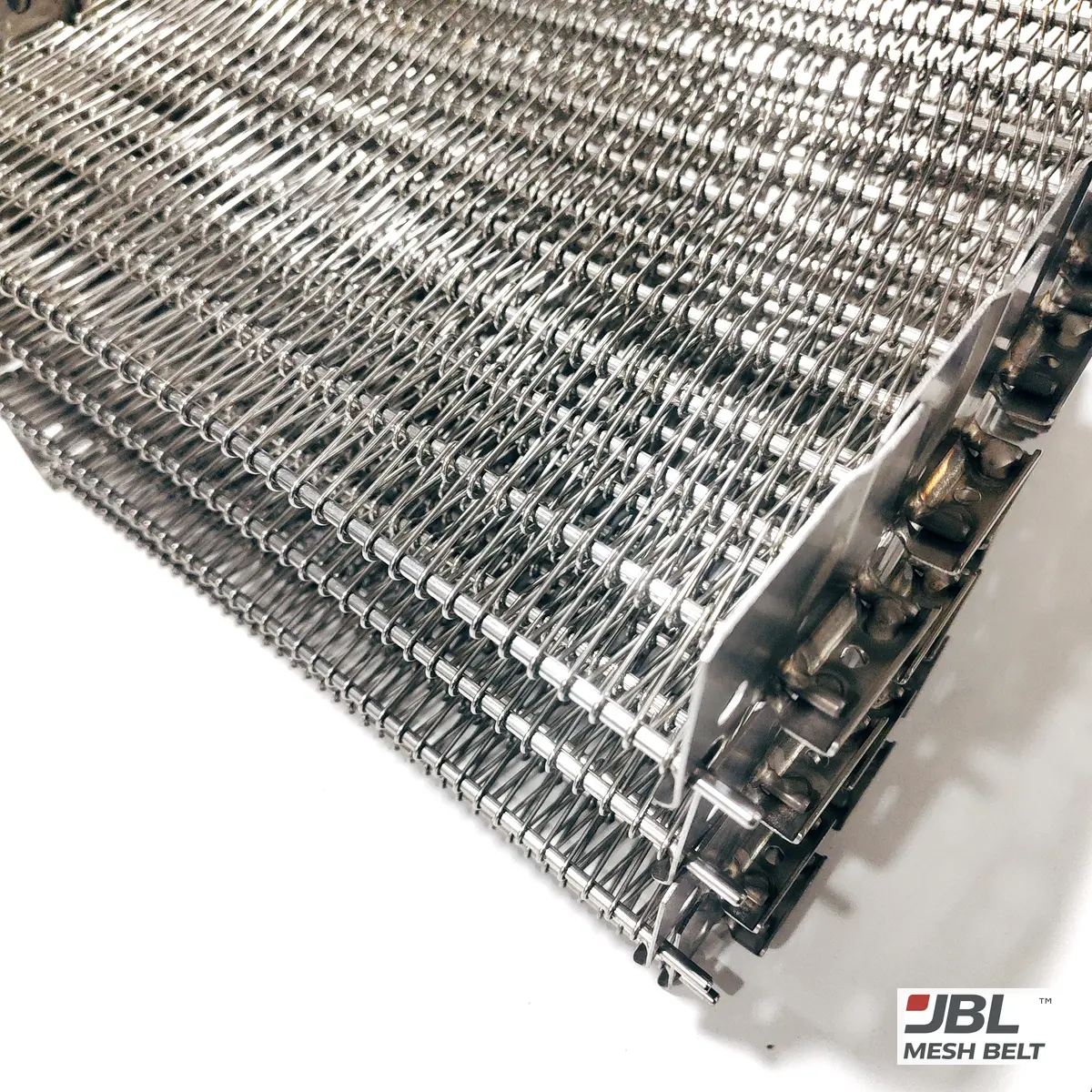
Spiral or self-stacking belts in spiral coolers — matched to the drum, turn ratio and tiers.
Checked first: Drum and turn ratio · Tiers and clearance · Direction
Bread, buns and pastry are cooled in spirals, baked on woven belts and frozen as dough or dumplings. Flat, even support comes first — then a belt that matches the drum, the oven guides and the drive.
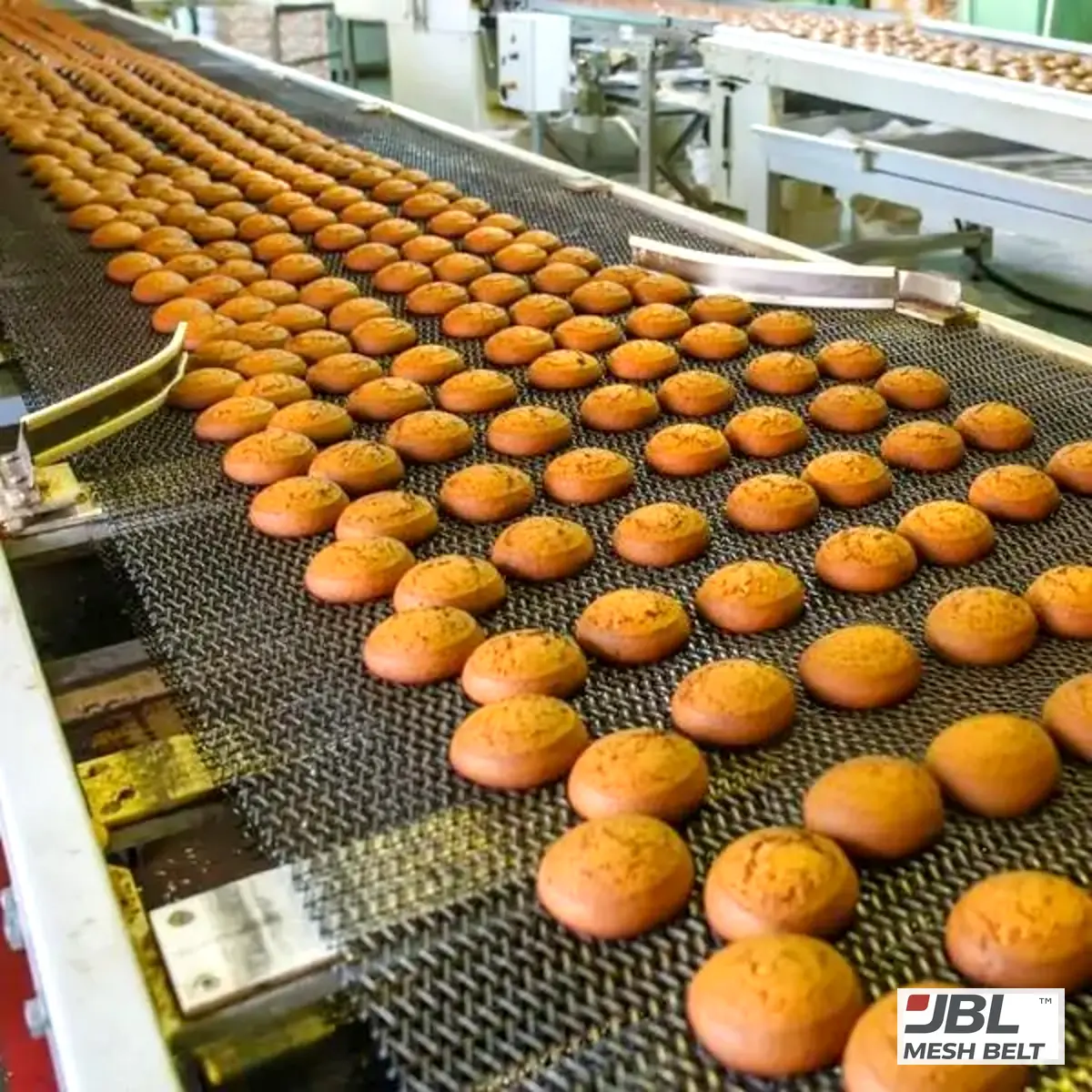
Spirals are matched to the drum and turn ratio; oven belts to flatness, edge and drive; cooling conveyors to the product surface.
Spiral or self-stacking belts in spiral coolers — matched to the drum, turn ratio and tiers.
Checked first: Drum and turn ratio · Tiers and clearance · Direction
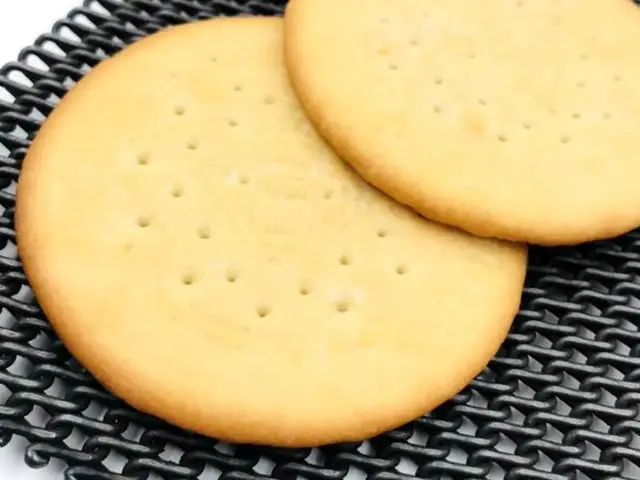
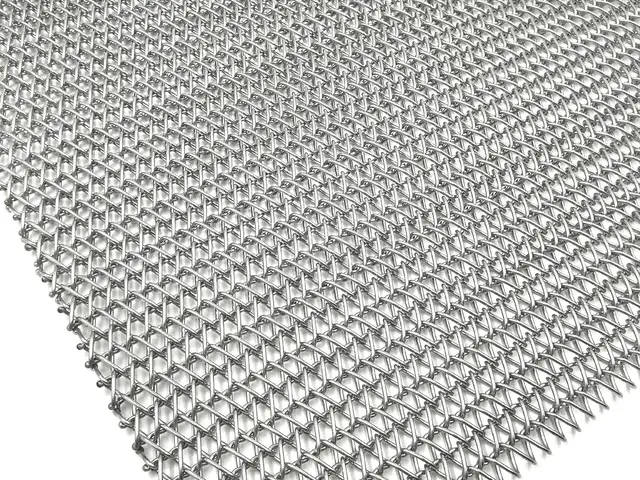
Biscuit belts for biscuits and crackers; balanced weave belts for bread and pastry; compound weave belts for small products.
Checked first: Flatness · Edge: welded or looped · Drive: sprocket or friction
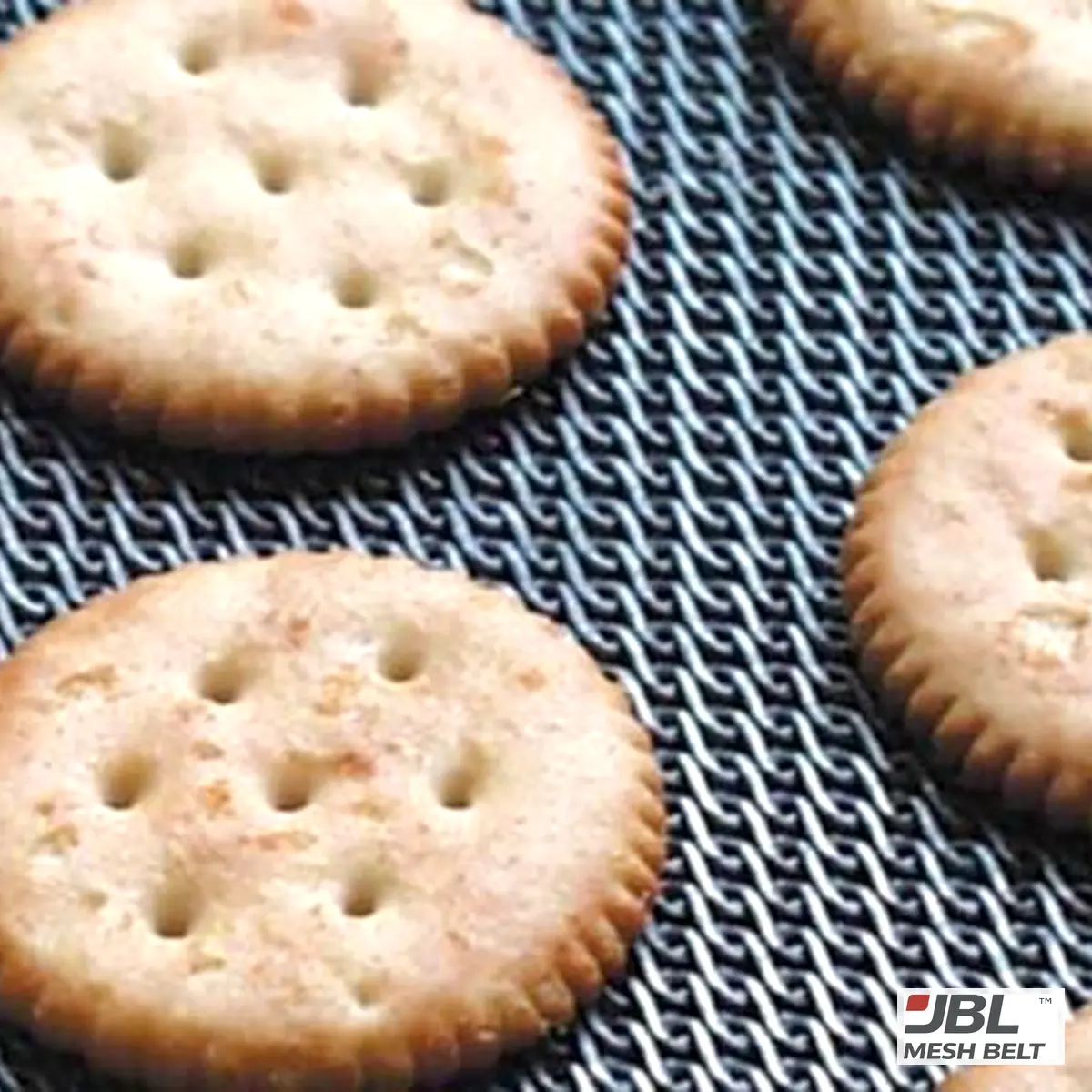
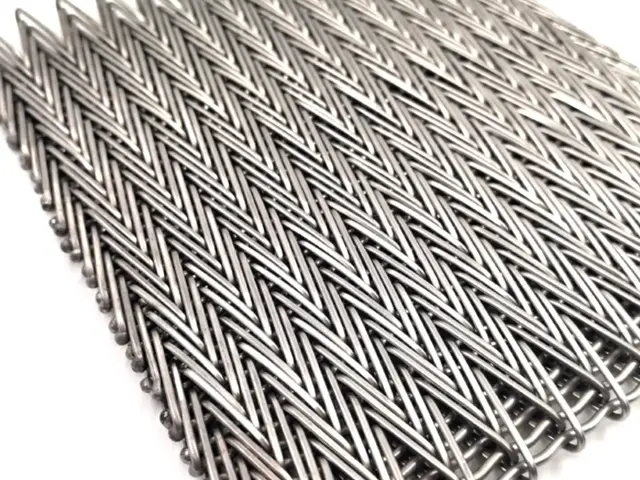
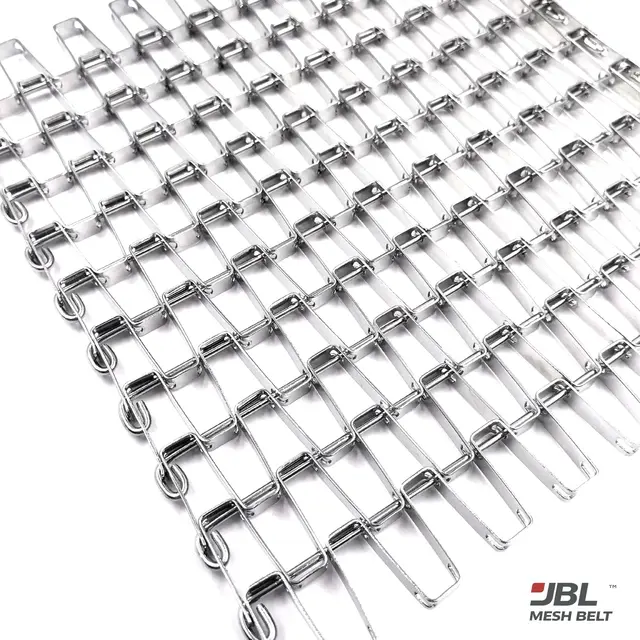
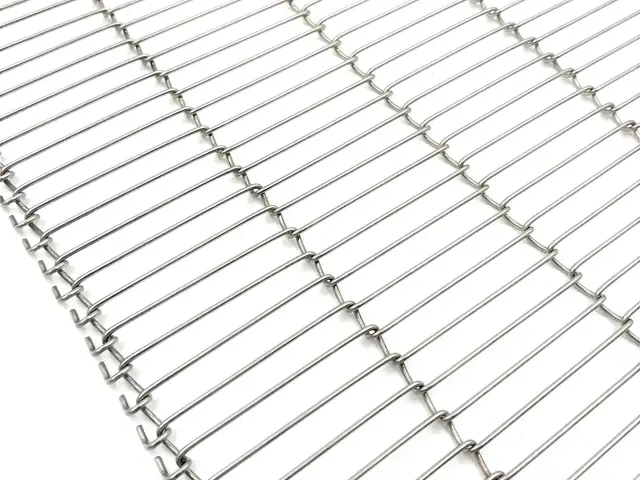
Flat wire and Z-type ladder belts give an open, even surface for cooling bread, cakes and chocolate products.
Checked first: Surface and openings · Edge · Cleaning
Spiral and self-stacking belts freeze dough, dumplings and buns; the surface must not mark soft products.
Checked first: Product softness · Drum and turn ratio · Tier height
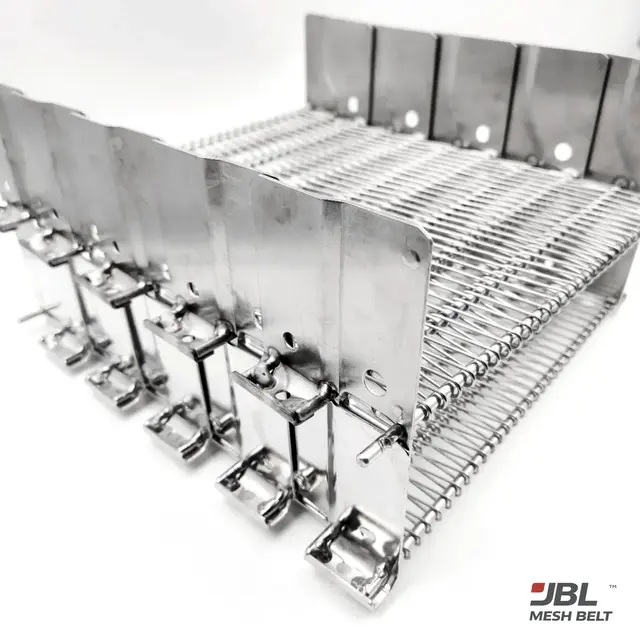
Spiral geometry
Drum diameter, turn ratio, direction and tiers for spiral coolers and freezers.
Oven fit
Width, edge and drive checked against the oven guides and drums.
Flatness
Belt checked flat so the product bakes evenly; tolerance confirmed per project.
Pitch measuring
Spiral and rod pitch measured the same way as on your old belt.
Product surface
Soft dough and delicate products need the right pitch and wire.
Old belt, if replacing
New belt compared with the old one before production.
Replacing a belt, or fitting out a new line?
Send photos with a tape in the picture, a drawing or an old belt section. An engineer tells you what fits and what is missing.
Spiral cooling and freezing
Spiral coolers and spiral freezers on bakery lines both wind the belt round a drum, tier after tier. The belt is chosen from three things on your spiral: how tight the turn is, how the drive moves the belt, and the product it carries.
The published reference range for standard spiral freezer belts starts at a turn ratio of 1.15. A spiral that turns tighter needs a Small Radius Spiral Freezer Belt, with the turn ratio confirmed against your drum. Before shipment, the belt is turned on a test drum matched to your drum diameter and turn ratio, and you receive photos or video.
In Melbourne, a bakery's spiral cooling belt was replaced from a section of the original belt: pitch, rod and link were read on that section, and our sample was measured against it the same way before bulk production.
| Your spiral | Belt to review | Check first | If you are replacing |
|---|---|---|---|
| Standard turn, drum-driven spiral cooler or freezer | Spiral Freezer Belt | Drum diameter, turn ratio, running direction, tier height | Photos of the edge and drive side; sprocket condition |
| The spiral turns tighter than a standard belt allows | Small Radius Spiral Freezer Belt | Turn ratio confirmed against your drum; inner and outer pitch | Inner and outer pitch measured on the old belt |
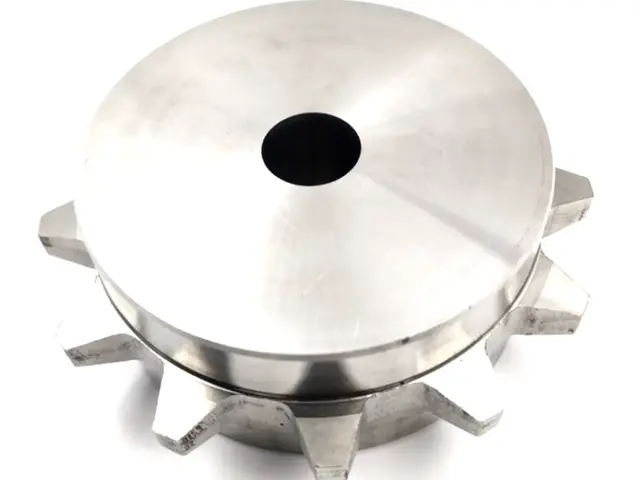
| Sprockets drive the belt at its side links | Side-Driven Belt | Rod pitch measured on the old belt; sprocket pitch | Sprocket photos with tooth count, bore and keyway |
| The belt already runs badly on your spiral | Check the drive and the belt before ordering | Tracking, tooth engagement, lifting at the turn | Photos of where the drive meets the belt |
Line by line
A bakery line usually needs more than one belt type. Spiral coolers and spiral cooling conveyors work to drum and turn ratio; ovens work to flatness, edge and drive; cooling conveyors work to the product surface. Start from the line, then the belt follows.
| Line | Usual belt types | Check first | If you are replacing |
|---|---|---|---|
| Spiral cooling (spiral cooler) | Spiral Freezer Belt, Self-Stacking Belt, Side-Driven Belt | Drum diameter, turn ratio, tiers, direction | Photos of edge and drive side; sprocket condition |
| Biscuit and cracker baking | Biscuit Belt | Flatness, edge: welded or looped | Spiral pitch and rod pitch measured as on the old belt |
| Bread and pastry baking | Balanced Weave Belt, Compound Weave Belt | Drive: sprocket or friction; flatness | Hard or soft wire; drive type on the oven |
| Cooling conveyors and confectionery | Flat Wire / Honeycomb Belt, Z-Type Ladder Belt, Balanced Weave Belt | Surface and openings, edge, cleaning | Openings or spaces counted on the old belt |
| Freezing dough, dumplings and buns | Spiral Freezer Belt, Self-Stacking Belt | Product softness, drum and turn ratio, tier height | Tier clearance measured on the old belt |
Replacing a bakery belt
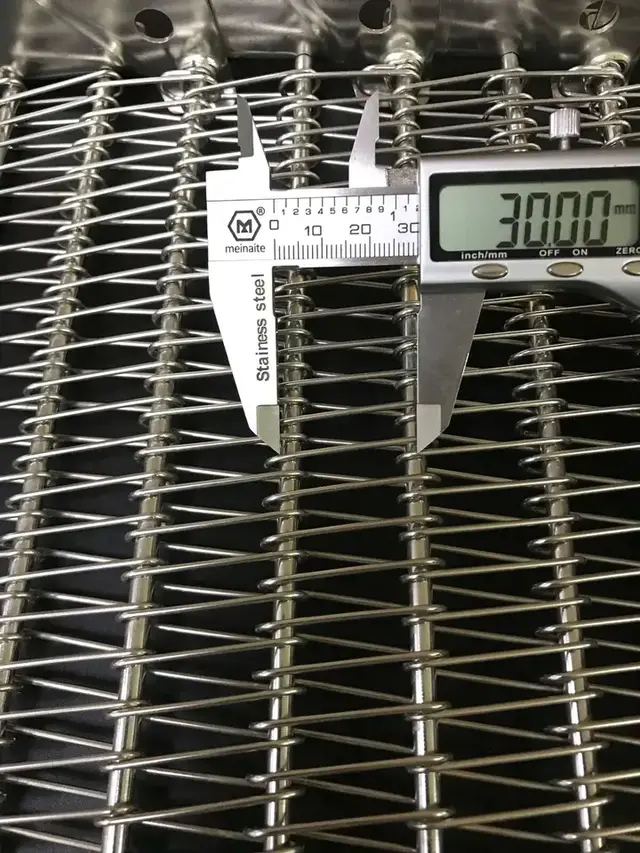
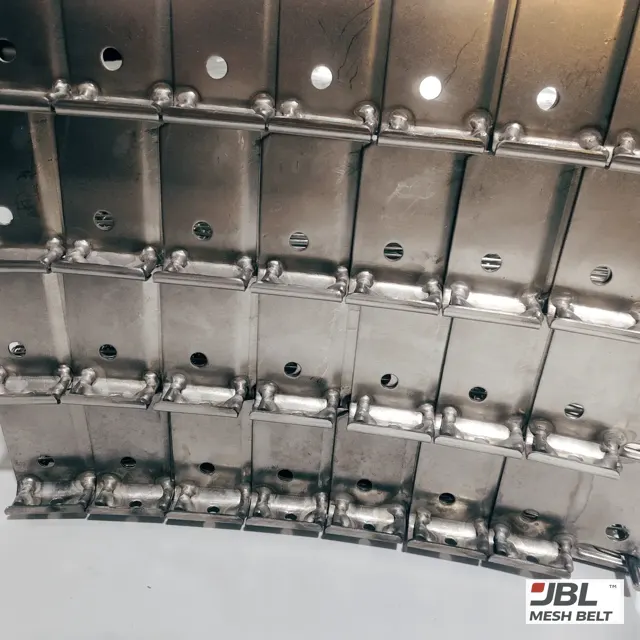
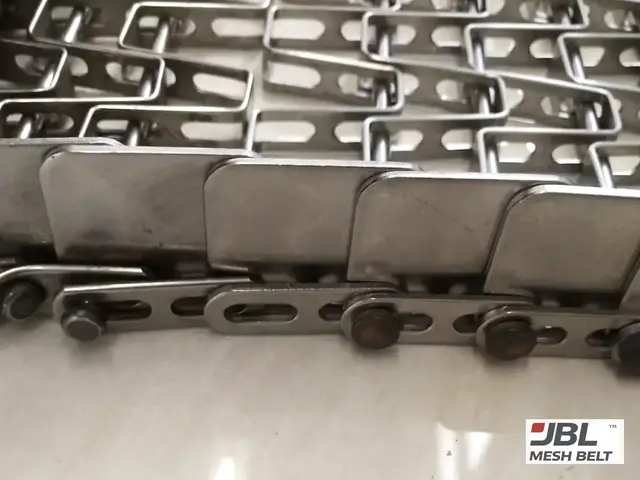
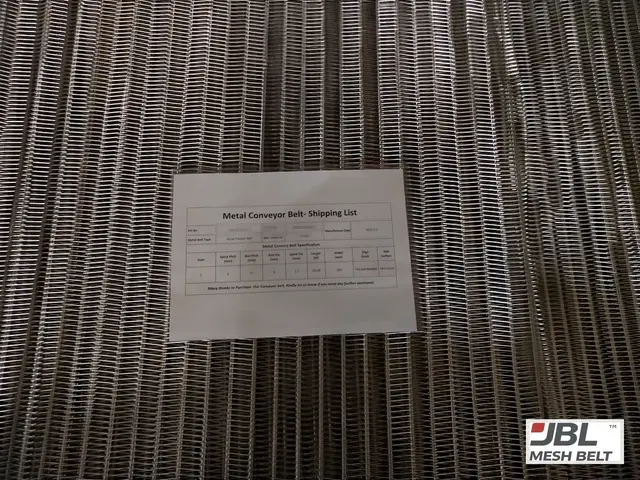
A spiral freezer belt or a self-stacking belt, matched to the drum, turn ratio and tiers.
A biscuit belt — dense and flat, with a welded or looped edge confirmed from your photos.
Usually a balanced weave belt; sprocket or friction drive confirmed with the oven.
Yes — flat wire, Z-type ladder and balanced weave belts, chosen for the surface the product needs.
Yes. Send photos with a tape or a section of the old belt; pitch and edge are checked before quoting.
Send your drawing or old-belt photos on WhatsApp +86 138 1487 2506. Commercial terms are confirmed in writing in the quotation.