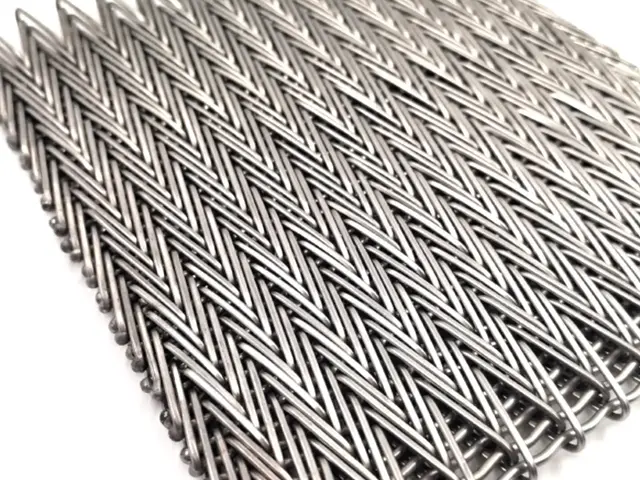
Start from the process (freezing, baking, frying, drying, washing), the product and the equipment. The belt type follows from those; then width, pitch, edge, material and drive are confirmed against your line.
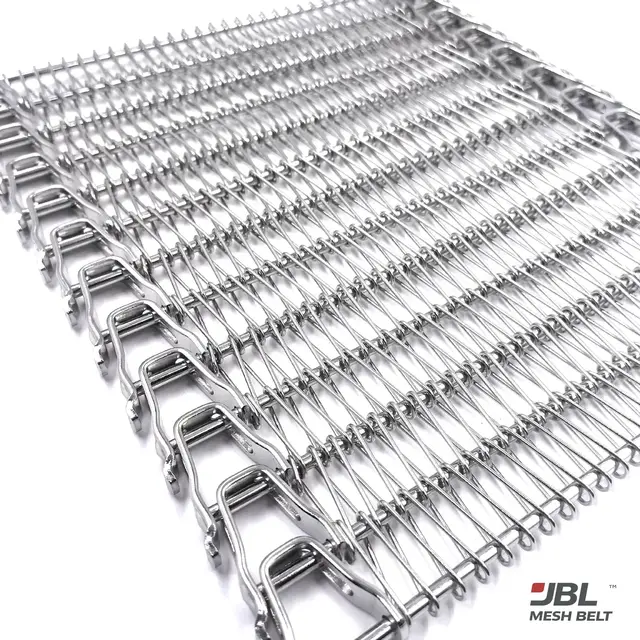
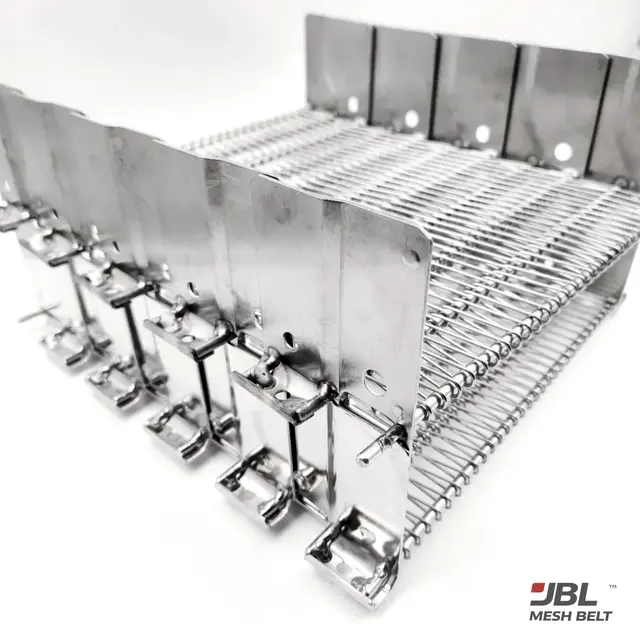
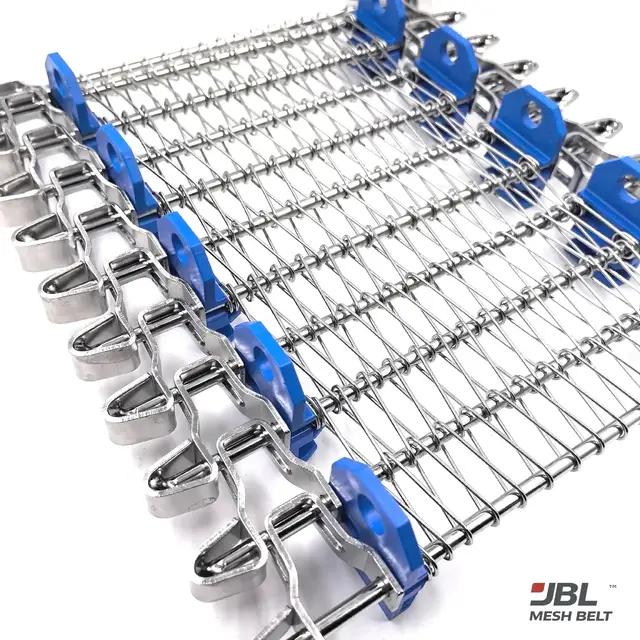
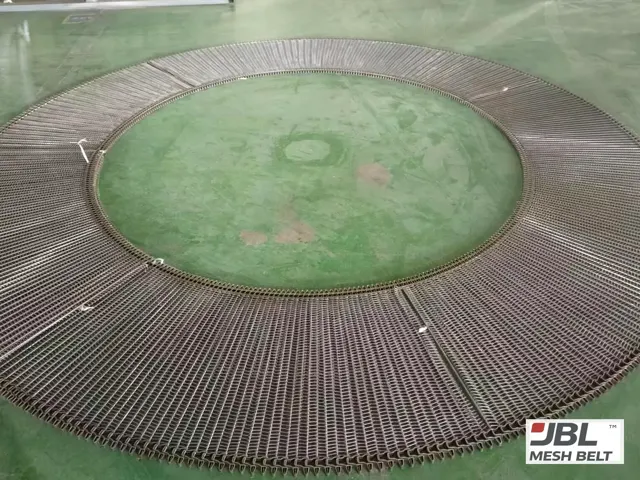
A spiral freezer belt for drum-driven spirals, a self-stacking belt for self-stacking freezers, or a side-driven belt for edge-driven spirals. Drum diameter, turn ratio and direction decide the fit.
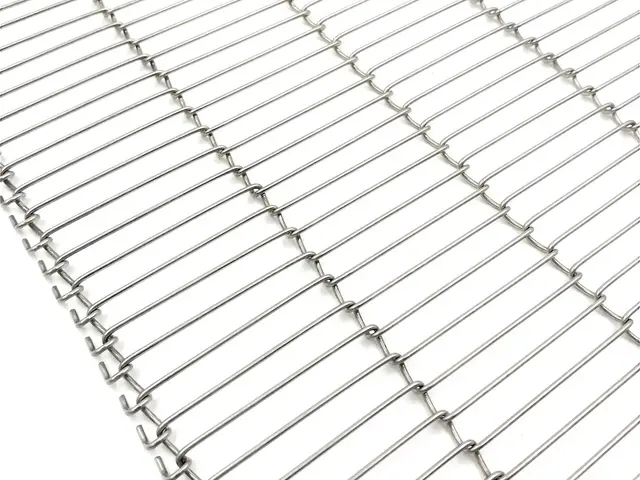
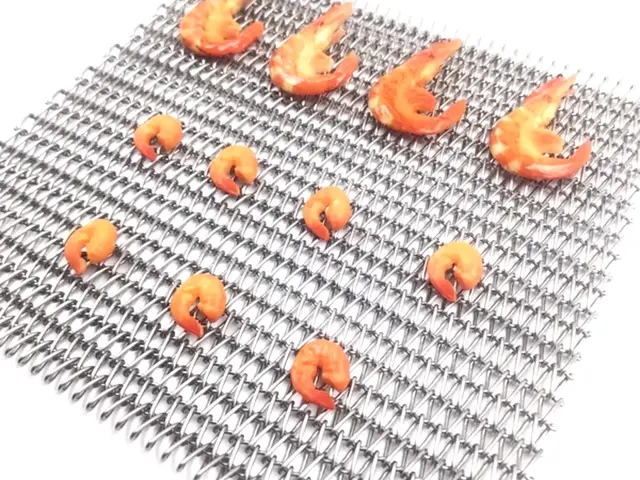
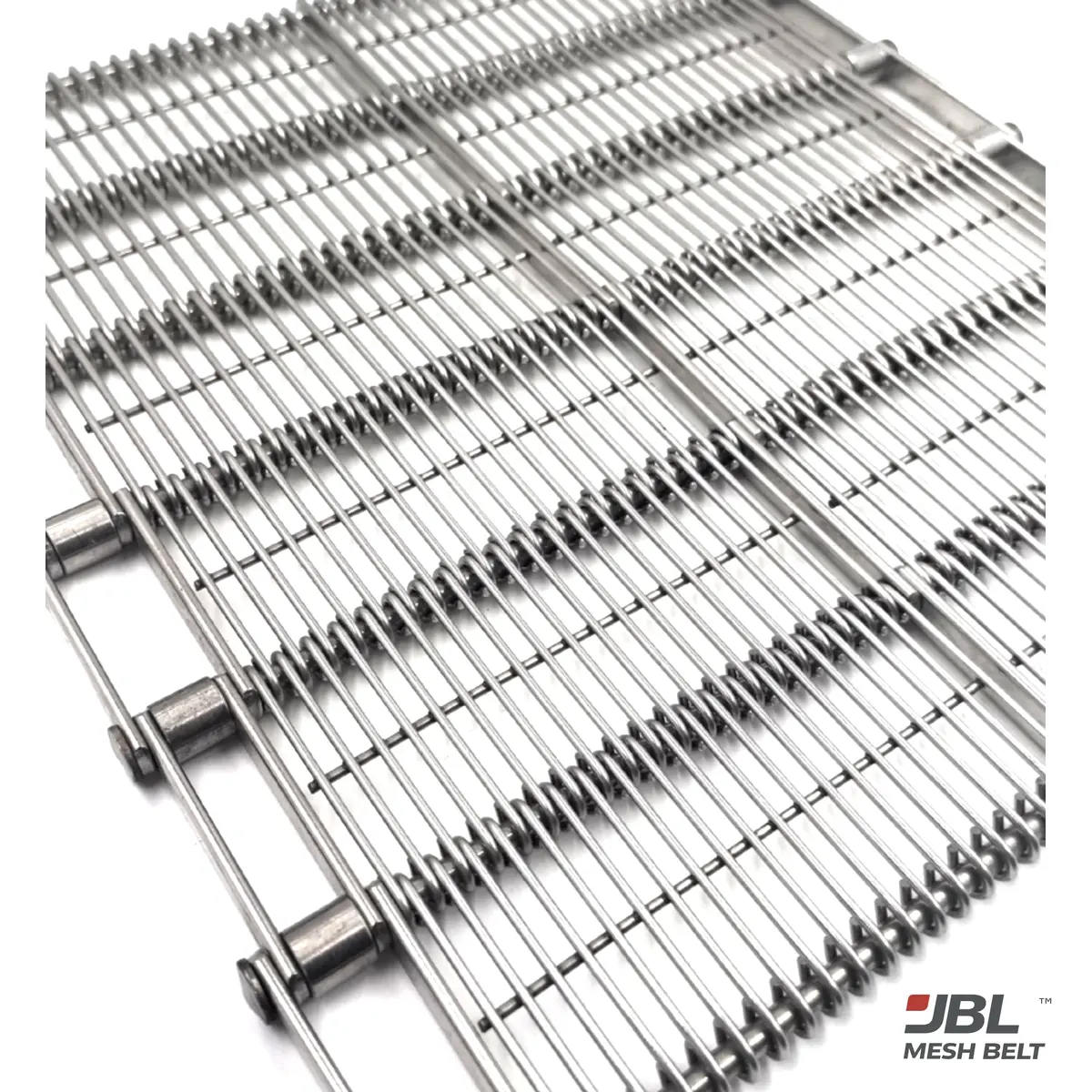
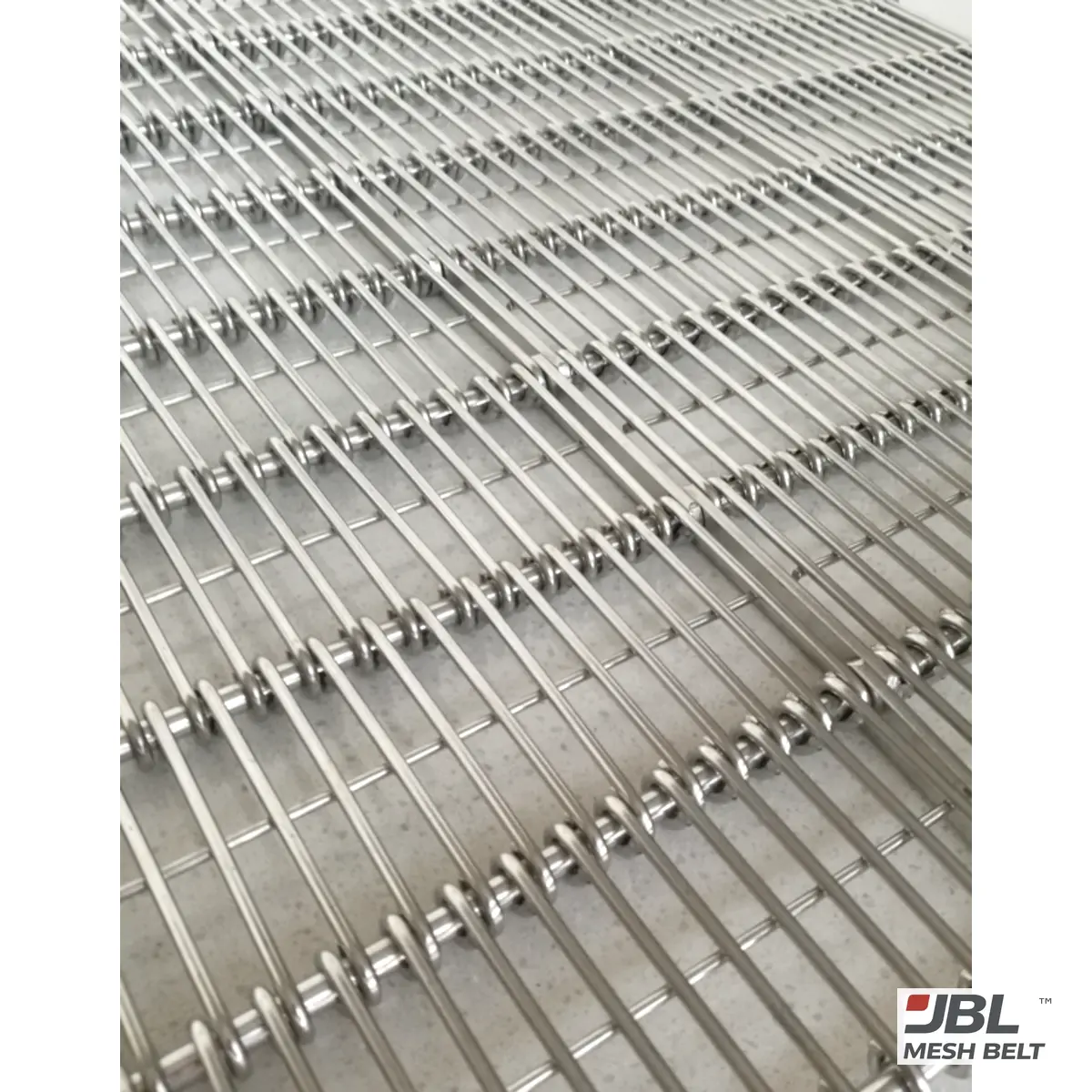
Eye link where strength and airflow over long tunnels matter; flat wire where a flat, very open surface suits the product. Product size and weight decide.
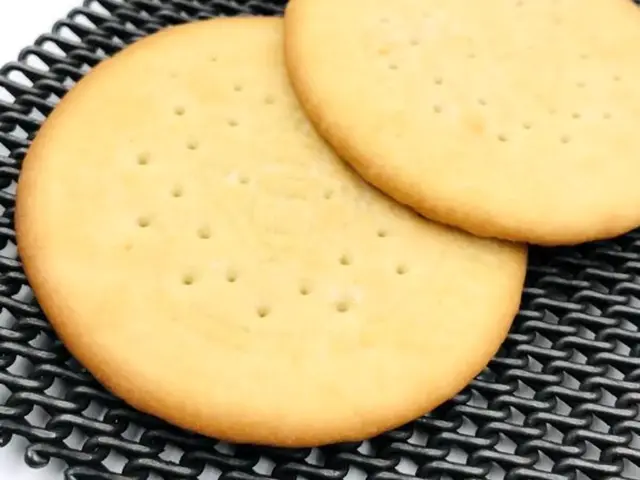
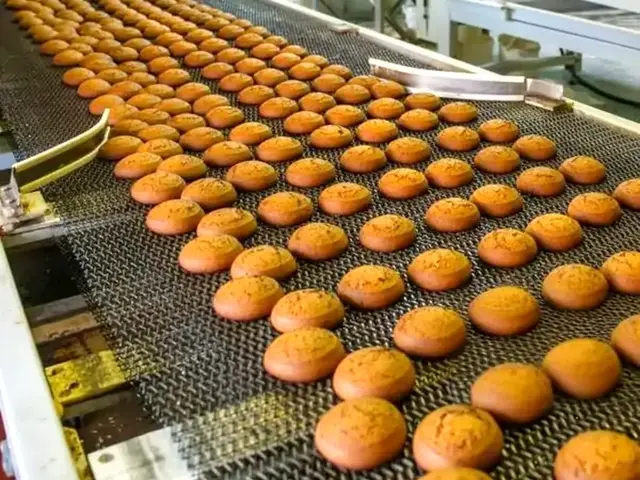
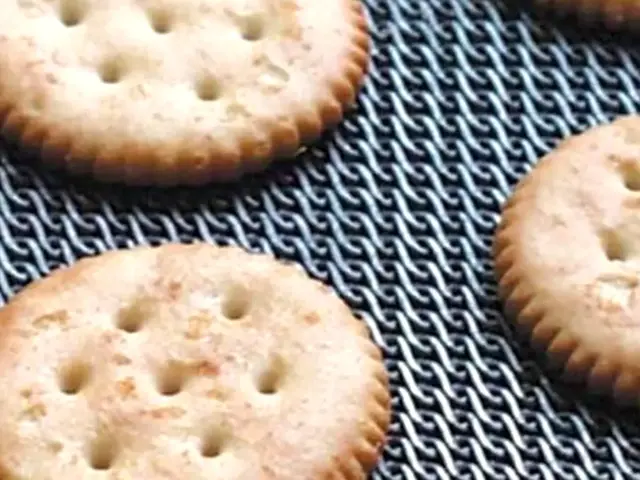
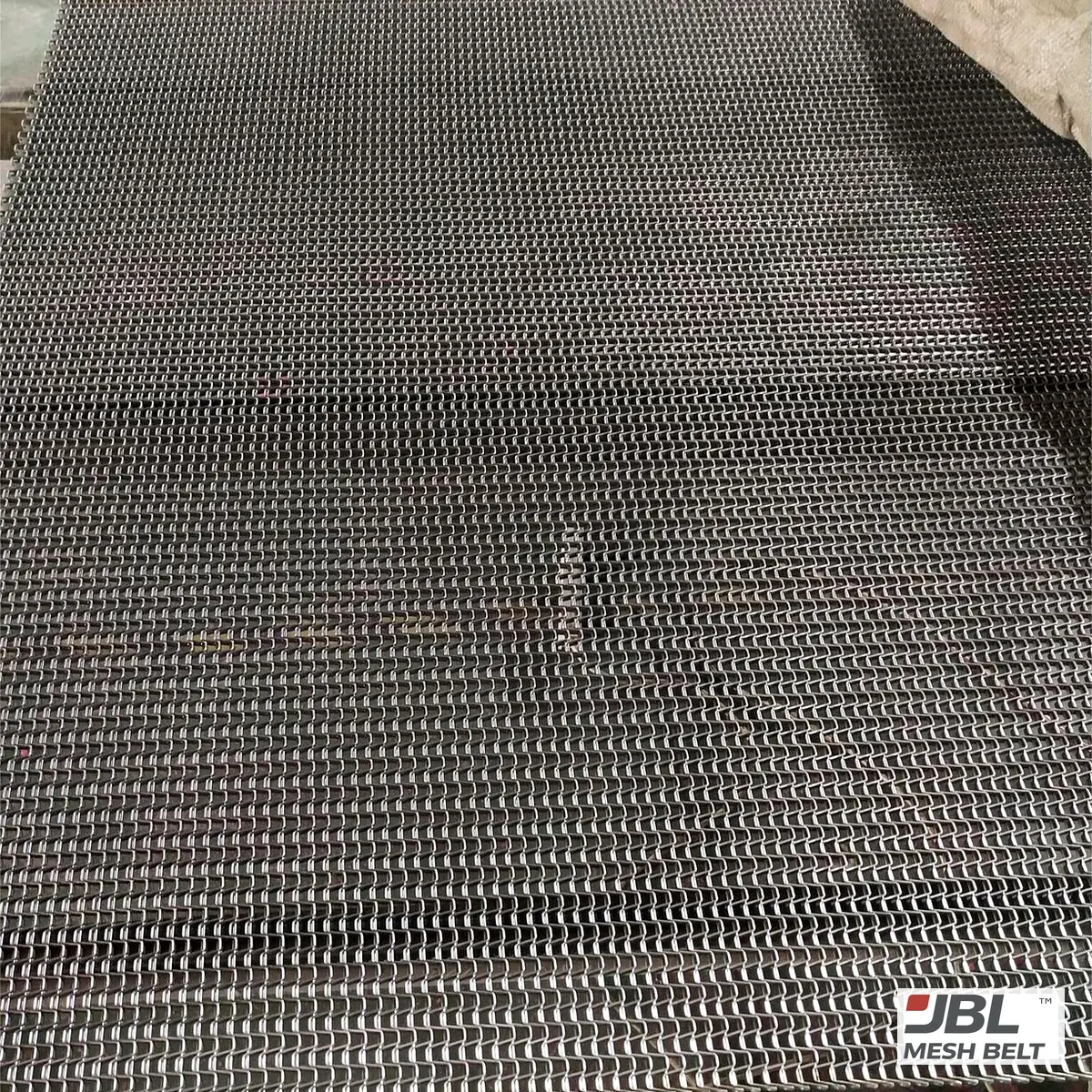
A biscuit belt — dense and flat, with welded or looped edges. Balanced weave belts are used for other bakery products.
Eye link or chain-driven belts for most continuous fryers; the material is chosen for the oil and the product.
Often yes — spiral and self-stacking belts are used in both freezers and coolers. The drum, turn ratio and product are checked for each line.
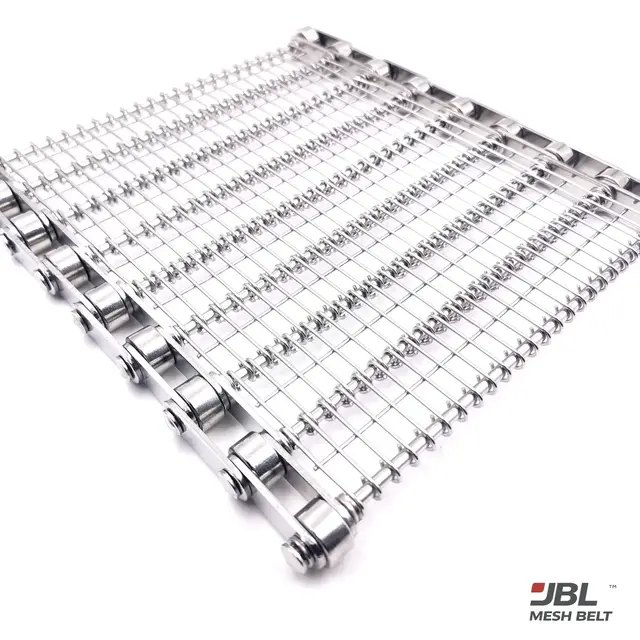
Yes. Balanced weave, chain-driven and plate link belts are supplied for heat treatment, glass annealing, sintering, veneer drying and scrap handling; temperature, atmosphere and load are reviewed per project.
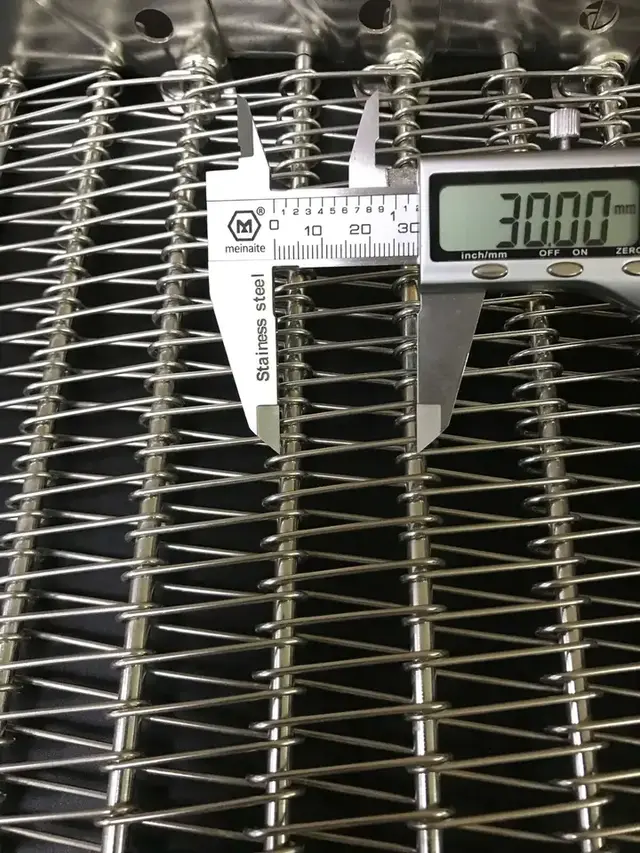
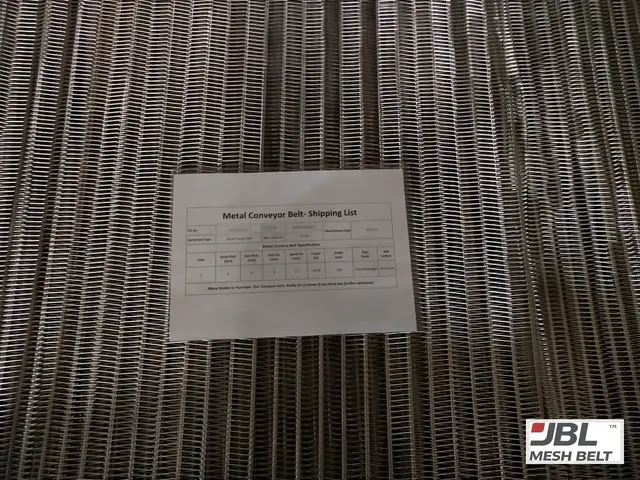
Photos of the belt surface and edge, with a tape measure in the picture, the belt width, the equipment and the product. That is enough to identify the type.
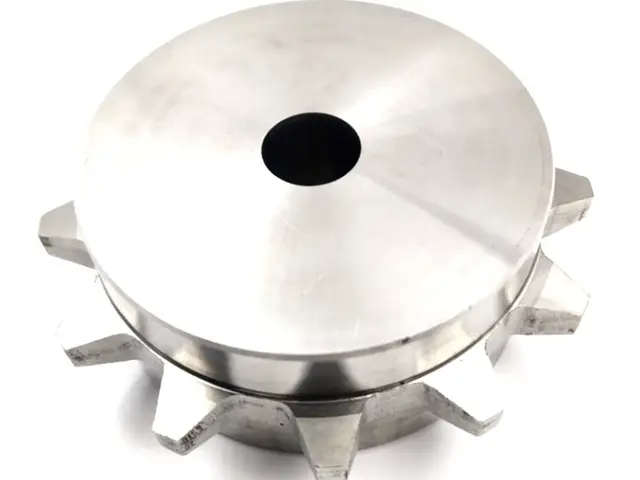
Yes — sprockets, wear strips, flights, side plates and guides are matched to the belt and supplied with it.
Usually within 8 hours. Lead time, payment and warranty are confirmed in writing in the quotation.