Application · Frying, Baking and Steam Ovens

Conveyor Belts for Fryers, Pizza Ovens and Steam Ovens

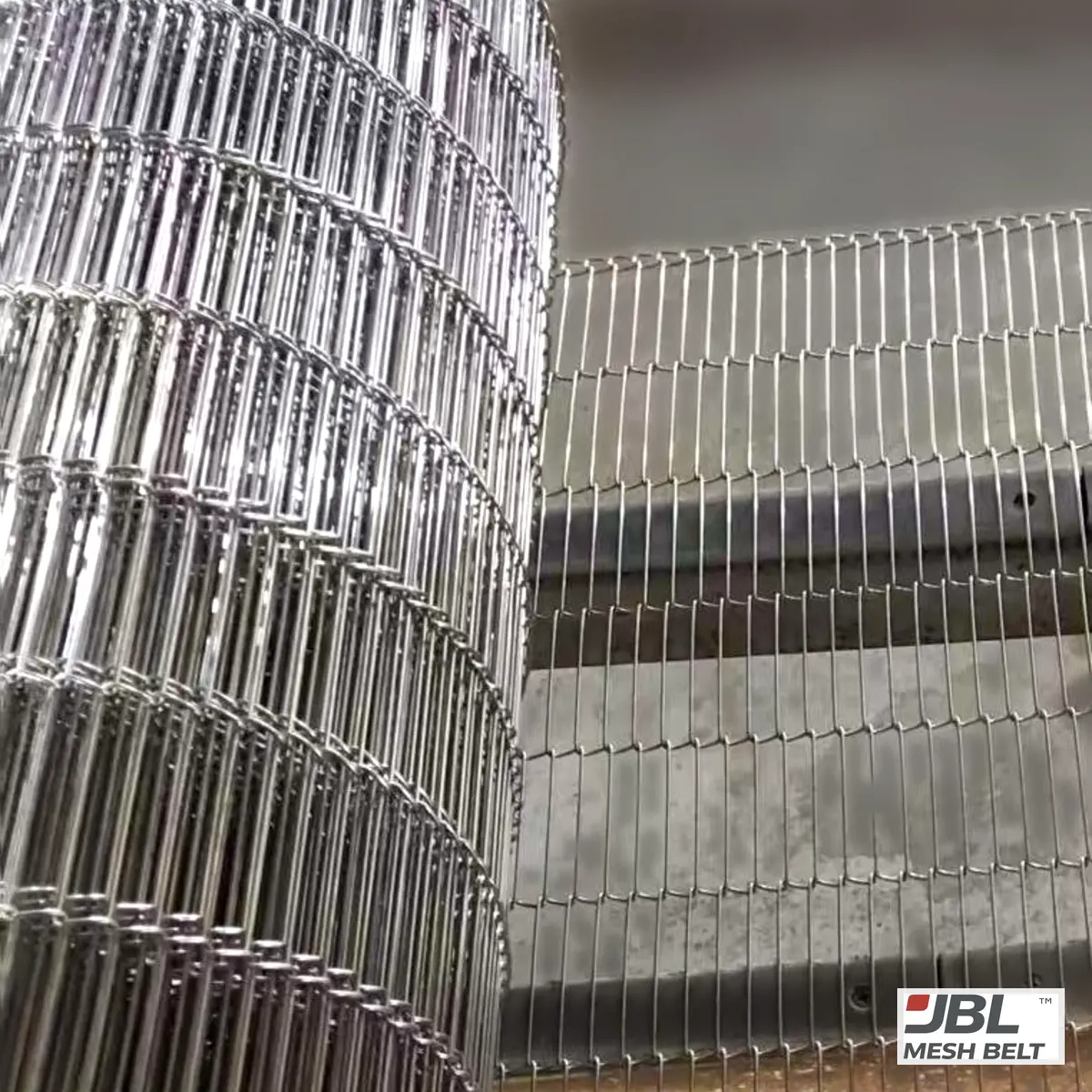
Hot lines need a belt that keeps its shape at temperature and in oil or steam. Fryers use eye link, chain-driven or Z-type ladder belts; pizza ovens and light products often run on Z-type ladder belts; steam ovens and cooking tunnels use chain-driven belts; biscuit and bread ovens use biscuit or balanced weave belts.

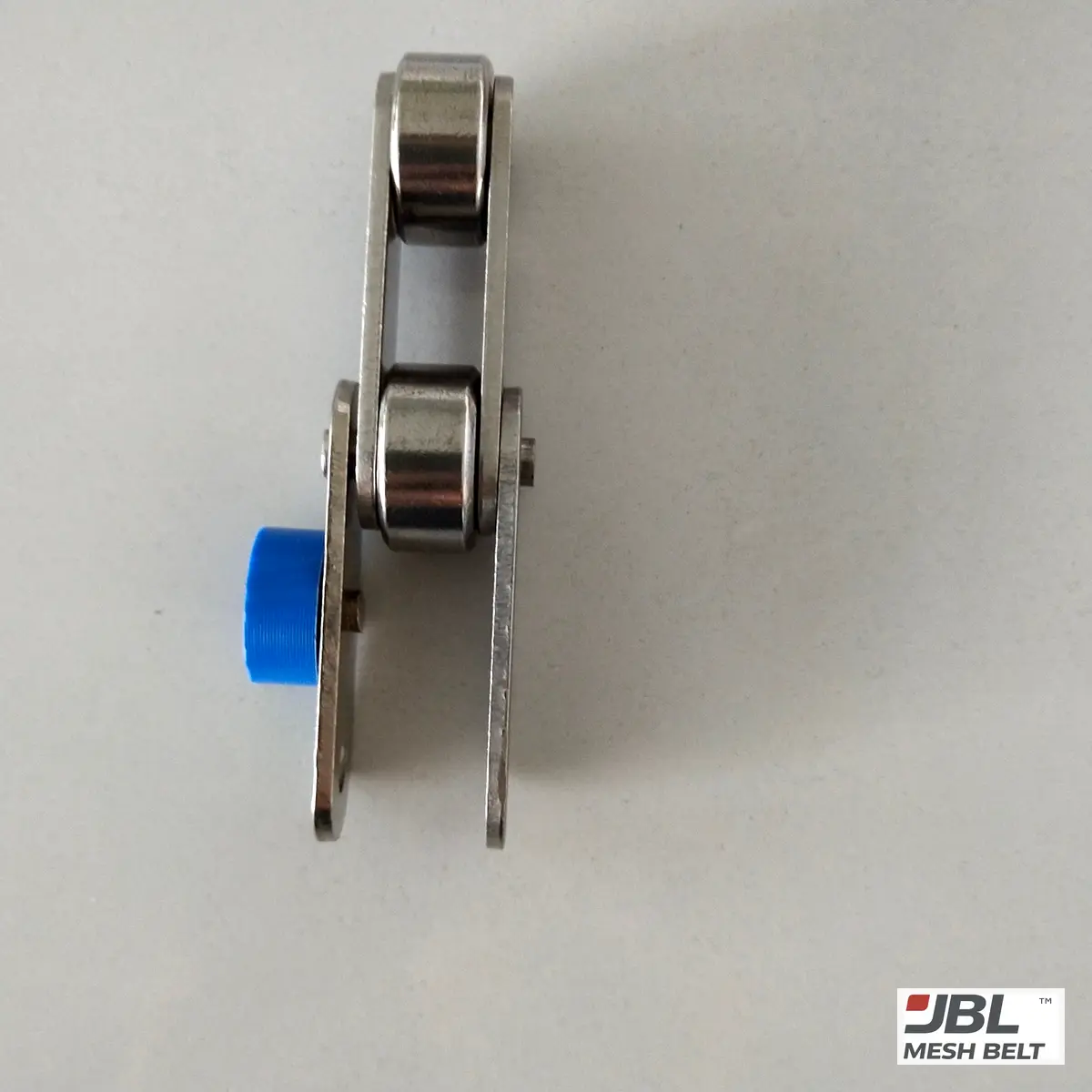
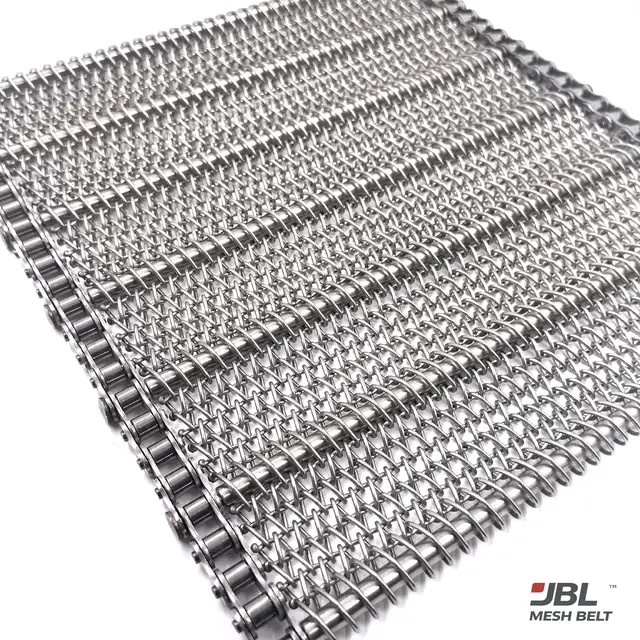
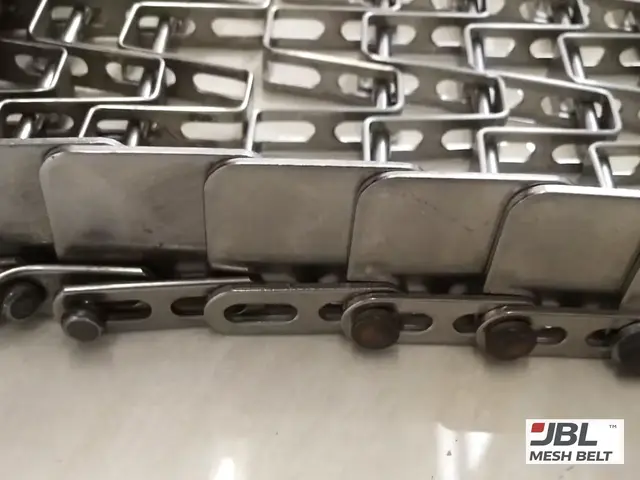
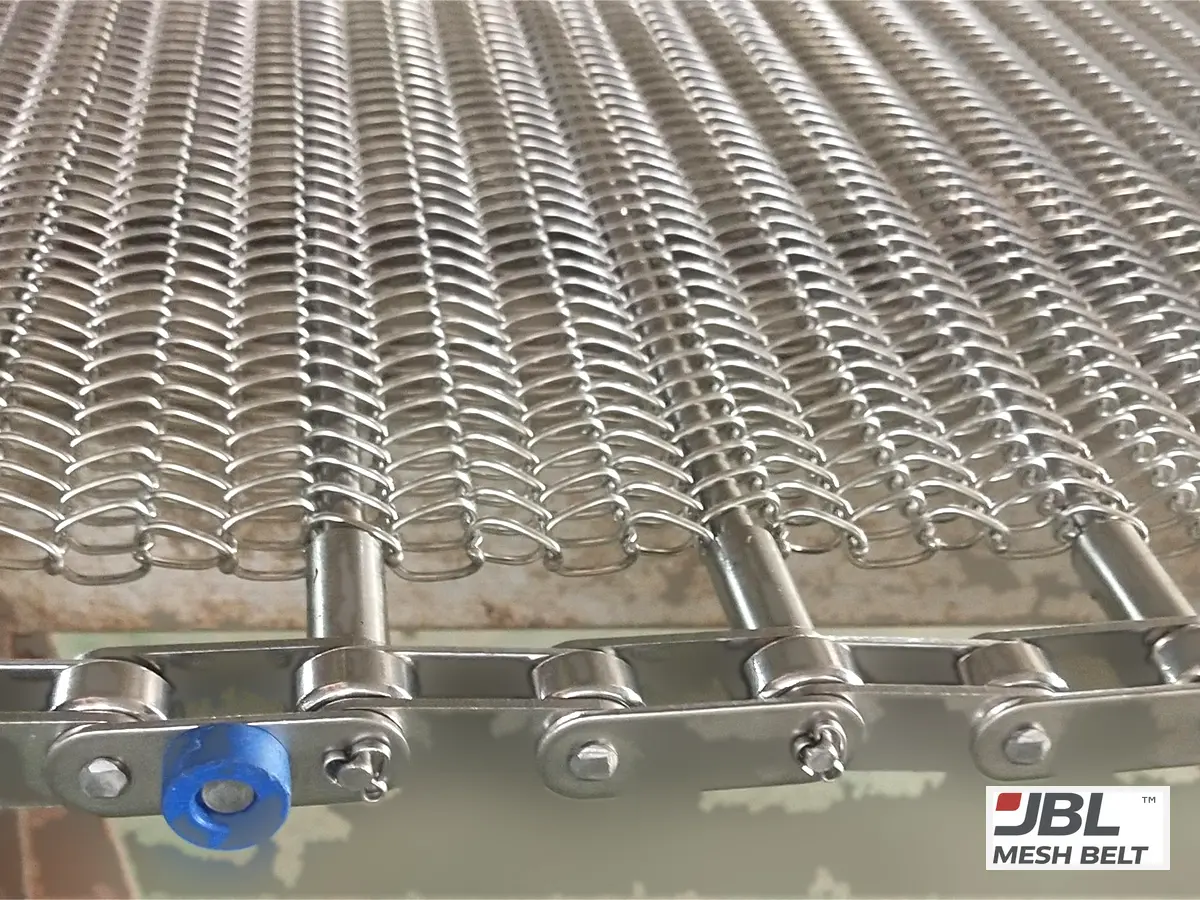
Chain-driven belt with chain edge and guide rollers for a steam oven tunnel
Lines
Fryers, pizza ovens, steam ovens, baking ovens
Belts
Z-type ladder, chain-driven, eye link, biscuit, balanced weave
Material
SUS304 / SUS316 by oil, steam and cleaning
Reply
Usually within 8 hours
01
Lines and belts

Which Belt for Each Hot Line?

Start from the heat source and the product: oil, steam or dry heat, light or heavy, wet or dry. The belt type follows; then pitch, edge, chain and drive are checked against your old belt or drawing.

Fryers: chips, snacks and fried foods

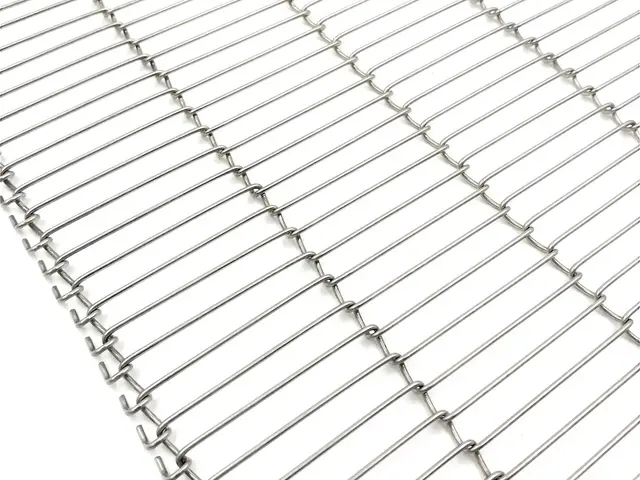
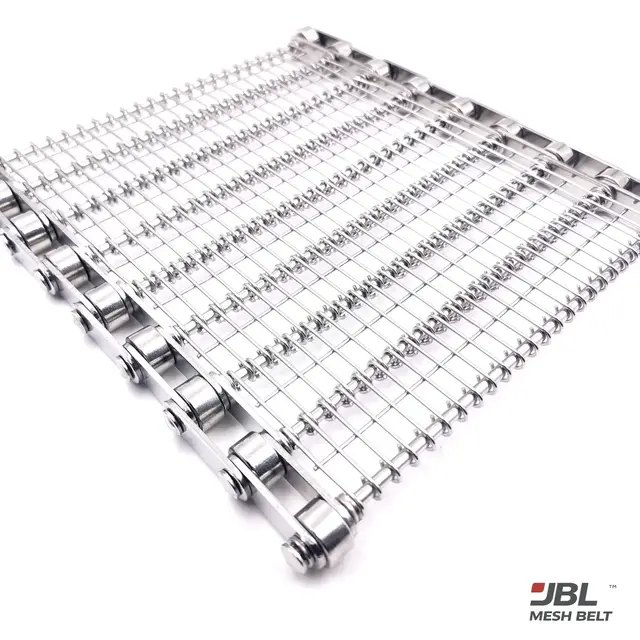
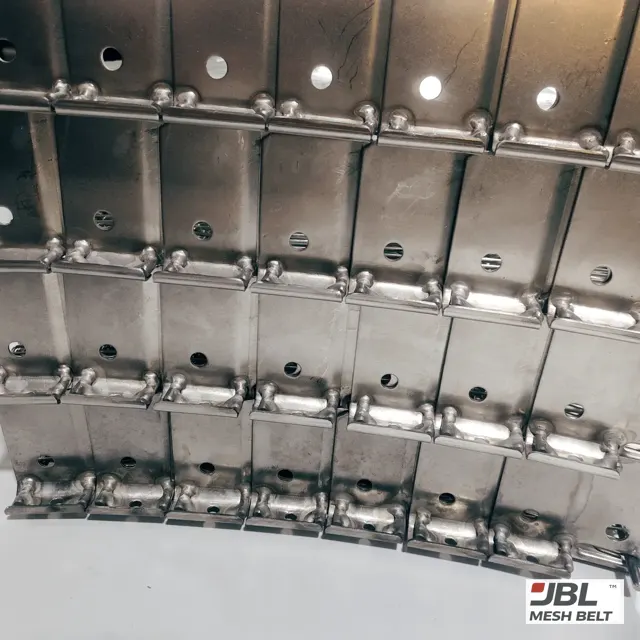
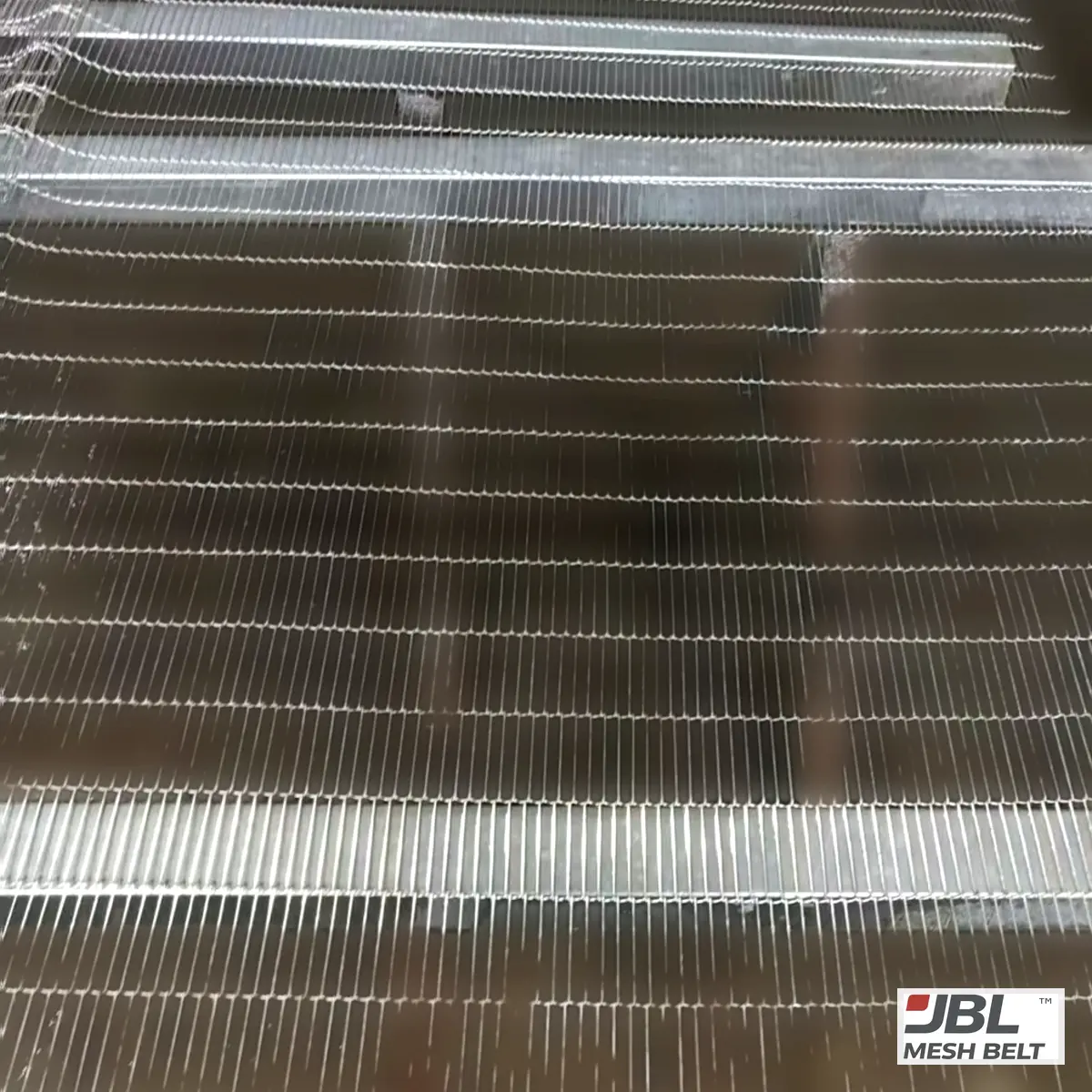
Z-type ladder belts give a very open, light belt for products such as potato chips. Eye link and chain-driven belts carry heavier products and longer fryers.

Checked first: Oil temperature and product · Odd number of spaces (Z-type) · Material grade
Pizza ovens and light-product ovens

One Z-type ladder belt per oven, cut to length. Wire, pitch and edge loop are matched to the original belt so it tracks and sits on the sprocket.

Checked first: Wire diameter and pitch · Edge loop size · Length per oven

Steam ovens and cooking tunnels

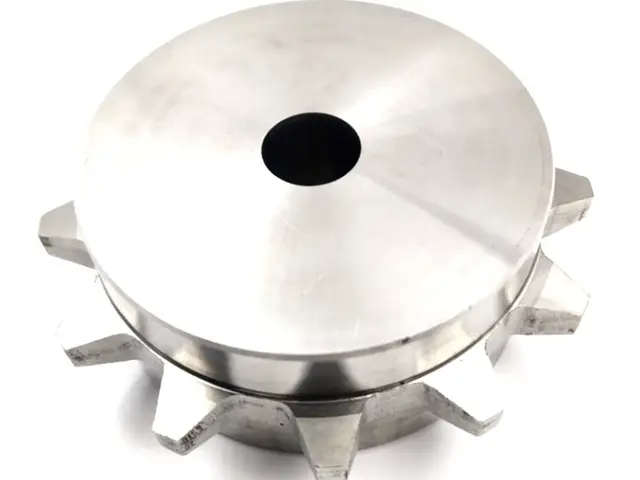
Chain-driven belts carry the mesh on roller chains at both edges, with guide rollers where the oven needs them. SUS316 is used where steam, acids or cleaning chemicals call for it.

Checked first: Chain pitch and roller · Rod pitch and diameter · Guide rollers and edge

Biscuit, bread and pastry ovens

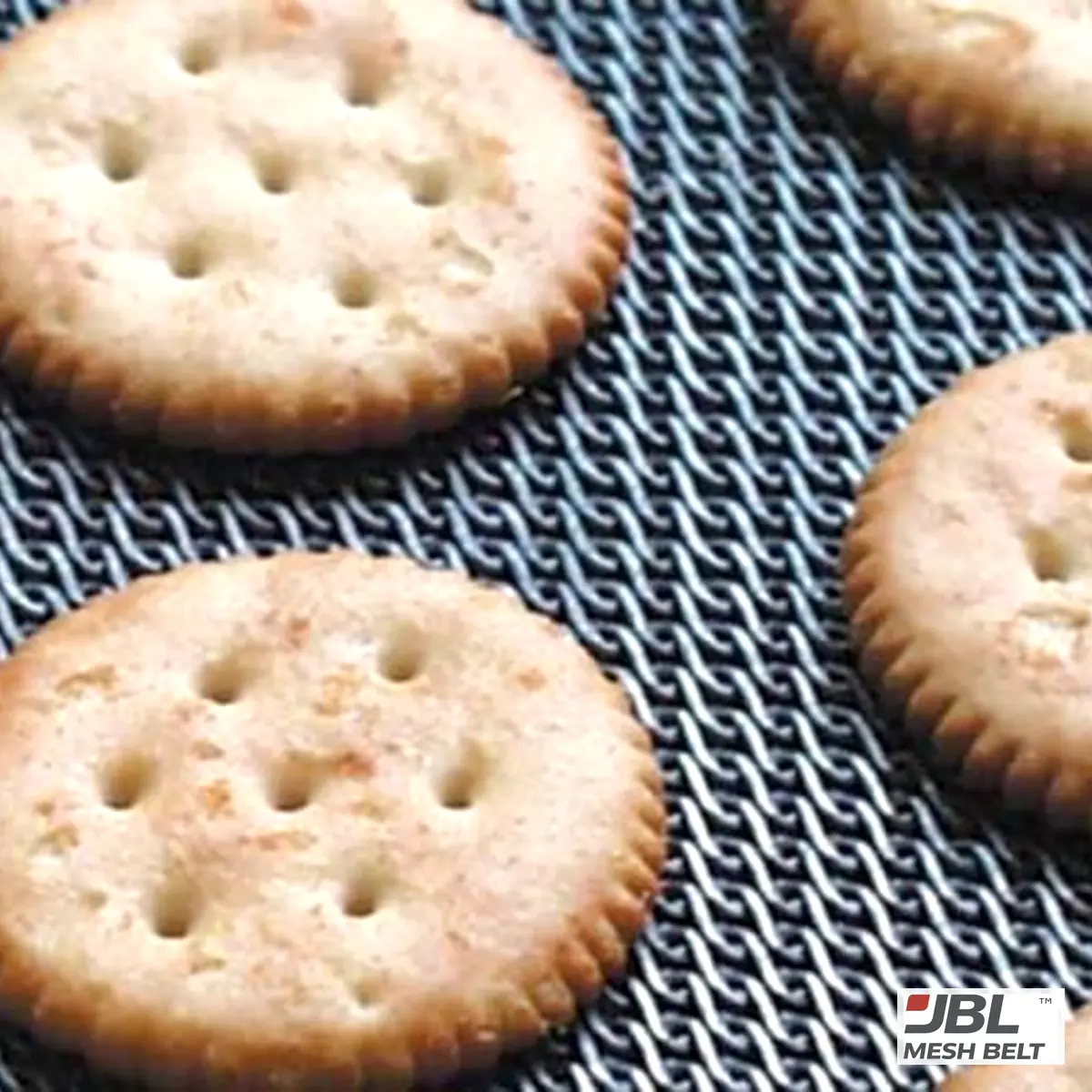
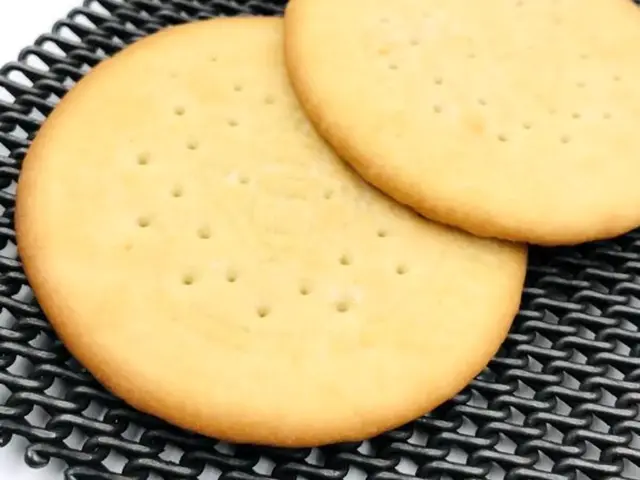
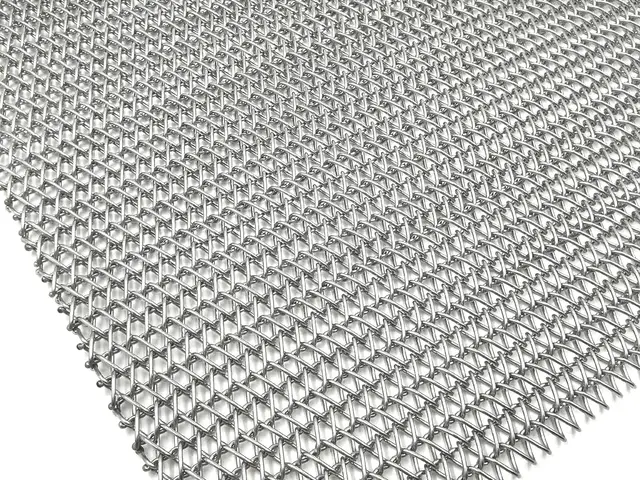
Biscuit belts give a flat, dense surface for dough; balanced weave belts suit bread, pastry and general baking. Flatness and edge are checked first.

Checked first: Flatness · Edge: welded or looped · Sprocket or friction drive

03
Checked before quoting

What Is Checked Before a Fryer or Oven Belt Is Quoted

Heat, oil or steam

Operating temperature, oil or steam, and cleaning decide SUS304 or SUS316.

Pitch and wire

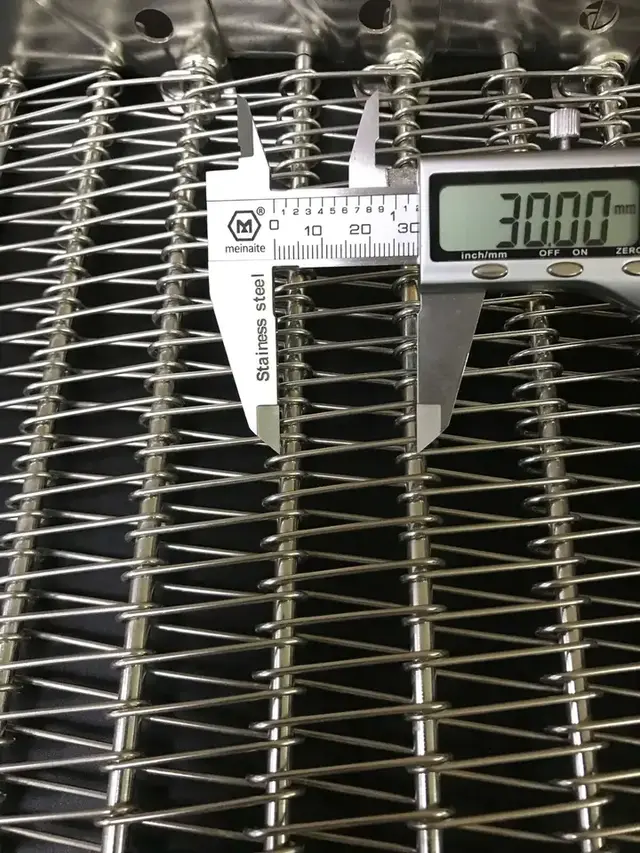
Pitch over ten pitches and wire diameter, measured on the original belt.

Spaces and edge (Z-type)

An odd number of spaces, the edge loop size, and crimped or not — as on the old belt.

Chain and rollers

Chain pitch, roller and plate size, guide rollers — a trial chain can be made first.

Length and joining

Length per oven or fryer, and how the belt is joined.

Material and tensile checks

Third-party material test report on request; tensile tests on a tensile testing machine where the project requires it.

Replacing a belt, or fitting out a new line?

Send photos with a tape in the picture, a drawing or an old belt section. An engineer tells you what fits and what is missing — usually within 8 hours.

04
Evidence

What You See Before Your Belt Ships

Measured with a caliper
Stacking-tested before shipment
New belt joined to the customer's sample
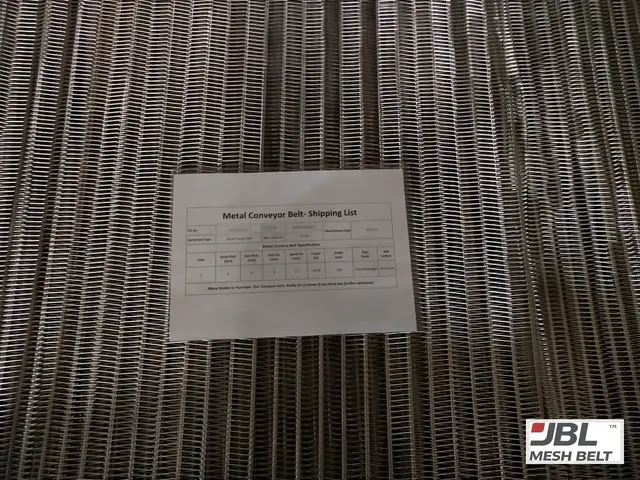
Packed with a shipping list
How we work, from inquiry to repeat order →
05
FAQ

Questions Buyers Ask

Q1Which belt is used in a potato chip fryer?

Often a Z-type ladder belt for a very open, light belt; eye link or chain-driven belts where products are heavier or the fryer is longer. The old belt is the reference for a replacement.

Q2Why does a Z-type ladder belt need an odd number of spaces?

With an odd number of spaces the belt tracks straight. The number of spaces, the edge loop and the crimped edge are confirmed from your photos before quoting.

Q3Which belt for a steam oven?

Usually a chain-driven belt: the mesh is carried on roller chains at both edges. Chain pitch, rollers and rods are matched to your oven; SUS316 is used where steam and cleaning call for it.

Q4Can you make a custom chain to match our oven?

Yes, from your sample or drawing. A trial chain can be made and checked first, then the belt is built to the confirmed readings.

Q5Can you test the material and the strength?

A third-party material test report can be arranged on request, and tensile tests can be run on a tensile testing machine where the project requires it.

Q6How fast do you reply?

Usually within 8 hours. Lead time, payment and warranty are confirmed in writing in your quotation.