Application · Washing and Cleaning Lines

Conveyor Belts for Washing Lines: Cans, Containers, Fruit, Vegetables and Seafood

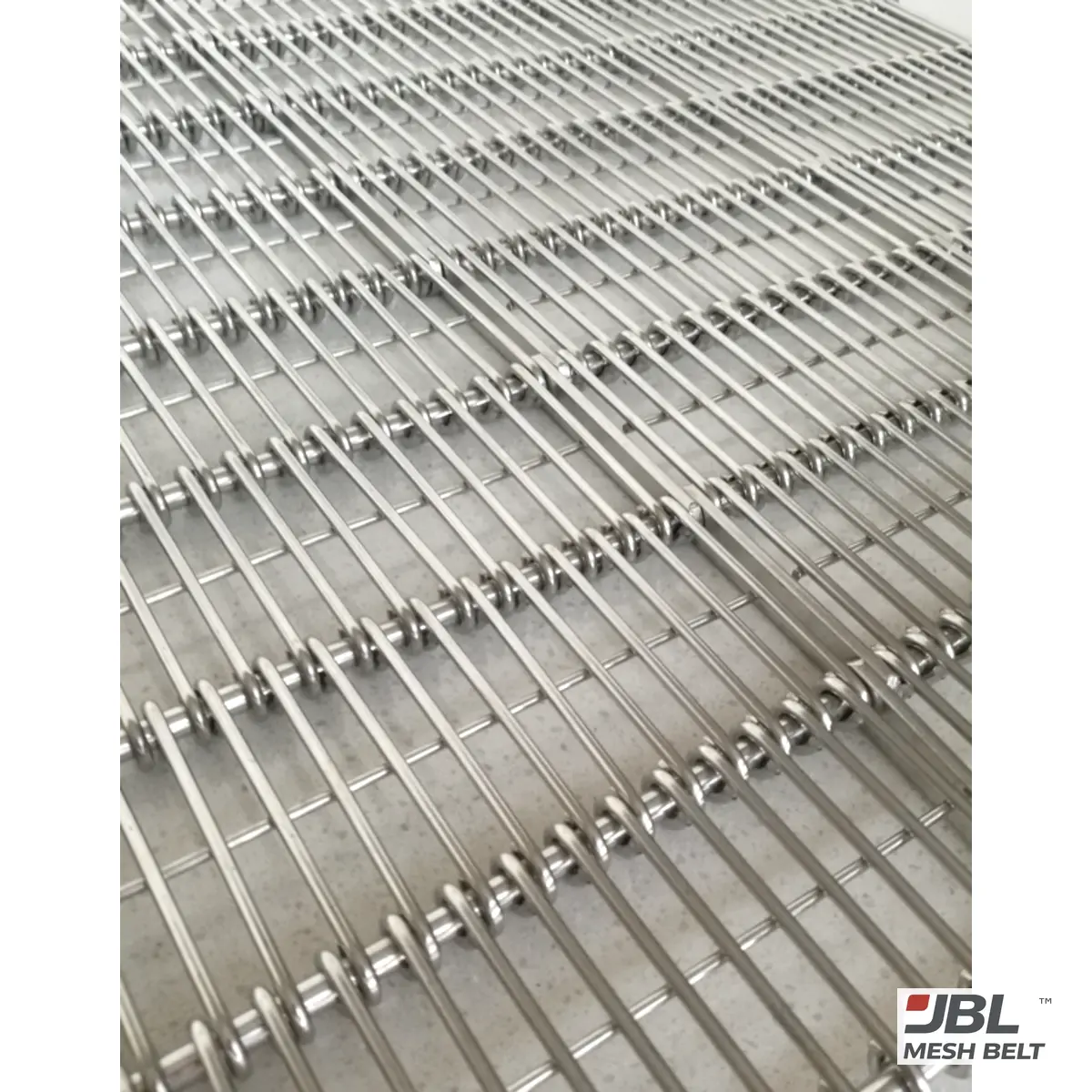
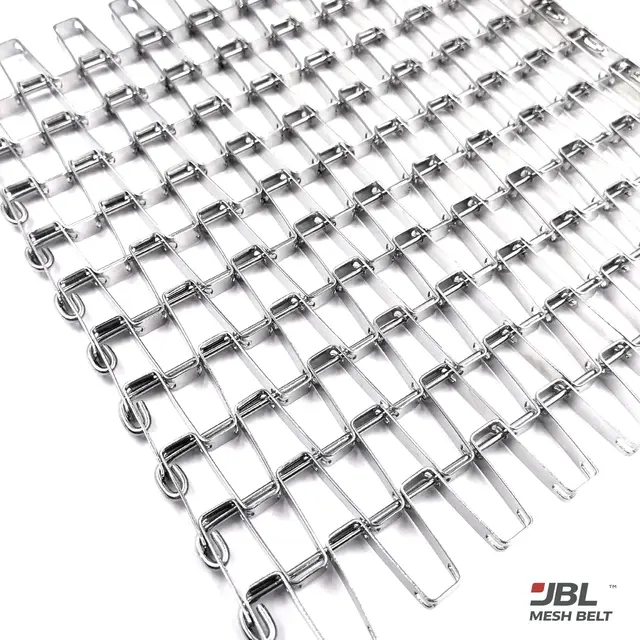
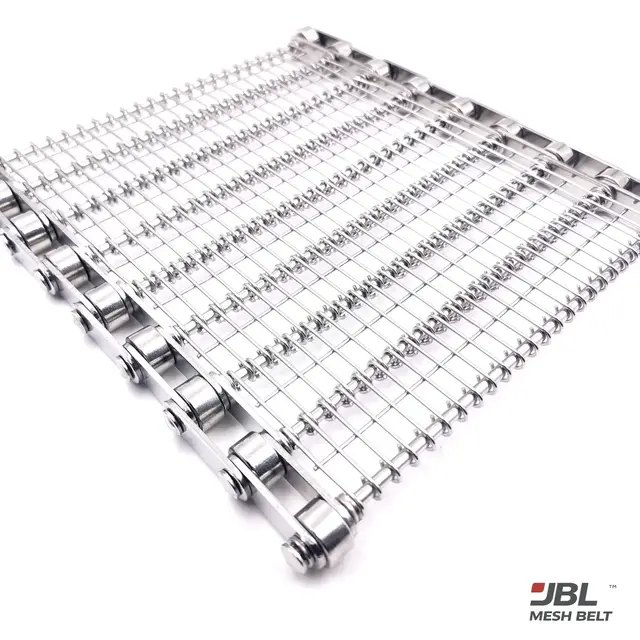
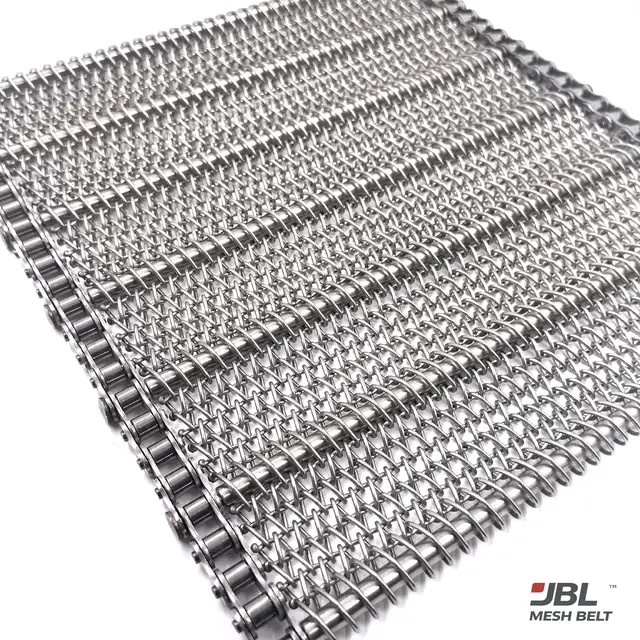
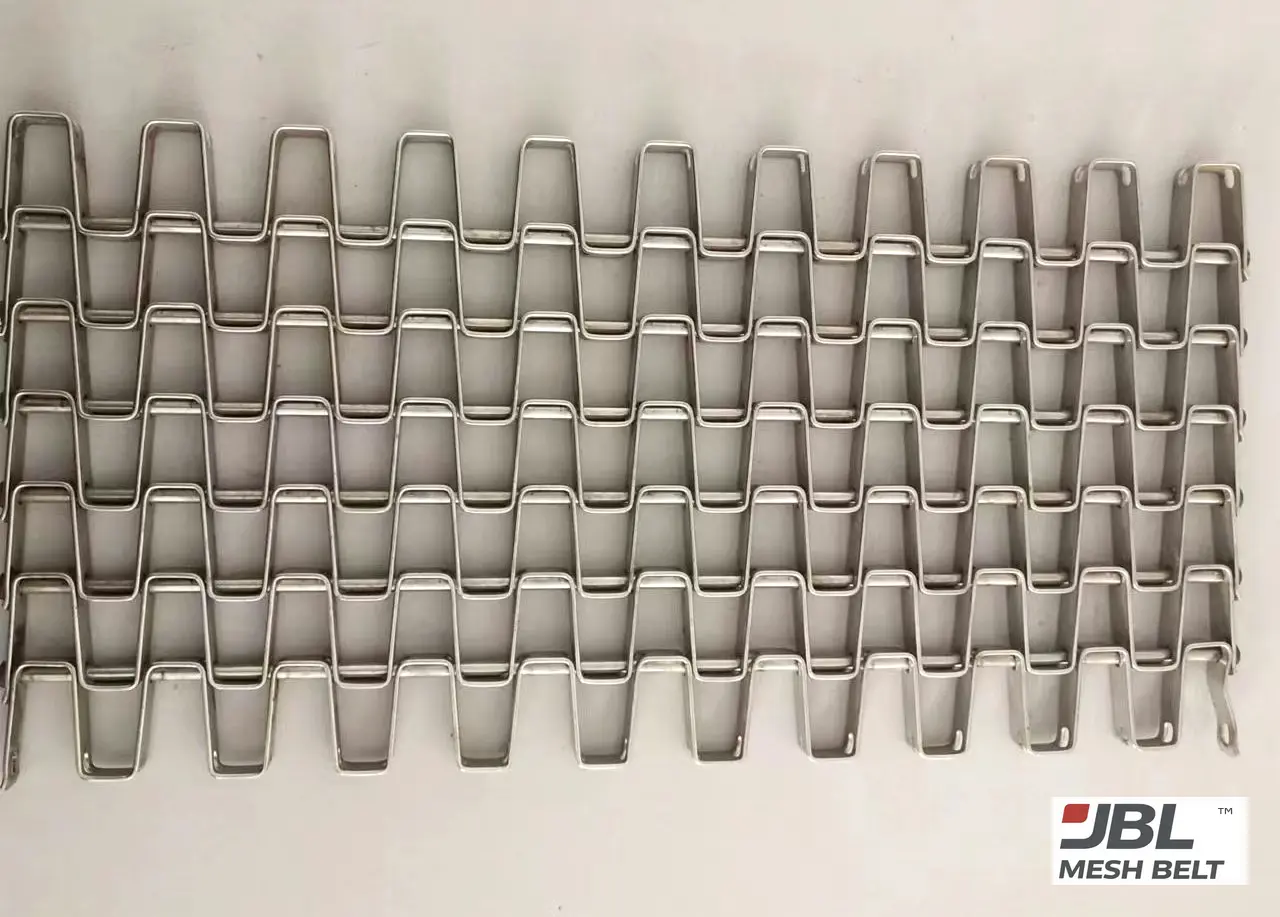
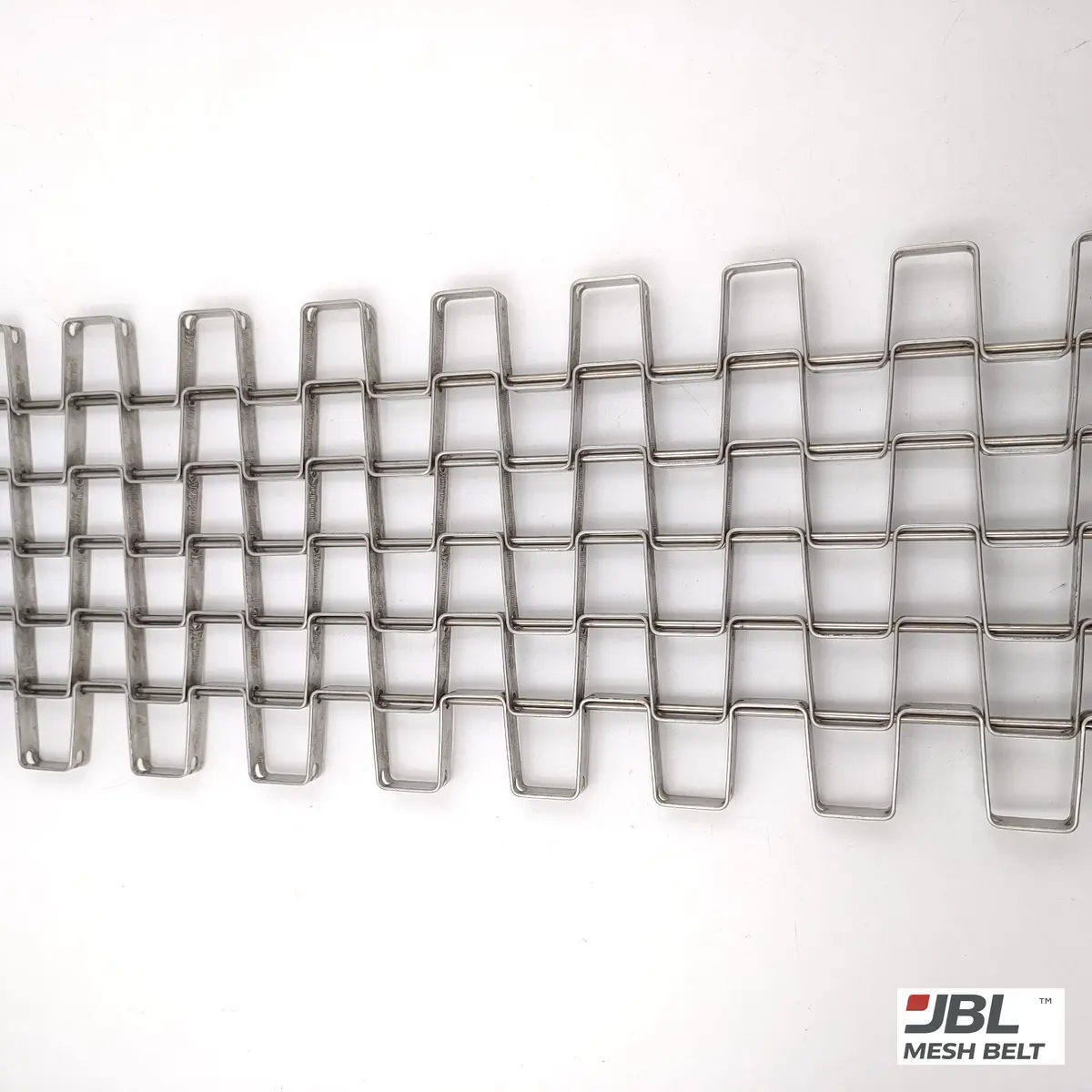
Washing lines need a belt that drains fast, stands up to water and cleaning chemicals, and is easy to clean. Flat wire belts are the usual choice; Z-type ladder belts suit light products; eye link belts carry heavier loads. Material — SUS304 or SUS316L — follows your water and chemicals.

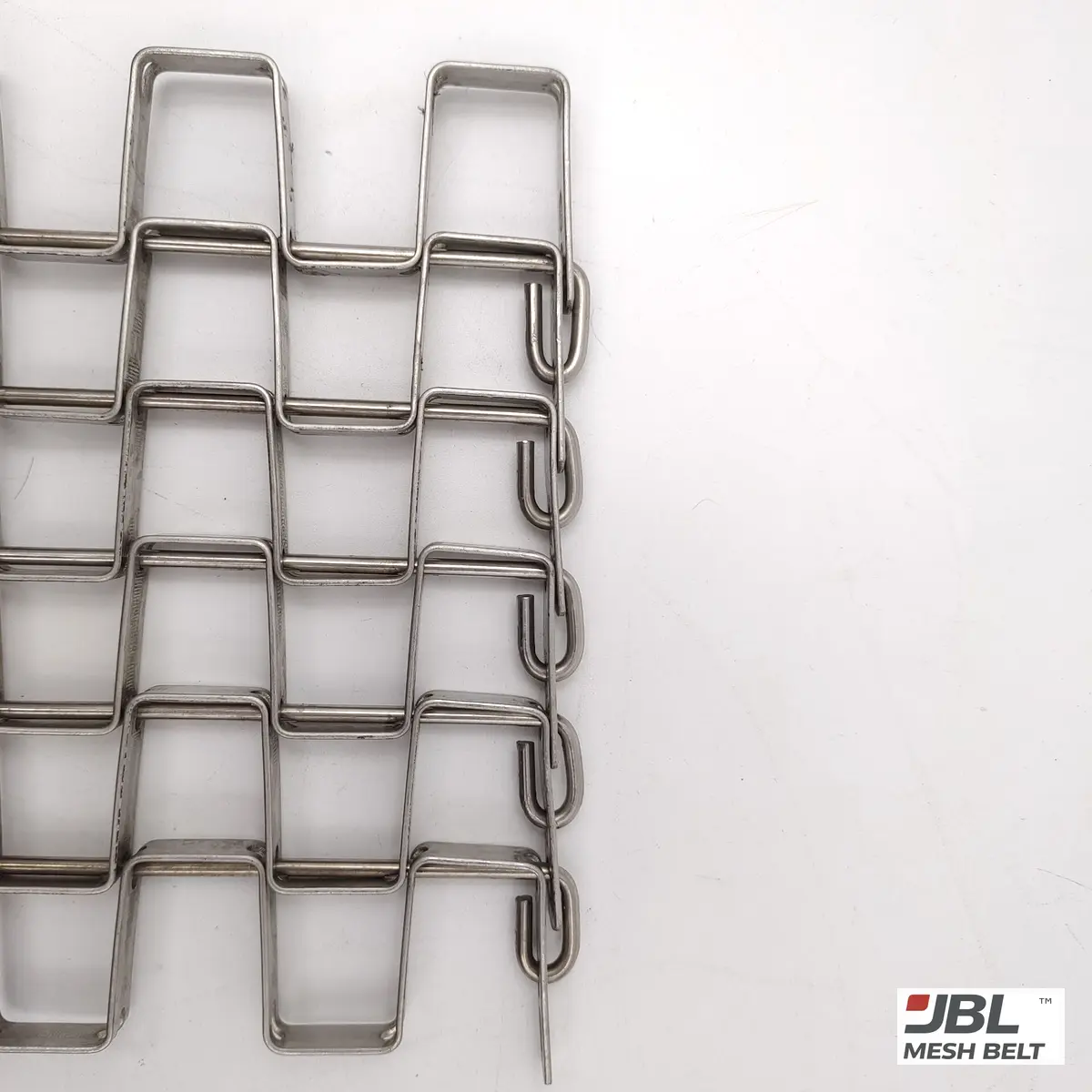
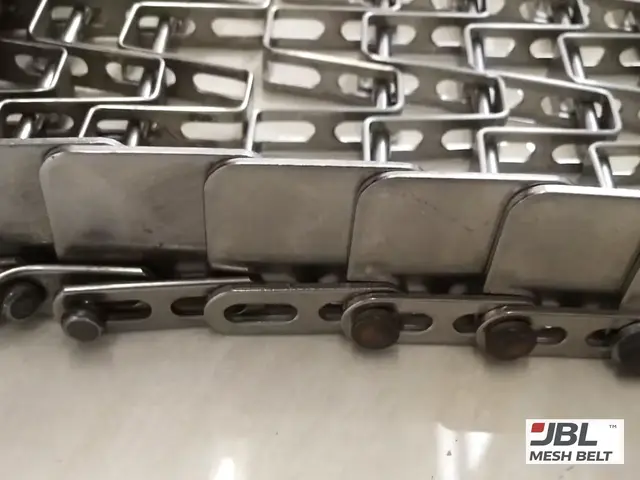
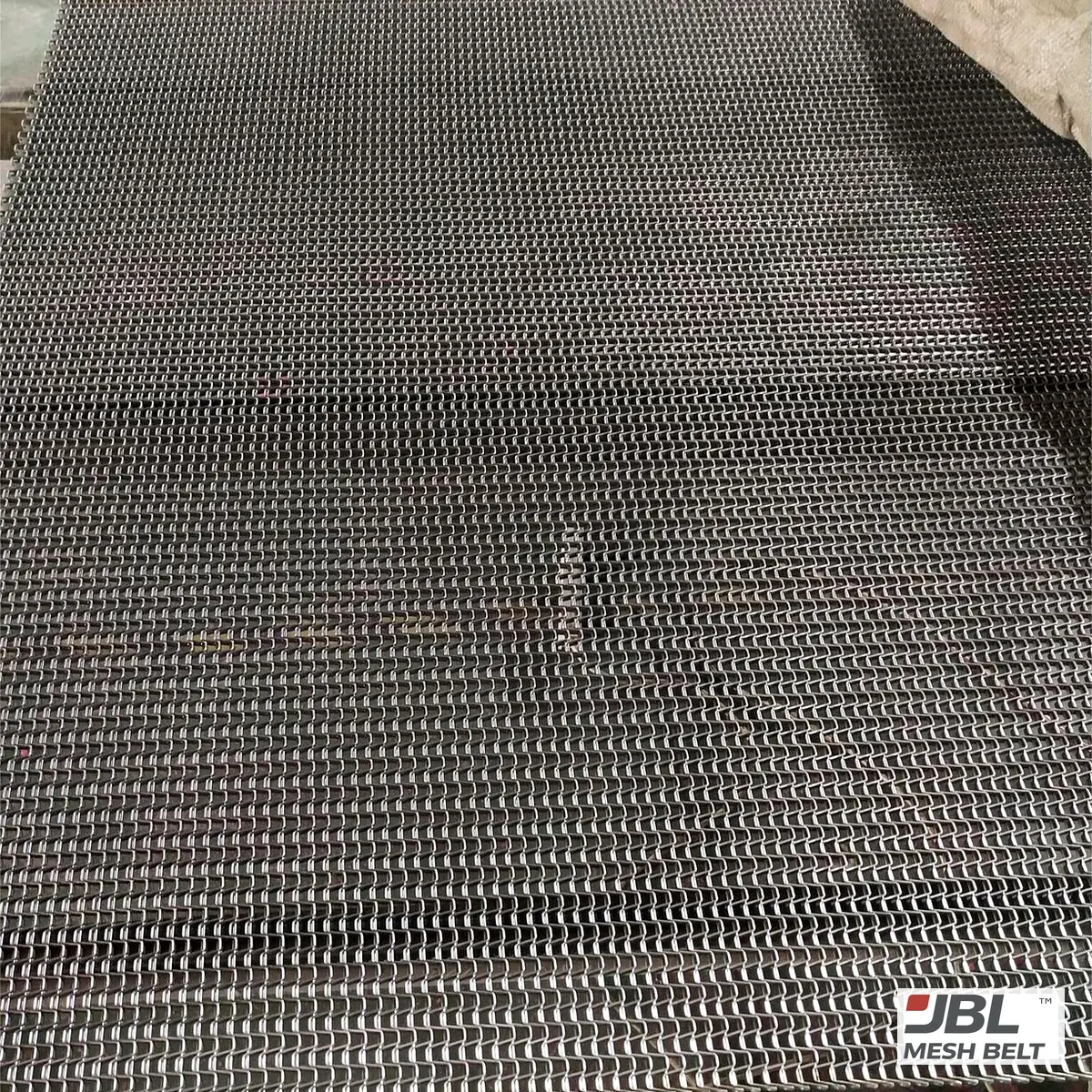
Flat wire belt for a can washing line — the customer's original sample
Lines
Can and container washers, produce and seafood washers
Belts
Flat wire, Z-type ladder, eye link
Material
SUS304 / SUS316 / SUS316L by water and chemicals
Reply
Usually within 8 hours
01
Lines and belts

Which Belt for Each Washing Line?

Start from what is washed and how: spray or immersion, the cleaning chemicals, the product size and load. The belt type follows; then openings, edge and drive are checked against your washer.

Can, jar and container washing

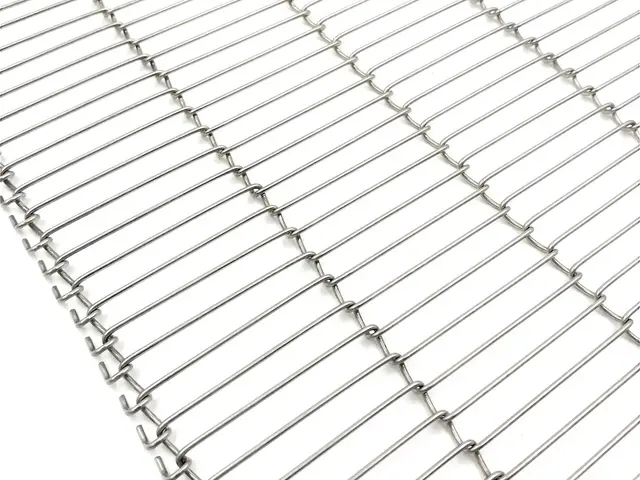
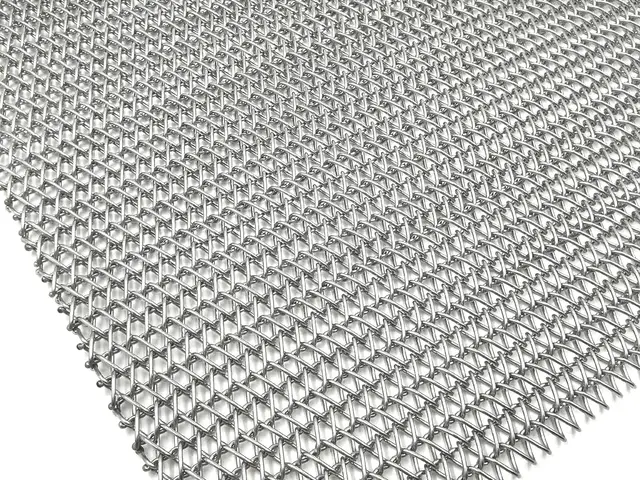
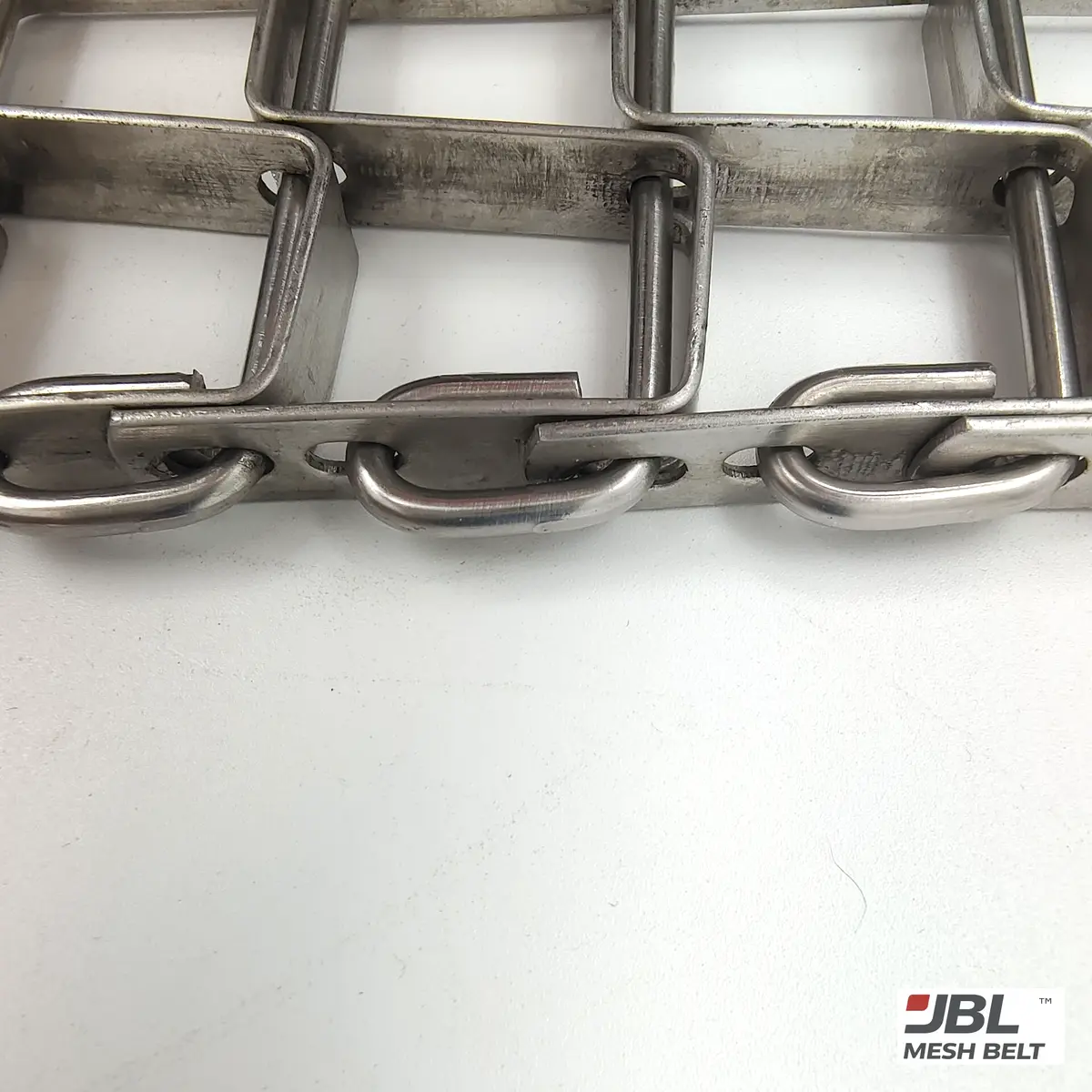
A flat wire belt gives a flat, very open surface for spray washing and draining. The edge — clenched, hooked or welded — and the strip size are matched to the old belt and the washer guides.

Checked first: Number of openings and strip size · Edge type · SUS304 or SUS316L for the chemicals
Seafood and meat washing and chilling

Flat wire belts for open, cleanable surfaces; eye link belts where the line is long or the load is heavier. Salt water and brine call for a careful choice of grade.

Checked first: Salt water or brine · Load and line length · Sprockets

Heavier parts and longer washers

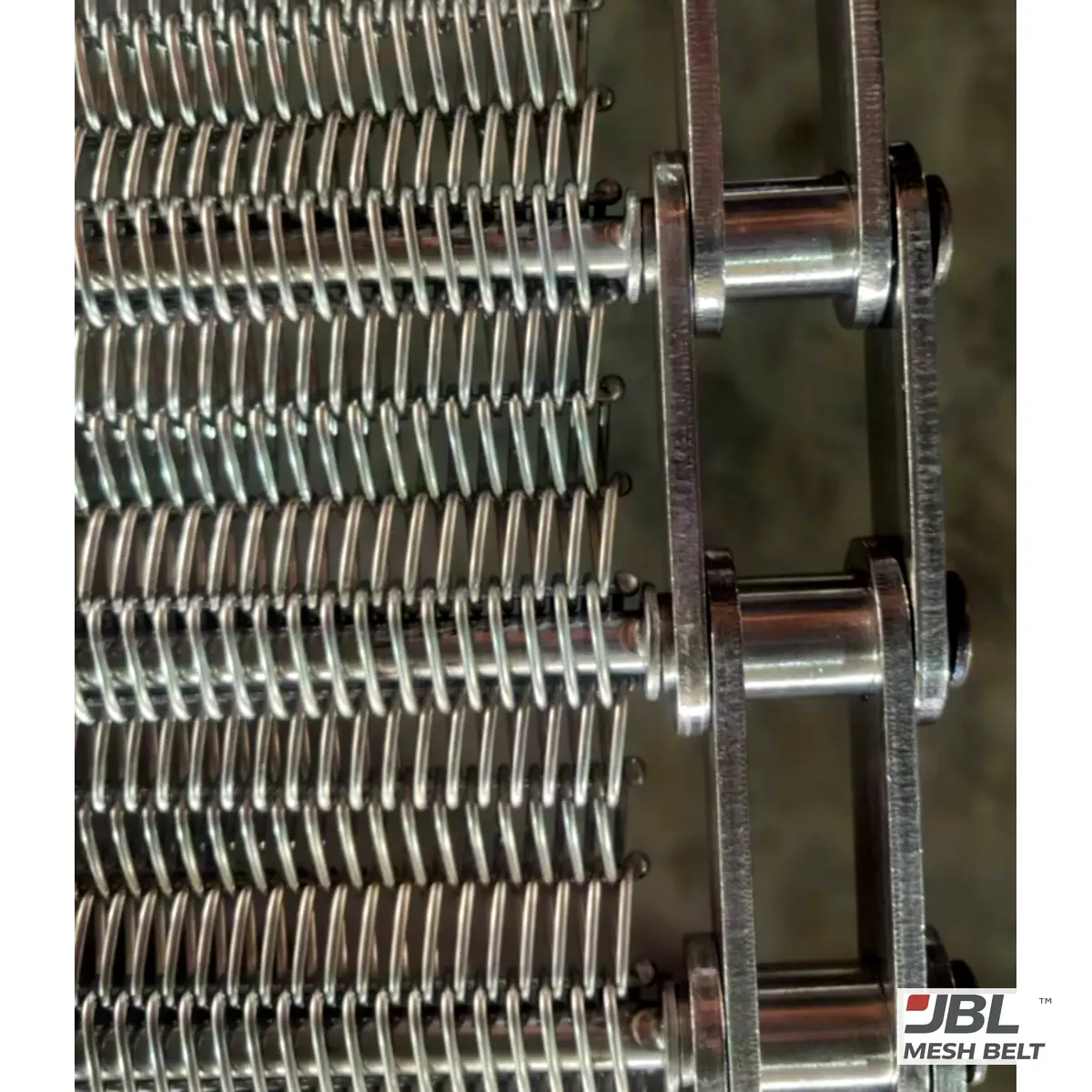
Eye link and chain-driven belts carry heavier loads over longer washers, with chains or reinforced edges for tracking.

Checked first: Load per metre · Chain or edge type · Drive and sprockets

03
Checked before quoting

What Is Checked Before a Washing-Line Belt Is Quoted

Water and chemicals

Spray or immersion, water treatment and cleaning chemicals decide SUS304, SUS316 or SUS316L.

Openings and strip size

Number of openings across the belt, strip height and thickness, measured on the old belt.

Rod pitch and diameter

Pitch over several pitches and rod diameter, compared with the sample.

Edge

Clenched, hooked or welded edge confirmed from photos of the old belt.

Drive

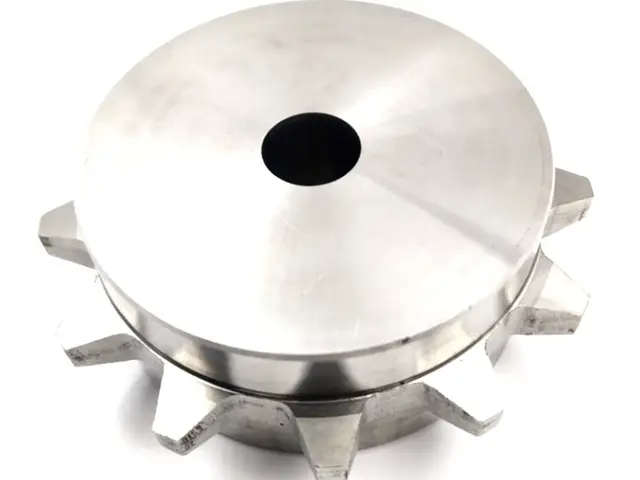
Sprocket tooth count and bore, or the drive of the washer.

Material documents

A third-party material test report can be arranged on request.

Replacing a belt, or fitting out a new line?

Send photos with a tape in the picture, a drawing or an old belt section. An engineer tells you what fits and what is missing — usually within 8 hours.

Real projects

Real Flat Wire Belt Projects

A 316L flat wire belt for a can washing line, reverse-engineered from the customer's sample, and a flat wire belt built to a strict drawing for onboard fish freezing. Readings and photos are on each case page.

All project cases →
04
Evidence

What You See Before Your Belt Ships

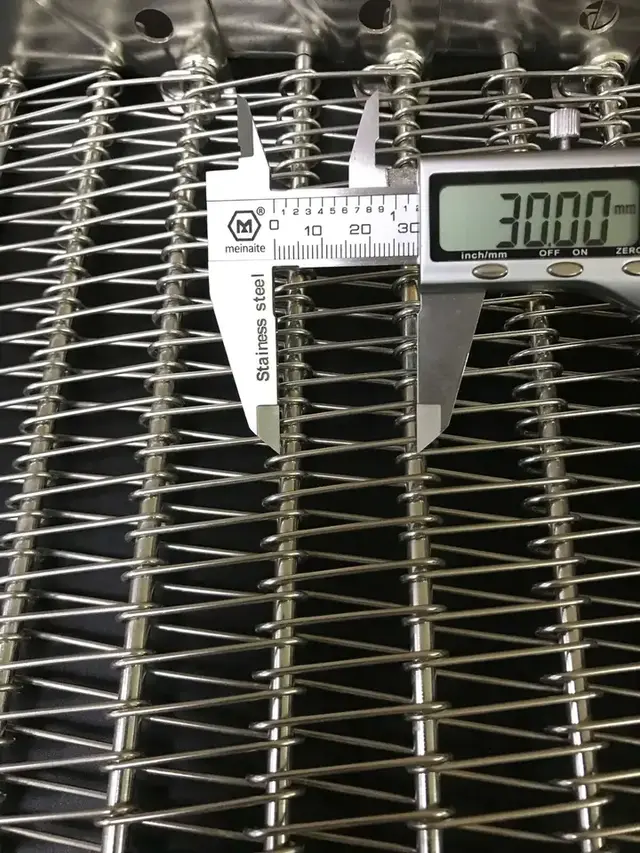
Measured with a caliper
Stacking-tested before shipment
New belt joined to the customer's sample
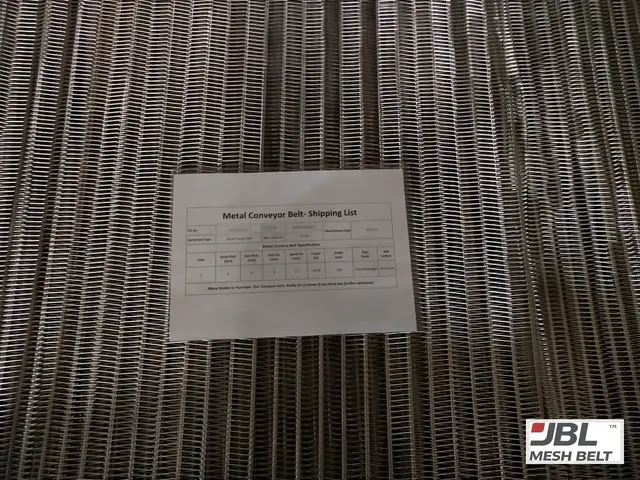
Packed with a shipping list
How we work, from inquiry to repeat order →
05
FAQ

Questions Buyers Ask

Q1Which belt is used on a can washing line?

Usually a flat wire belt: a flat, very open surface for spray washing and draining. The edge and the number of openings are matched to your old belt.

Q2SUS304 or SUS316L for a washer?

It depends on the water and the cleaning chemicals. Where acids, alkalis or chlorides are used, SUS316 or SUS316L is usually chosen. The grade is confirmed per project.

Q3Can you copy our old belt without a drawing?

Yes. A short sample or measured photos are enough to start. Strip size, rod, pitch, openings and edge are measured and drawn for your approval before production.

Q4Can I get a material certificate?

Material documents are prepared as required for the order, and a third-party laboratory material test report can be arranged on request.

Q5Do you supply the sprockets?

Yes — matched to the belt pitch and checked with the belt.

Q6How fast do you reply?

Usually within 8 hours. Lead time, payment and warranty are confirmed in writing in your quotation.