1.An OEM belt can be matched — to the drawing, not by eye
A detailed drawing plus the original sample gave every dimension and radius to work to.
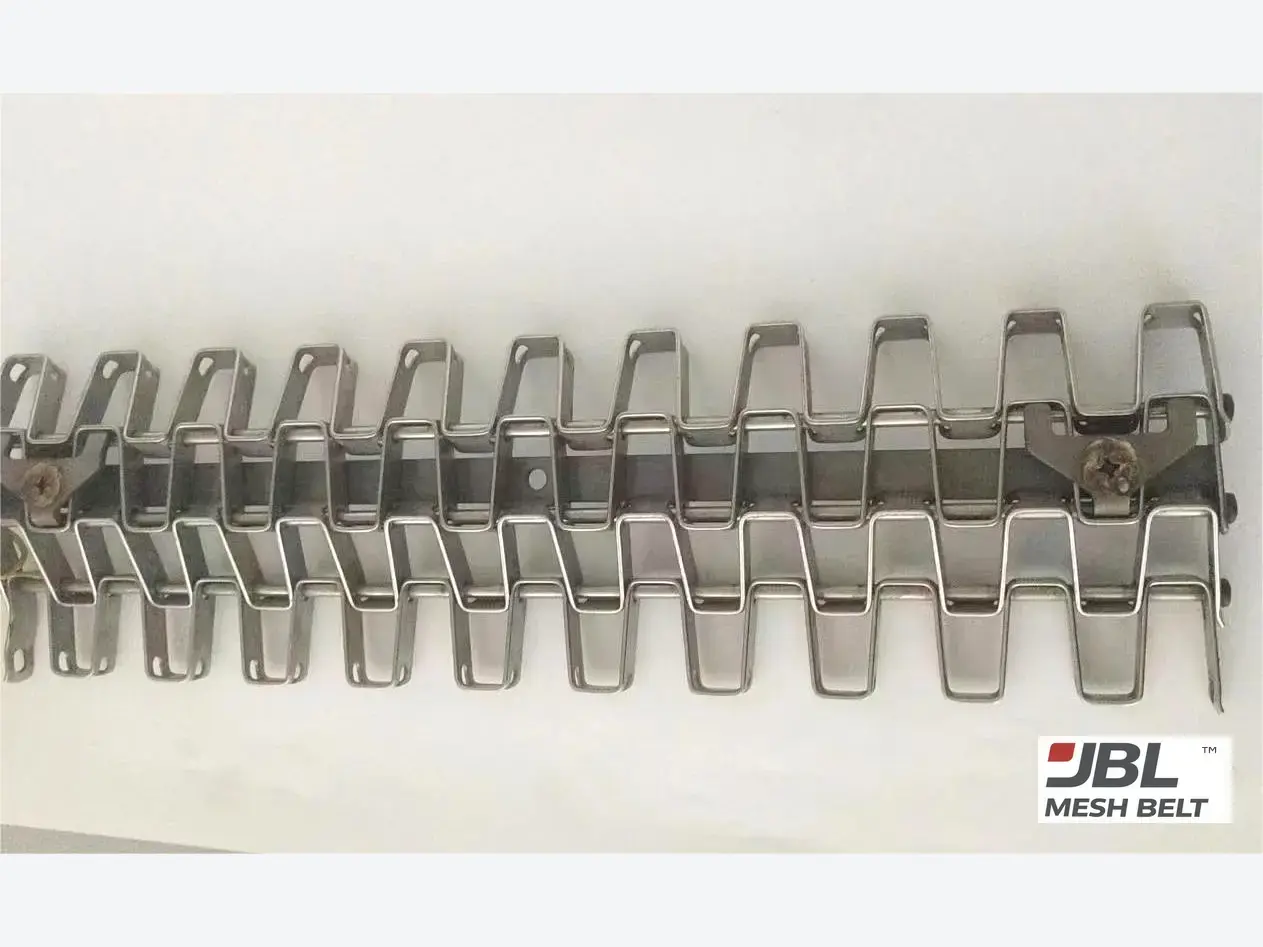
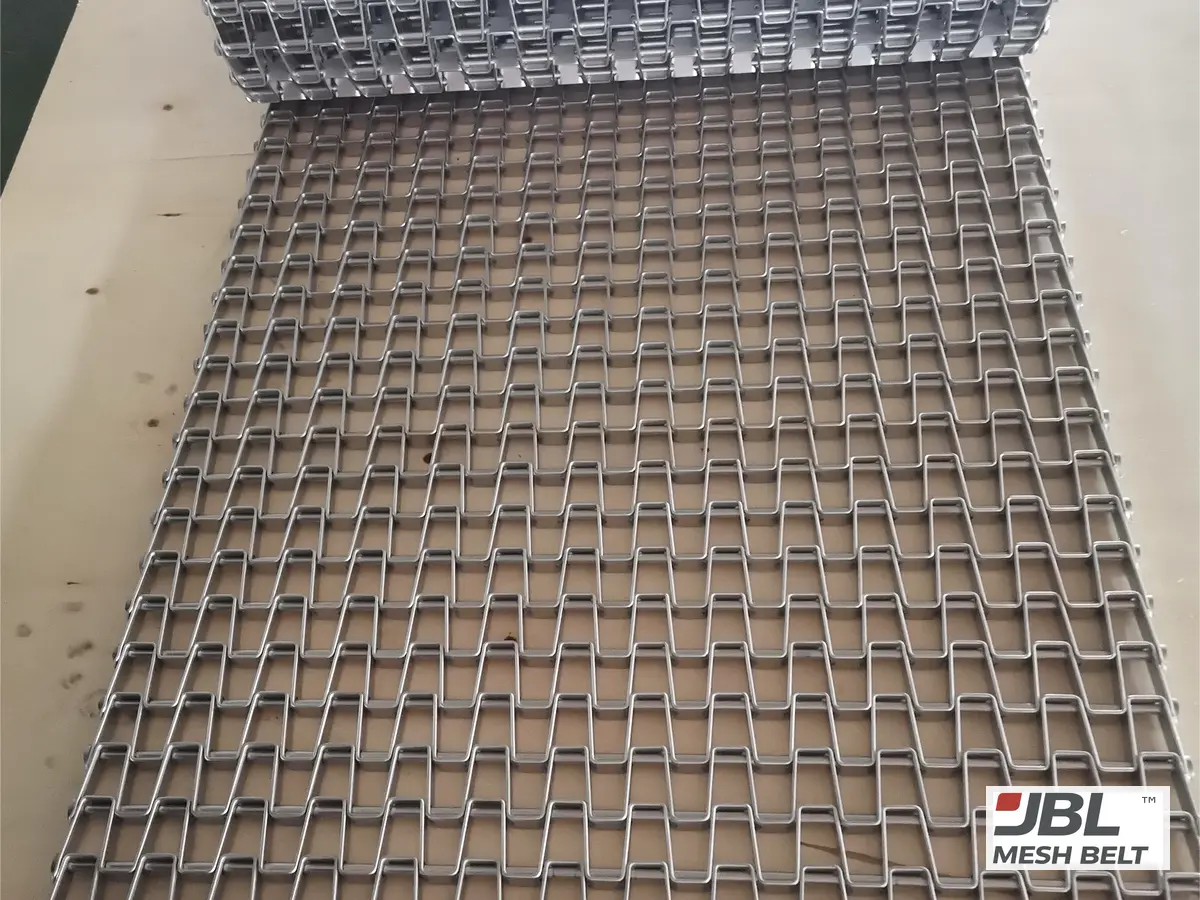
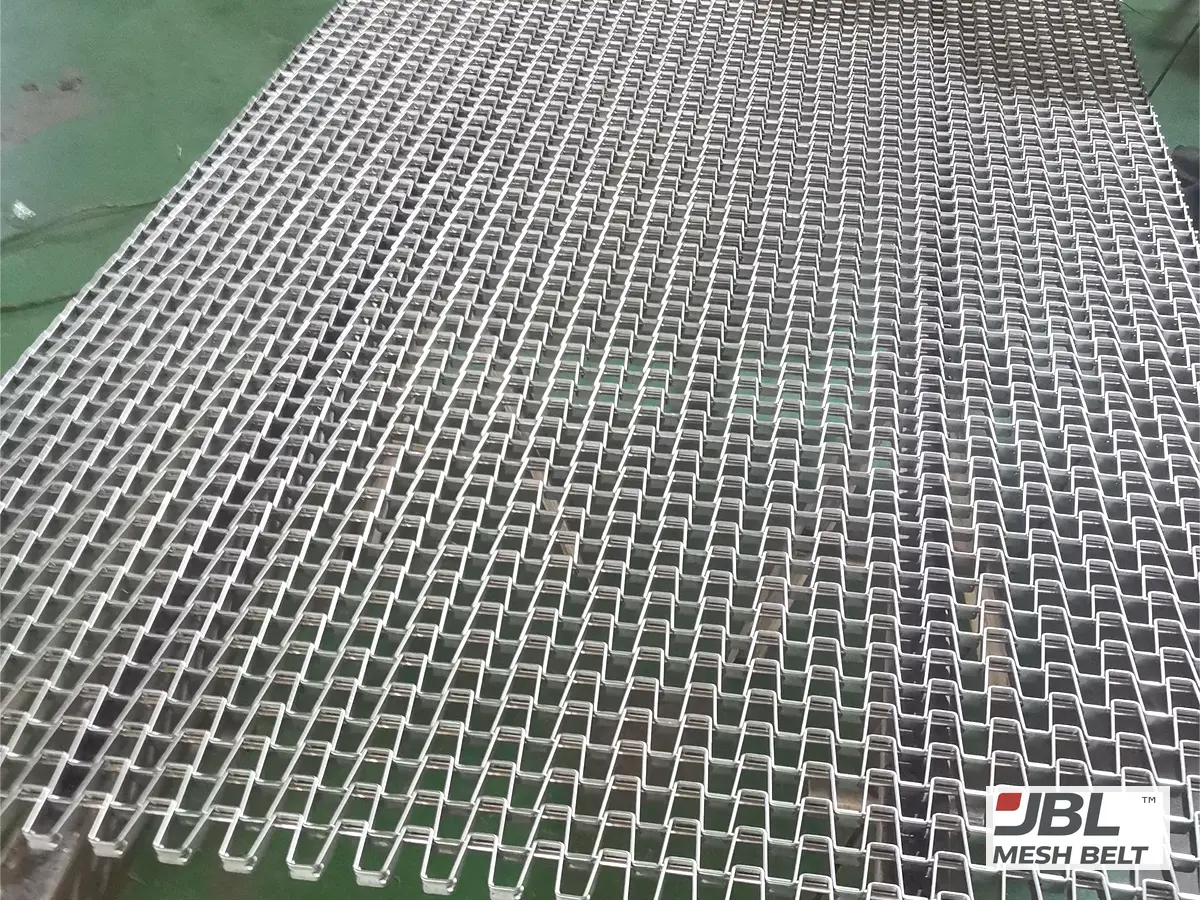
A US equipment integrator that builds conveyors for fishing vessels needed about 700 m of flat wire belt to move fish from the sea to onboard freezing. The original belts came from a well-known American equipment maker, and replacing them locally was too costly. The drawing set strict bend radii and no burrs. Working from the drawing and the customer's original sample, tooling and process were adjusted, a trial run was approved, and the full order followed — then the clips, flight bars and sprockets were handed to us as well.
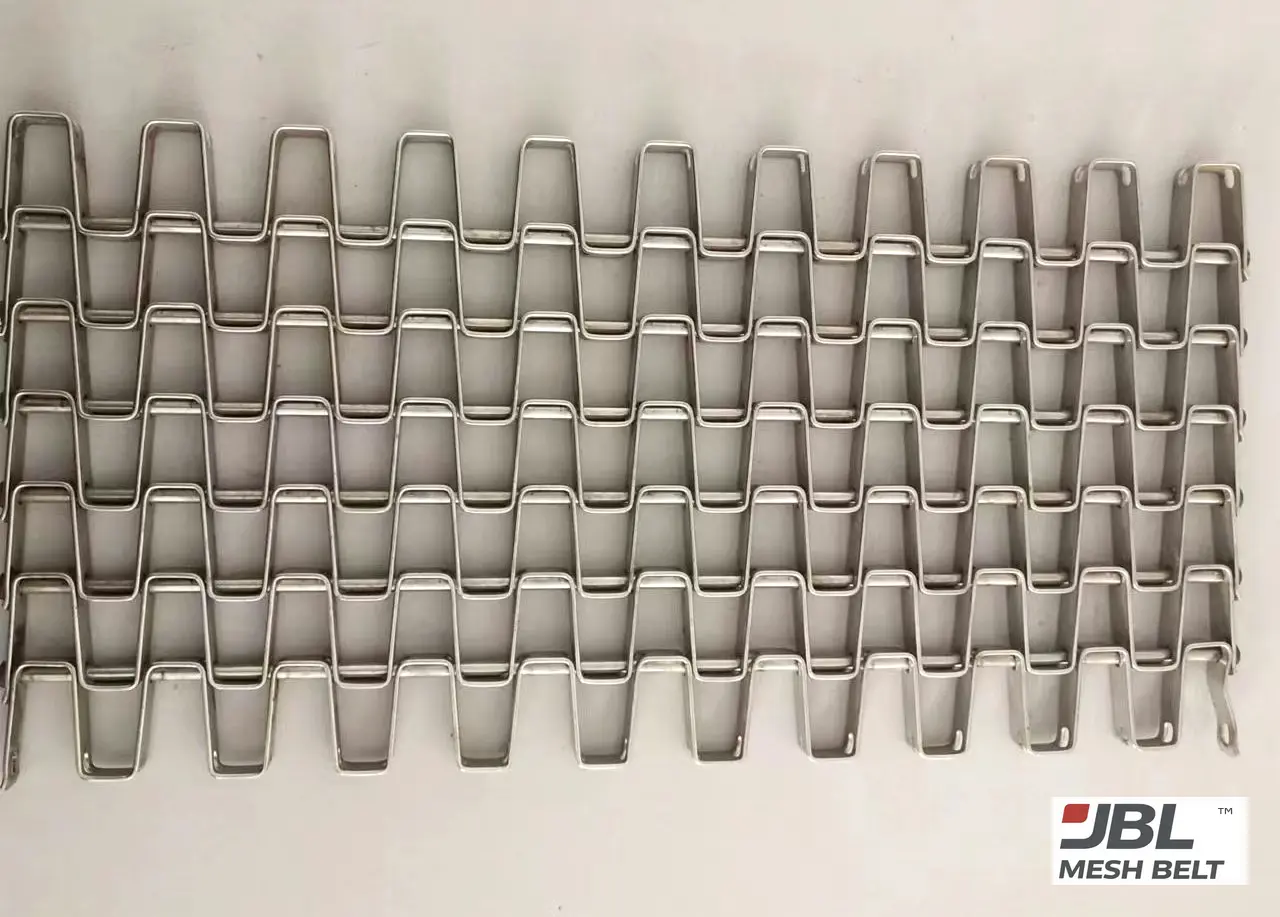
The belts carry fish from the sea into onboard freezers — wet, cold, running all day at sea. Replacing about 700 m with local OEM parts was too expensive. The integrator found us online but was unsure — its own clients would run these belts at sea: the drawing set every angle and bend radius, and no burrs were allowed. We asked for an original belt sample to work from alongside the drawing.
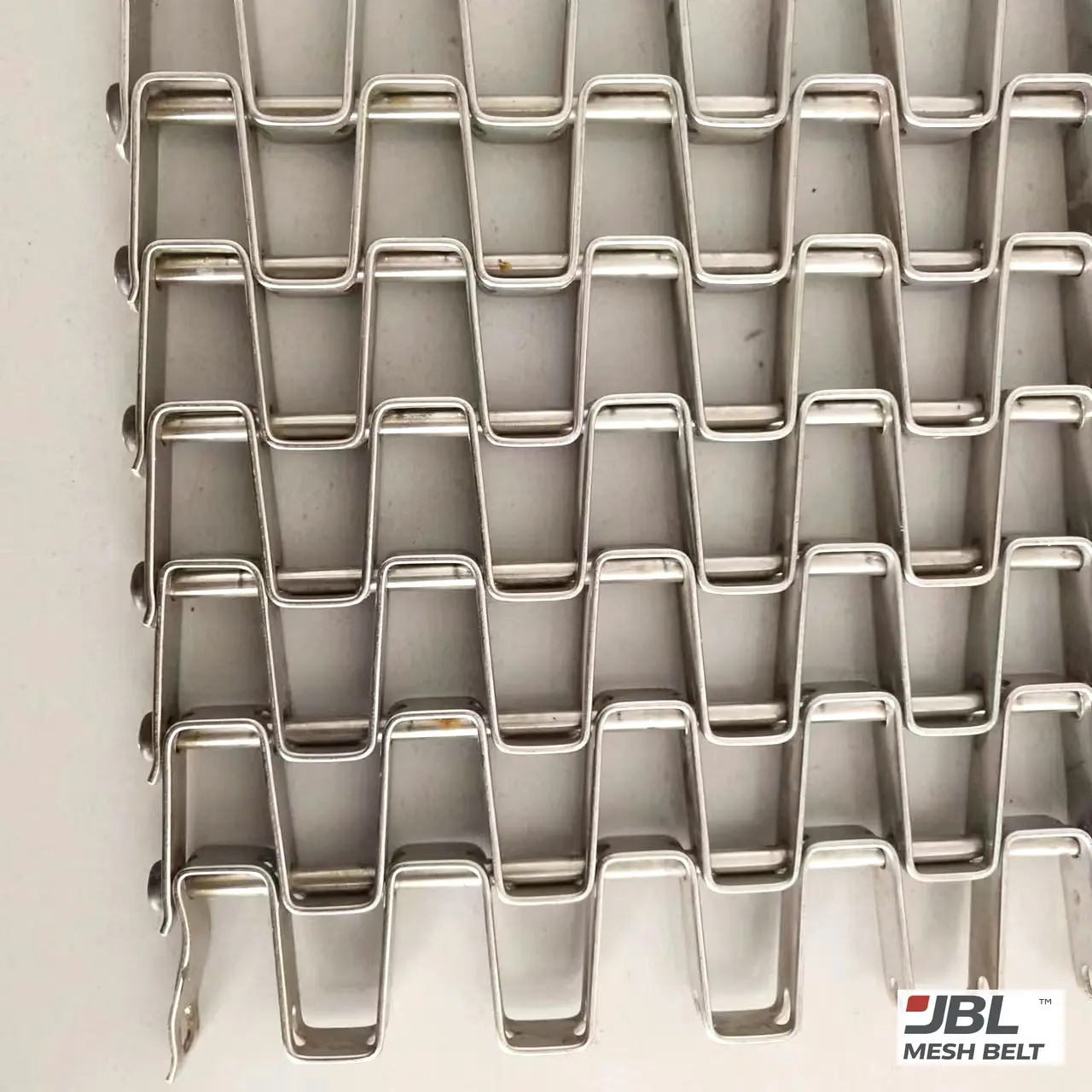
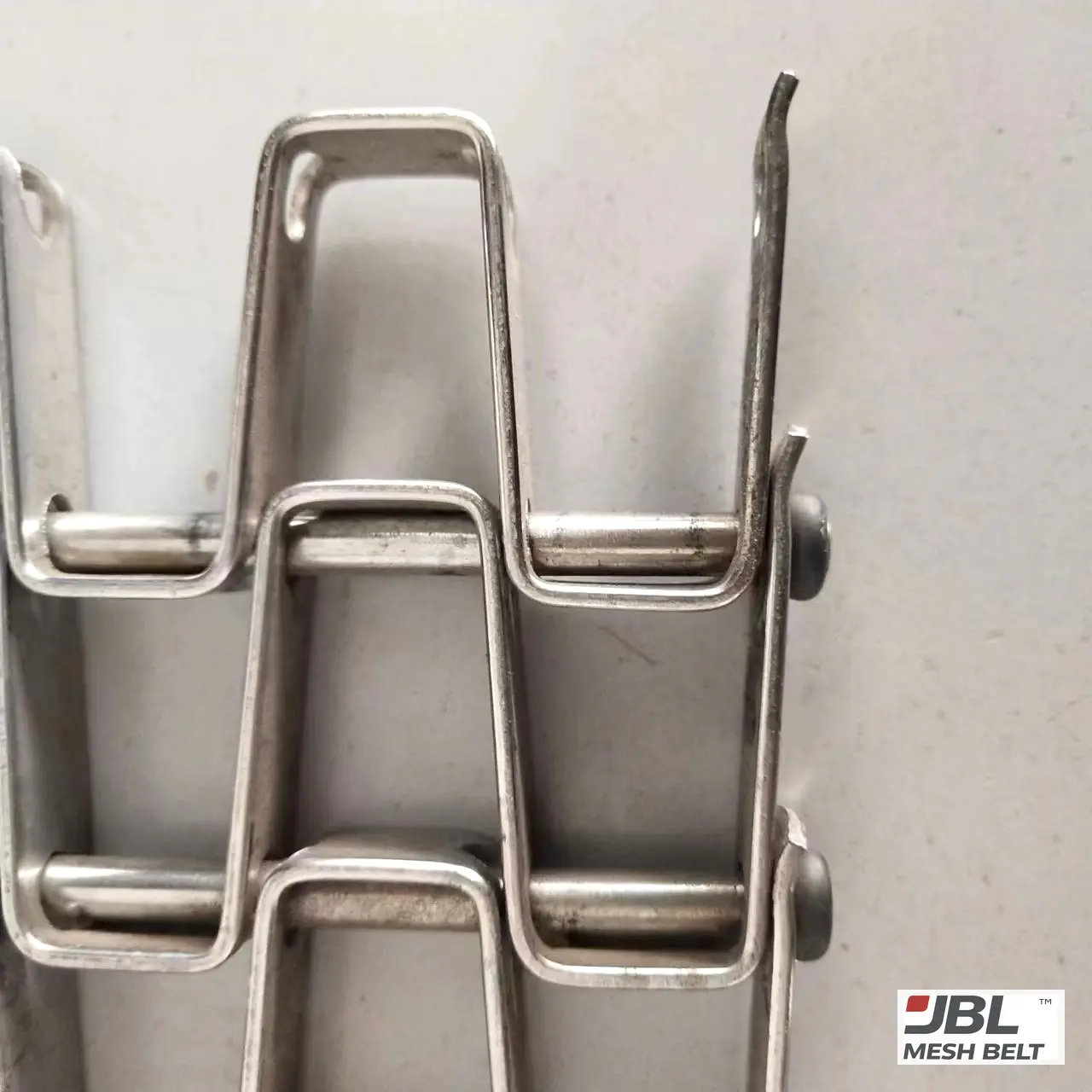
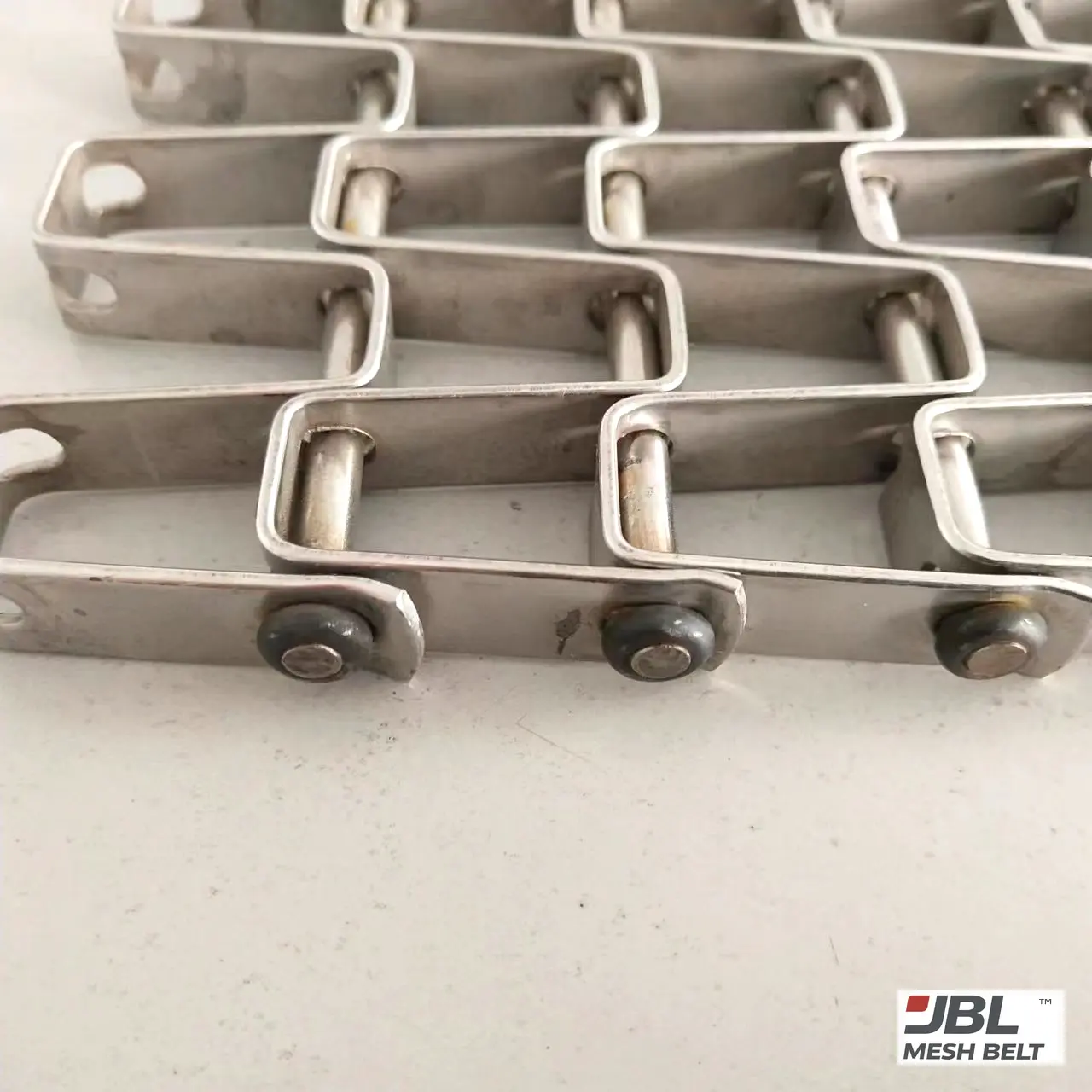
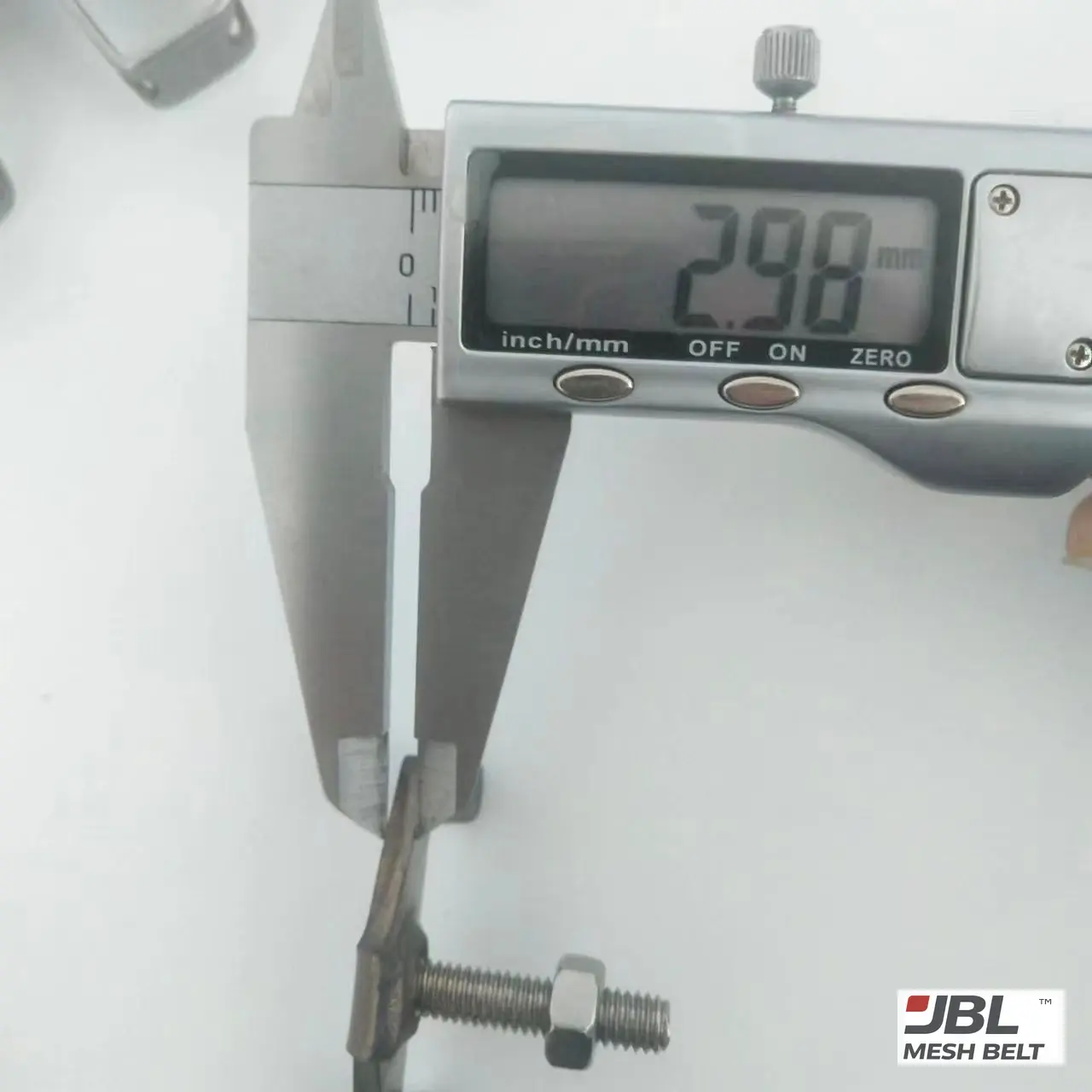
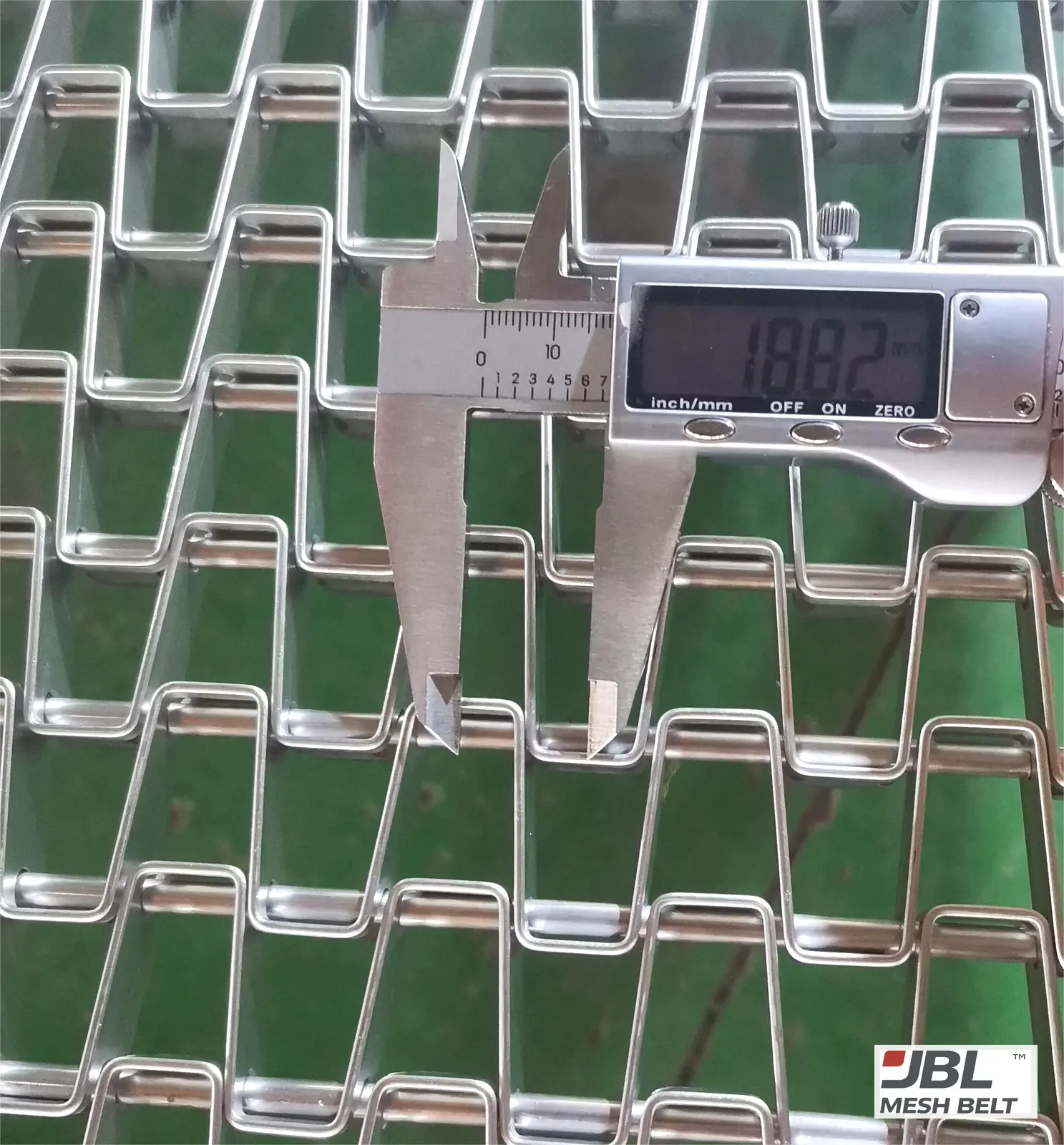
The drawing was reviewed first, then the original sample was measured point by point against it: strip thickness, edge detail, pitch and widths.
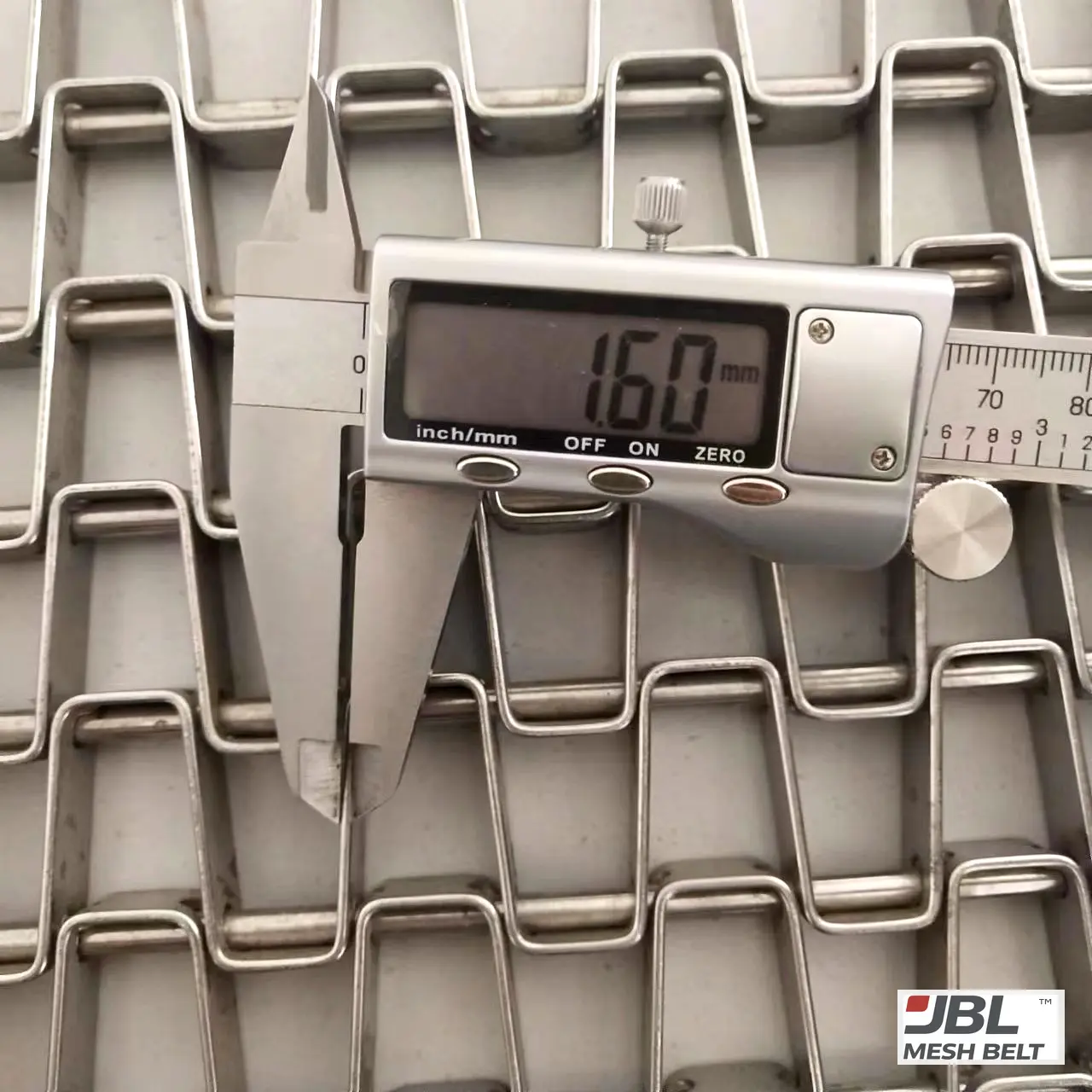
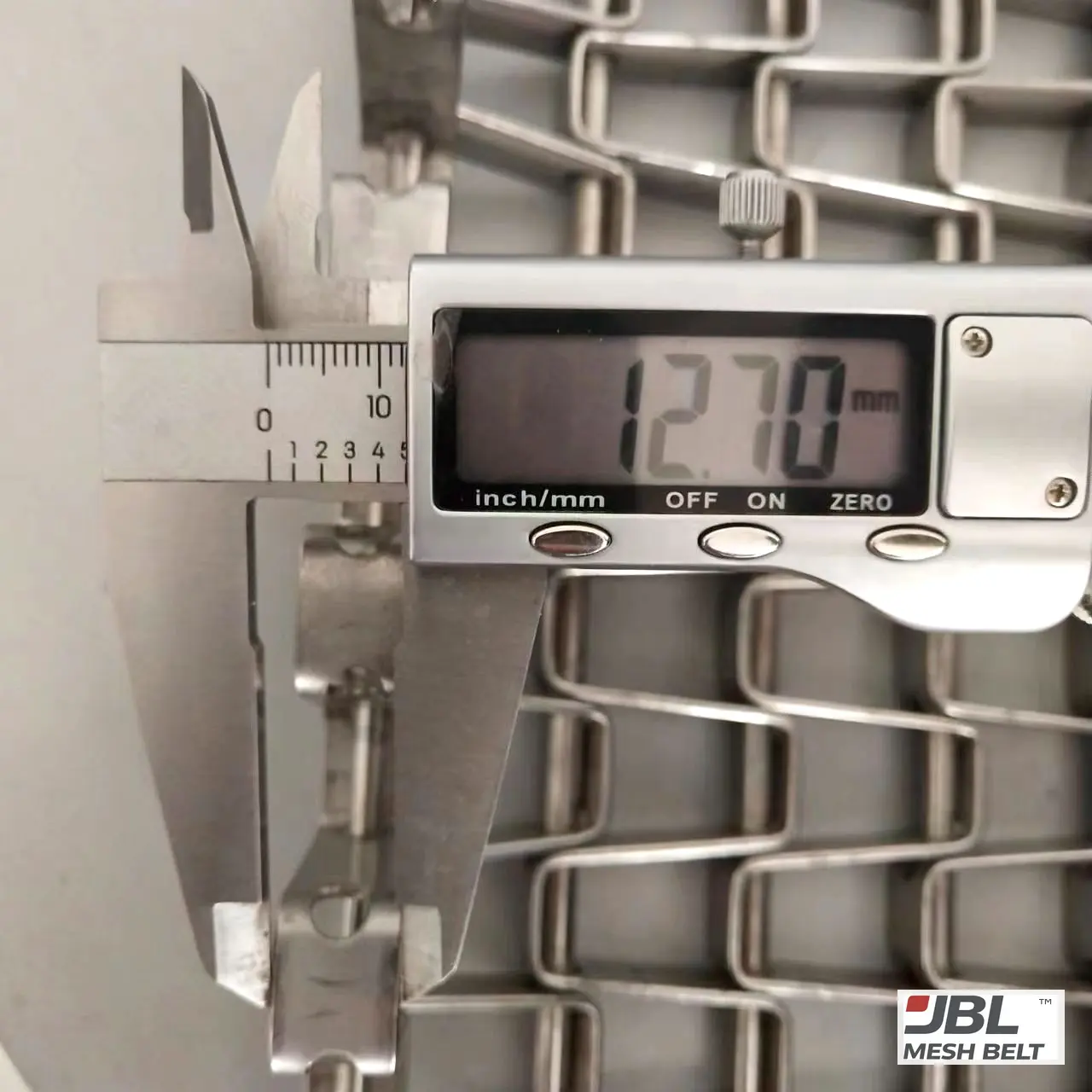
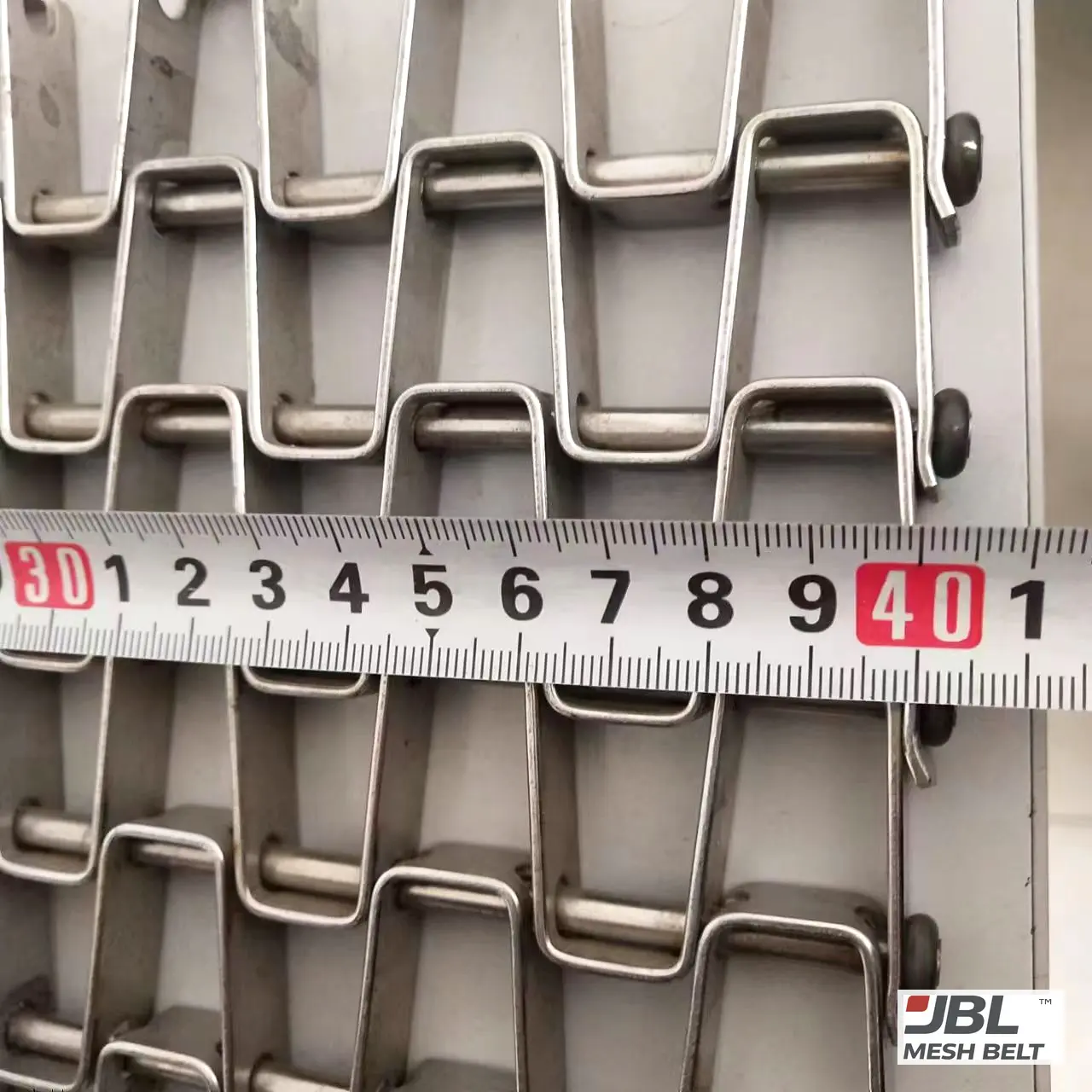
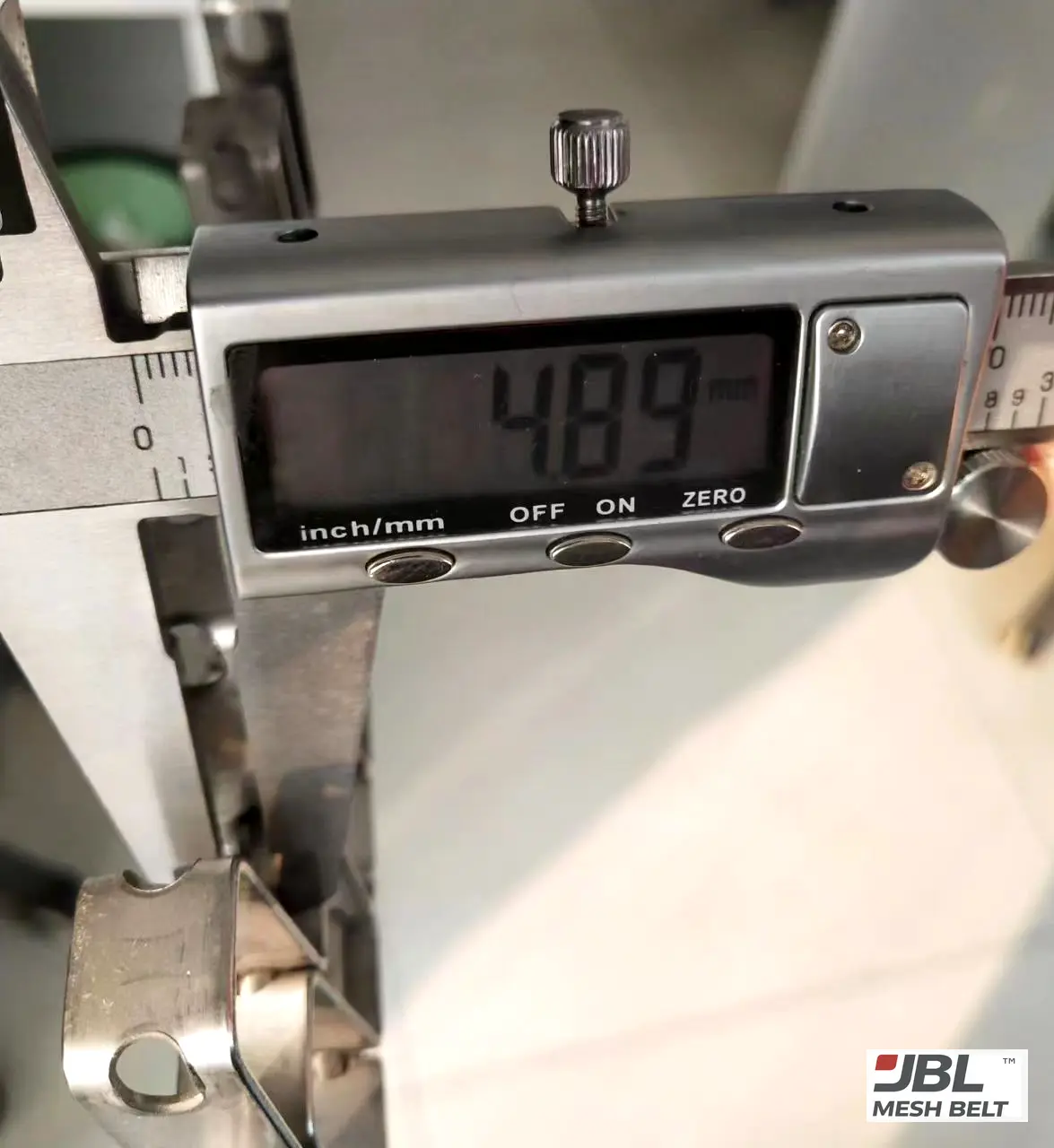
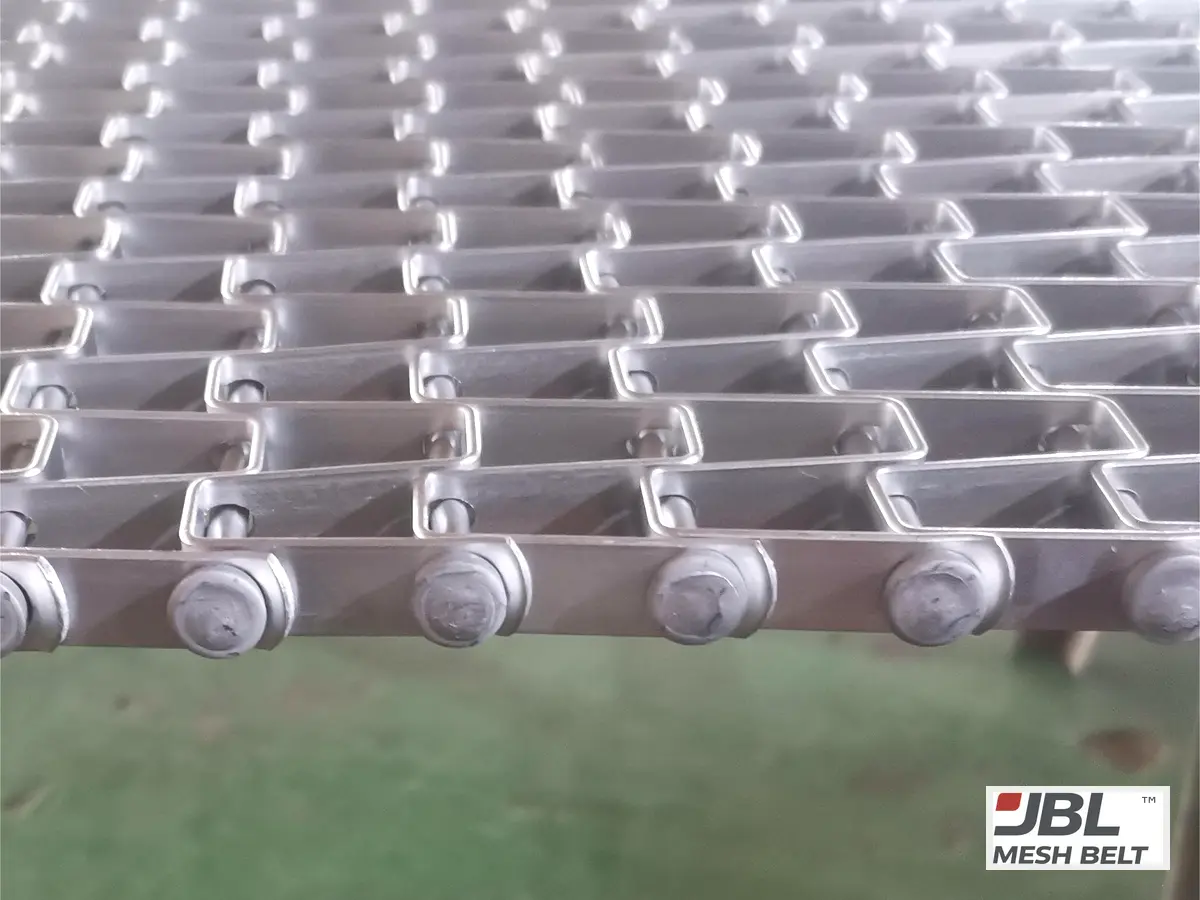
Copying the shape was not enough: the radii and burr-free edges on the drawing needed the forming tools and process to be adjusted. A trial run was made, checked against the drawing and the original, and approved by the customer. Only then did the 700 m order go into production.
| Checked | Drawing requirement | What was done |
|---|---|---|
| Bend radii | Every angle and radius specified | Forming tools adjusted to the drawing |
| Edges | No burrs | Process changed; edges checked on the trial run |
| Belt surface | Flat | Checked lying flat |
| Approval | Before bulk | Trial run approved by the customer |
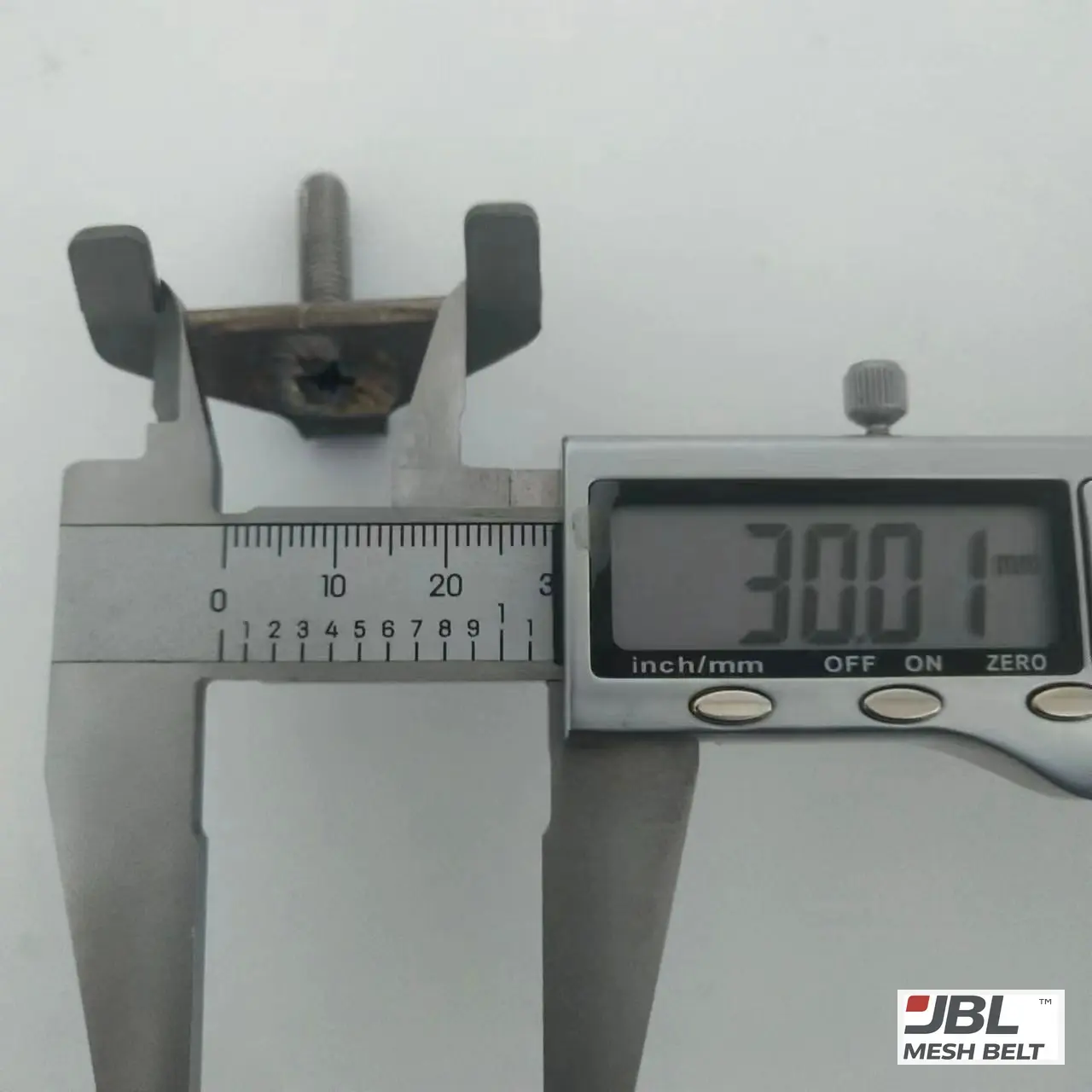
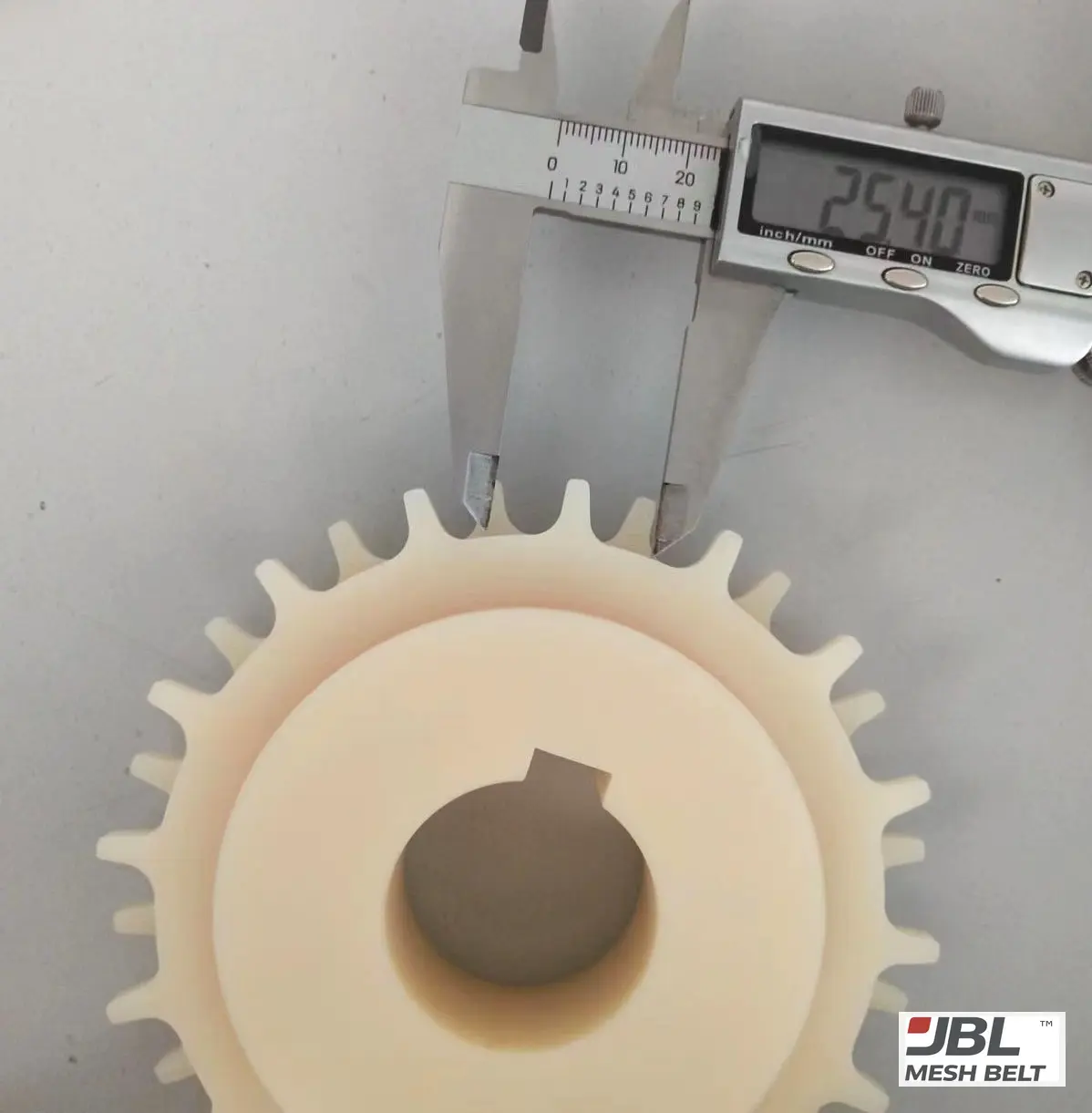
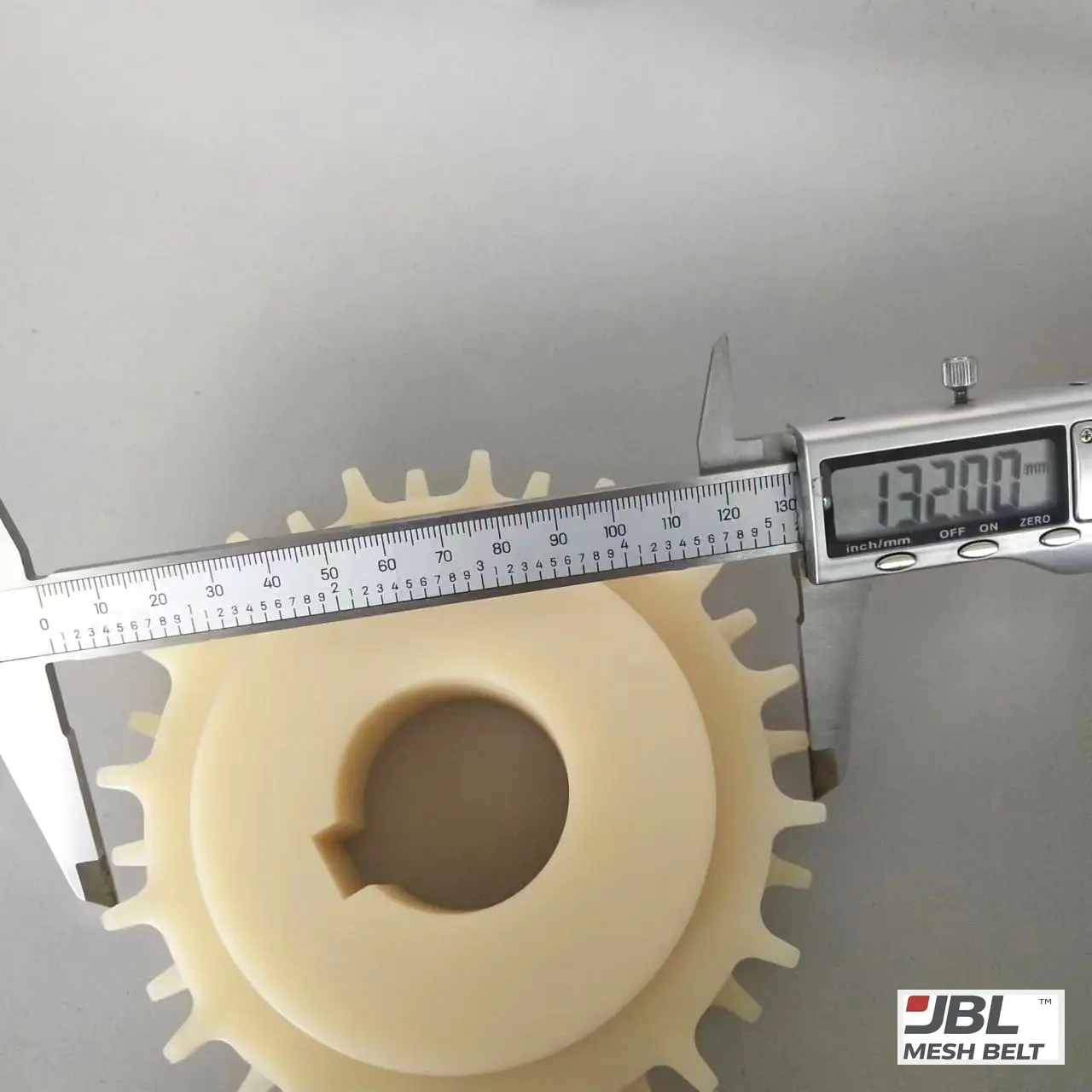
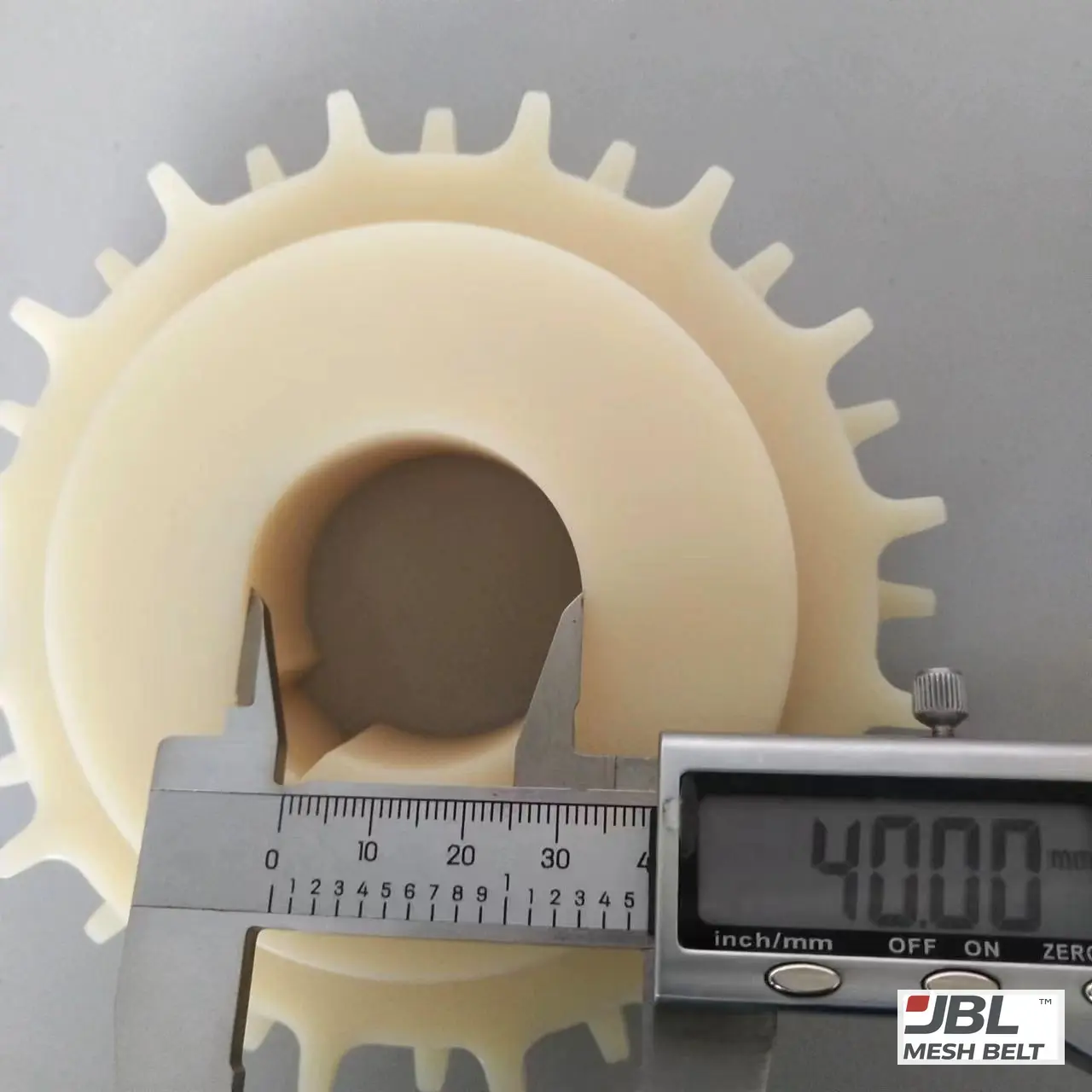
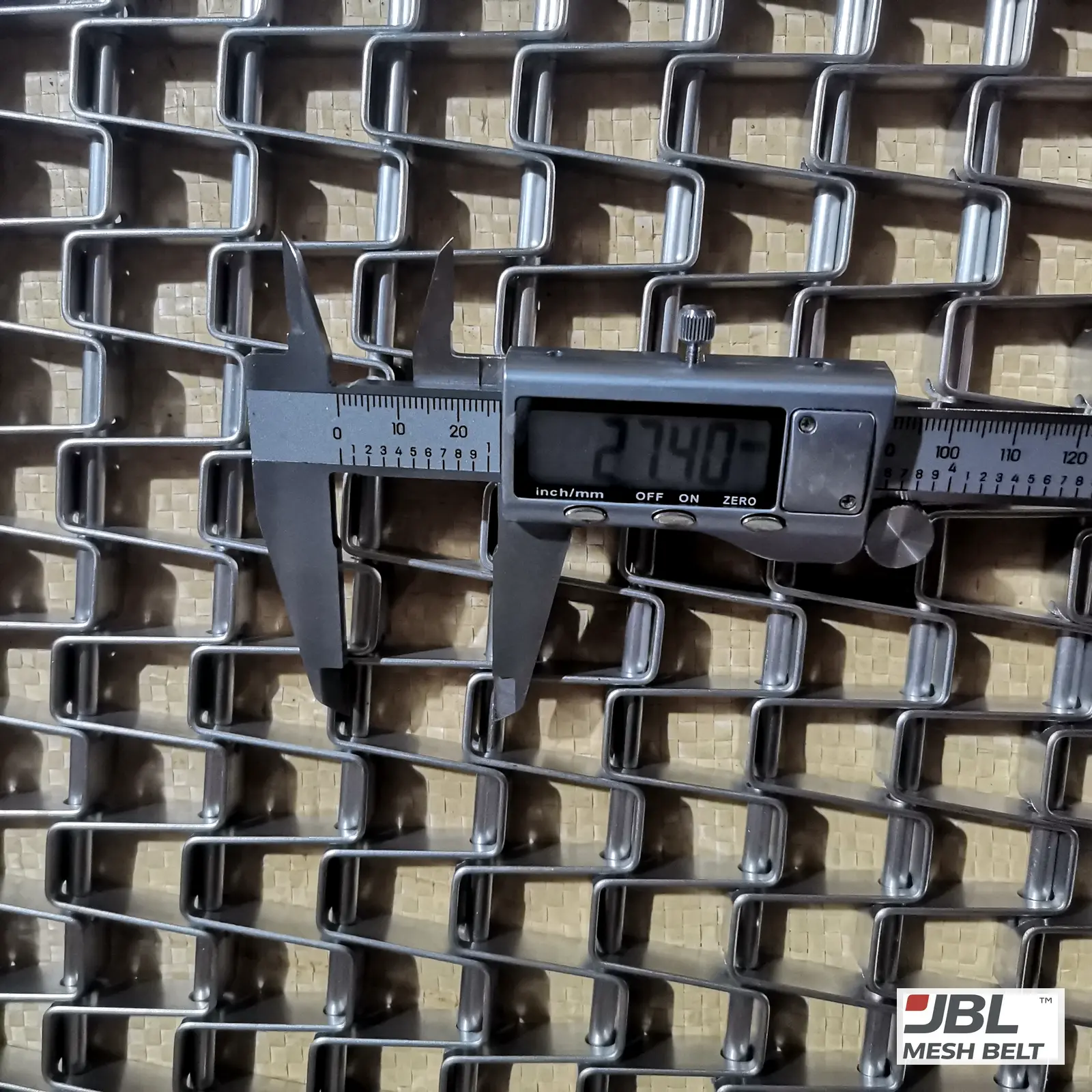
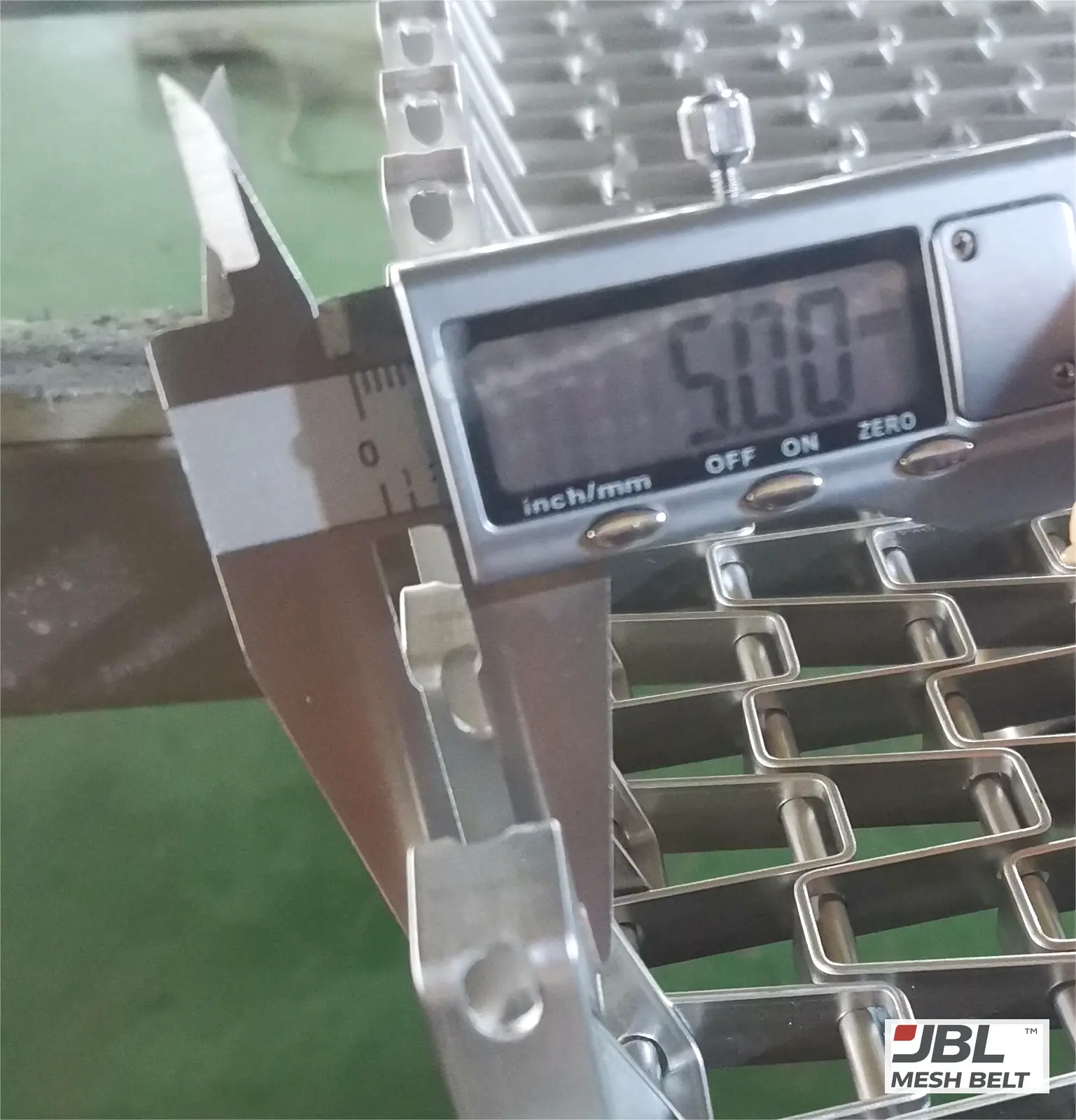
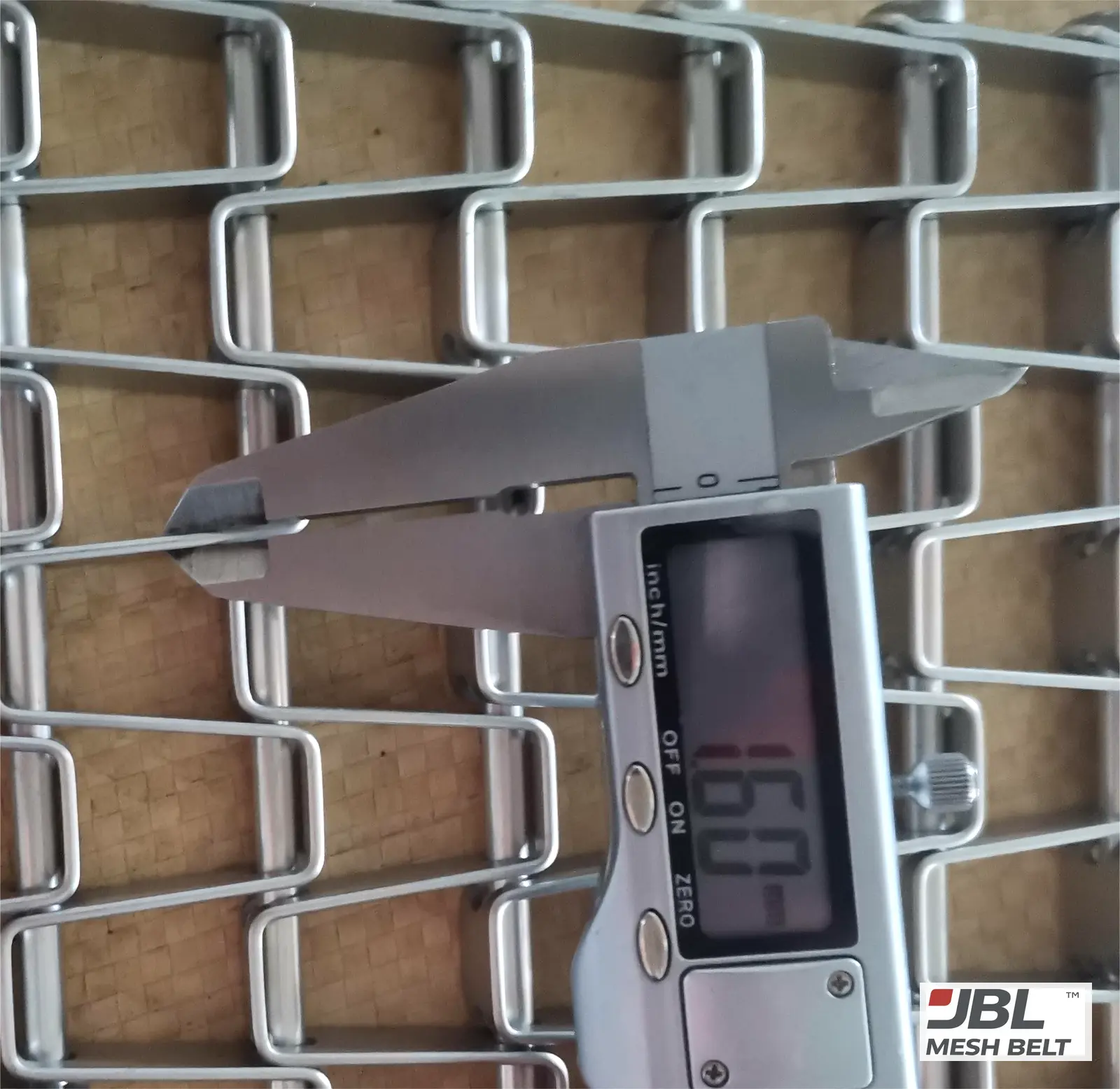
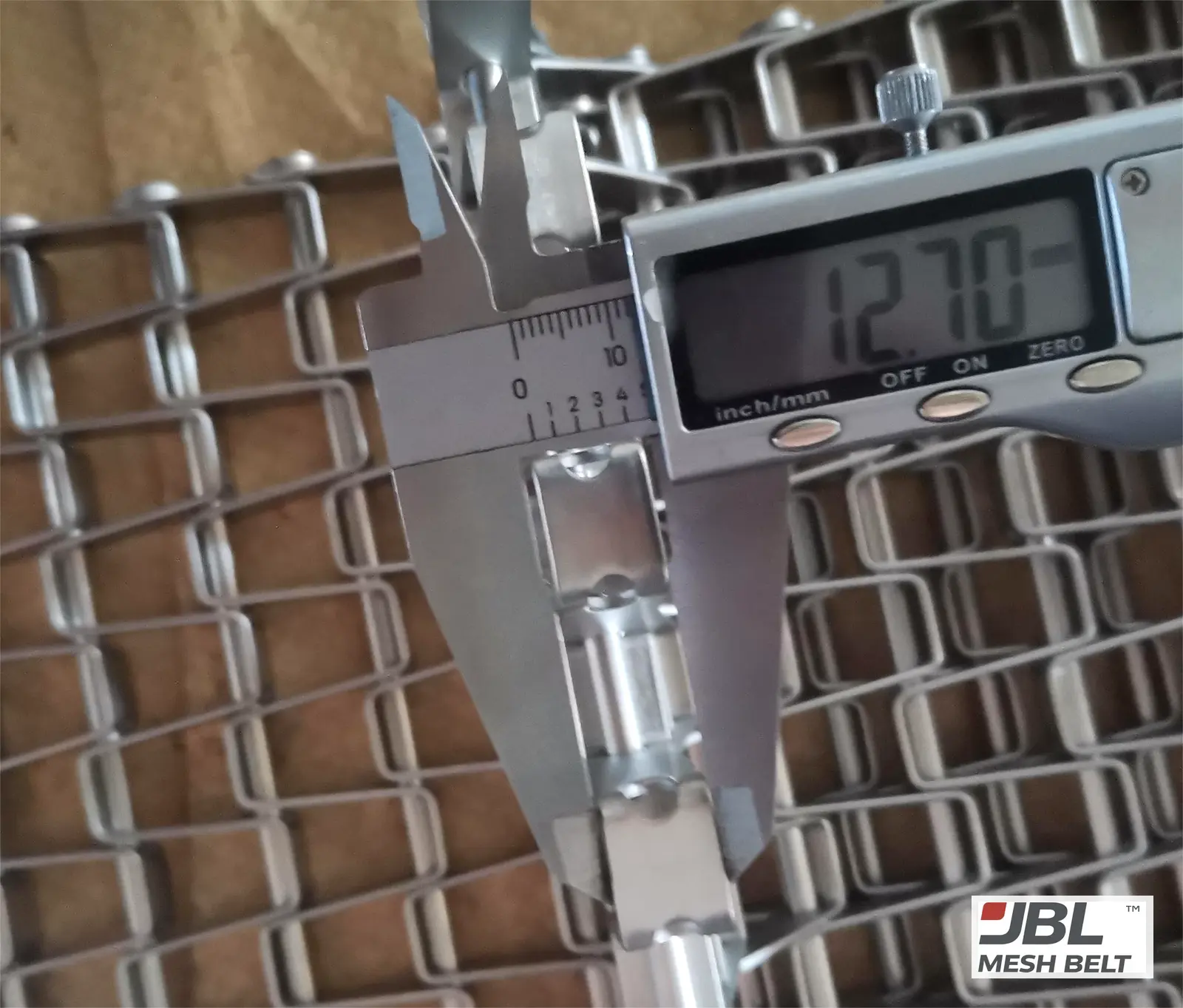
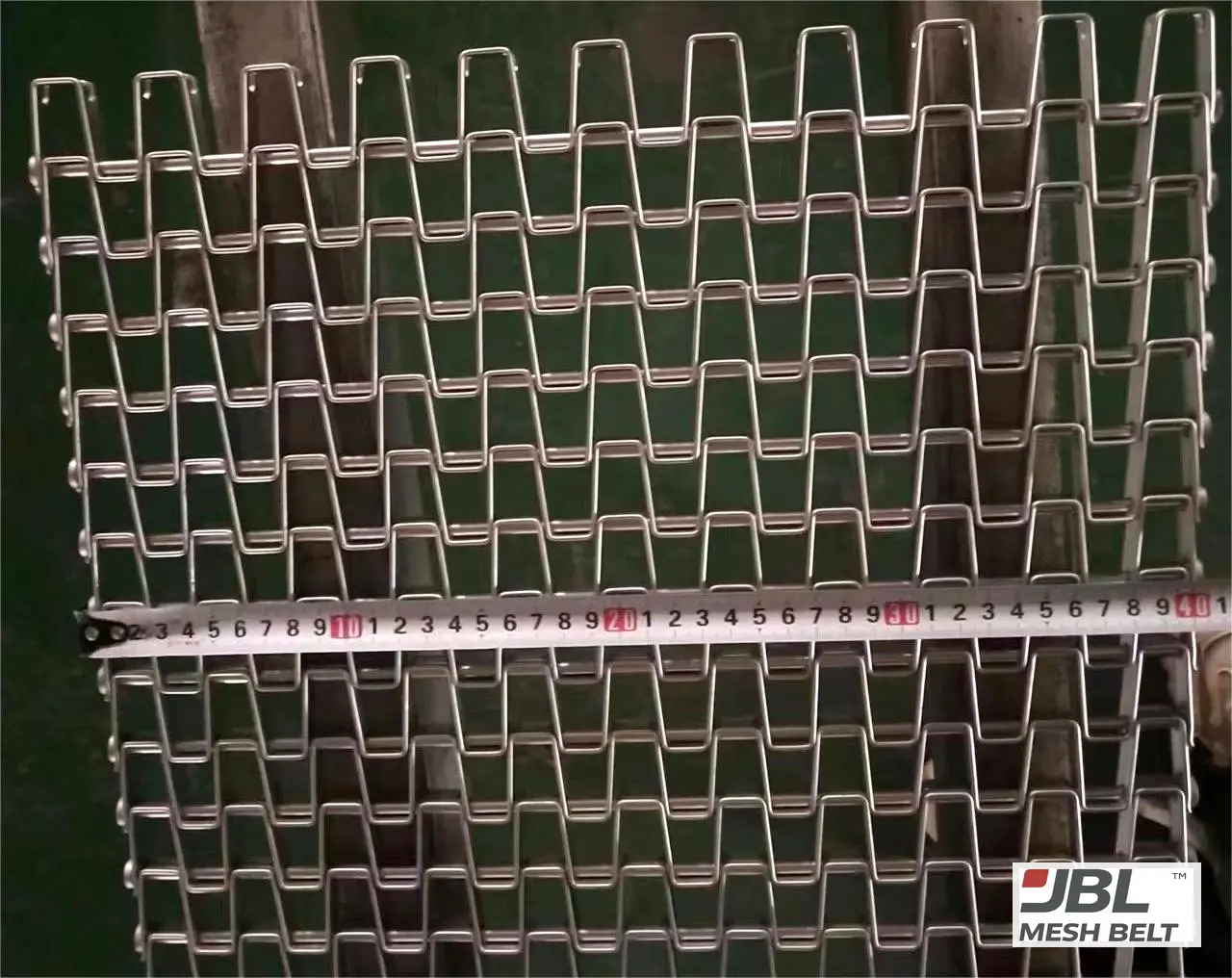
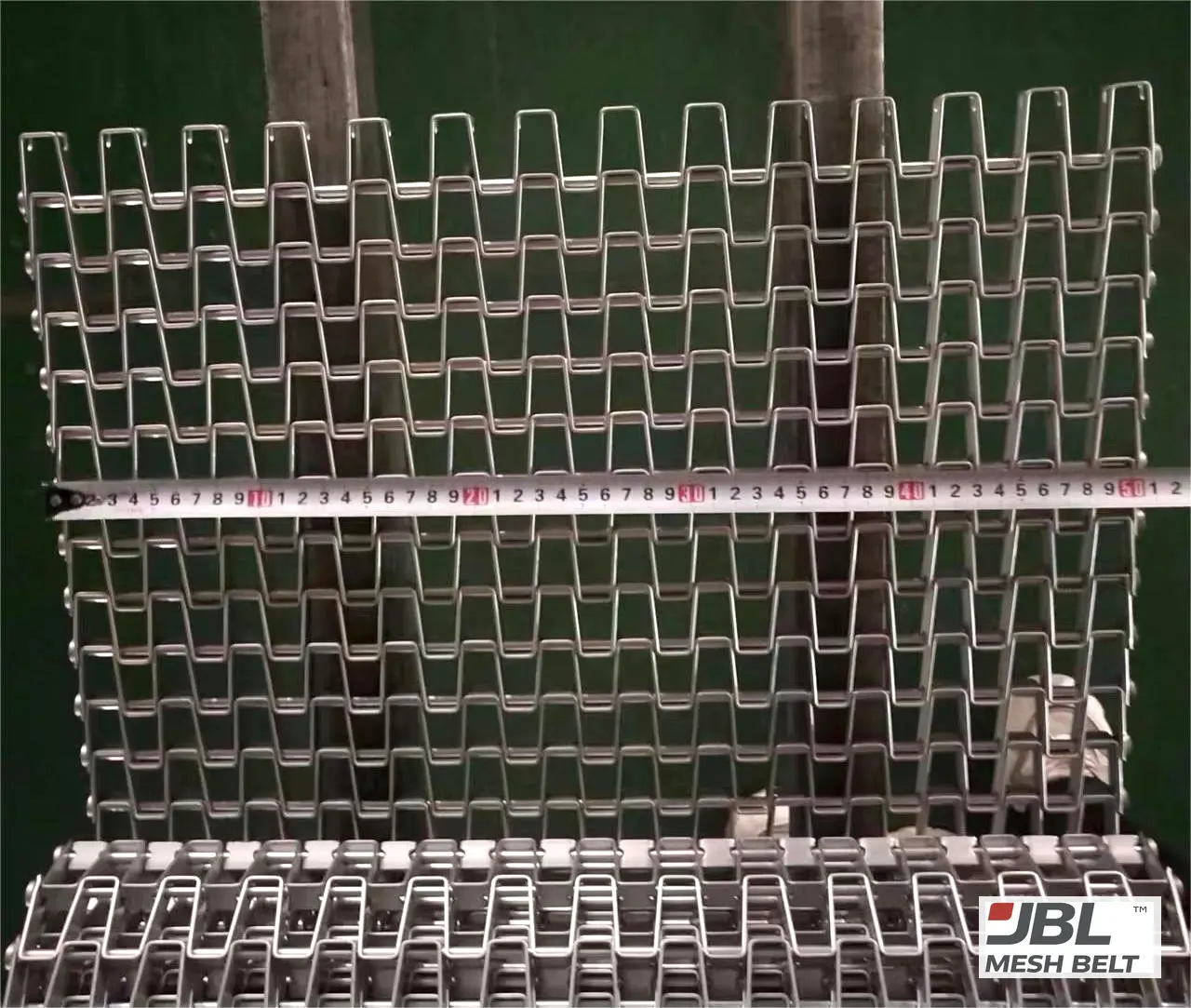
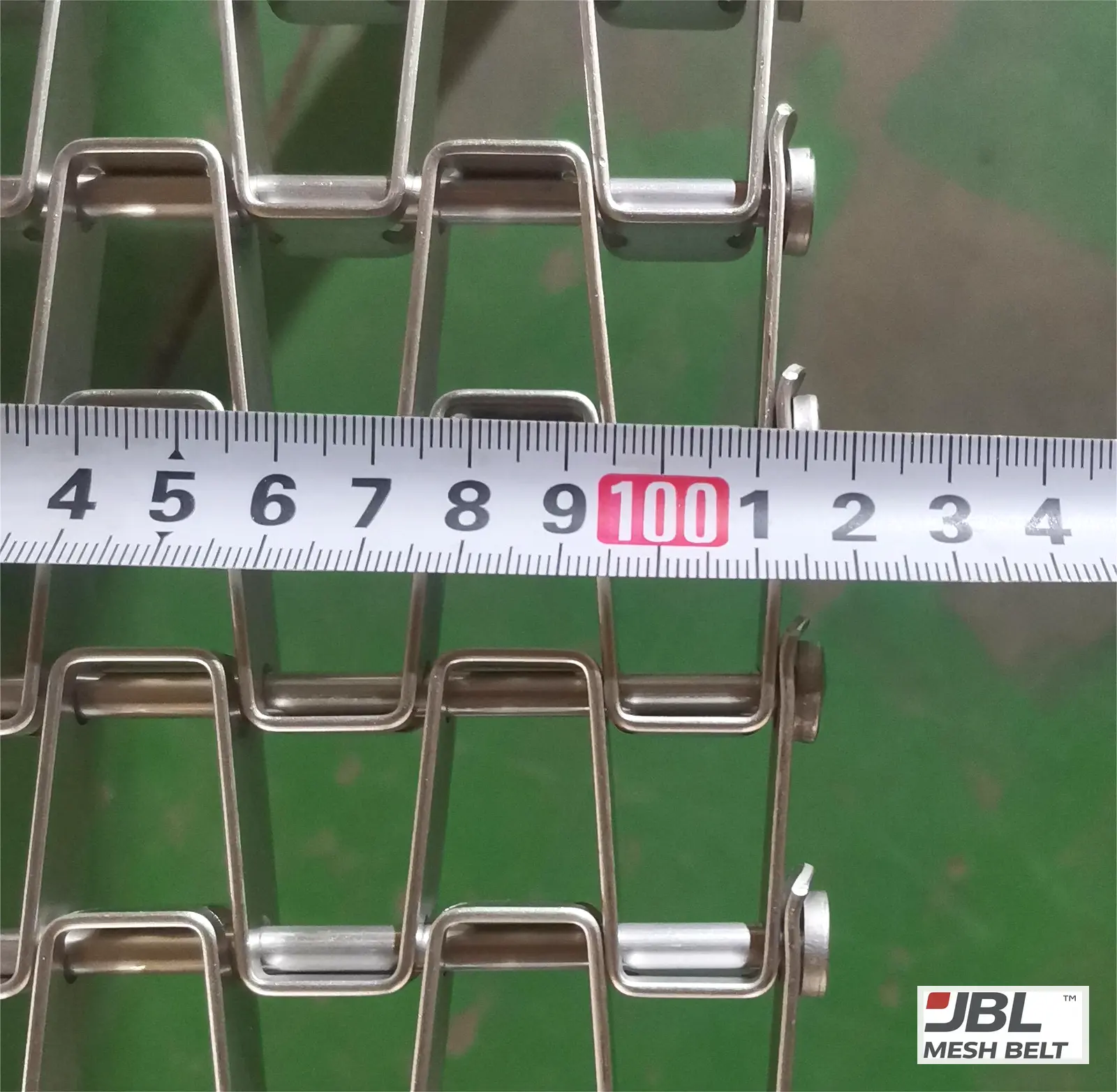
Caliper readings from the photos on this page. Final values follow the drawing confirmed with the buyer.
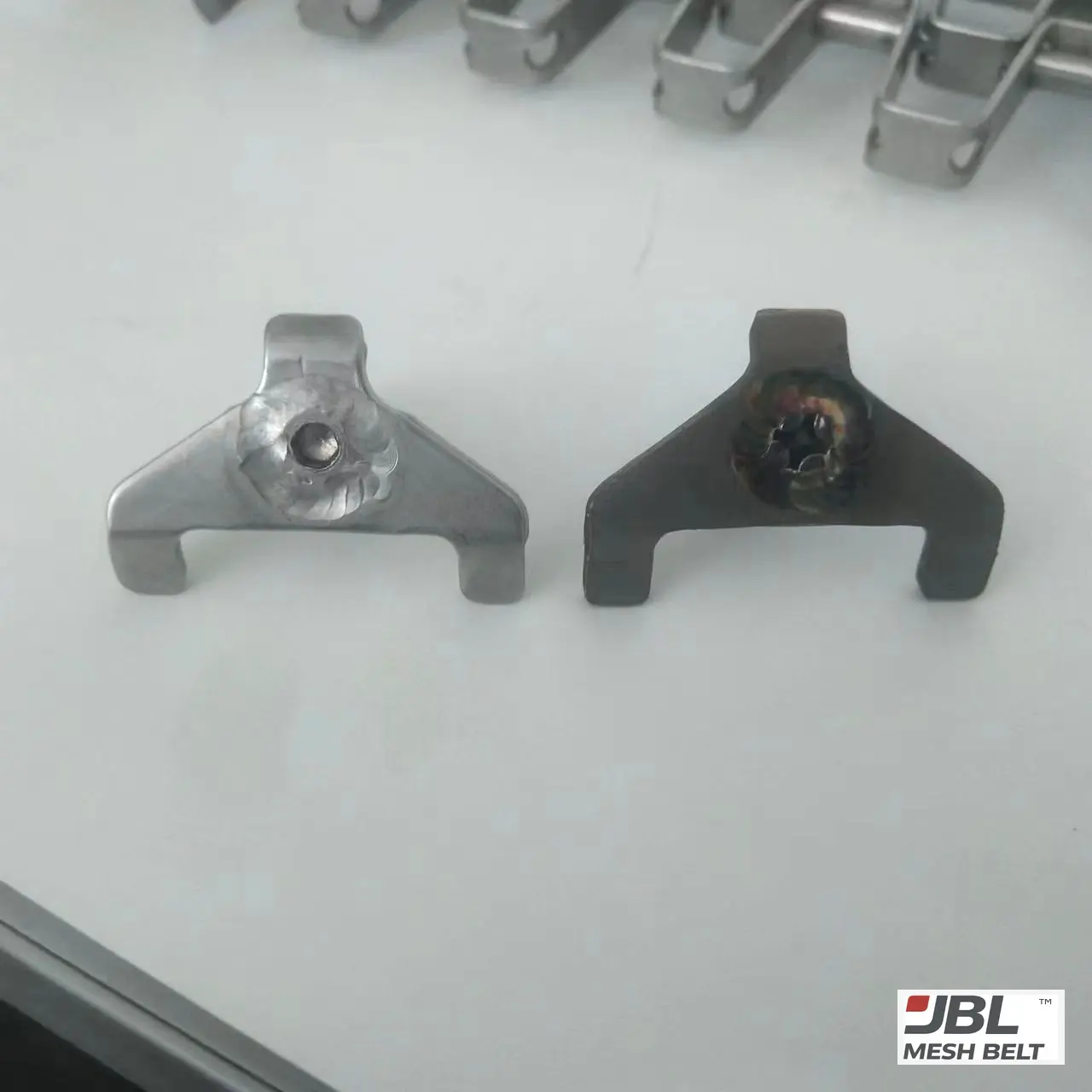
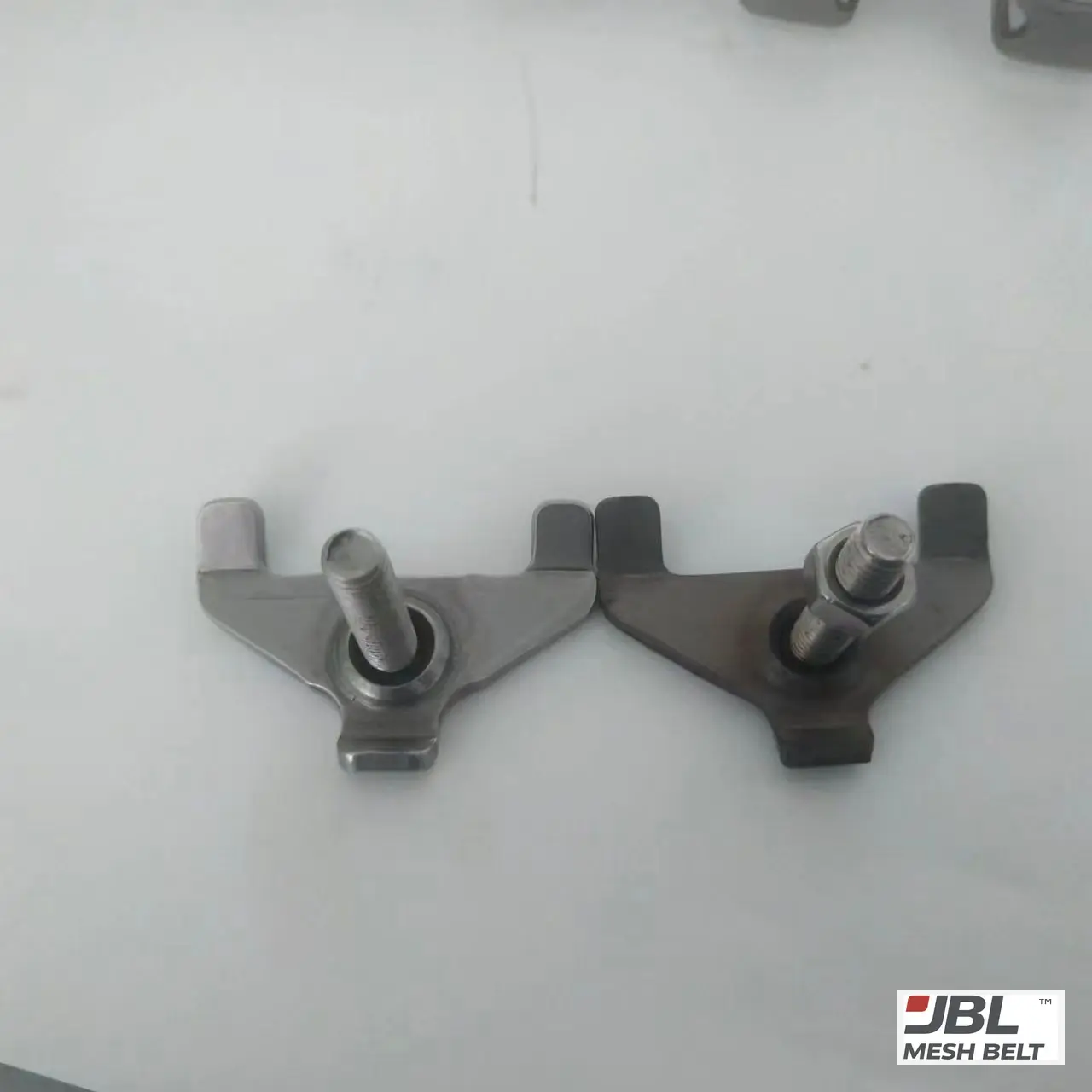
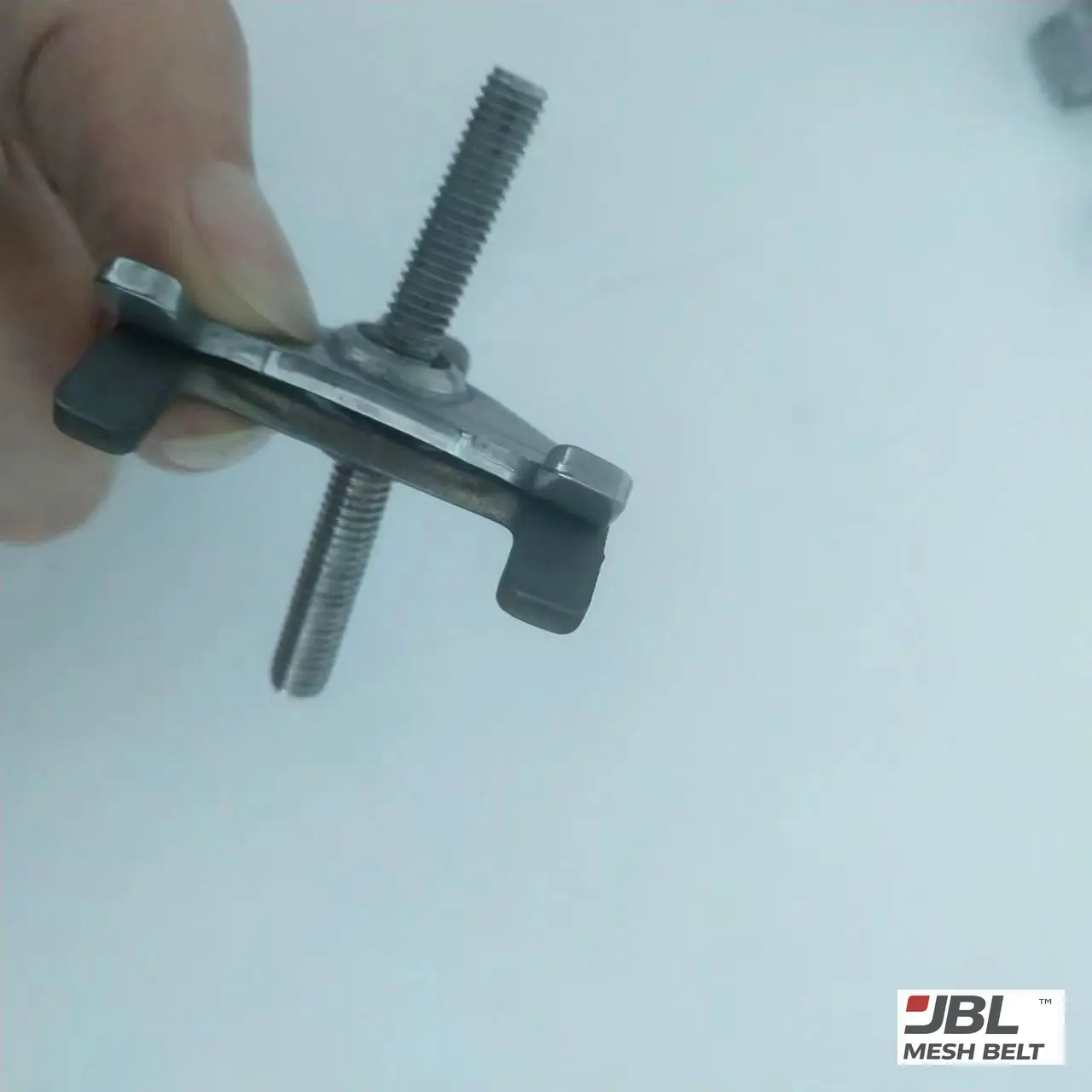
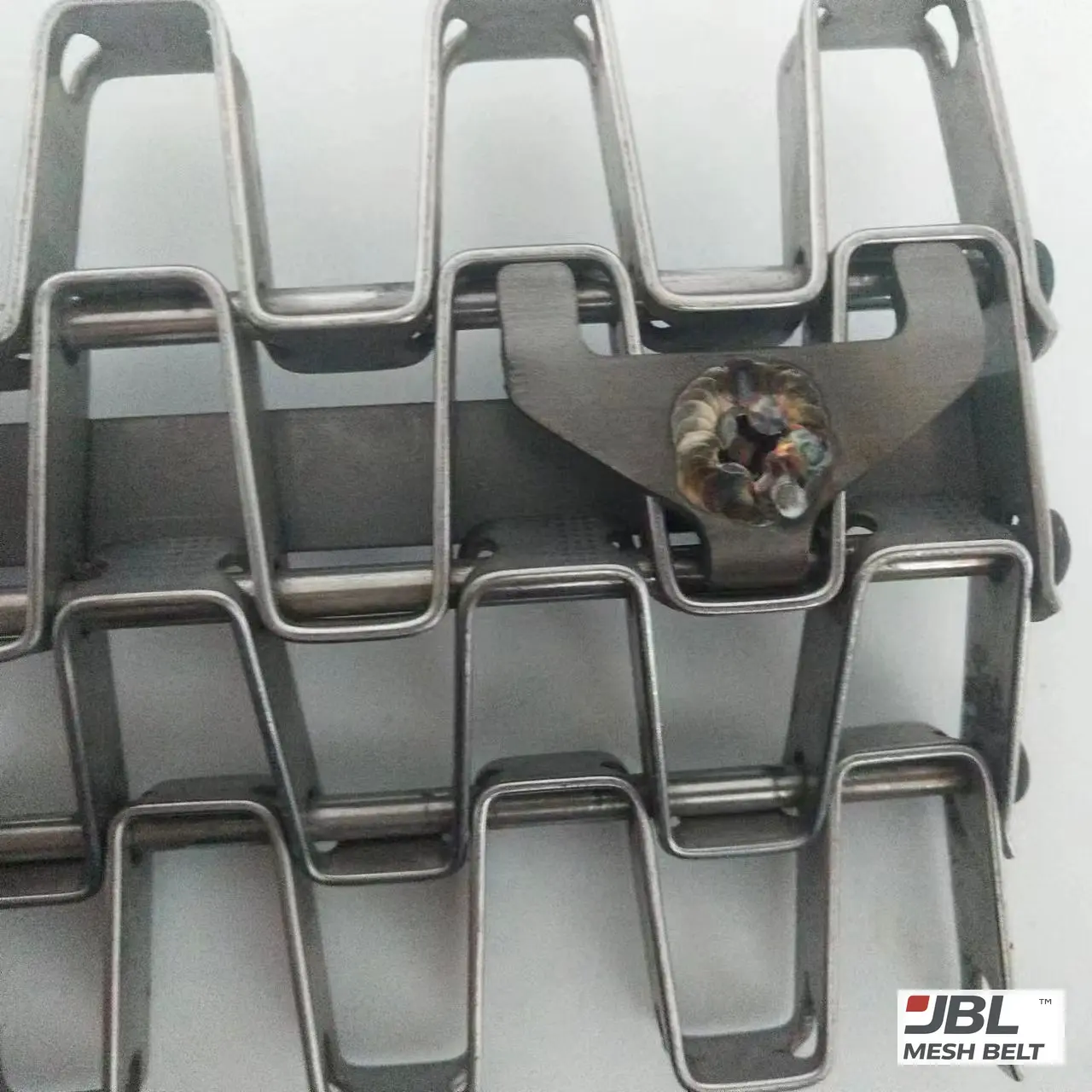
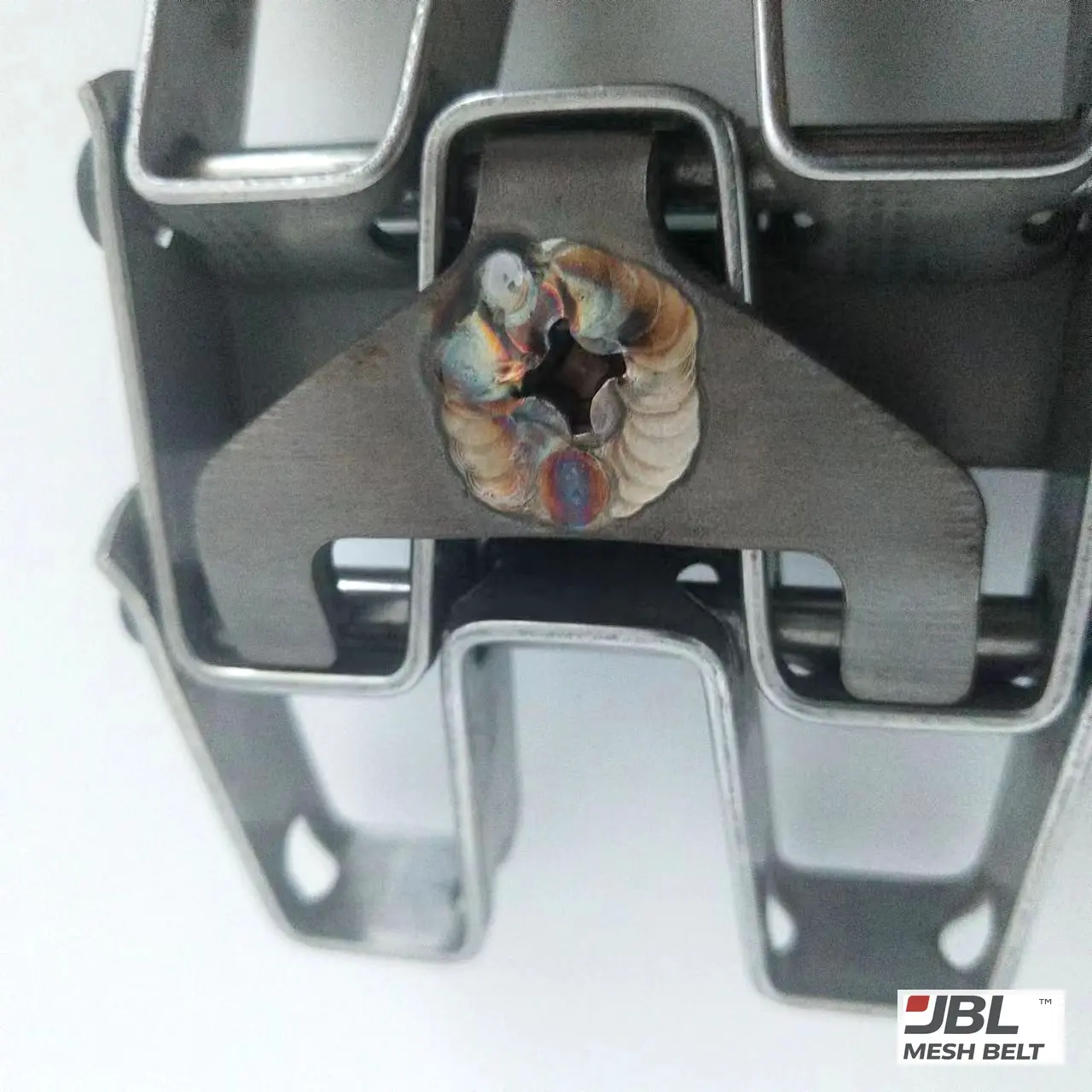
After the trial run, the customer handed over the parts they had planned to make in-house. They sent their original clips (called “clippers” on their line); we made an engineering-verification clip to the same form and fit and sent samples back for the customer to confirm before production. The nylon sprockets were made as a full set.
| Location | USA |
|---|---|
| Buyer | Equipment integrator supplying fishing-vessel conveyors to its own clients |
| Industry · equipment | Commercial fishing · conveyors from sea to onboard freezing |
| Original belts | From a well-known American equipment maker (not named) |
| Starting point | Detailed customer drawing + original belt sample |
| Key requirement | Specified bend radii, no burrs, flat belt surface |
| How it was met | Forming tools and process adjusted; trial run approved before bulk |
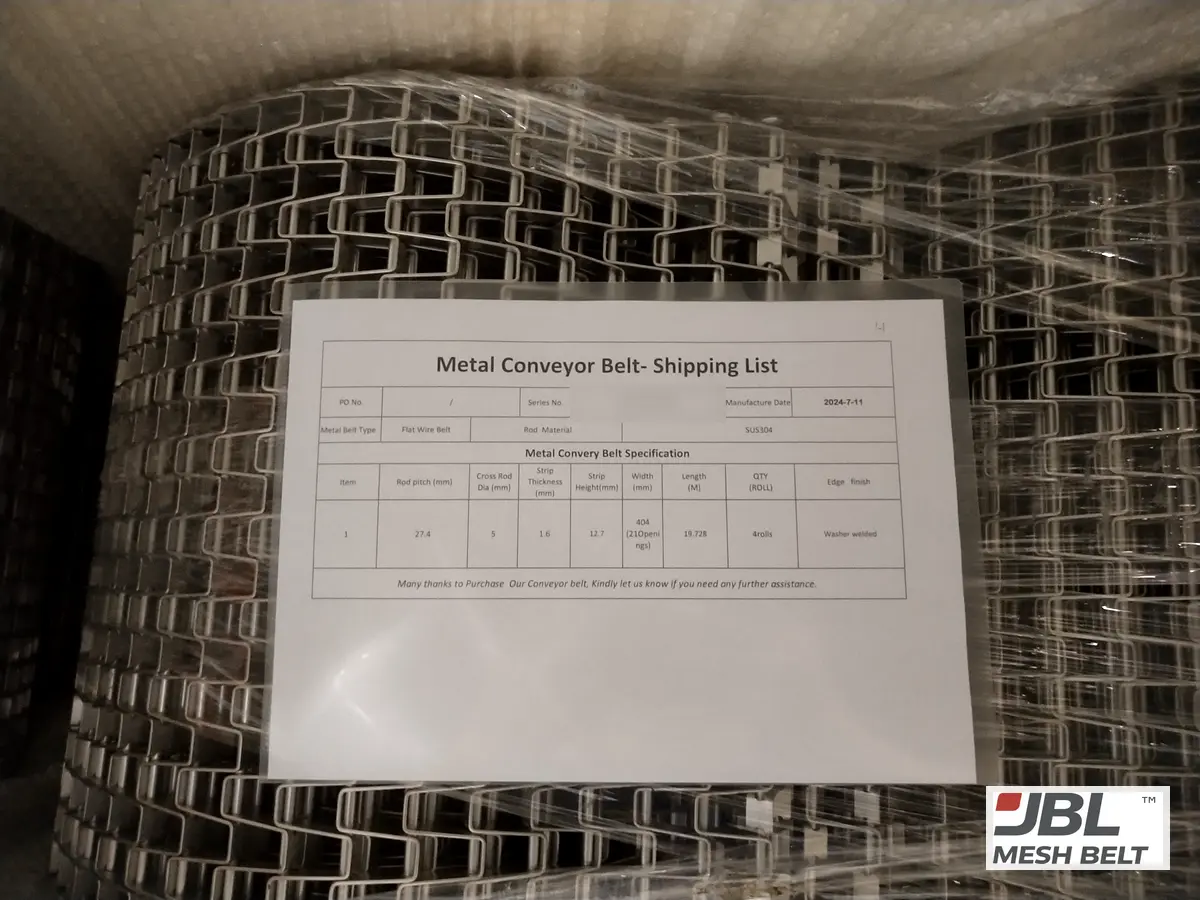
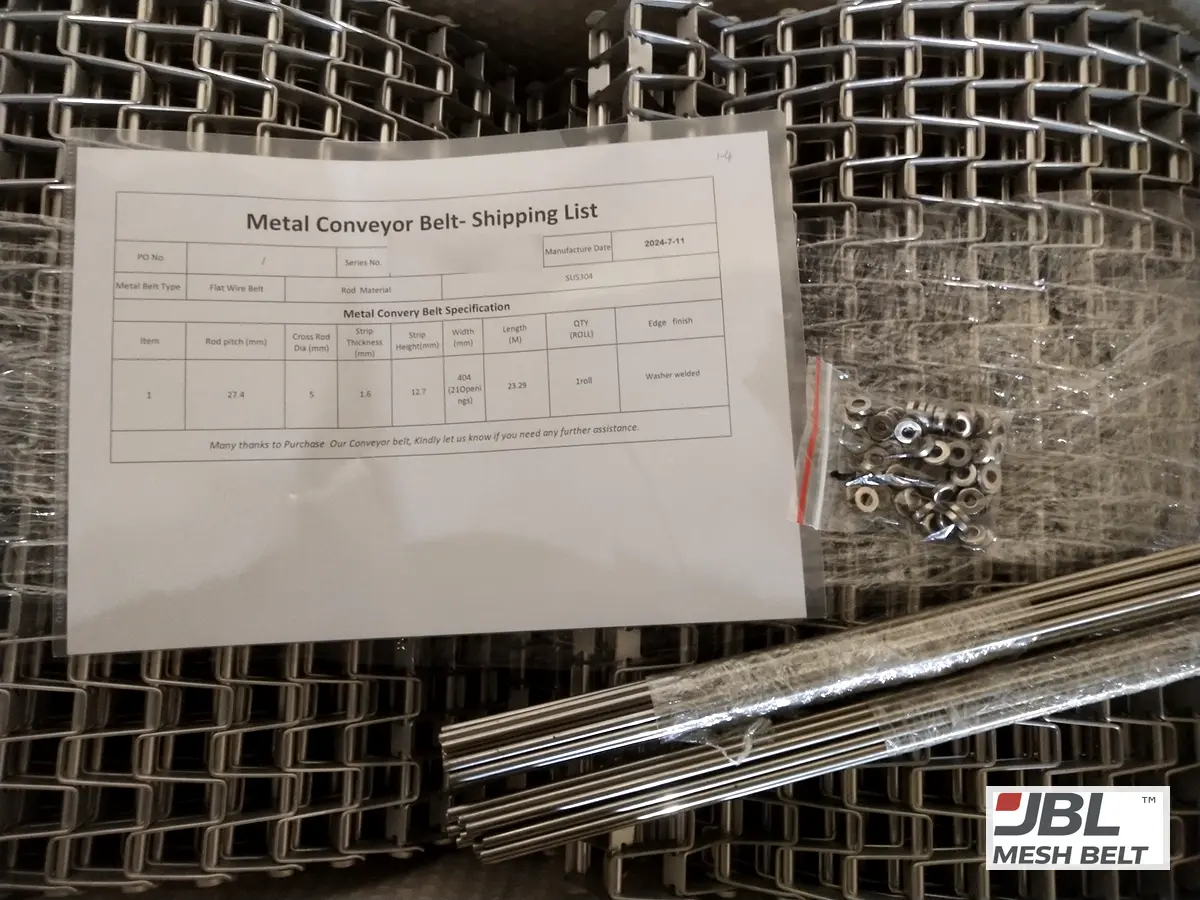
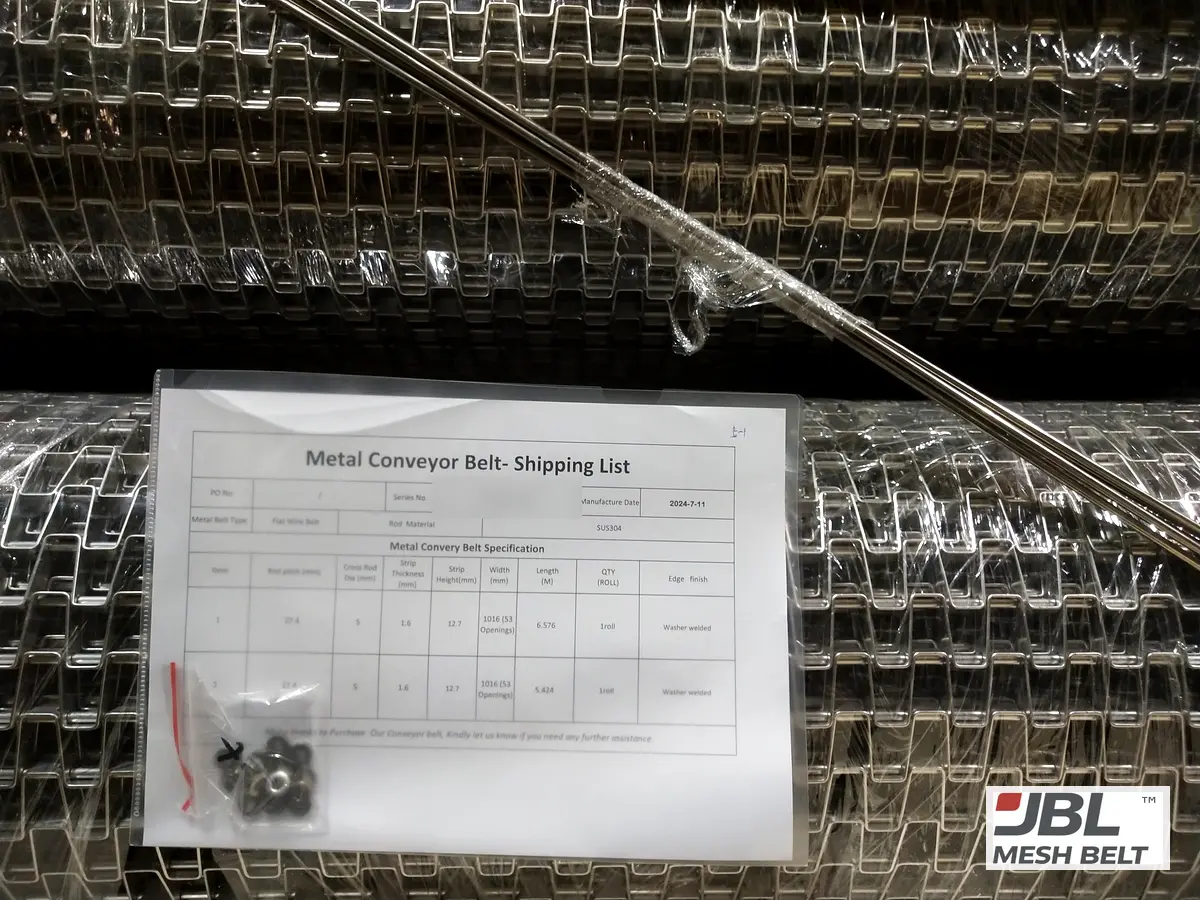
| Supplied | About 700 m flat wire belt in 404 / 508 / 609.6 / 914.4 / 1016 mm widths, plus clips, flight bars and a full set of sprockets |
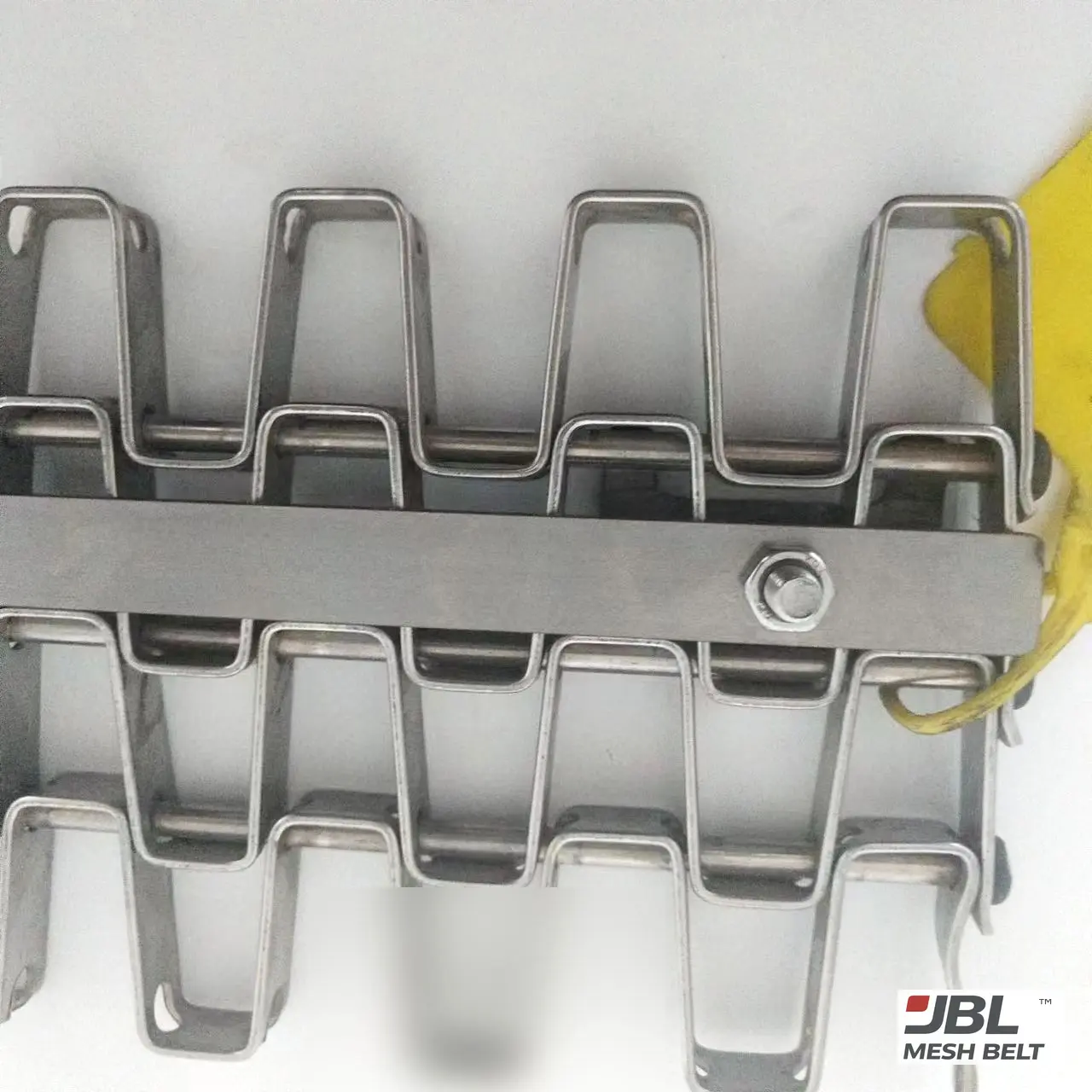
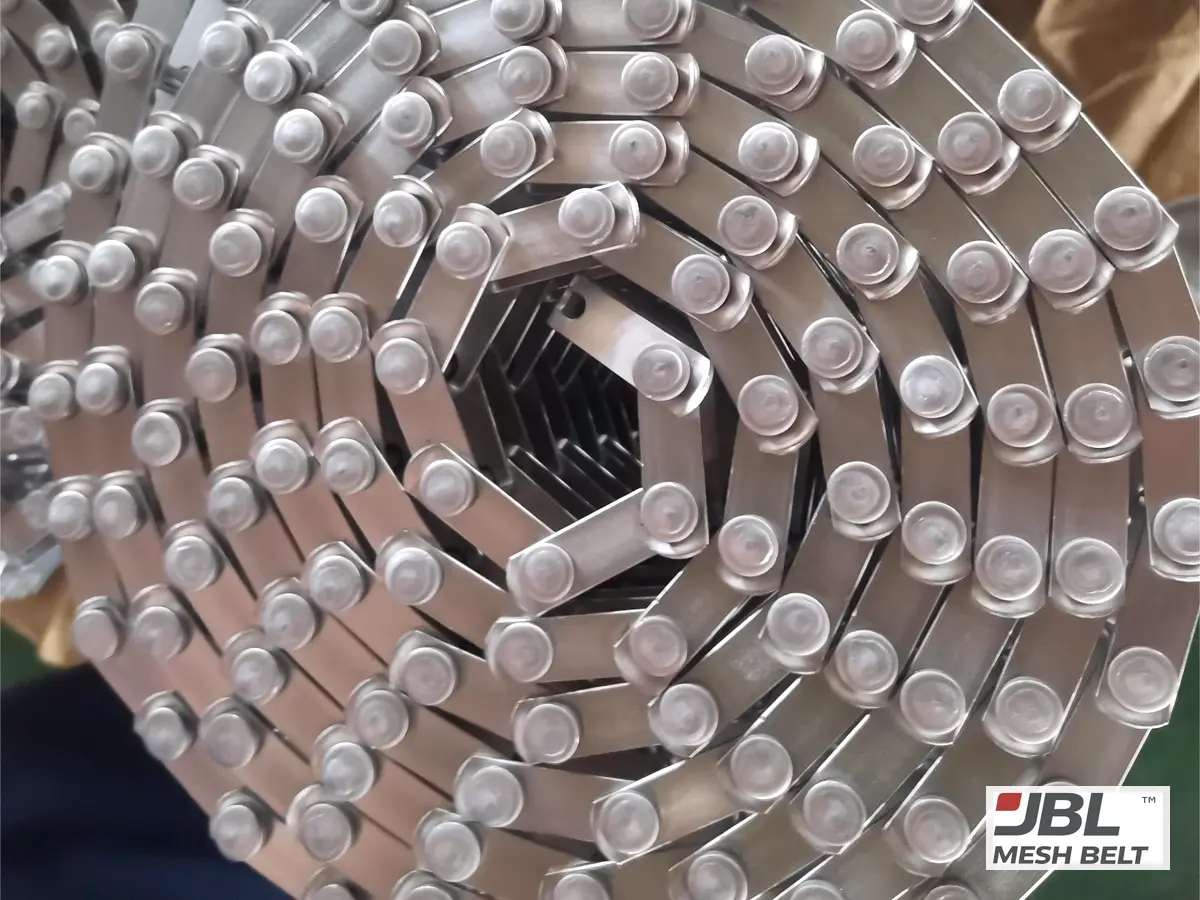
| Belt spec | SUS304 flat wire, pitch 27.4 mm, cross rod 5 mm, strip 1.6 × 12.7 mm, washer-welded edge |
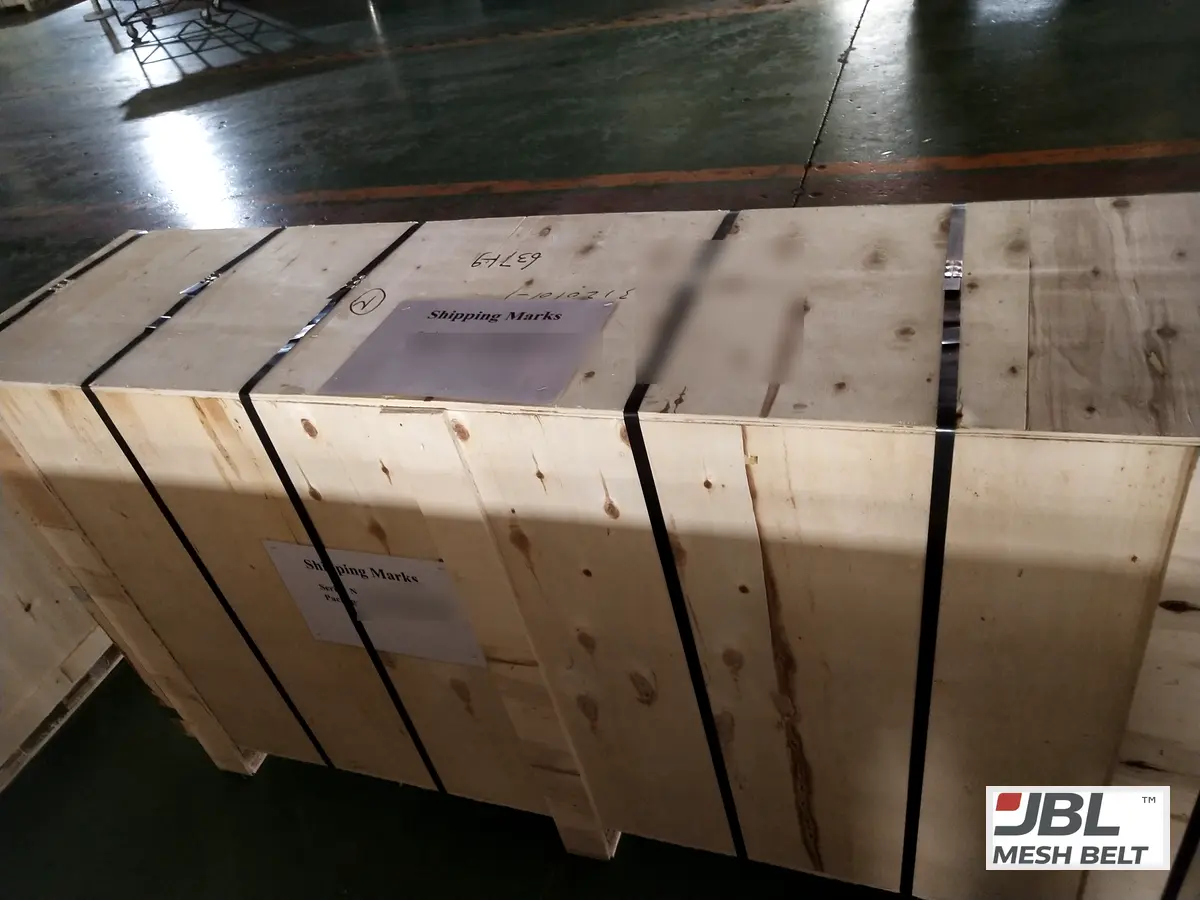
| Shipped | 2024, in plywood crates with spare rods and washers; each roll labelled with width, length and roll count |
| Result | Installed; the integrator reported good feedback from its own clients and no complaints (original email shown on this page) |
1.An OEM belt can be matched — to the drawing, not by eye
A detailed drawing plus the original sample gave every dimension and radius to work to.
2.Tight radii and burr-free edges are a tooling job
Meeting the drawing meant adjusting forming tools and process, not just copying the shape.
3.Approve a trial run before 700 m
The customer saw and approved the trial run first, so the big order carried no guesswork.
4.Trust grows part by part
After the belt, the customer handed over the clips and flight bars they had planned to make, and the sprockets — one supplier for the whole set.
What the buyer wrote
“We had the good feedbacks from the clients regarding your belts. It's high quality belt and striong clips, pins. Especially our client highly appreciate pins. There are no reclamation from the client at your belts. Thank you, because I insisted to deal with your company and you fully satusfied our team expectations.”

✓ Evidence on this page: photos of the belt and formed edges, caliper and tape readings on the original and on the finished rolls, packing lists and crates (order numbers blurred), the buyer's original email after installation, our clips compared with the customer's originals, flight bars and sprocket measurements. Customer name, order numbers and the original equipment brand are withheld.
Replacing an OEM flat wire belt and want it matched to your drawing?
Send a short section of the old belt, or photos with a caliper in the picture — usually a reply within 8 hours.
Yes. Working from the drawing and an original sample, the belt is made to the specified radii and dimensions, and a trial run is approved before bulk.
By adjusting the forming tools and process to the drawing, then checking the trial run before production.
Yes. In this project the customer sent original clips; ours were matched to them, and the sprockets were made as a full set.
Pitch, cross rod, strip thickness and height, opening and width were measured on the finished rolls with a caliper and tape, then each roll was labelled and packed in plywood crates with spare rods and washers.
Yes. In this project the buyer was a US equipment integrator: belts, clips, flight bars and sprockets were supplied for the conveyors it builds for its own clients.
No. Cases show the country only; the customer, order numbers and original brands are not published.