1.An OEM belt can be copied from a sample
Without the maker's drawing, a section of the original belt was enough to read every fit dimension and make tooling.
A customer in the United Kingdom needed to replace 450 m of self-stacking belt on a line built by an original equipment maker, whose price for a new belt was high. From a section of the original belt, every fit dimension was measured, tooling made and a sample compared with the original. After the customer approved the sample, the belt was turning-tested and stacking-tested before the 450 m was produced in AISI 304 stainless steel.
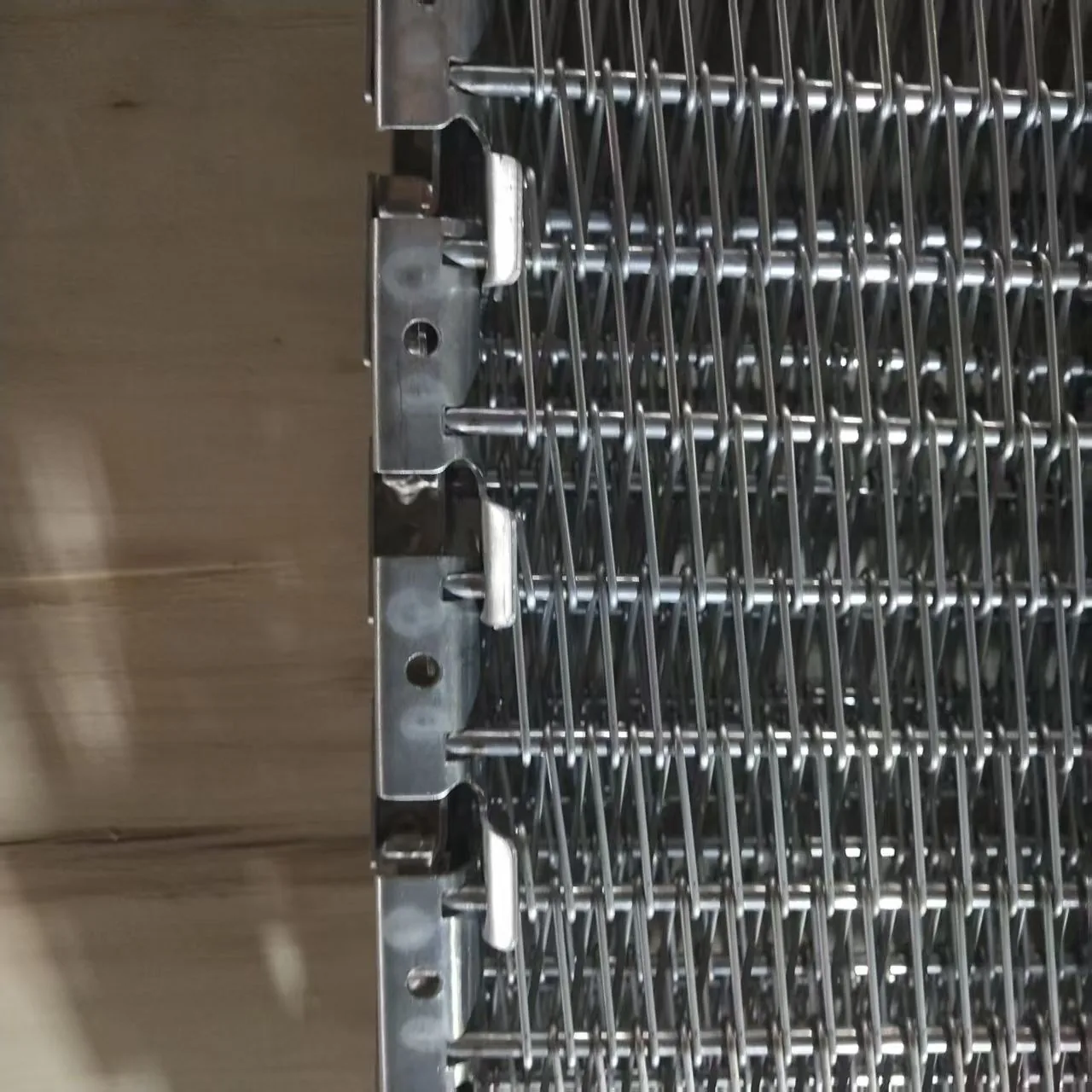
The line was built by an original equipment maker, and the maker's price for a replacement belt was high. The customer wanted a belt that fits the existing machine and stacks and runs like the original — at a lower cost. There was no drawing, so a section of the original belt was sent to be copied.
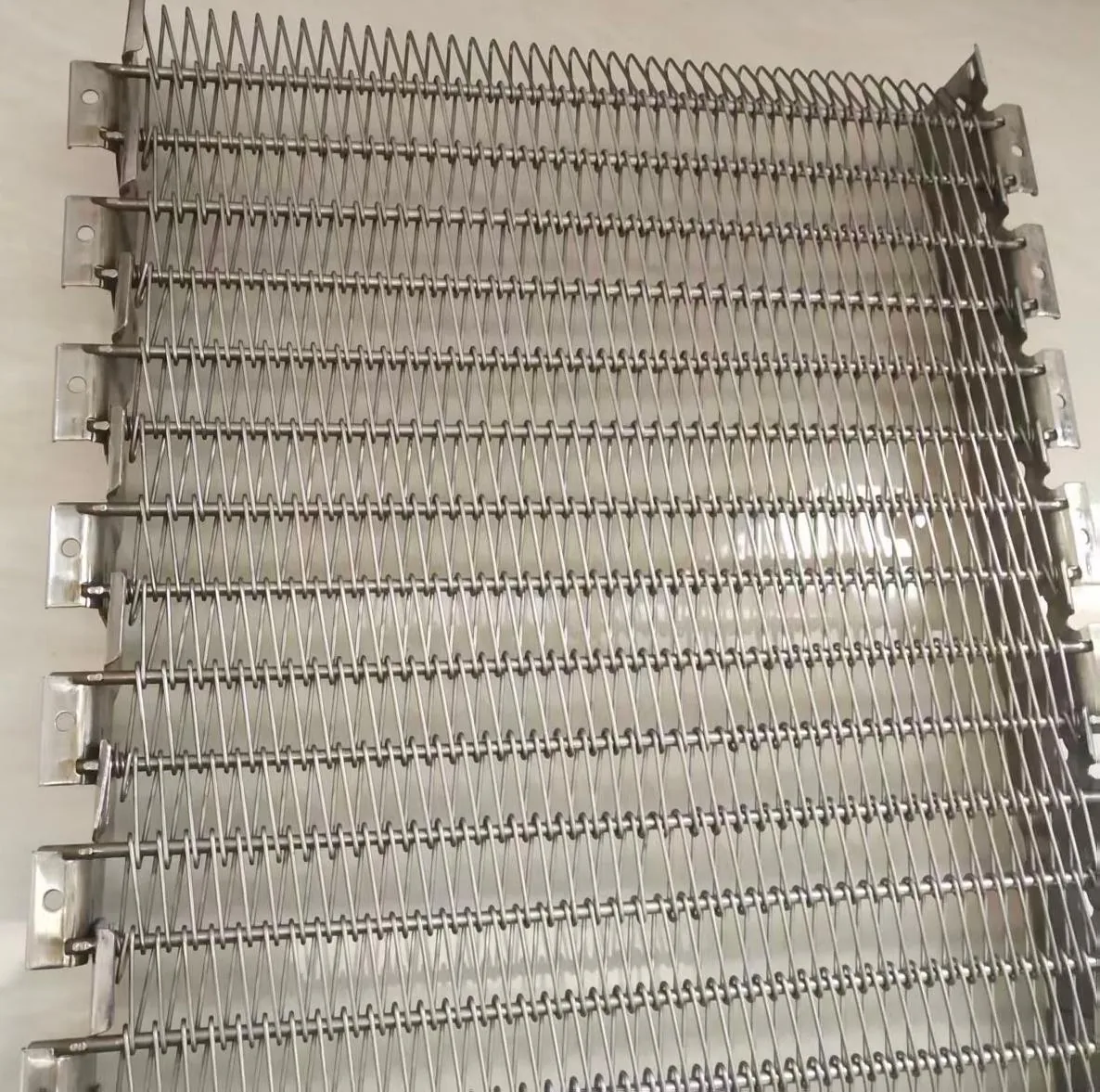
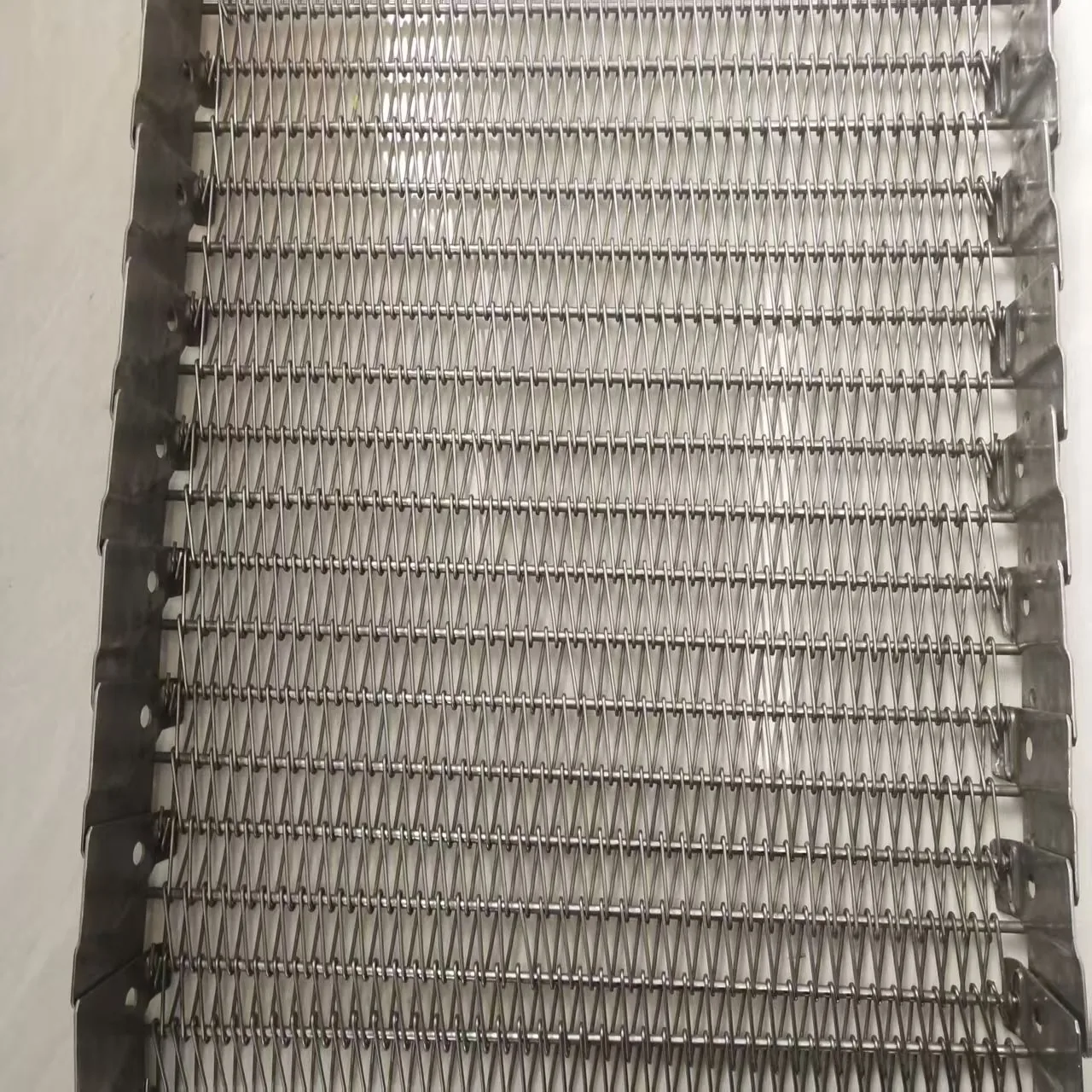
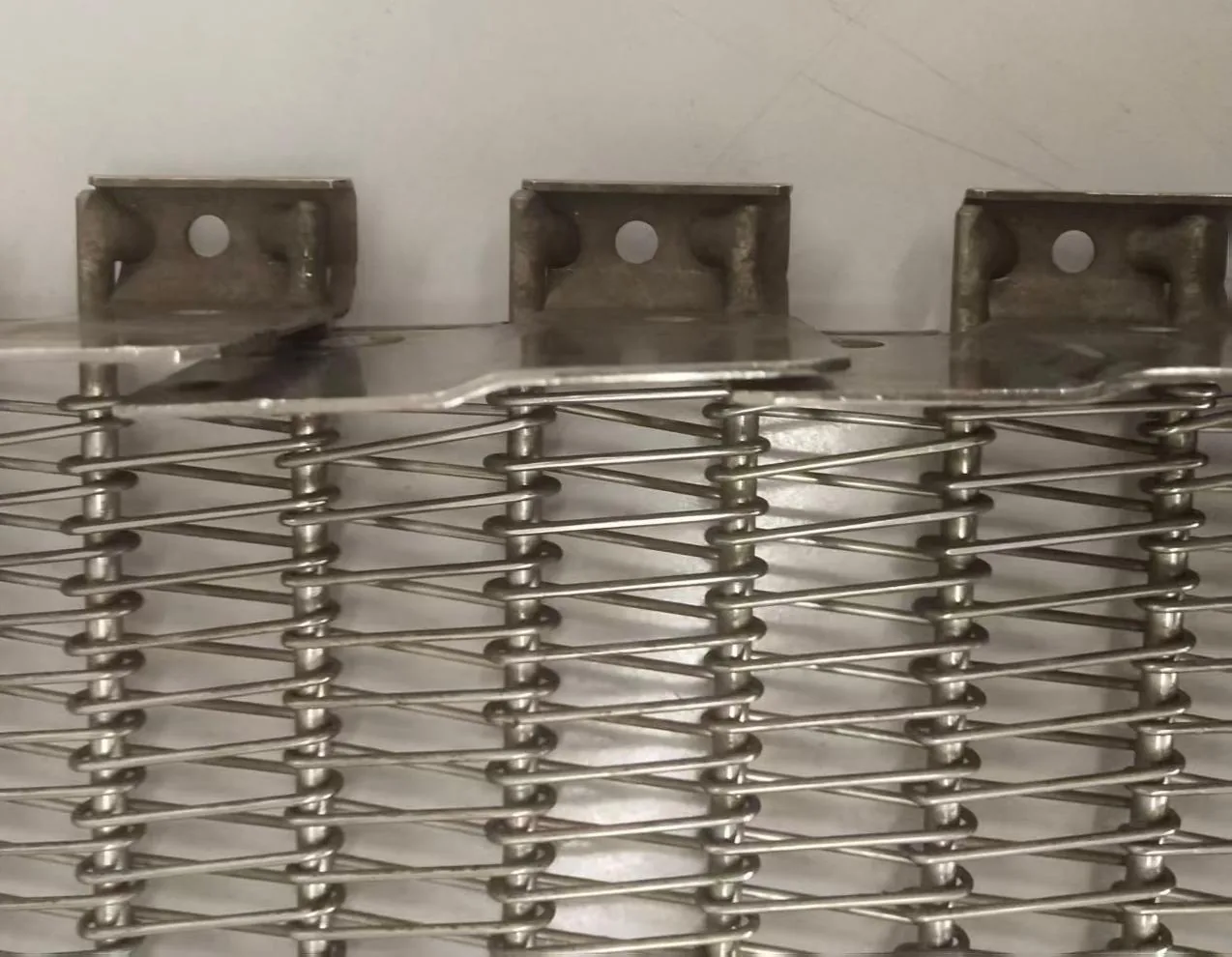
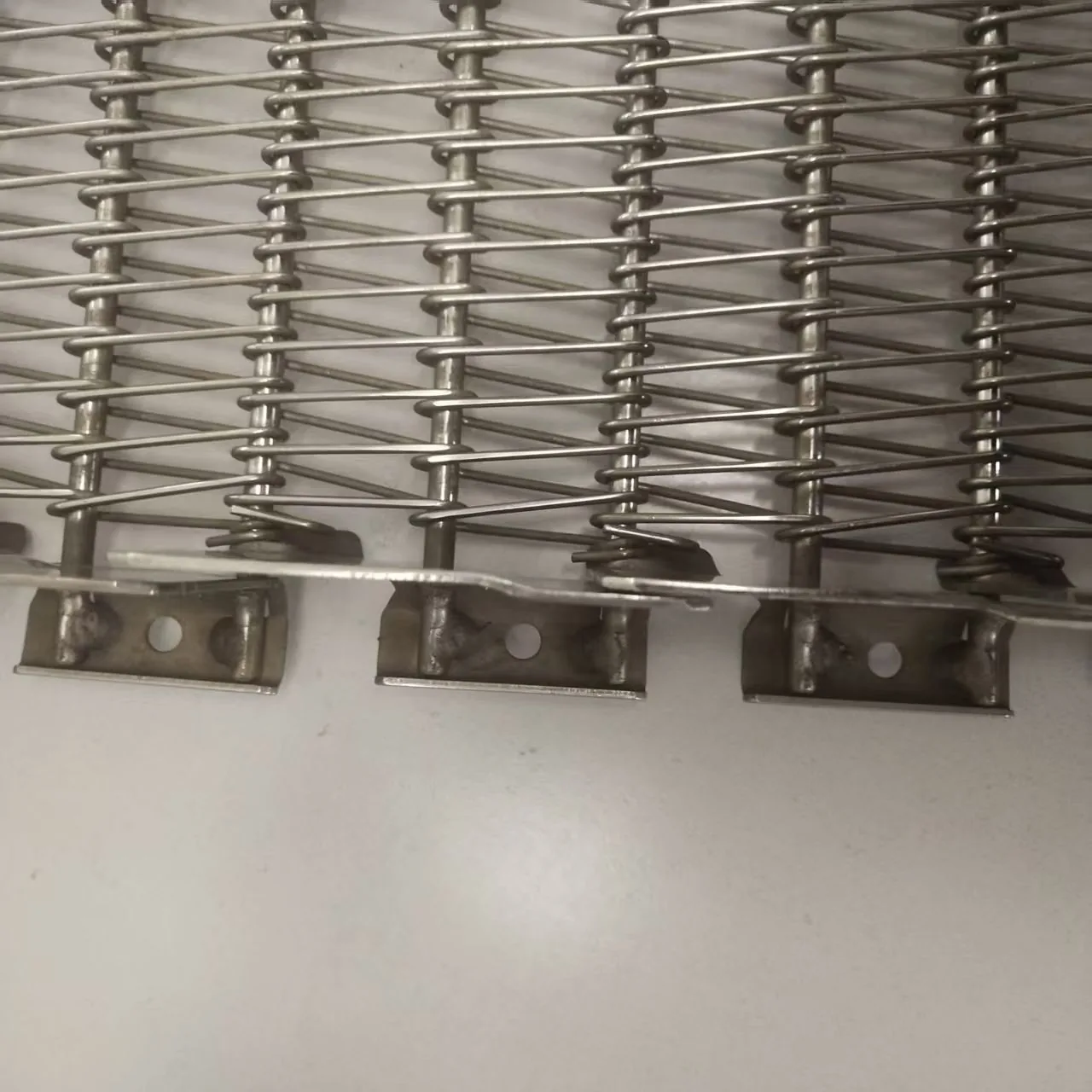
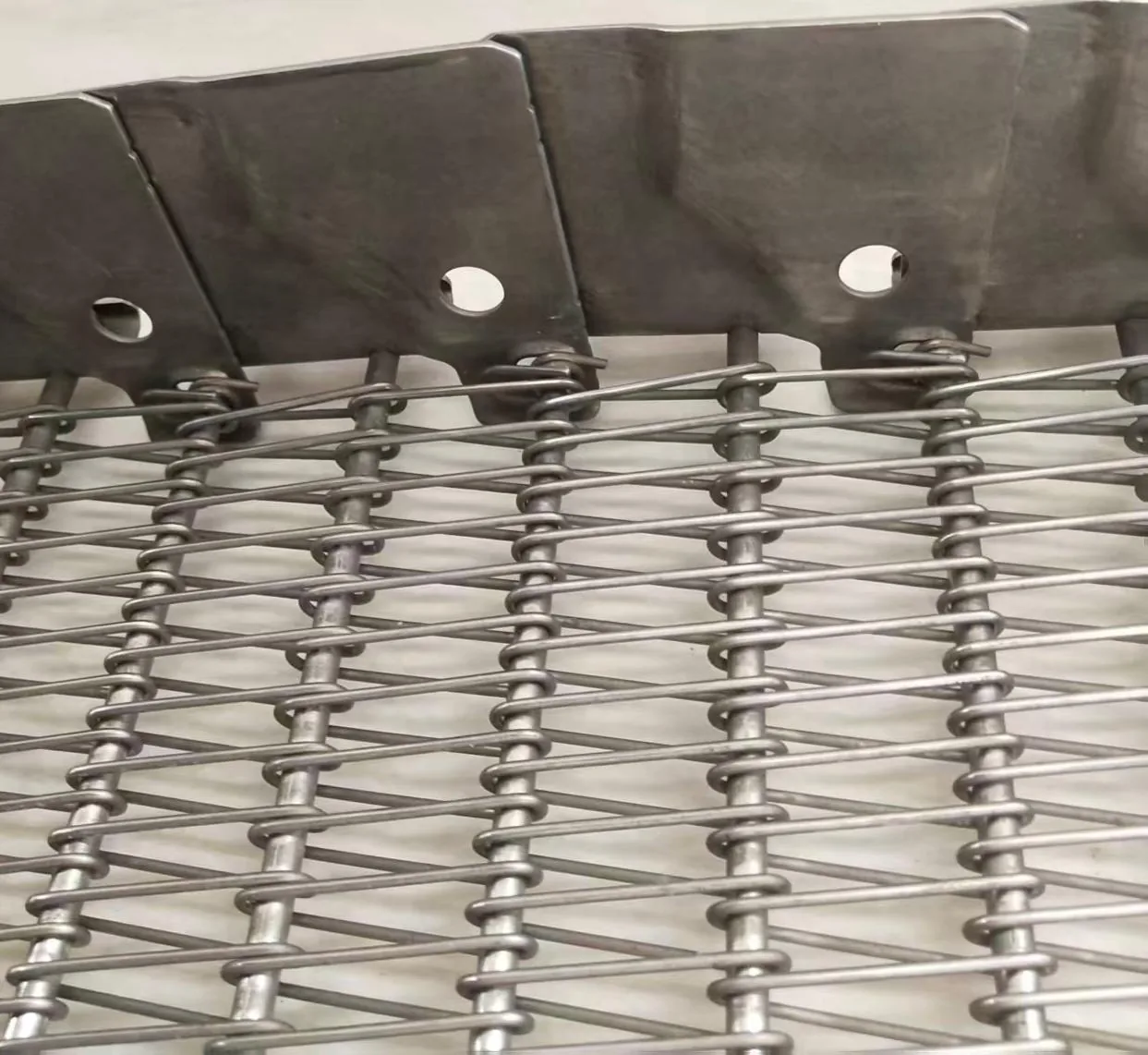
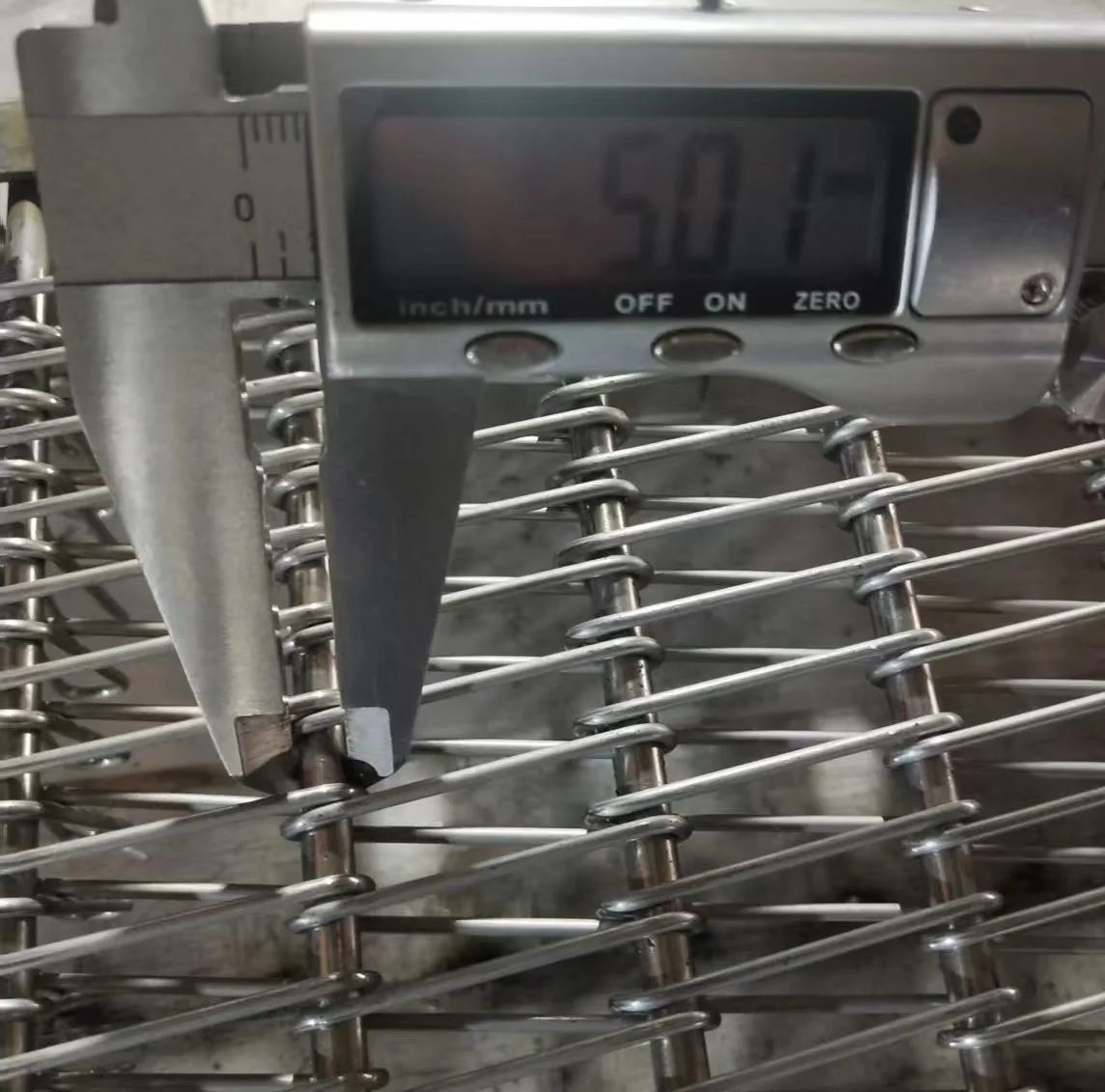
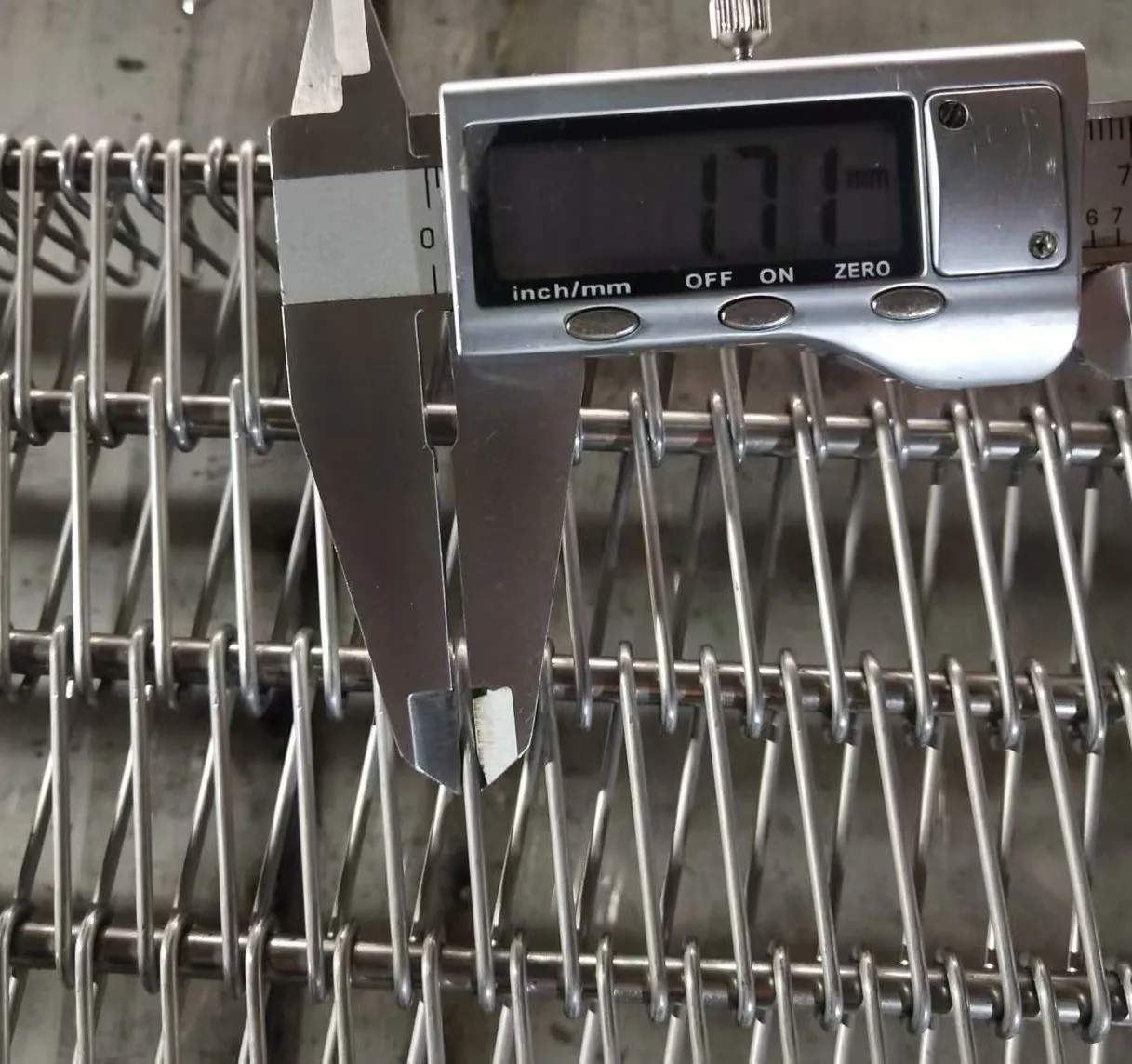
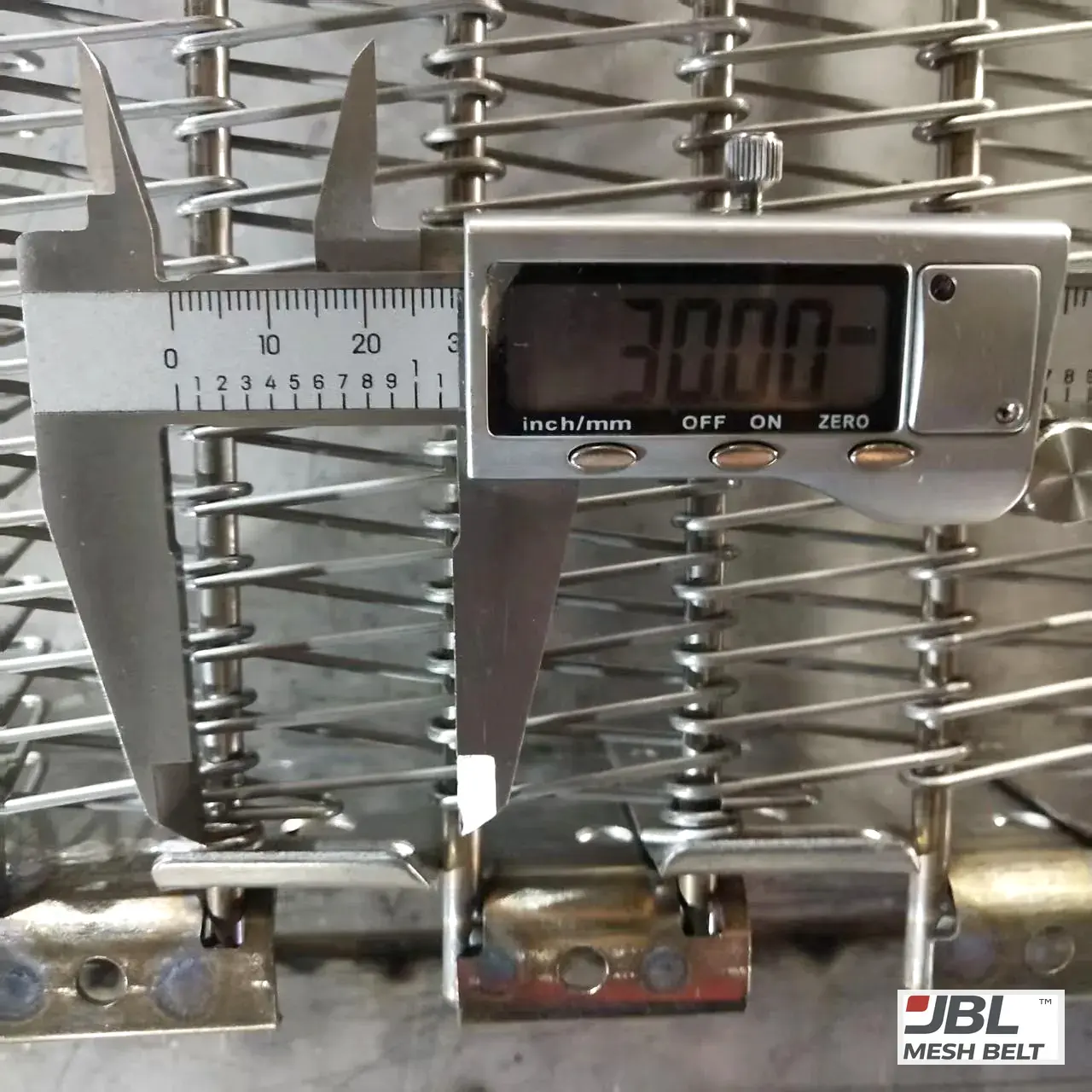
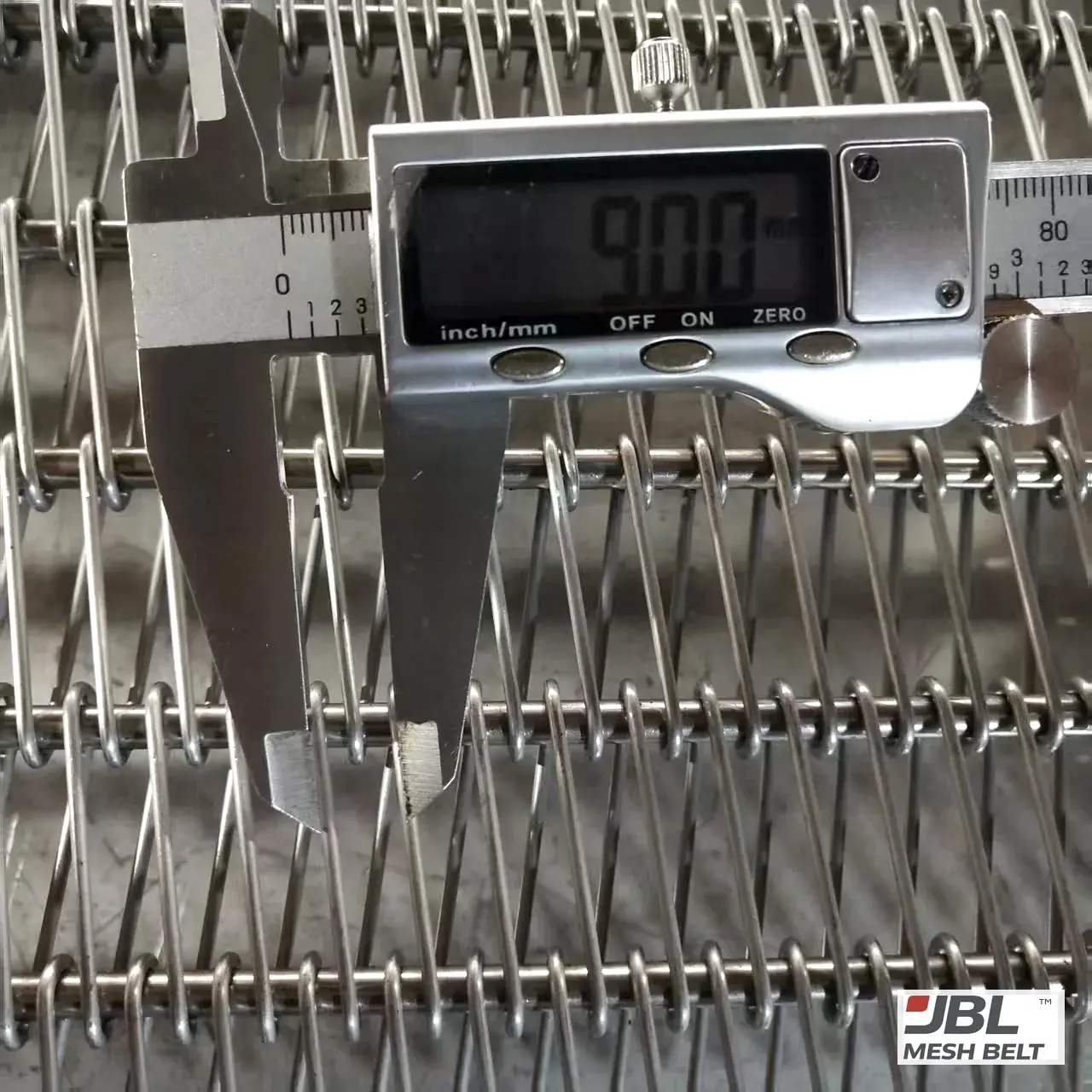
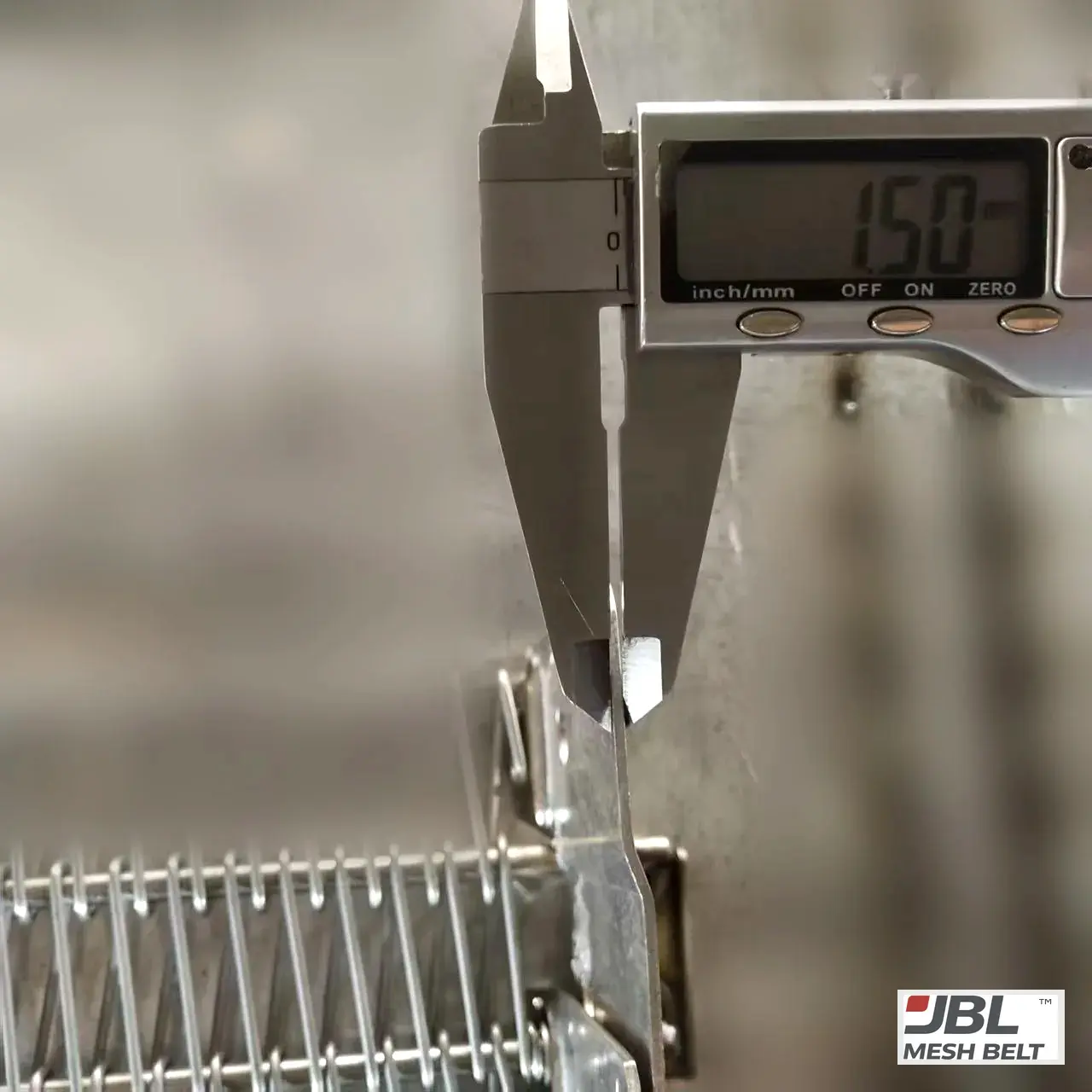
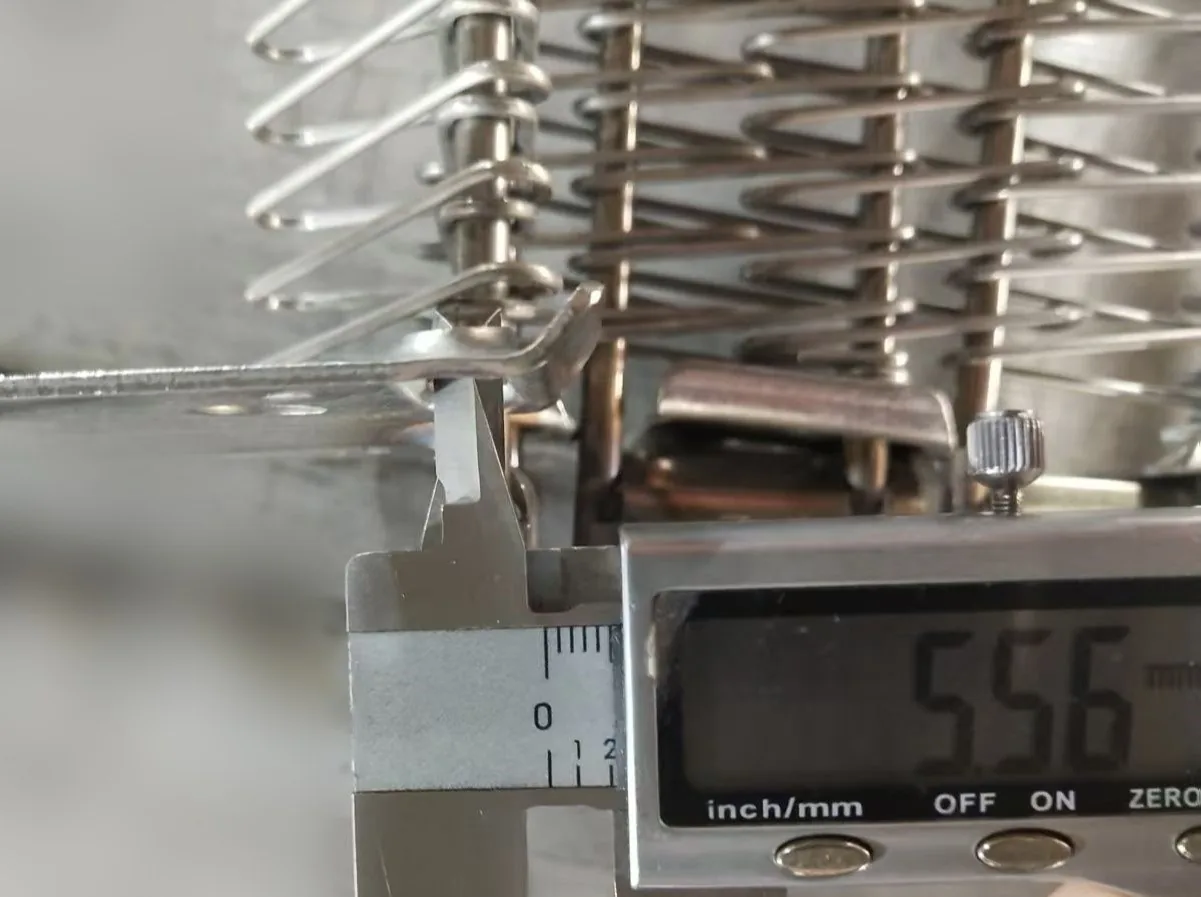
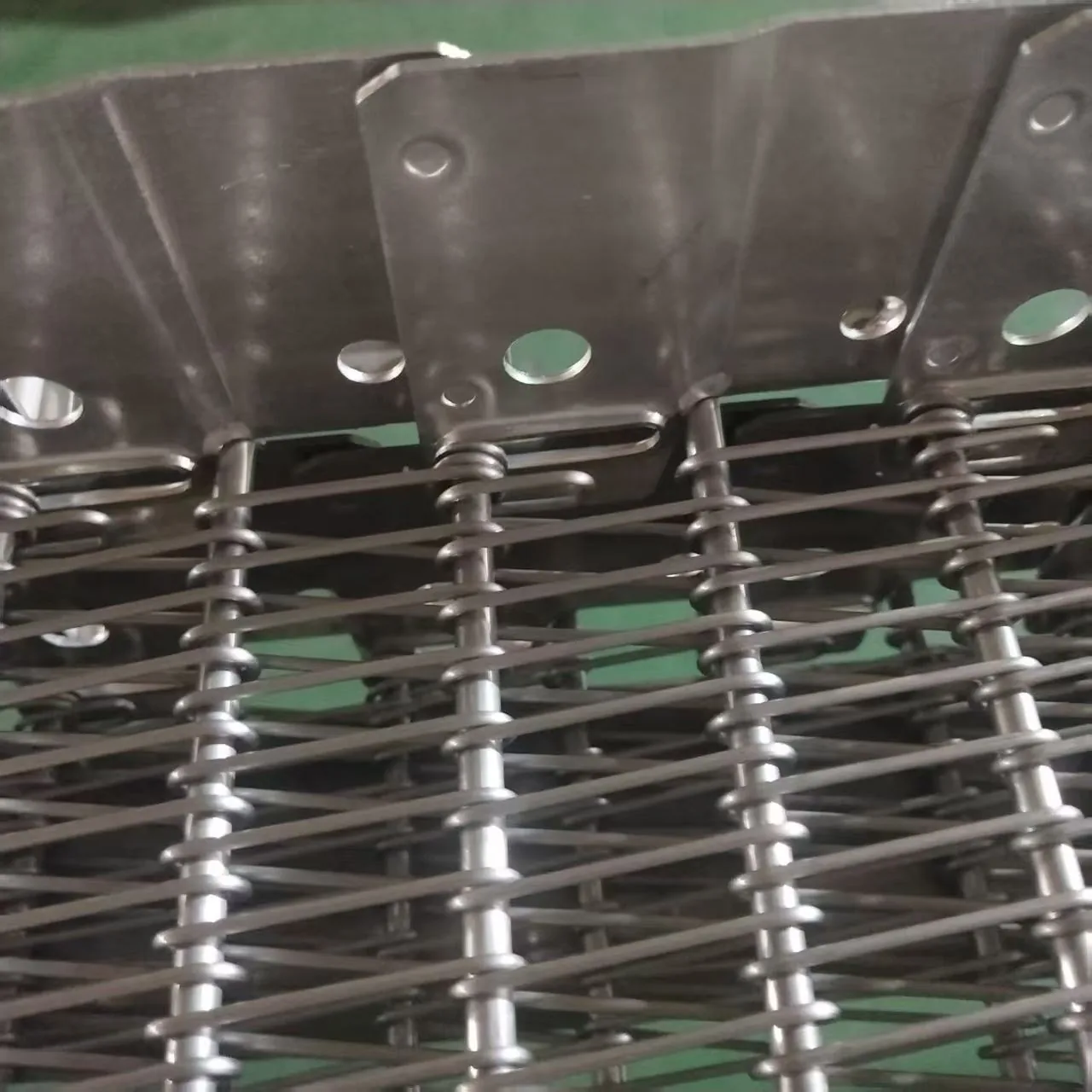
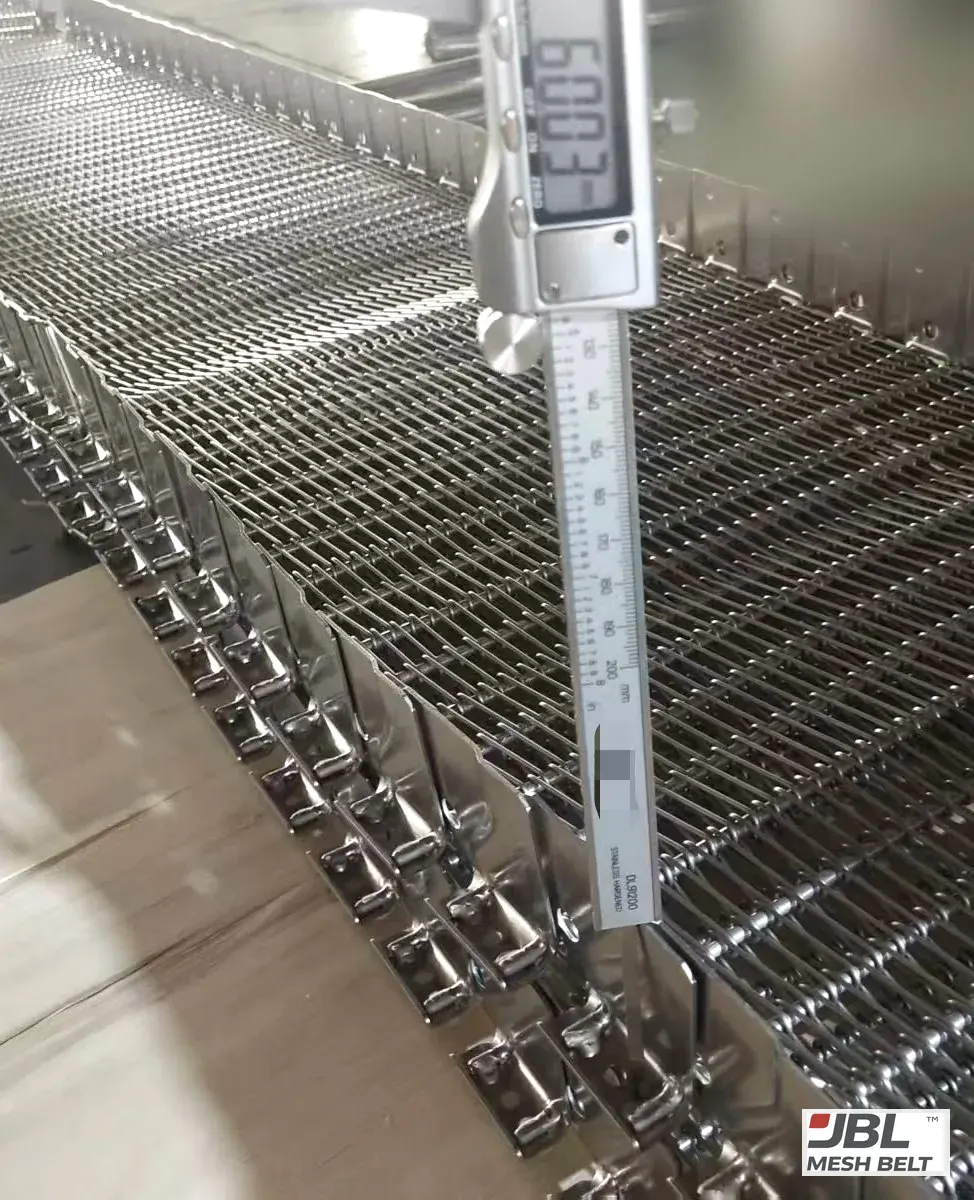
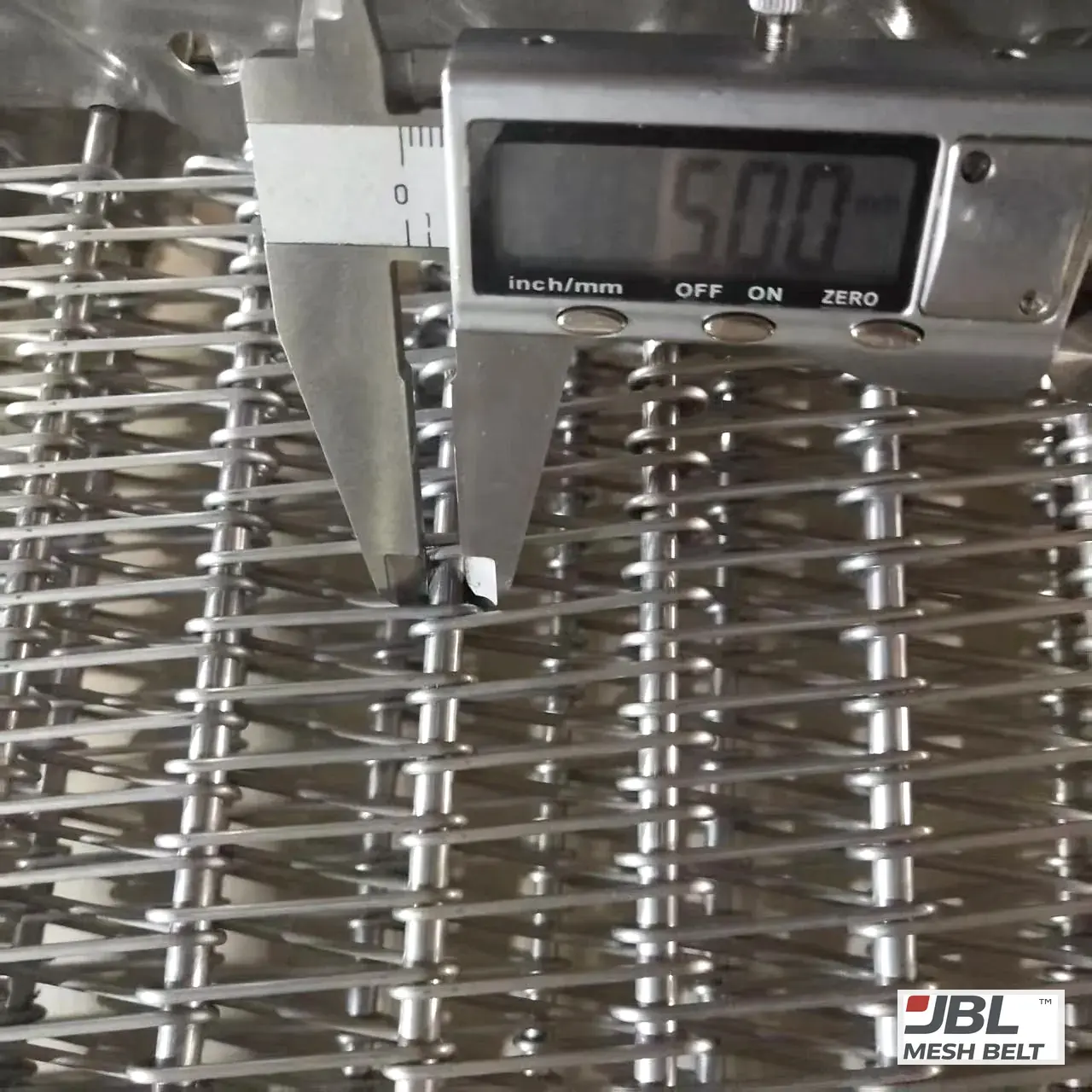
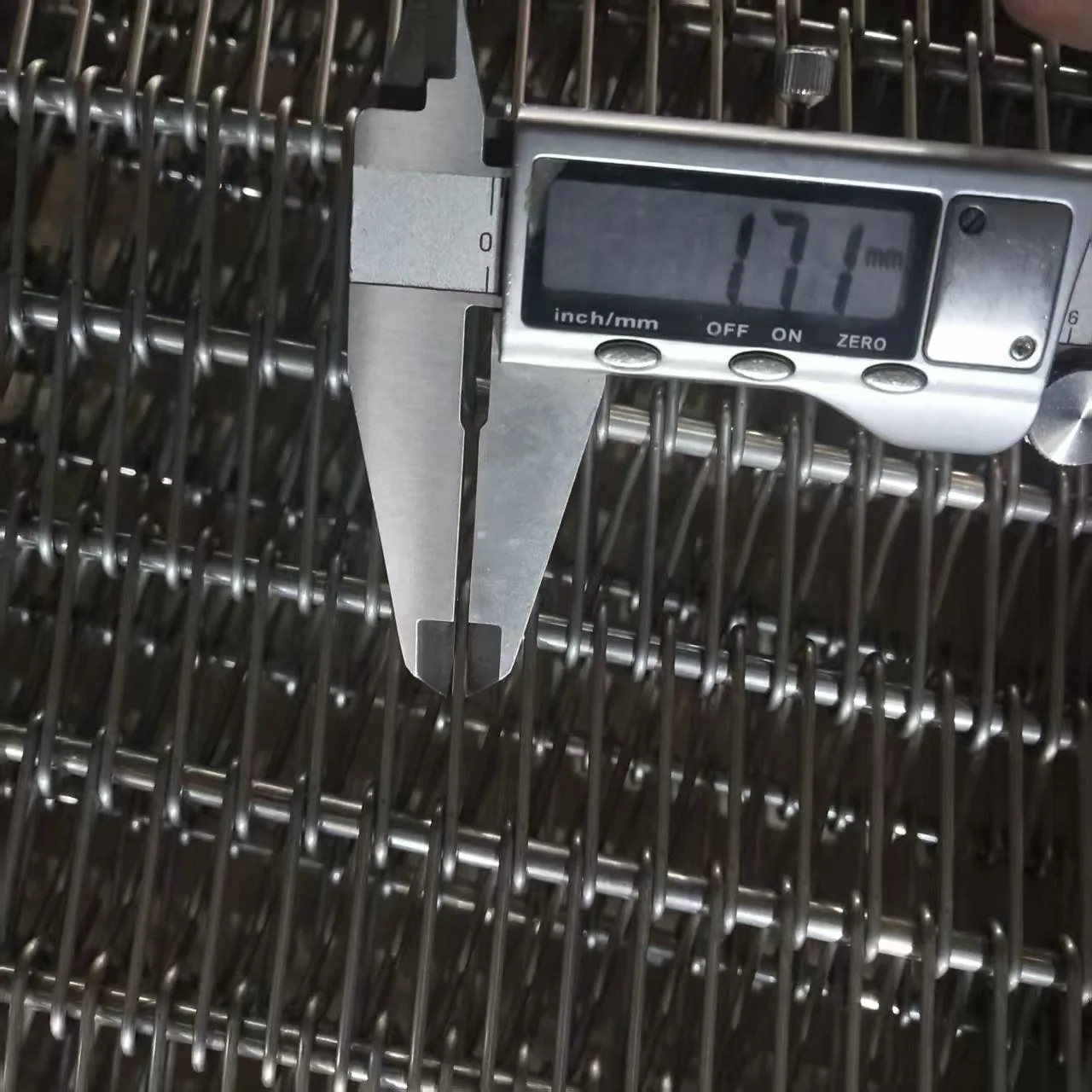
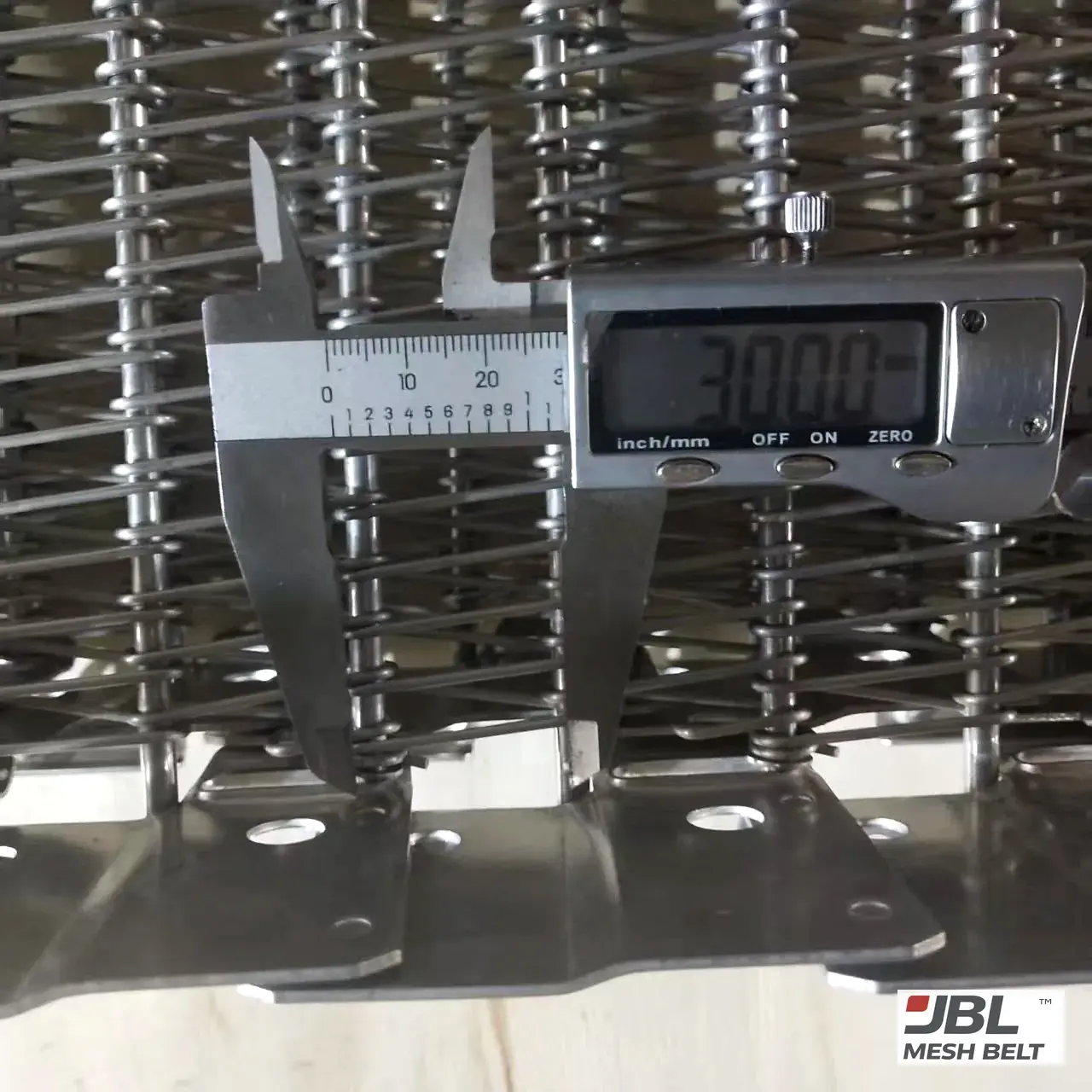
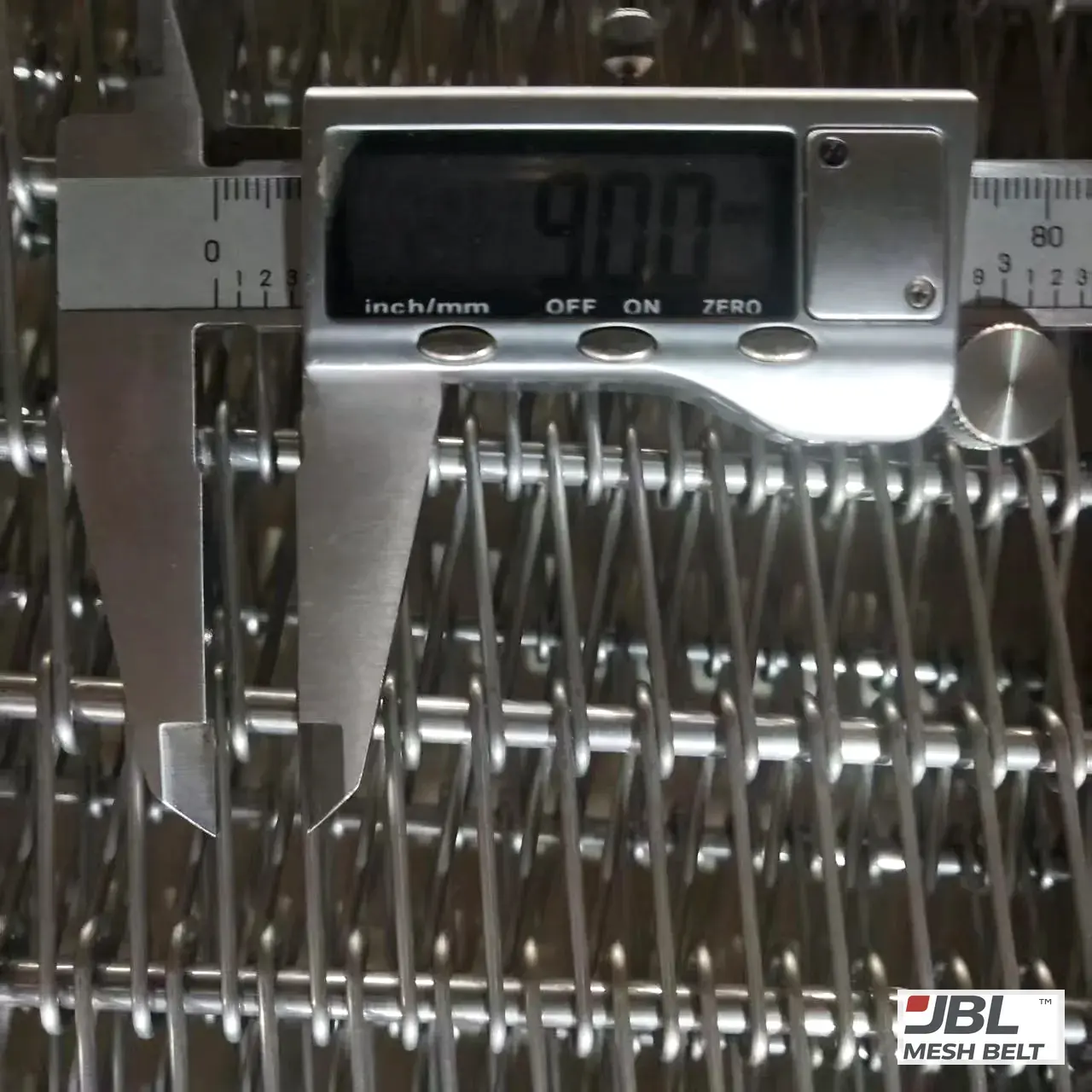
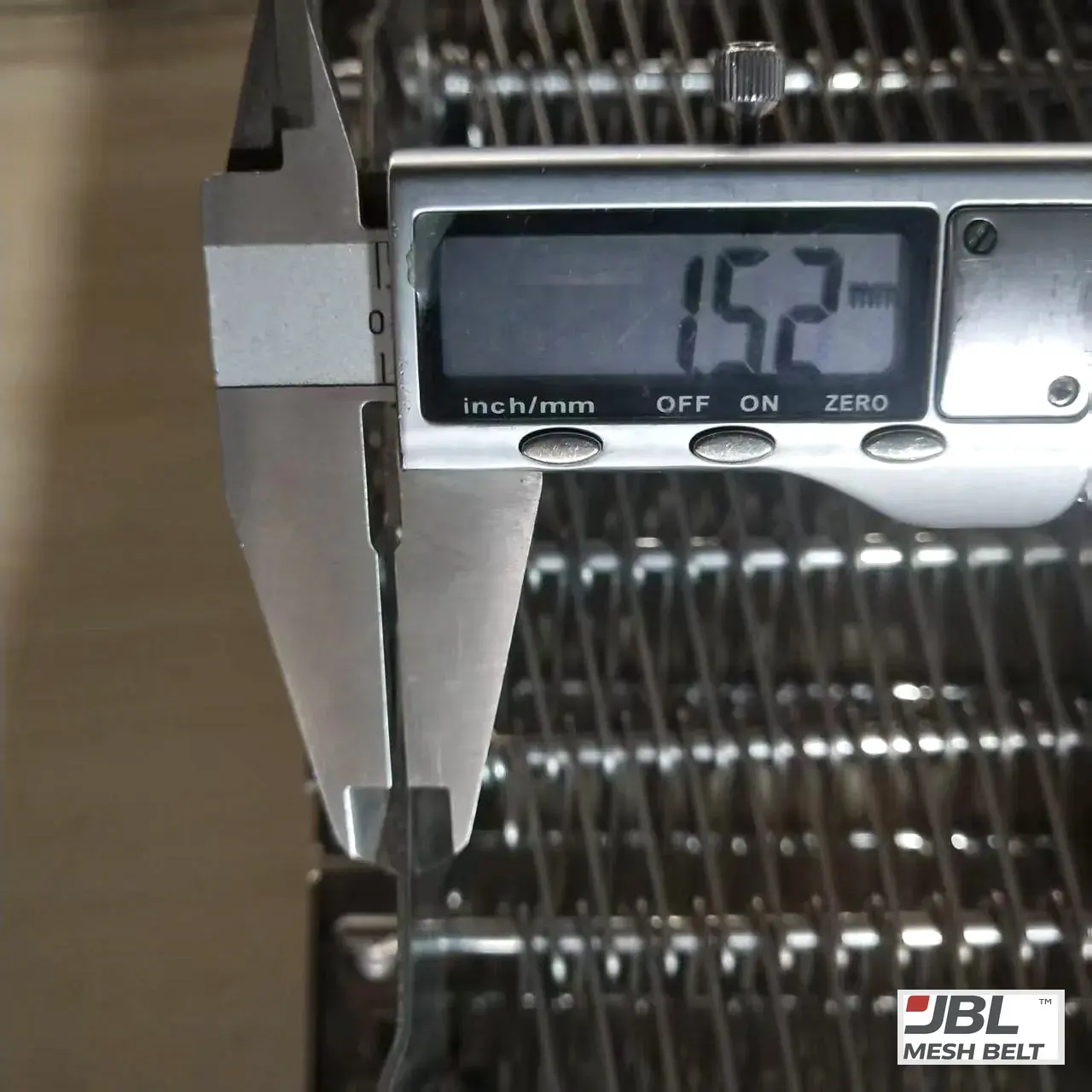
Every dimension that decides whether the new belt stacks and runs on the existing machine was read with a caliper: wire, rod, rod pitch, spiral pitch, side plate thickness and side plate height.
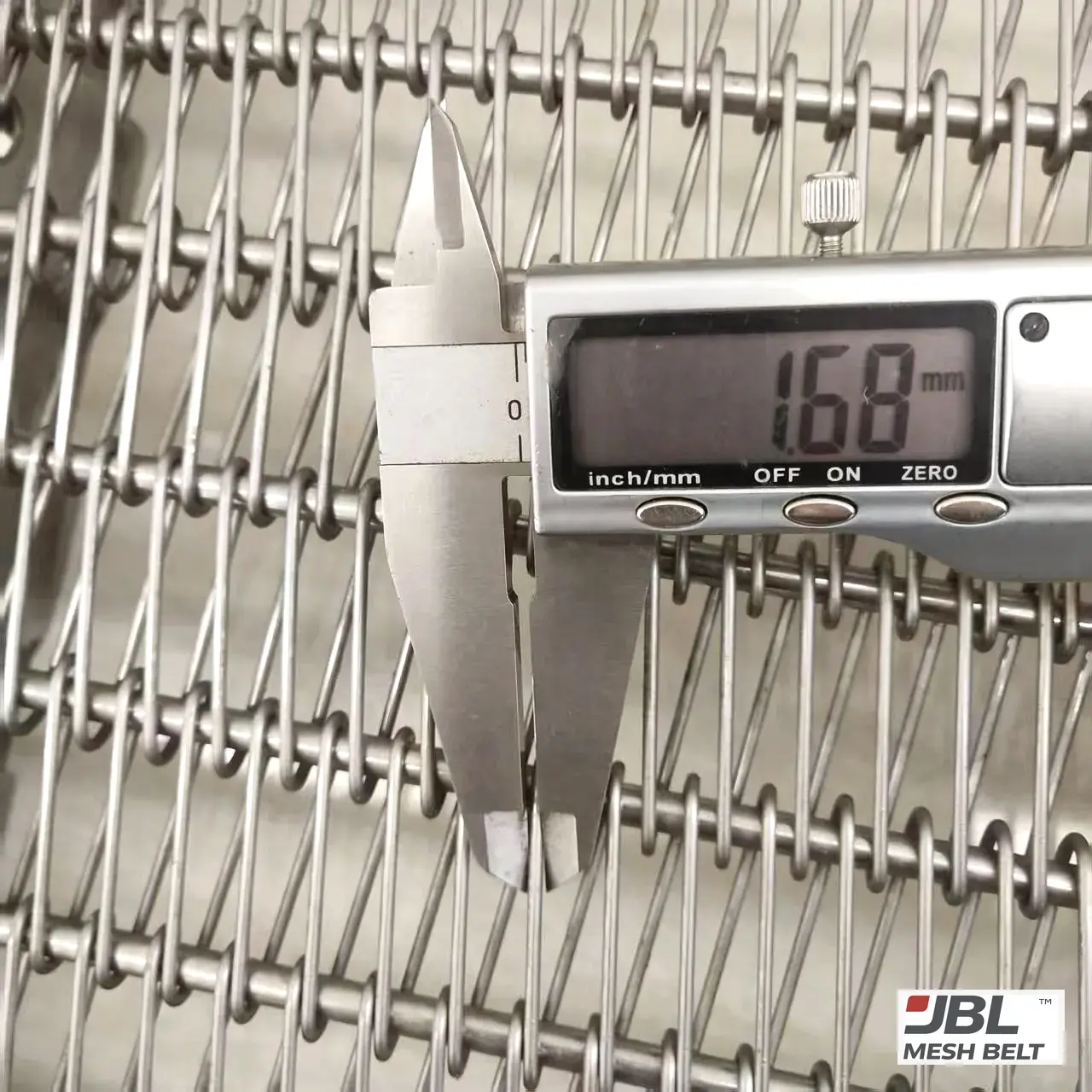
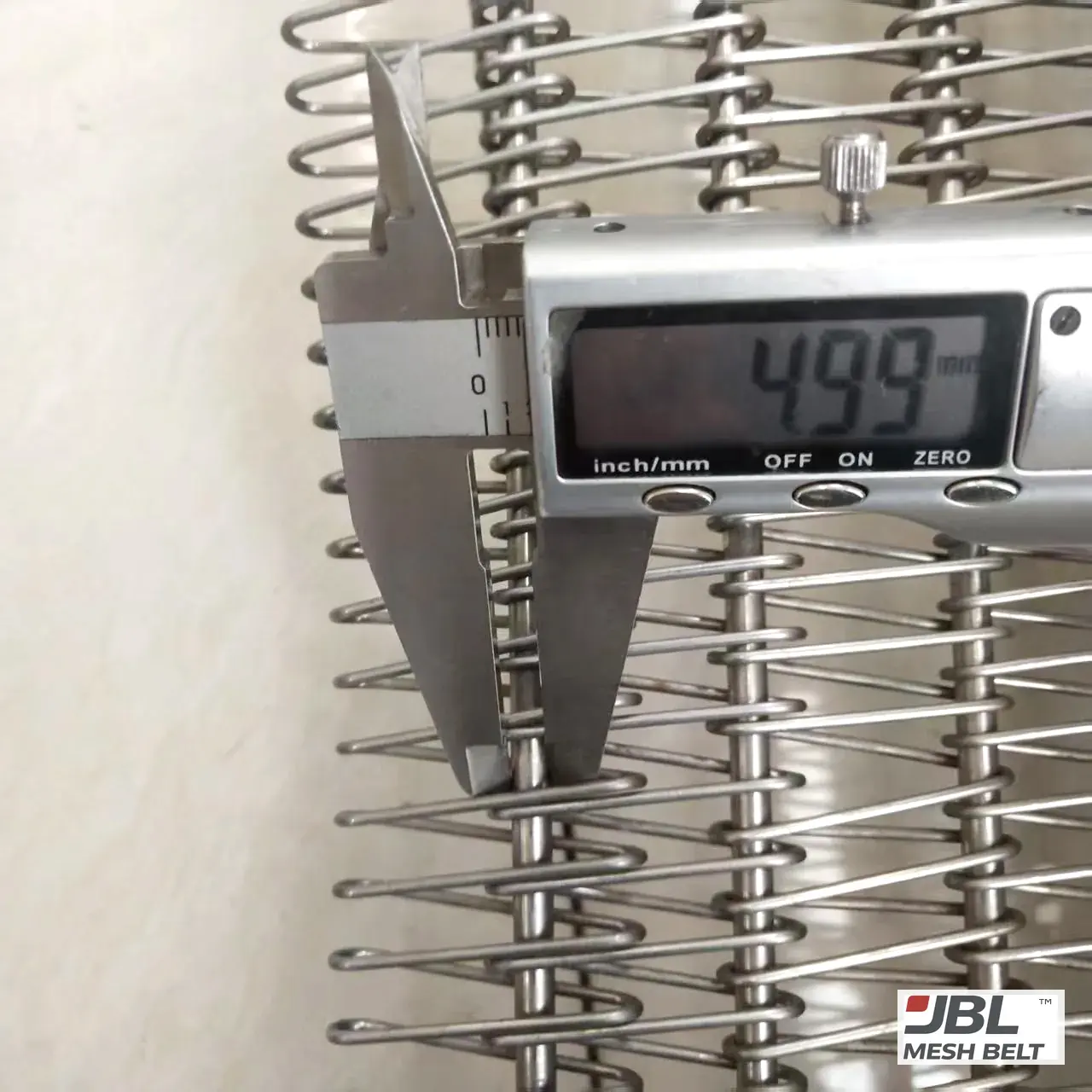
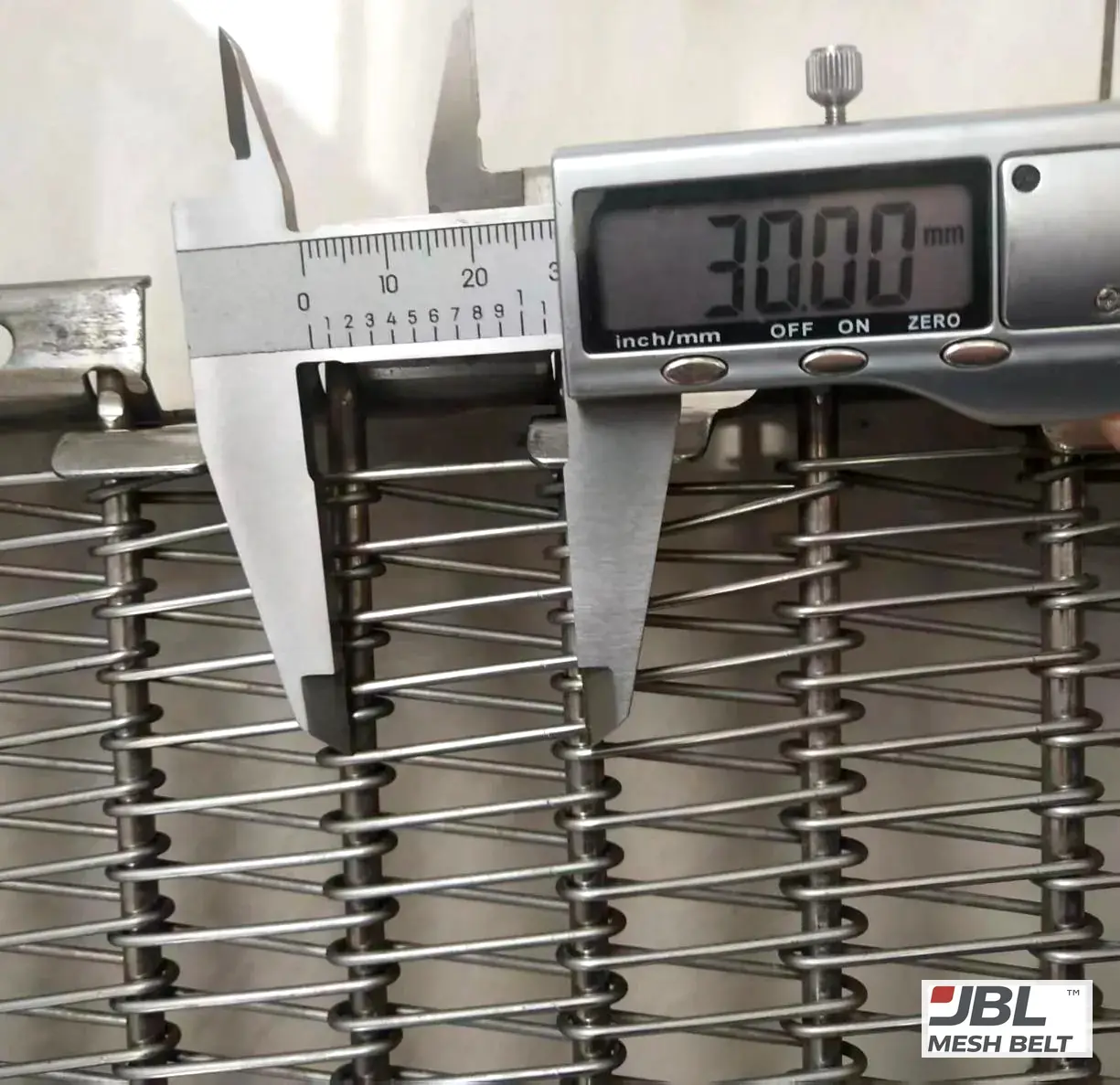
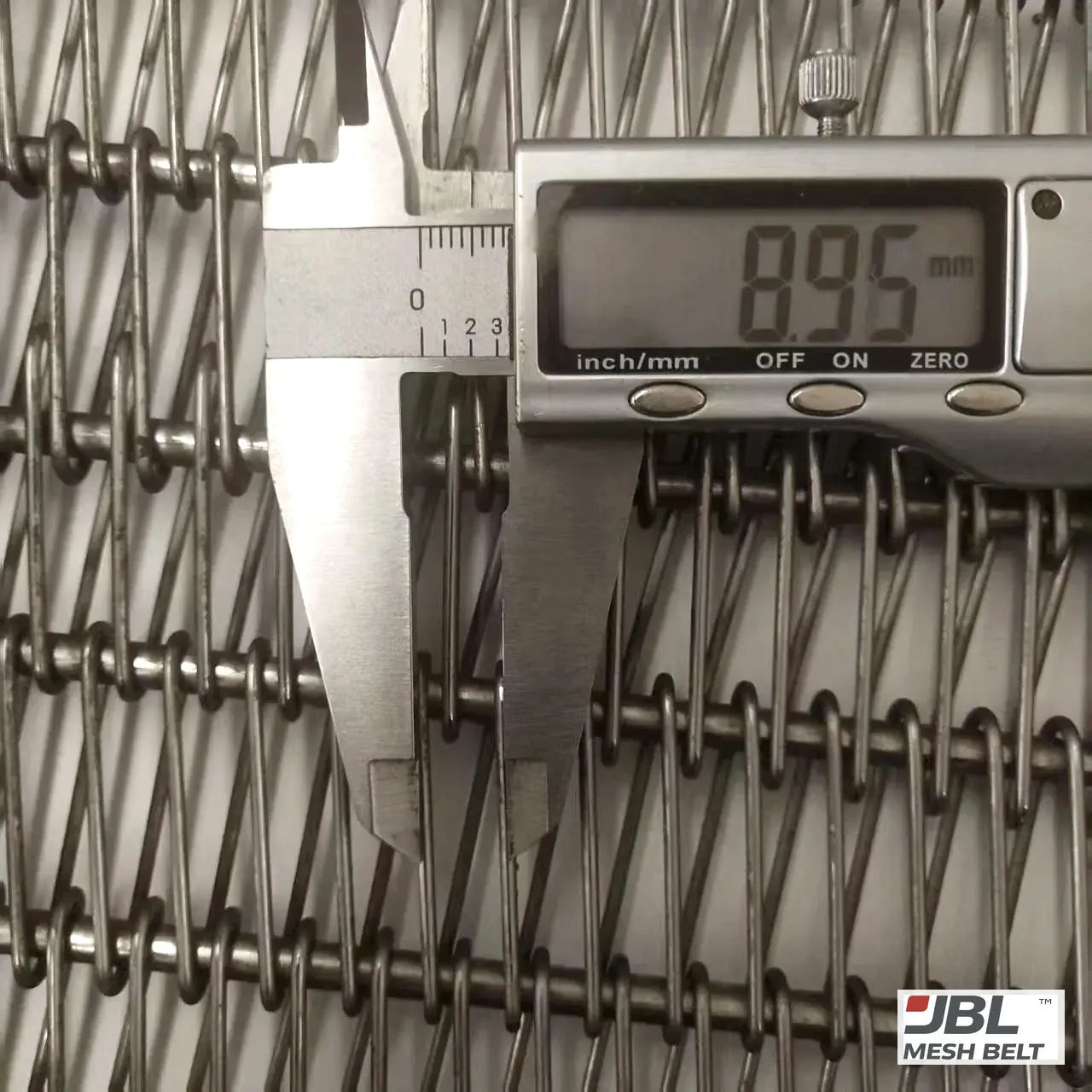
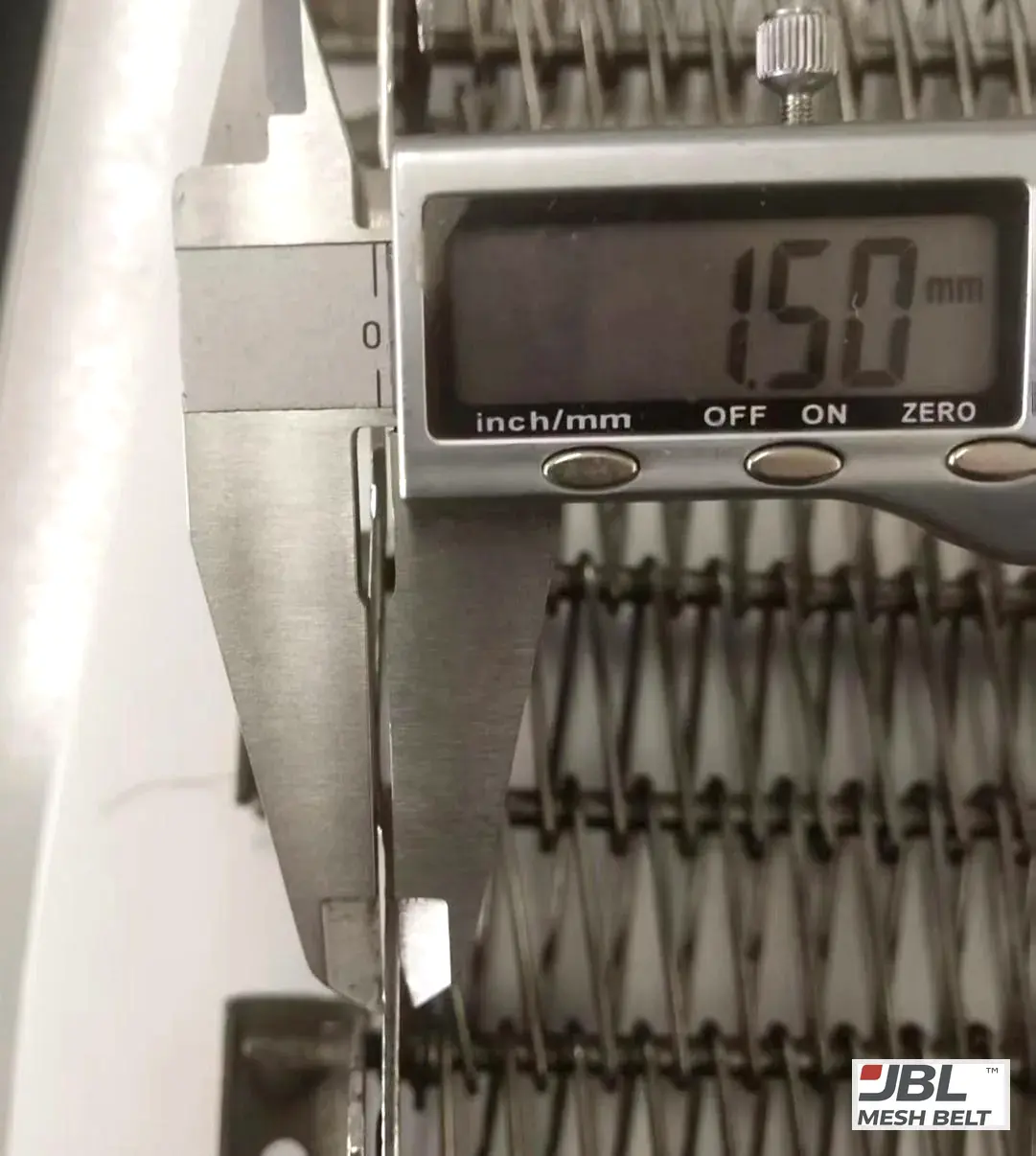
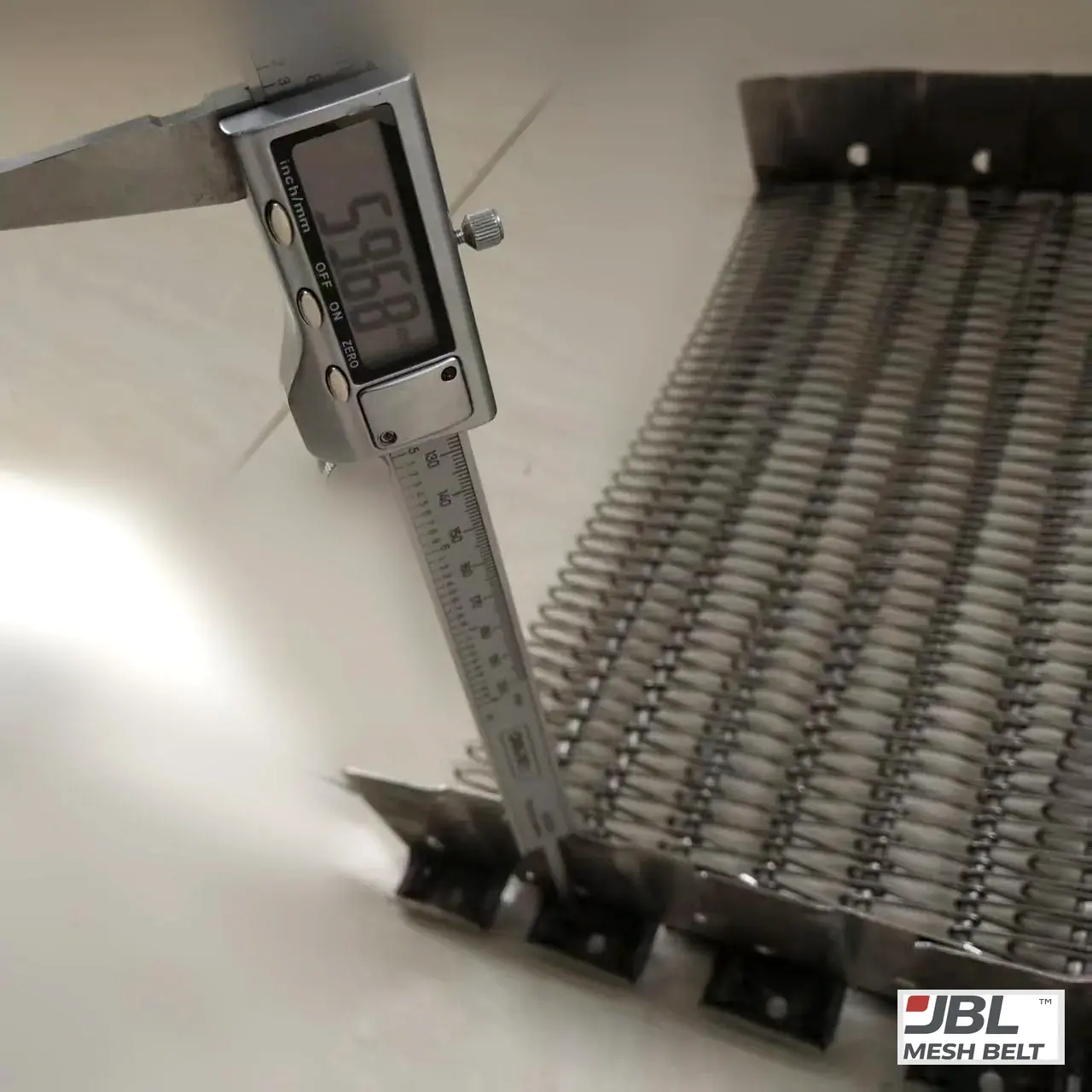
Tooling was made to the measured values and a sample produced. The sample was measured with the same caliper and compared with the customer's original, dimension by dimension. The customer approved the sample before production; the bulk belt was then checked the same way.
| Checked | Customer's original | JBL sample · bulk belt |
|---|---|---|
| Rod diameter | 4.99 mm | 5.01 mm · 5.00 mm |
| Wire | 1.65–1.68 mm | 1.71 mm · 1.71 mm |
| Rod pitch | 30.00 mm | 30.00 mm · 30.00 mm |
| Spiral pitch | 8.95 mm | 9.00 mm · 9.00 mm |
| Side plate thickness | 1.44–1.50 mm | 1.50 mm · 1.52 mm |
| Side plate height | 59.68 mm | — · 60.03 mm |
| Material | Stainless steel | AISI 304 stainless steel |
Caliper readings from the photos on this page. No drawing was used — every value was matched to the customer's original sample.
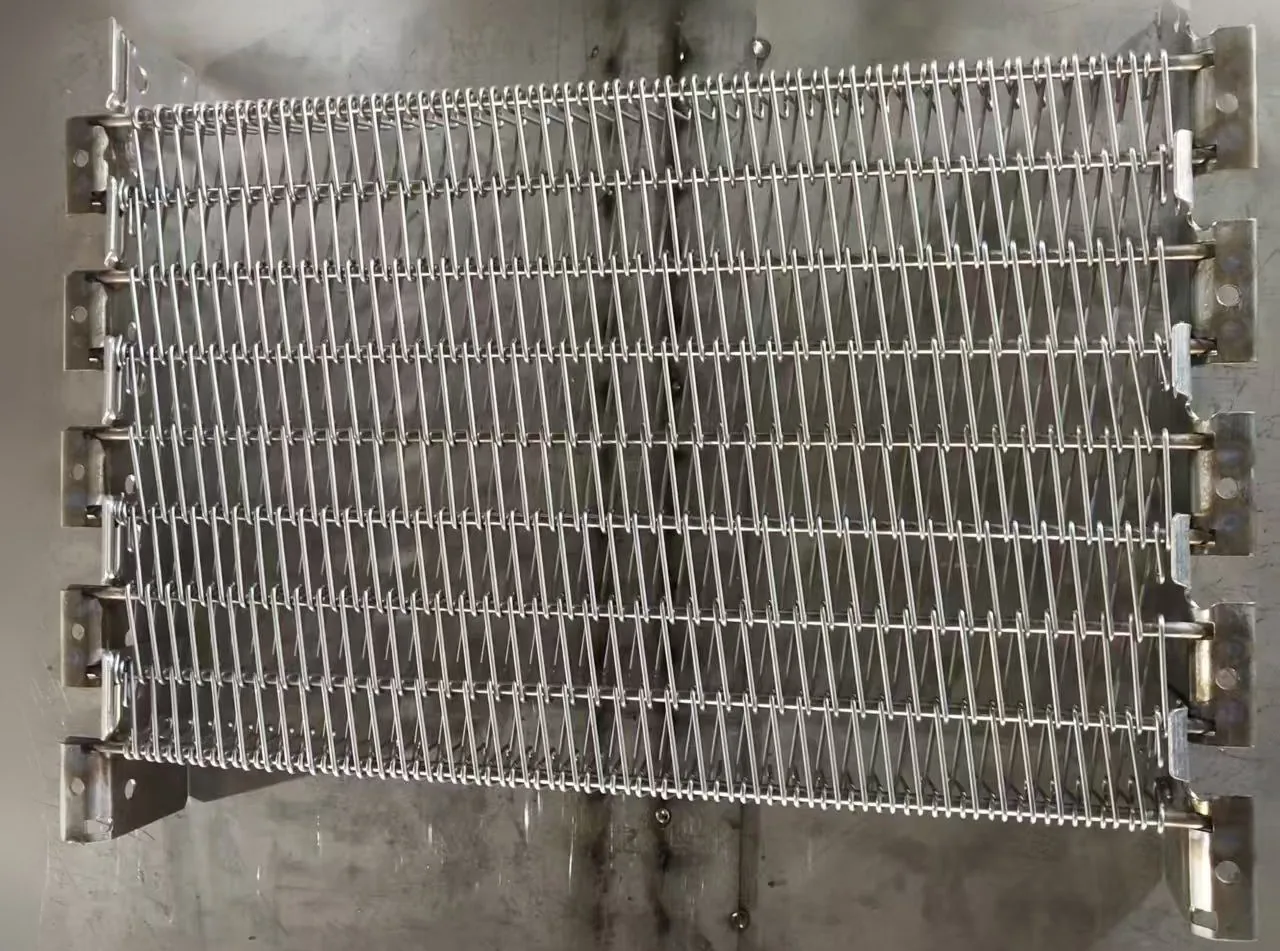
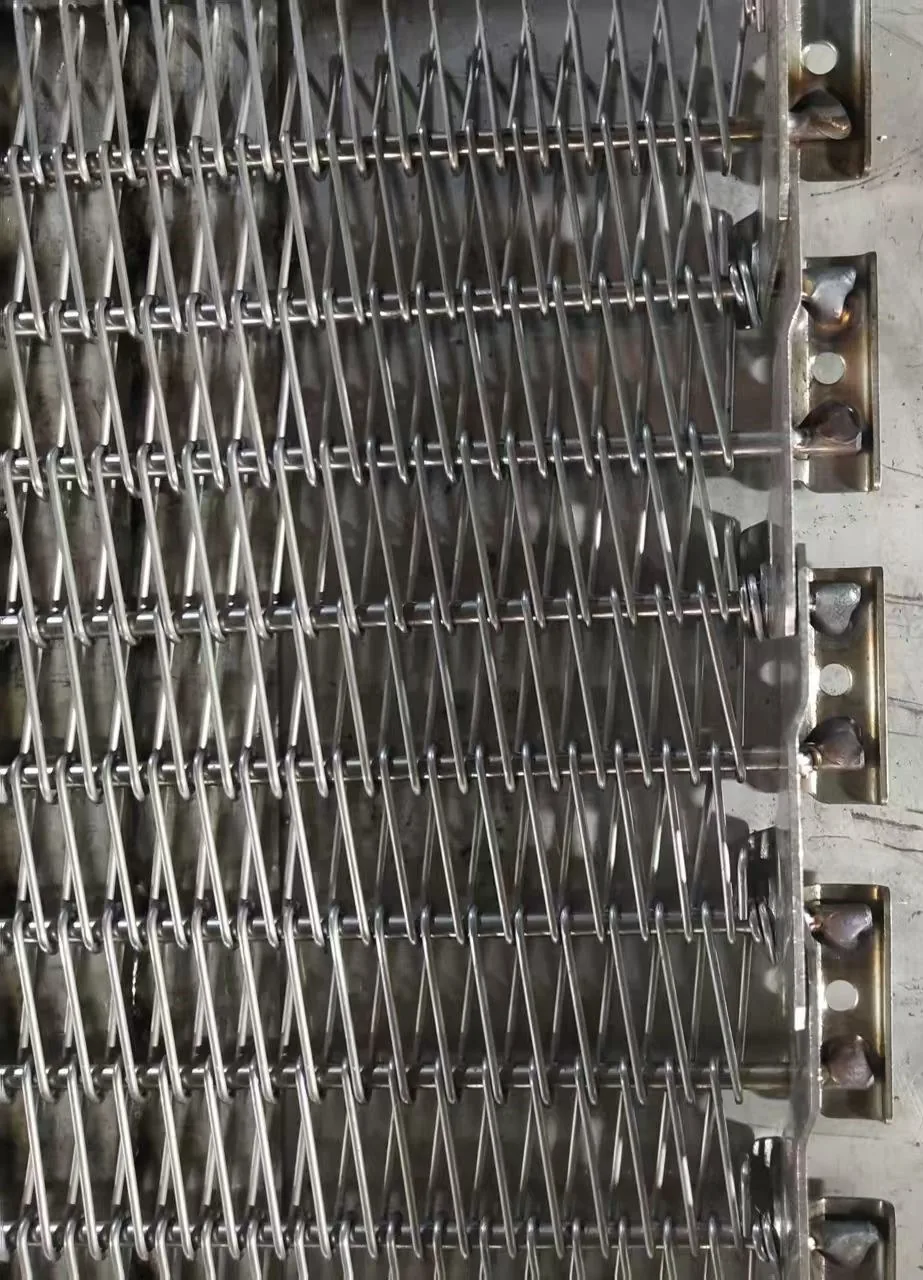
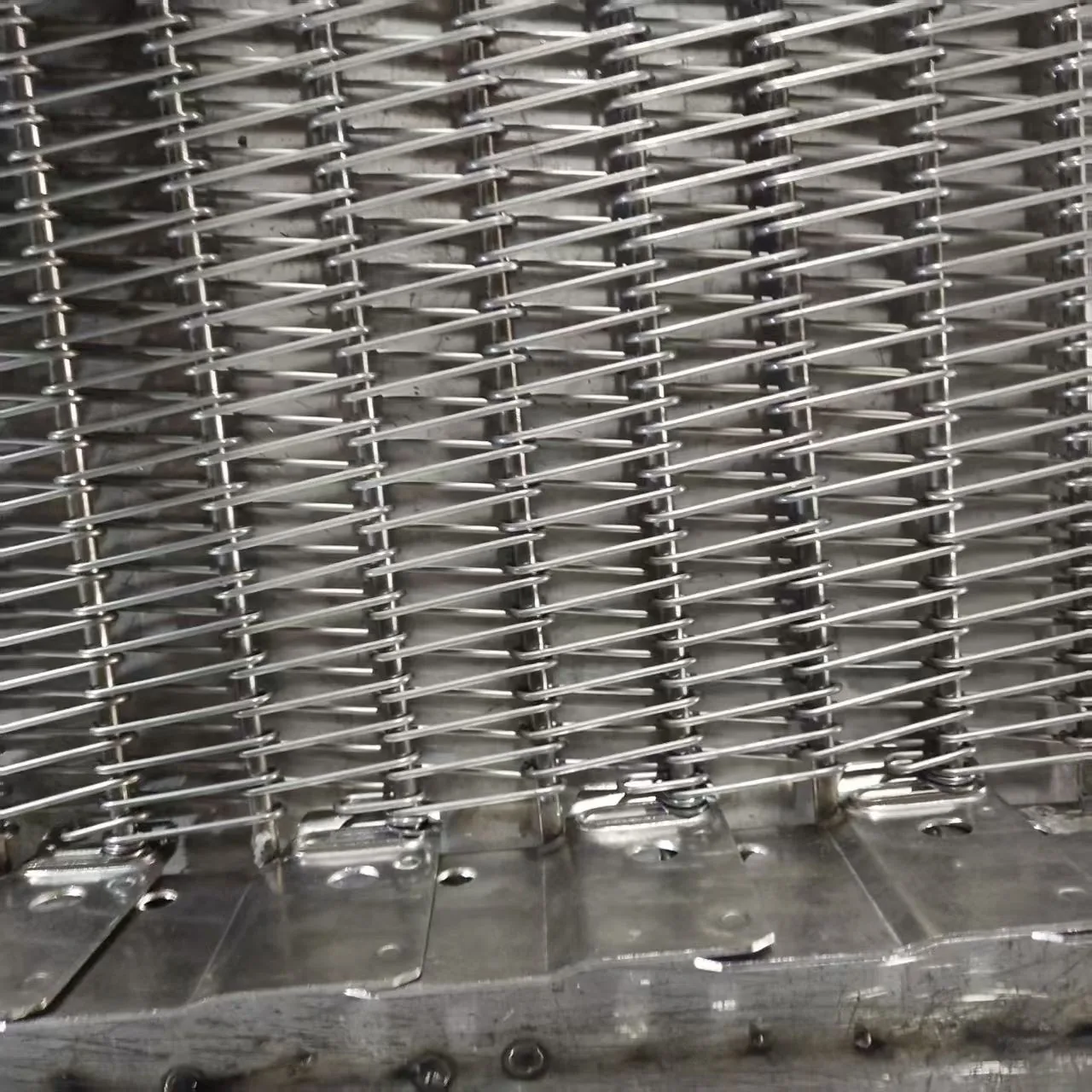
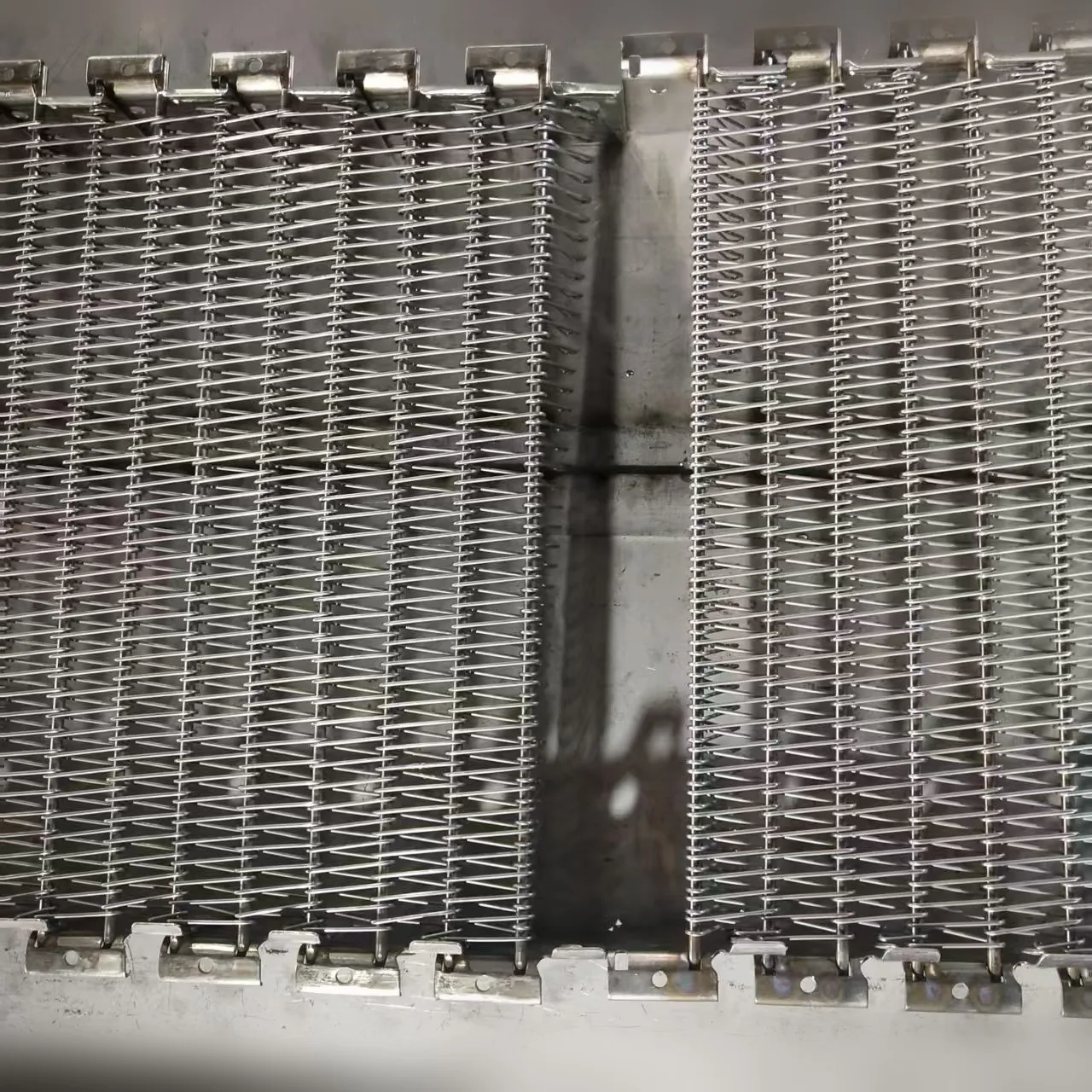
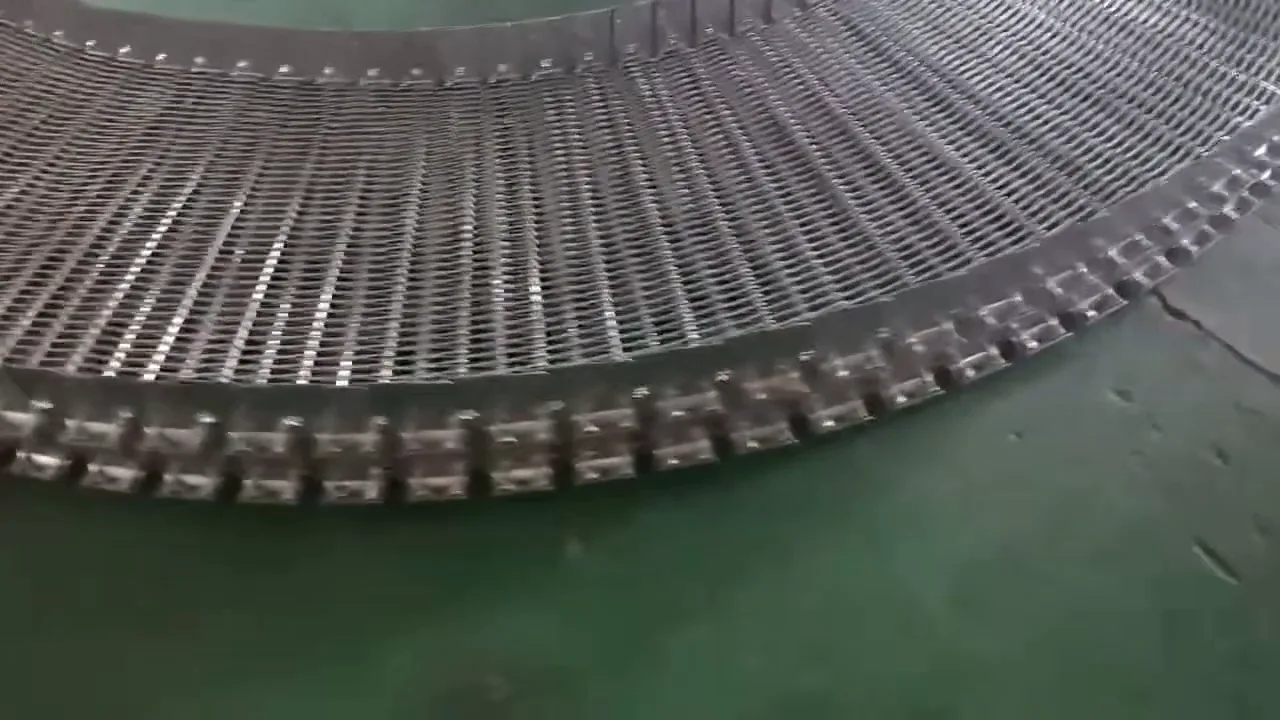
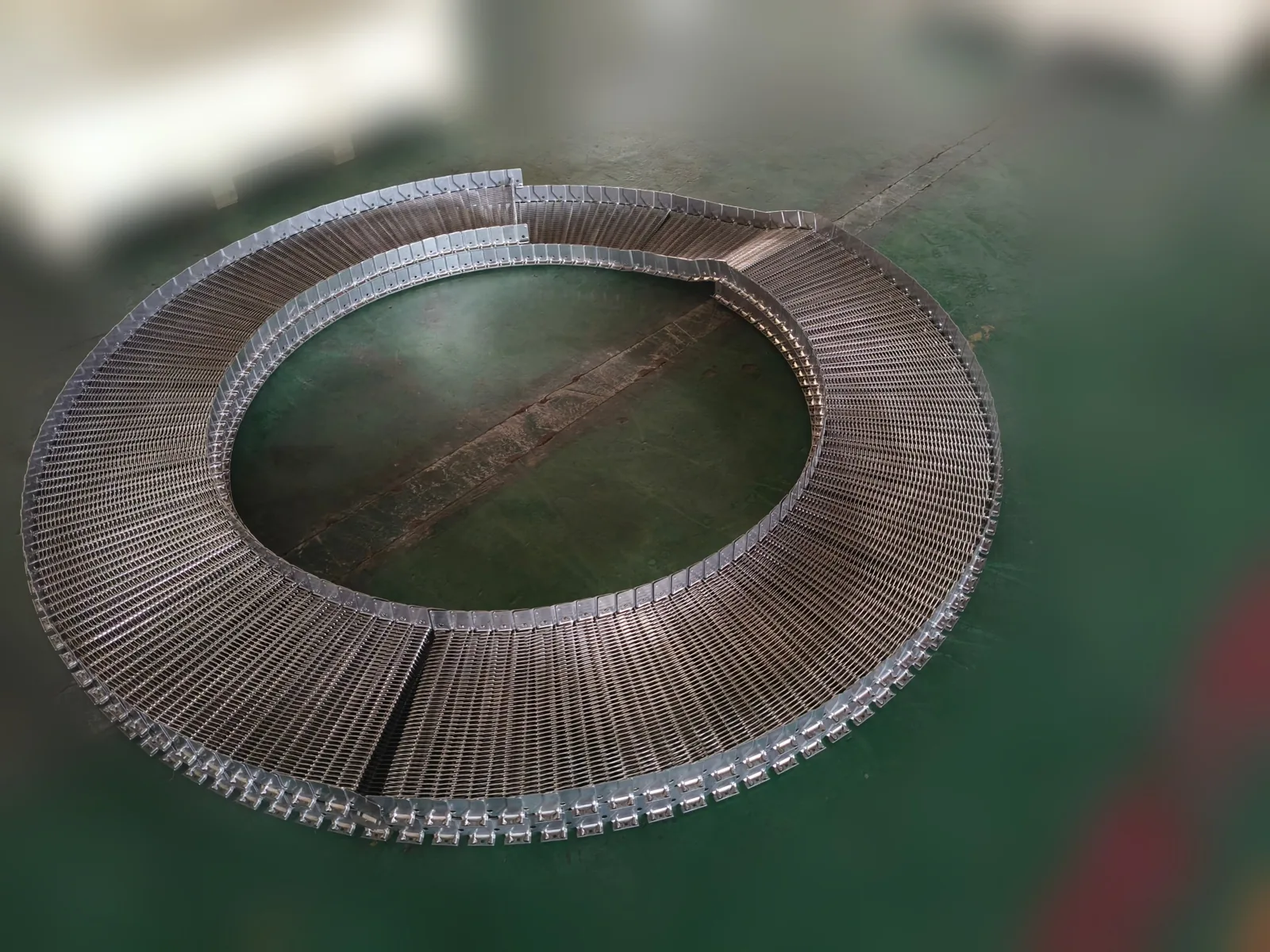
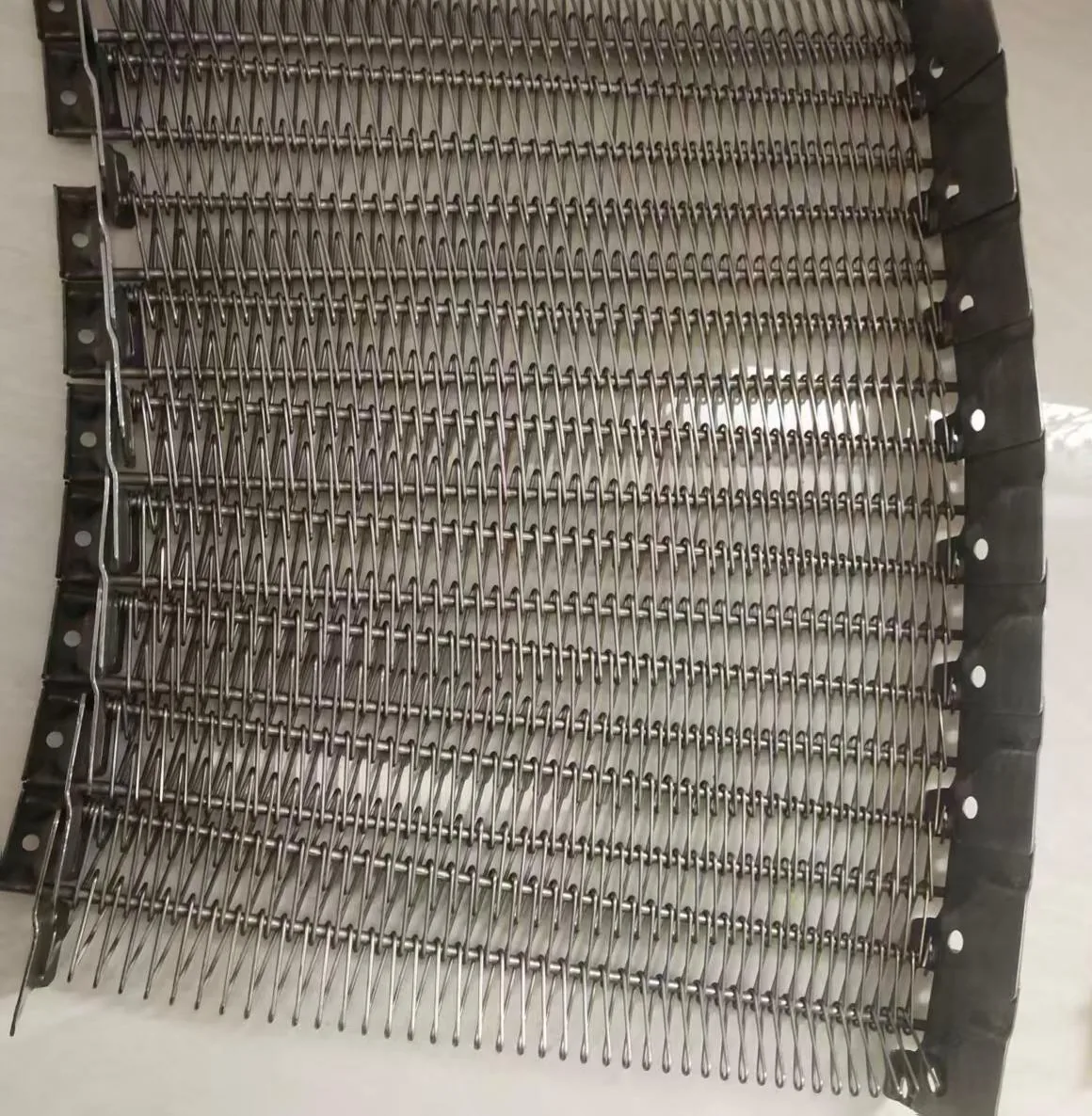
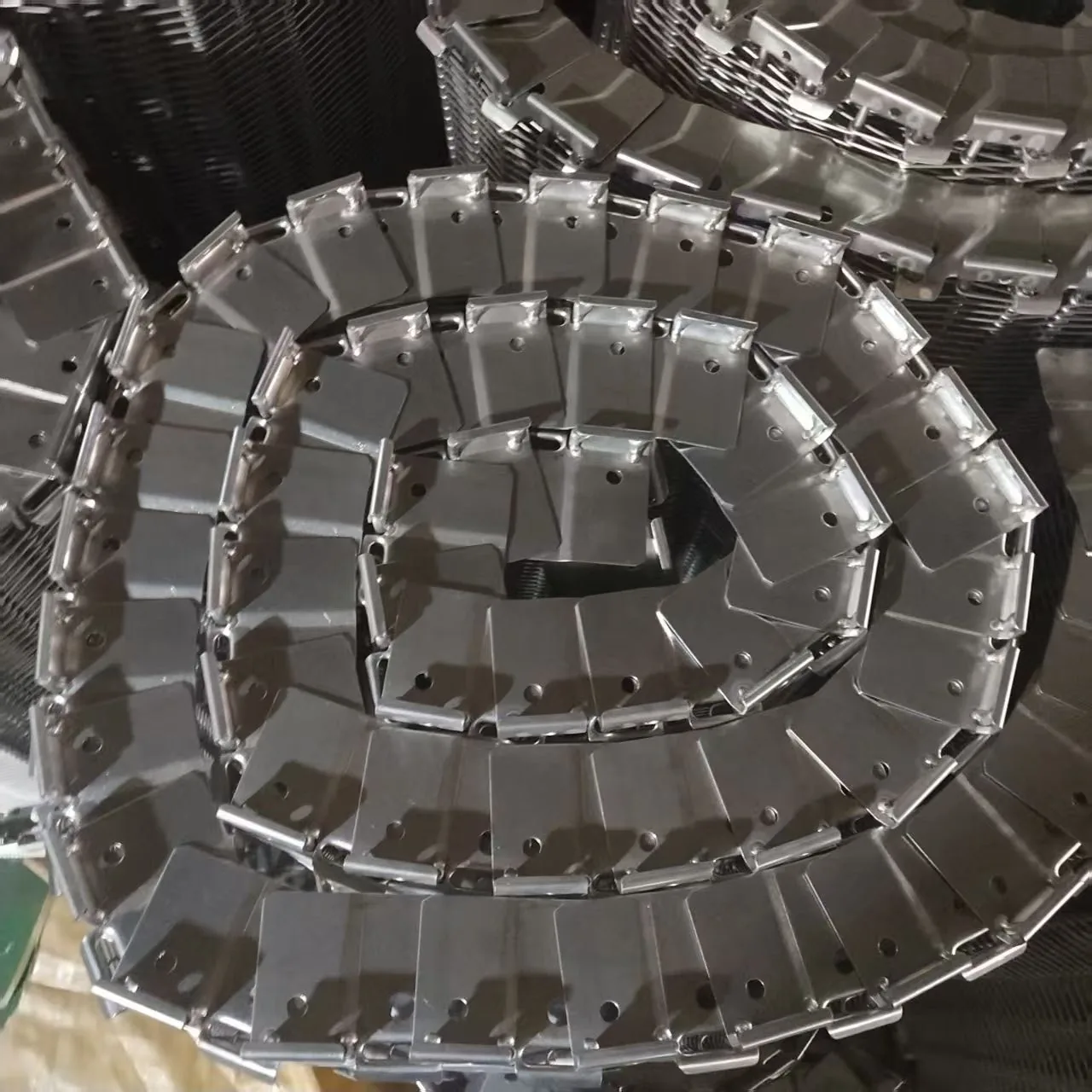
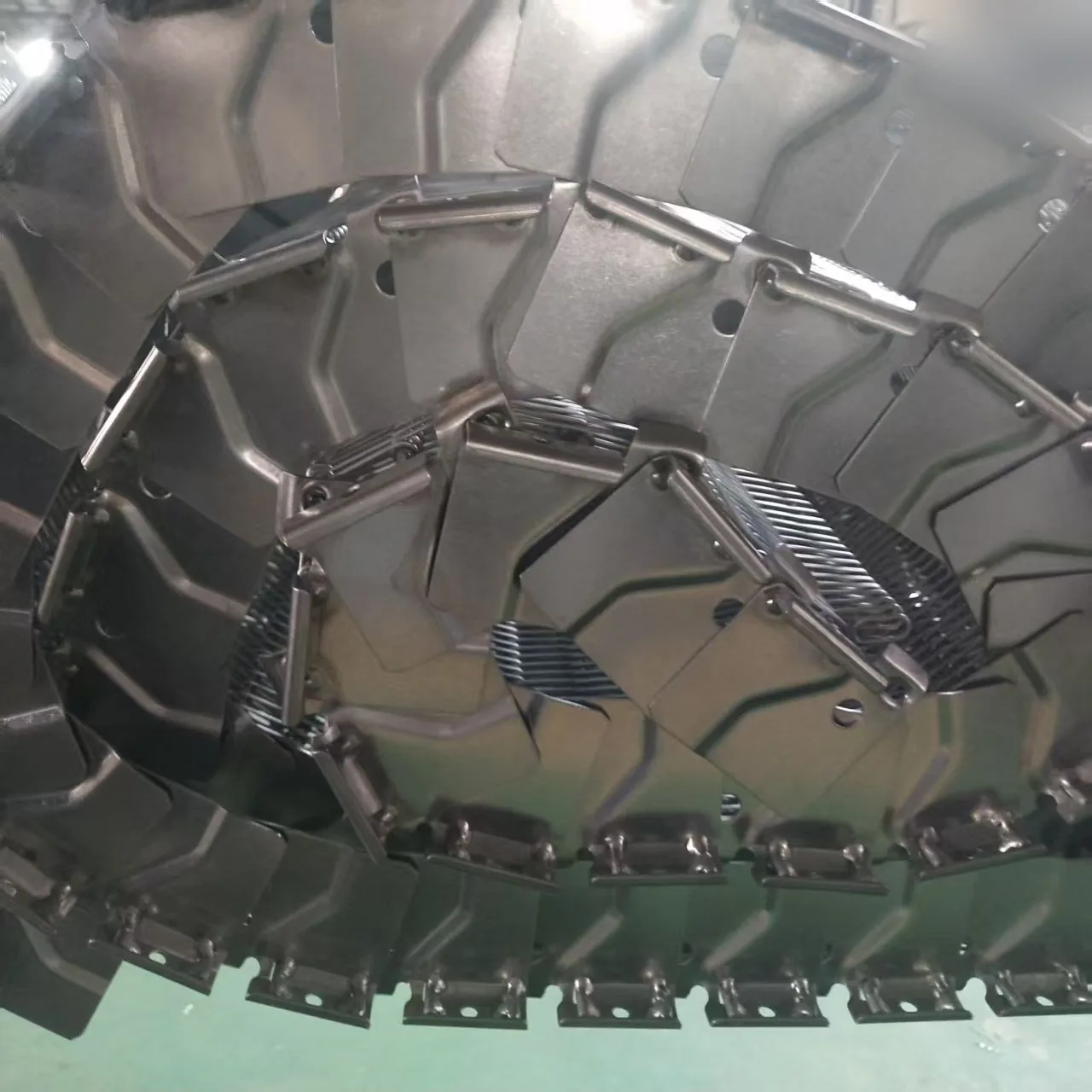
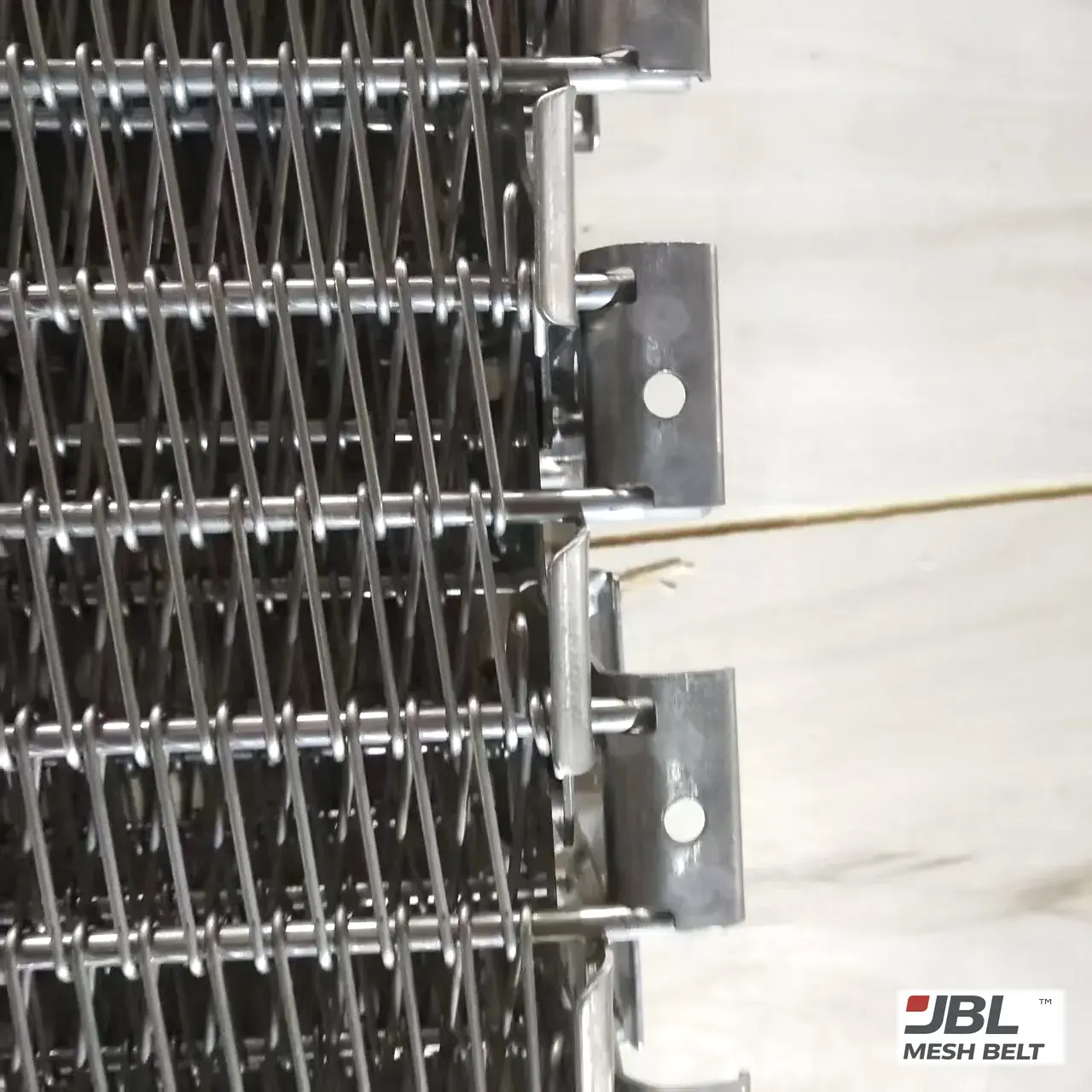
After the customer approved the sample, two tests were run before the 450 m went into production. Turning test: the belt was laid out in a full circle to check that the mesh closes evenly on the inside edge and the side plates follow the radius. Stacking test: the belt was stacked tier on tier to check that each side plate seats on the one below.
| Location · year | United Kingdom · 2026 |
|---|---|
| Problem | The original equipment maker's replacement belt was too expensive |
| Starting point | Section of the customer's original belt — no drawing |
| Measured | Wire, rod, rod pitch, spiral pitch, side plate thickness and height |
| Sample | Tooling made; sample compared with the original using the same caliper |
| Approval | Customer approved the sample before production |
| Tests | Turning test in a full circle and stacking test, before bulk production |
| Belt supplied | Self-stacking belt, 450 m, AISI 304 stainless steel, rod 5.0 mm, wire 1.7 mm, rod pitch 30 mm, spiral pitch 9 mm, side plate 60 × 1.5 mm |
1.An OEM belt can be copied from a sample
Without the maker's drawing, a section of the original belt was enough to read every fit dimension and make tooling.
2.Compare at three stages, with the same tools
Rod 4.99 mm on the original, 5.01 mm on the sample, 5.00 mm on the bulk belt; rod pitch 30.00 mm at every stage.
3.Test the turn and the stack — not only the dimensions
A self-stacking belt must close evenly in the turn and seat tier on tier. Both were checked before bulk production.
4.Approval before 450 m
Bulk production started only after the customer approved the sample.
✓ Evidence on this page: photos of the customer's original belt, 6 caliper readings on the original, 5 on the sample and 6 on the bulk belt, a sample walk-through video, turning and stacking test photos, and a turning test video. Customer name, order numbers and the original equipment brand are withheld.
Is your OEM replacement belt too expensive?
Send a short section of the old belt, or photos with a caliper in the picture — usually a reply within 8 hours.
Yes. In this project a section of the original belt was enough: wire, rod, pitch and side plates were measured, tooling made and a sample compared with the original before production.
The original, the sample and the bulk belt are measured with the same caliper, and you approve the sample before production. Readings and photos are shared at each step.
Yes. In this project the belt was laid out in a full circle for a turning test and stacked tier on tier for a stacking test before bulk production.
AISI 304 stainless steel. Tell us your application and operating temperature and we will confirm the right grade.
No. Cases show country and year only; the customer, order numbers and the original equipment brand are not published.