Replacement · 9 min read
OEM Replacement Conveyor Belt Too Expensive? What Can You Do Instead?
 Written bySpringSales Director, JBL Mesh Belt · 16 years in metal conveyor beltsProjects in United Kingdom · USA · Australia · Brazil · South Korea · Spain · MalaysiaPublished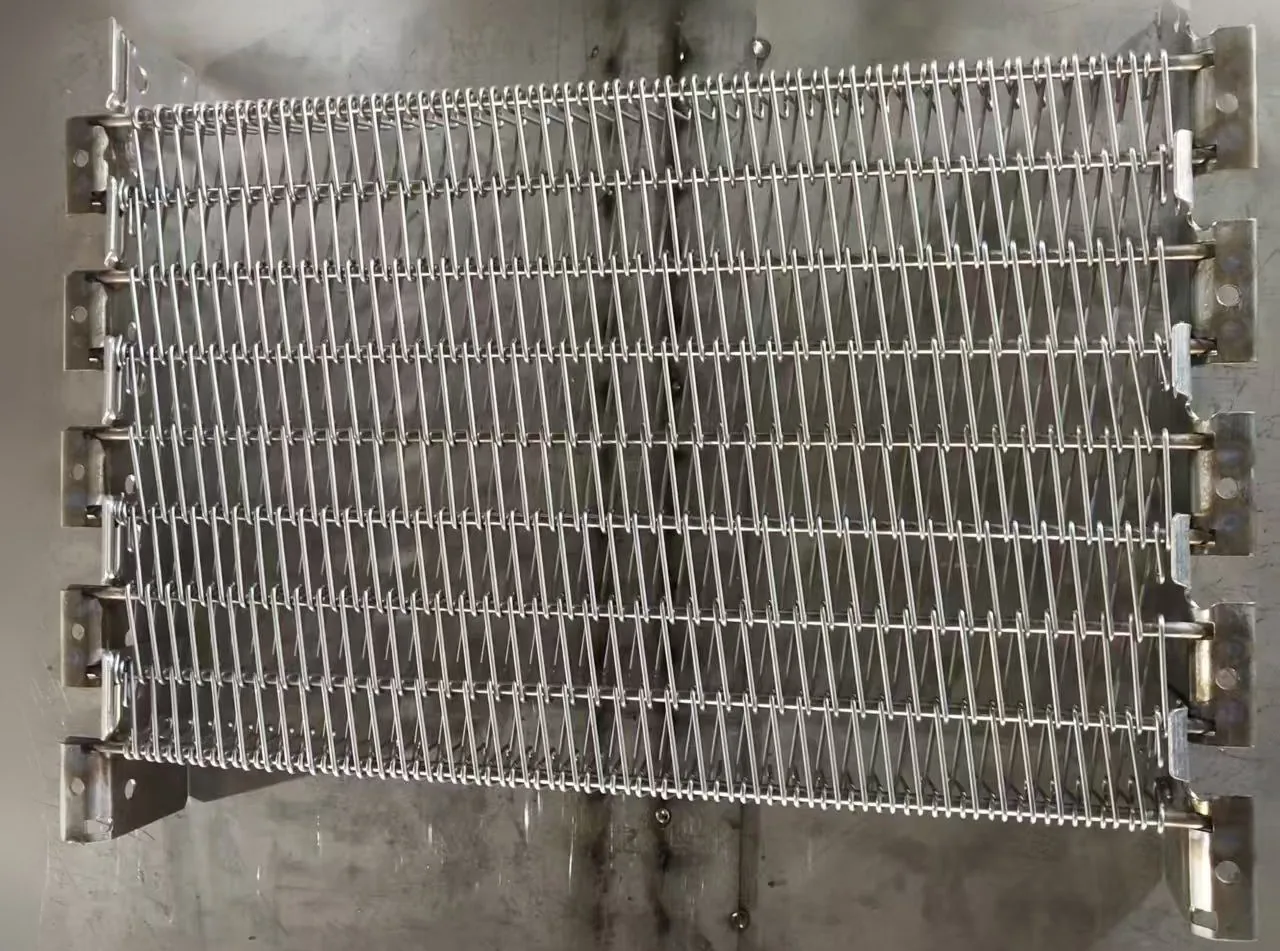
The OEM quote for a new belt is far above your budget. But a cheaper belt that does not fit could cost you a week of downtime.
Short answer
When the OEM belt is too expensive, have it made from your original belt or drawing by a belt manufacturer. The real risk is fit, not price. I measure your original, you approve a sample compared with it, and you see the belt tested before bulk production.
At a Glance
| Product | Application | Key point | Buyer type | What to send |
|---|---|---|---|---|
| OEM replacement belts (spiral, self-stacking, flat wire and more) | Freezers, coolers, conveyors on existing machines | Fit proven on a sample before bulk | Plants, integrators, equipment builders | Original belt section, or drawing + photos |
In 16 years I have seen many buyers accept a high OEM price because they saw no other safe route. Below I show the routes that exist, how I keep the fit risk low, and two real projects.
01Why do buyers feel stuck with the OEM's belt price?
The machine came as one package. The belt was part of it. Now the belt is worn, and only one company seems to know its size.
Short answer
Buyers feel stuck because they have no belt drawing. The equipment maker holds the specification, so it sets the price and lead time. The way out is to measure the original belt and prove the copy fits before you order the full length.
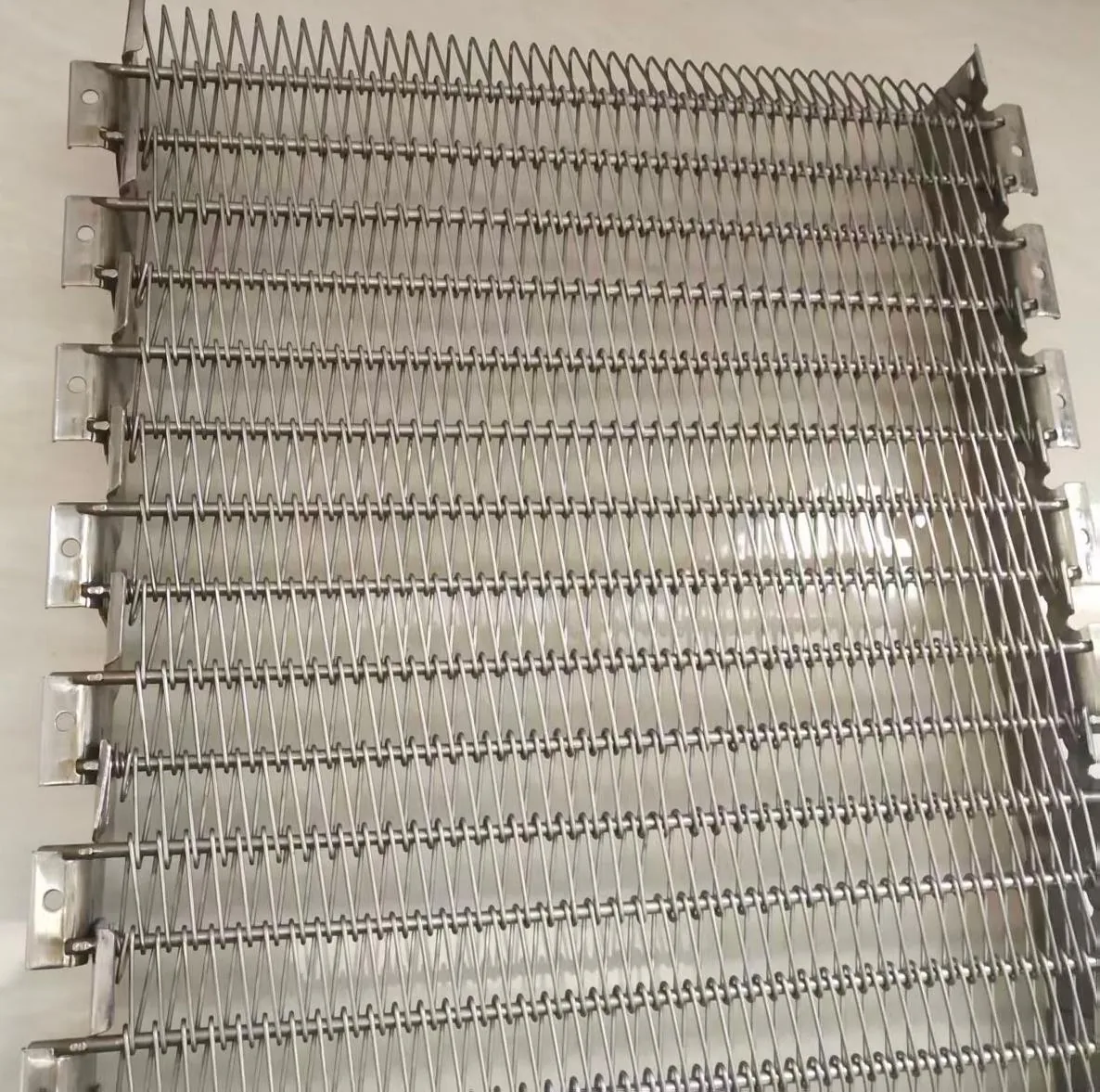
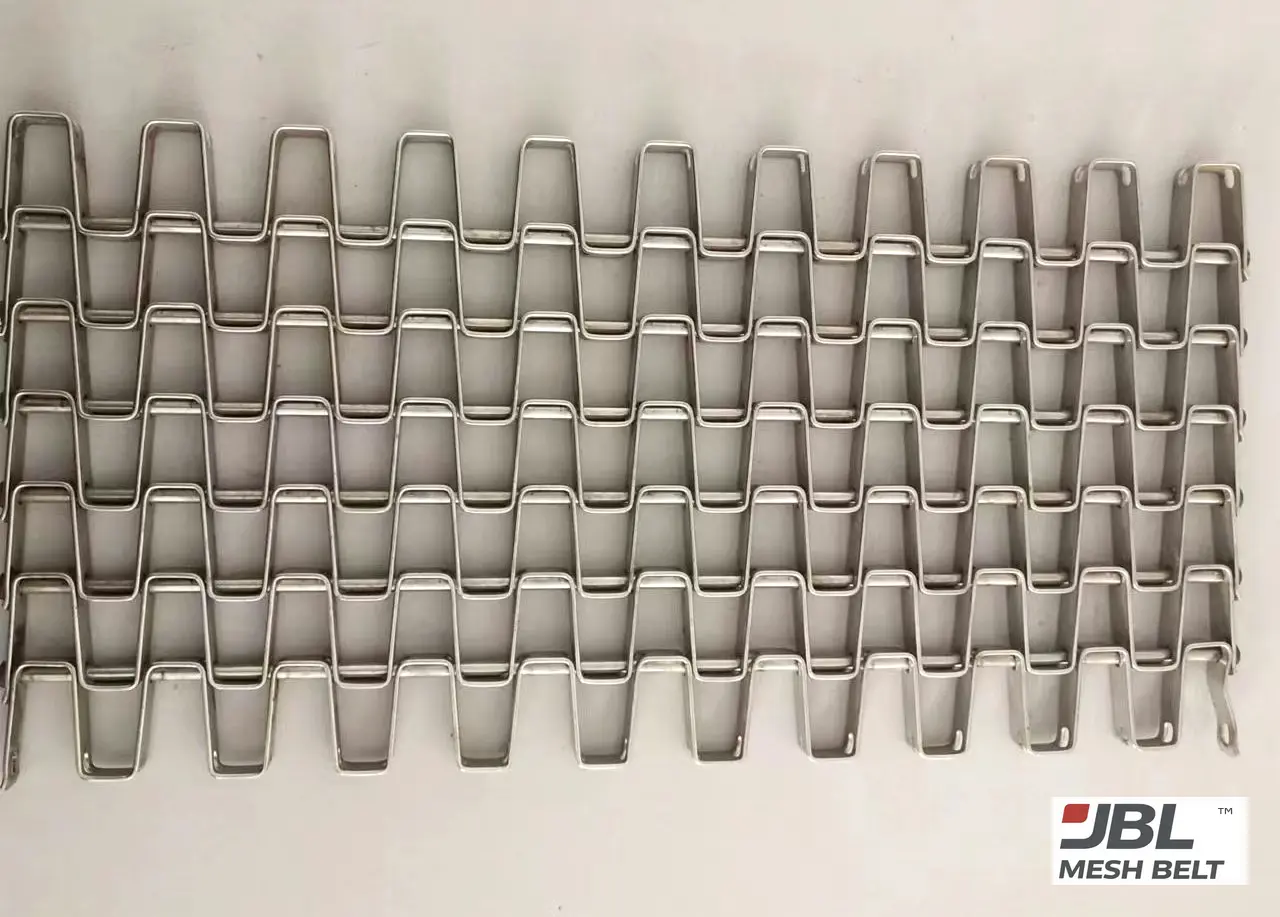
Most plants buy a freezer or a conveyor line, not a belt. The belt arrives fitted. Years later it wears out, and the buyer finds that nobody wrote down its exact size. The equipment maker has the data. So the buyer asks the maker for a quote.
Sometimes that quote is fine. Often it is not. In a UK project the maker's price for a 450 m self-stacking belt was the reason the customer contacted us. In a US project, an integrator told us that replacing the original belts locally was too costly.
Price is not the real fear
When I talk to these buyers, price comes up first. But the real fear comes second: what if the cheaper belt does not fit? A self-stacking or spiral belt that does not fit stops a production line. That fear keeps many buyers paying the OEM price. My job is to remove the fear with evidence.
02What are your options for a replacement belt?
There are three routes. Each one starts from something different and gives you different control.
Short answer
You can buy from the equipment maker, have the belt made from your original sample, or have it made from a drawing. The last two routes give you control: you see readings and approve a sample before bulk production.
| Route | Starting point | What you control |
|---|---|---|
| Buy from the equipment maker | The maker's part number | Price and lead time are set by the maker |
| Made from your sample | A section of the original belt | Readings on the original, sample approval, tests before bulk |
| Made from a drawing | Your drawing (or the maker's) | Trial run checked against the drawing, approval before bulk |
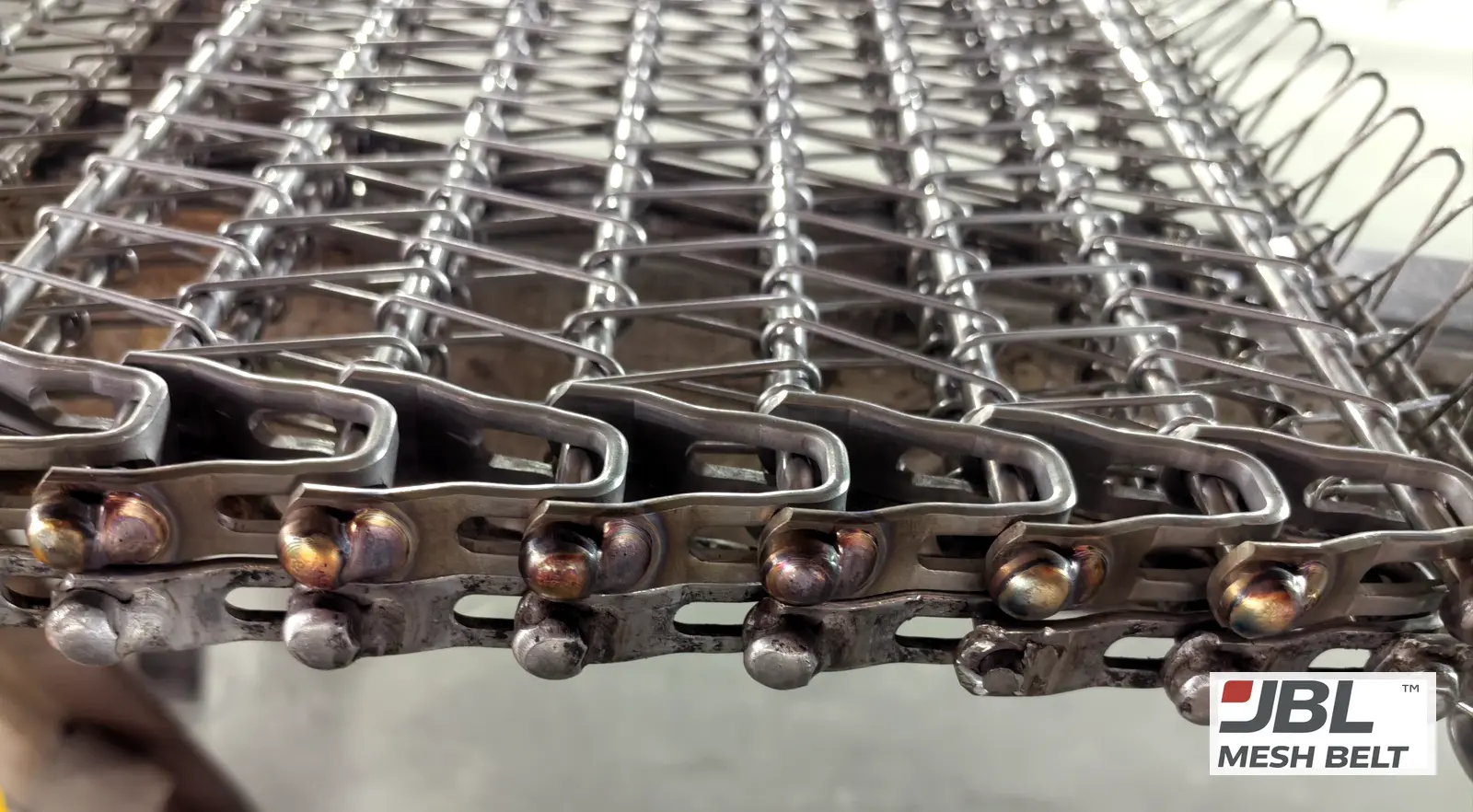
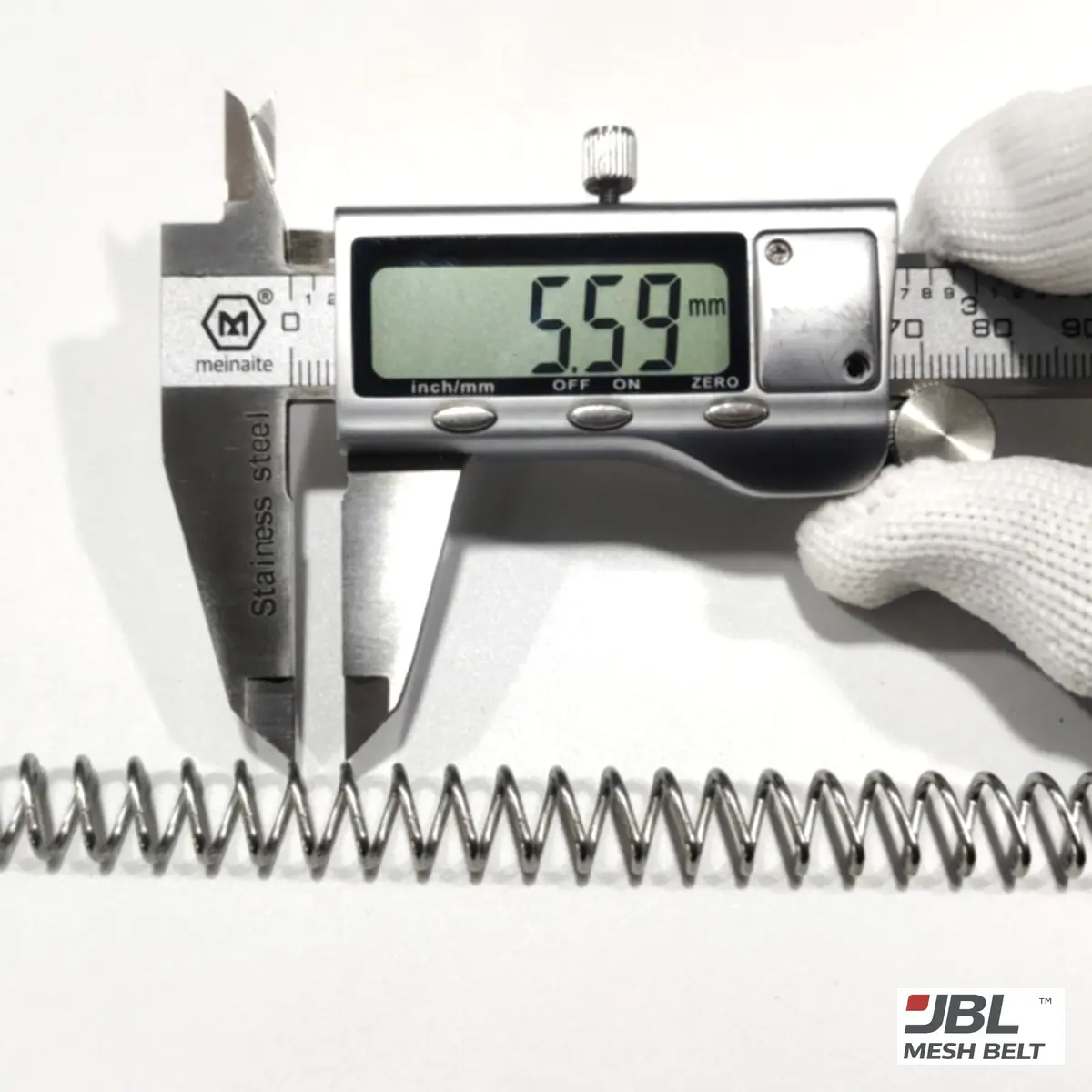
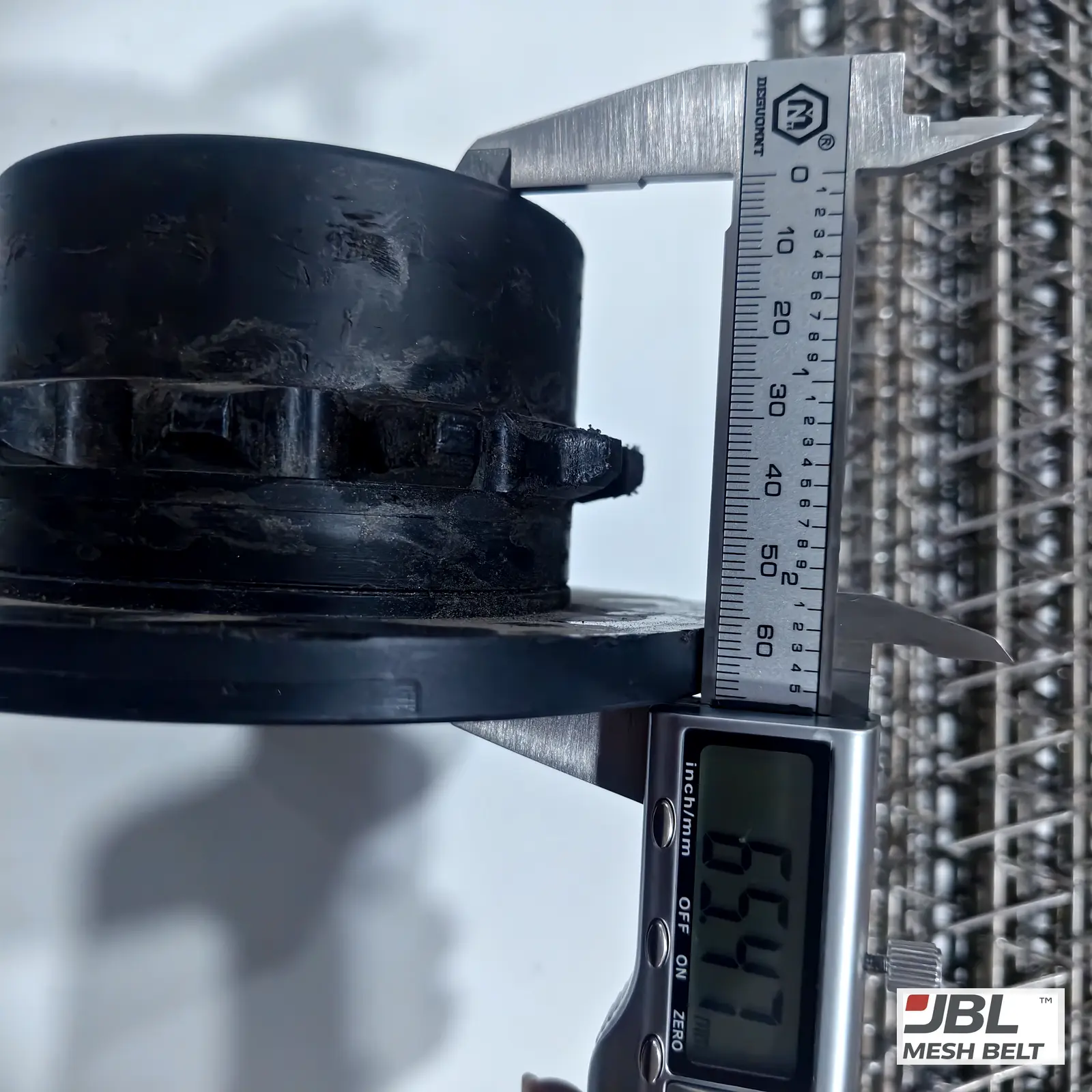
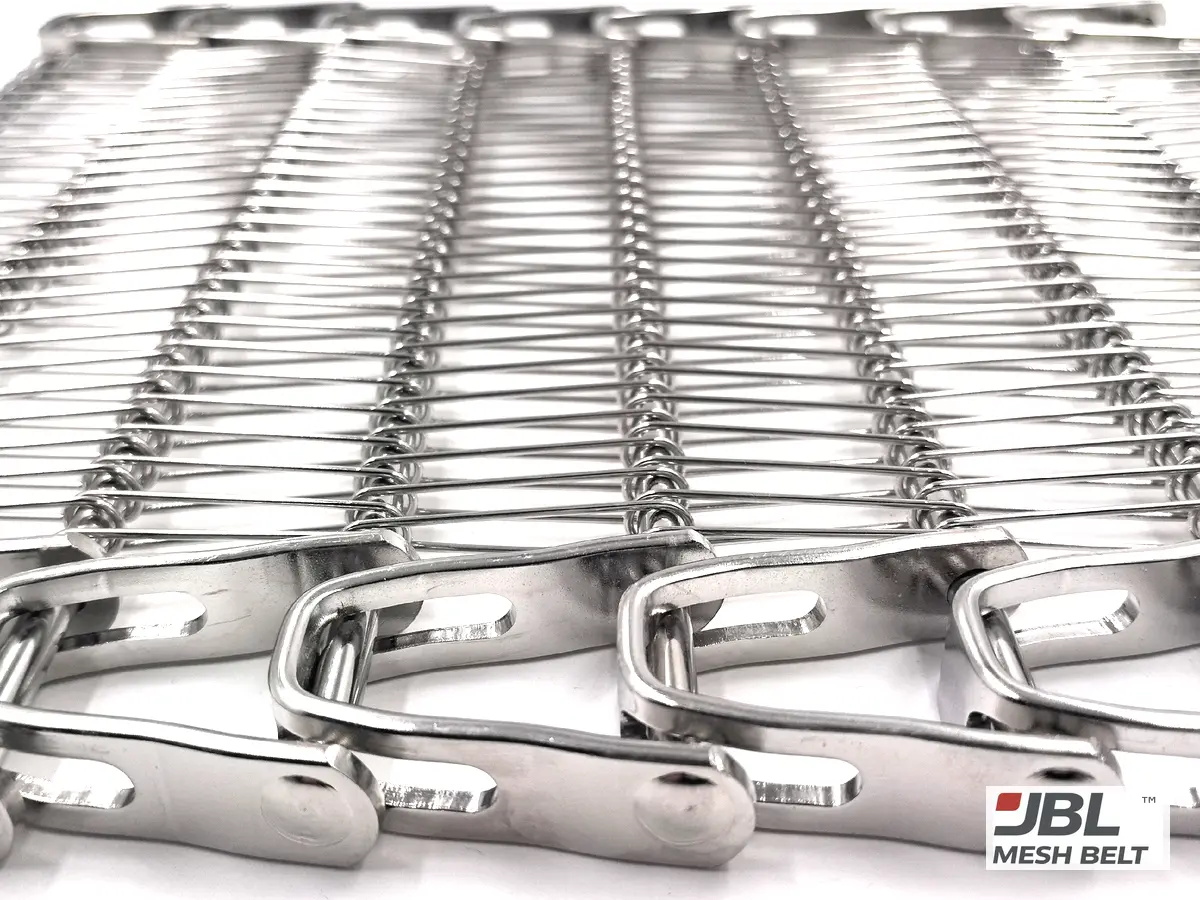
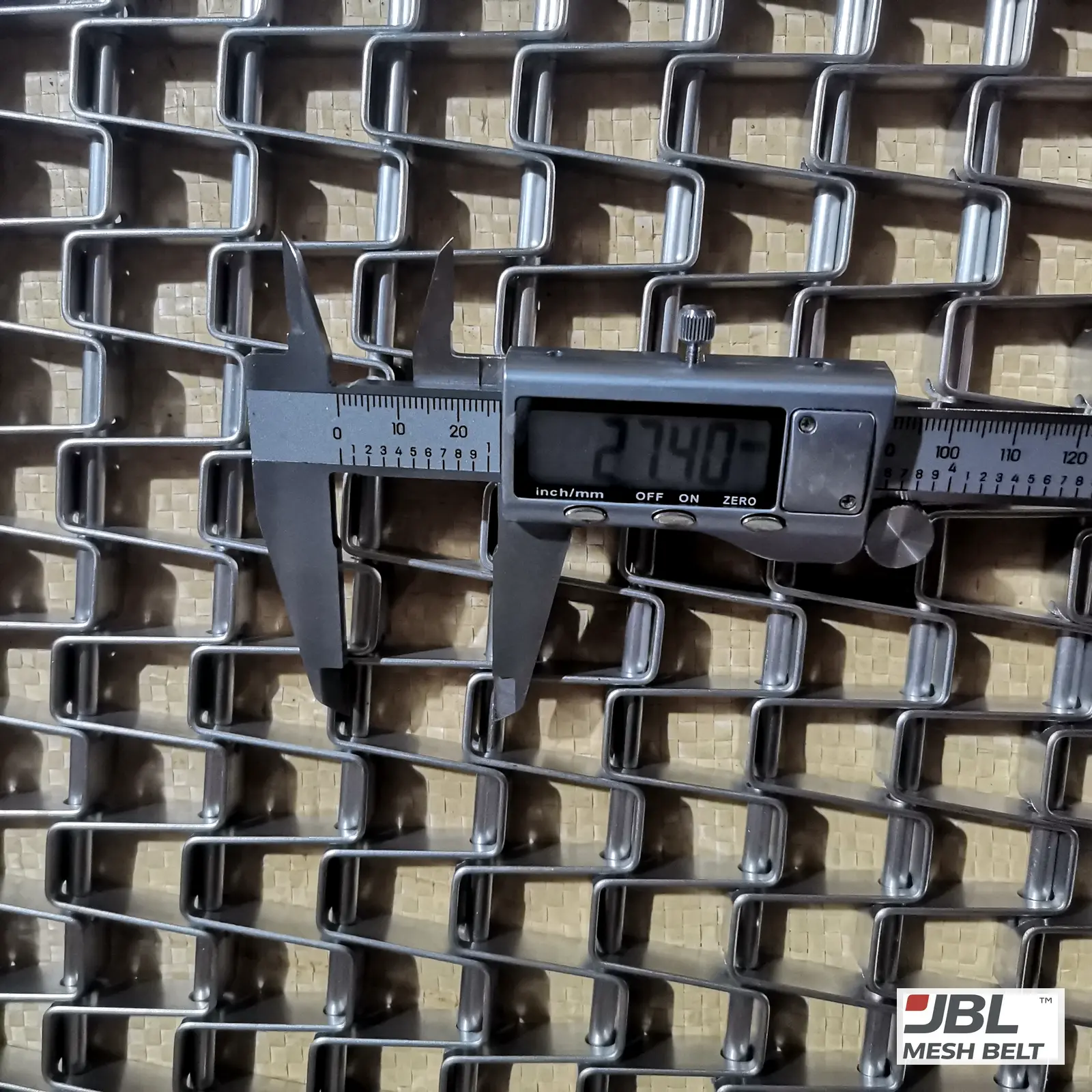
The sample route works when you have no drawing. I read every fit dimension on your original belt with a caliper. That is what we did in the UK: rod 4.99 mm, rod pitch 30.00 mm, side plate height 59.68 mm, and more.
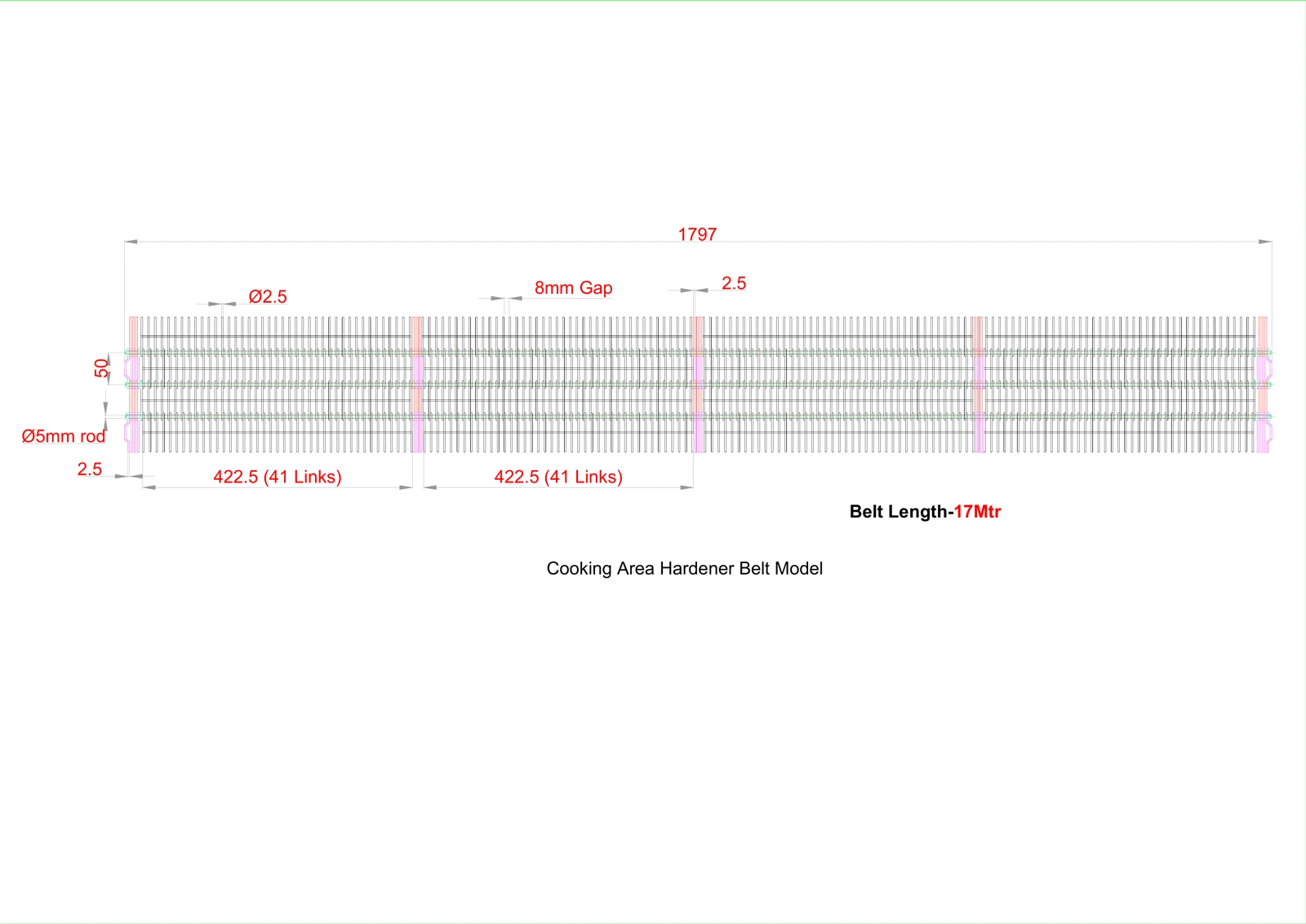
The drawing route works when you have a good drawing. In the US project the customer had a strict one, with every bend radius set and no burrs allowed. I still asked for an original sample. A drawing tells you the target. A sample tells you how the original was actually made.
Can you mix the routes?
Yes, and I often do. Drawing plus sample is the strongest start. Photos with a caliper reading are a good first step if you cannot send a sample yet. My photo and measurement guide shows what to shoot.
03How do you keep the fit risk under control?
A supplier's promise does not protect your line. A process does. Here is the one I follow on every replacement.
Short answer
I control fit risk in four steps: measure the original, make and approve a sample, test before shipment, and keep the readings as your specification. You approve each step before the next one starts.
| Dimension (UK project) | Original | Sample | Bulk belt |
|---|---|---|---|
| Rod diameter | 4.99 mm | 5.01 mm | 5.00 mm |
| Rod pitch | 30.00 mm | 30.00 mm | 30.00 mm |
| Spiral pitch | 8.95 mm | 9.00 mm | 9.00 mm |
| Side plate height | 59.68 mm | — | 60.03 mm |
Same caliper at every stage. UK, 450 m, AISI 304.
- 01
Measure the original
I read every fit dimension on your original belt with a caliper — pitch, rod, wire, links or side plates.
- 02
Approve a sample
We make a sample and compare it with your original using the same tools. We produce nothing in bulk before you approve.
- 03
Test before shipment
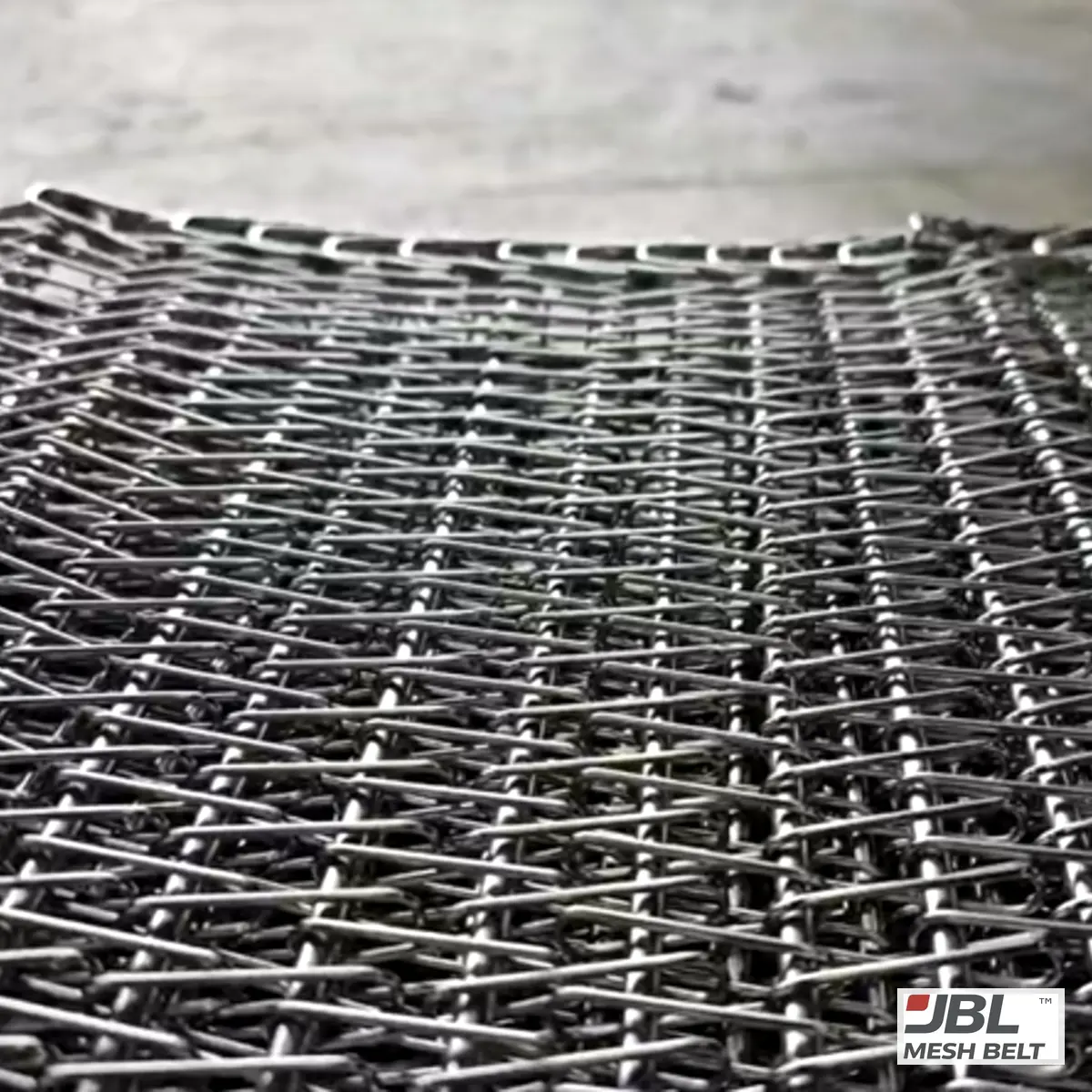
We run turning, stacking or sprocket running tests — whichever your machine depends on — before we close the crates.
- 04
Keep the record
We keep the readings as the specification for your next order.
The table above is the proof in numbers. The rod pitch reads 30.00 mm on the original, on our sample and on the bulk belt. When the numbers line up like this, the decision is no longer about trust.
04What did this look like on real projects?
Two buyers, two belt types, the same problem: the OEM price. Here is what happened step by step.
Short answer
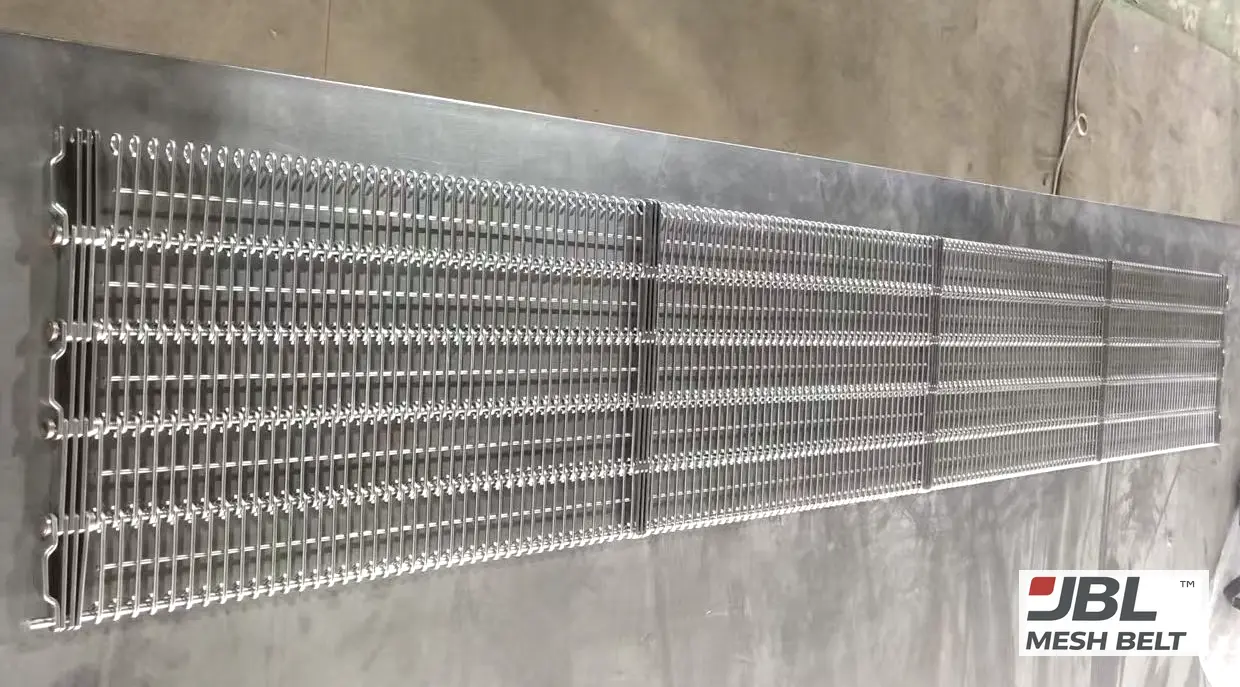
In the UK we copied a 450 m self-stacking belt from a sample and tested it before bulk. In the USA we made about 700 m of flat wire belt to a strict OEM drawing, then the buyer gave us the clips, flight bars and sprockets too.
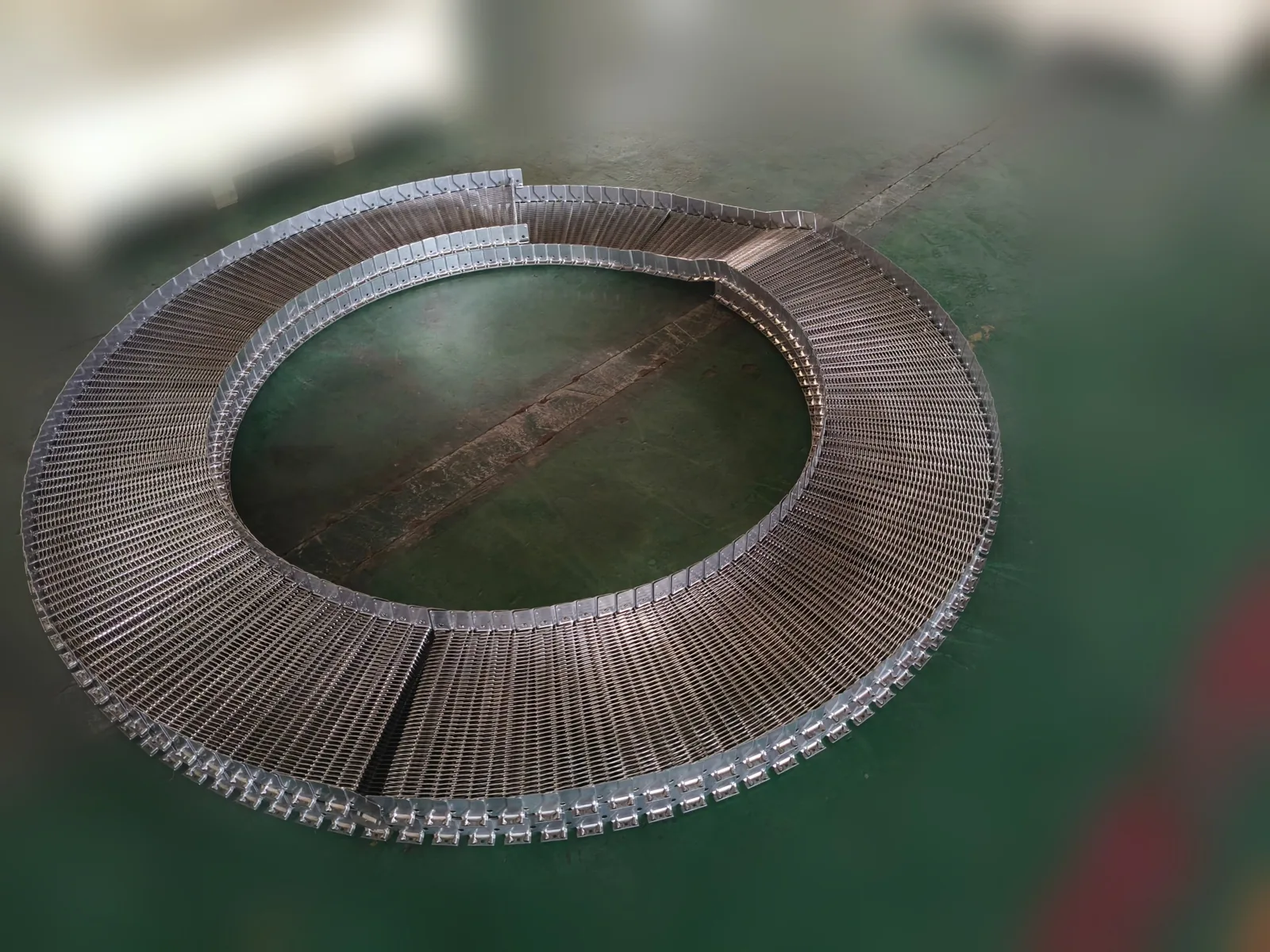
United Kingdom, 2026 — self-stacking belt
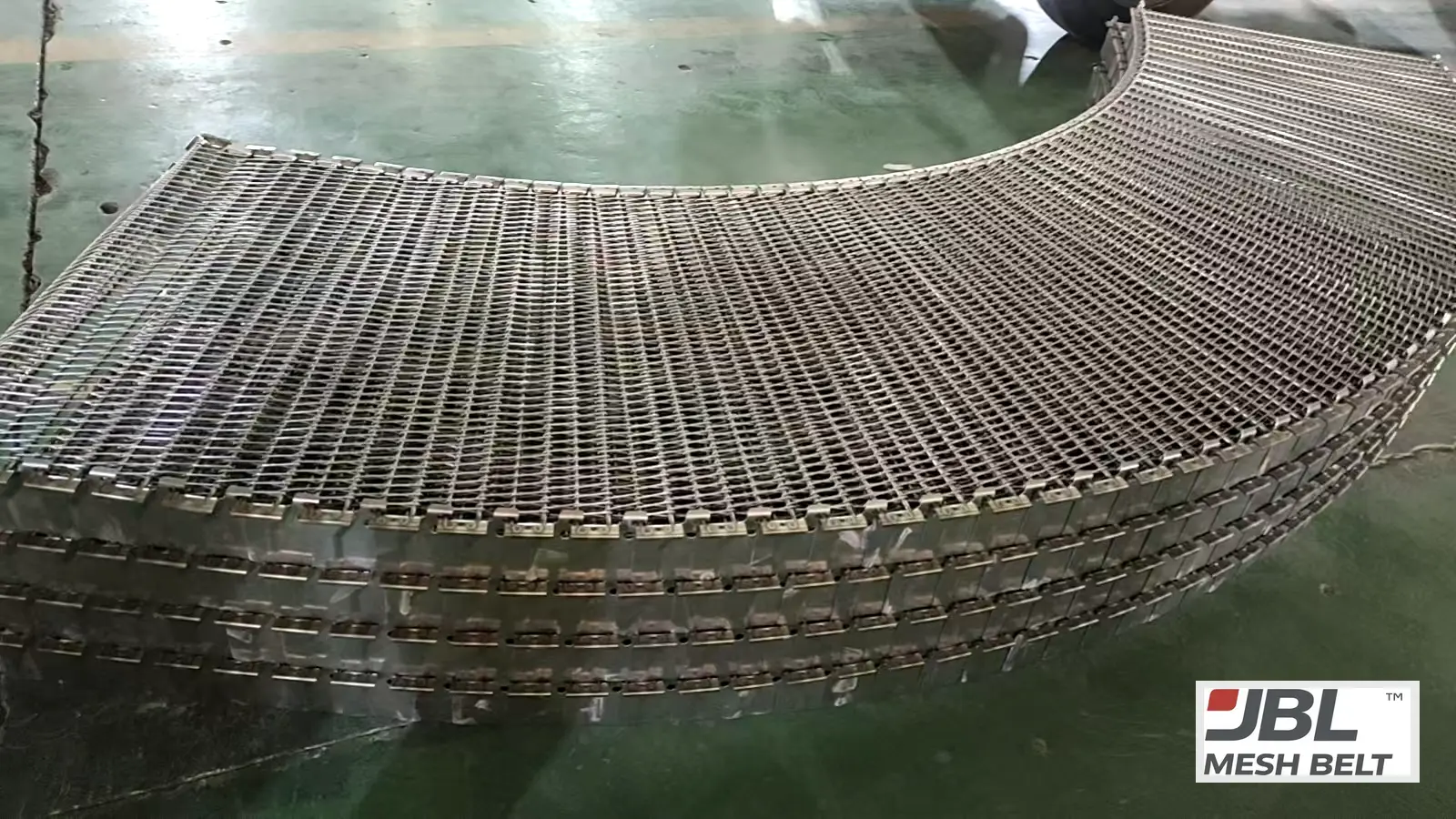
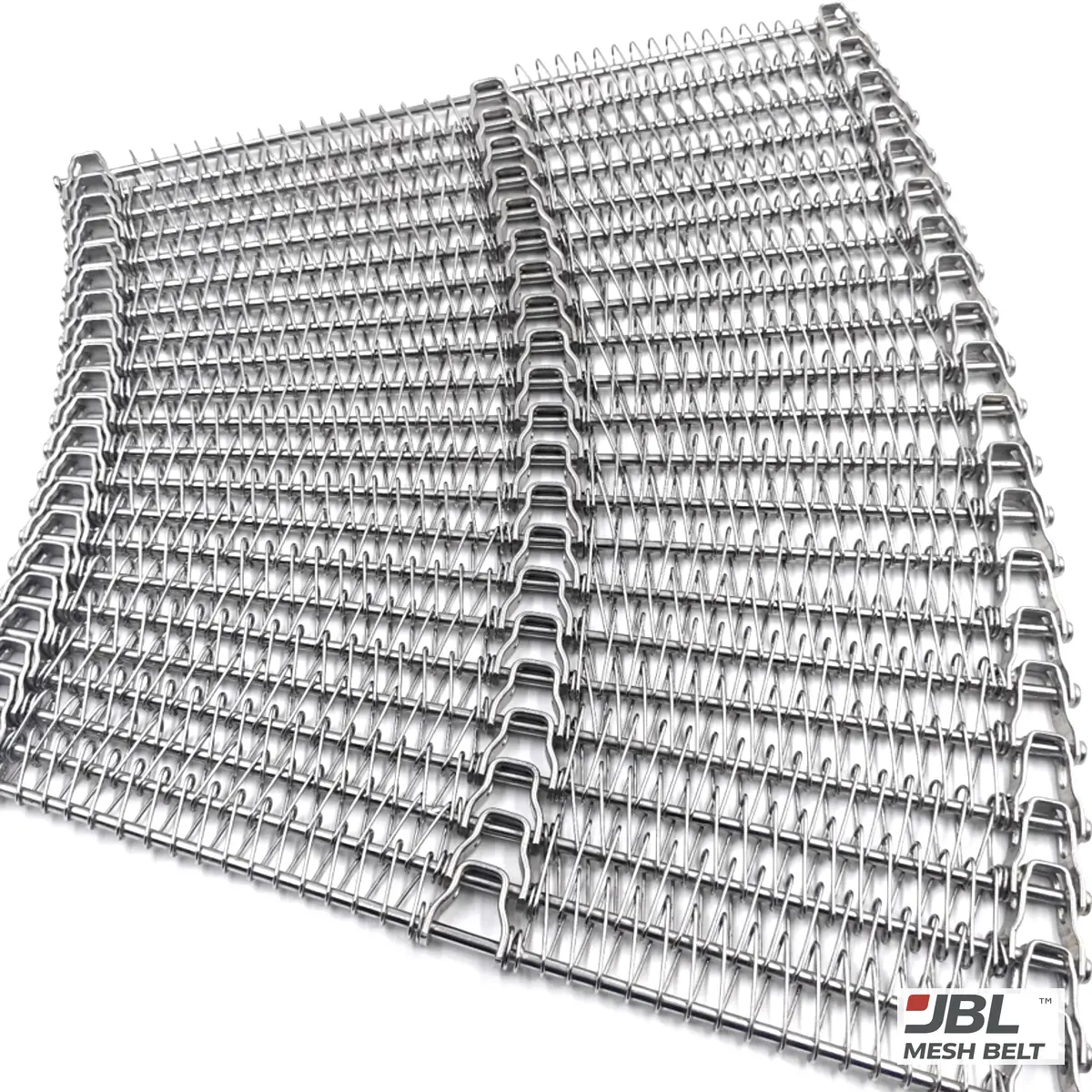
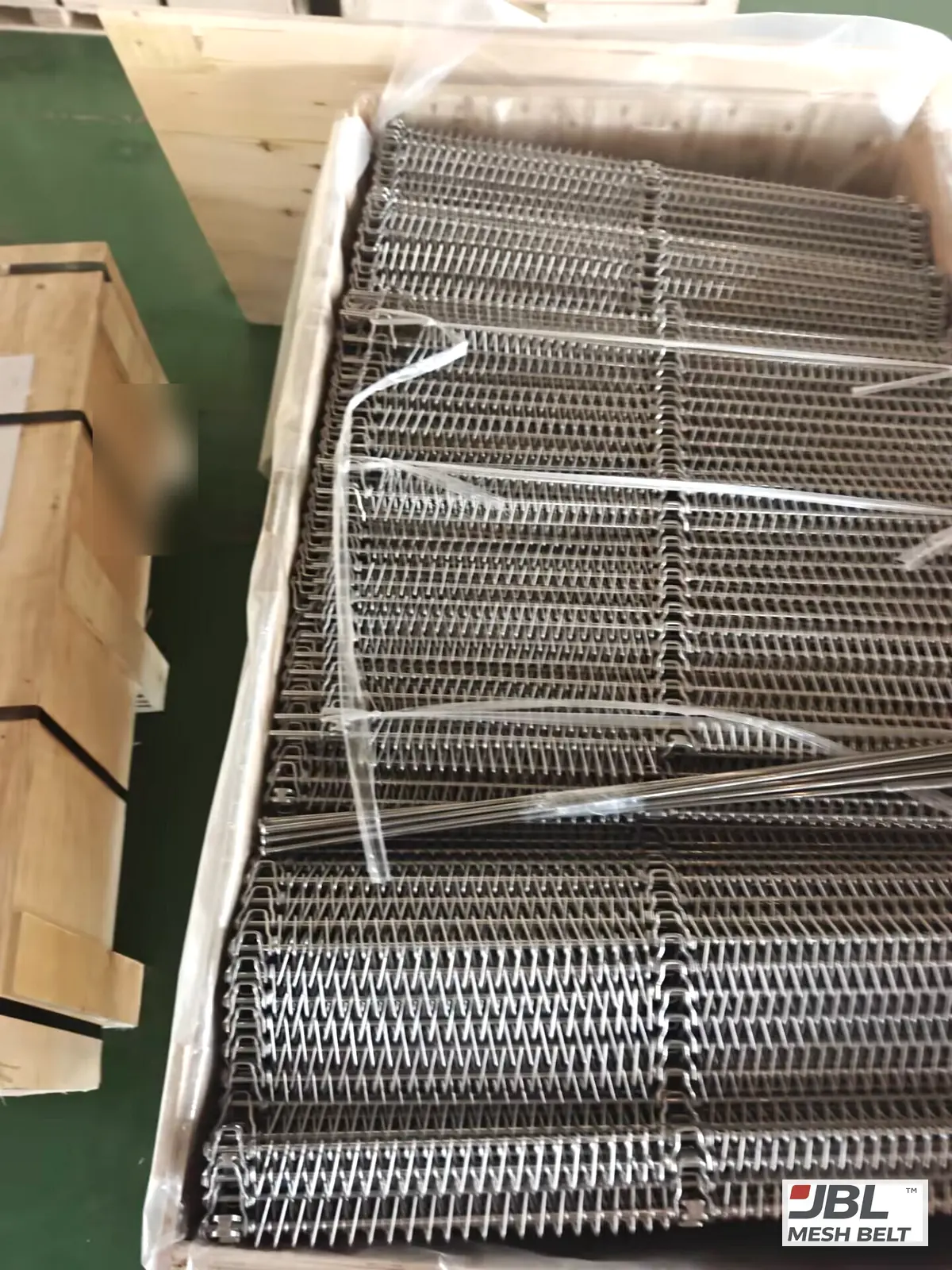
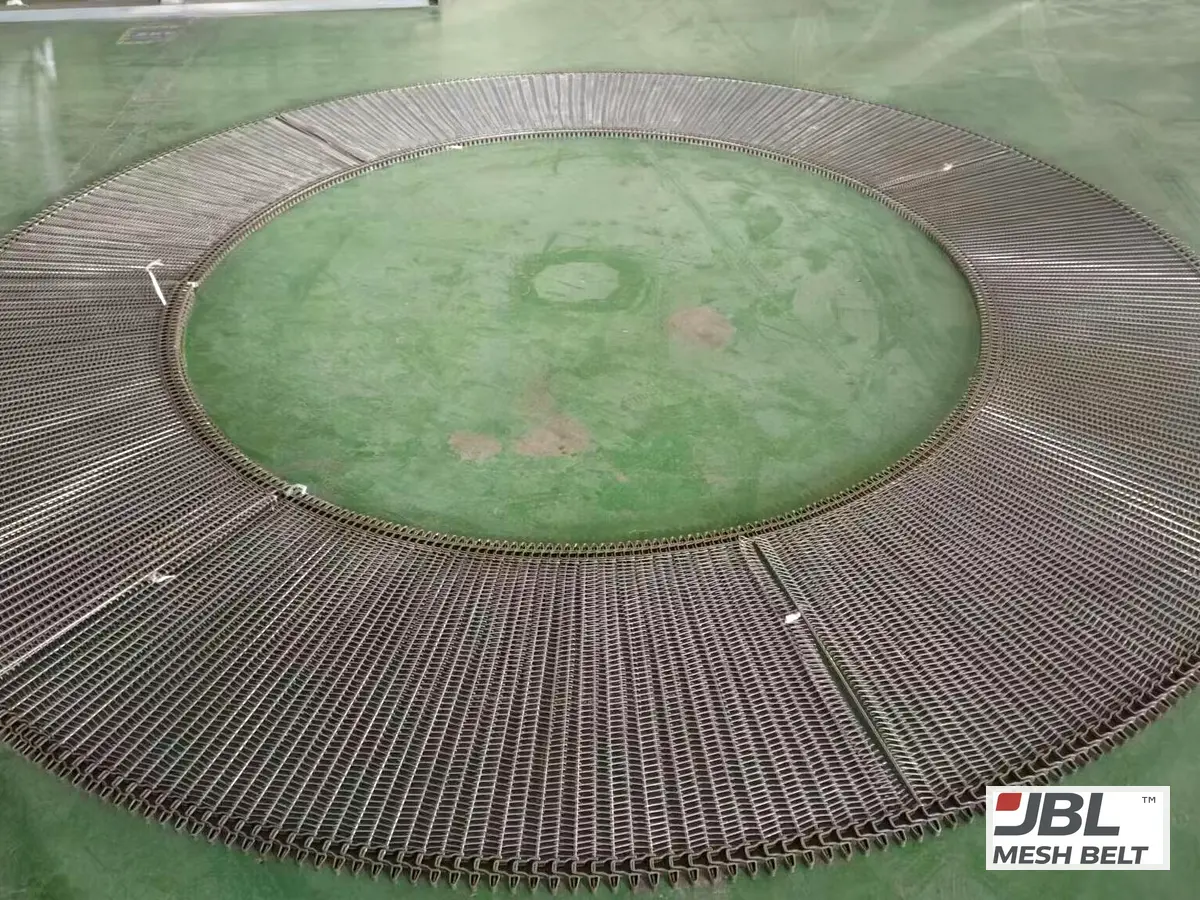
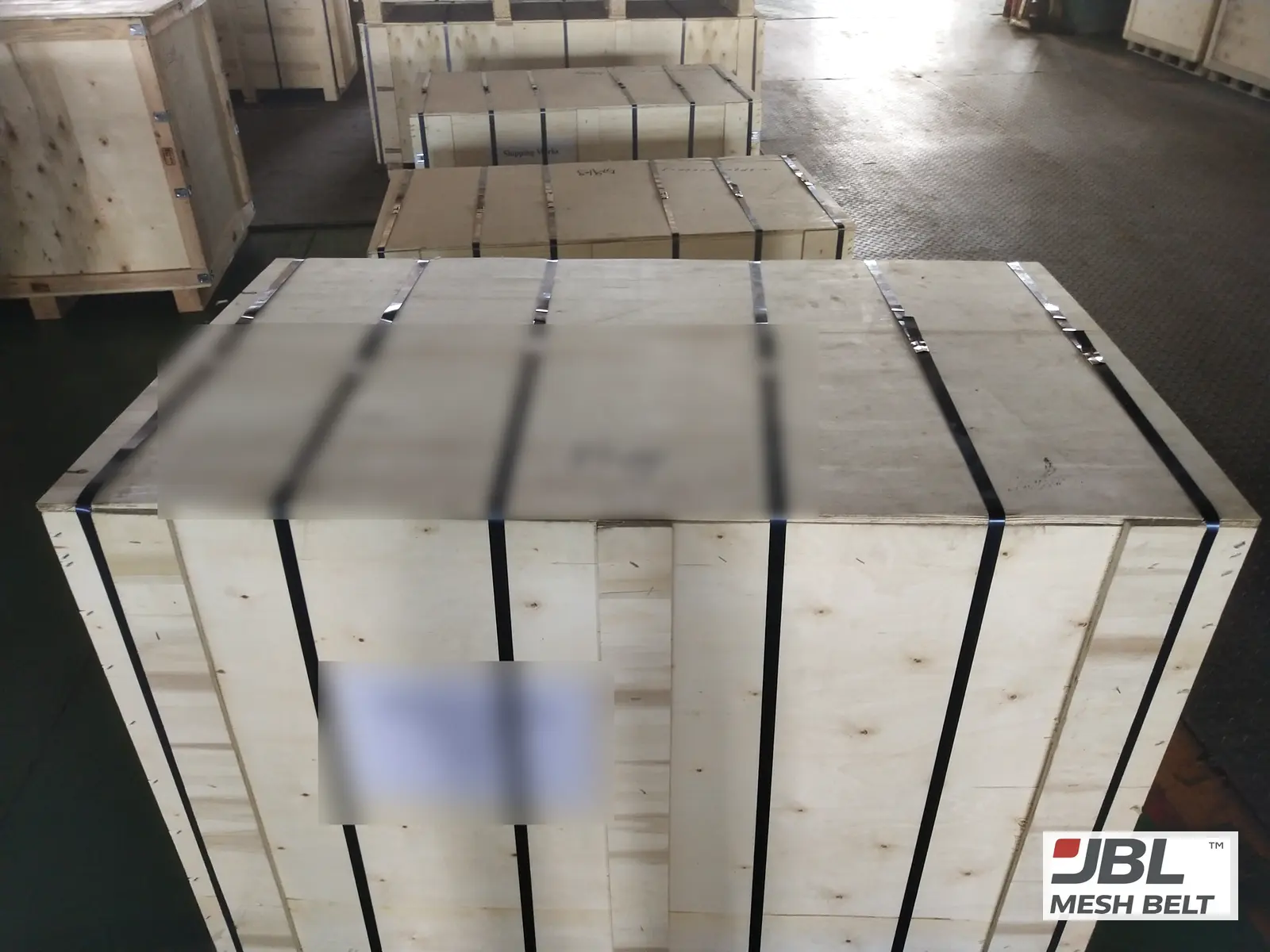
The customer sent a section of the original belt. We measured it, made tooling and compared our sample with it. After approval we ran a turning test and a stacking test. Then we produced 450 m in AISI 304. Read the UK case.
USA, 2024 — flat wire belt for fishing vessels
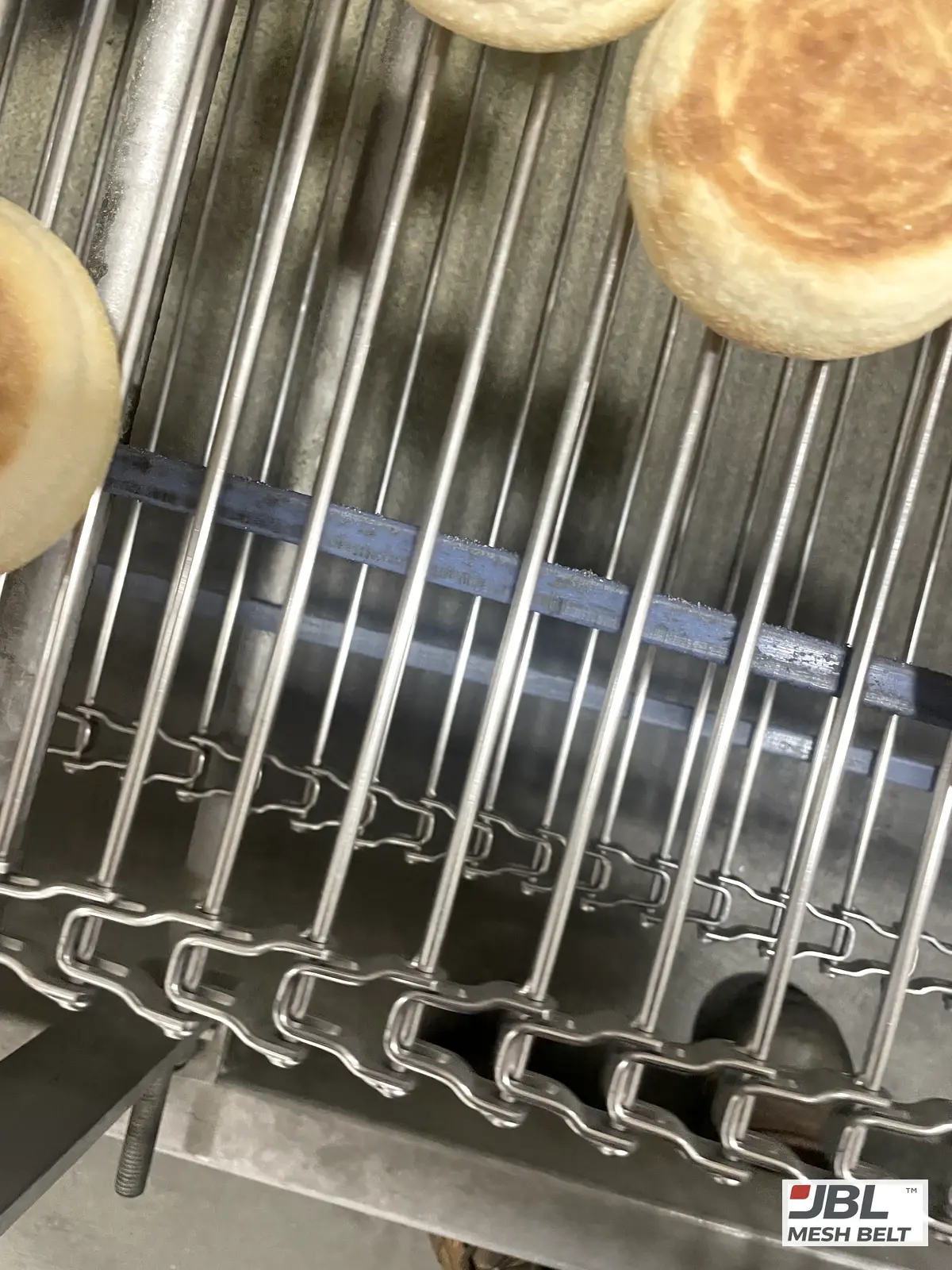
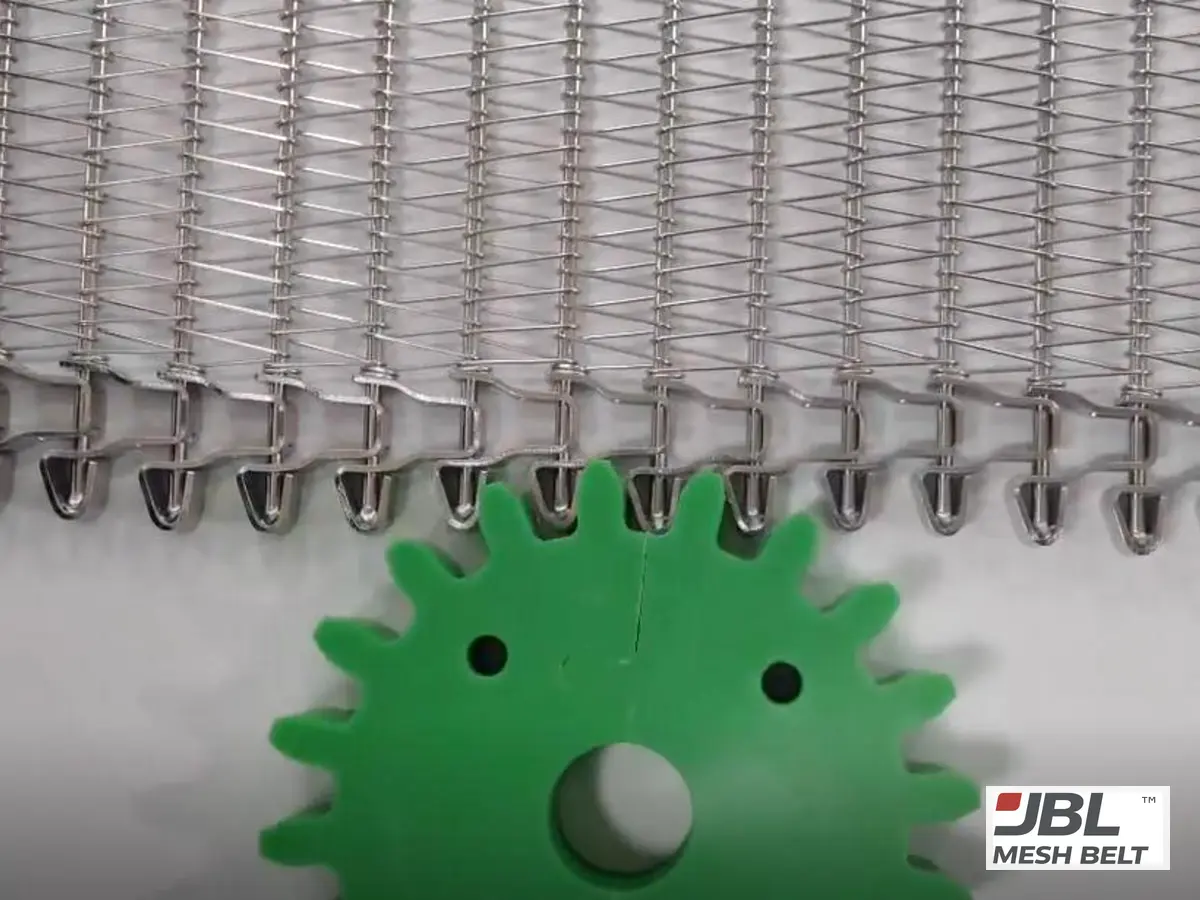
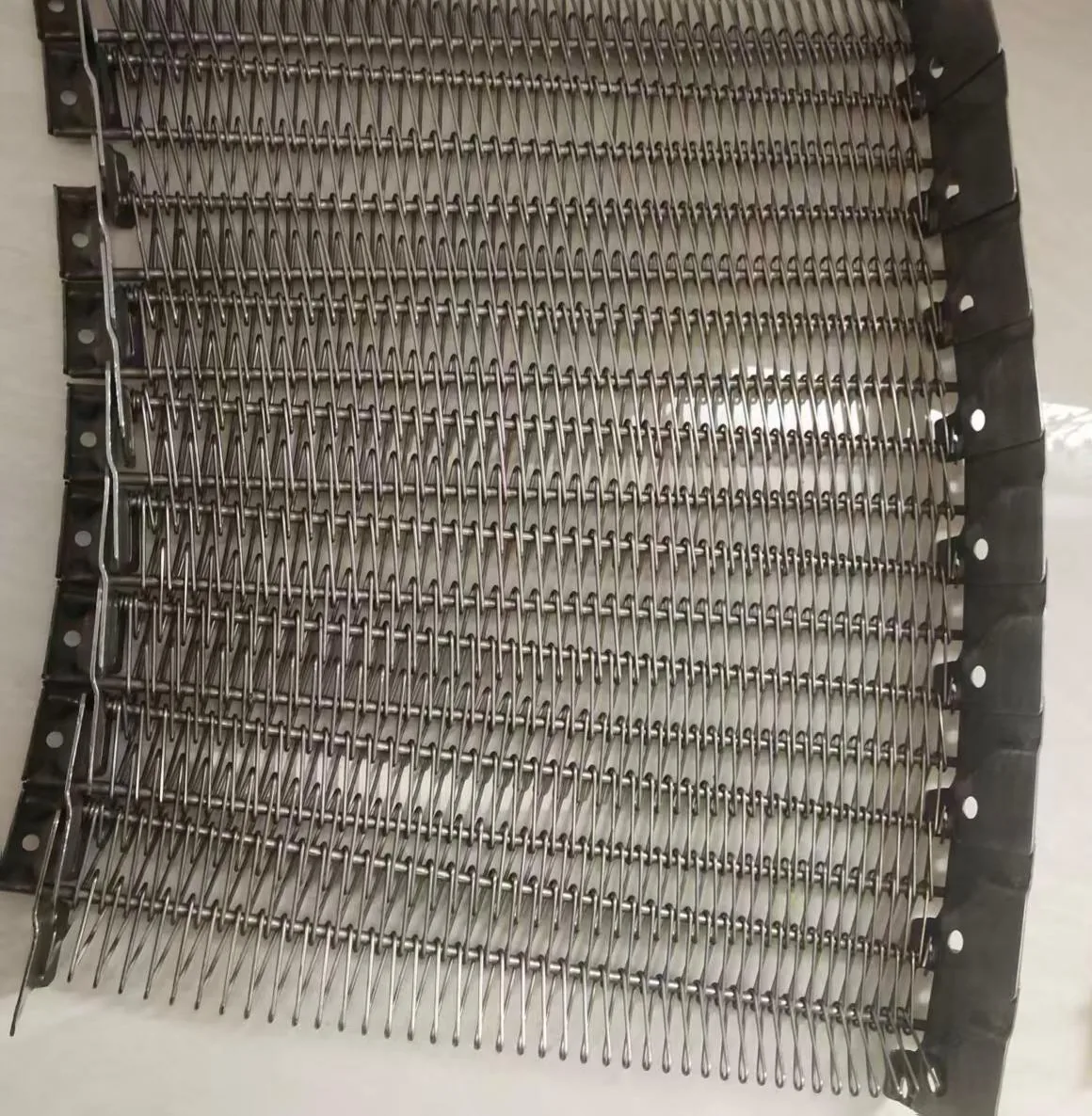
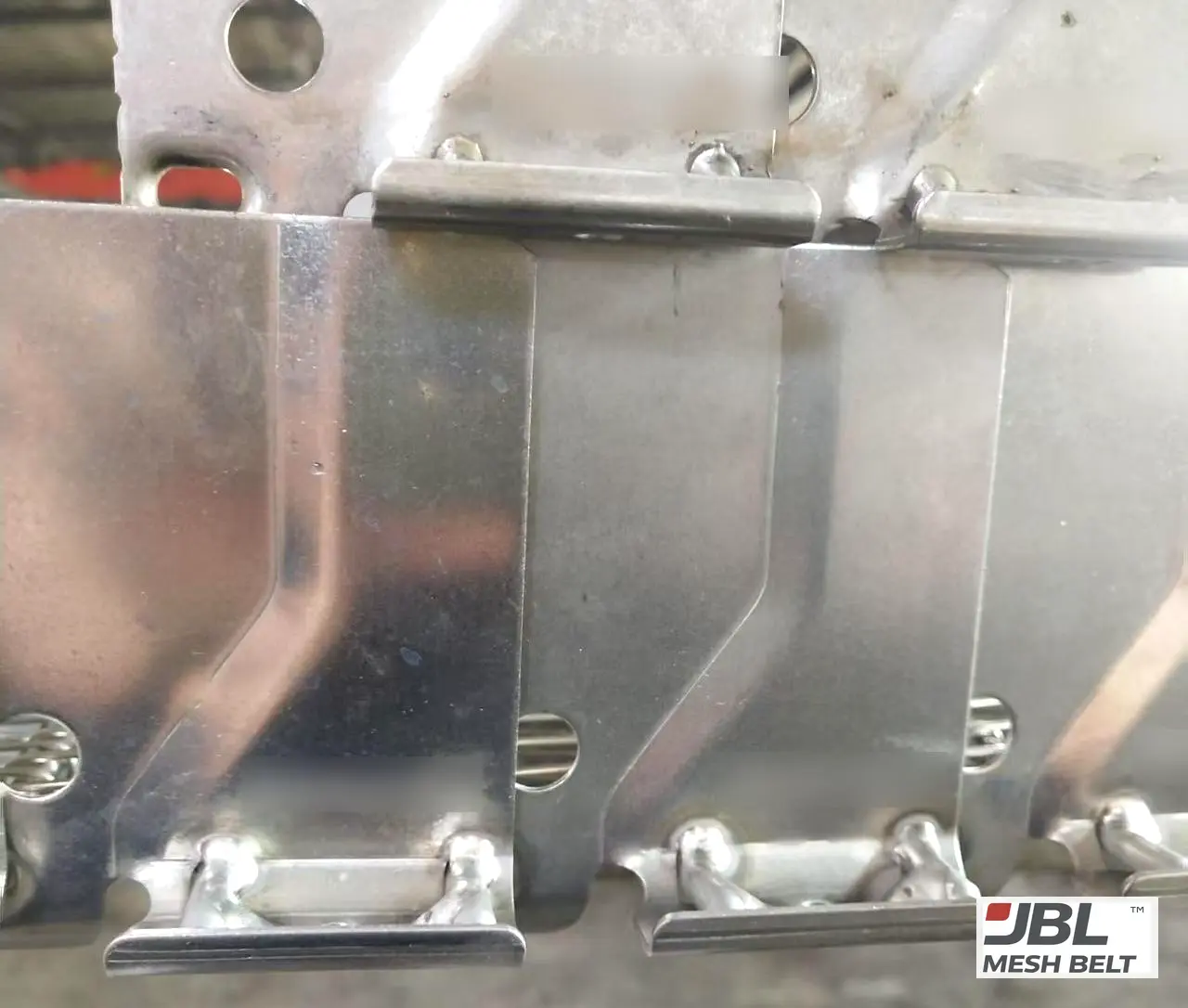
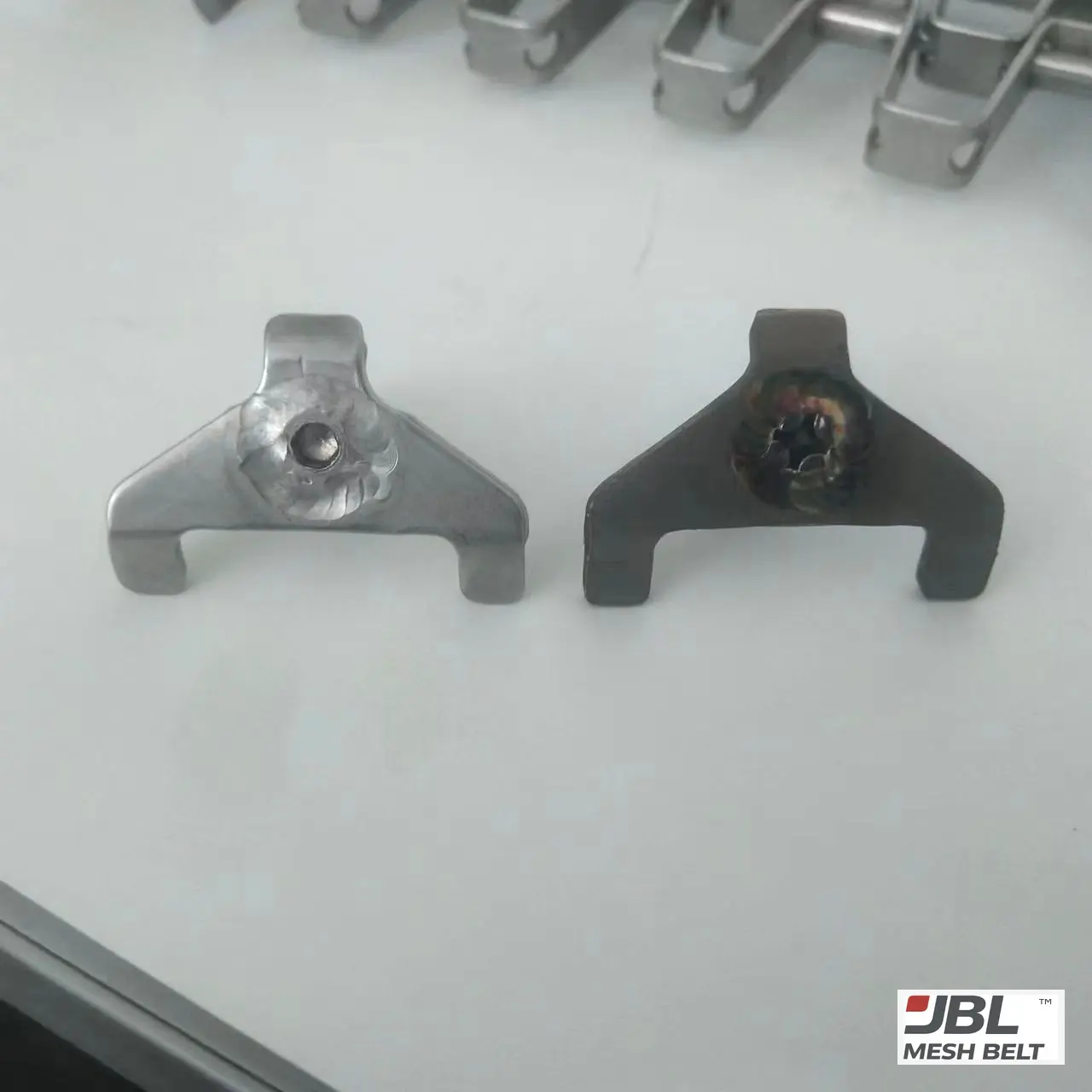
An integrator that builds conveyors for fishing vessels needed about 700 m of flat wire belt. The drawing set every bend radius and allowed no burrs. We adjusted our forming tools and process, and the customer approved a trial run. Later they sent us their original clips, and we supplied clips, flight bars and a full set of sprockets. Read the USA case.
After installation the buyer wrote: “There are no reclamation from the client at your belts.” That one line meant more to me than any price.
05What should you ask any supplier before you order?
You do not need to trust me. Ask these four questions to any supplier, including us. The answers tell you who controls the risk.
Short answer
Ask for readings on your original next to the sample, production only after your approval, the test they will run before shipment, and whether they can supply and run the sprockets with the belt.
| Question | Good answer | Warning sign |
|---|---|---|
| Will you show readings on my original next to your sample? | Yes, same tool, photos | “Our standard size fits” |
| Will production wait for my approval? | Yes, sample first | Bulk starts at order |
| Which test before shipment? | Turning, stacking or sprocket test, with photos or video | “We check dimensions” |
| Can you supply the sprockets? | Measured from yours, run with the belt | “Use your old ones” |
These questions are simple on purpose. A supplier who controls fit can answer each one with a photo or a number. A supplier who cannot is asking you to take the risk.
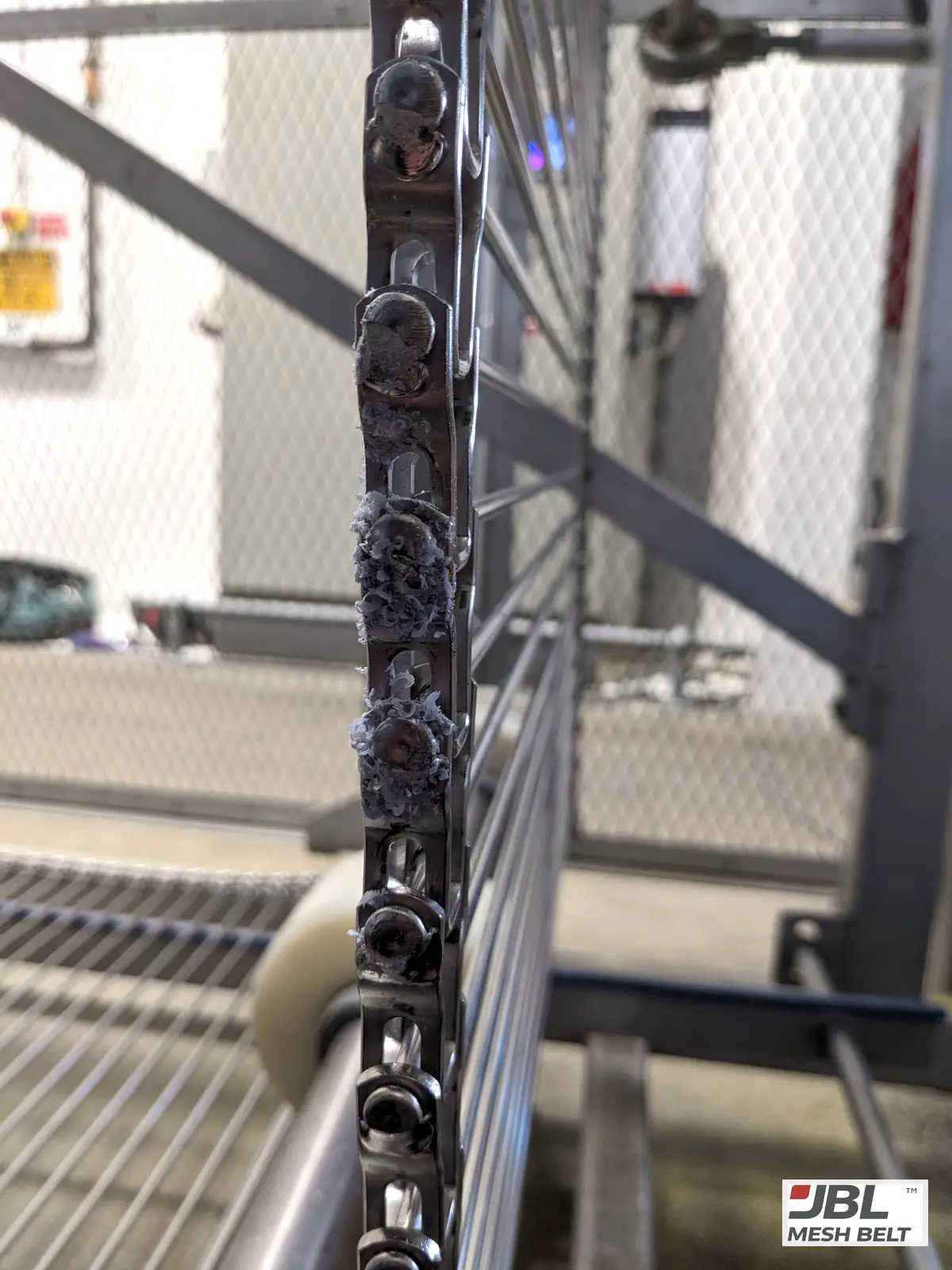
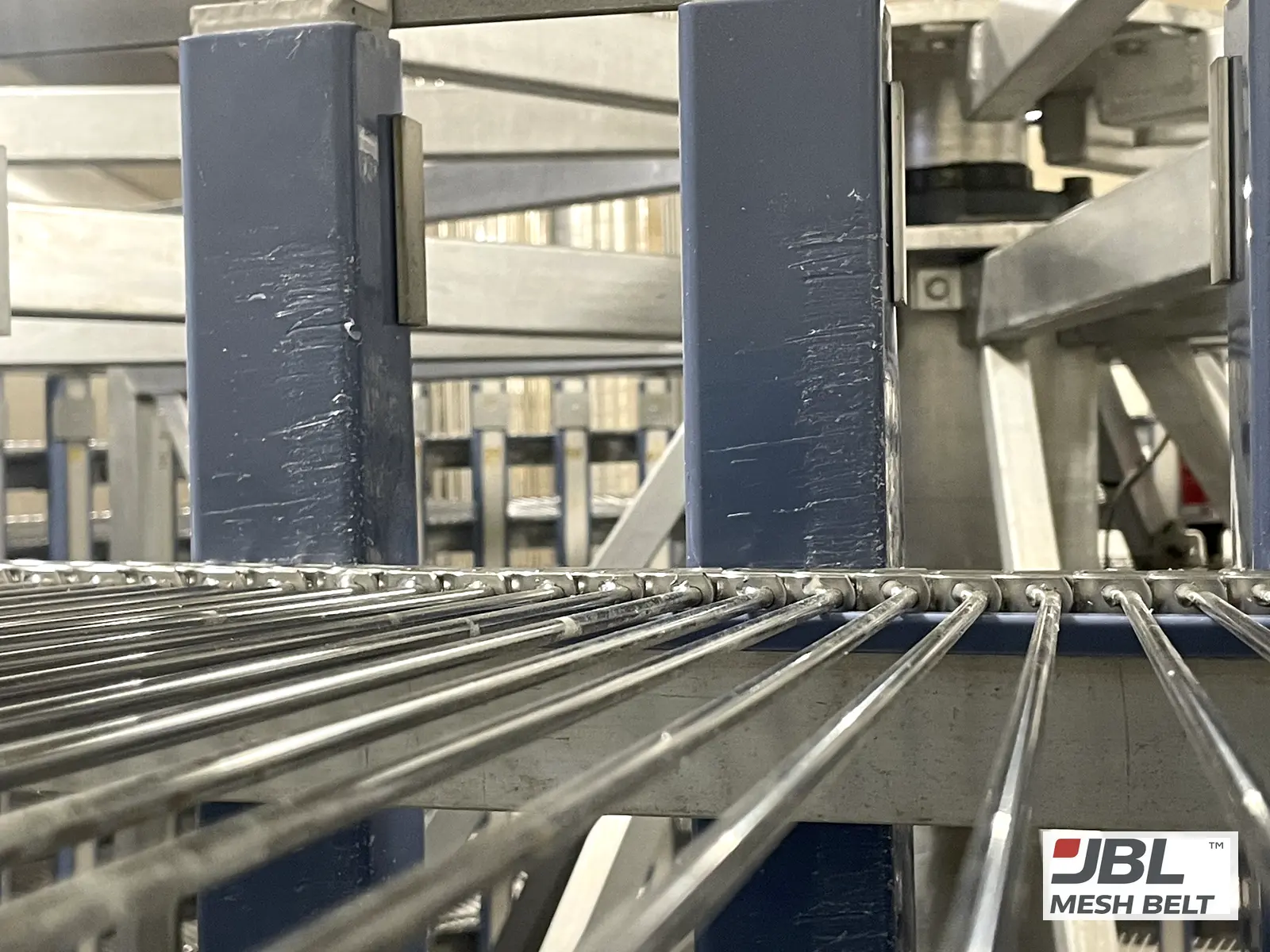
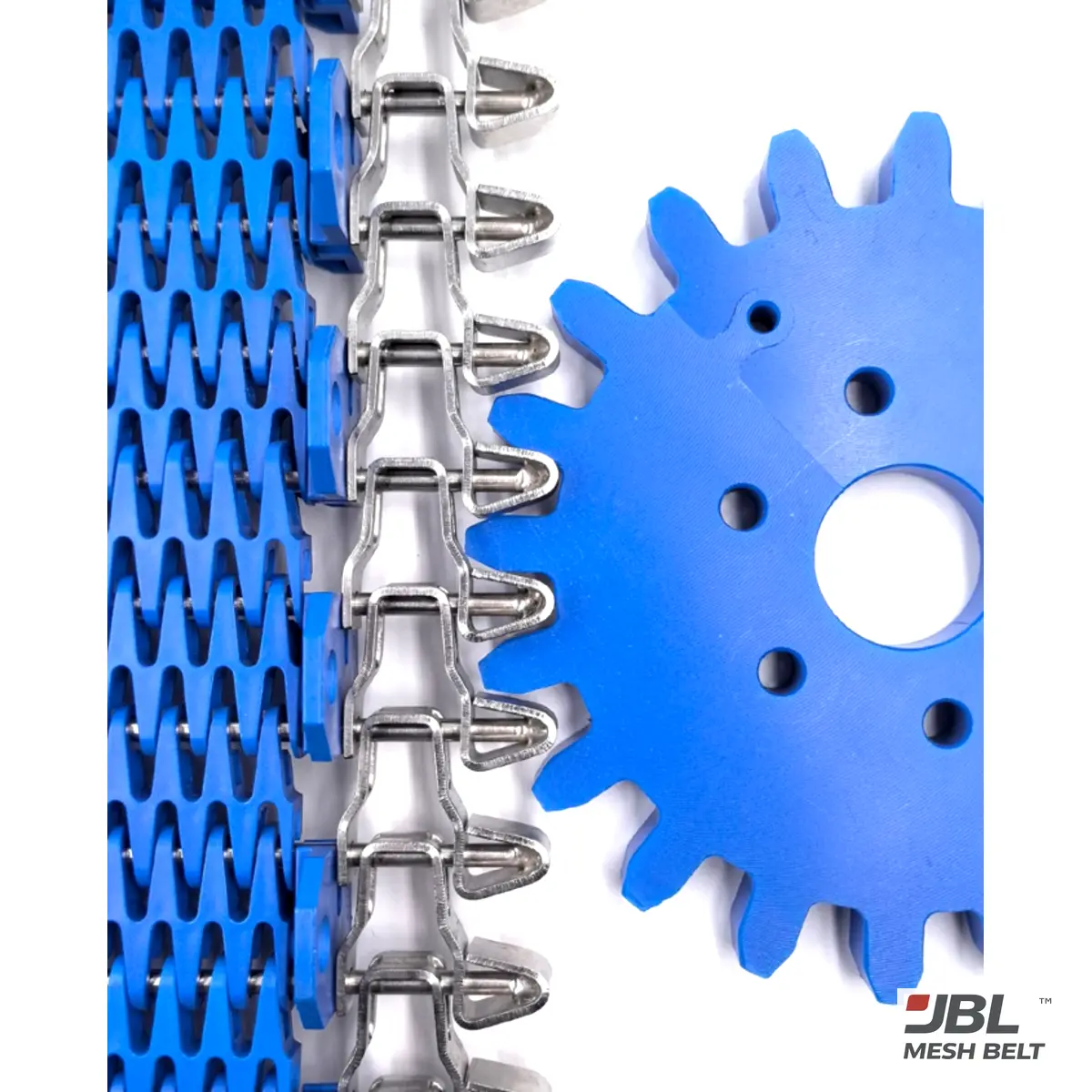
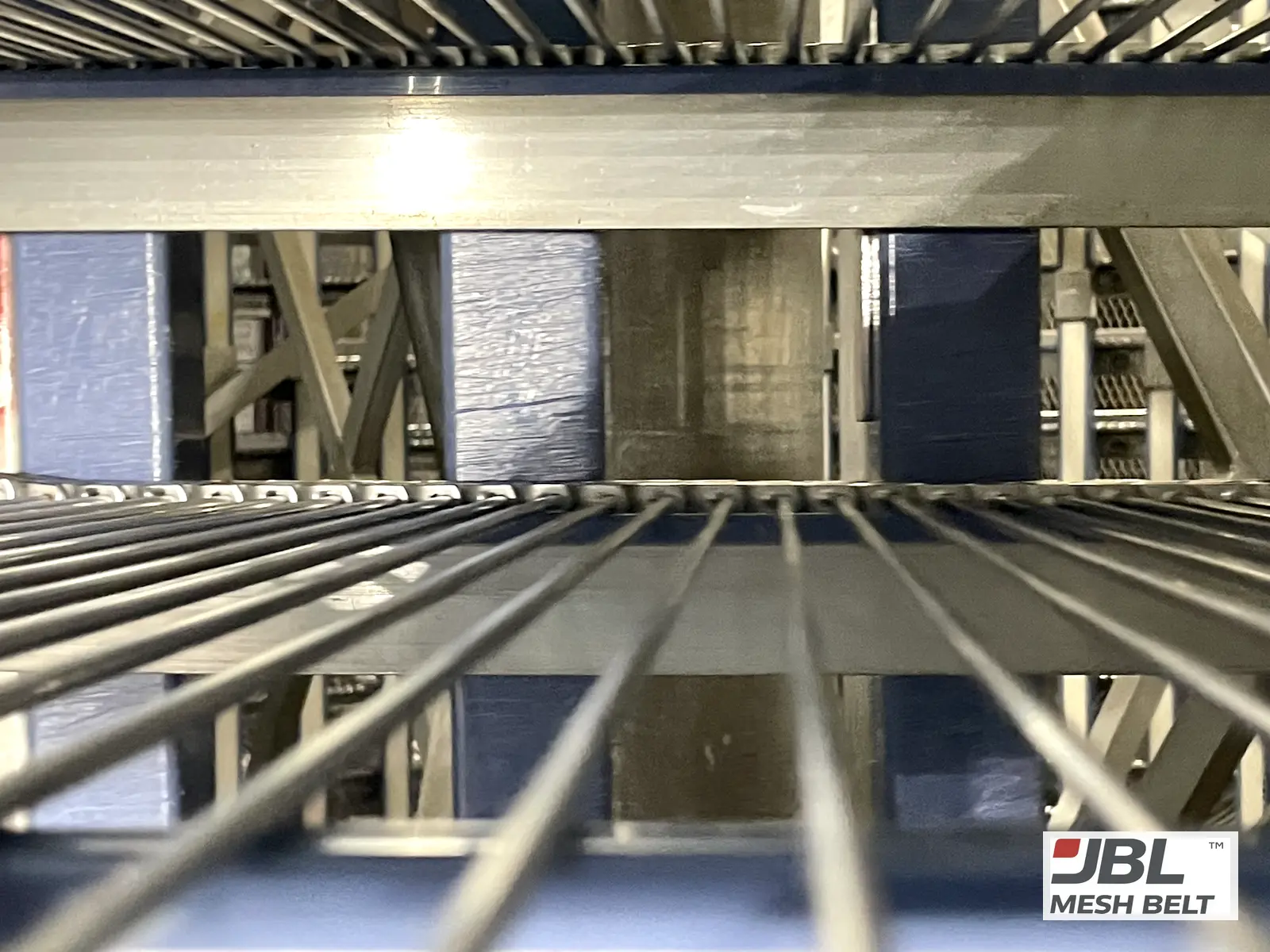
The sprocket question matters more than buyers think. A new belt on worn sprockets can jump or wear early. On many projects we measure the sprockets and run them with the new belt before packing. You can see one of these tests in our video library.
Price compared with your OEM quote
Send photos or a sample of your current belt and the length you need. I reply with what fits, what is missing and the next step.
When This Is Not the Right Choice
- ✕Your machine is under the maker's warranty and the warranty requires original parts.
- ✕You need the belt in days and cannot send a sample, photos or a drawing.
- ✕The OEM price is close to a custom-made belt once tooling is included — small quantities sometimes are.
From My Engineering Experience
Most buyers who come to me are not looking for the cheapest belt. They are looking for a belt they do not have to worry about. Price opens the conversation. Proof closes it.
That is why every project I run has the same rhythm: measure, sample, approve, test. It feels slow on day one. On day one hundred, when the belt is running, nobody remembers those extra days.
I also learned that trust grows part by part. In the US project the buyer started with the belt. After the trial run, they handed us the clips they had planned to make themselves, then the flight bars and sprockets.
— Spring, Sales Director, JBL Mesh Belt
Evidence From Our Work
United Kingdom, 2026 — 450 m OEM self-stacking replacement →
| Step | Detail |
|---|---|
| Problem | The equipment maker's replacement price was high |
| Start | A section of the original belt — no drawing |
| Proof | Sample compared and approved; turning and stacking tests |
| Result | 450 m of AISI 304 self-stacking belt |
USA, 2024 — about 700 m flat wire belt →
| Step | Detail |
|---|---|
| Problem | Replacing OEM belts locally was too costly |
| Start | Strict OEM drawing + original sample |
| Proof | Tooling adjusted; trial run approved before bulk |
| Result | Belt, clips, flight bars and sprockets supplied; no complaints reported |
FAQ
Q1Is a non-OEM replacement belt a risk for my machine?
The risk is fit. We control it by measuring your original, having you approve a sample compared with it, and testing the belt before shipment.
Q2Do I need the original drawing?
No. A section of your original belt is enough for us; a drawing helps when you have one.
Q3How much cheaper is it than the OEM?
It depends on the belt and the quantity. We confirm prices in writing in each quotation.
Q4Can you also replace the sprockets?
Yes. We measure your original sprockets, supply new ones with the belt and run them together before shipment.
Q5Do you work with integrators and equipment builders?
Yes. In our US project the buyer was an integrator supplying conveyors to its own clients.
Q6Is the original equipment maker named?
No. We never publish customer names or original equipment brands.
Conclusion
A high OEM price is not your only option. Measure the original, approve a sample, see it tested — and you get a belt that fits at a fair price.
Download the Self-Stacking Belt Technical Specification (PDF)
Specification ranges and options in mm and inch. Enter your work email and the file downloads right away.
References
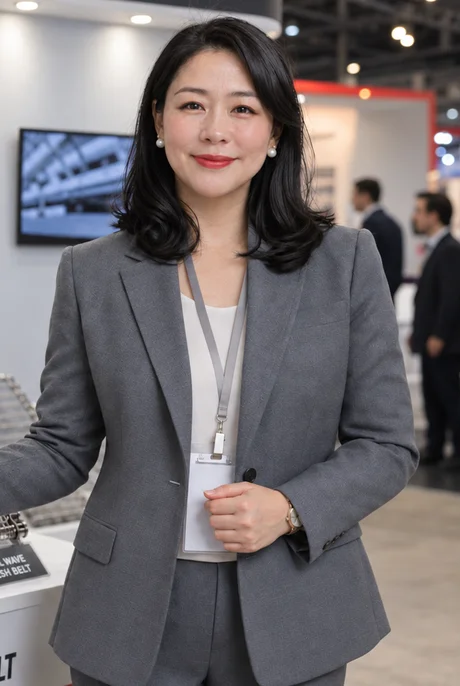
Your contact for this belt
Spring · Sales Director, JBL Mesh Belt · 16 years
“Your belt is worn, the OEM price is high, and there is no drawing. That is where I start.”
Send me a worn section, a few photos with a caliper in the picture, or a drawing. I tell you what fits, what is missing, and show you a sample measured against your own belt before you pay for the full length. Buyers in the UK, the USA, Australia, Brazil, South Korea, Spain and Malaysia have replaced belts this way.
- ✓Readings on your original next to readings on our sample
- ✓Nothing in bulk until you approve the sample
- ✓Turning, stacking or sprocket tests before your belt ships
- ✓A reply from me, usually within 8 hours