1.Test a short length on your own freezer first
About 50 m on the real freezer answered the question no drawing can: does it stack and run on this machine? The 350 m order followed the run.
A meat processor in Brazil needed a replacement belt for a self-stacking freezer. From the customer's original belt, a new belt was made, joined to the original and stacking-tested before shipment. The customer first ran about 50 m on the freezer; after that test, 350 m was ordered, the replacement was completed on site, and a second 350 m order followed.
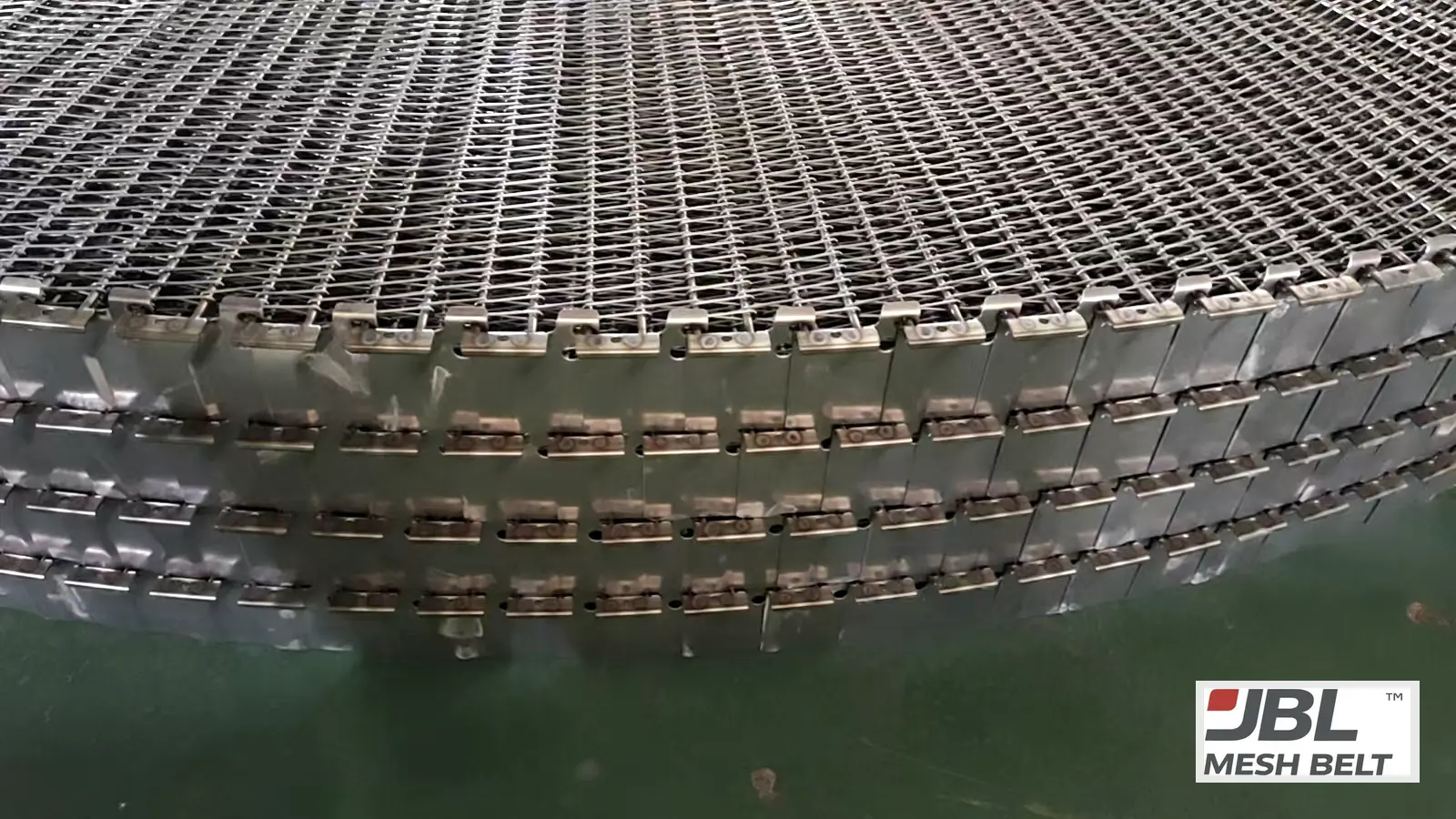
The customer sent a section of the original self-stacking belt. The new belt had to stack on the existing freezer exactly like the original: same side plates, same rods, same mesh — and it had to be proven on the line before a full order.
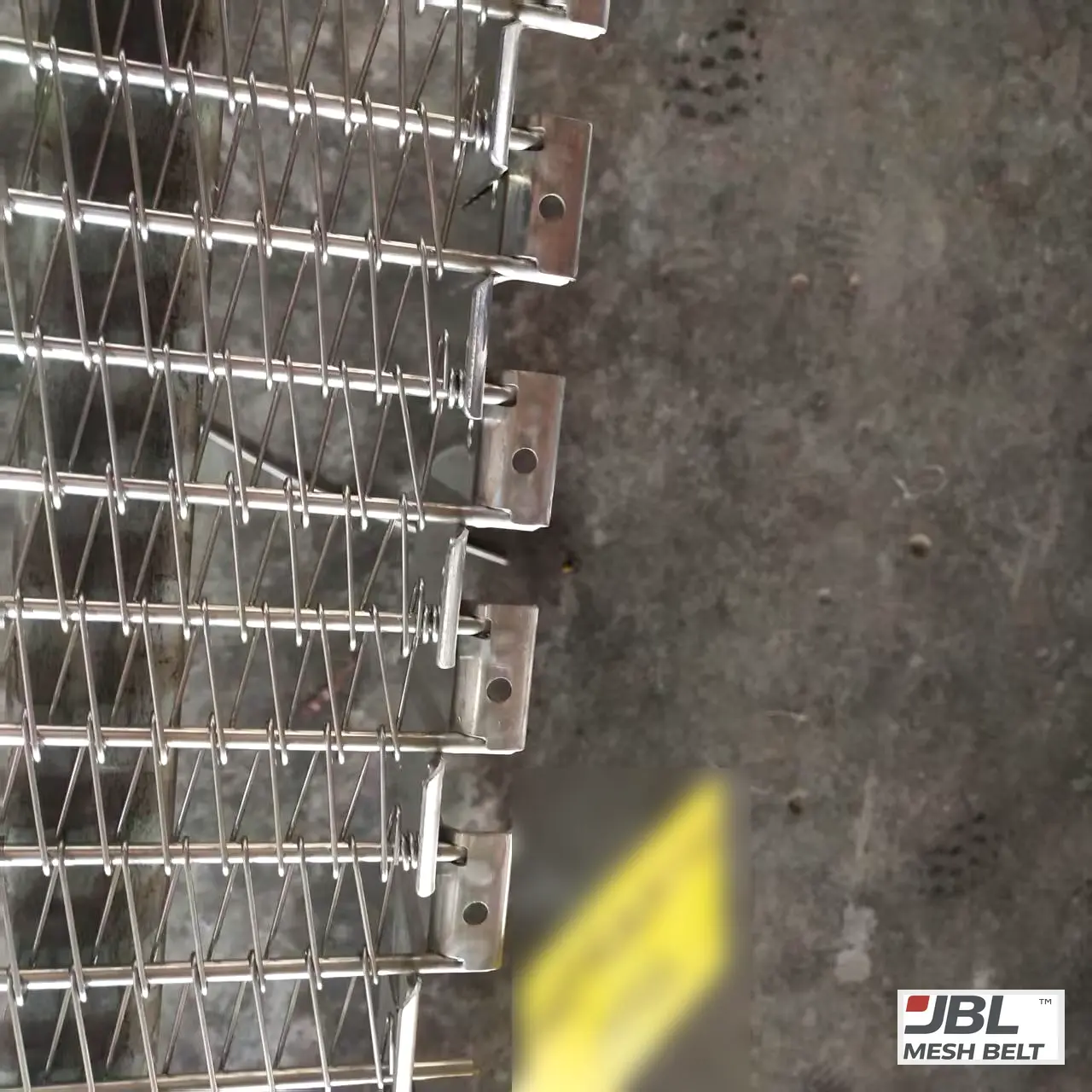
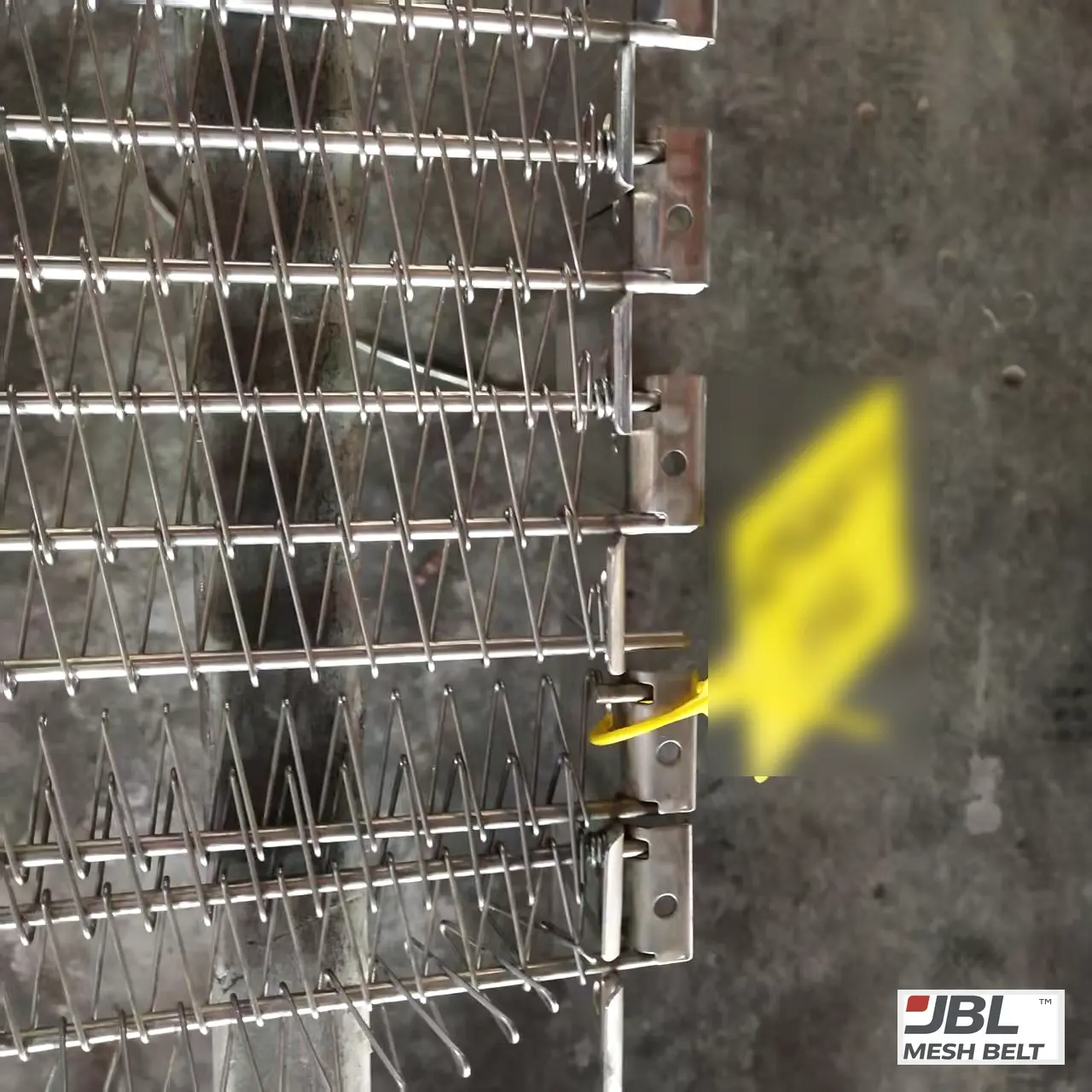
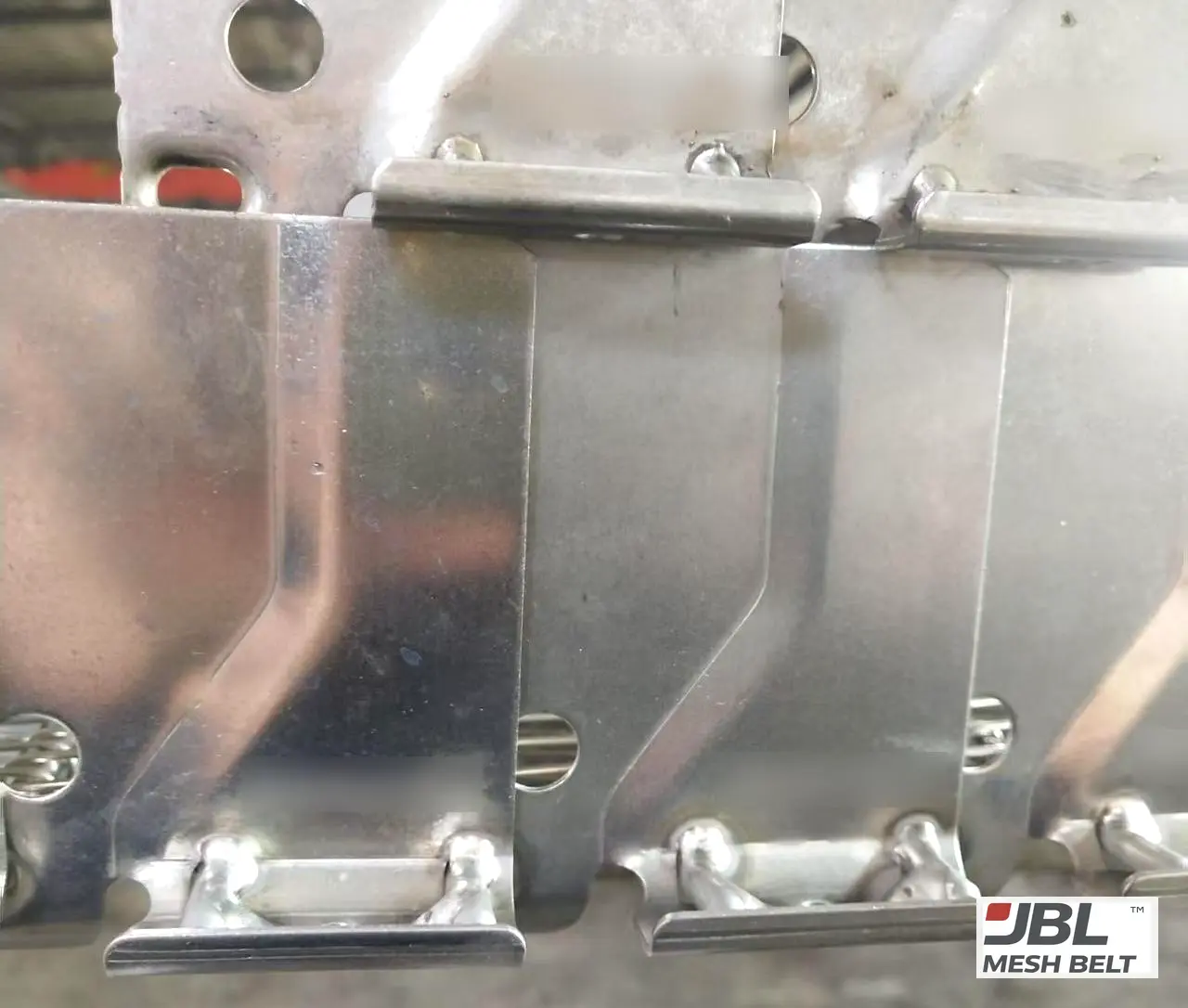
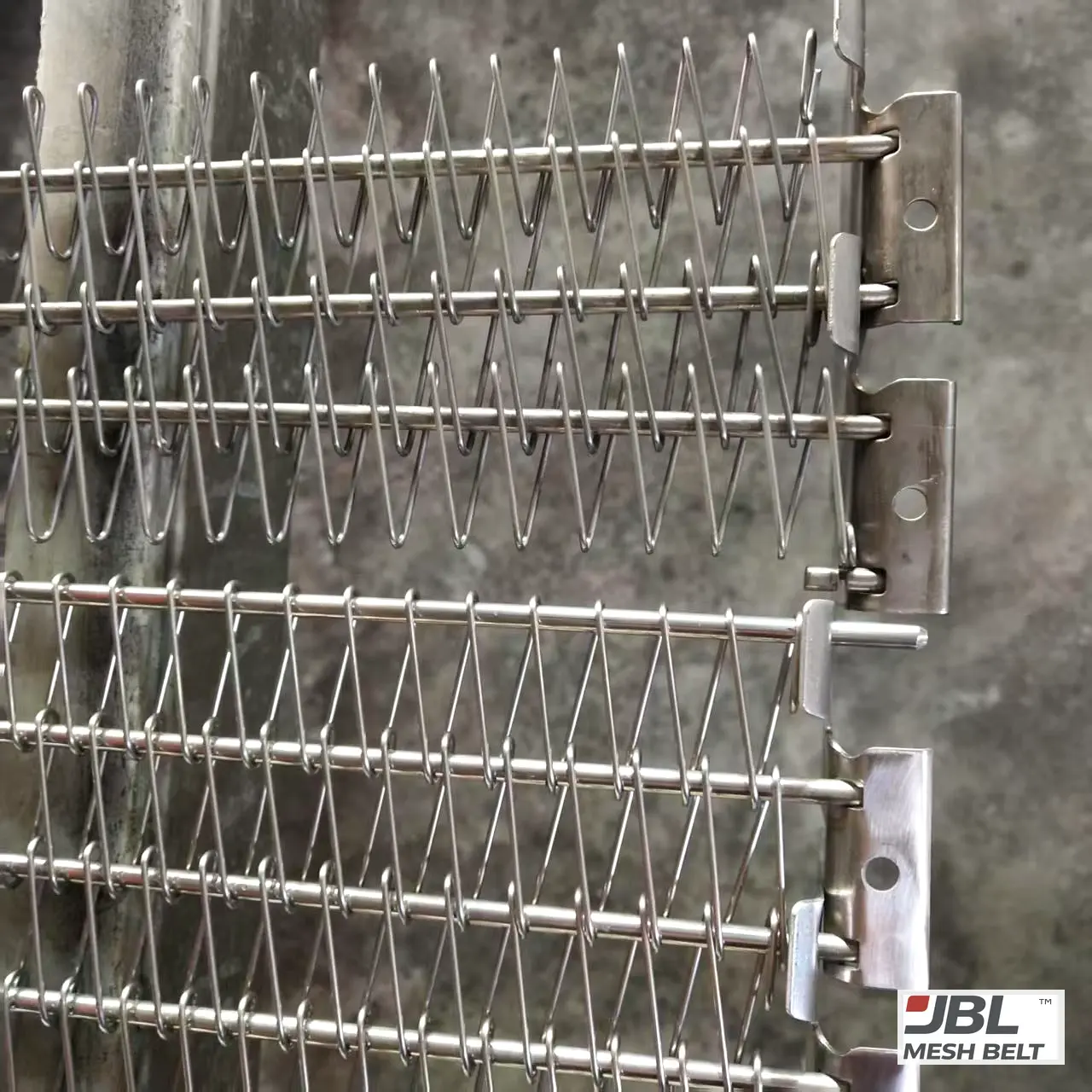
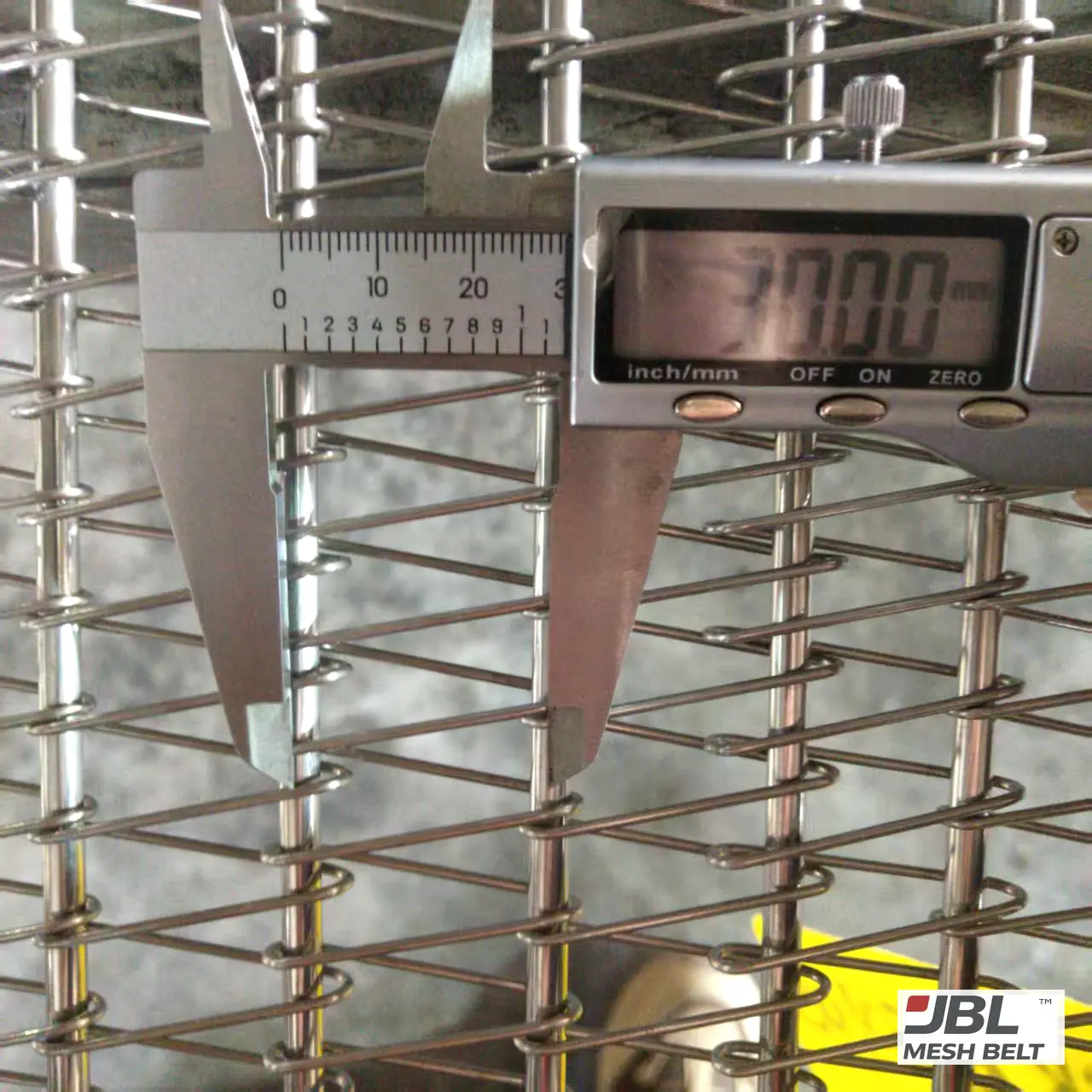
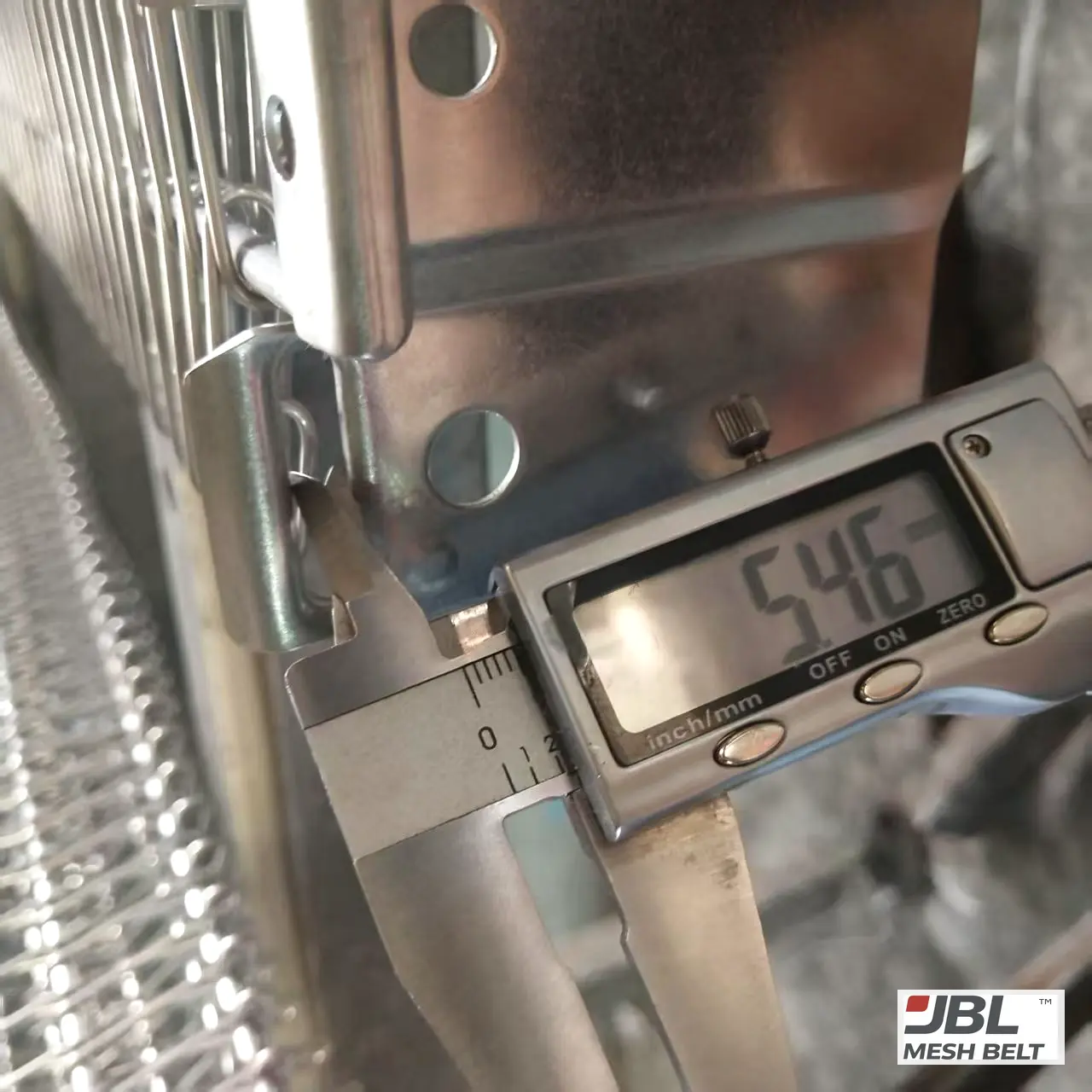
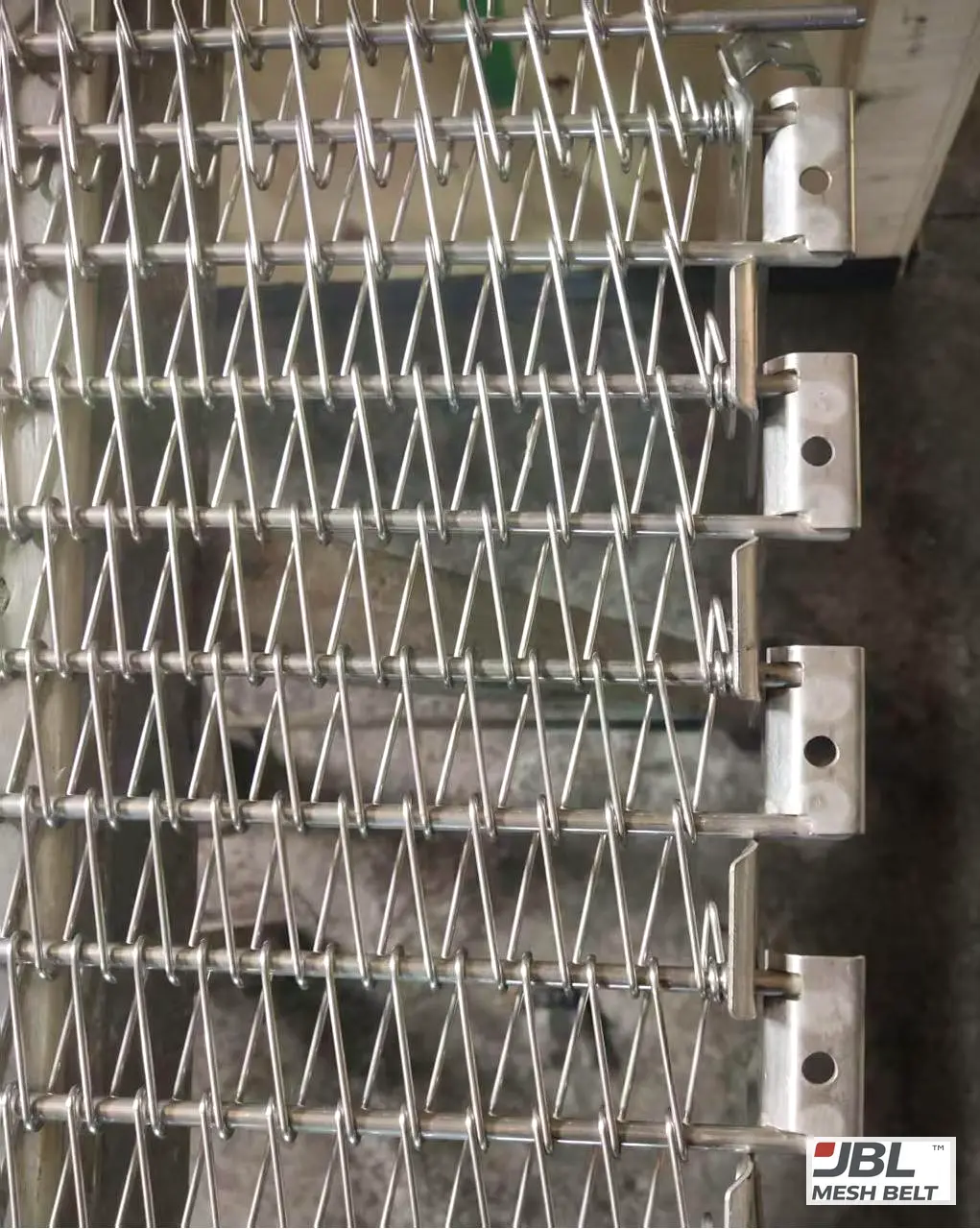
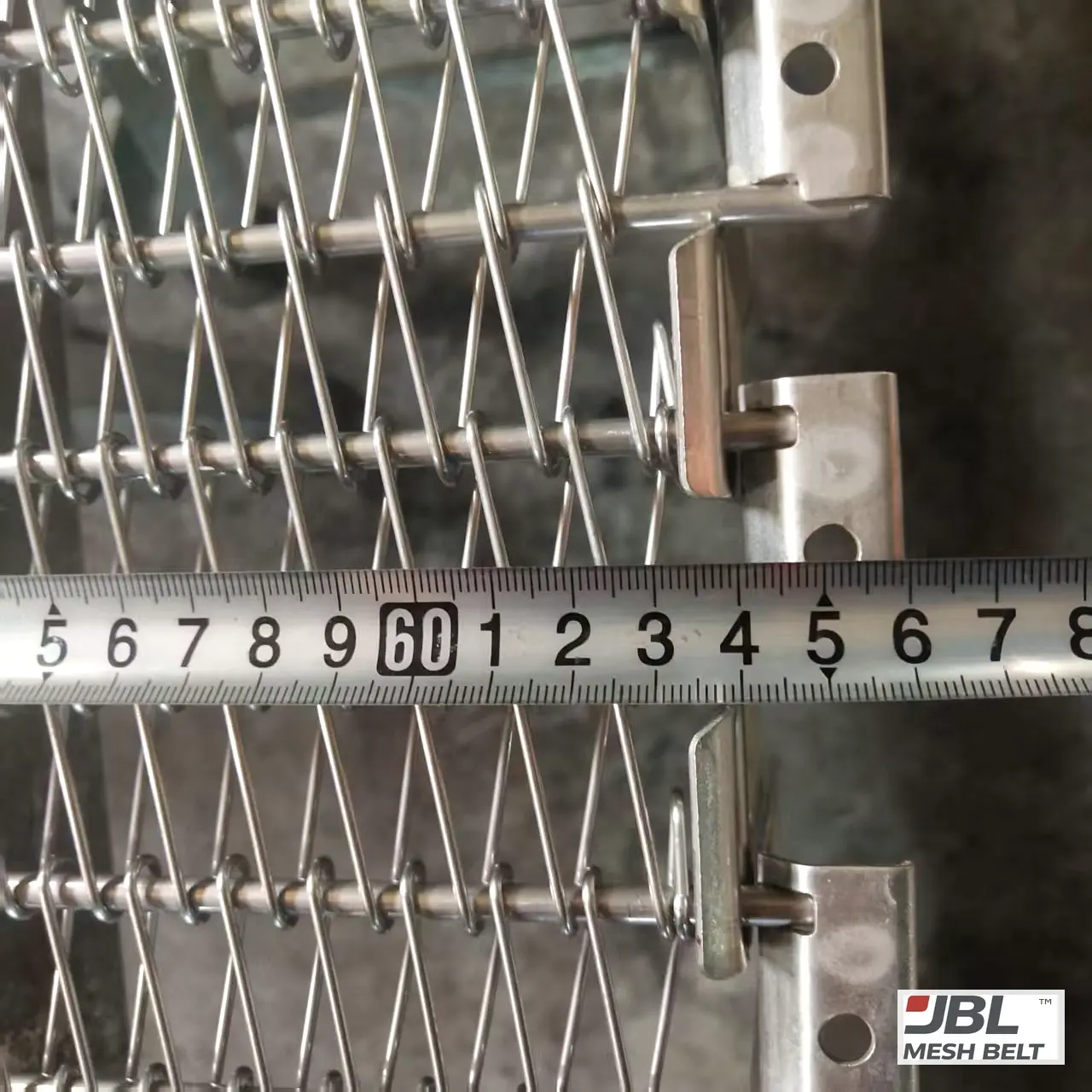
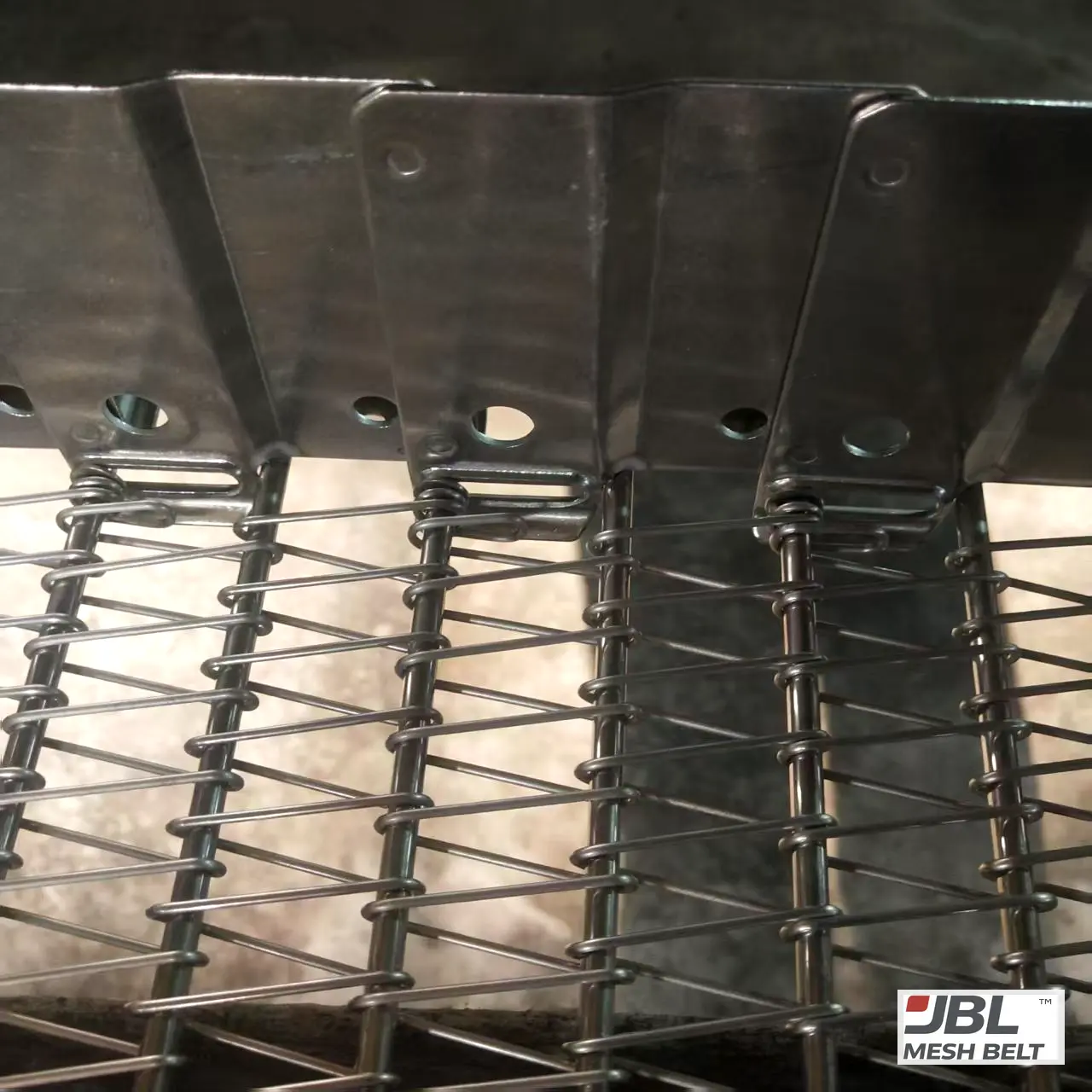
Side plate height, wire, rod and mesh were read on the original with a caliper; the new belt was made to the same values and joined to the original to check fit.
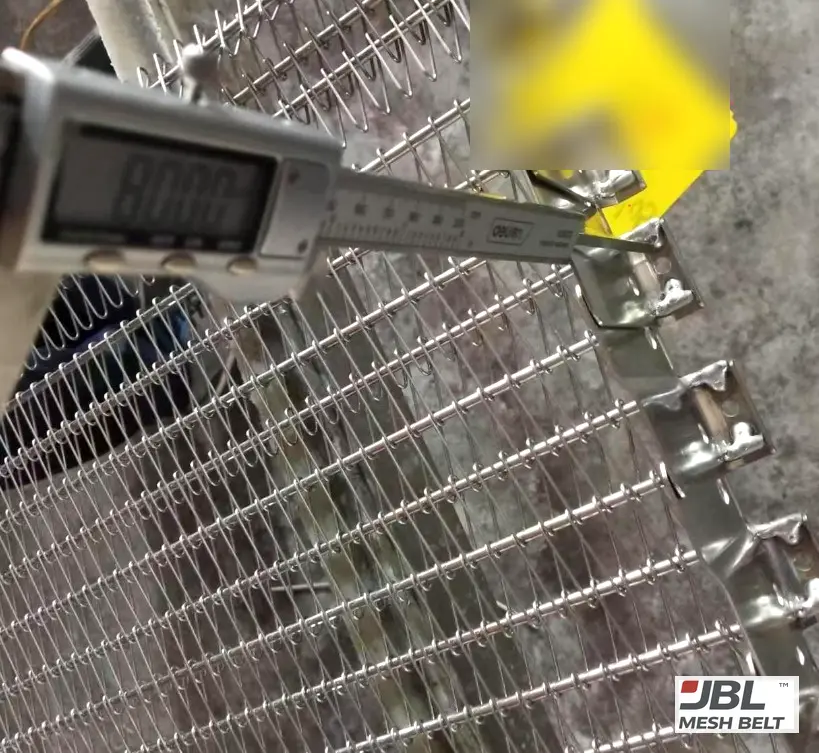
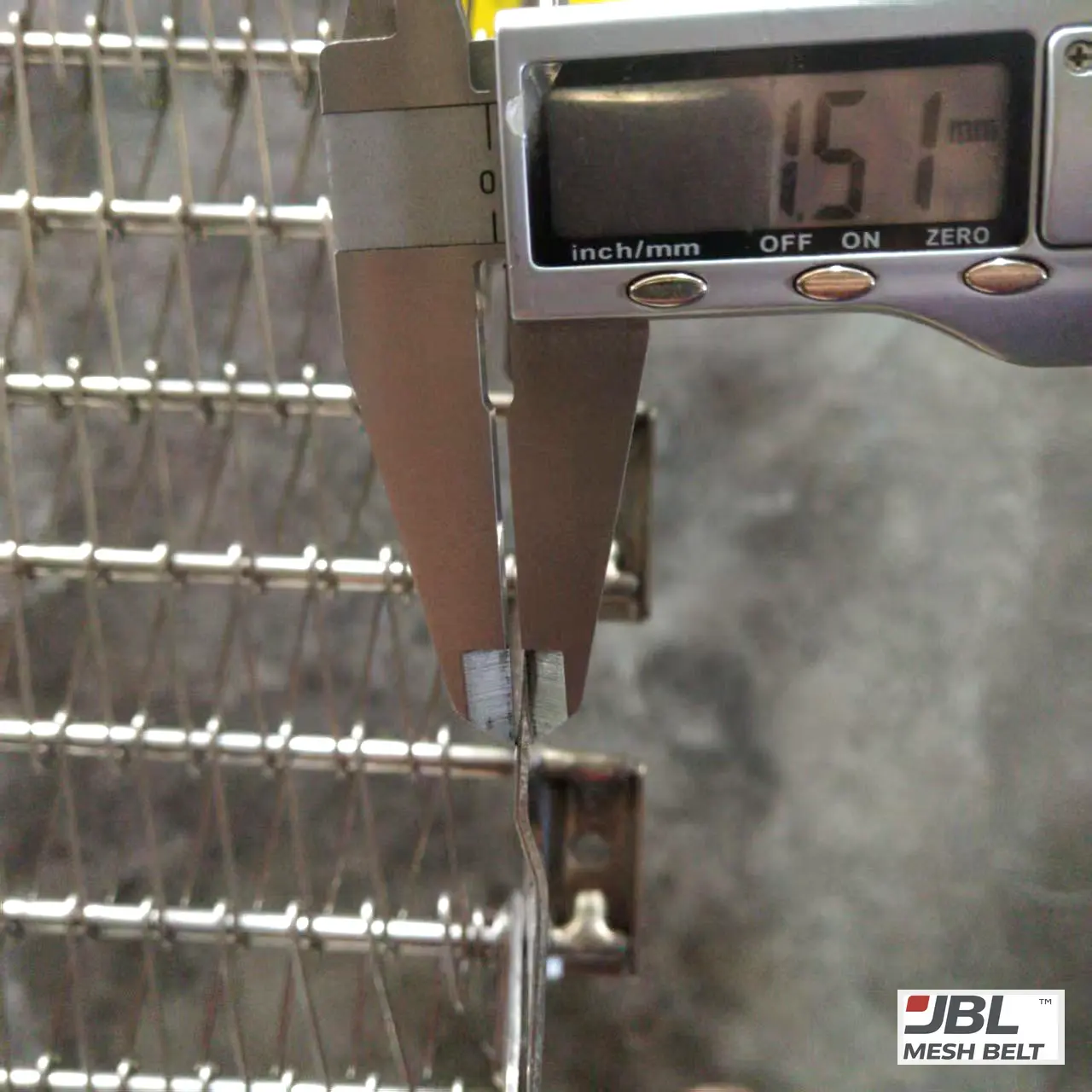
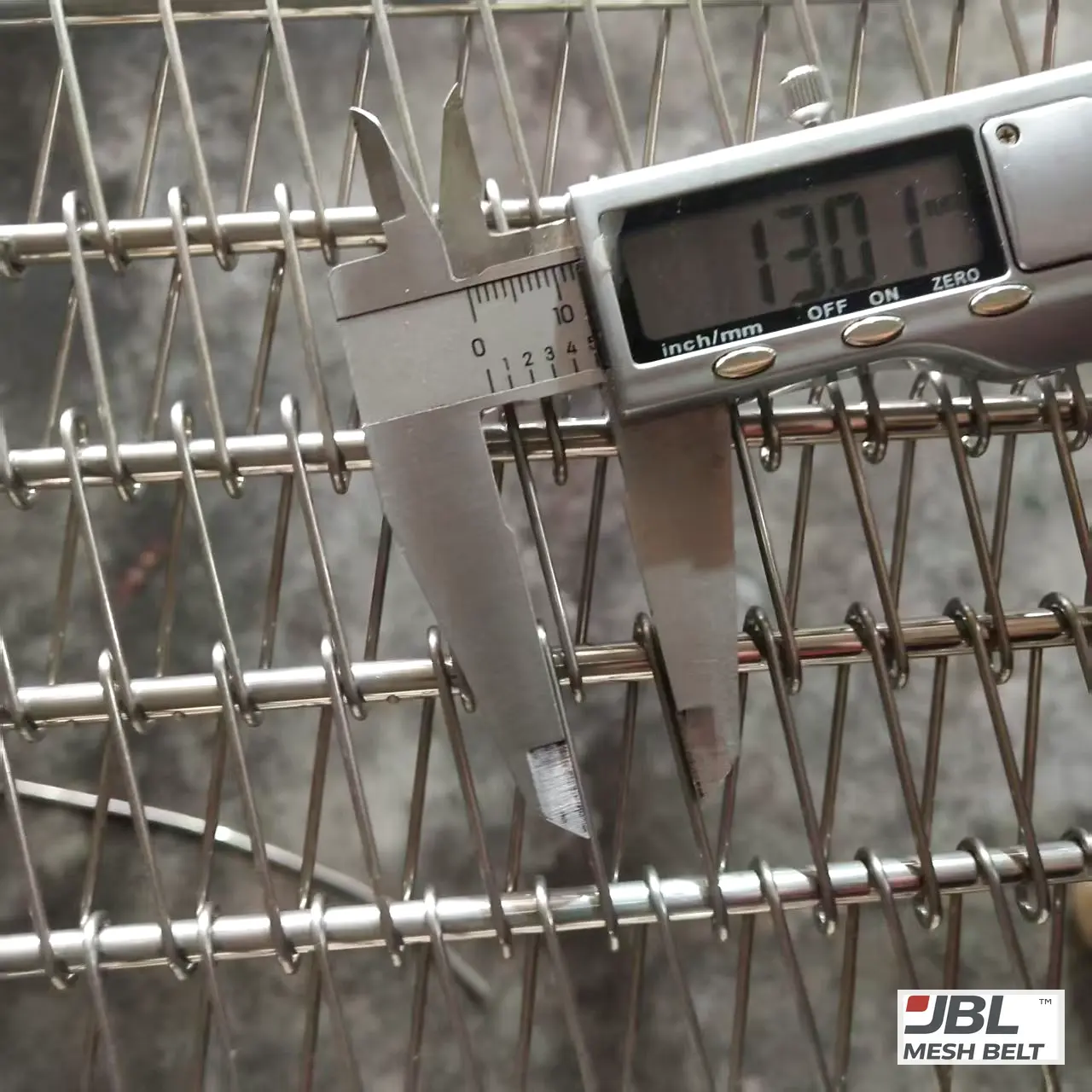
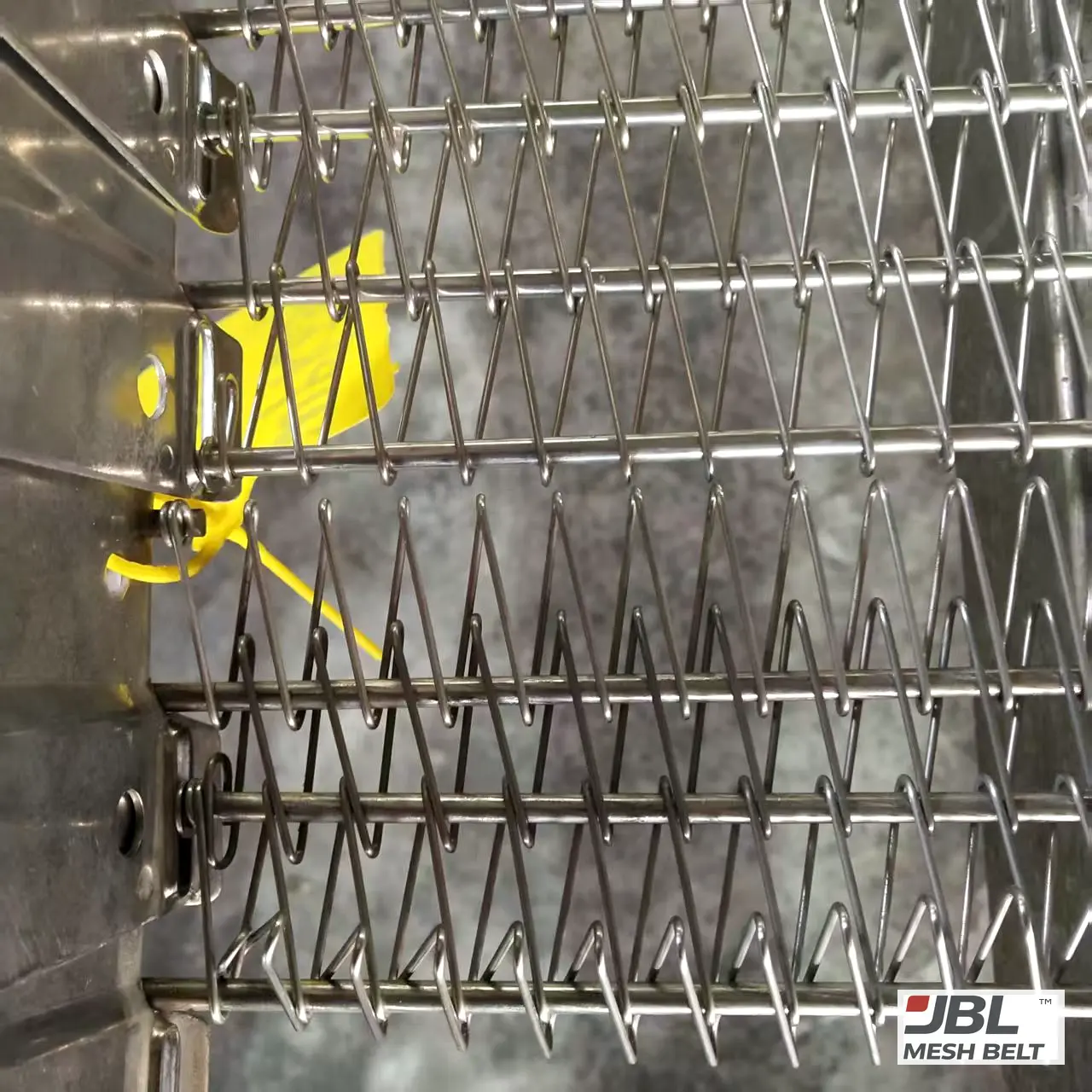
The new belt was joined to the customer's original to check pitch and side plate fit. The customer then bought about 50 m and ran it on the freezer. Only after that run did the 350 m order follow.
| Checked | Customer's original | New sample |
|---|---|---|
| Material | Stainless steel | SUS304 |
| Side plate height | 80 mm | 80 mm · 1.5 mm thick |
| Rod · wire | Measured | Rod 5 mm · wire 1.5 mm |
| Rod pitch · wire pitch | Measured | 30 mm · 13 mm |
| Width | Measured | 660 mm |
| Proof on the line | — | About 50 m run on the customer's freezer |
Caliper readings from the photos below. Final values follow the drawing confirmed with the buyer.
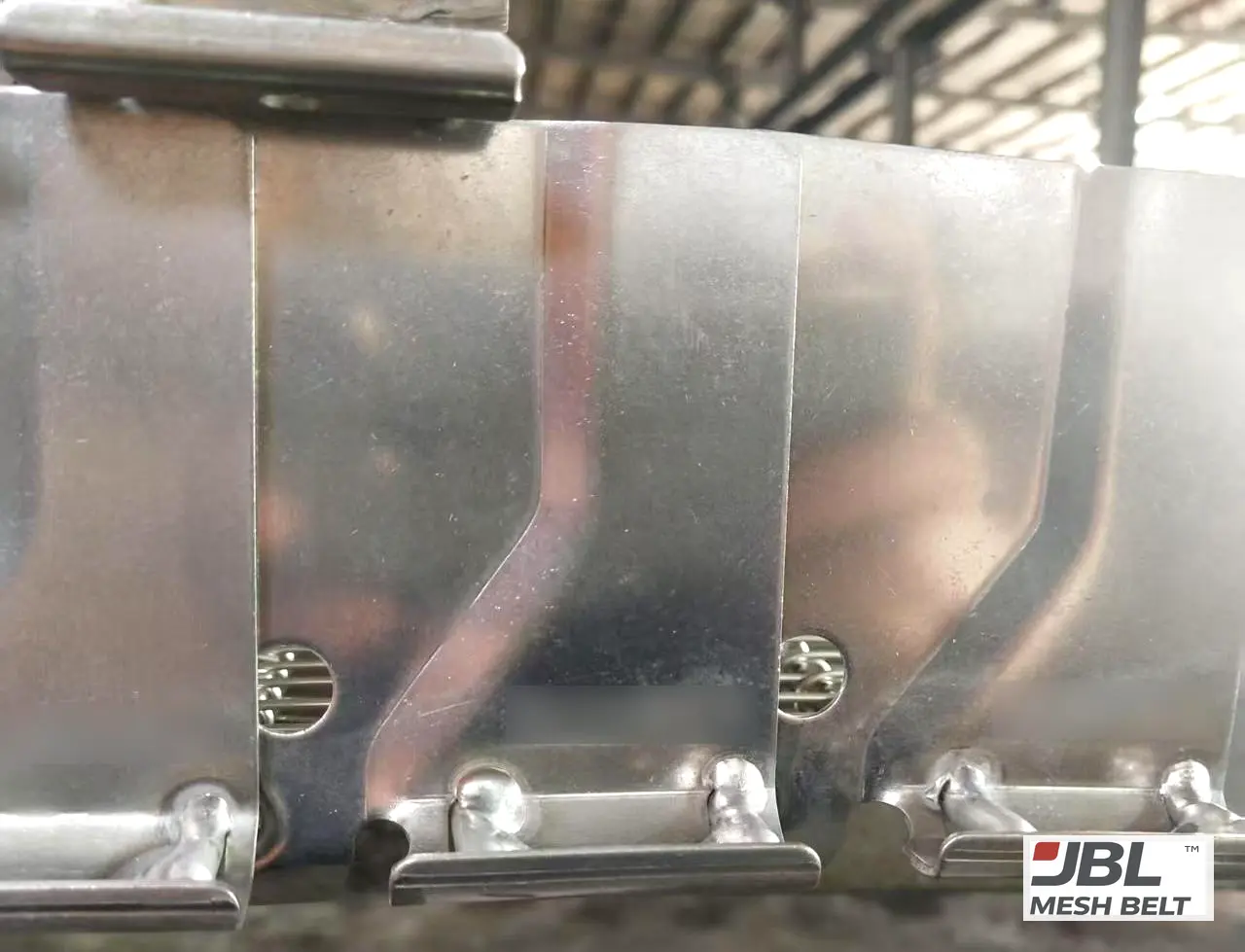
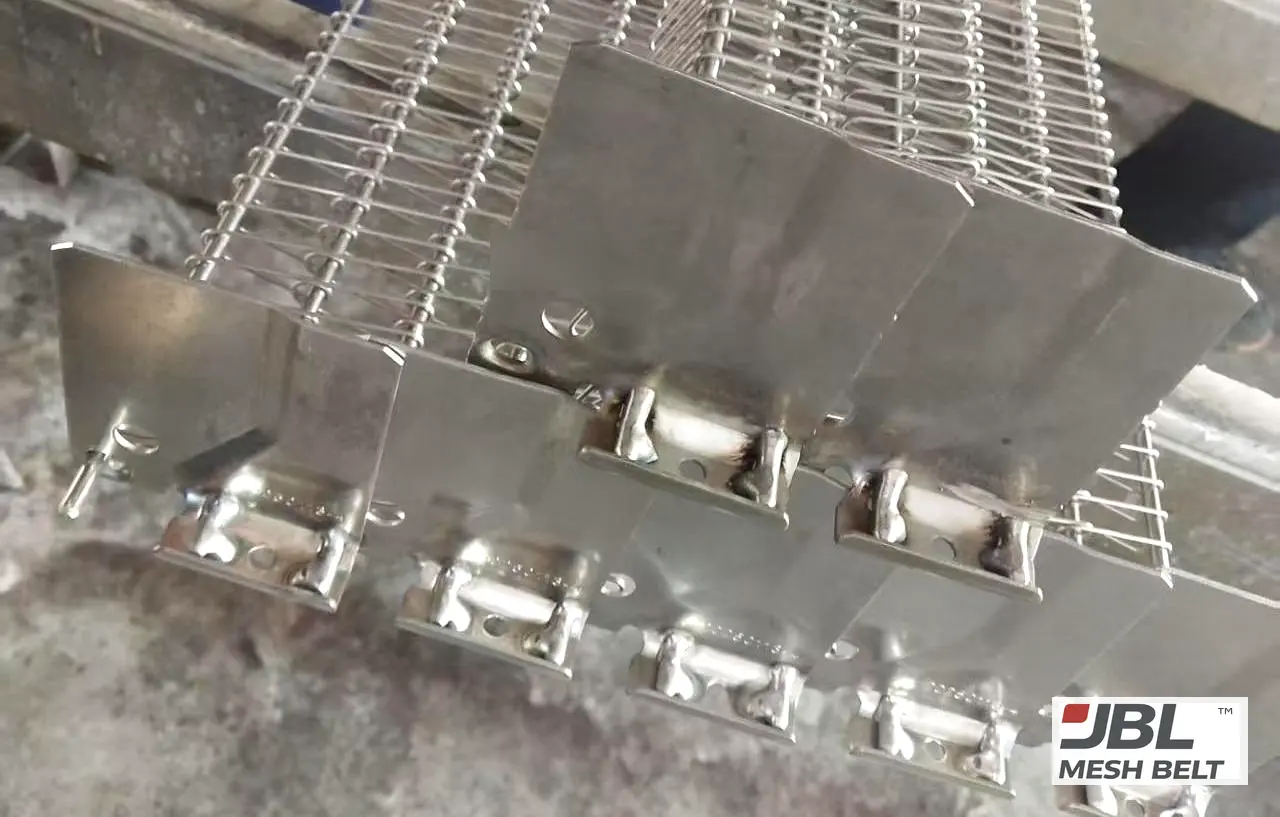
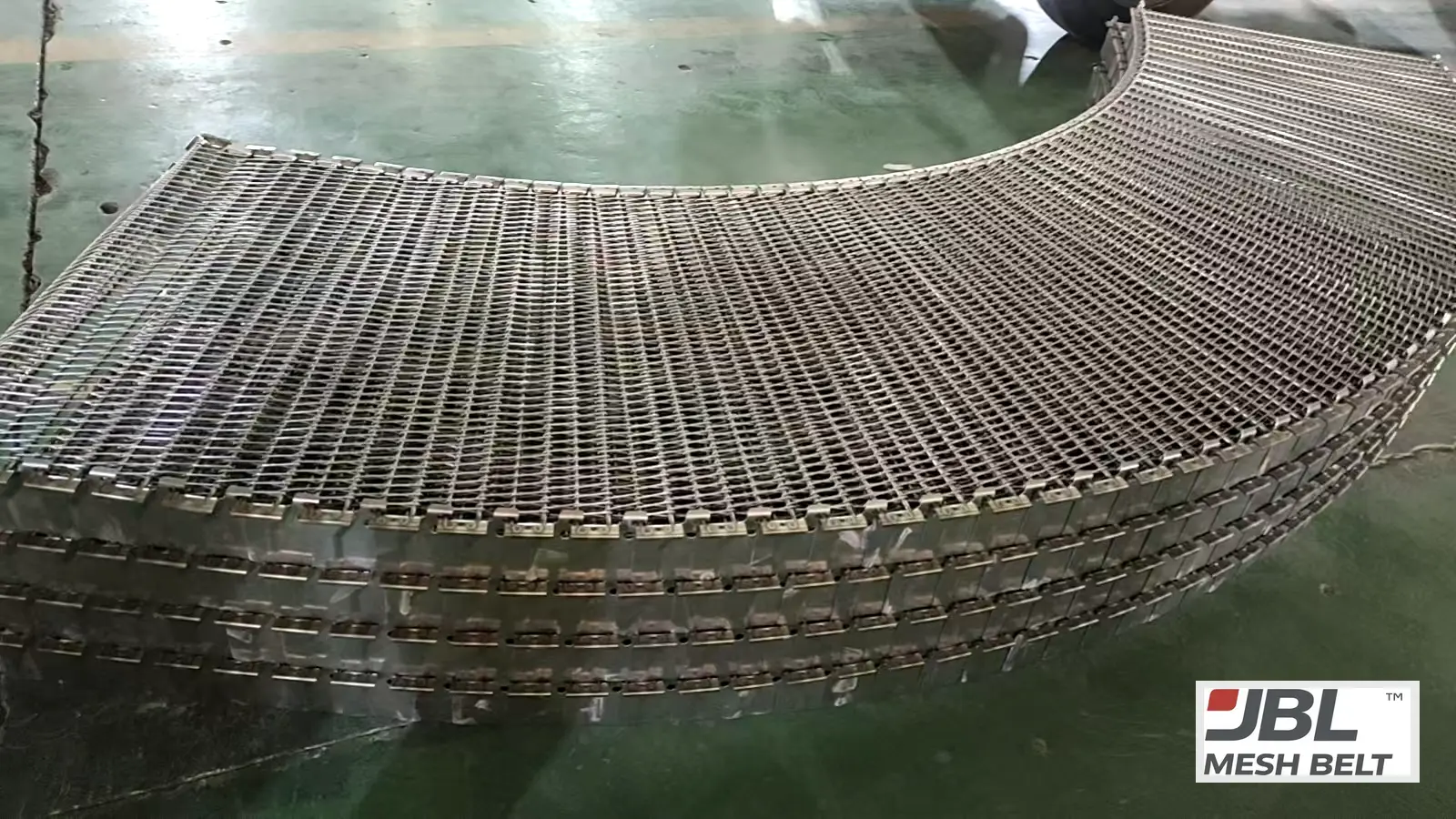
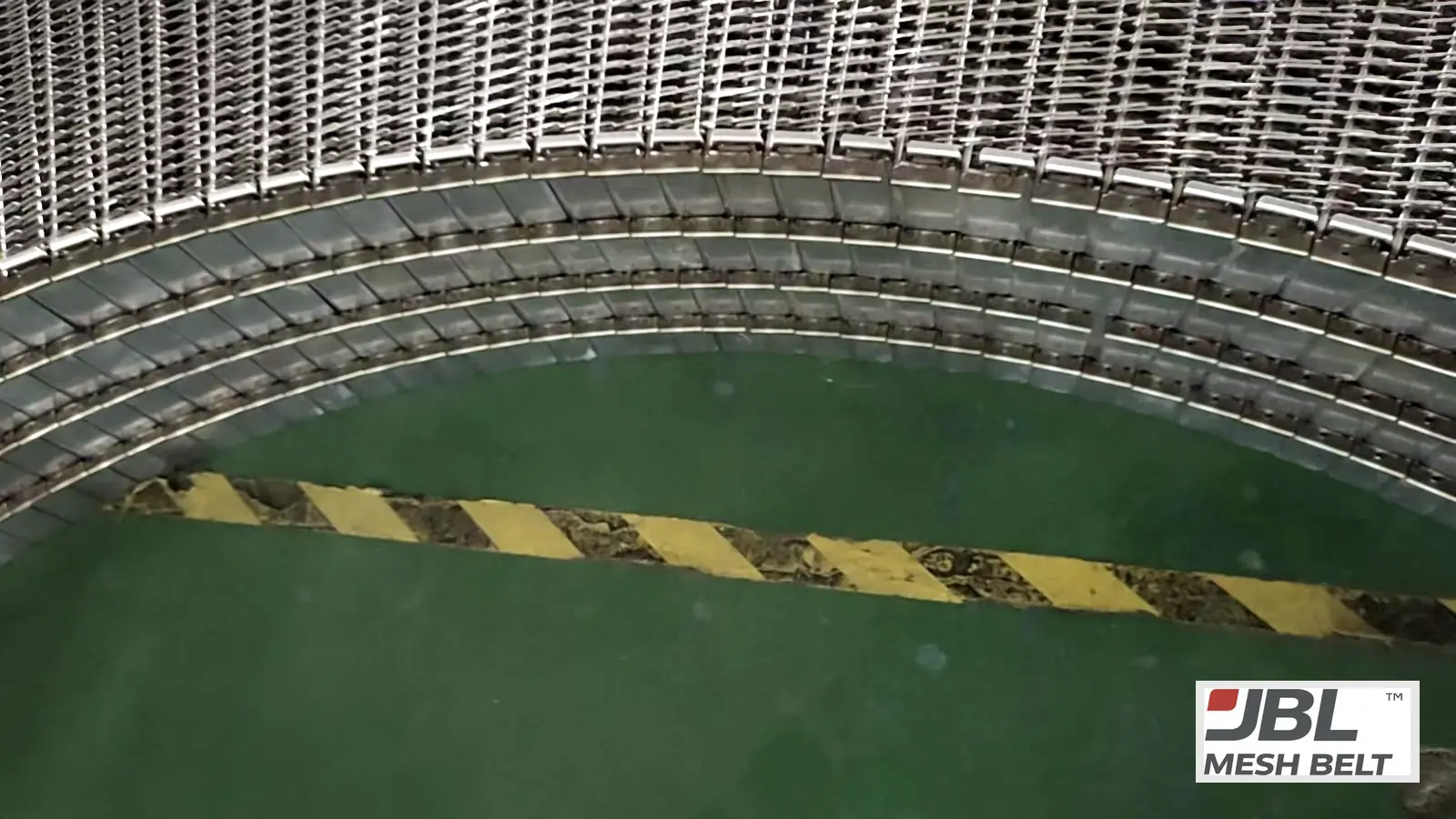
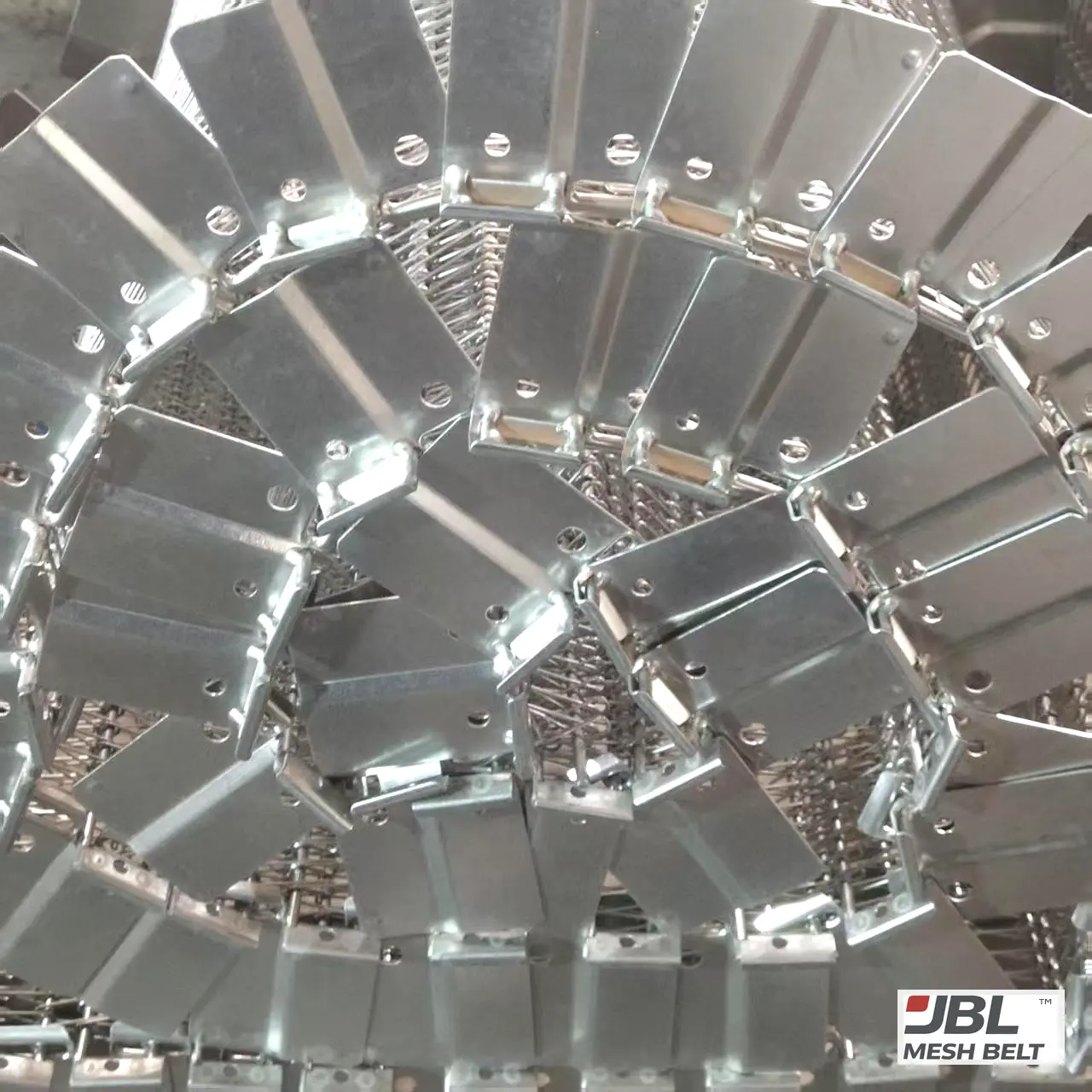
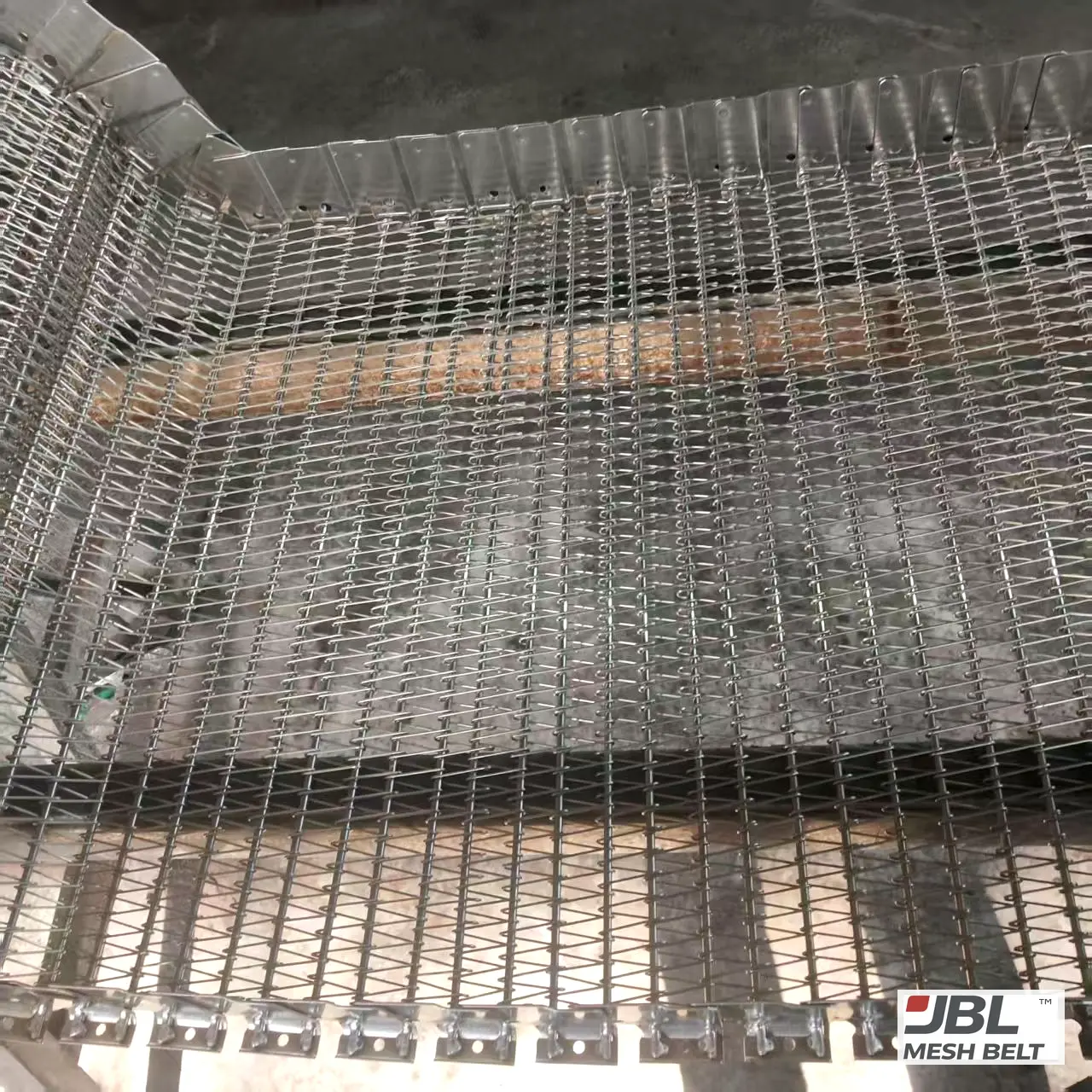
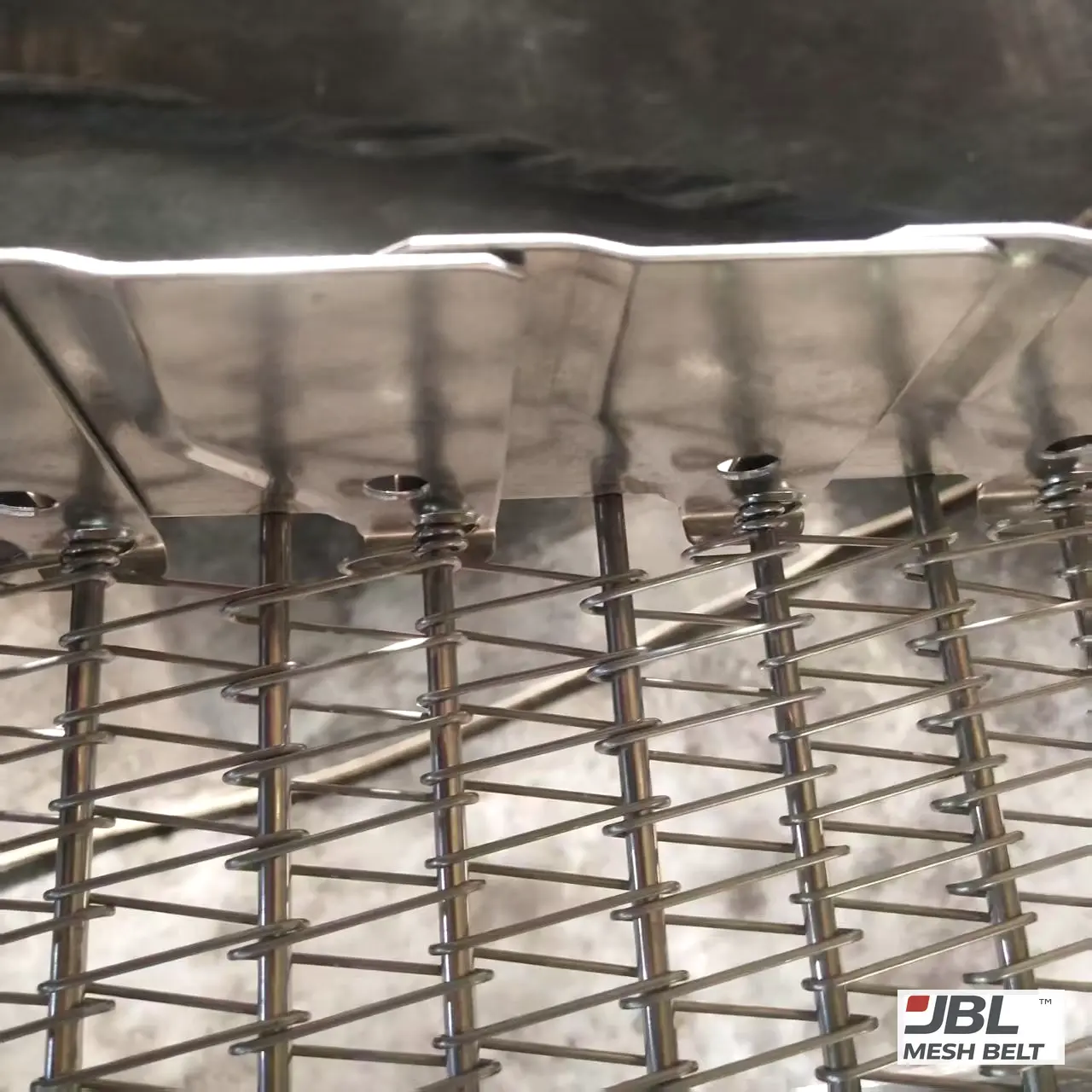
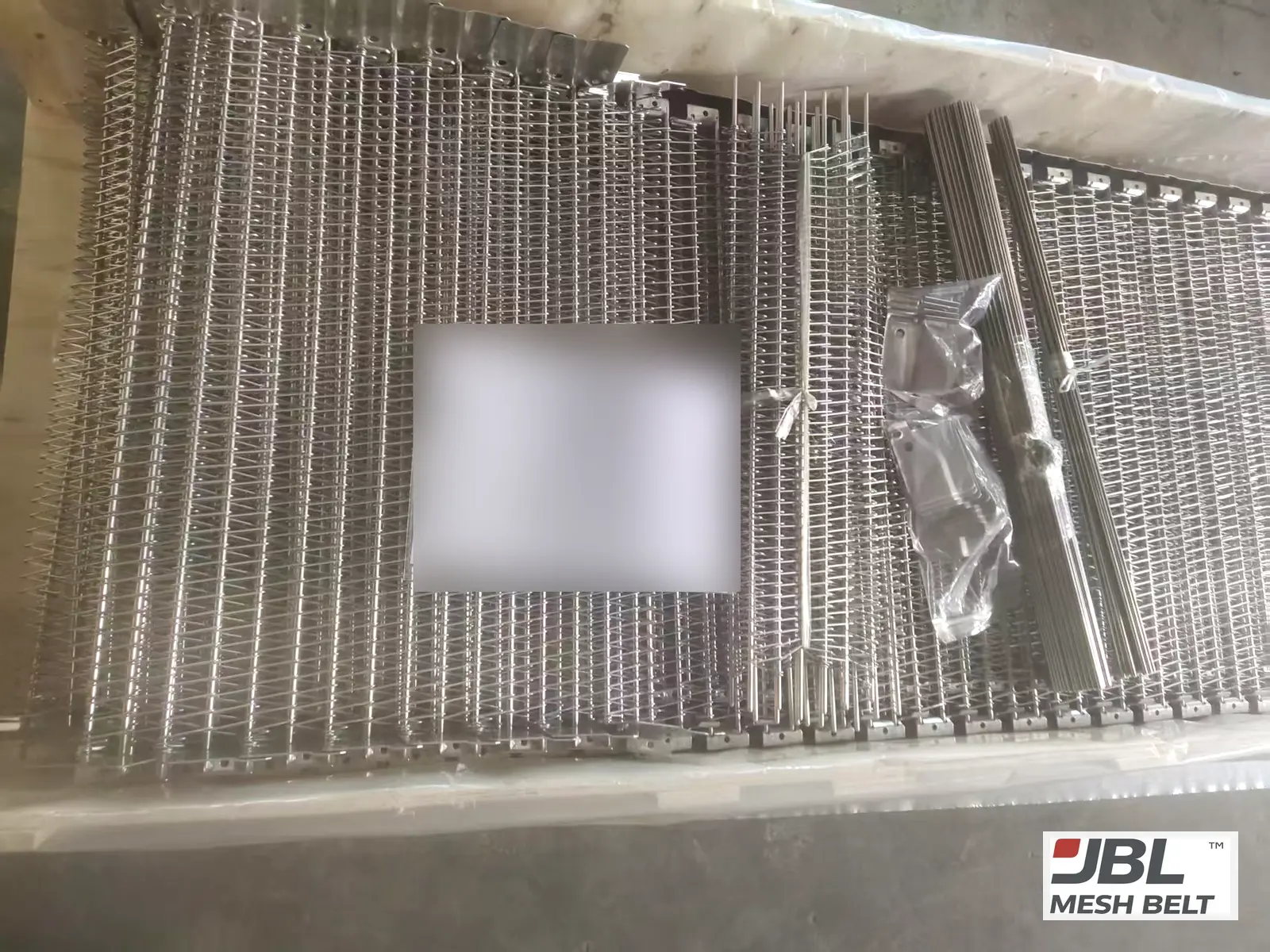
Before the crates were closed, the bulk belt was laid on a curve and stacked tier on tier to check that the side plates sit and turn correctly.
| Location · year | Brazil · December 2025 |
|---|---|
| Industry · equipment | Meat processing · self-stacking freezer |
| Starting point | Section of the customer's original belt |
| Belt supplied | Self-stacking belt, SUS304, 660 mm wide, side plate 80 × 1.5 mm, rod 5 mm, wire 1.5 mm, rod pitch 30 mm, welded edge, pickled |
| Checked before shipment | New belt joined to the original; stacking test on a curve; caliper and tape checks |
| Proof on the line | About 50 m run on the customer's freezer before the main order |
| Result | 350 m ordered and replaced on site; a second 350 m ordered after |
1.Test a short length on your own freezer first
About 50 m on the real freezer answered the question no drawing can: does it stack and run on this machine? The 350 m order followed the run.
2.Join the new belt to the original
Linking a new section into the customer's belt shows pitch and side plate fit directly, before any bulk production.
3.Stack it before it ships
Laying the bulk belt on a curve and stacking tiers shows side plate fit and direction before the crates are closed.
4.The repeat order is the result
After the first 350 m was installed, the customer ordered another 350 m — the clearest sign the replacement worked.
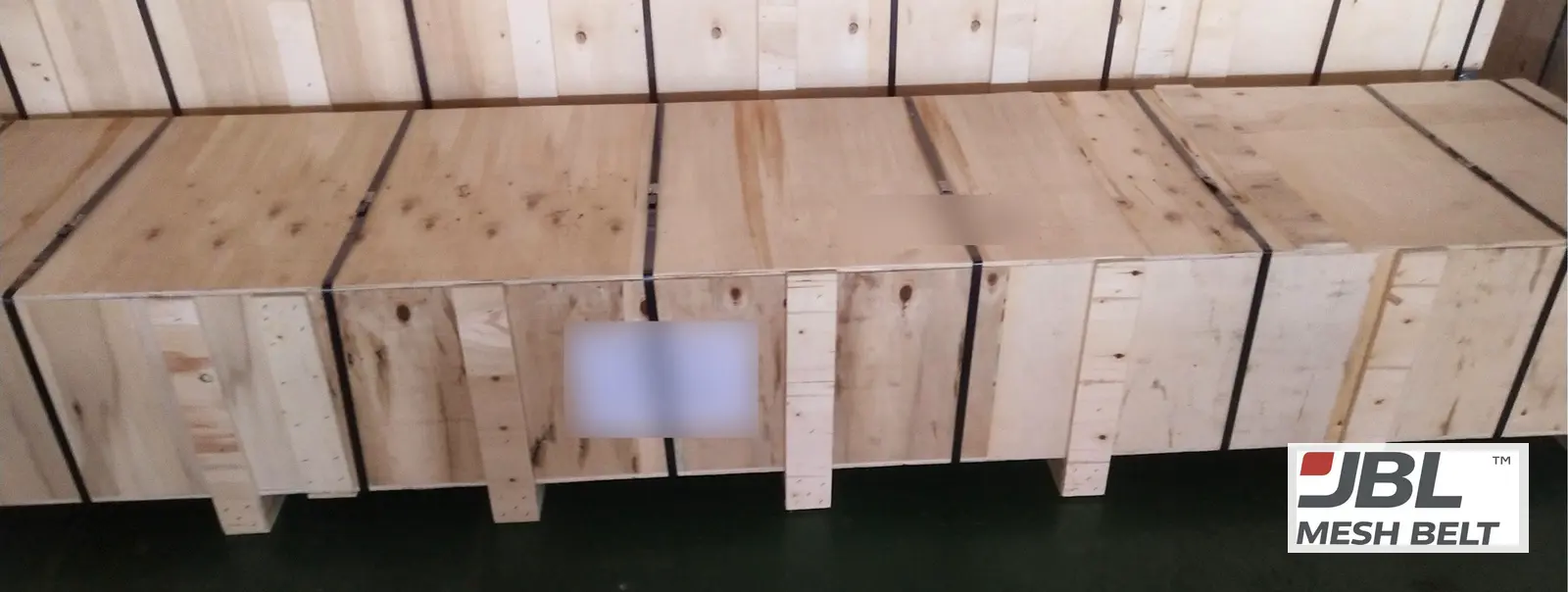
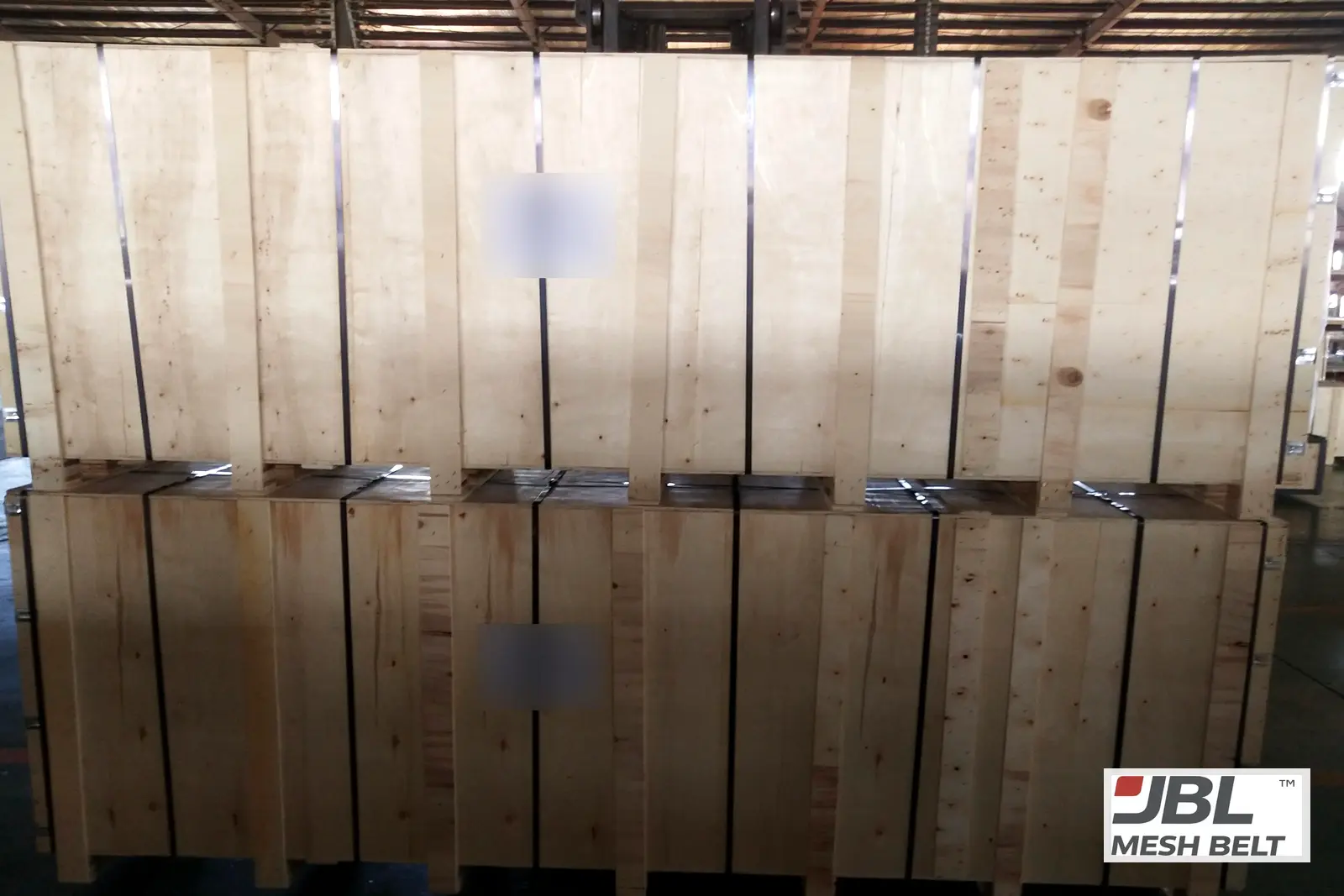
✓ Evidence on this page: photos of the customer's original belt, original-vs-new comparisons, caliper readings, the new belt joined to the original, stacking-test photos and export packing. Customer name, order numbers and the original belt brand are withheld.
Replacing a self-stacking freezer belt?
Send a short section of the old belt, or photos with a caliper in the picture — usually a reply within 8 hours.
Yes. Side plate height, rod, wire and pitch are measured on the original, and a new section is joined to it to check fit before bulk production.
Yes. In this project the customer ran about 50 m on the freezer first, then ordered 350 m.
Yes. The bulk belt is laid on a curve and stacked tier on tier before the crates are closed; photos are shared with the buyer.
No. Cases show country and year only; the customer, order numbers and the original belt brand are not published.