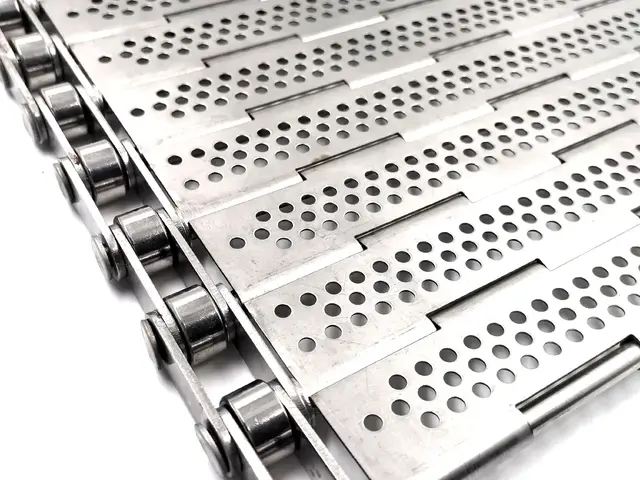
Spiral and self-stacking freezing
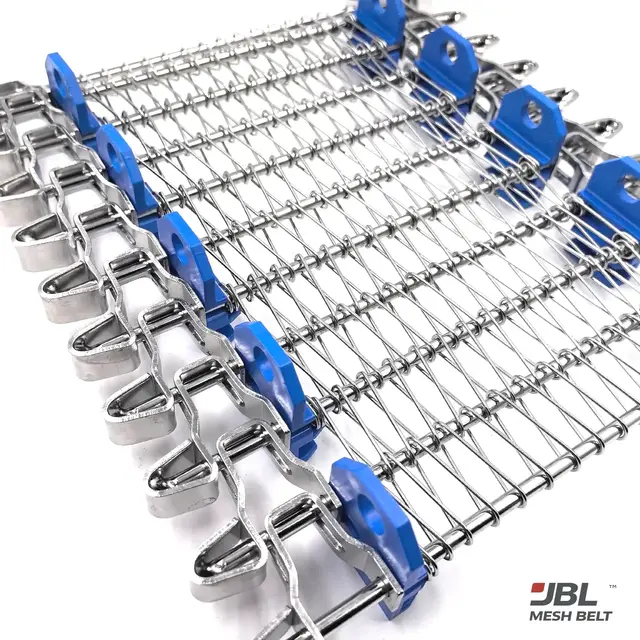
Spiral freezer, self-stacking or side-driven belts — matched to the drum, the turn ratio and the tier height for the product.
Checked first: Drum and turn ratio · Tier height and product clearance · Direction
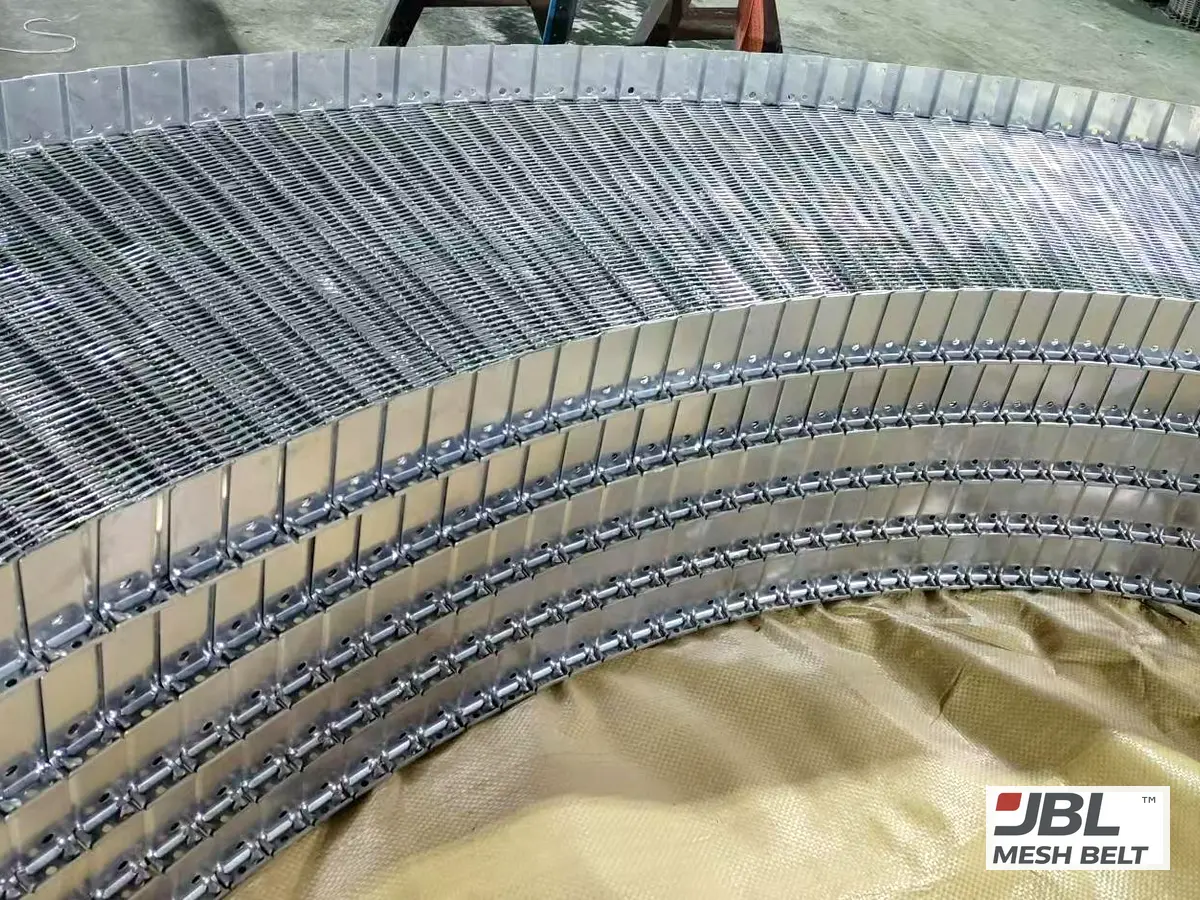
A meat conveyor belt is a stainless steel metal belt matched to the machine on a meat, poultry or plant-based line. Spiral freezers use spiral freezer or self-stacking belts; fryers and cookers use eye link or chain-driven belts; cooling and transfer use flat wire, balanced weave or plate link belts. The belt must fit the drum or sprockets, carry the product without marking it, and stand up to cleaning.
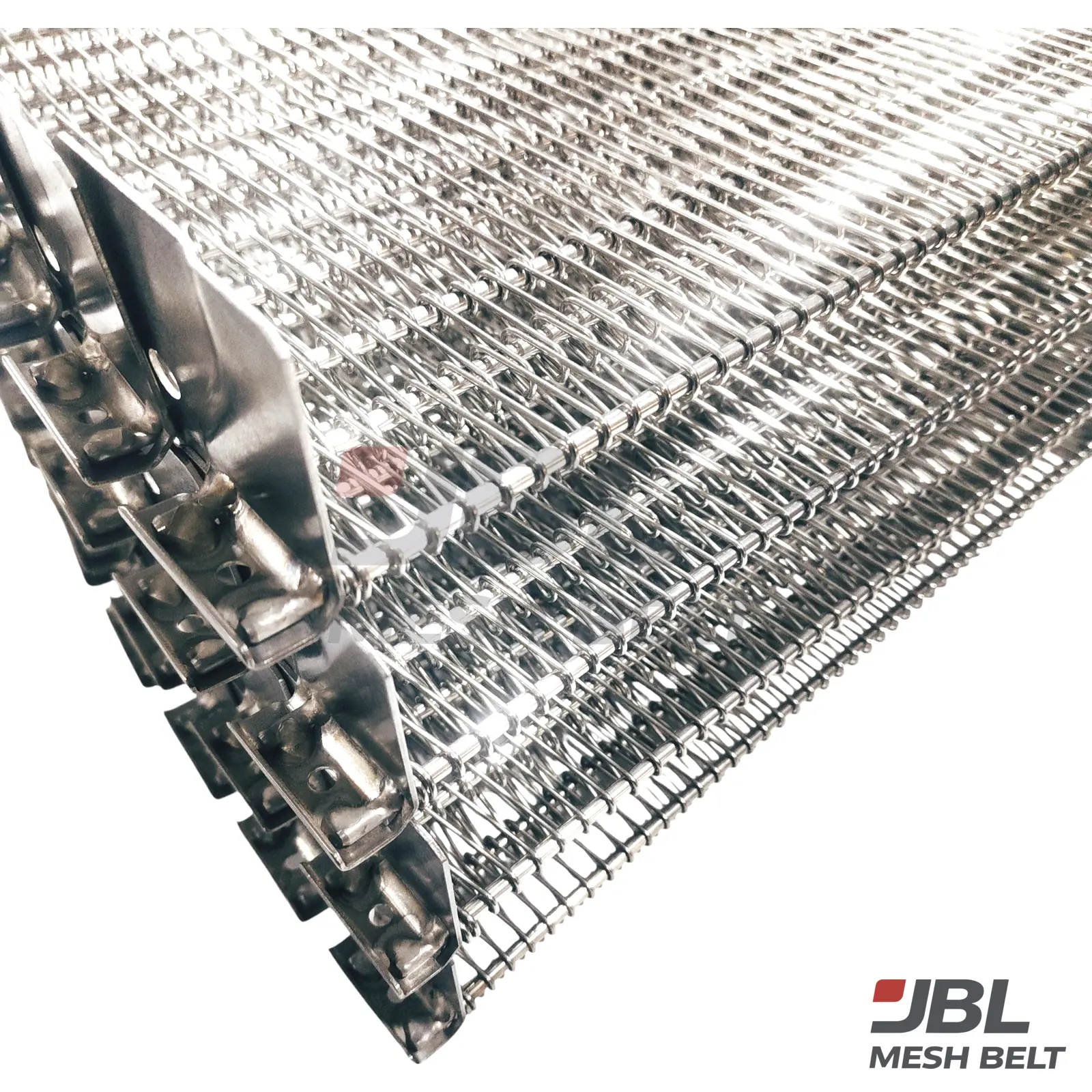
Freezers and coolers are matched to the drum and direction; fryers and ovens to the chain, pitch and material.
Spiral freezer, self-stacking or side-driven belts — matched to the drum, the turn ratio and the tier height for the product.
Checked first: Drum and turn ratio · Tier height and product clearance · Direction
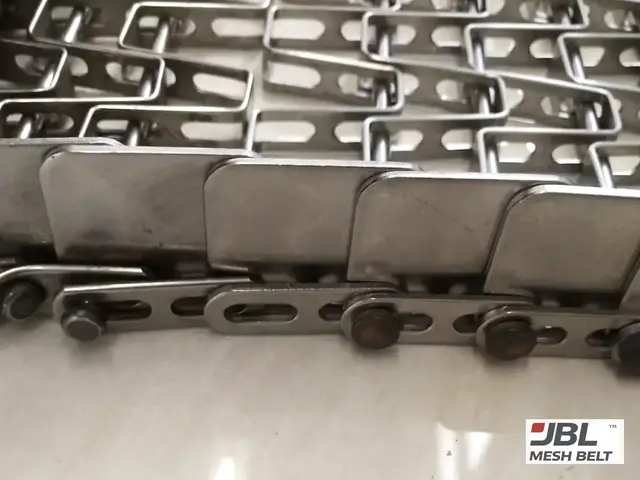
Eye link and chain-driven belts for continuous fryers and cookers; flights or hold-down plates where the product must stay submerged.
Checked first: Oil or cooking temperature · Chain pitch and flights · Material
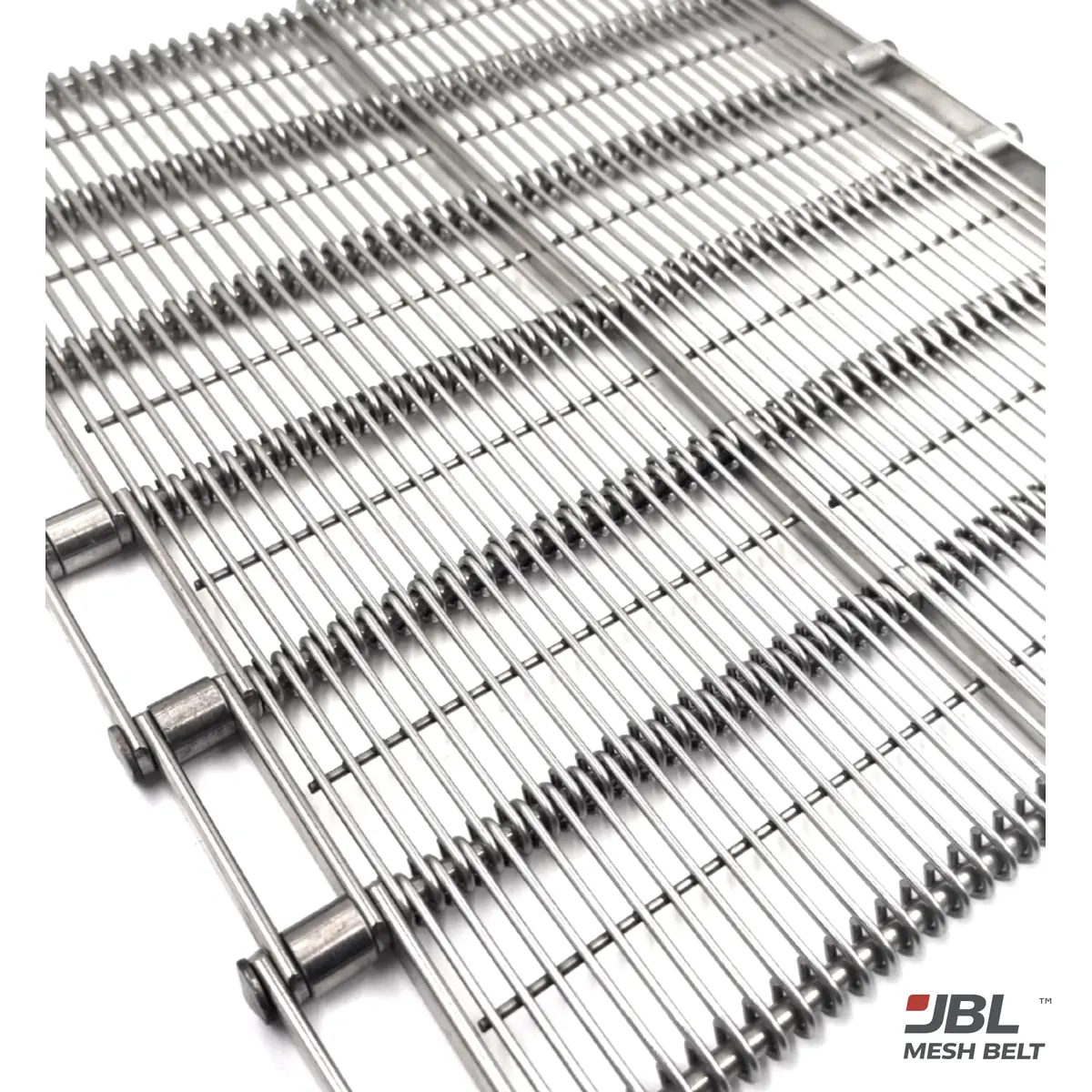
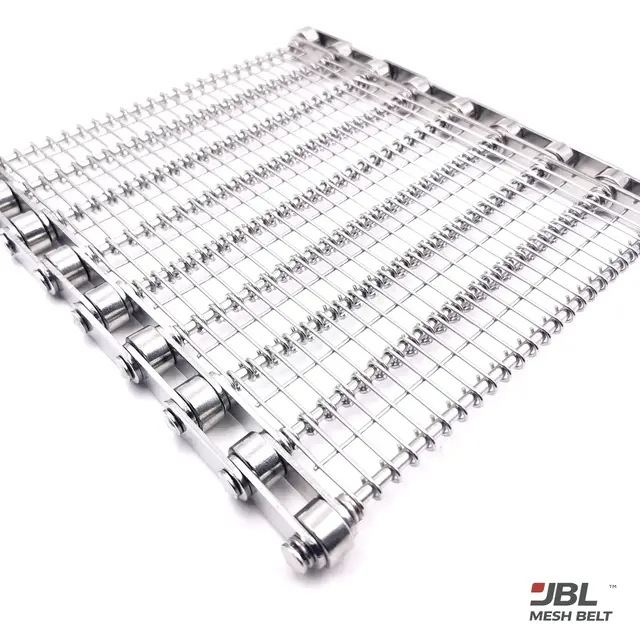
Spiral belts in coolers, flat wire or balanced weave belts on straight cooling and transfer conveyors.
Checked first: Product weight · Surface marking · Cleaning
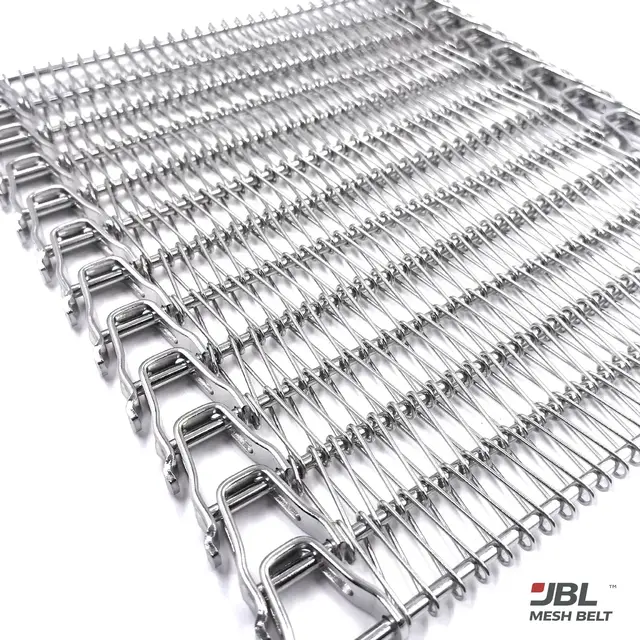
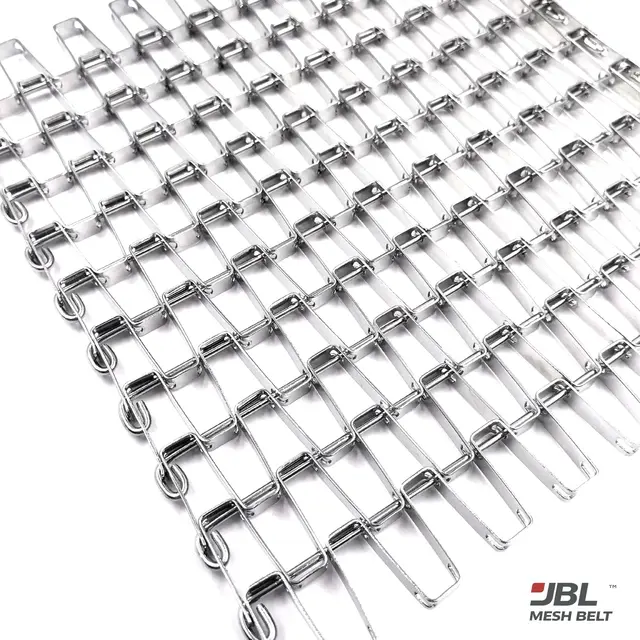
Chain-driven and plate link belts where loads are heavy or the conveyor climbs.
Checked first: Load per metre · Incline and flights · Drive
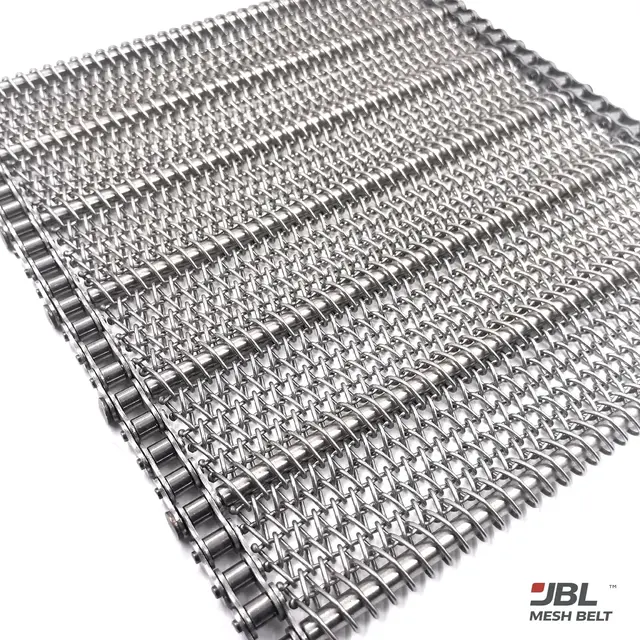
Machine
Spiral drum and turn ratio, or fryer / oven length, width and chain.
Product
Weight, size and how easily it marks — decides pitch and surface.
Temperature
Freezing, frying or cooking temperature decides the material.
Tier height
For self-stacking freezers: tier height and product clearance.
Direction and sprockets
CW / CCW and sprocket pitch confirmed.
Old belt, if replacing
New belt compared with the old one before production.
Replacing a belt, or fitting out a new line?
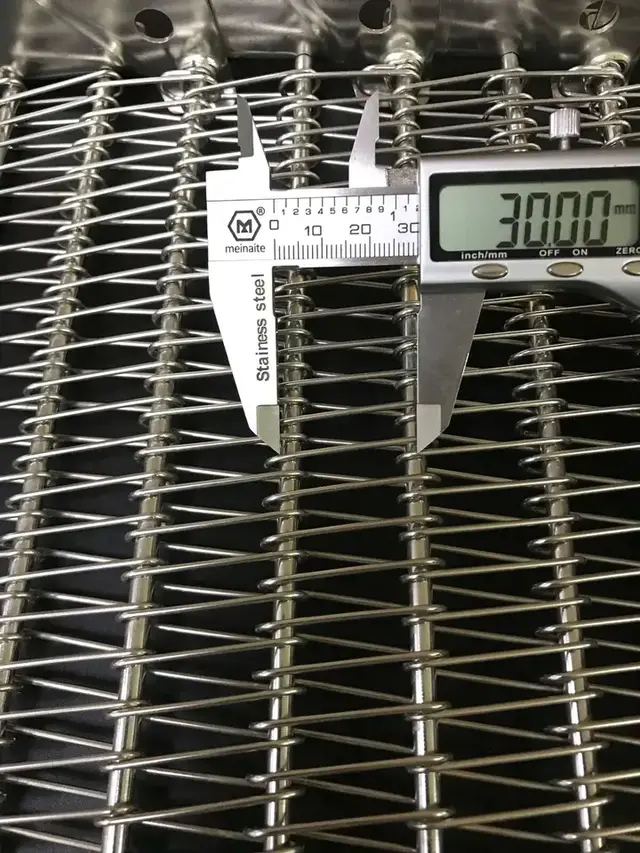
Send photos with a tape in the picture, a drawing or an old belt section. An engineer tells you what fits and what is missing.
Spiral cooling and freezing
Spiral coolers and spiral freezers on meat and poultry lines both wind the belt round a drum, tier after tier. The belt is chosen from three things on your spiral: how tight the turn is, how the drive moves the belt, and the product it carries.
The published reference range for standard spiral freezer belts starts at a turn ratio of 1.15. A spiral that turns tighter needs a Small Radius Spiral Freezer Belt, with the turn ratio confirmed against your drum. Before shipment, the belt is turned on a test drum matched to your drum diameter and turn ratio, and you receive photos or video.
| Your spiral | Belt to review | Check first | If you are replacing |
|---|---|---|---|
| Standard turn, drum-driven spiral cooler or freezer | Spiral Freezer Belt | Drum diameter, turn ratio, running direction, tier height | Photos of the edge and drive side; sprocket condition |
| The spiral turns tighter than a standard belt allows | Small Radius Spiral Freezer Belt | Turn ratio confirmed against your drum; inner and outer pitch | Inner and outer pitch measured on the old belt |
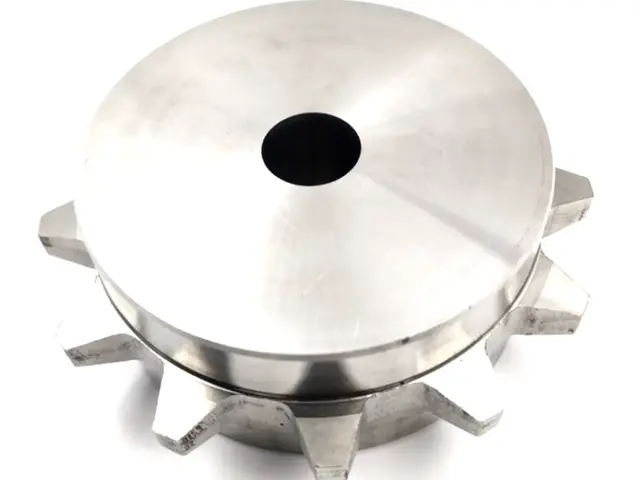
| Sprockets drive the belt at its side links | Side-Driven Belt | Rod pitch measured on the old belt; sprocket pitch | Sprocket photos with tooth count, bore and keyway |
| The belt already runs badly on your spiral | Check the drive and the belt before ordering | Tracking, tooth engagement, lifting at the turn | Photos of where the drive meets the belt |
Process map
On a meat or poultry line the machine decides the belt family, and the product decides the surface. The table shows the belt usually found at each step and what has to be confirmed before a replacement or a new belt is quoted.
| Step | Typical machine | Belt usually used | What decides the fit |
|---|---|---|---|
| Freezing (spiral) | Drum-driven spiral freezer | Spiral freezer belt or side-driven belt | Drum diameter, turn ratio, running direction, sprockets |
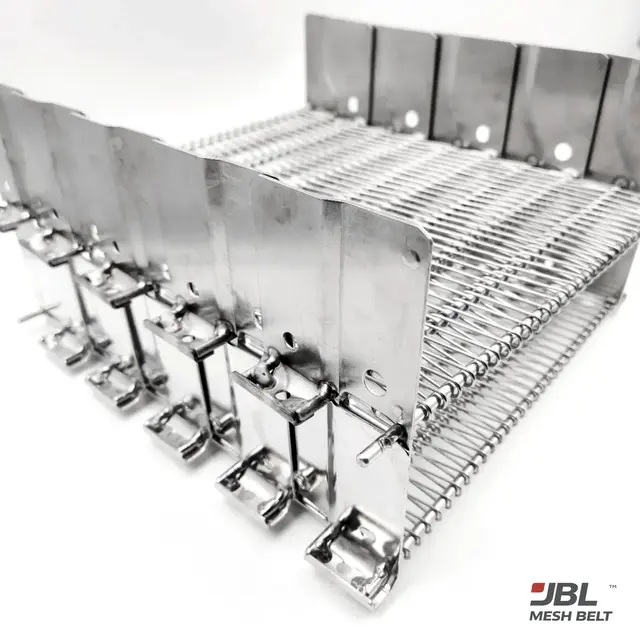
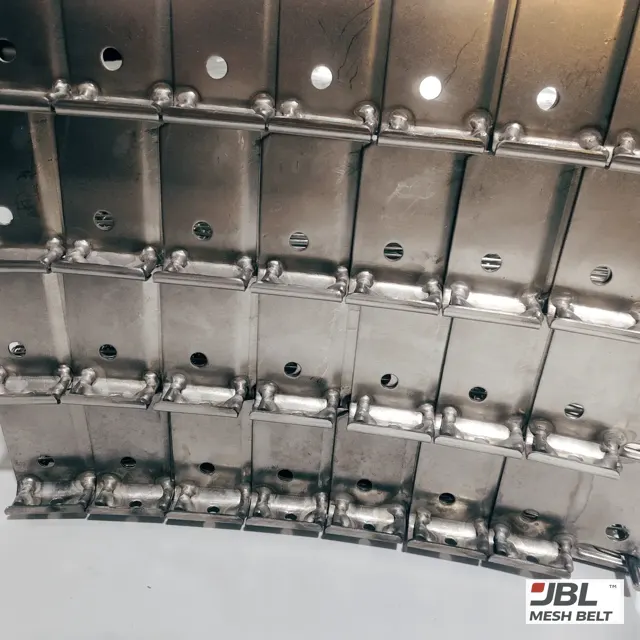
| Freezing (self-stacking) | Self-stacking spiral freezer | Self-stacking belt | Side plate height, tier clearance, CW / CCW, stacking |
| Freezing (straight) | Tunnel freezer | Eye link or flat wire belt | Product size, airflow, edge and sprockets |
| Frying | Continuous fryer | Eye link or chain-driven belt | Oil temperature, chain pitch, flights or hold-down |
| Cooling | Spiral or straight cooler | Spiral, flat wire or balanced weave belt | Product weight, surface marking, cleaning |
| Transfer and inclines | Straight or inclined conveyor | Chain-driven or plate link belt | Load per metre, incline, drive |
Freezing
Most meat and poultry freezing happens in a spiral, and the first question is which kind of spiral is installed. From above the two belts can look alike; the way each tier is carried tells them apart.
| Spiral freezer belt | Self-stacking belt | |
|---|---|---|
| How tiers are carried | On the freezer's rails, turned by a drum | On the belt's own side plates — no rails |
| Checked first | Drum diameter, turn ratio, direction | Side plate height, tier clearance, direction |
| Typical mistake | Same width and pitch, but a different turn ratio | Built for the wrong direction, so it will not stack |
| Test before shipment | Turning test where the project needs it | Stacking test on a curve |
Problems we check for
Most problems with a replacement belt on a meat line show up only after it is on the machine. These are the ones we check for before production, using your old belt, photos or drawing.
| What you see | Usual cause | What is checked |
|---|---|---|
| New self-stacking belt does not stack | Direction or side plate height differs from the freezer | CW / CCW and side plate height measured on the old belt; stacking test before shipment |
| Belt climbs or slips on the sprockets | Worn sprockets, or belt pitch copied from a stretched old belt | Sprocket wear and pitch measured over 10 pitches; sprockets matched to the new belt |
| Product marked or caught | Weld finish, edge or opening size not right for the product | Weld finish and edge checked; opening and pitch chosen for the product |
| New belt differs from the old one | Worn sample measured as if it were new | Readings compared with an unworn section or the drawing before production |
Real projects
For a meat plant in Brazil, a new self-stacking belt was copied from a section of the original, joined to it to check fit and stacking-tested on a curve. The customer ran about 50 m on the freezer first, then ordered 350 m, then a second 350 m. In the United Kingdom, 450 m of self-stacking belt was made from the customer's sample after turning and stacking tests.
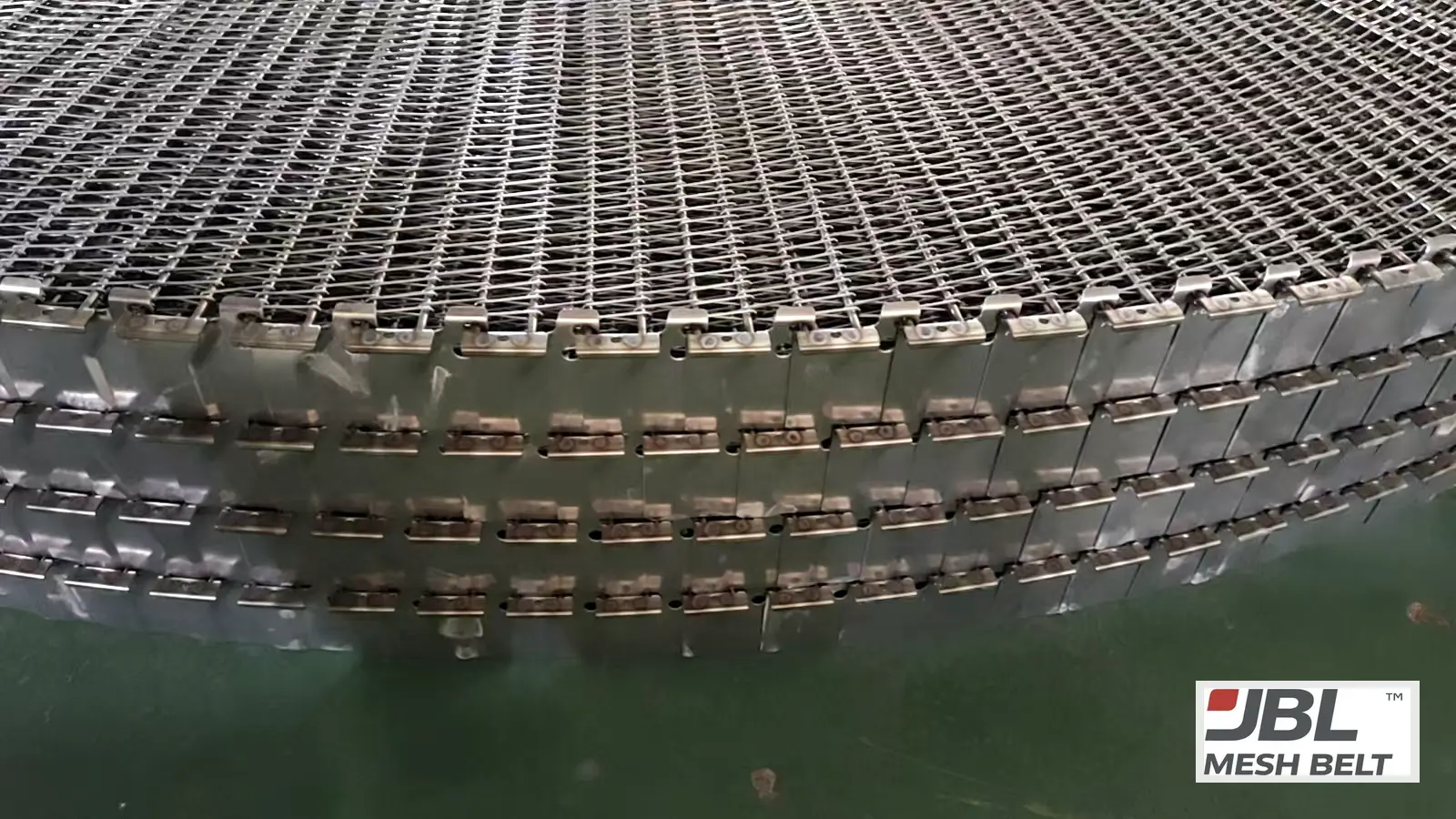
Brazil · 2025
Self-stacking freezer belt for a meat plant in Brazil — trial run first, then 350 m, then a repeat 350 m
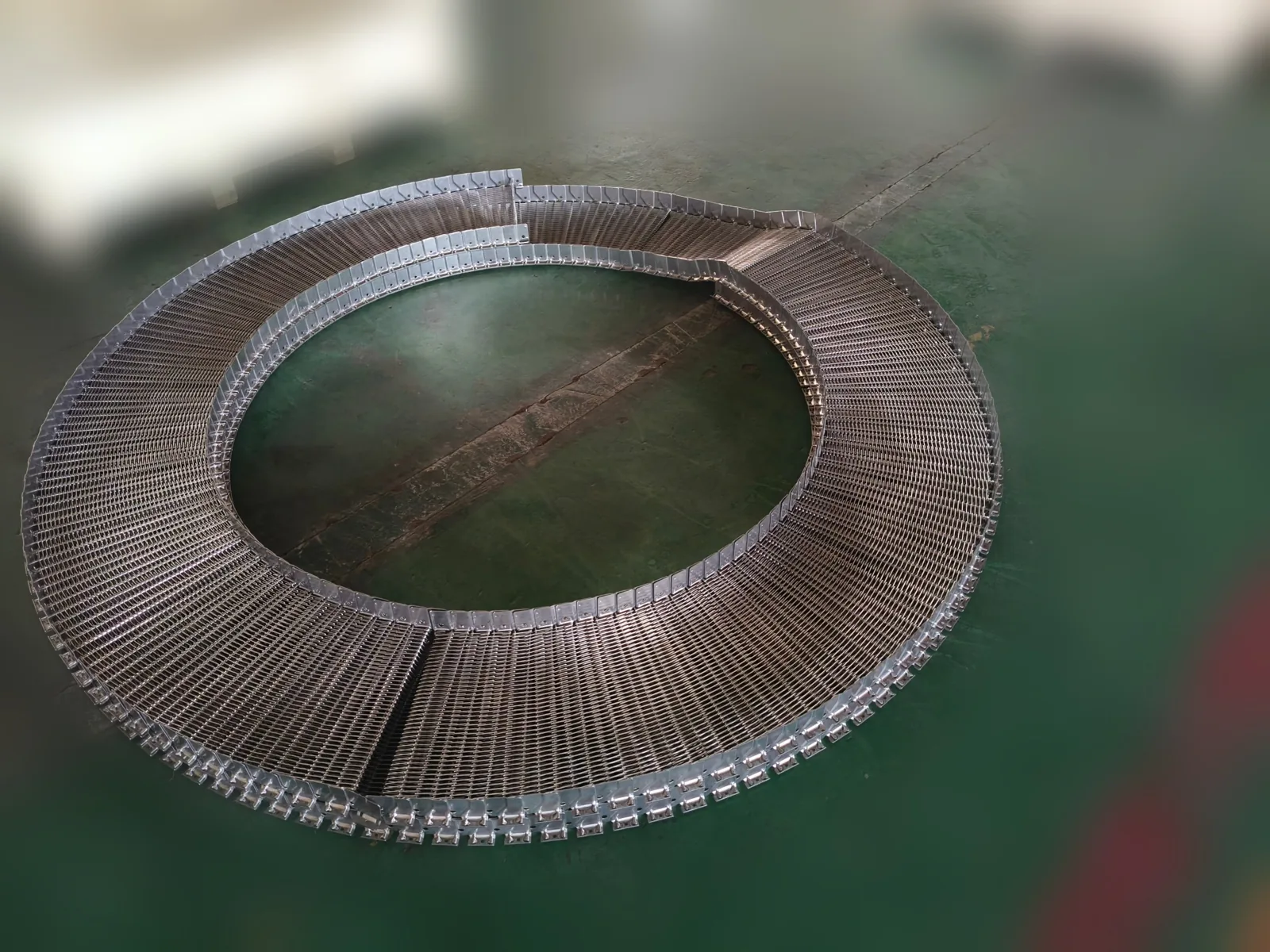
United Kingdom · 2026
450 m self-stacking belt for a UK line — copied from the OEM sample, turn- and stack-tested, then bulk
Start a project
You do not need a drawing to start. Several projects began from a section of the old belt or measured photos.
A metal belt, usually stainless steel, that carries meat, poultry or plant-based products through freezers, fryers, coolers and transfer conveyors. The belt type follows the machine: spiral, self-stacking, eye link, chain-driven, flat wire or plate link.
A spiral freezer belt or a self-stacking belt, depending on the freezer. Drum, turn ratio, tier height and direction decide the fit.
Usually an eye link or chain-driven belt; flights or hold-down plates where needed. Material is chosen for the oil.
Yes — they use the same belt types as meat lines and are reviewed the same way.
Yes. The old belt and the drum are checked first; a sample can be approved before production.
Yes. In a Brazil meat freezing project the customer ran about 50 m on the freezer before ordering 350 m, and later ordered a second 350 m.
It depends on the cleaning chemicals, salt and temperature on your line. The grade is confirmed per project, and a third-party material test report can be arranged on request.
Yes, matched to the belt.
Send your drawing or old-belt photos on WhatsApp +86 138 1487 2506. Commercial terms are confirmed in writing in the quotation.