Quality · 9 min read
What Should a Turning Test and a Stacking Test Show Before a Belt Ships?
 Written bySpringSales Director, JBL Mesh Belt · 16 years in metal conveyor beltsProjects in United Kingdom · USA · Australia · Brazil · South Korea · Spain · MalaysiaPublished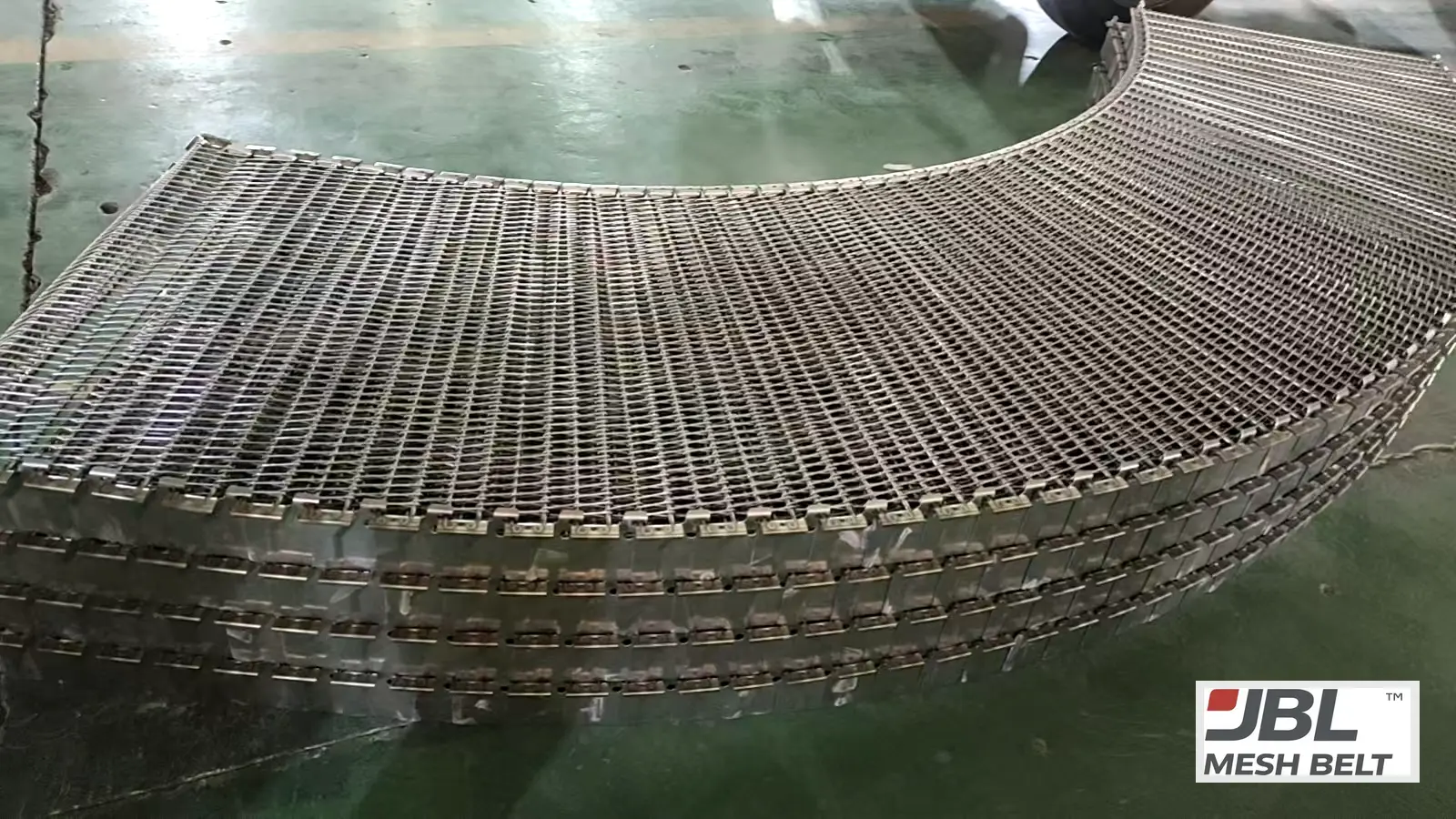
Your new belt passed every caliper check. Then it went into the freezer and would not turn or stack cleanly. Now the line is down.
Short answer
A turning test lays the belt in a full circle to check that the mesh closes evenly on the inside edge. A stacking test stacks a self-stacking belt tier on tier to check the side plates. Both show problems that a caliper cannot, so I run them before shipment.
At a Glance
| Test | Belt types | What it proves | When we run it | What you receive |
|---|---|---|---|---|
| Turning test | Spiral and self-stacking belts | Even collapse in the turn | Before bulk or before packing | Photos and video |
| Stacking test | Self-stacking belts | Side plates seat tier on tier | Before packing | Photos and video |
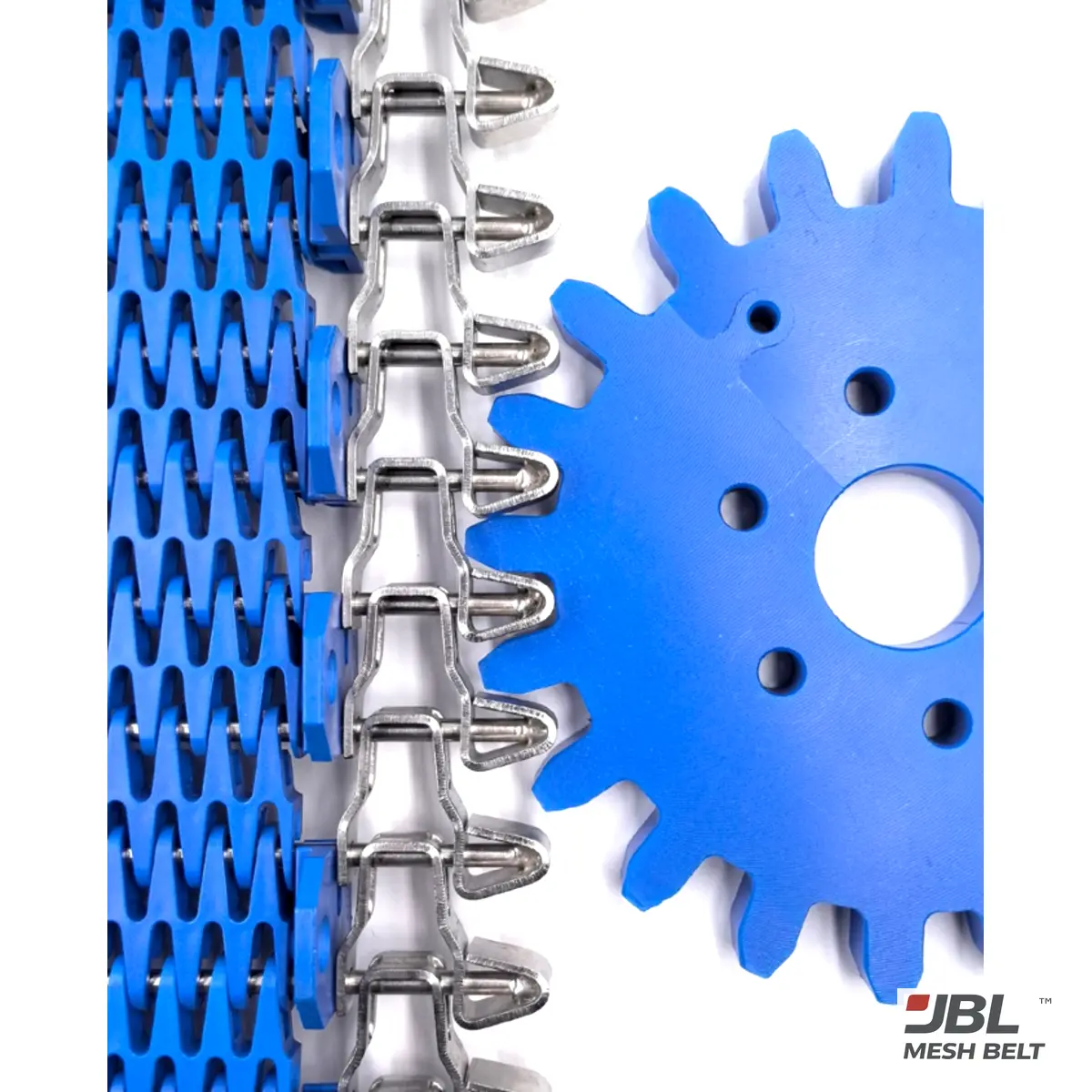
| Sprocket running test | Any sprocket-driven belt | Teeth engage the belt | Before packing | Video |
I have run these tests on belts for customers in many countries. Below I explain what each test shows, what it cannot show, and what evidence you should ask for.
01Why are caliper readings not enough?
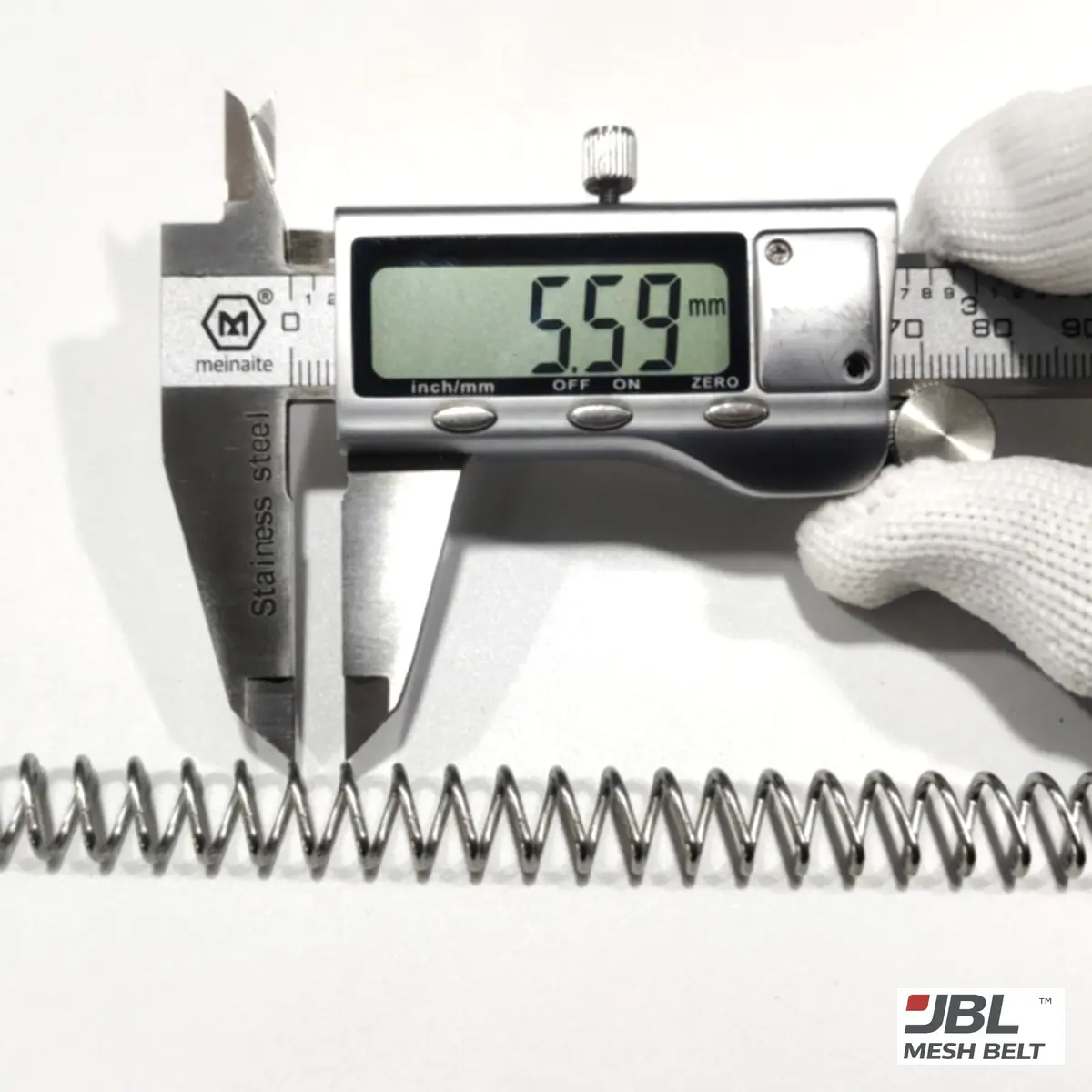
A caliper measures one point at a time. A spiral belt works as a whole, around a curve, under load.
Short answer
Caliper readings confirm each dimension, but not how the belt behaves as a whole. A belt can measure right and still close unevenly in the turn or sit badly in the stack. Only a running or layout test shows that.
| Check | Shows | Cannot show |
|---|---|---|
| Caliper and tape readings | Pitch, rod, wire, side plate sizes | How the belt behaves in the turn or the stack |
| Turning test | Even collapse on the inner edge; edge follows the radius | How tiers seat on each other |
| Stacking test | Side plates seating and turning tier on tier | Drive engagement on your sprockets |
| Sprocket running test | Teeth engaging the belt | Turn and stack behaviour |
I always start with readings. Without them, nothing else makes sense. But readings are taken one by one, on a belt lying flat. A spiral belt never runs flat on the turn. The inside edge closes up and the outside edge opens.
Small differences add up over hundreds of links. A link a little too stiff, a weld a little too high, a side plate a little bent — each one passes the caliper. Together they decide whether the belt turns smoothly.
That is why I treat readings and tests as two separate questions. Readings answer “Is it the right size?” Tests answer “Will it run like the original?” You need both answers.
02What does a turning test check?
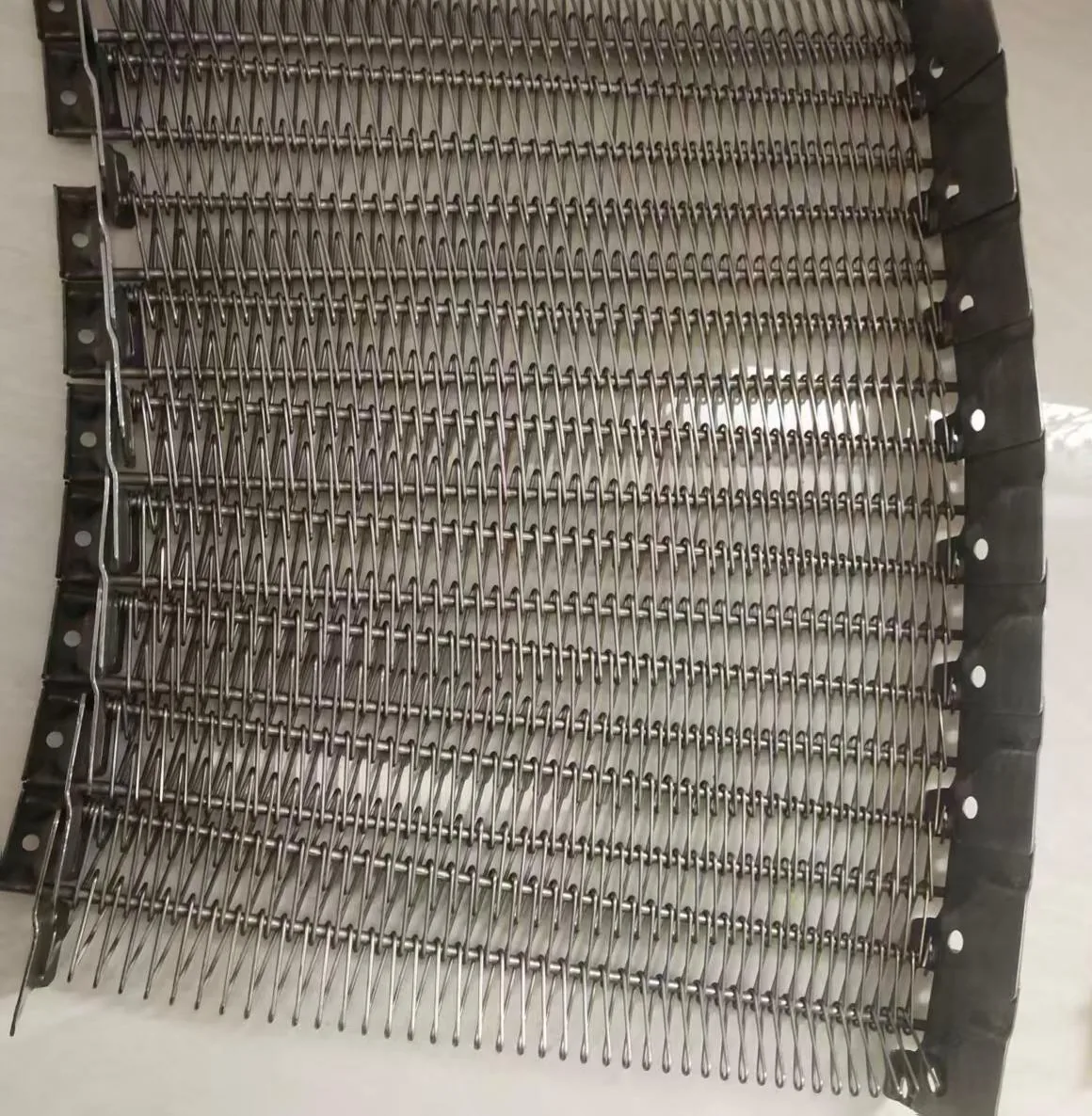
On the curve, a spiral belt does two things at once. It collapses on the inside and stretches open on the outside.
Short answer
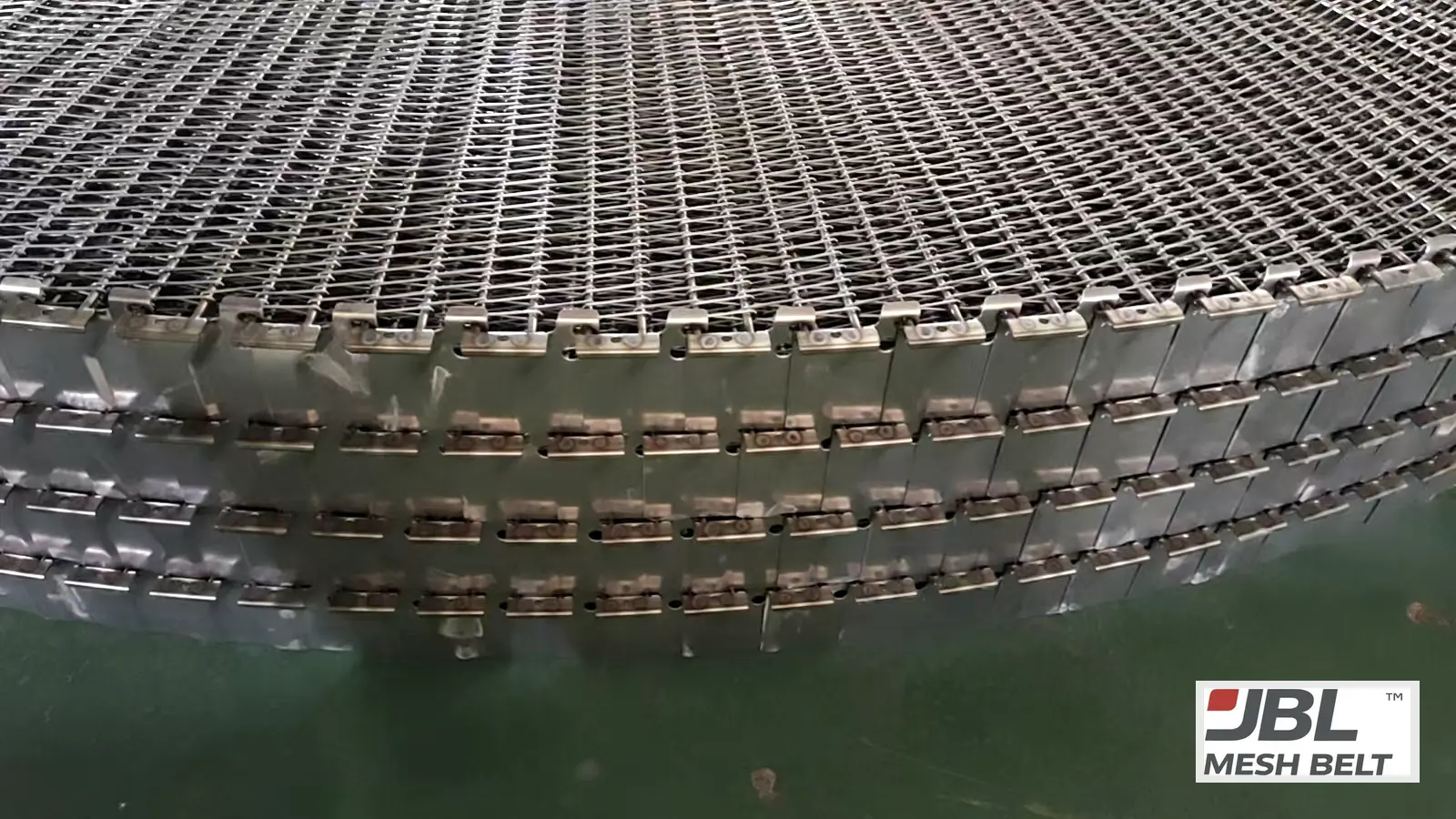
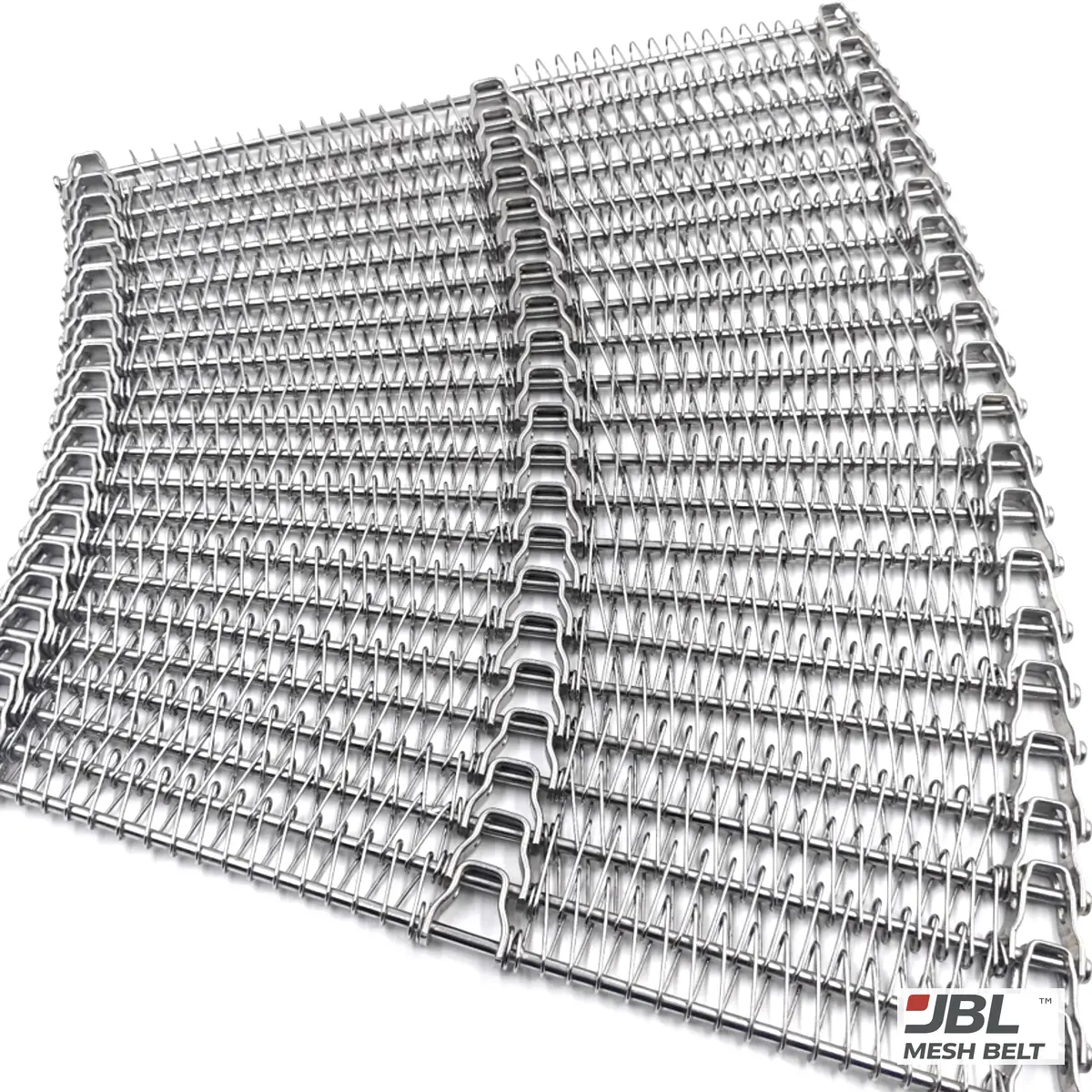
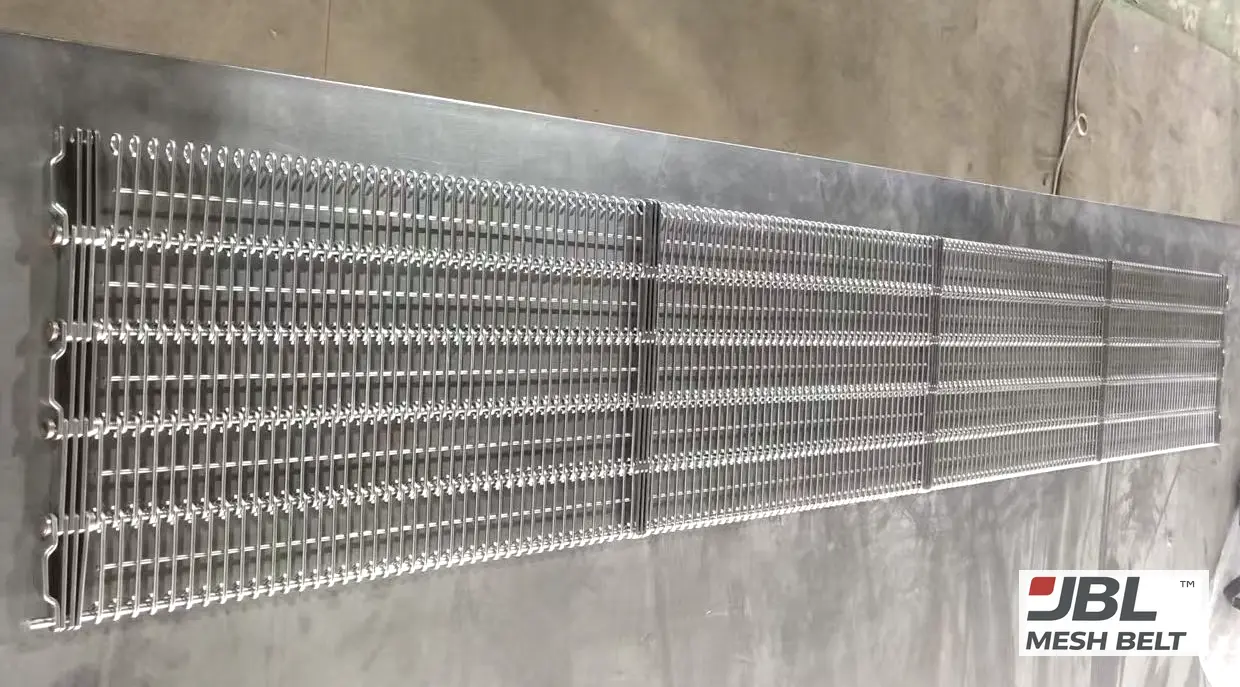
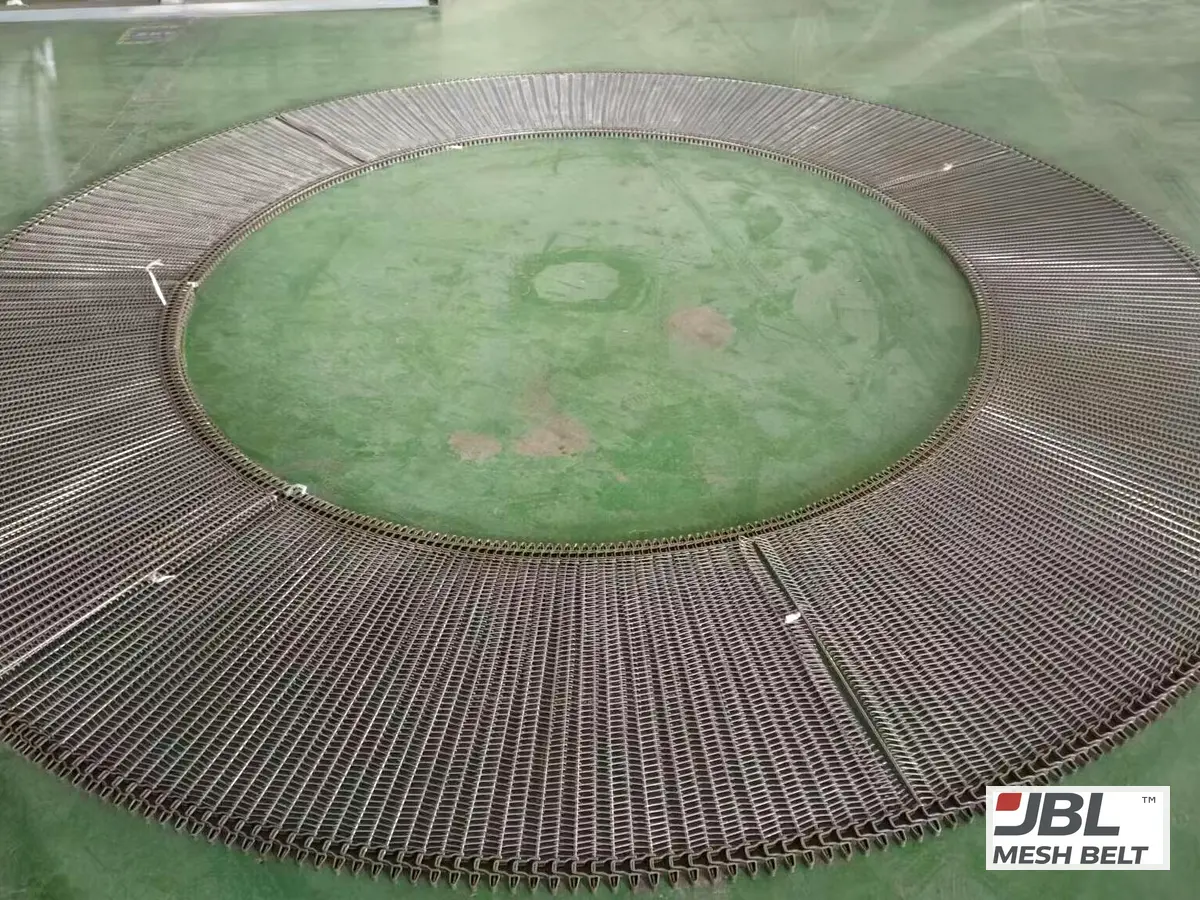
A turning test lays the belt out in a full circle. It checks that the mesh closes evenly on the inside edge, opens without lifting on the outside, and that the edge links or side plates follow the radius.
I lay the belt out in a full circle on the floor and walk around it. I look at the inner edge first. The mesh should close in the same way all the way round, with no tight spots and no gaps.
Then I look at the outer edge and the edge links or side plates. They must follow the curve without lifting. If one section lifts, it will rub in the freezer.
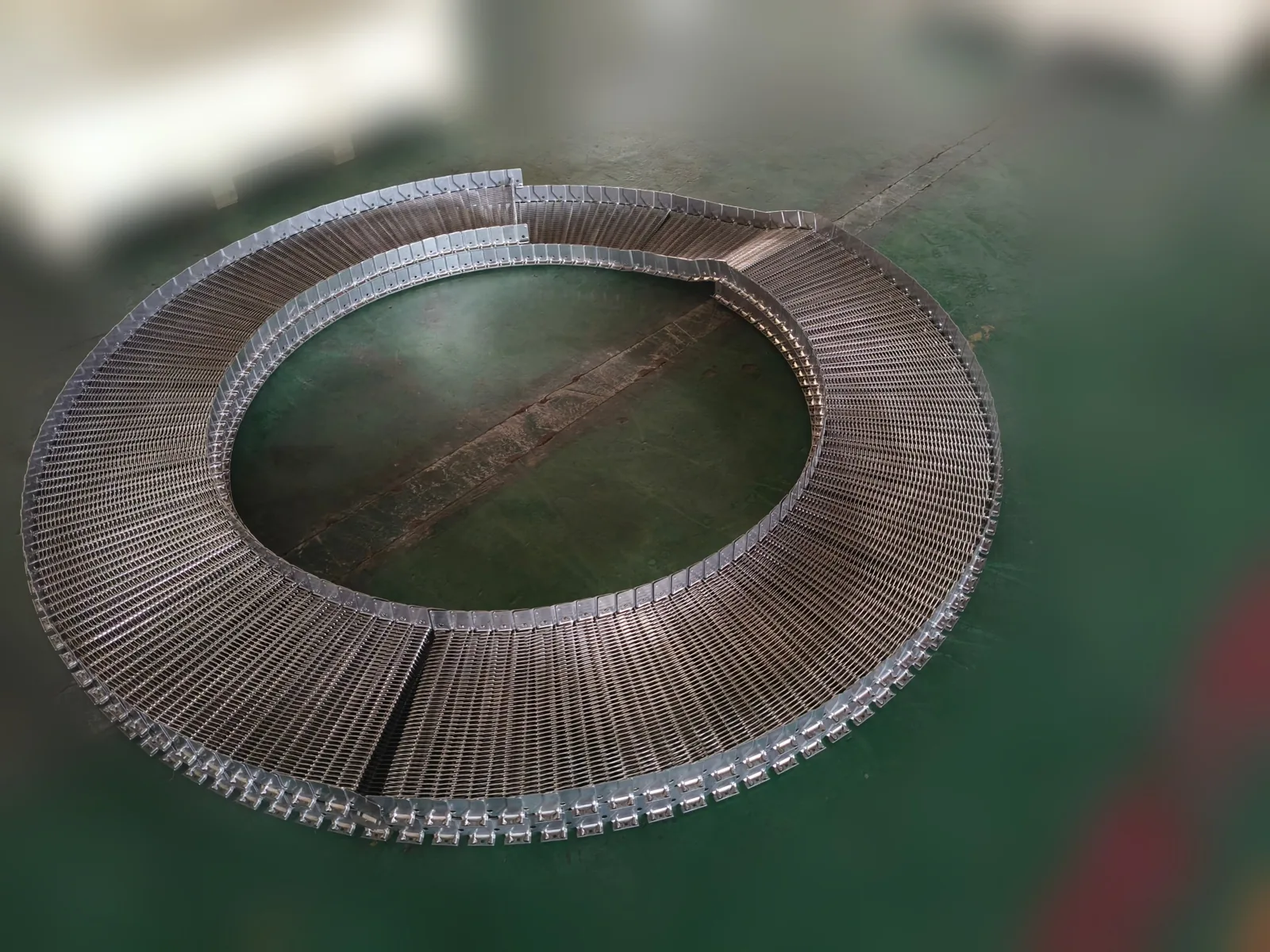
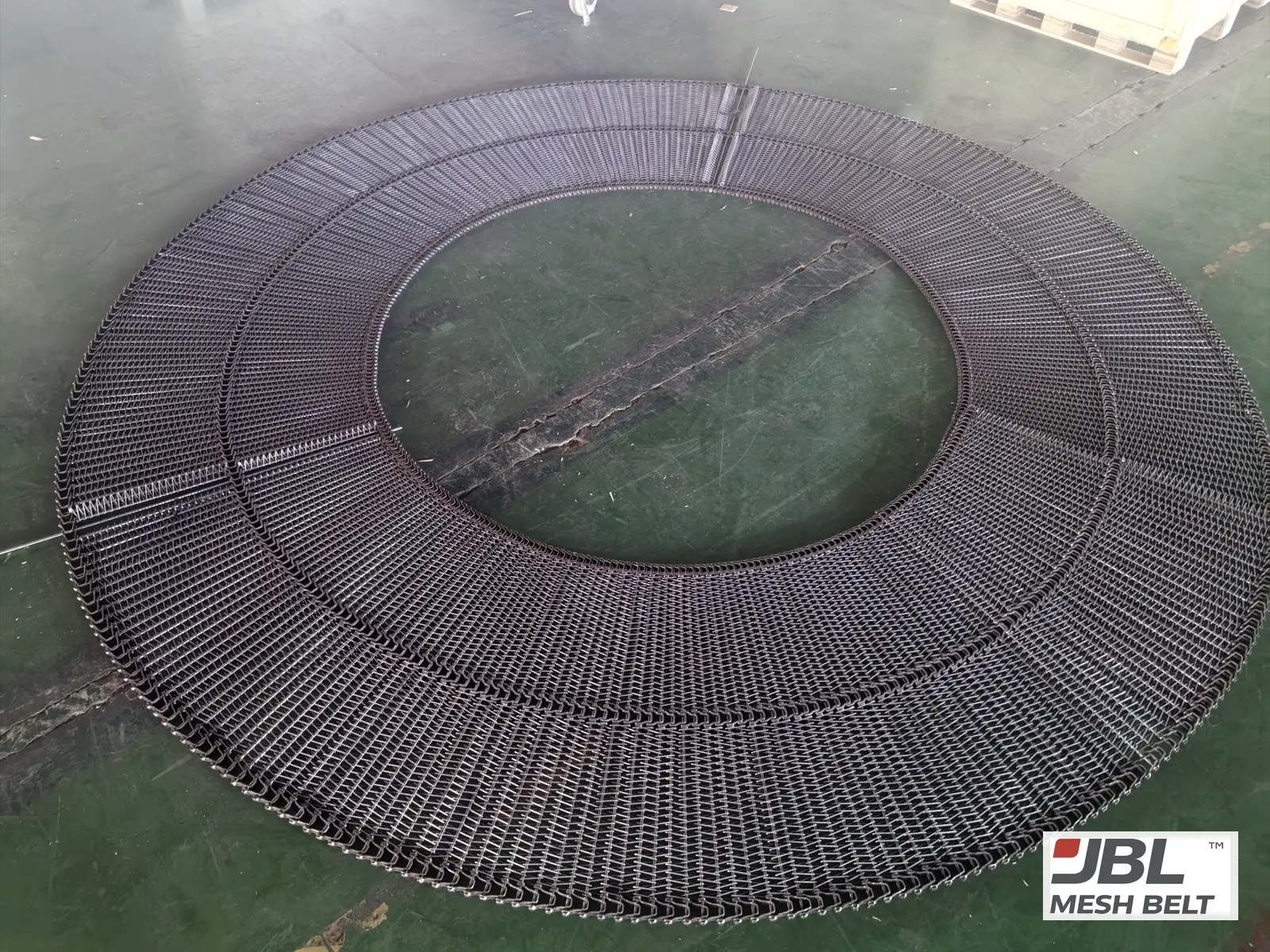
In Malaysia we ran this test after grinding the welds a second time. In the UK we ran it after the customer approved the sample and before 450 m went into production. In both cases the customer saw photos and video before the bulk belt shipped.
03What does a stacking test check?
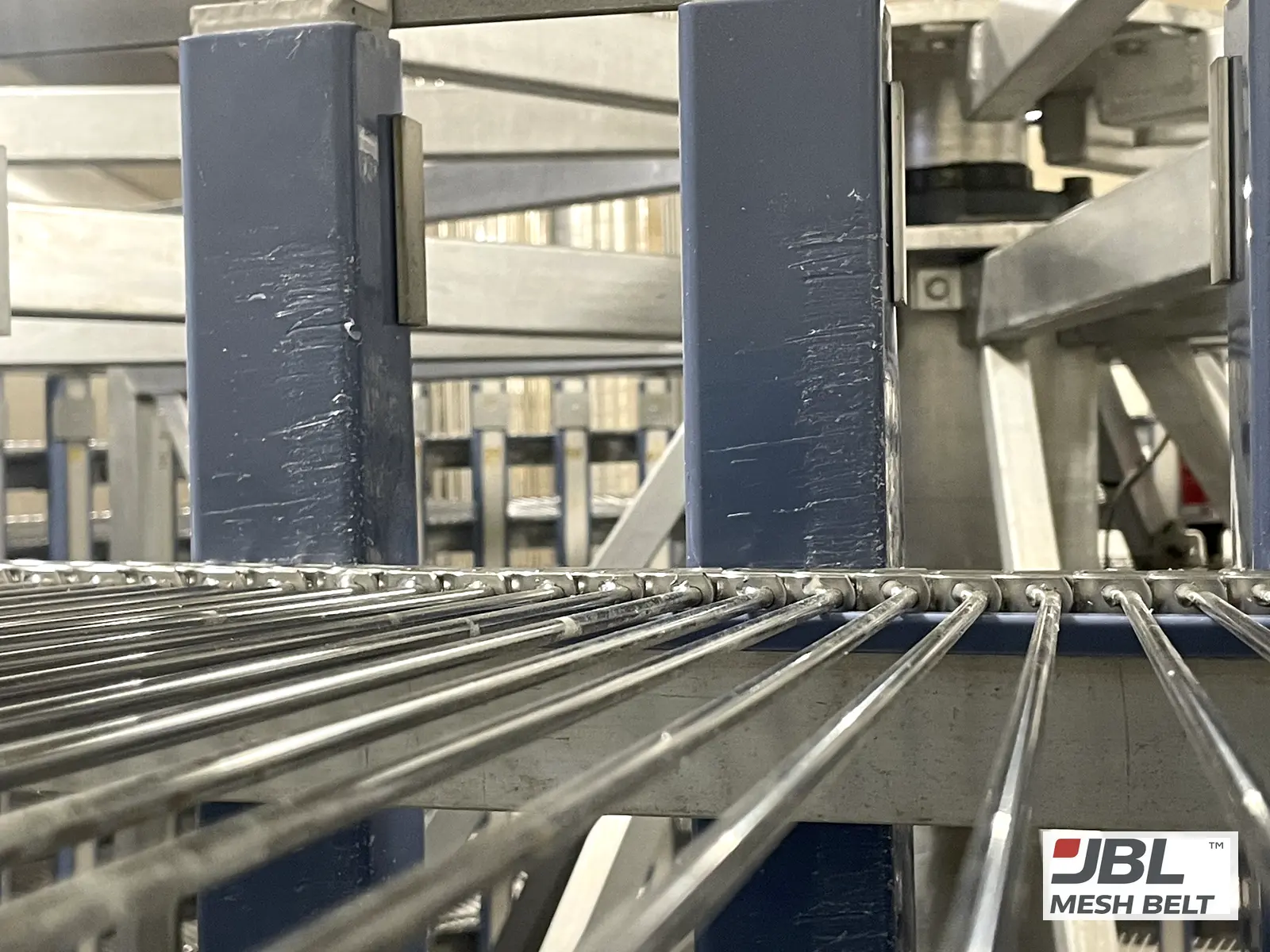
A self-stacking freezer has no drum to carry the belt. The belt carries itself, tier on tier.
Short answer
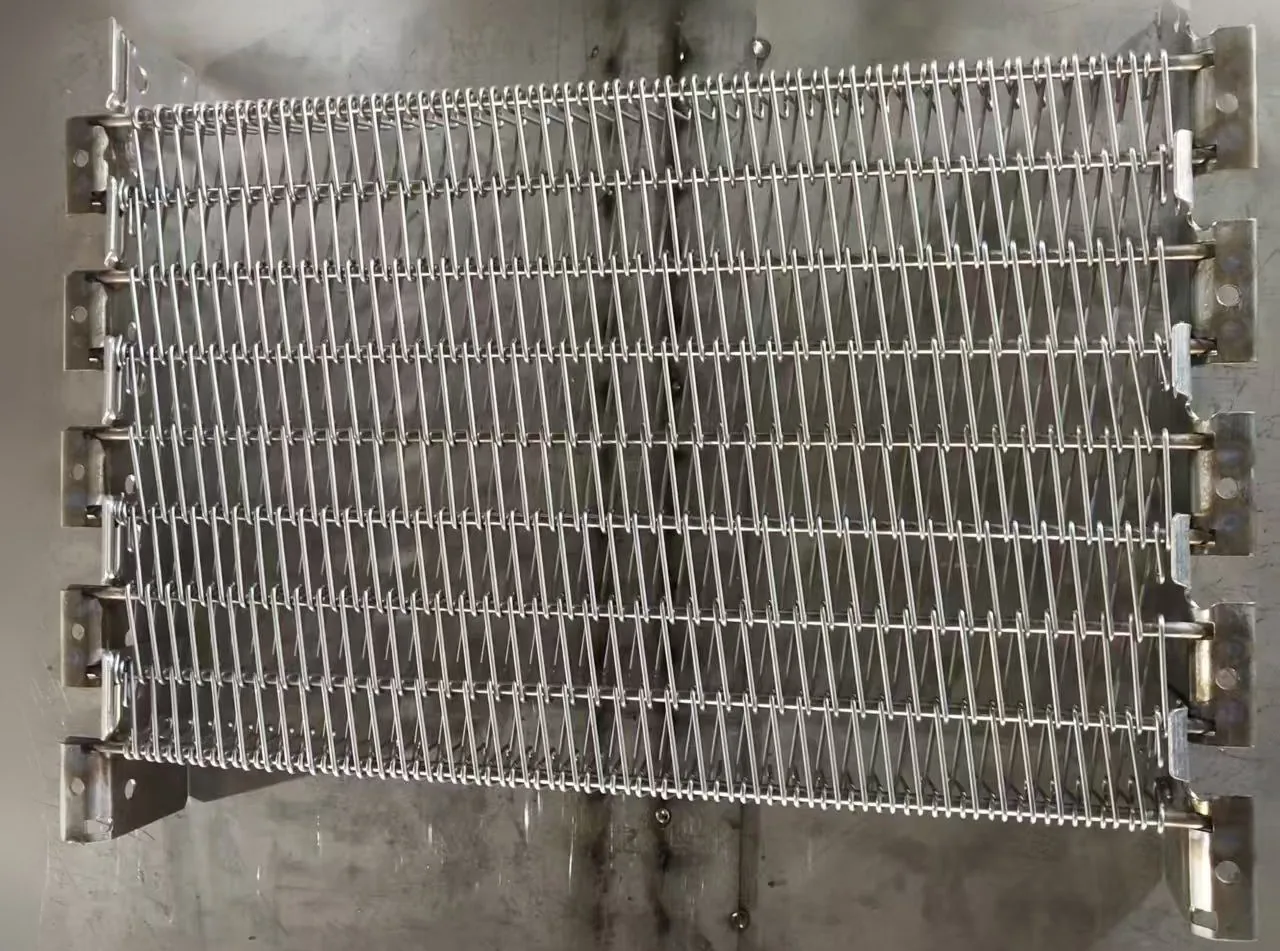
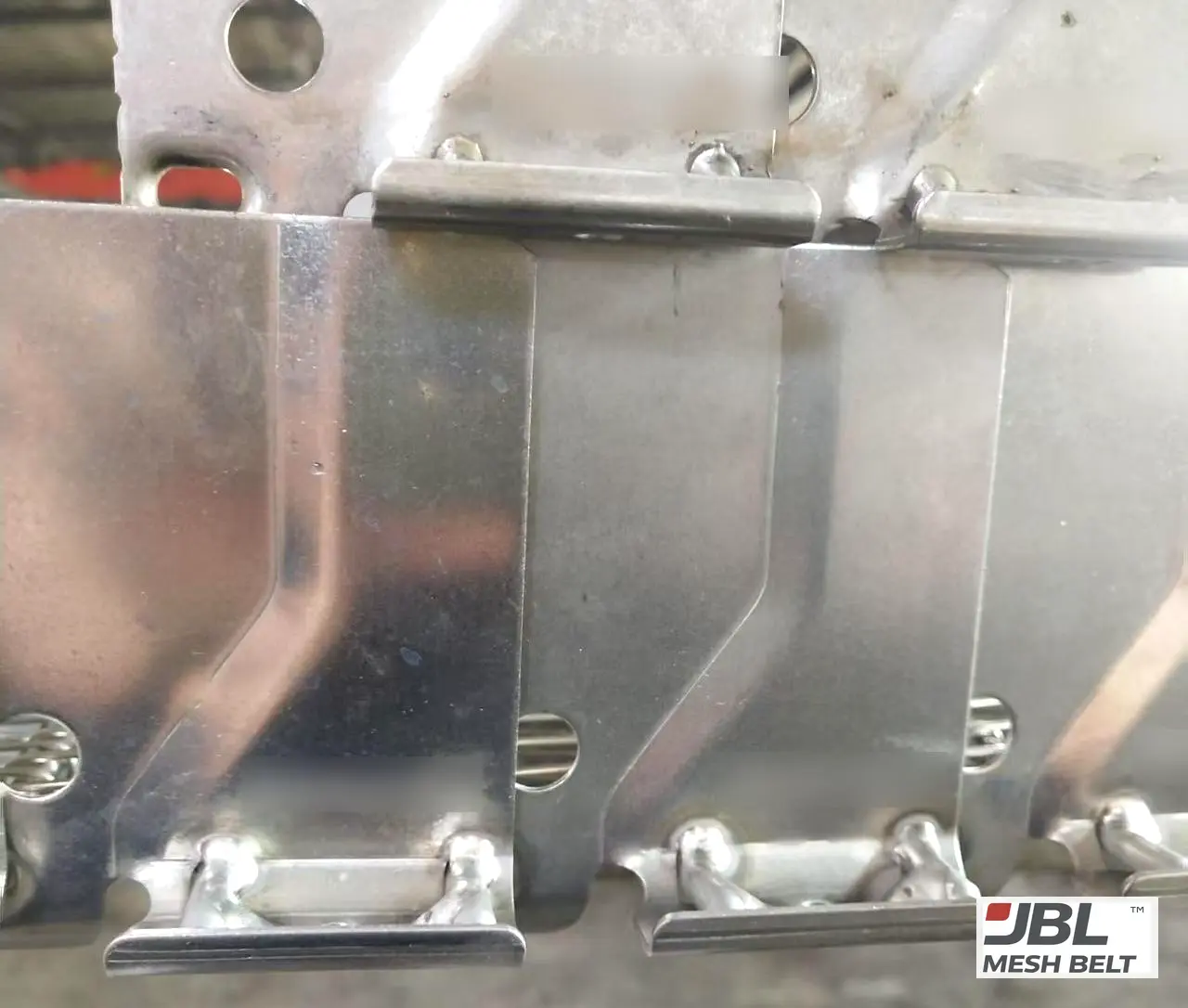
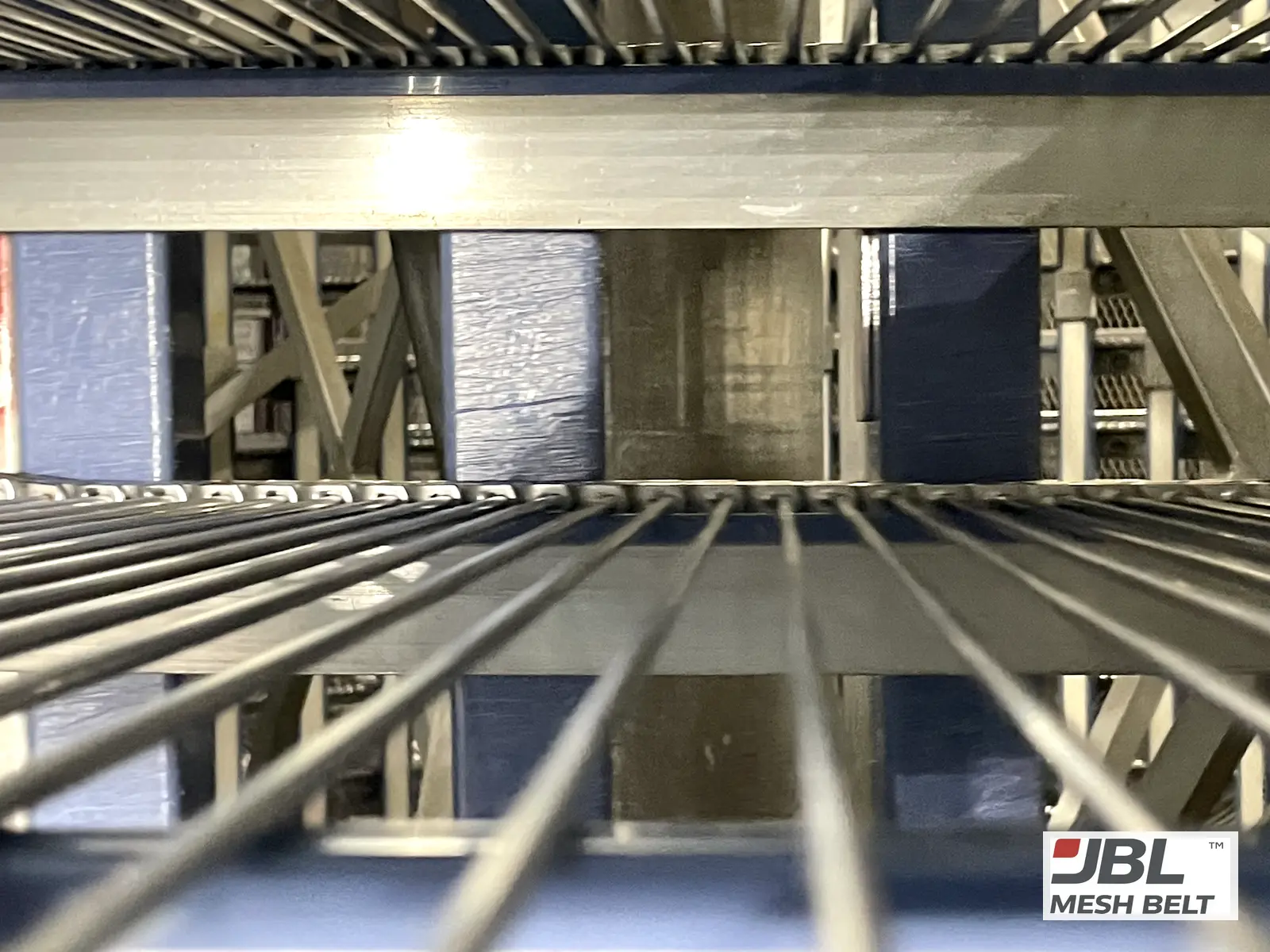
A stacking test stacks the self-stacking belt tier on tier on a curve. It checks that every side plate seats on the plate below, that the tiers sit level, and that the stack turns without the plates riding up.
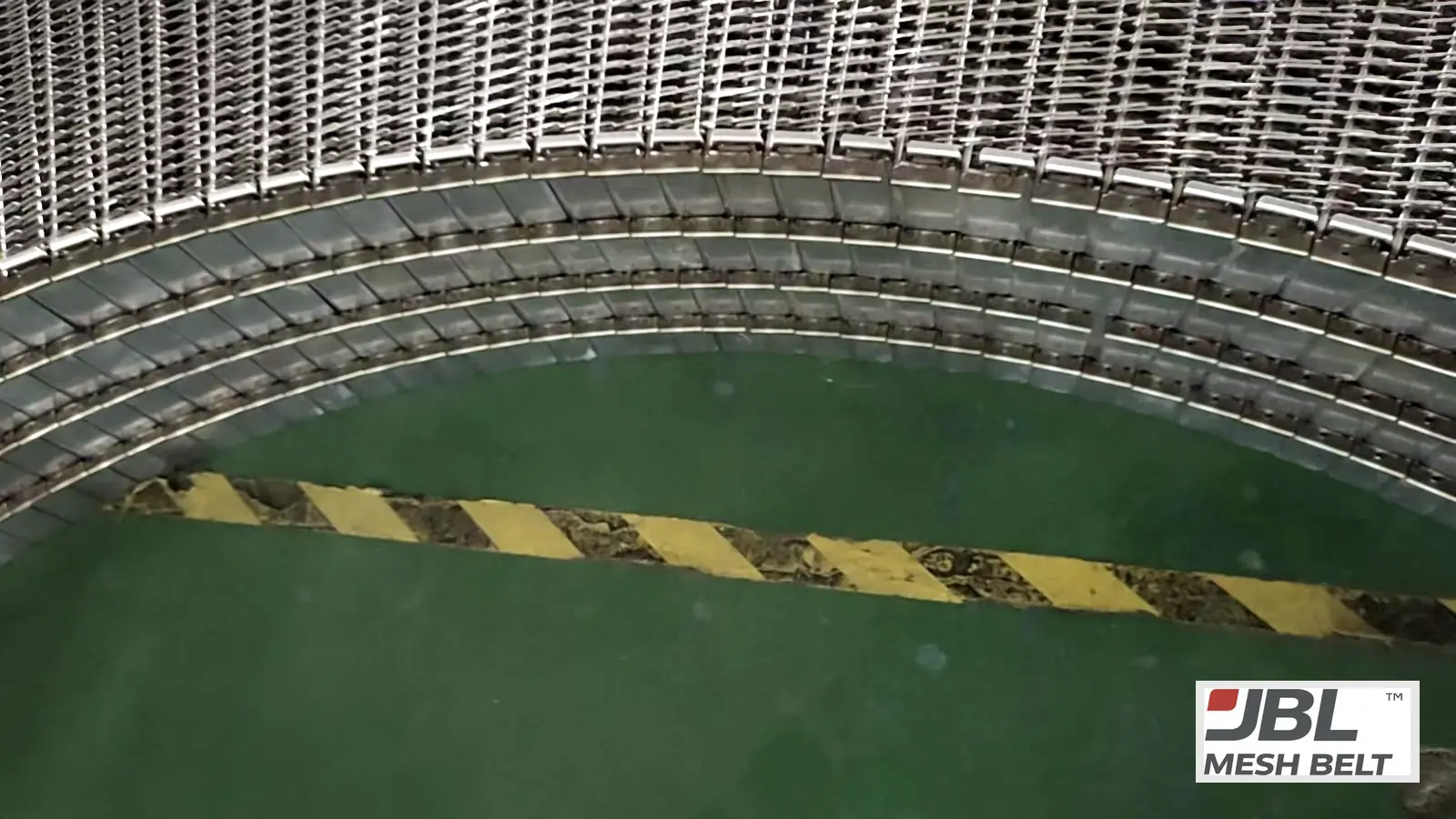
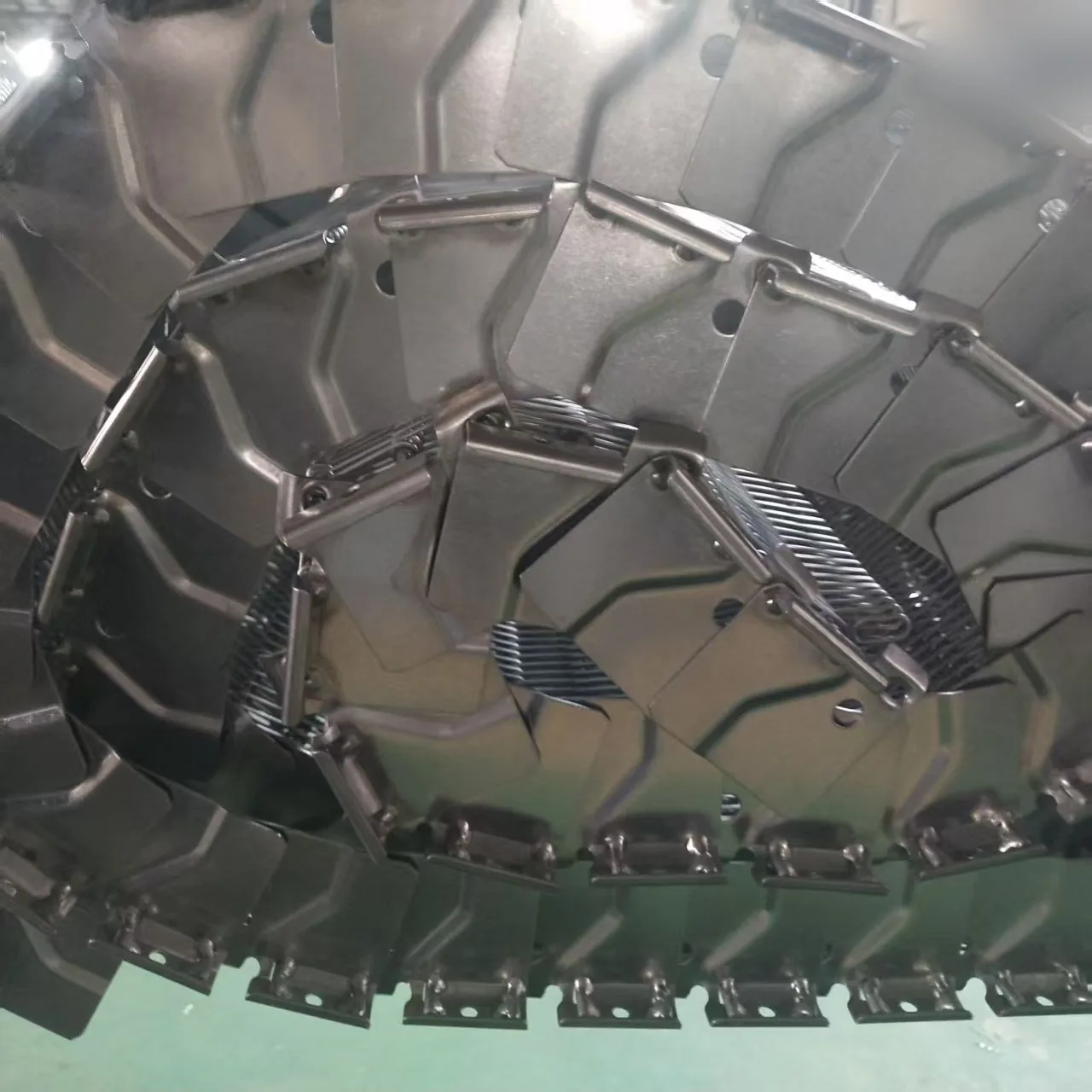
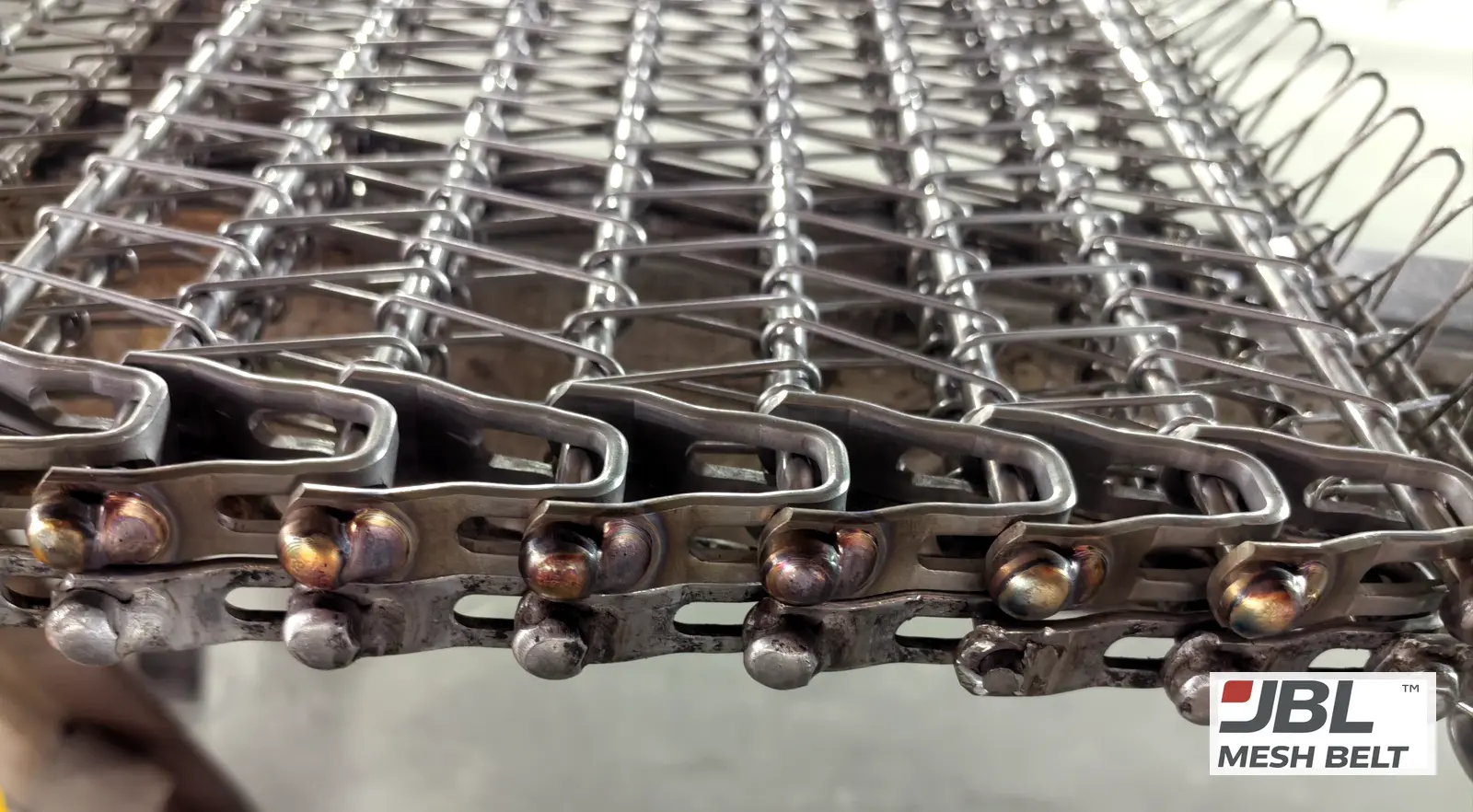
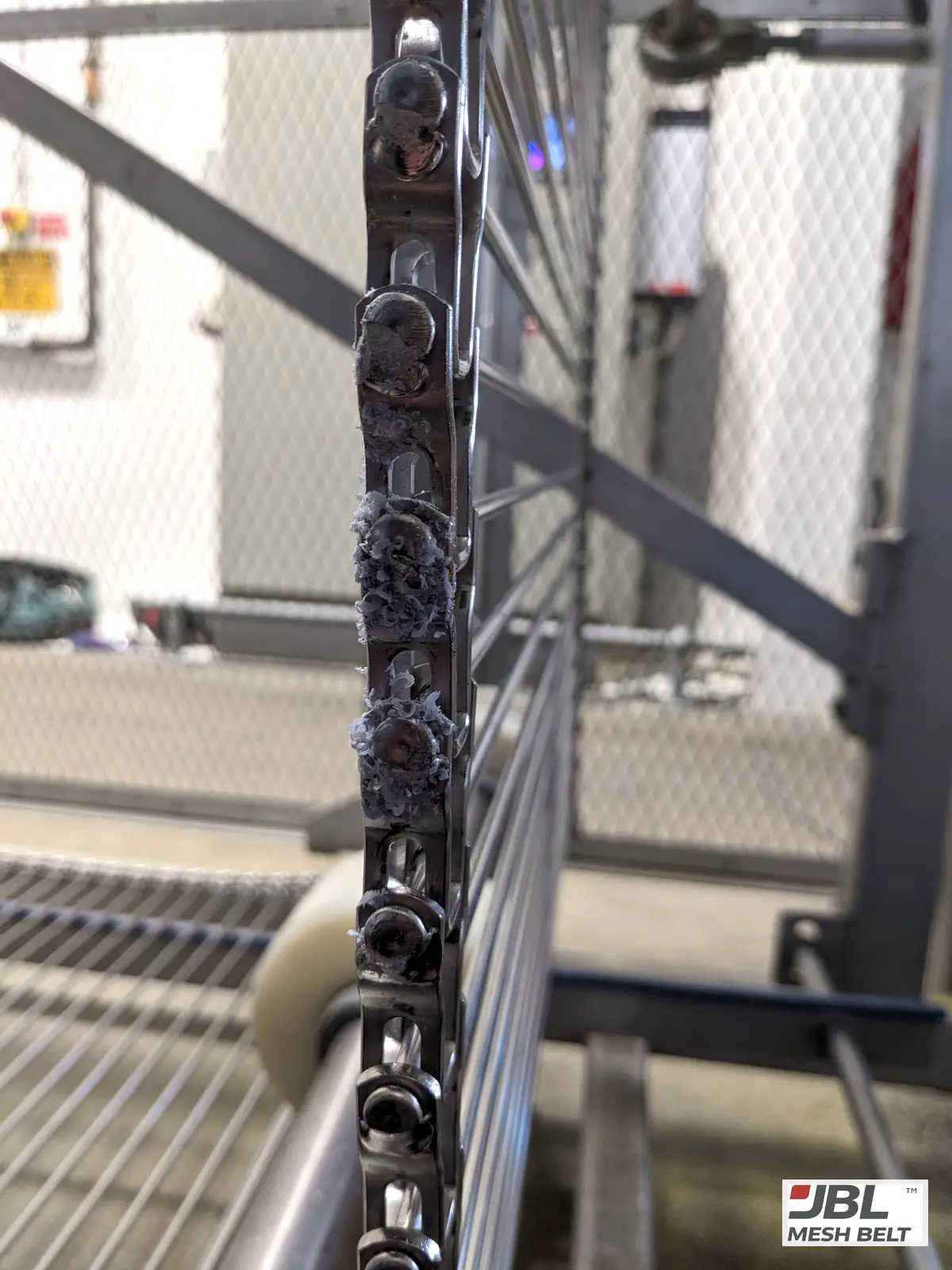
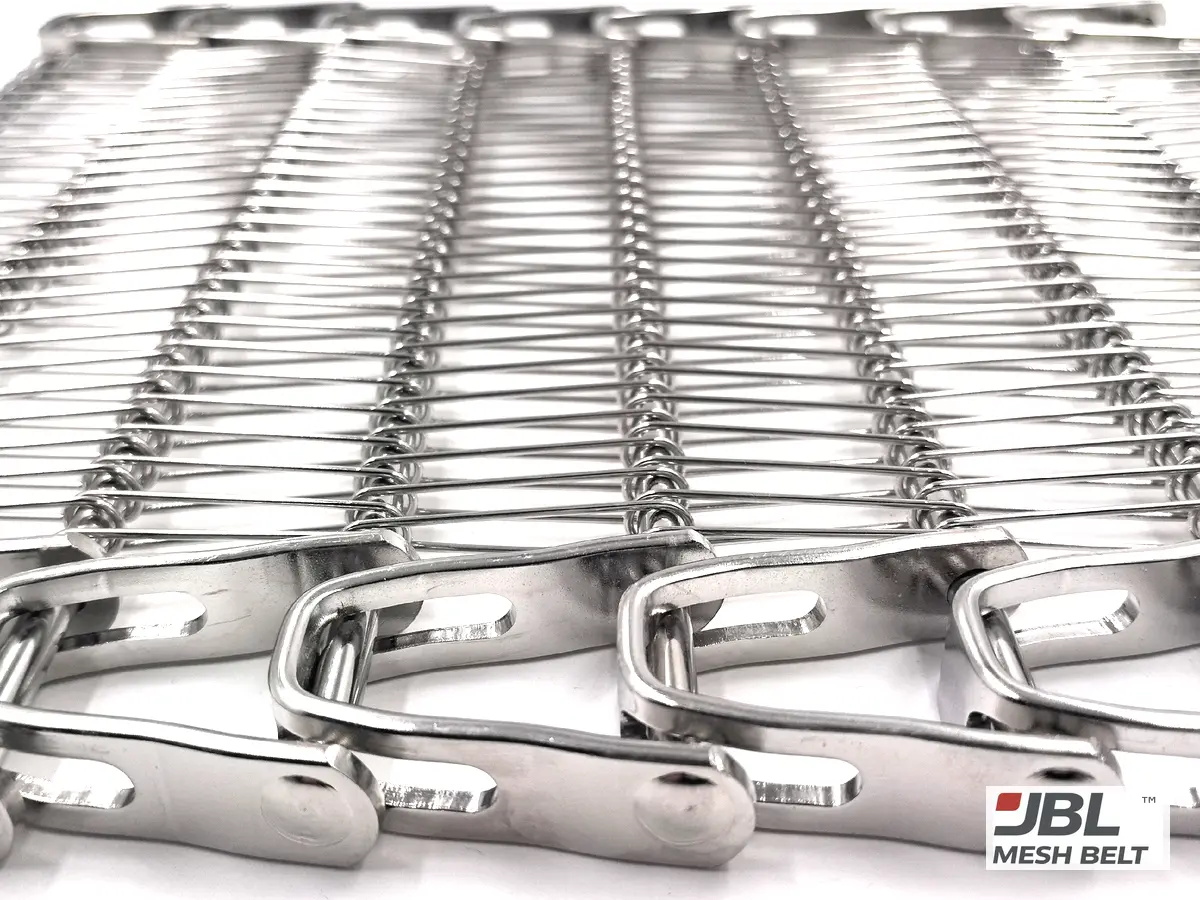
In a self-stacking freezer, each tier rests on the side plates of the tier below. The side plate height sets the tier spacing. If plates are too high, too low or bent, the stack will not sit level.
For the test I stack the bulk belt on a curve, usually several tiers high. I check each contact point and look along the stack for any tilt.
| Project | Side plate | Test |
|---|---|---|
| Brazil, 2025 | 80 mm high, 1.5 mm thick | Four tiers stacked on a curve before packing |
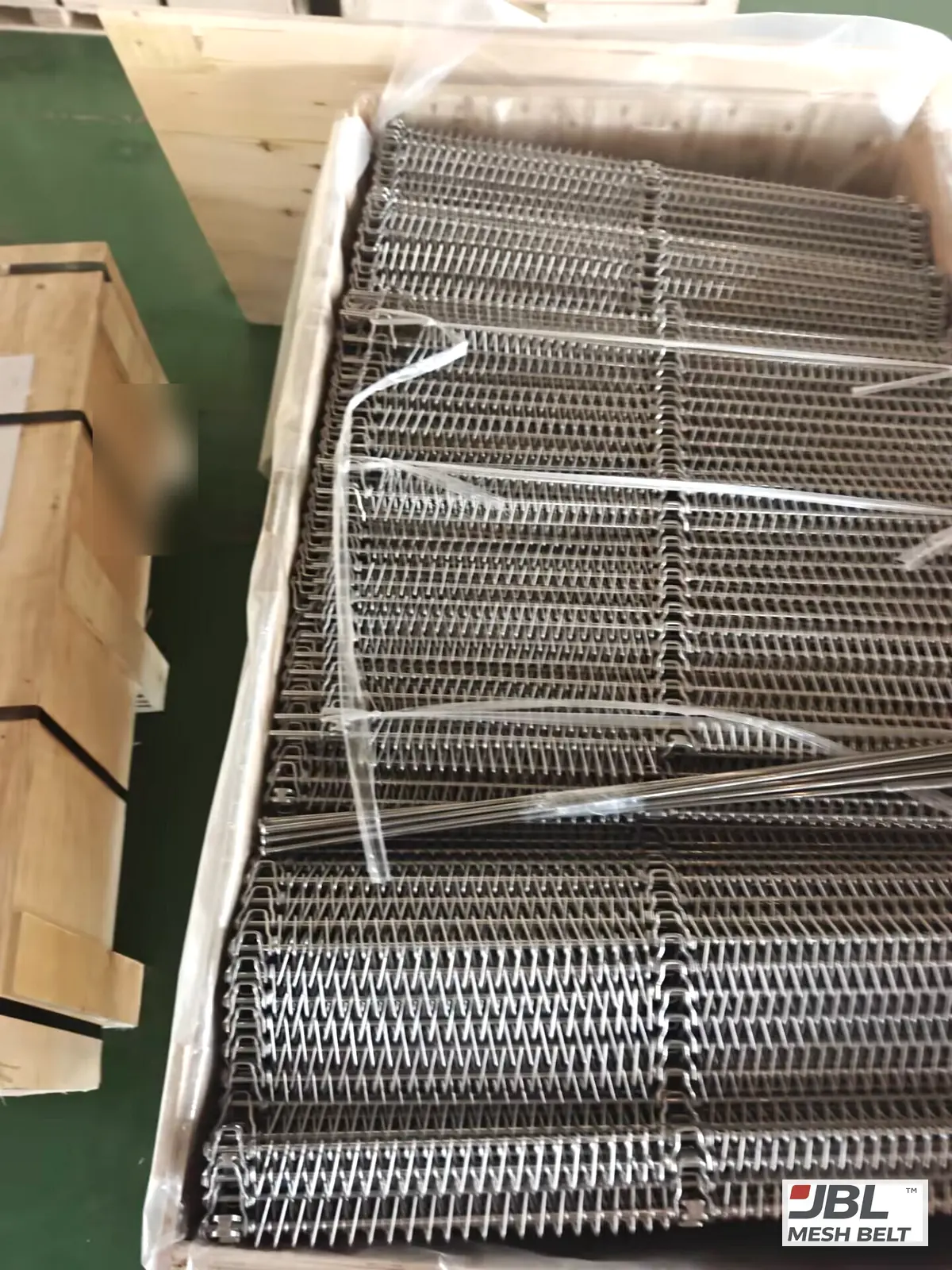
| UK, 2026 | 60.03 mm high, 1.52 mm thick (bulk) | Stacked tier on tier before bulk production |
04When do you need a sprocket running test?
A new belt on old sprockets is a common cause of early wear. Many buyers only replace the belt.
Short answer
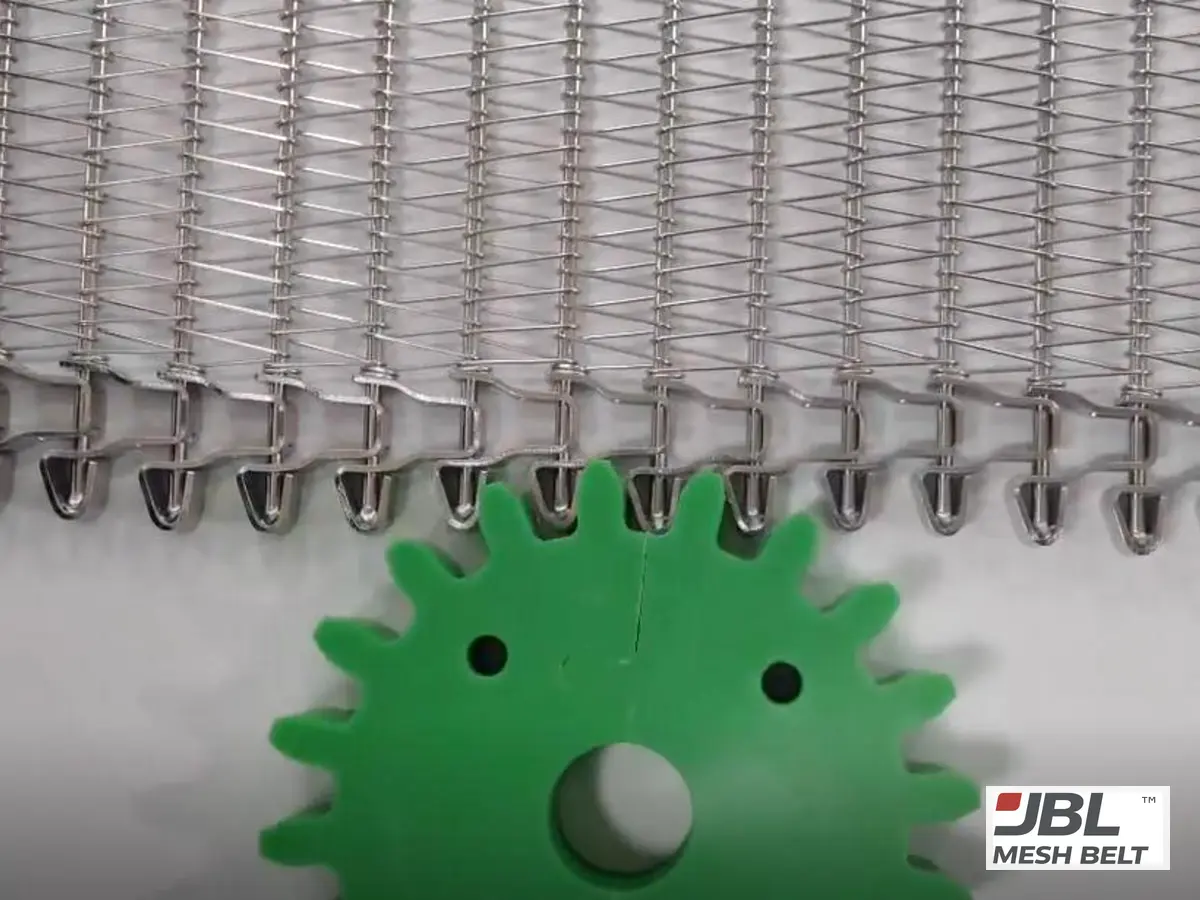
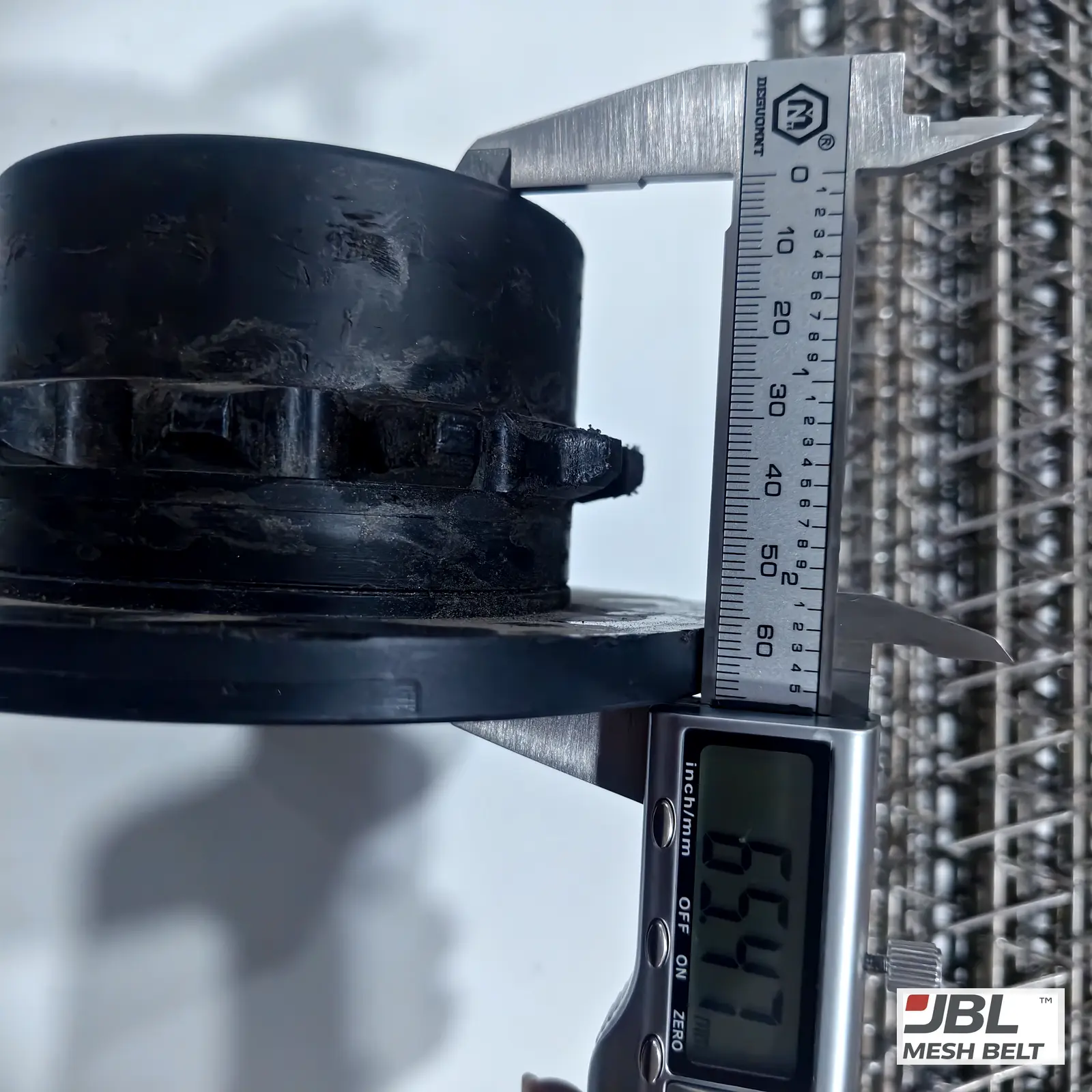
You need a sprocket running test whenever sprockets are replaced or supplied with the belt. I run the new sprockets on the new belt before packing to check that the teeth engage cleanly along the belt.
In a bakery project in Melbourne, we supplied nylon sprockets with about 400 m of spiral cooling belt. We measured the outside diameter, bore and pin, then ran a sprocket on the new belt before the crates were closed.
For a waffle cooling spiral, the customer sent their worn sprockets with the belt section. We made new sprockets to the same bore, keyway and tooth, and ran them on the bulk belt before packing.
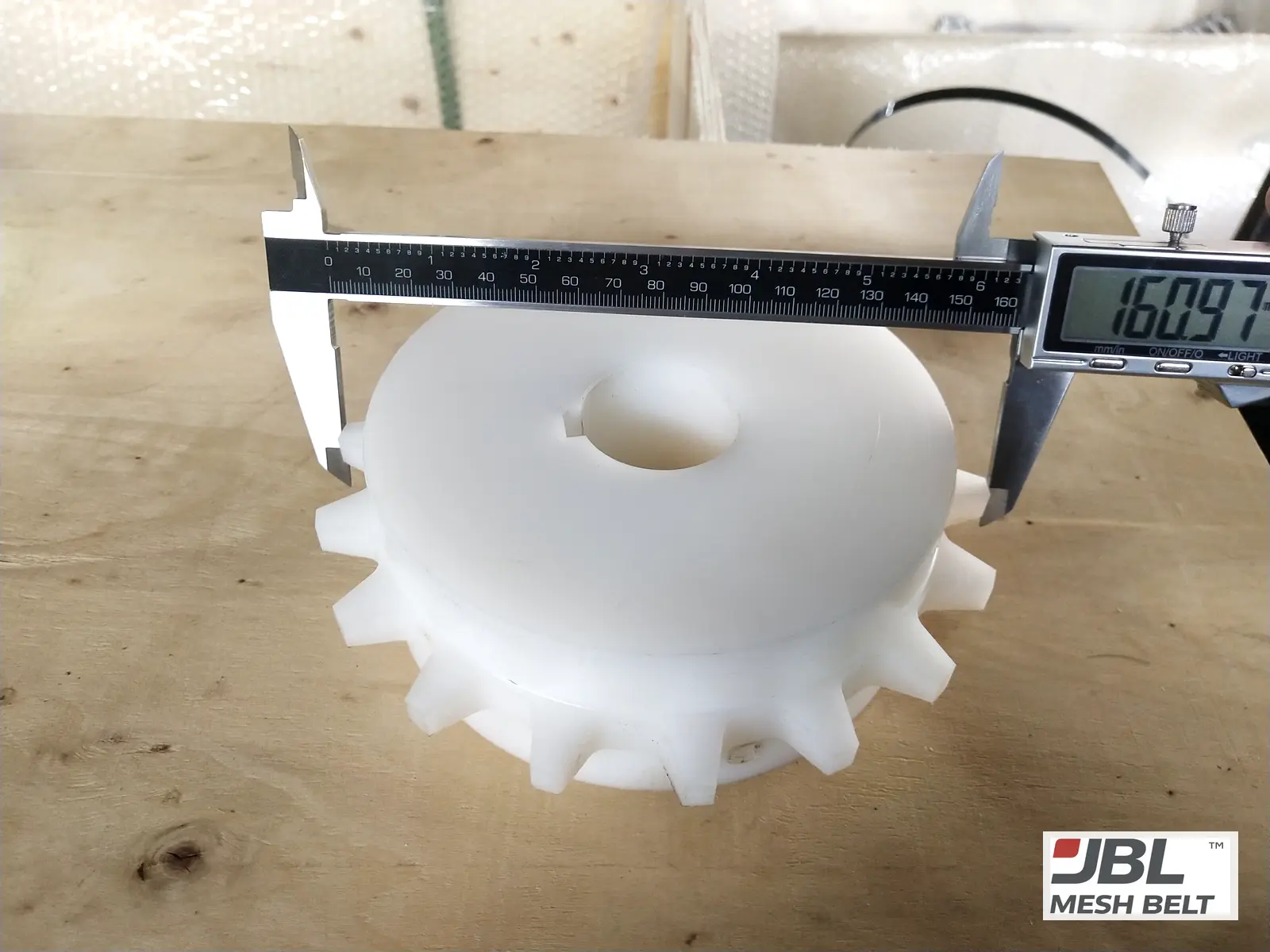
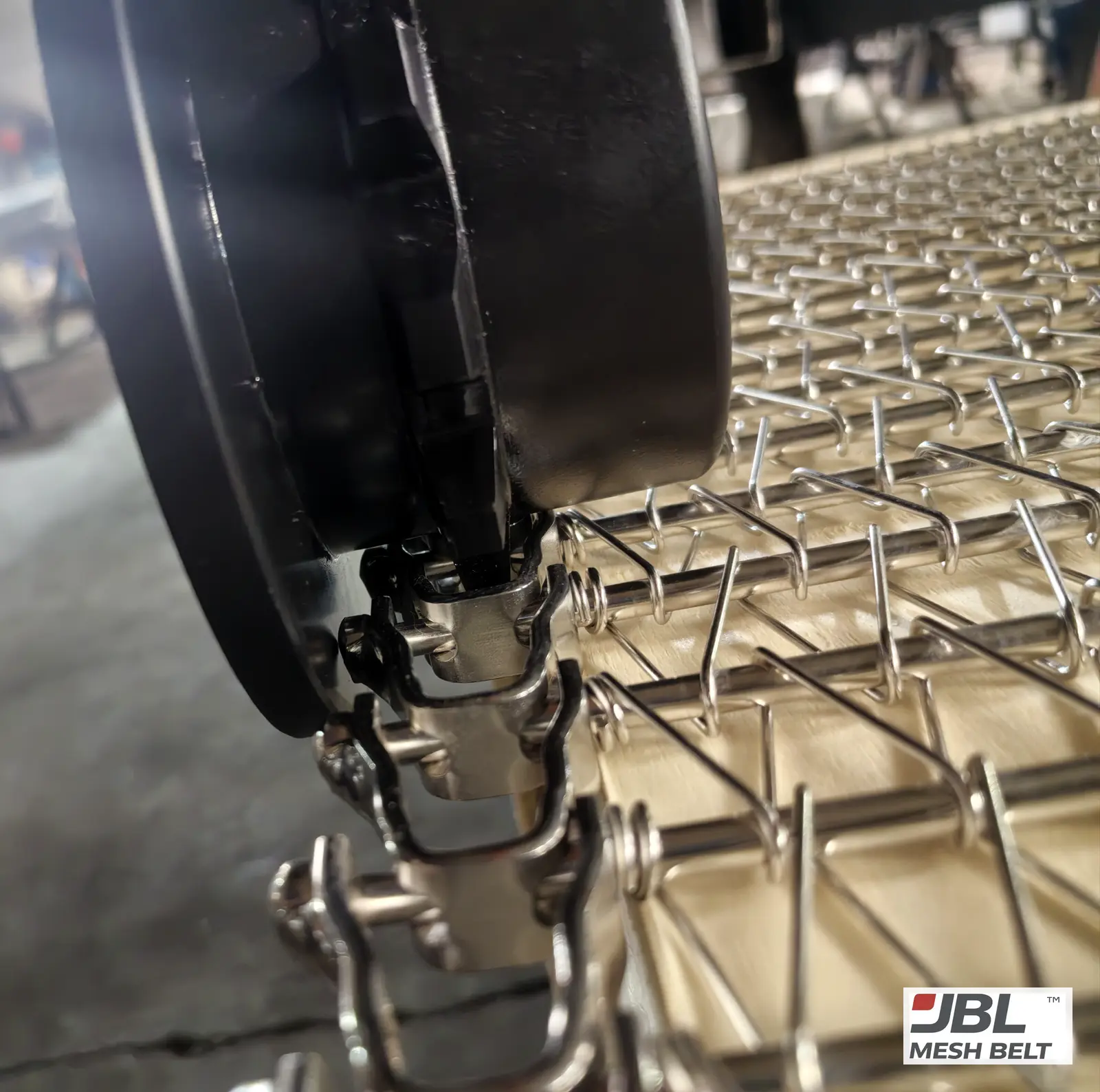
You can watch more running tests in our video library.
05What test evidence should you ask your supplier for?
A test you cannot see is just a promise. Ask for evidence from your own belt, not from a catalogue.
Short answer
Ask for photos or a short video of the turning test on your belt, a stacking test on the bulk belt for self-stacking belts, caliper readings compared with the approved sample, and a sprocket running test if sprockets are supplied.
| Evidence | Why it matters | From our projects |
|---|---|---|
| Turning test video | Shows the whole curve, not one link | UK, Malaysia |
| Stacking test photos | Shows plate seating on every tier | UK, Brazil |
| Readings vs approved sample | Proves bulk = sample | UK, Malaysia, USA |
| Sprocket running video | Proves teeth engage | Australia, waffle line |
I send this evidence before the crates are closed. If you see something you do not like, it is still easy to fix. After shipping, every fix costs days.
- ✓Photos or a short video of the turning test on your belt.
- ✓For self-stacking belts: a stacking test on the bulk belt.
- ✓Caliper readings on the bulk belt, compared with the approved sample.
- ✓If sprockets are supplied: a running test with the belt.
Our self-stacker QC guide and spiral belt QC points list every check we make before shipment.
When This Is Not the Right Choice
- ✕Straight-run conveyor belts that never turn do not need a turning test — a flatness and tracking check is enough.
- ✕A stacking test only applies to self-stacking belts; drum spirals need a drum-fit and turning check instead.
- ✕If you need the belt within days, a full test cycle may not fit your schedule — tell me, and we agree which checks matter most.
From My Engineering Experience
A belt can pass every measurement and still not turn or stack like the original. The caliper cannot see that. So I do not ship a spiral or self-stacking belt without seeing it on the curve first.
The tests take very little time on our floor. On your line, the same problem would cost a shutdown. That is the simplest argument I know.
I also send the photos and video before packing. On our waffle line project the customer was worried at the start. Seeing the trial run measured and photographed next to the original is what made the go-ahead easy.
— Spring, Sales Director, JBL Mesh Belt
Evidence From Our Work
United Kingdom, 2026 — self-stacking belt →
| Step | Detail |
|---|---|
| Tests | Turning test, then stacking test |
| When | After sample approval, before 450 m bulk production |
| Shared | Photos and turning test video |
Brazil, 2025 — self-stacking belt for meat freezing →
| Step | Detail |
|---|---|
| Test | Bulk belt stacked four tiers on a curve |
| Proof on the line | About 50 m run on the customer's freezer |
| Result | 350 m ordered, then a repeat 350 m |
Malaysia, 2026 — spiral belt →
| Step | Detail |
|---|---|
| Test | Full-circle turning test after welds were ground a second time |
| Shared | Trial run photos, readings and a walk-through video |
| Result | Bulk ordered and installed in place of the original |
FAQ
Q1What is a turning test on a conveyor belt?
We lay the belt out in a full circle to check that the mesh closes evenly on the inner edge and the edge follows the radius, as it will on a spiral.
Q2What is a stacking test?
We stack a self-stacking belt tier on tier on a curve to check that each side plate seats on the tier below before the belt ships.
Q3Are the tests done on the actual order?
Yes. In these projects we ran the tests on the customer's own belt before bulk production or before packing, and shared the photos and video.
Q4Do I still need caliper readings if the belt passes the tests?
Yes. Readings confirm the dimensions; the tests confirm the behaviour. You need both.
Q5Do you test sprockets too?
Yes. When we supply sprockets, we run them on the new belt before packing to check the teeth engage.
Conclusion
Readings prove the size. Turning, stacking and sprocket tests prove the behaviour. Ask to see both on your own belt before it ships.
Download the Spiral Freezer Belt Technical Specification (PDF)
Specification ranges and options in mm and inch. Enter your work email and the file downloads right away.
References

Your contact for this belt
Spring · Sales Director, JBL Mesh Belt · 16 years
“Your belt is worn, the OEM price is high, and there is no drawing. That is where I start.”
Send me a worn section, a few photos with a caliper in the picture, or a drawing. I tell you what fits, what is missing, and show you a sample measured against your own belt before you pay for the full length. Buyers in the UK, the USA, Australia, Brazil, South Korea, Spain and Malaysia have replaced belts this way.
- ✓Readings on your original next to readings on our sample
- ✓Nothing in bulk until you approve the sample
- ✓Turning, stacking or sprocket tests before your belt ships
- ✓A reply from me, usually within 8 hours