OEM Decision · 11 min read
How Do You Qualify a Second-Source Spiral Belt Supplier Without Risking Production?
 Written bySpringSales Director, JBL Mesh Belt · 16 years in metal conveyor beltsProjects in United Kingdom · USA · Australia · Brazil · South Korea · Spain · MalaysiaPublished
Your current belt supplier is expensive, slow, or a single point of failure. You want a second source — but one bad belt can stop the whole line.
Short answer
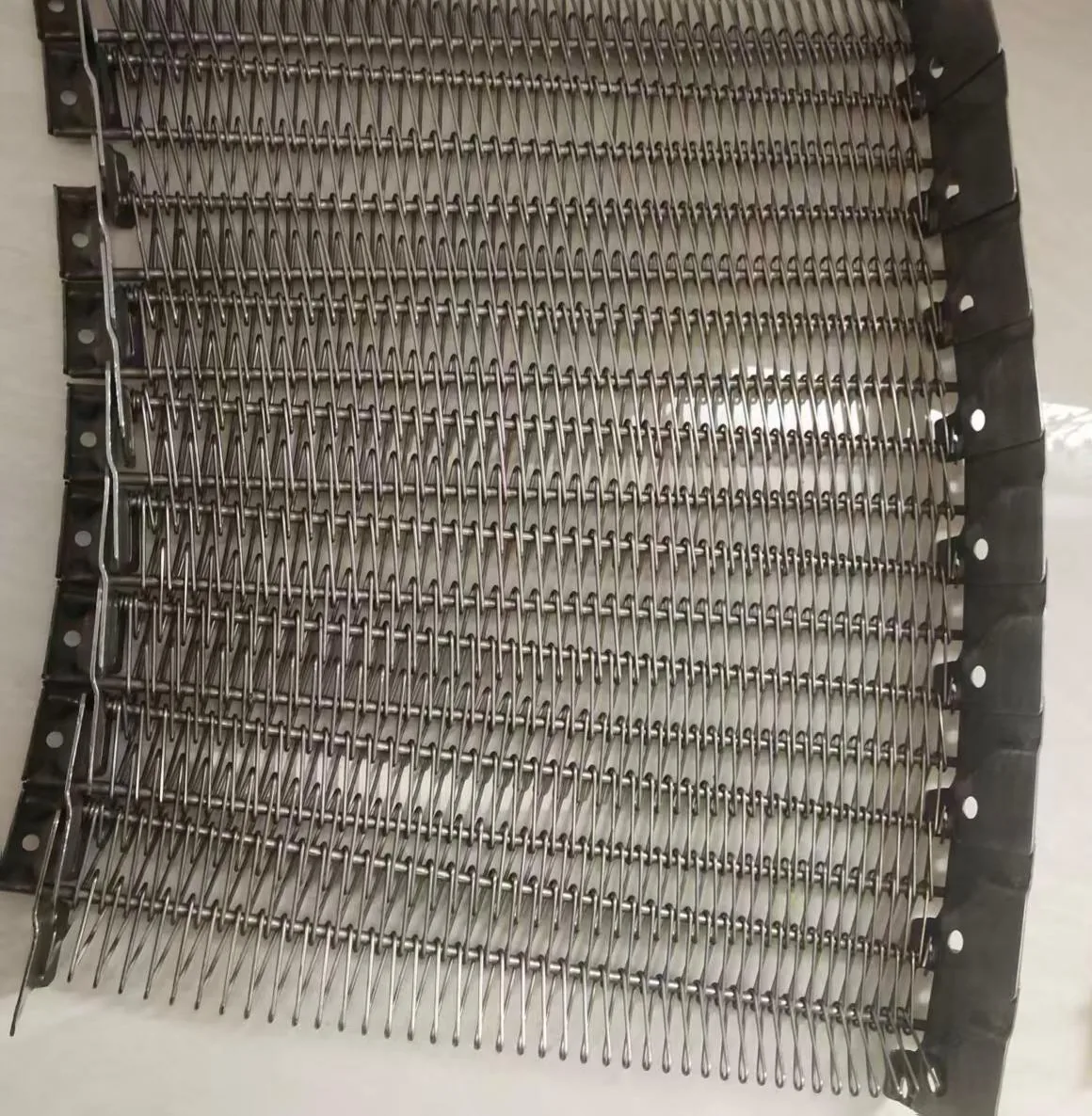
Qualify a second-source spiral belt supplier in steps: review the specification, verify the drawing or sample, identify critical interfaces, verify material, approve a first article, check the inspection report, run a trial installation, approve bulk, archive the specification and control repeat orders. Each step lowers the risk before the next.
At a Glance
| Product | Application | Key point | Buyer type | What to send |
|---|---|---|---|---|
| Spiral and self-stacking belts | Adding a second supplier | Qualify in steps, not in one order | OEMs, purchasing, quality, plant engineering | Current specification, drawing or sample, approval requirements |
Many buyers come to me because the original supplier's price is high, the lead time is long, or they simply want a second source. Here is the qualification process I follow with them — ten steps, each with something you can check.
01Why are buyers afraid to switch belt suppliers?
The reasons to switch are clear. The fear is about what happens if the new belt does not run.
Short answer
Buyers fear three things: a belt that does not fit the existing machine, quality that changes from order to order, and a supplier that only sends a quote from a drawing. A qualification process answers each fear with evidence before the full order.
| Fear | What answers it |
|---|---|
| The belt will not fit | Sample measured against your original; turn, stacking and sprocket tests |
| Quality will change | Material records, inspection report, archived specification |
| The supplier just copies a drawing | Critical interfaces reviewed: drum, direction, drive, edge |
| Production will stop | Trial length on your line before bulk |
In the UK, the original equipment maker's price for a replacement belt was high. In the USA, an equipment integrator found replacing about 700 m of OEM belt locally too costly. Both wanted a second source. The US buyer was unsure at first, and that is a fair reaction.
The difference between a supplier you can qualify and one you cannot is simple. One sends a quote from a drawing. The other shows you, step by step, that the belt is right before you commit. I wrote about the price side in what to do when the OEM belt is too expensive; this article is about the risk side.
02Which steps qualify a second-source spiral belt supplier?
Ten steps sounds like a lot. In practice, several run together, and each one ends with something you can check.
Short answer
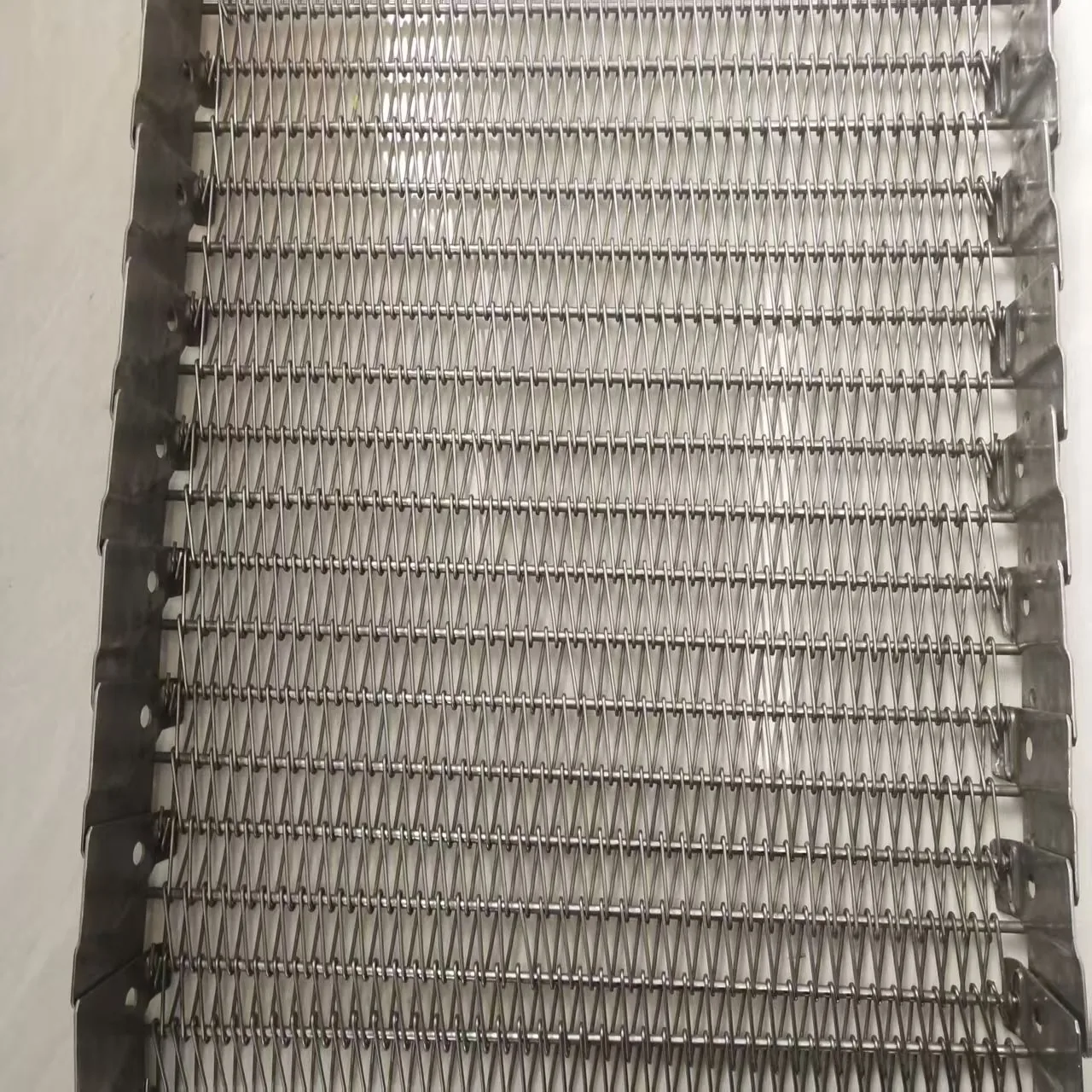
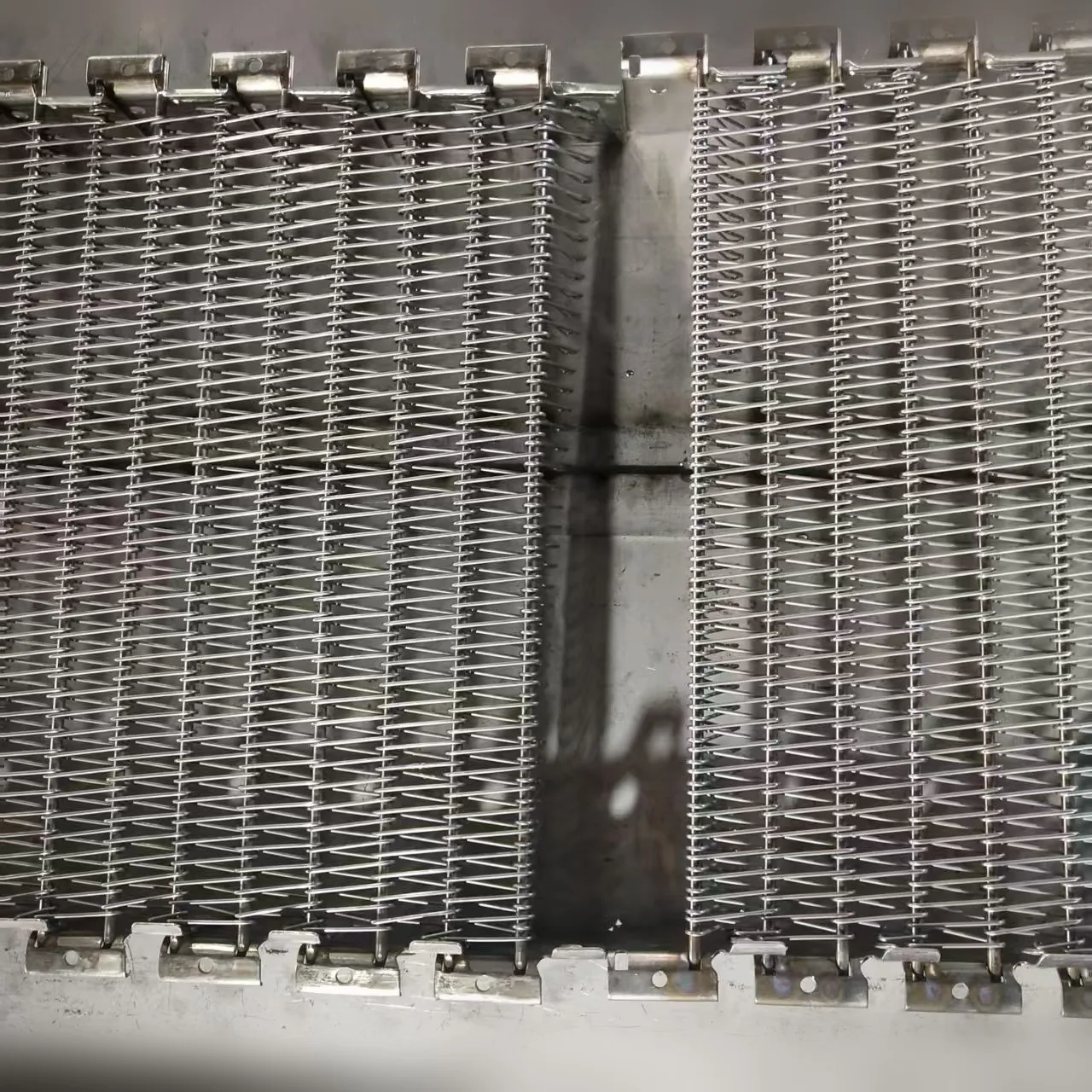
The ten steps are: existing specification review, drawing or sample verification, critical interface identification, material verification, first article or trial sample, inspection report, trial installation, bulk approval, specification archive and repeat-order control.
| Step | What happens | What you receive |
|---|---|---|
| 1. Specification review | Belt, drawing, photos and system notes reviewed | Missing-data list, review notes |
| 2. Drawing / sample verification | Original measured point by point | Readings with photos |
| 3. Critical interfaces | Drum, turn ratio, direction, drive, edge confirmed | Confirmed and open points |
| 4. Material verification | Grade confirmed; material recorded per order | Material record; mill certificate support |
| 5. First article / trial sample | Sample or trial run made | Sample photos, then the physical sample |
| 6. Inspection report | Sample measured against the original | Side-by-side readings |
| 7. Trial installation | Short length run on your line, where needed | Your own running result |
| 8. Bulk approval | Production only after your approval | Written confirmation |
| 9. Specification archive | Drawing, readings, photos stored | Recorded specification |
| 10. Repeat-order control | Next order made to the record | Same belt, order after order |
These steps follow our order control and project commitment process: production does not start until the drawing or sample is confirmed and the specification signed off, and changes after confirmation are re-confirmed in writing.
Steps 1 to 3 cost you only information. Steps 4 to 6 cost a sample. Step 7 costs a short length. Only step 8 commits you to the full order — and by then most of the risk is gone.
03What should the first article and inspection report prove?
The first article is where a second source either earns trust or loses it. The proof has to be in numbers, not in words.
Short answer
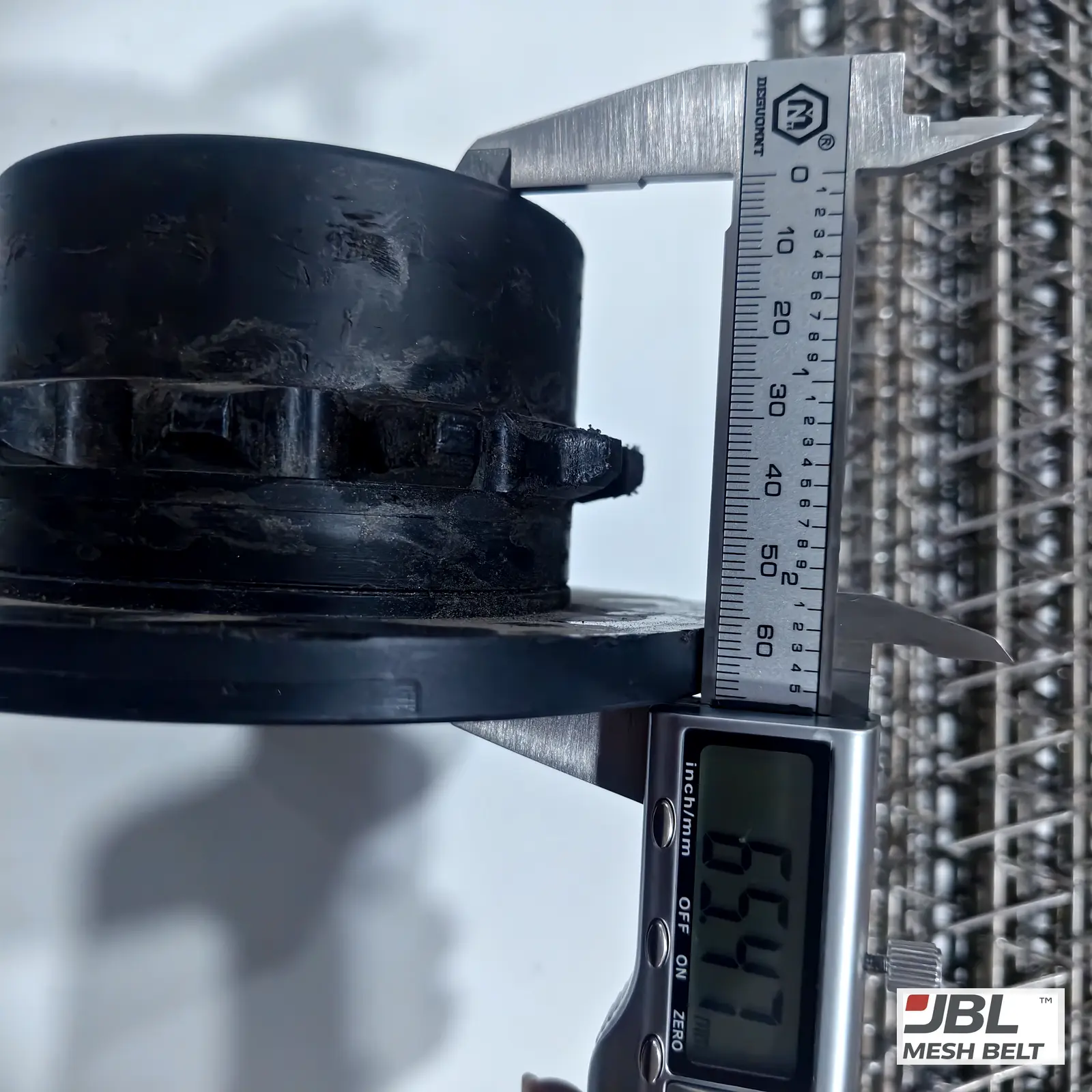
The first article should match your original on every fit dimension, read with the same tools, and the inspection report should show both readings side by side with photos. Where wear is found, the report should say so and show the corrected value.
| Dimension (UK) | Original | Sample | Bulk |
|---|---|---|---|
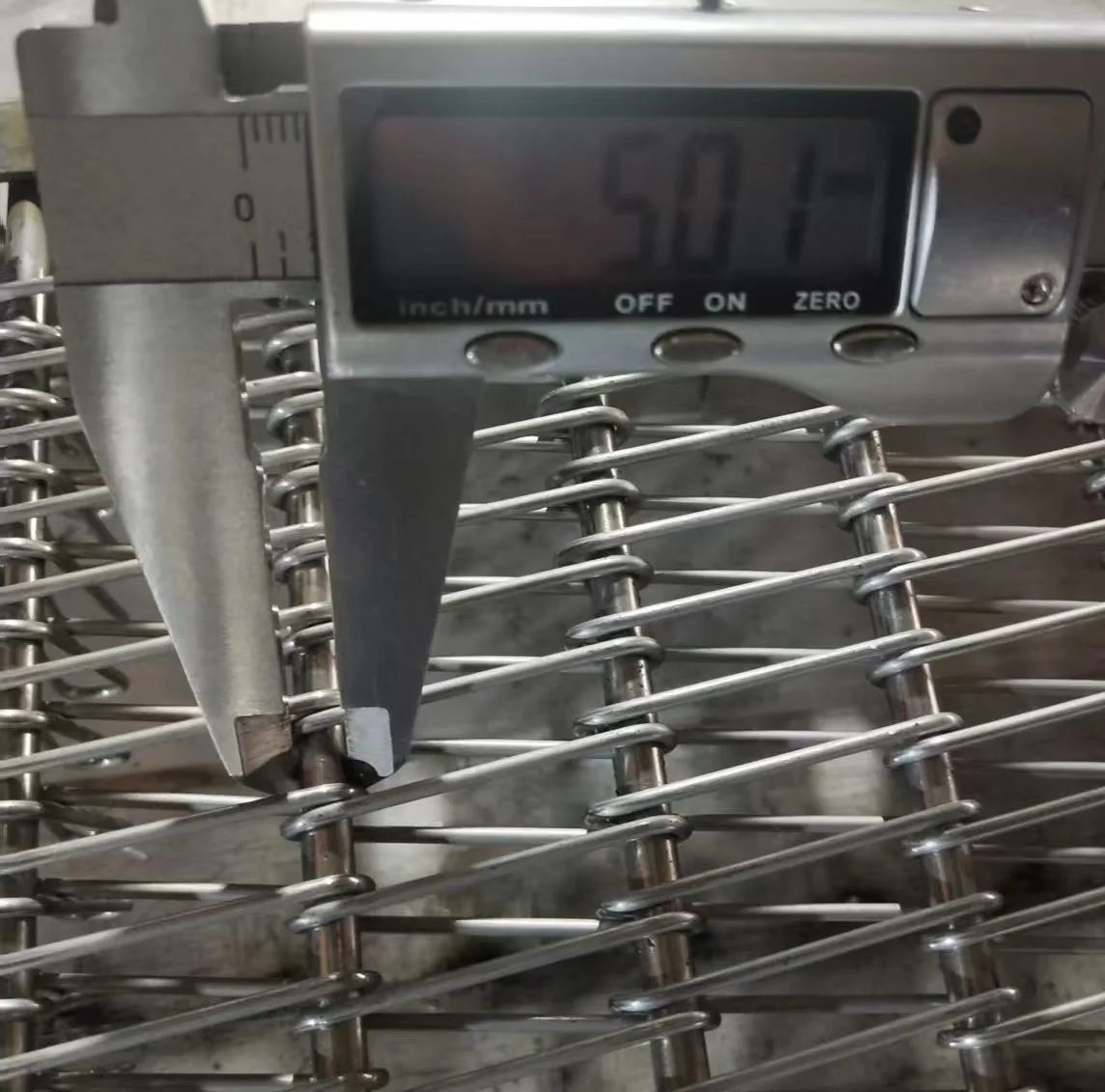
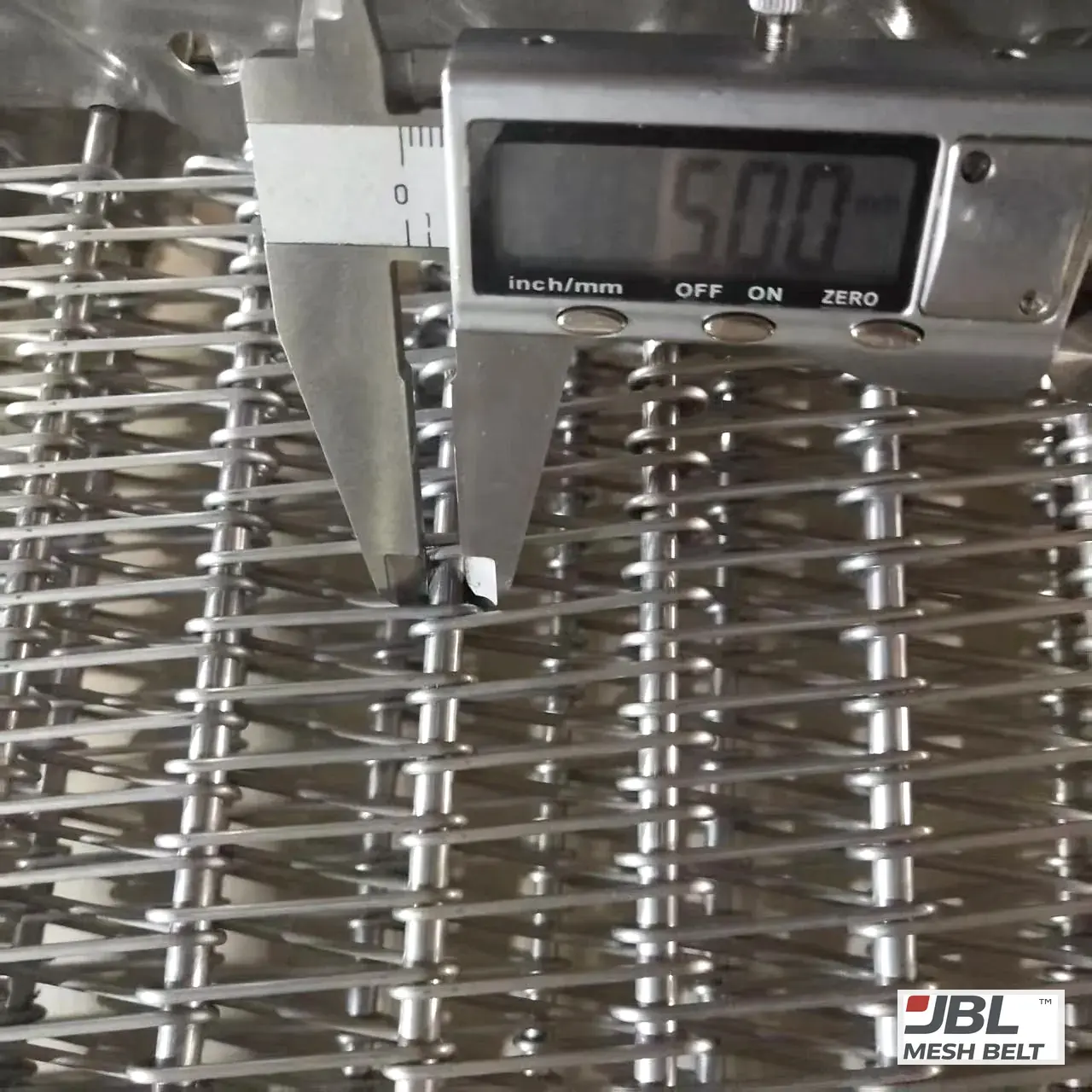
| Rod diameter | 4.99 mm | 5.01 mm | 5.00 mm |
| Wire | 1.65–1.68 mm | 1.71 mm | 1.71 mm |
| Rod pitch | 30.00 mm | 30.00 mm | 30.00 mm |
| Spiral pitch | 8.95 mm | 9.00 mm | 9.00 mm |
| Side plate thickness | 1.44–1.50 mm | 1.50 mm | 1.52 mm |
| Side plate height | 59.68 mm | — | 60.03 mm |
UK self-stacking belt, readings from the case photos.
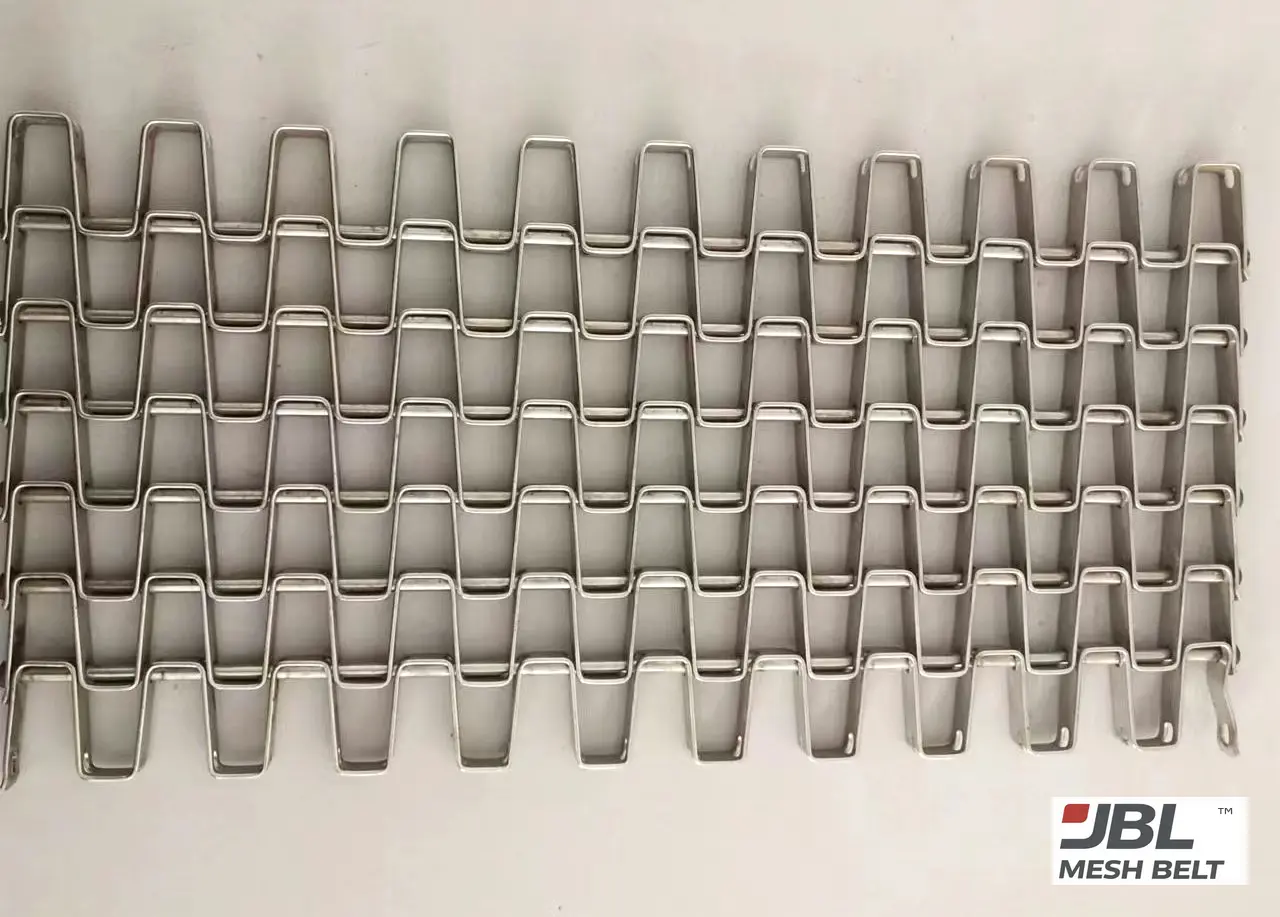
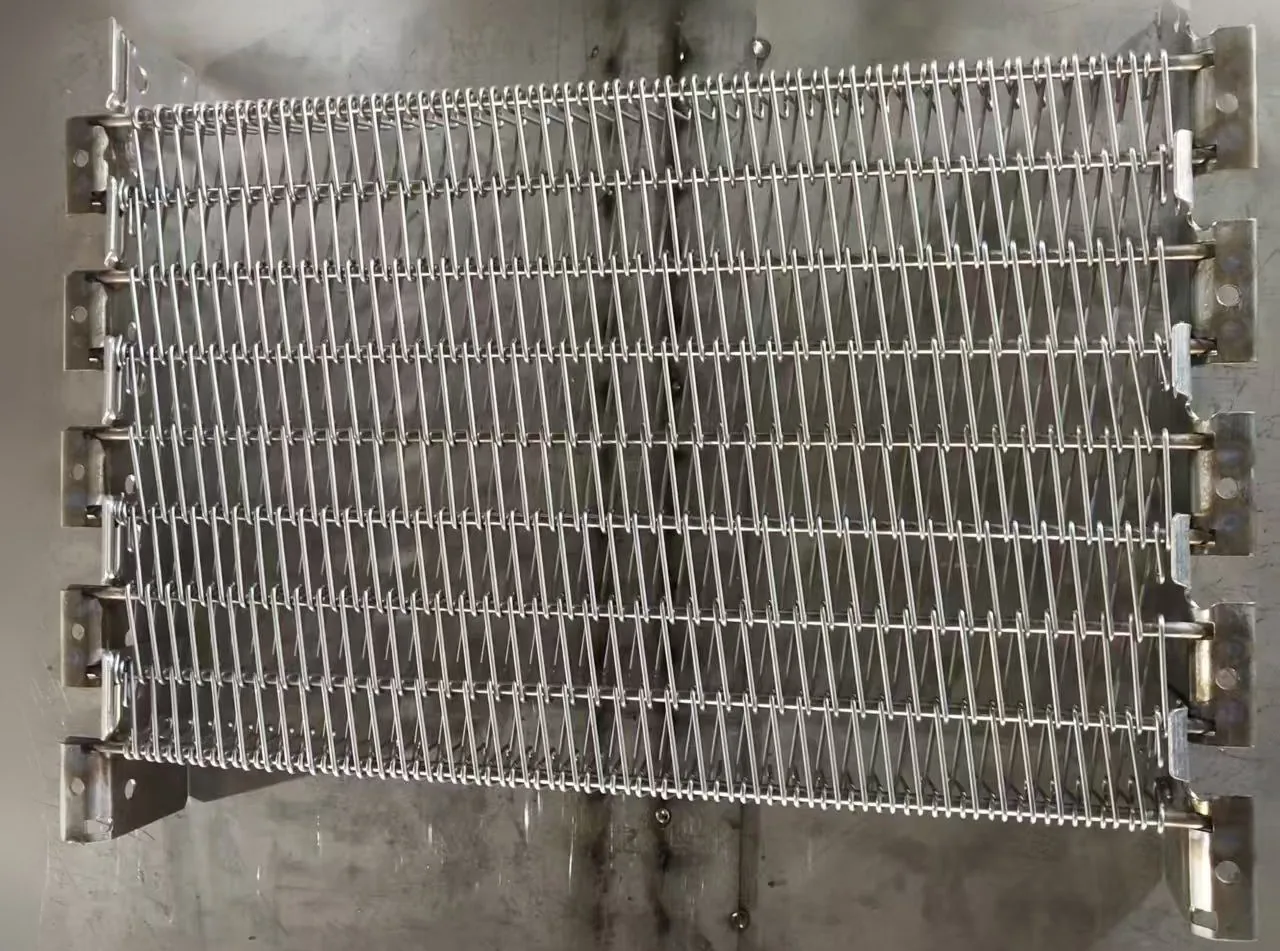
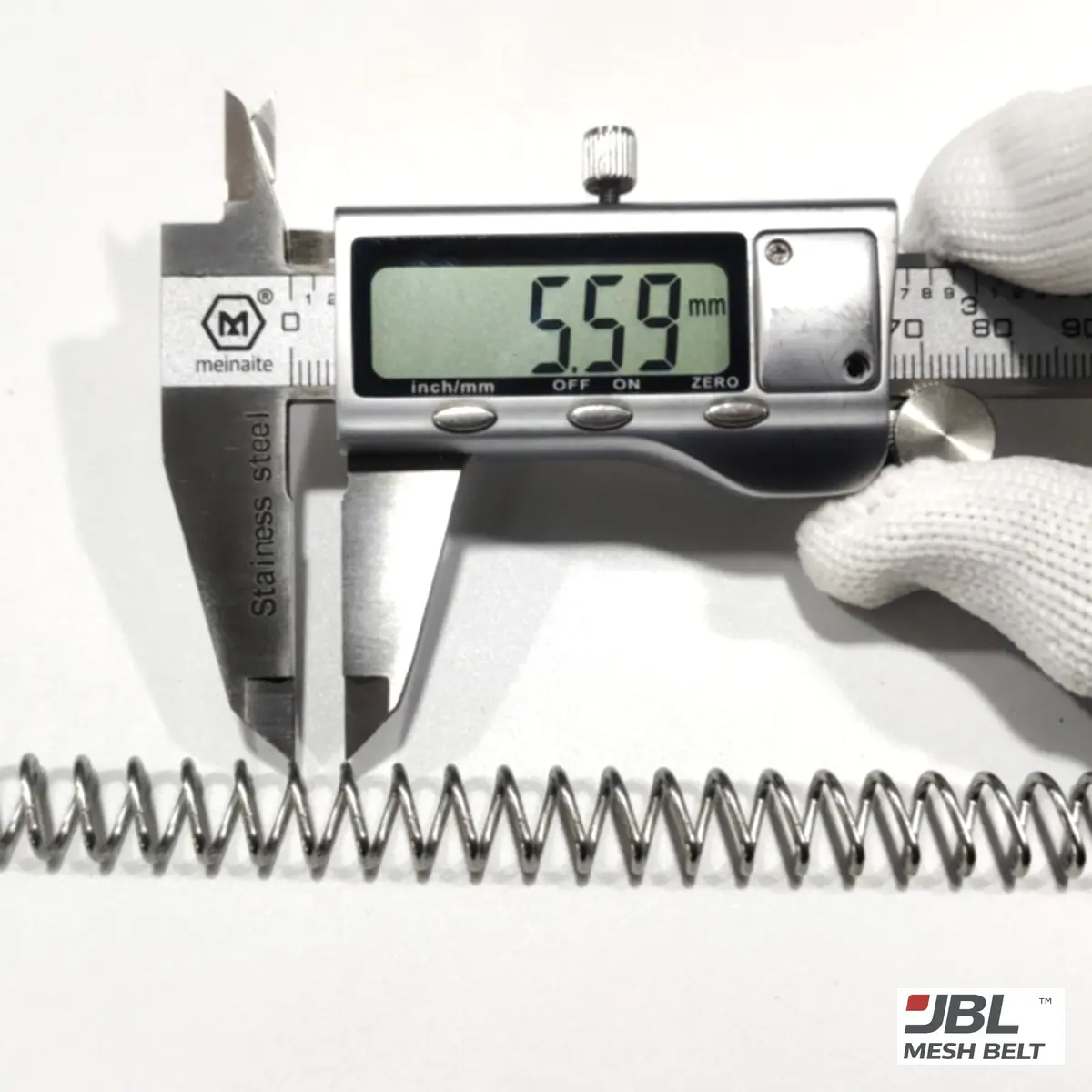
The UK table is what I mean by an inspection report. Every value was read with a caliper on the original, the sample and the bulk belt. The buyer could check each number against a photo.
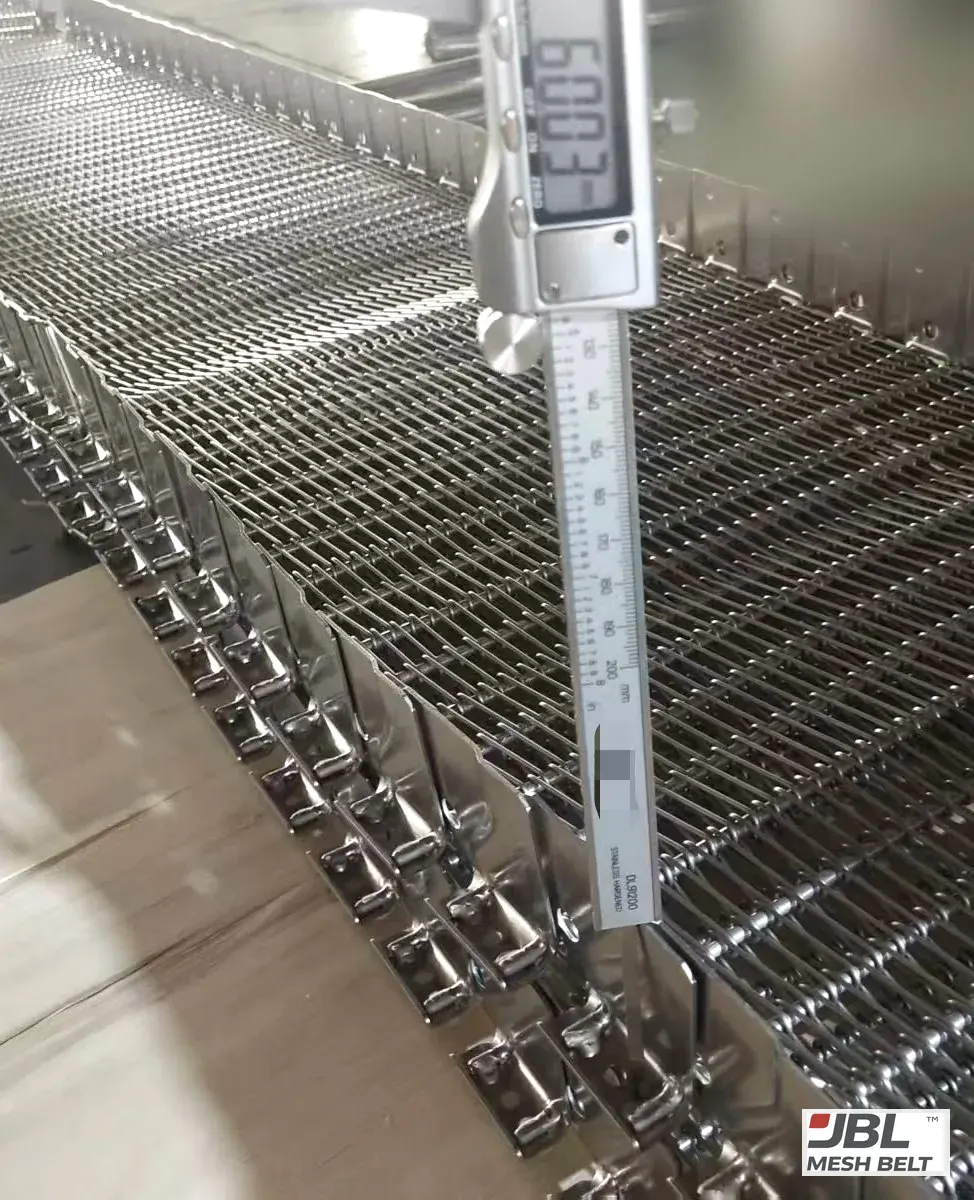
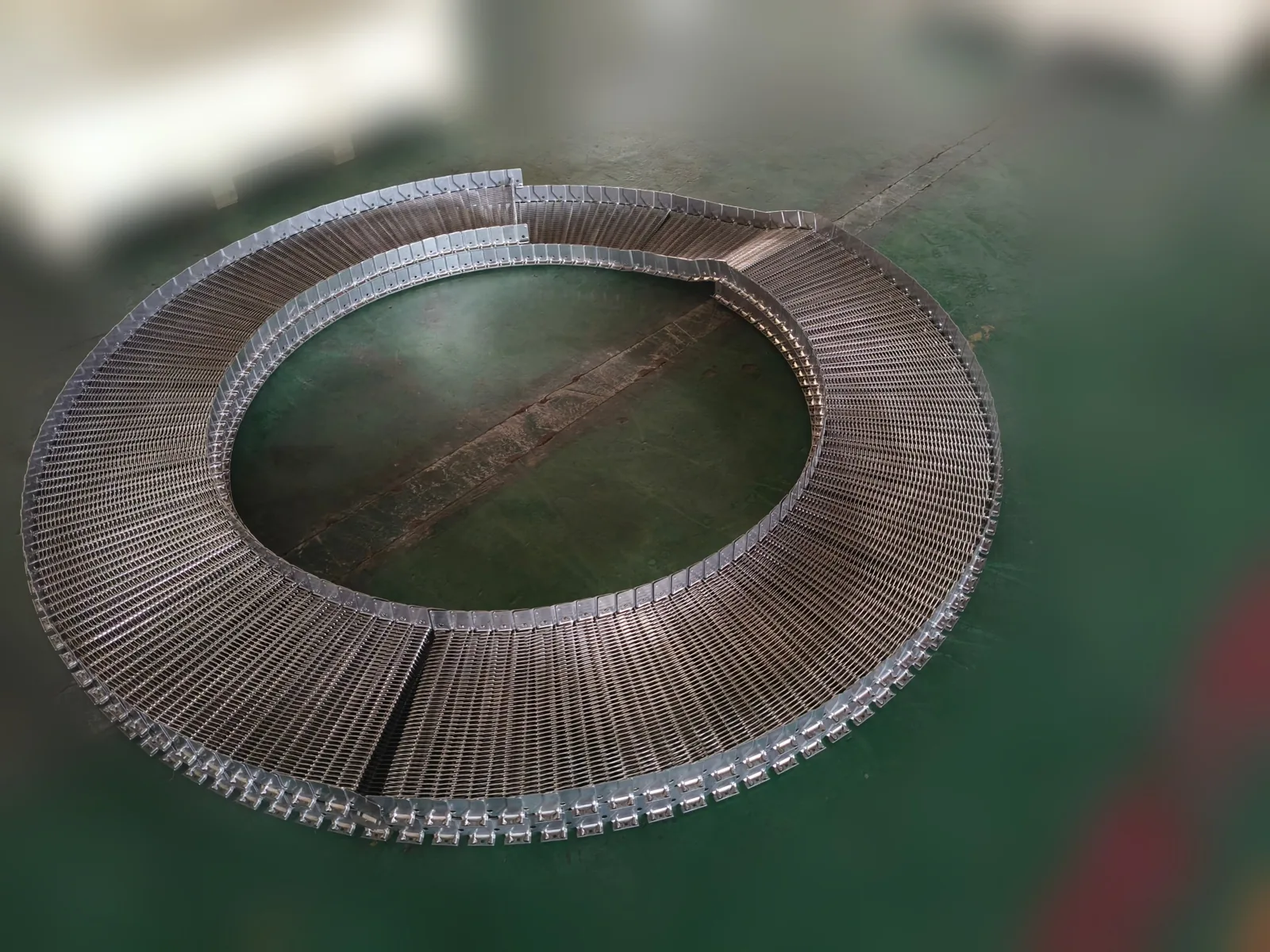
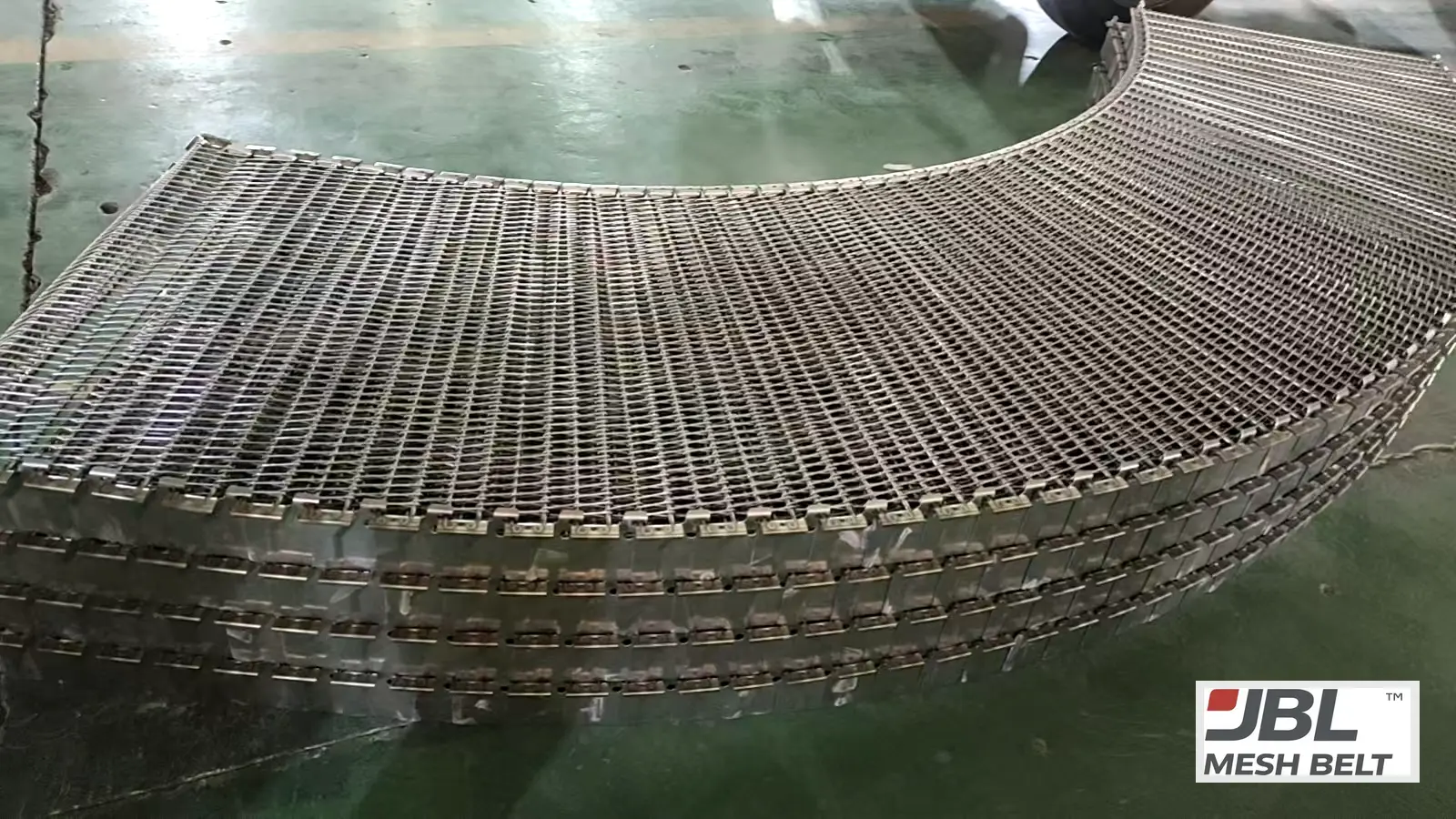
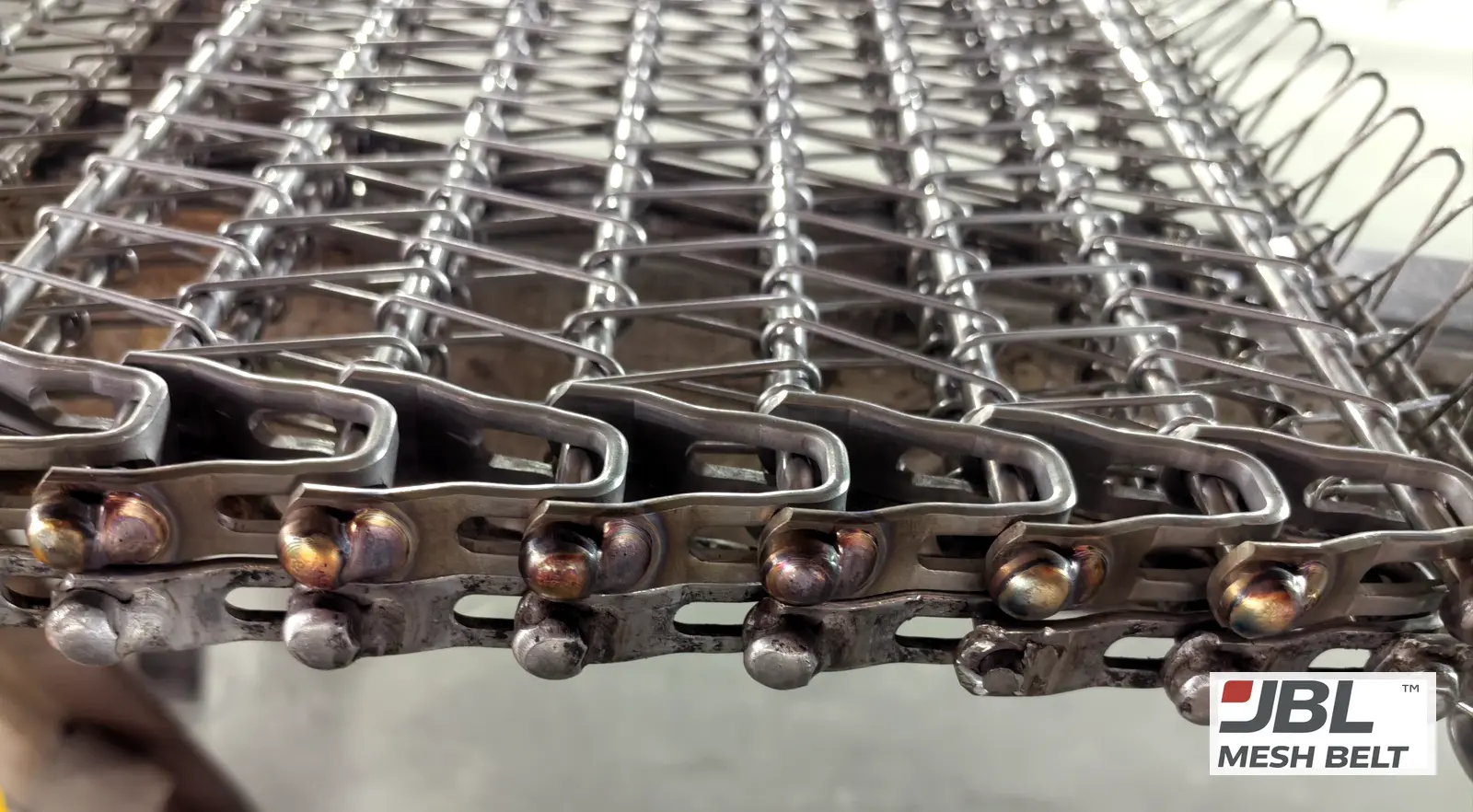
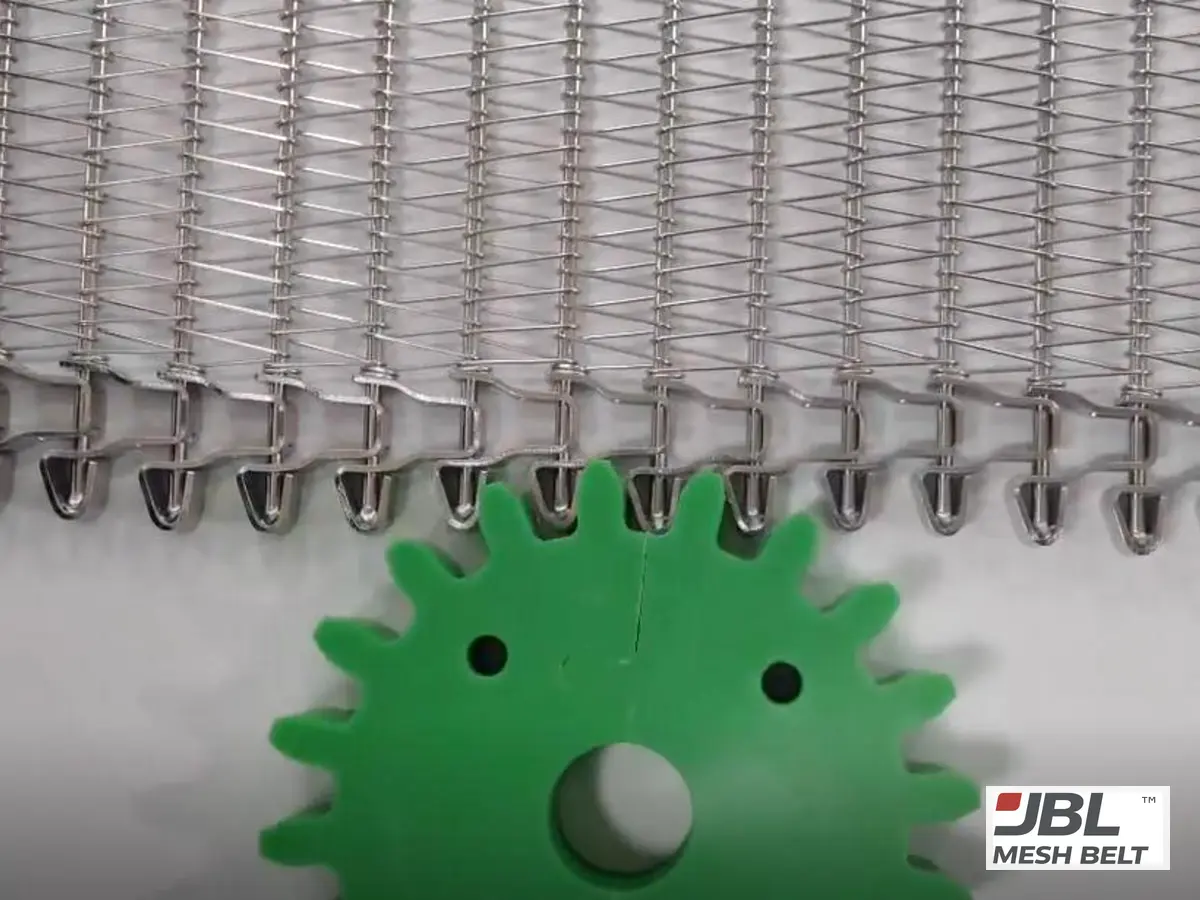
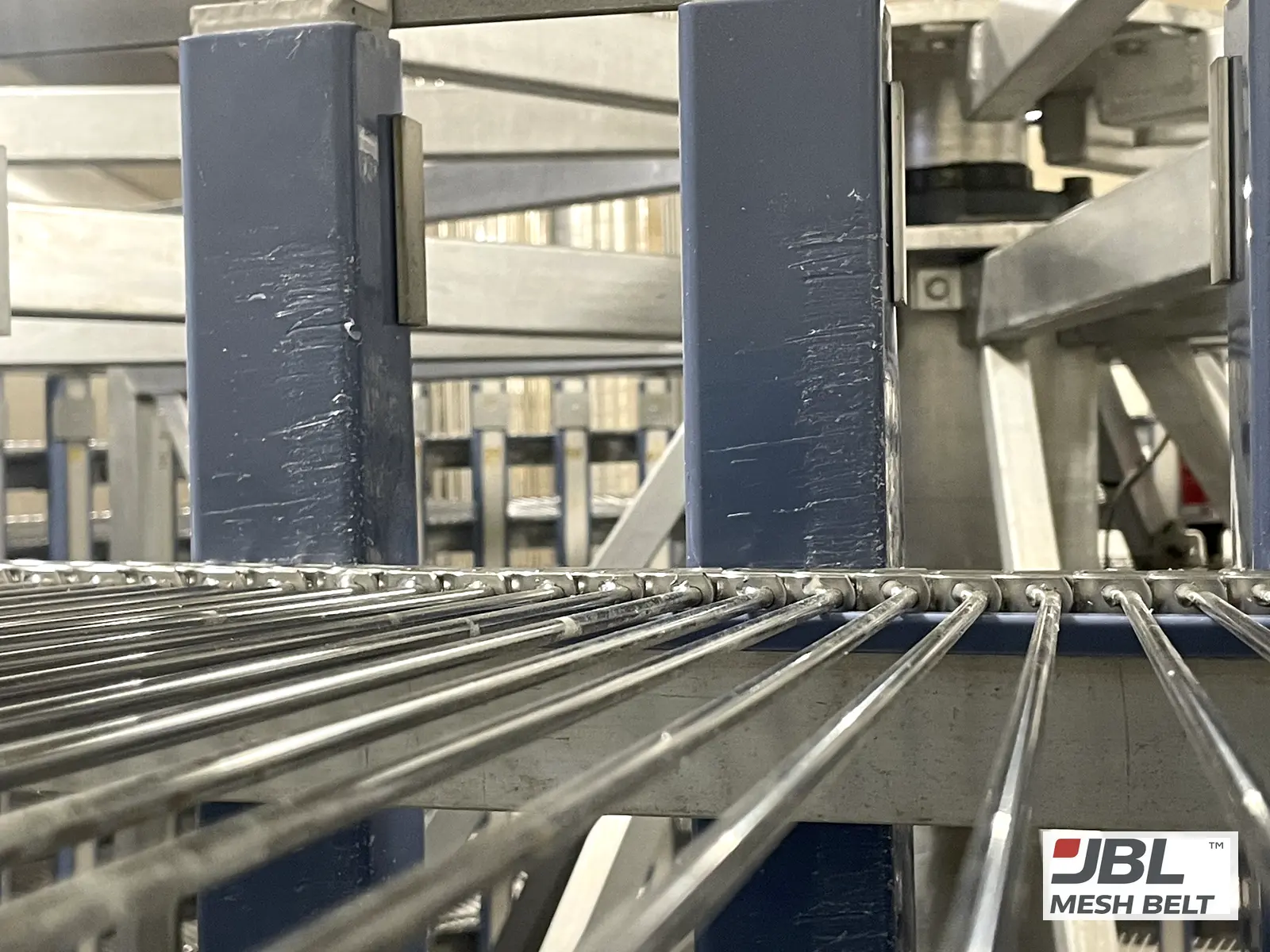
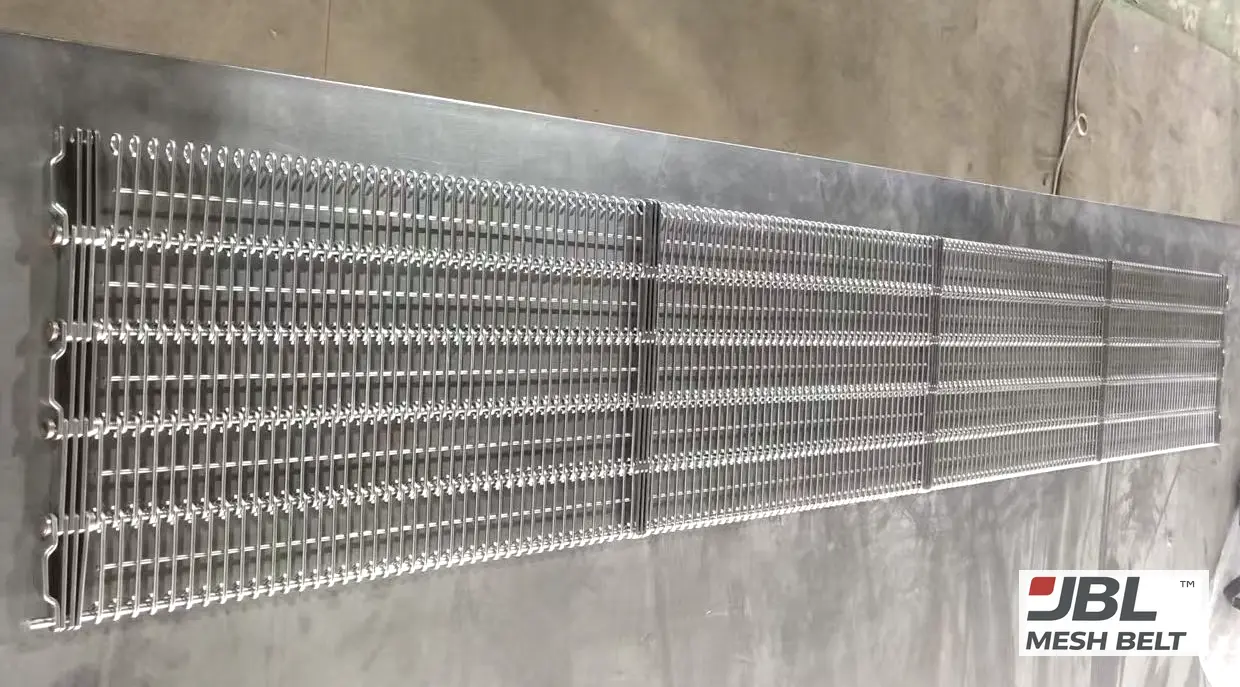
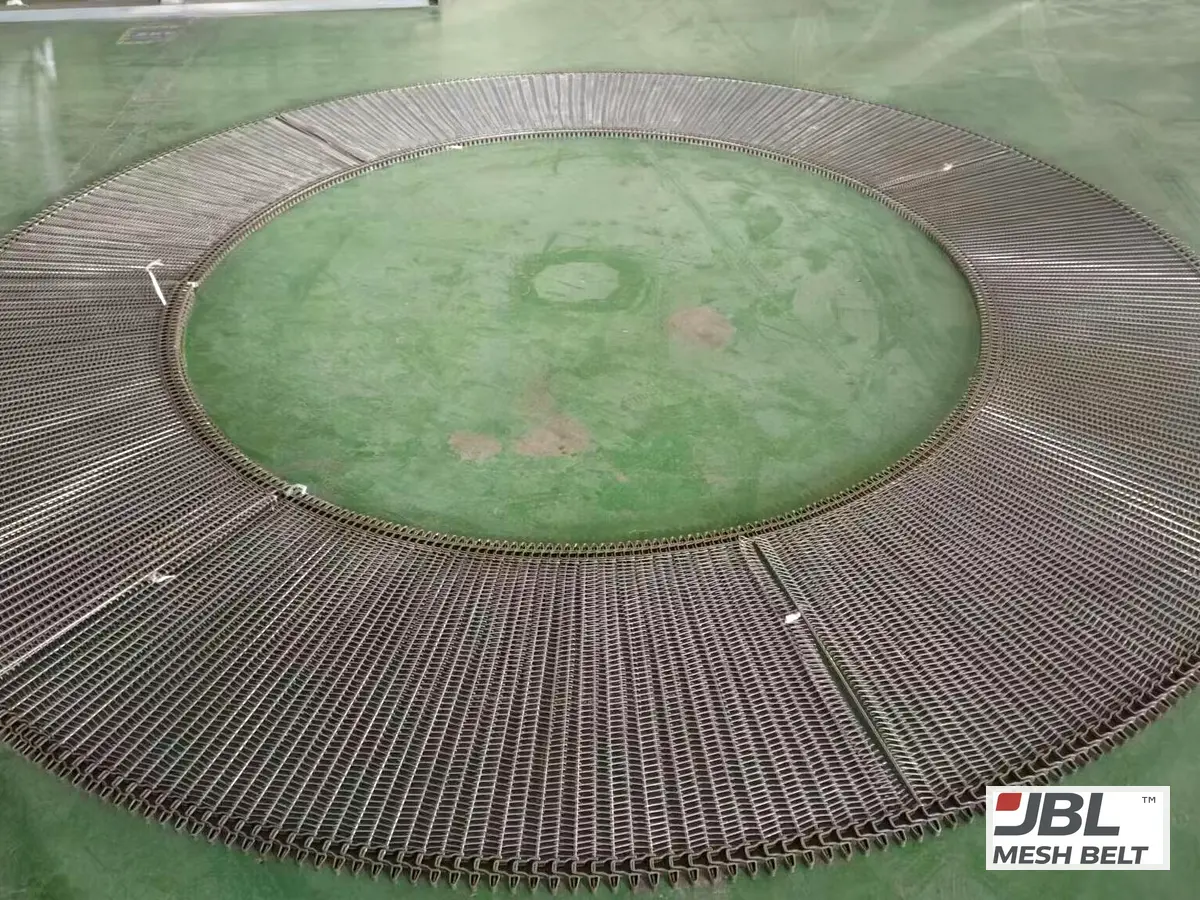
Dimensions are not the whole first article. For a spiral or self-stacking belt, the report should also show the behaviour: a turning test, a stacking test or a sprocket running test. In the UK, the belt was turning-tested and stacking-tested before the 450 m went into production.
In the USA, the first article went one step further: the drawing set strict bend radii and no burrs, so forming tools and process were adjusted, and the trial run was approved by the customer before the full order.
04How do you trial a new supplier without risking production?
A sample proves the belt. Only your own line proves the belt on your line.
Short answer
Run a short trial length on your own line before the full order, where the risk justifies it. Join it to the existing belt if possible, run it under real product and temperature, and order the full length only after it runs as expected.
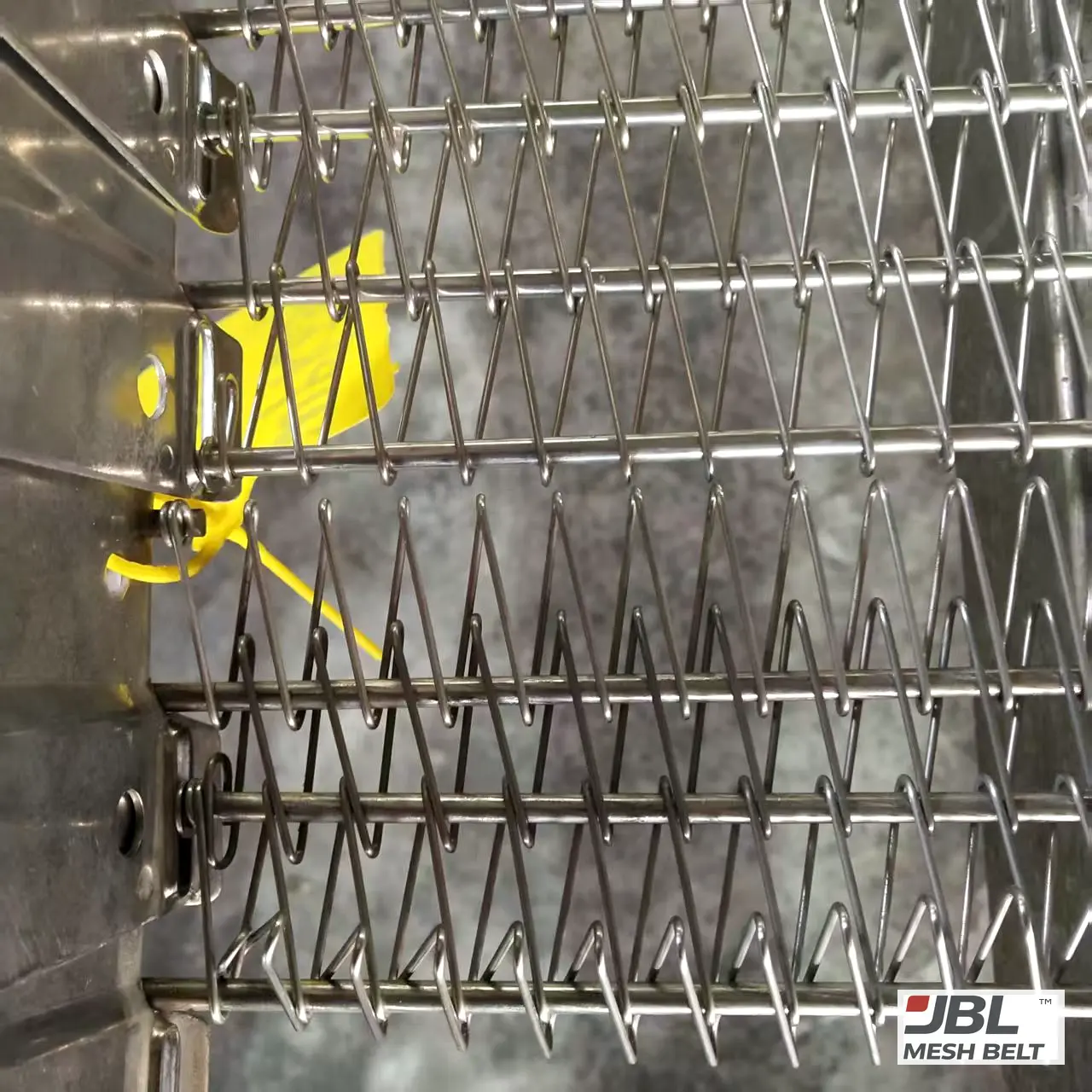
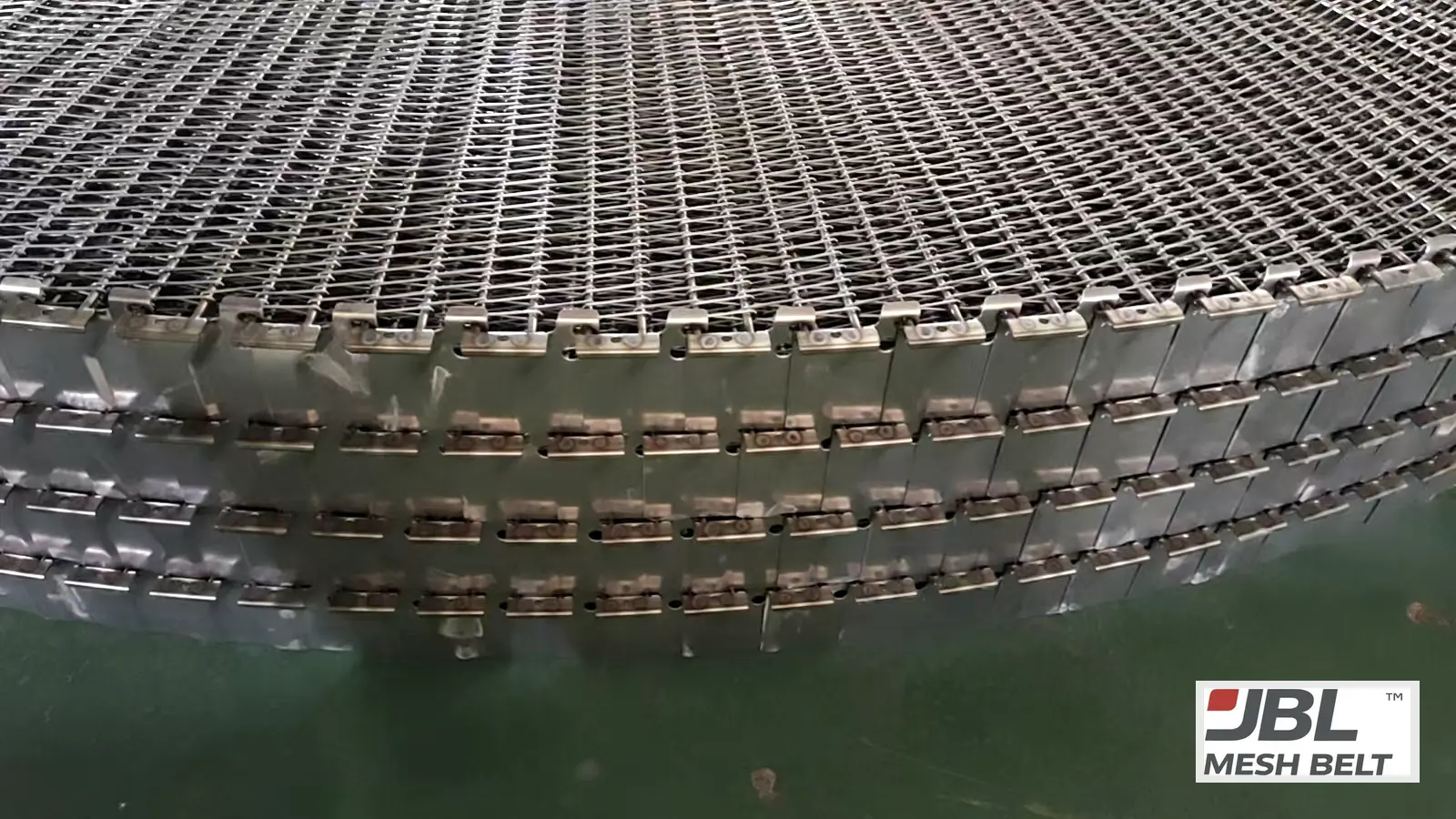
Brazil shows the trial step most clearly. The customer sent a section of the original self-stacking belt. The new belt was joined to the original and stacking-tested. Then the customer bought about 50 m and ran it on the freezer. Only after that run did the 350 m order follow.
| Brazil | What happened |
|---|---|
| New belt joined to the original | Pitch and side plates checked against the existing belt |
| Stacking test | Tiers stacked on a curve before shipment |
| About 50 m on the freezer | Run on the customer's own freezer |
| 350 m ordered | Replaced on site |
| Second 350 m ordered | Repeat order |
A trial length costs something, and not every project needs one. When a drawing is complete and the belt is simple, an approved sample may be enough. When the belt is long, stacked or hard to replace, the trial is cheap insurance.
05How do you keep repeat orders the same as the approved belt?
Qualifying a supplier once is not enough. The second and third orders must match the first.
Short answer
Repeat orders stay the same when the approved specification is archived — confirmed drawing, inspection readings, photos and special requirements — and each new order is made and checked against that record, not against memory.
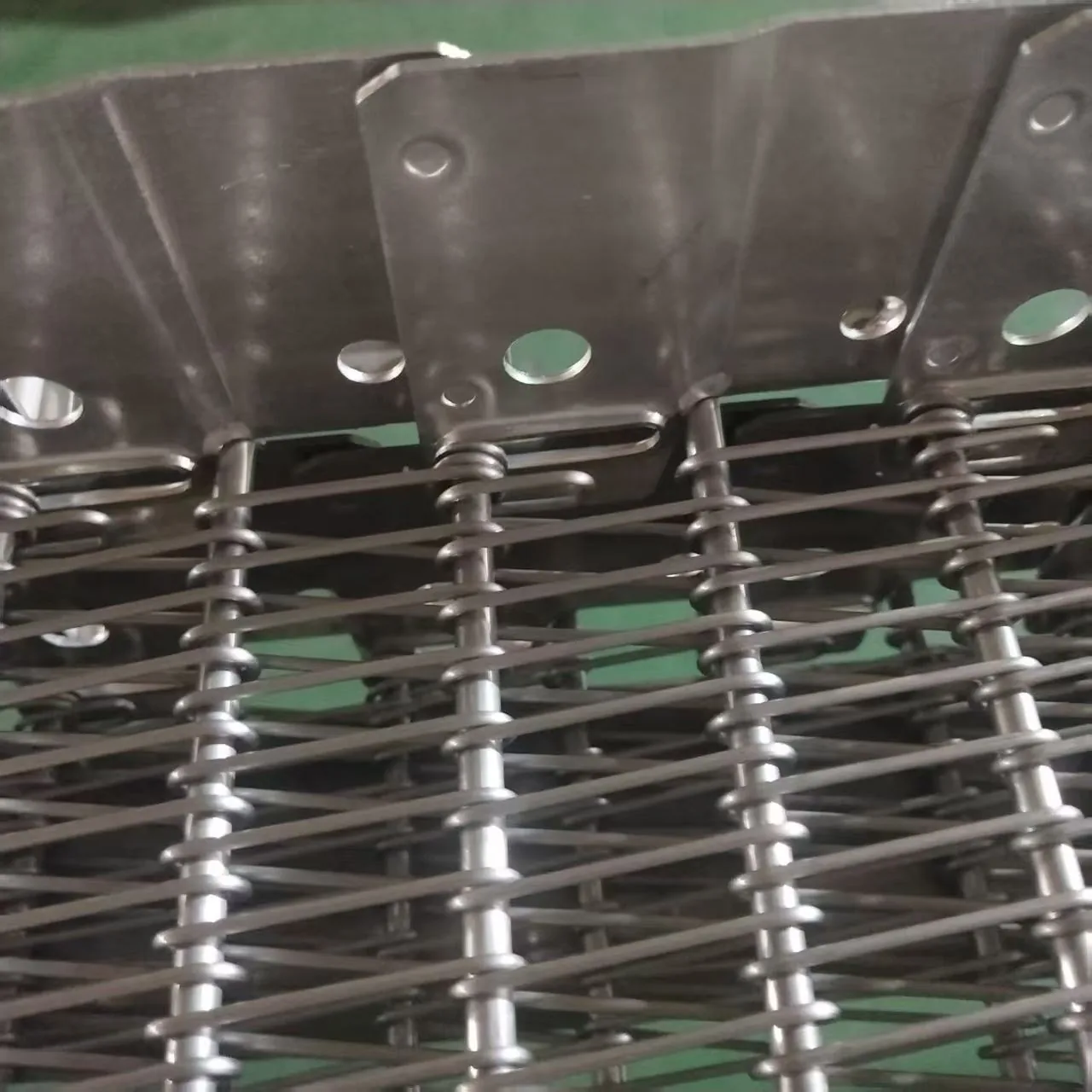
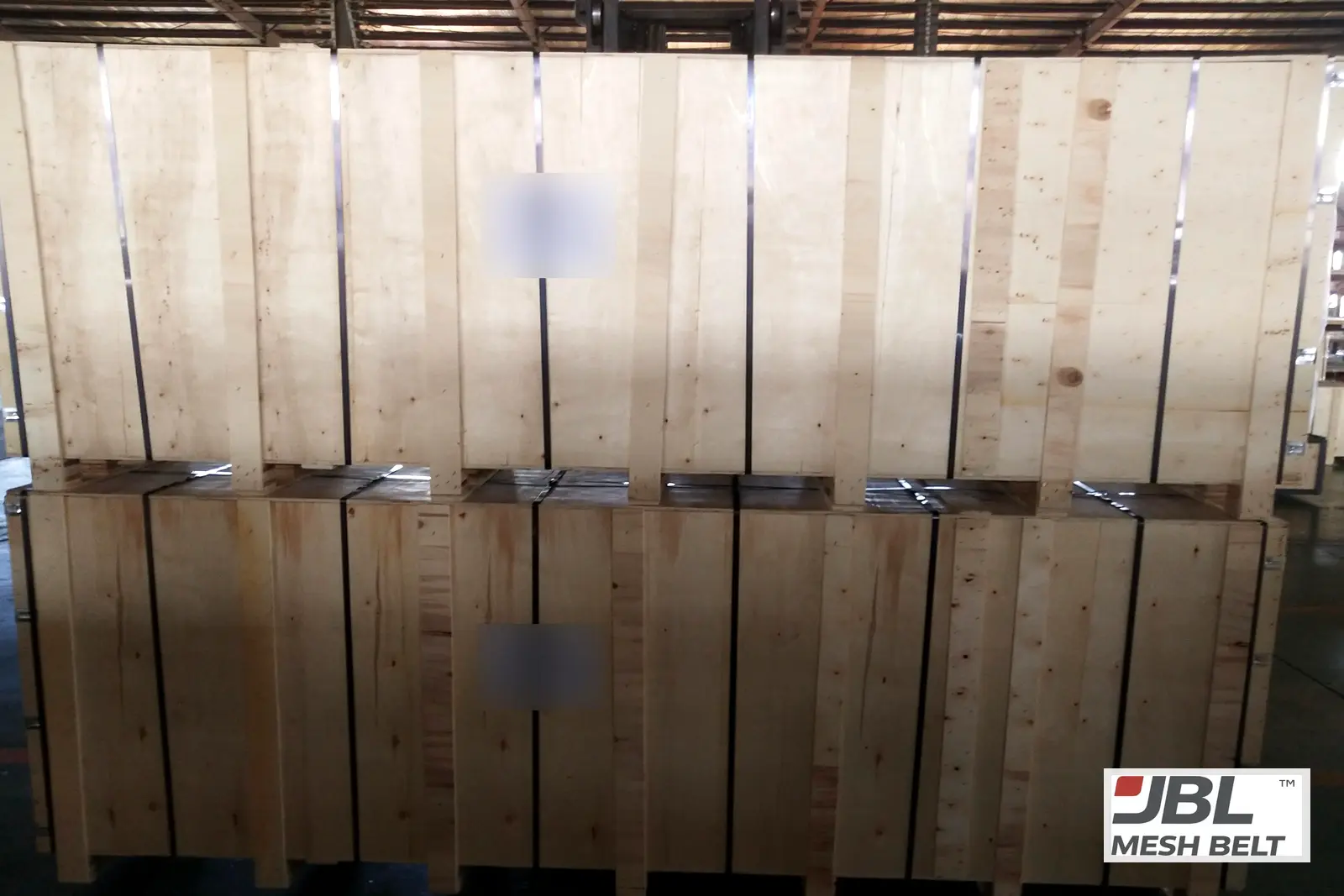
Our order control commits to this: each order is documented with the confirmed drawing, inspection records, packing photos and shipment notes, and those records support repeat orders. Material used for each order is recorded and traceable.
- ✓Confirmed drawing — the approved reference, with any revision controlled.
- ✓Inspection readings and photos — what the approved belt actually measured.
- ✓Special requirements — weld finish, surface, packing, labels.
- ✓Material record — grade and order linkage; mill certificate support where needed.
- ✓Retained sample — where the belt type allows it, as with our side-driven belts.
In Brazil, a second 350 m order followed the first. For material questions, our stainless steel material verification guide explains what is checked.
Qualifying a second source?
Send your current specification, a drawing or sample, and your approval requirements. I propose the qualification steps for your belt before any quotation.
When This Is Not the Right Choice
- ✕If your current supplier's price, lead time and quality are all acceptable, a second source may not be worth the qualification effort.
- ✕If the belt type is protected by the original maker's rights, a second source may not be possible for that design.
- ✕If your equipment warranty requires original parts, check its terms before qualifying another supplier.
From My Engineering Experience
The second-source buyers in our cases moved in steps. The UK customer approved a sample before 450 m. The Brazil customer ran 50 m before 350 m. The US integrator approved a trial before 700 m — and only afterwards handed over the clips, flight bars and sprockets they had planned to make themselves.
Trust grew in steps, and each step was based on something they could measure. That is the process I want: not a promise, but readings, tests and a short trial.
The repeat order is the real result. In Brazil, the second 350 m order told me the qualification had worked.
— Spring, Sales Director, JBL Mesh Belt
Evidence From Our Work
Brazil, 2025 — 50 m trial, 350 m, repeat 350 m →
| Step | Detail |
|---|---|
| Specification | From a section of the original belt |
| First article | New belt joined to the original; stacking test |
| Trial installation | About 50 m on the customer's freezer |
| Repeat-order control | Second 350 m ordered after the first |
United Kingdom, 2026 — readings at three stages →
| Step | Detail |
|---|---|
| Reason to switch | OEM replacement price too high |
| First article | Tooling made; sample compared with the original |
| Inspection | Rod 4.99 → 5.01 → 5.00 mm; rod pitch 30.00 mm throughout |
| Bulk approval | After sample approval, turning and stacking tests |
FAQ
Q1How do I qualify an alternative spiral belt supplier?
In steps: specification review, sample verification, interfaces, material, first article, inspection report, trial, bulk approval, archive and repeat-order control.
Q2Do I need a trial installation?
Not always; it is worth it when the belt is long, stacked or hard to replace, as in our Brazil project.
Q3What should a first-article inspection report show?
Your original and the sample measured with the same tools, side by side with photos, plus turning, stacking or sprocket tests.
Q4How do you keep repeat orders consistent?
Each order is made and checked against the archived drawing, inspection records and special requirements.
Q5Can you provide material certificates?
Material is recorded per order, and mill certificate support can be provided for review.
Conclusion
Qualify a second source in steps, with readings and a trial, and archive what you approve. Then every order matches the first.
Download the Self-Stacking Belt Technical Specification (PDF)
Specification ranges and options in mm and inch. Enter your work email and the file downloads right away.
References
Your contact for this belt
Spring · Sales Director, JBL Mesh Belt · 16 years
“Your belt is worn, the OEM price is high, and there is no drawing. That is where I start.”
Send me a worn section, a few photos with a caliper in the picture, or a drawing. I tell you what fits, what is missing, and show you a sample measured against your own belt before you pay for the full length. Buyers in the UK, the USA, Australia, Brazil, South Korea, Spain and Malaysia have replaced belts this way.
- ✓Readings on your original next to readings on our sample
- ✓Nothing in bulk until you approve the sample
- ✓Turning, stacking or sprocket tests before your belt ships
- ✓A reply from me, usually within 8 hours