Repeat Orders · 10 min read
How Do You Build a Repeat-Order Specification Record for a Spiral Belt?
 Written bySpringSales Director, JBL Mesh Belt · 16 years in metal conveyor beltsProjects in United Kingdom · USA · Australia · Brazil · South Korea · Spain · MalaysiaPublished
The first belt ran perfectly. Three years later, the person who ordered it has left, and the new buyer starts again from photos.
Short answer
A repeat-order specification record keeps everything needed to order the same belt again: customer part number, machine model, approved drawing revision, material, critical dimensions with real readings, inspection report, production and installation dates, installation feedback and change history. Keep it as one record per belt, updated after every order.
At a Glance
| Product | Application | Key point | Buyer type | What to send |
|---|---|---|---|---|
| Spiral, self-stacking and process belts | Repeat orders and spare belts | One record per belt, kept current | OEMs, distributors, maintenance, purchasing | Your part numbers, machine list, and any drawings or reports you hold |
Below is what a record should hold, how it builds up over the life of an order, what we keep on our side, and how the record makes the next order simple.
01What should a repeat-order specification record contain?
A record is only useful if a new person, years later, can order the same belt from it without asking anyone.
Short answer
A record should contain: customer part number, machine model and original maker, previous belt reference, supplier's internal specification, approved drawing revision, material, critical dimensions with real readings, production date, inspection report, installation date, customer feedback and change history.
| Field | Why it is kept |
|---|---|
| Customer part number | How your plant identifies the belt |
| Machine model and original maker | Which machine the belt fits |
| Previous belt reference | What was replaced |
| Supplier's internal specification | How the supplier identifies it |
| Approved drawing revision | The single approved reference |
| Material and finish | Grade, pickled or electropolished |
| Critical dimensions with readings | What the approved belt actually measured |
| Production date | Which batch |
| Inspection report | Readings, photos, test video |
| Installation date | When it went into service |
| Customer feedback | How it ran |
| Change history | Every revision, and why |
The machine maker and the previous belt reference belong in your internal record because they help identify the line. They are for your files, not for publishing.
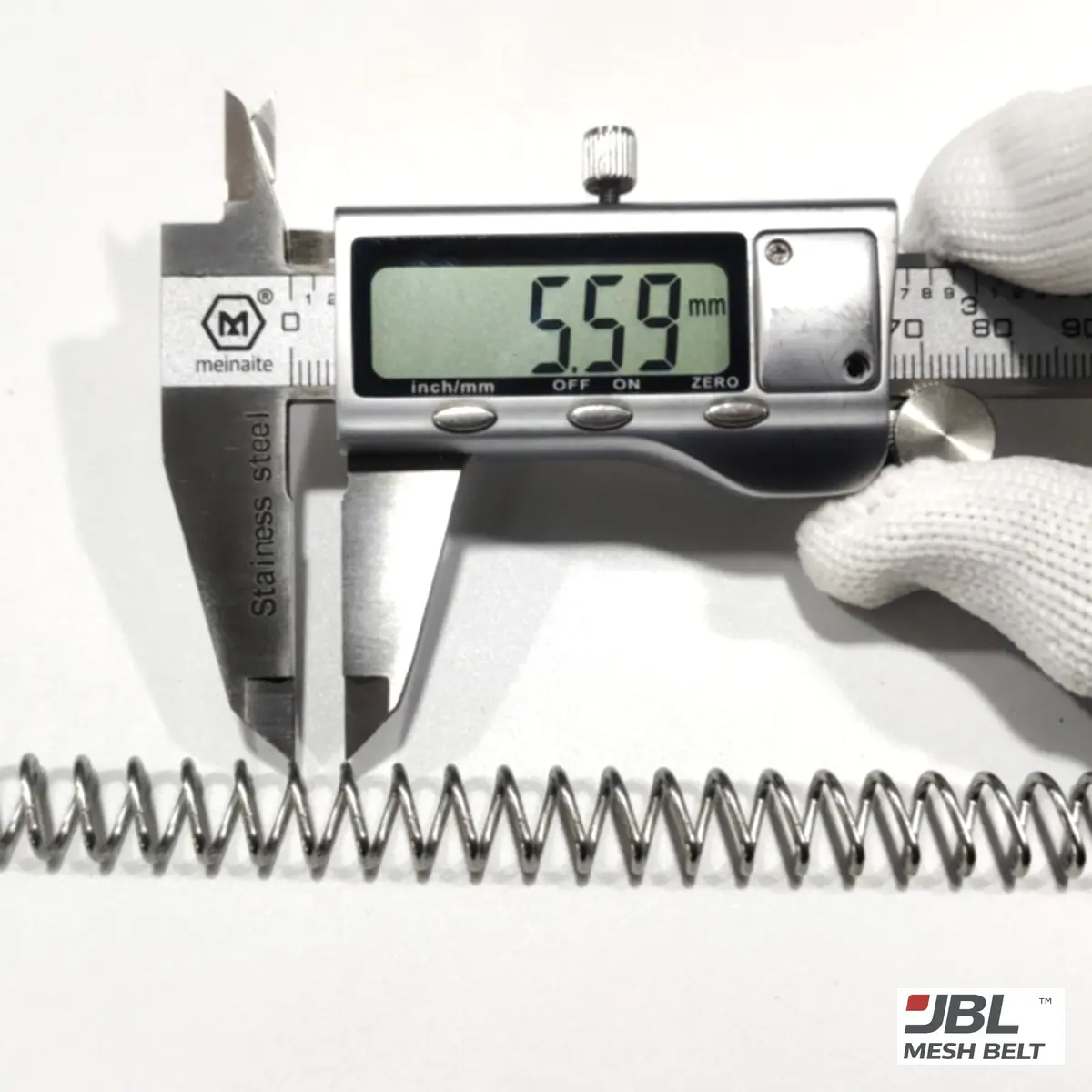
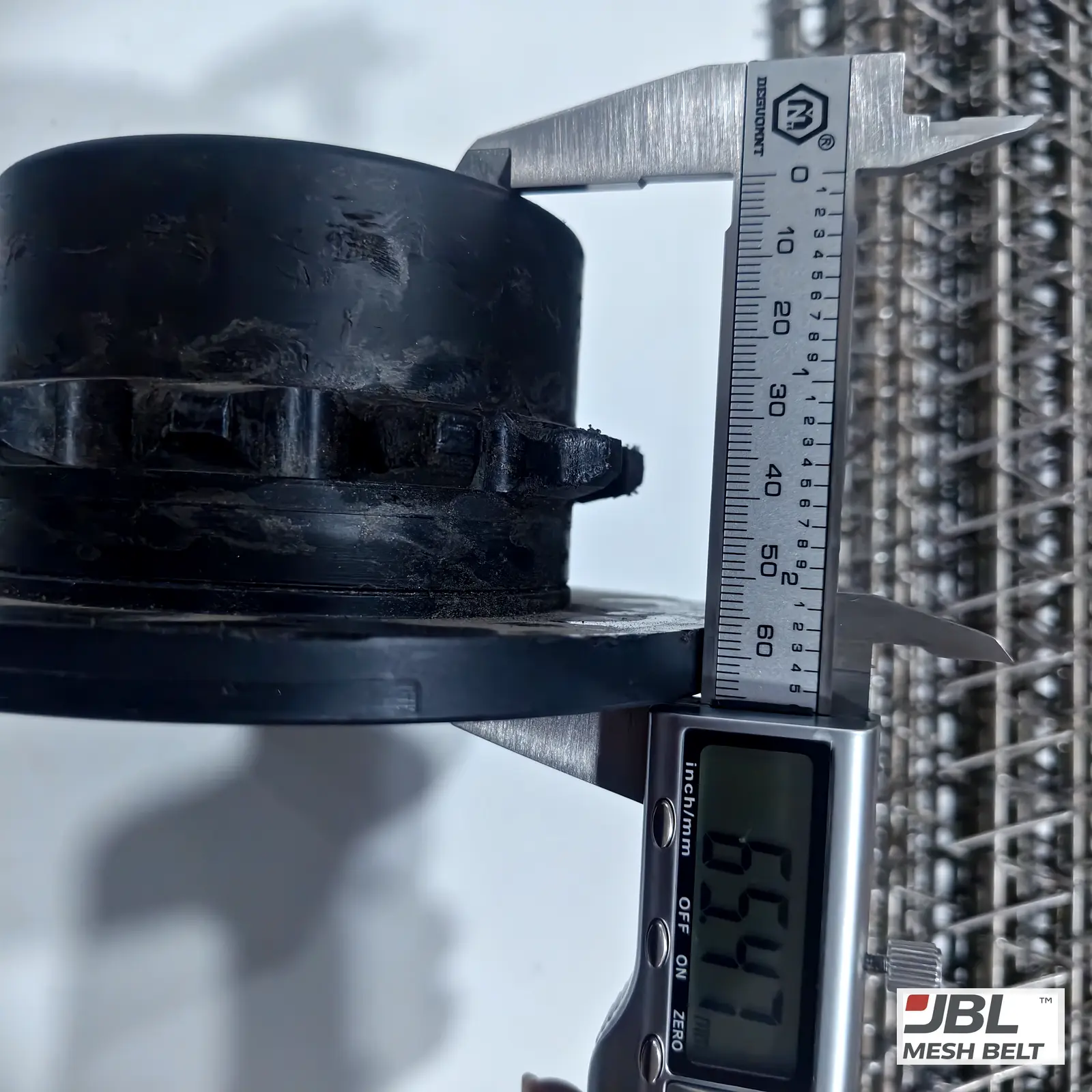
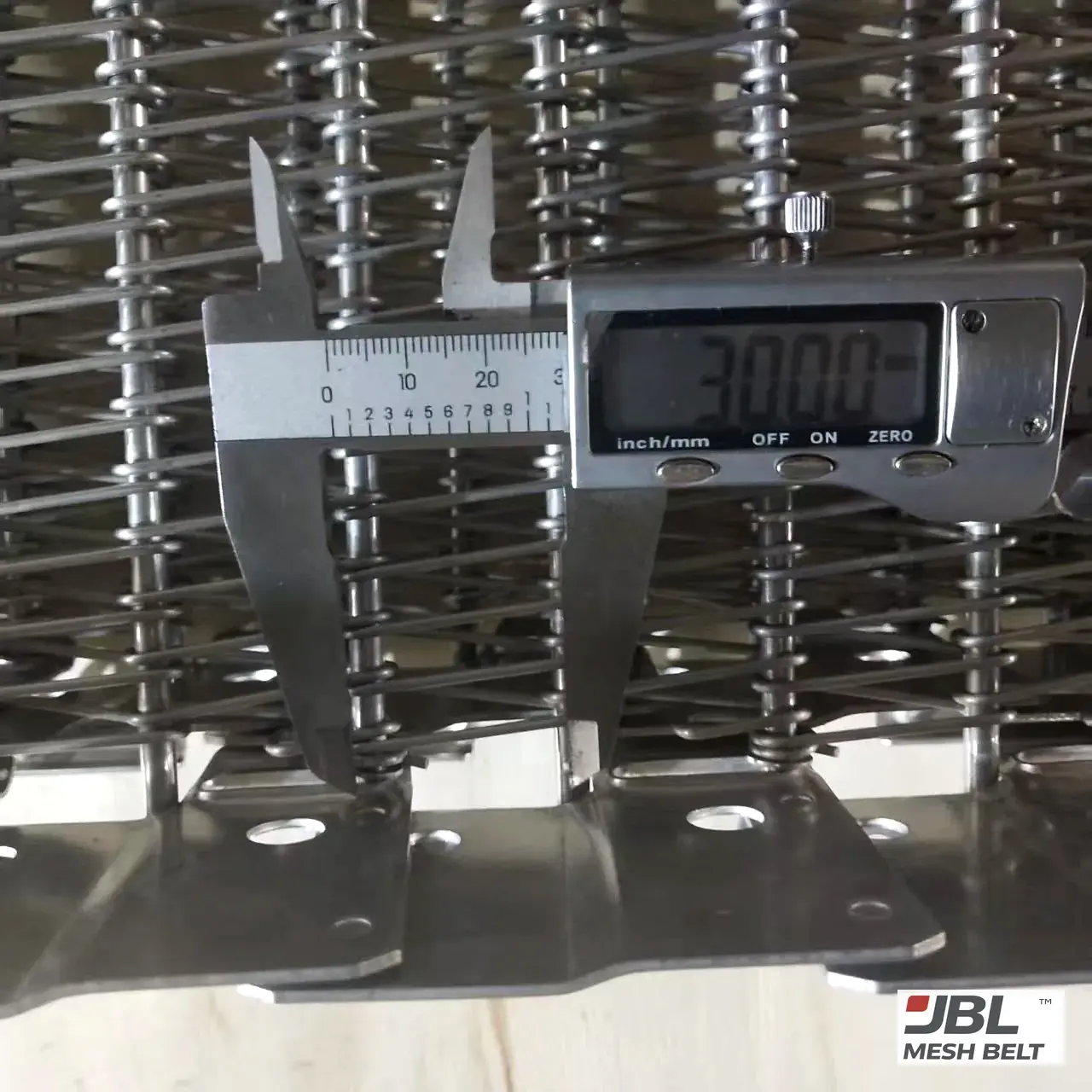
The most valuable field is the readings. A drawing says what the belt should be. The readings say what the approved belt actually was. On the UK belt, those readings were taken at three stages — original, sample and bulk — and a repeat order would be checked against them.
02How does the record build up over an order?
A good record is not written at the end. It grows with the order, one stage at a time.
Short answer
The record starts with the machine and the old belt, gains the approved drawing and material at confirmation, the critical readings and inspection report at production, the shipping record at dispatch, and installation feedback after the belt runs. Each revision is added as it happens.
| Stage | What is added to the record |
|---|---|
| Enquiry | Machine, original maker, old belt data or sample |
| Approval | Drawing revision, material, special requirements |
| Sample | Readings against the original or drawing |
| Production | Batch, material record, inspection readings |
| Shipment | Packing photos, shipping list, spares |
| Installation | Date, commissioning notes, photos |
| Service | Feedback, issues, changes |
| Repeat order | Same revision, new batch readings |
- 01
Customer and machine
Who, which line, which machine.
- 02
Approved drawing
One revision, dated.
- 03
Material and critical dimensions
Grade and the readings that matter.
- 04
Inspection record
What the shipped belt measured.
- 05
Installation feedback
How it fitted and ran.
- 06
Revision
Any change, with the reason.
- 07
Repeat order
Made and checked against the record.
This mirrors how we run an order: inquiry, review, confirmation, sample, production, pre-shipment verification and delivery, each stage ending with something you can check. The stages are on our how we work page.
03What records does the supplier keep for each order?
Your record and the supplier's record should match. If they do, a repeat order is simple on both sides.
Short answer
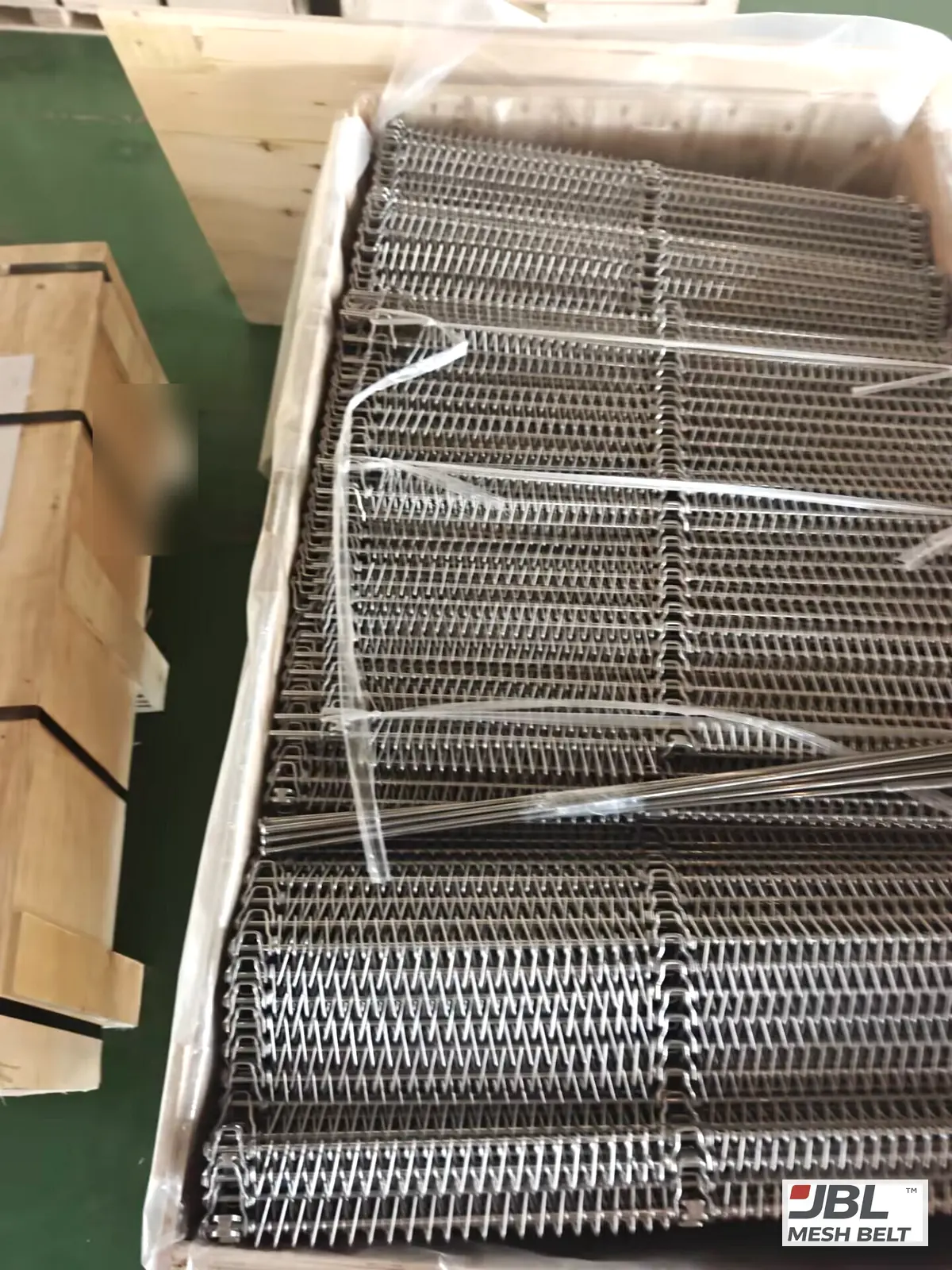
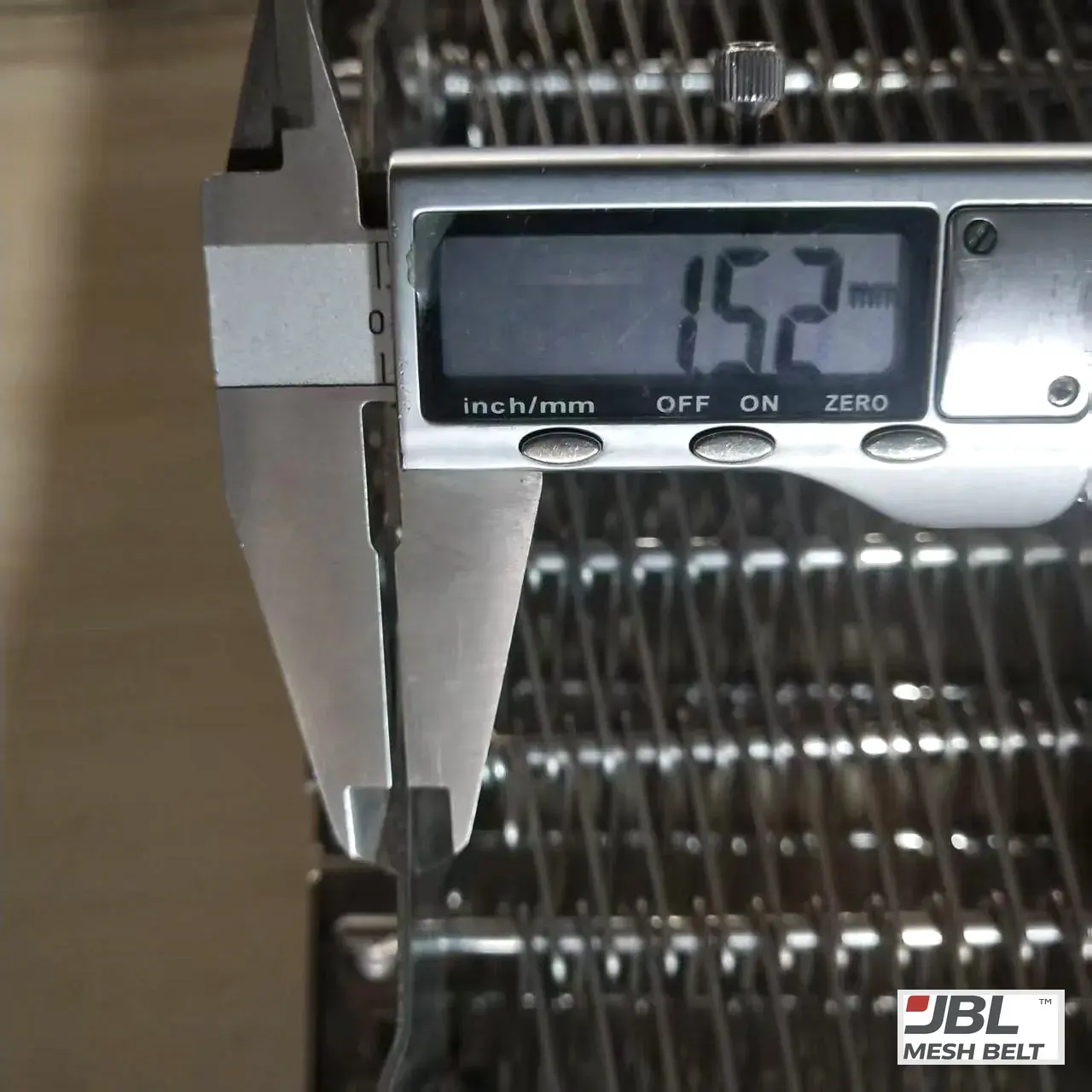
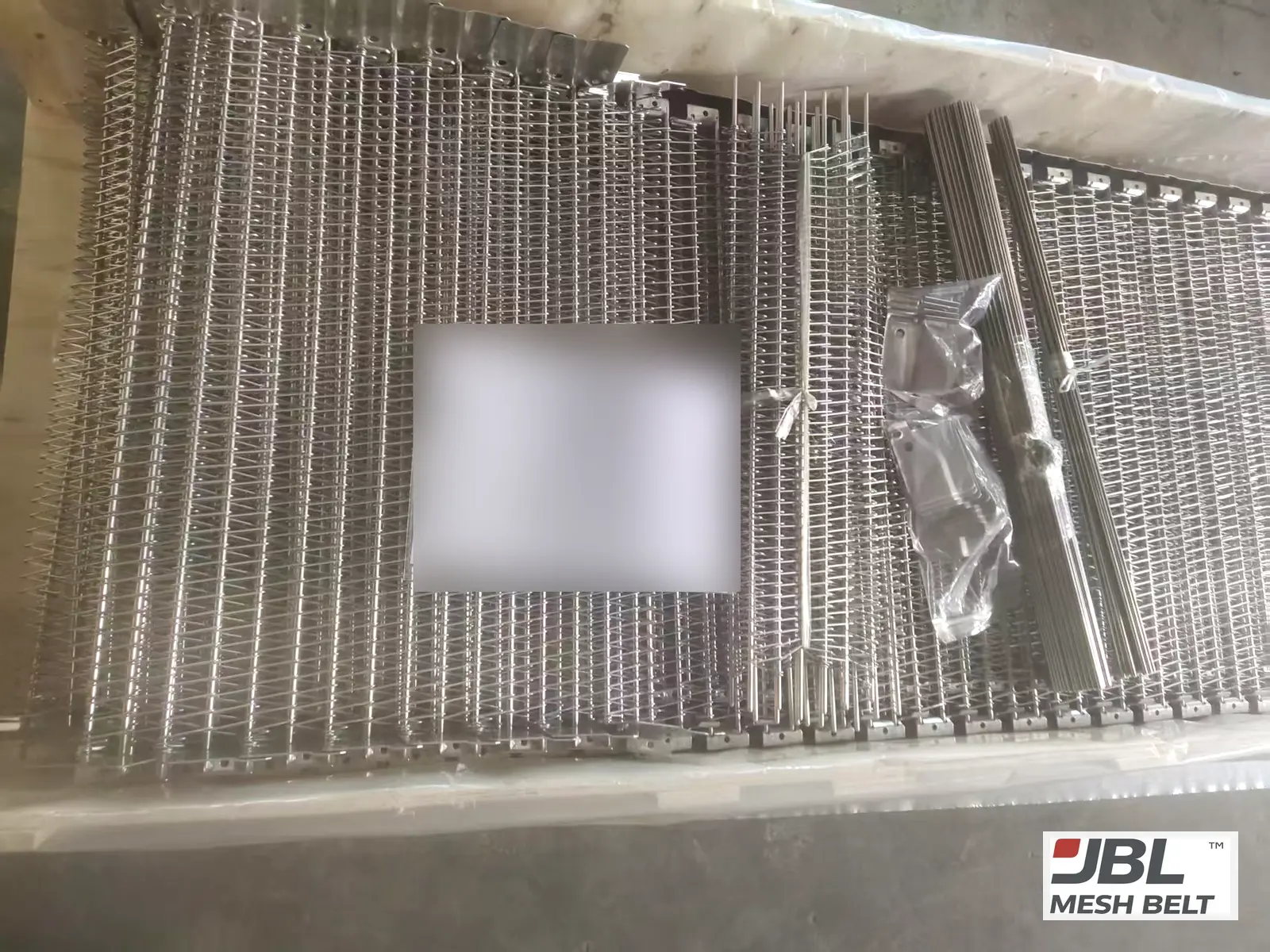
On our side, each order is documented with the confirmed drawing, inspection records, packing photos and shipment notes, and material is recorded and traceable to the order. Repeat orders follow the recorded specification, previous shipment photos and any special requirements from the earlier order.
| Record we keep | Used for |
|---|---|
| Confirmed drawing | The reference for production and inspection |
| Inspection readings, photos, video | Comparing the next batch |
| Material record | Traceability; mill certificate support |
| Packing photos and shipping list | What was sent, with which spares |
| Special requirements | Finish, welds, labels, packing |
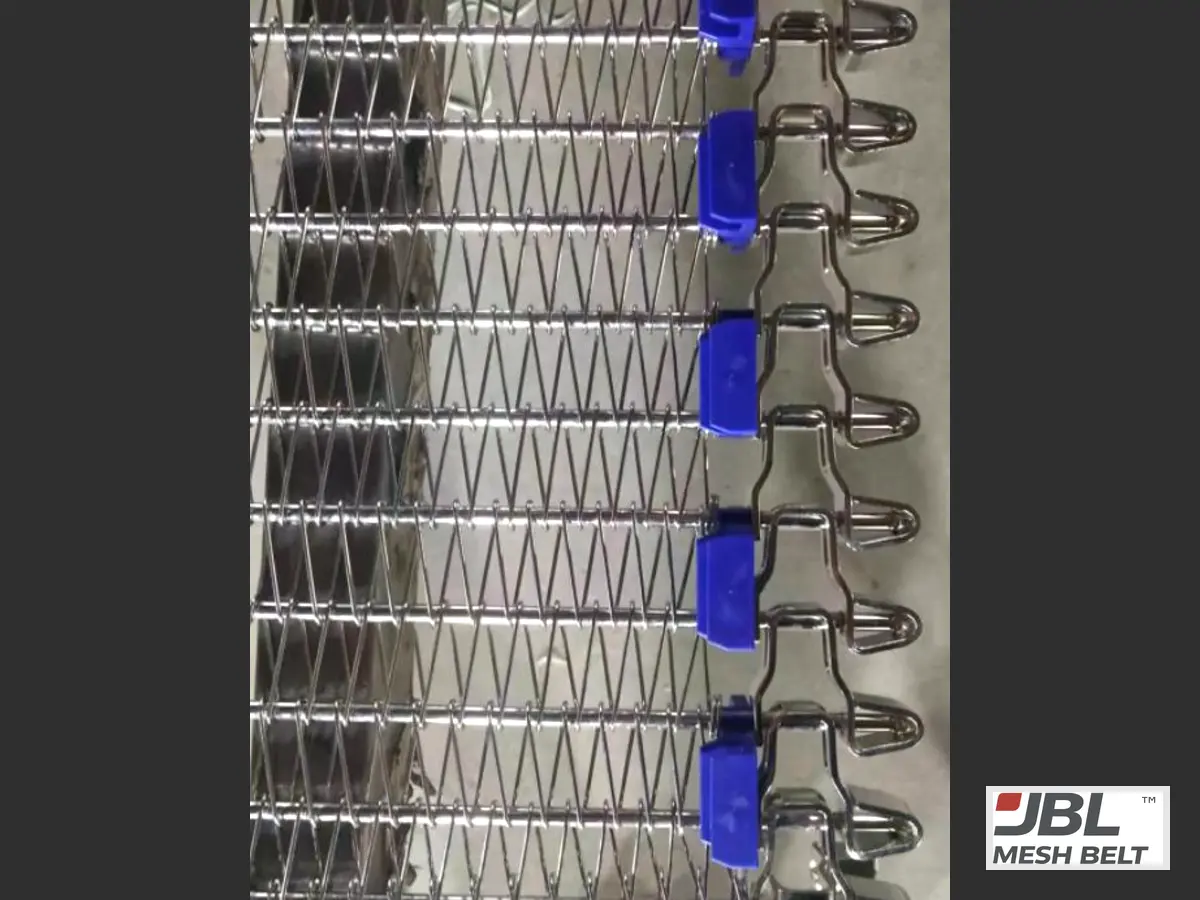
These commitments are written in our order control and project commitment process. On side-driven belts, a sample is also retained and the batch verified, so a re-order can be compared physically.
04How does the record make the next order the same?
With a record, a repeat order is a reference, not a new project.
Short answer
With a complete record, a repeat order quotes the part number and drawing revision. The supplier makes the belt to that revision, measures the new batch against the recorded readings, and flags any change before production. Nothing depends on memory or old photos.
| Without a record | With a record |
|---|---|
| Search for old emails and photos | Quote part number and revision |
| Re-measure the old belt | Check against recorded readings |
| Risk of a silent change | Changes flagged before production |
| New approval cycle | Confirm the same revision |
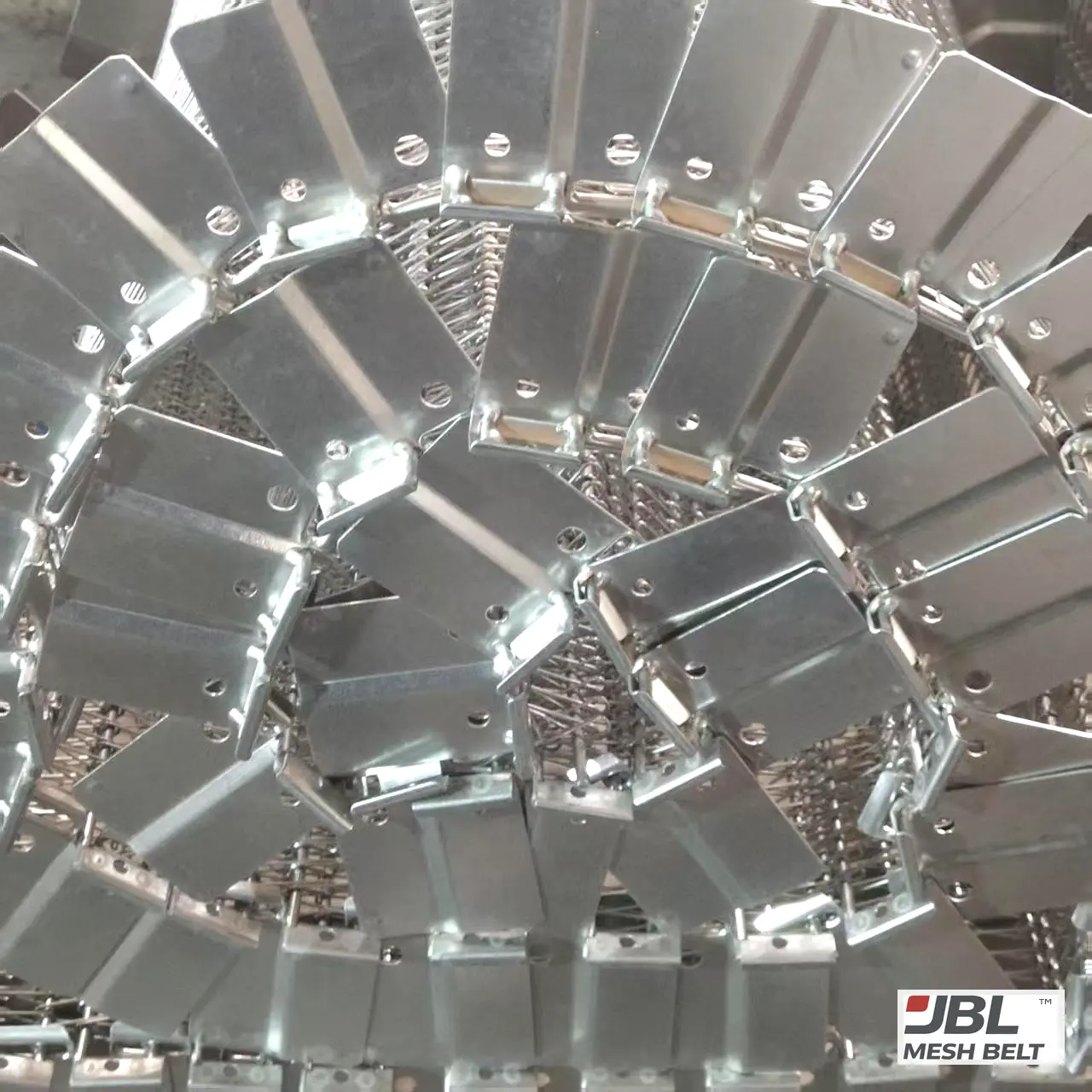
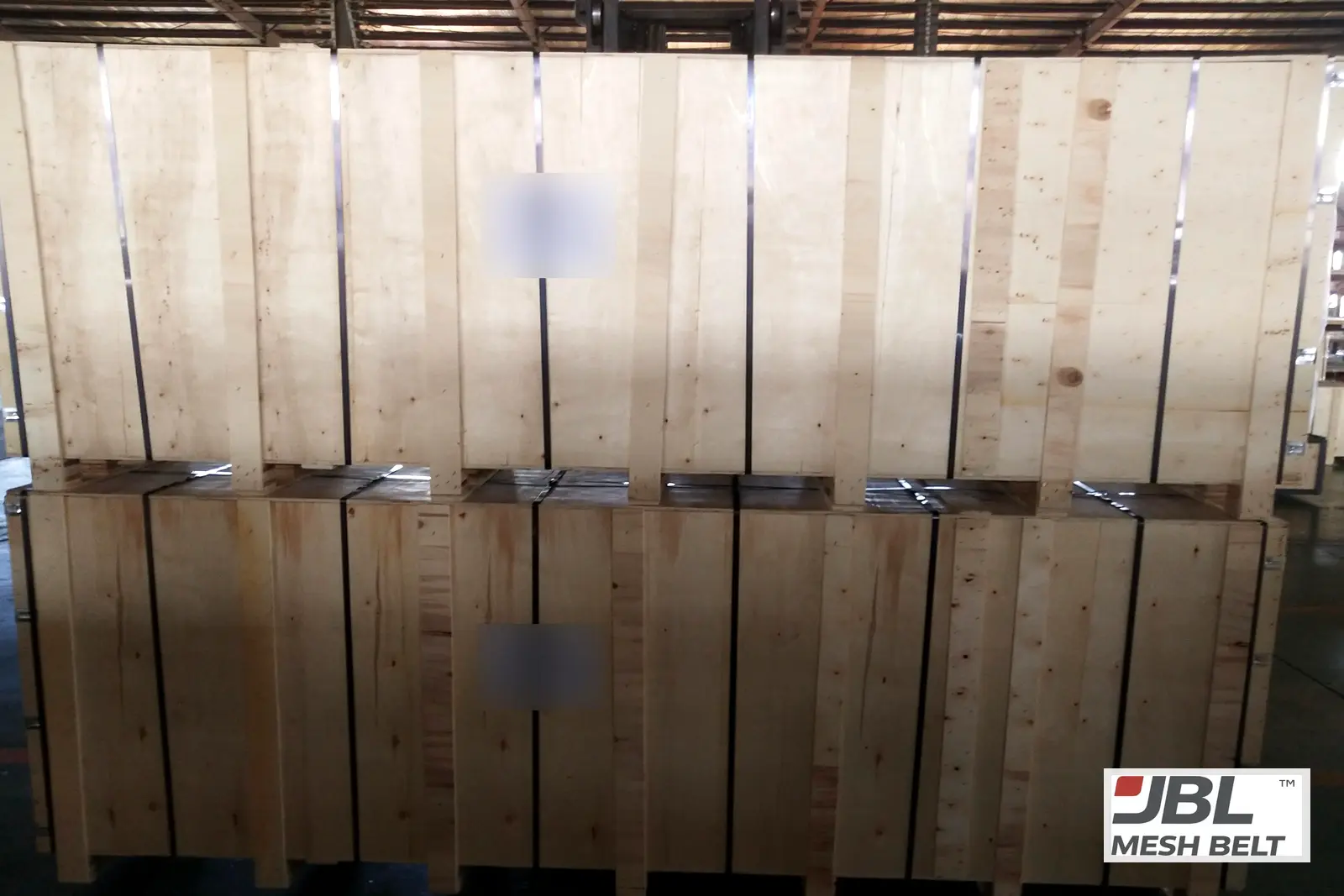
Brazil is the example I point to. After the first 350 m was installed, the customer ordered a second 350 m. For any repeat order like that, it helps when both sides know exactly what the first belt was.
On the UK belt, the rod pitch read 30.00 mm on the original, the sample and the bulk belt. A repeat order would be checked against those same readings.
05Who should keep the record, and where?
A record that lives in one person's inbox is not a record. It has to survive staff changes.
Short answer
Keep the record in a shared place your maintenance, purchasing and engineering teams can all reach — a maintenance system, a shared folder or your ERP — with one entry per belt. Ask your supplier to send drawings, readings and reports in a form you can file there.
| Who | Uses the record for |
|---|---|
| Purchasing | Reordering by part number and revision |
| Maintenance | Installation, inspection, failure history |
| Engineering / QA | Approving changes, checking incoming belts |
| Distributors and OEMs | Supplying the same belt to their customers |
For OEMs and distributors, the record matters even more. You may supply the same belt to many end users. A record per belt type lets you reorder, compare batches and answer your customers' questions without starting again.
If you have belts from us already, I can send the confirmed drawing or approved sample record, readings and inspection photos we hold for each order, so you can start your record from them.
Start a specification record
Send your part numbers and machine list. I send back what we hold for each belt — drawing or sample record, readings, photos — ready for your files.
When This Is Not the Right Choice
- ✕If a belt is a one-off for a line that will be scrapped, a full record may not be worth the effort; keep the drawing and inspection report at least.
- ✕If you plan to change the belt design at the next replacement, start a new record with a new revision rather than editing the old one.
- ✕Commercial terms such as price and lead time change over time; keep them in your purchasing system, not in the technical record.
From My Engineering Experience
The repeat order is where I see whether a project was really closed well. In Brazil, the second 350 m came after the first was installed. In the UK, three stages of readings exist for anyone who orders that belt again.
What makes a repeat order easy is not memory. It is a confirmed reference — a drawing or an approved sample — real readings, and photos filed where both sides can find them.
I would like every belt we supply to have a record like this on the buyer's side too. Then the next order starts from the record, not from the beginning.
— Spring, Sales Director, JBL Mesh Belt
Evidence From Our Work
Brazil, 2025 — repeat order →
| Step | Detail |
|---|---|
| First order | 350 m after a 50 m trial on the freezer |
| Installed | Replacement completed on site |
| Repeat | Second 350 m ordered |
| Packed | With spare rods and side plates |
United Kingdom, 2026 — readings at three stages →
| Step | Detail |
|---|---|
| Original | Rod 4.99 mm; rod pitch 30.00 mm; spiral pitch 8.95 mm |
| Sample | Rod 5.01 mm; rod pitch 30.00 mm; spiral pitch 9.00 mm |
| Bulk | Rod 5.00 mm; rod pitch 30.00 mm; spiral pitch 9.00 mm |
| Material | AISI 304 stainless steel, 450 m |
FAQ
Q1What is a repeat-order specification record?
One record per belt holding everything needed to order the same belt again: part number, machine, approved drawing revision, material, readings, inspection, installation and changes.
Q2Why keep real readings and not only the drawing?
The readings show what the approved belt actually measured, so the next batch can be checked against it.
Q3What do you keep on your side?
The confirmed drawing, inspection records, packing photos, shipment notes and material record for each order.
Q4Can you send what you hold for my existing belts?
Yes. I can send the confirmed drawing or approved sample record, readings and inspection photos we hold for each order.
Q5Where should we keep the record?
In a shared system your maintenance, purchasing and engineering teams can all reach.
Conclusion
After the first good belt, keep one complete record per belt. The next order then starts from the record, not from photos.
Download the Spiral Freezer Belt Technical Specification (PDF)
Specification ranges and options in mm and inch. Enter your work email and the file downloads right away.
References

Your contact for this belt
Spring · Sales Director, JBL Mesh Belt · 16 years
“Your belt is worn, the OEM price is high, and there is no drawing. That is where I start.”
Send me a worn section, a few photos with a caliper in the picture, or a drawing. I tell you what fits, what is missing, and show you a sample measured against your own belt before you pay for the full length. Buyers in the UK, the USA, Australia, Brazil, South Korea, Spain and Malaysia have replaced belts this way.
- ✓Readings on your original next to readings on our sample
- ✓Nothing in bulk until you approve the sample
- ✓Turning, stacking or sprocket tests before your belt ships
- ✓A reply from me, usually within 8 hours