Troubleshooting · 10 min read
Spiral Belt Failure: Is It the Belt or the Machine?
 Written bySpringSales Director, JBL Mesh Belt · 16 years in metal conveyor beltsProjects in United Kingdom · USA · Australia · Brazil · South Korea · Spain · MalaysiaPublished
The belt jumps, tracks off or breaks a weld, and everyone blames the belt. Replace it without finding the cause, and the new belt fails the same way.
Short answer
Spiral belt problems come from three places: the belt (weld cracks, burrs, wrong pitch, uneven surface), the machine (worn sprockets, worn drum, tension or direction) or the match between a new belt and an old drive. Photos of the damage, the whole belt and the drive usually show which one.
At a Glance
| Product | Application | Key point | Buyer type | What to send |
|---|---|---|---|---|
| Spiral freezer and cooling belts | Lines with a recurring belt problem | Find the cause before you replace | Maintenance, plant engineers, QA | Photos of damage, whole belt and drive; a short running video |
Below I sort the common failures into belt, machine and match, show what each looks like, and list what to send so the cause can be found before money is spent.
01How do you tell a belt problem from a machine problem?
The same symptom can have very different causes. A belt that tracks off may be bent, or it may be running on a worn drive.
Short answer
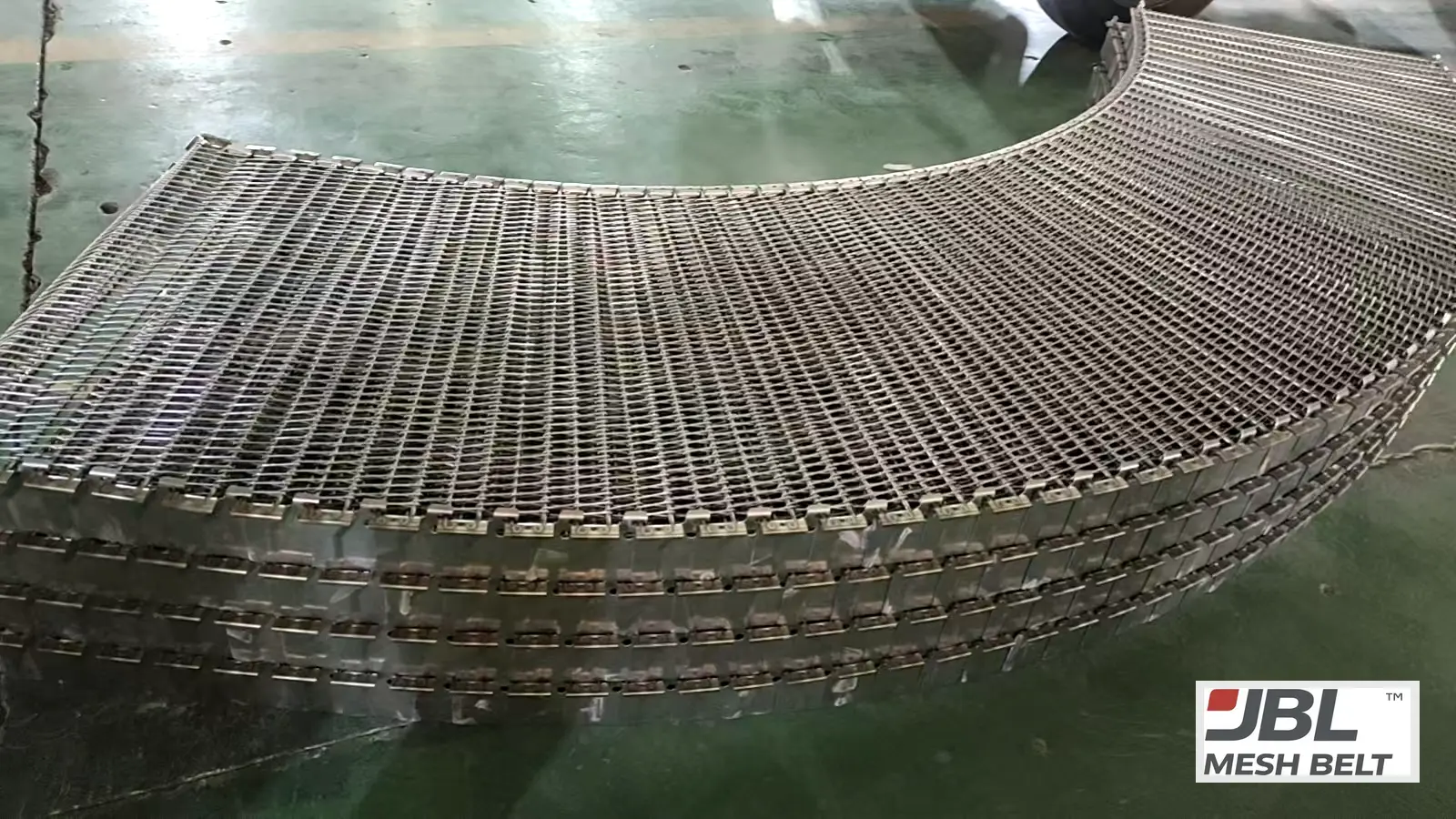
Look at where the damage is and when it started. Damage at welds, rods or the mesh surface points to the belt. Damage that follows the sprockets, drum or guides points to the machine. Problems that start right after a belt change often point to a mismatch between the two.
| Symptom | Often the belt | Often the machine | Often the match |
|---|---|---|---|
| Tracking off / riding up the drum | Belt not flat, pitch uneven | Drum wear, tension, alignment | Wrong turn ratio or direction |
| Jumping at the sprocket | Pitch stretched | Worn or hooked teeth | Belt pitch ≠ sprocket pitch |
| Broken rods or welds | Weld cracks, poor fusion | Overload, jams | Edge not suited to the drive |
| Black residue, scratches | Burrs on edge welds | Worn drum bars or guides | Edge shape rubbing new parts |
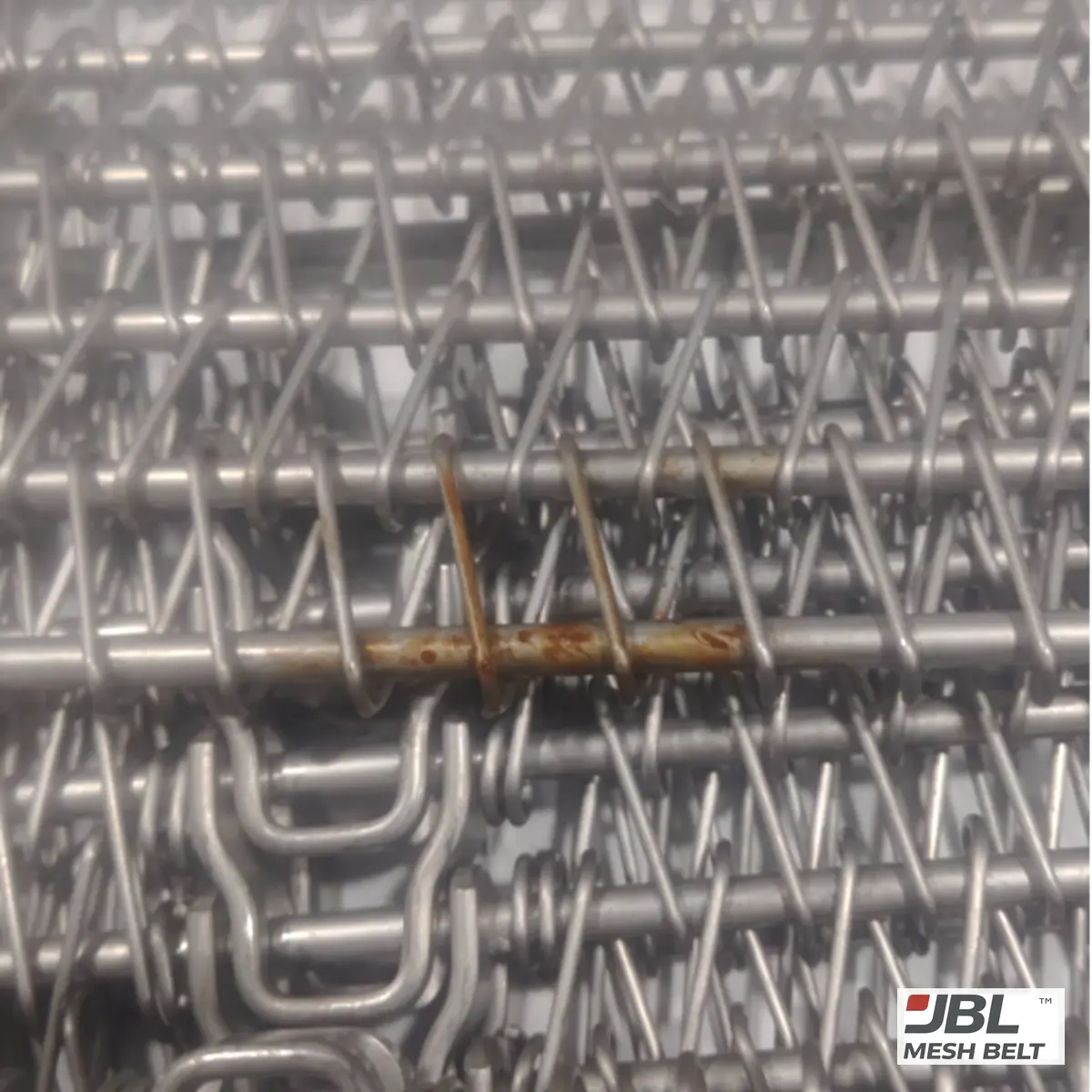
| Rust on a single rod | Wrong rod material | — | — |
I ask three questions first. Where exactly is the damage? When did it start? What changed just before? A problem that appears on day one after a new belt is fitted is rarely the old machine alone. A problem that grows over months on a belt that ran well is rarely a design mistake.
Then I look at the whole system, not only the damaged part: the belt, the drum, the sprockets, the guides and the tension. Our failure and risk analysis page lists the same three groups.
02Which failures start in the belt?
Some problems are built into the belt at the factory. They are the easiest to prevent, because they can be seen before the crate is closed.
Short answer
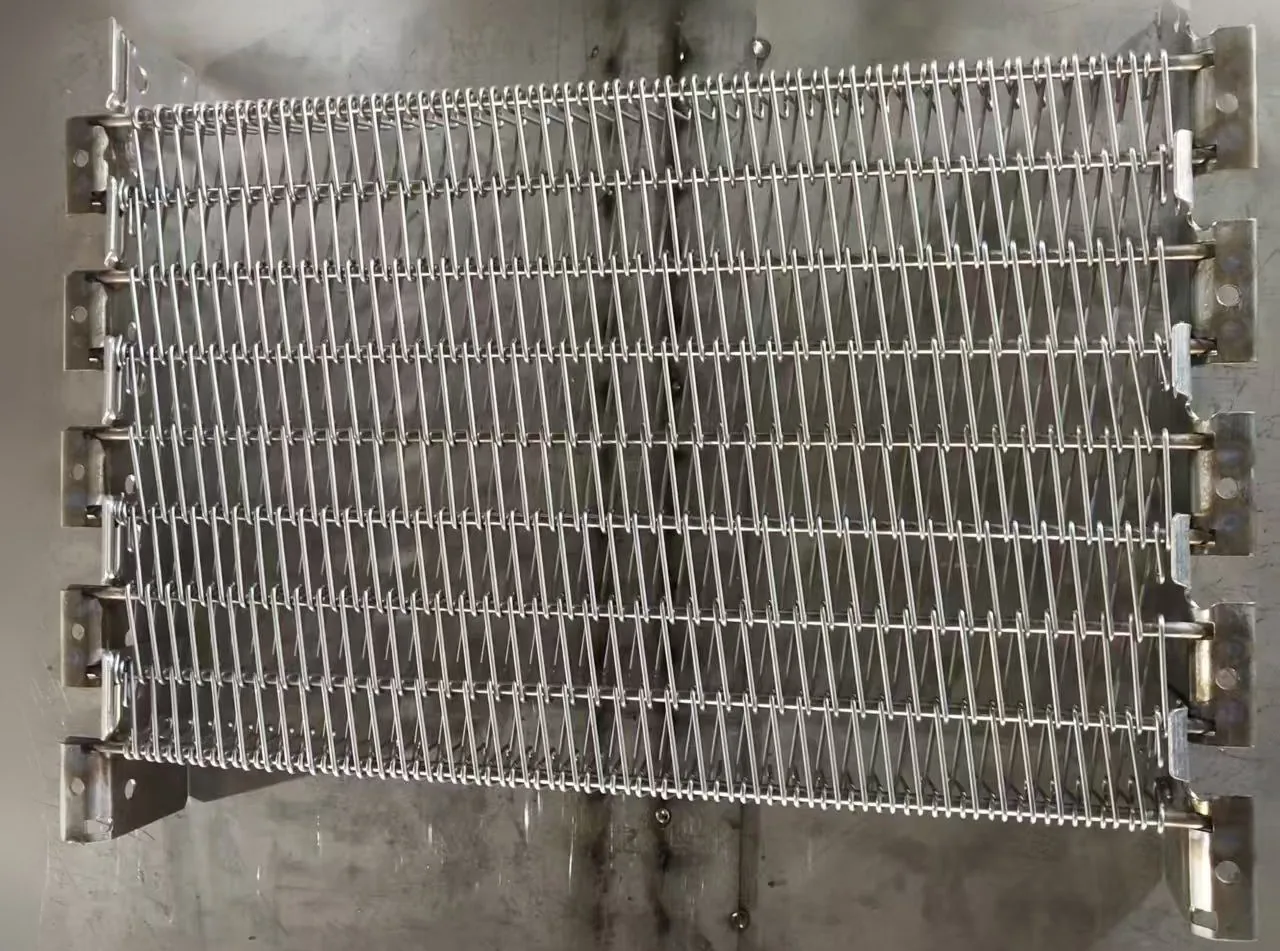
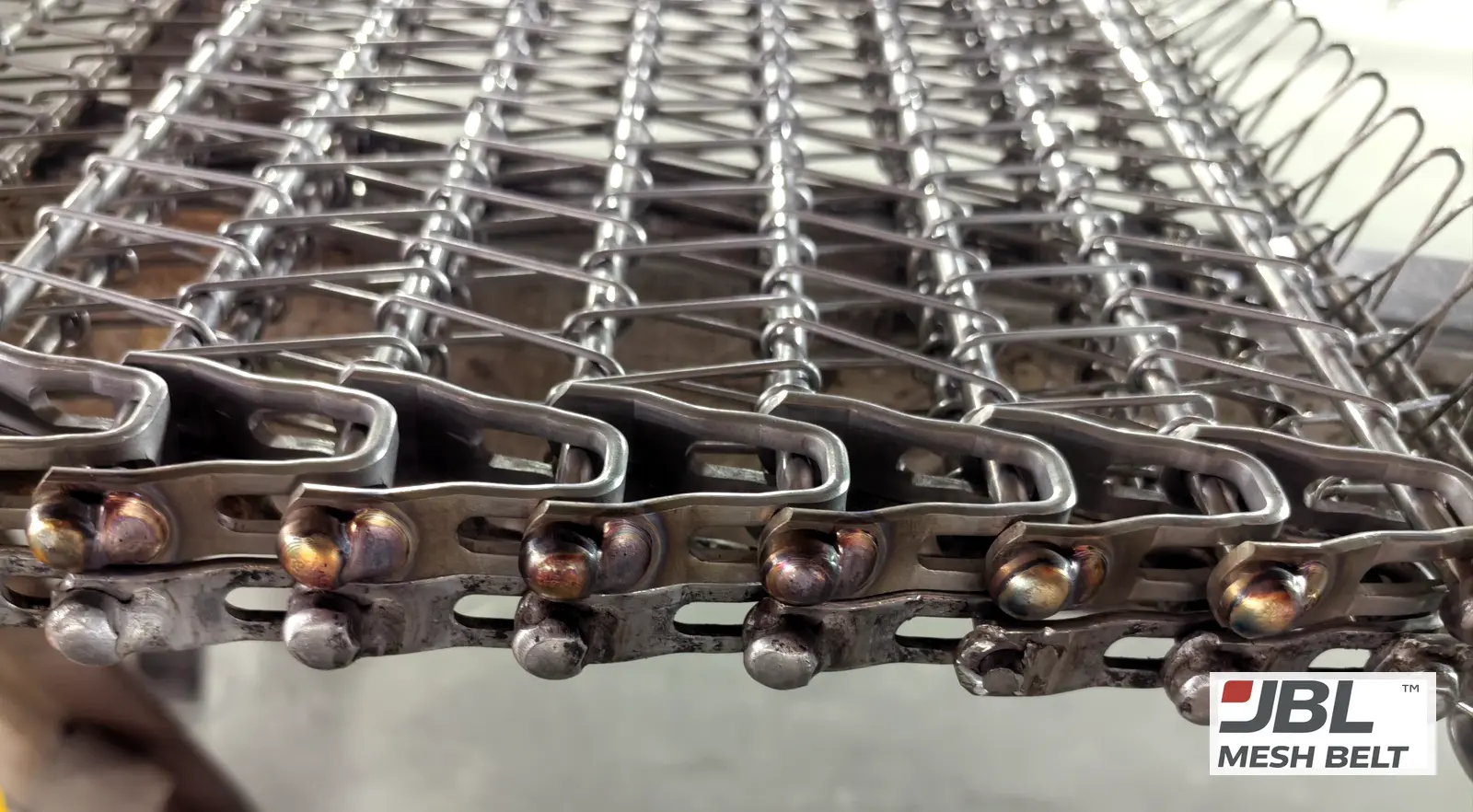
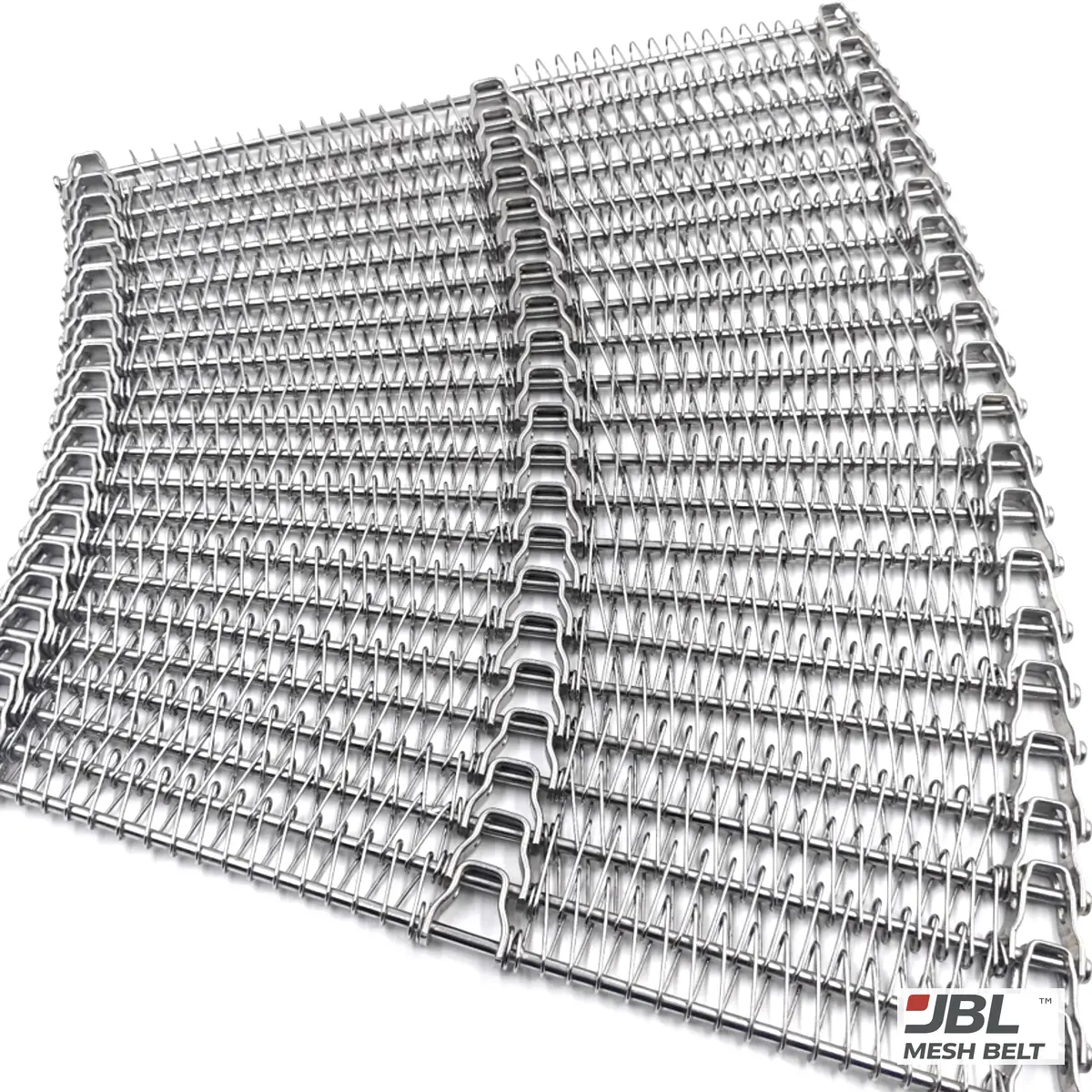
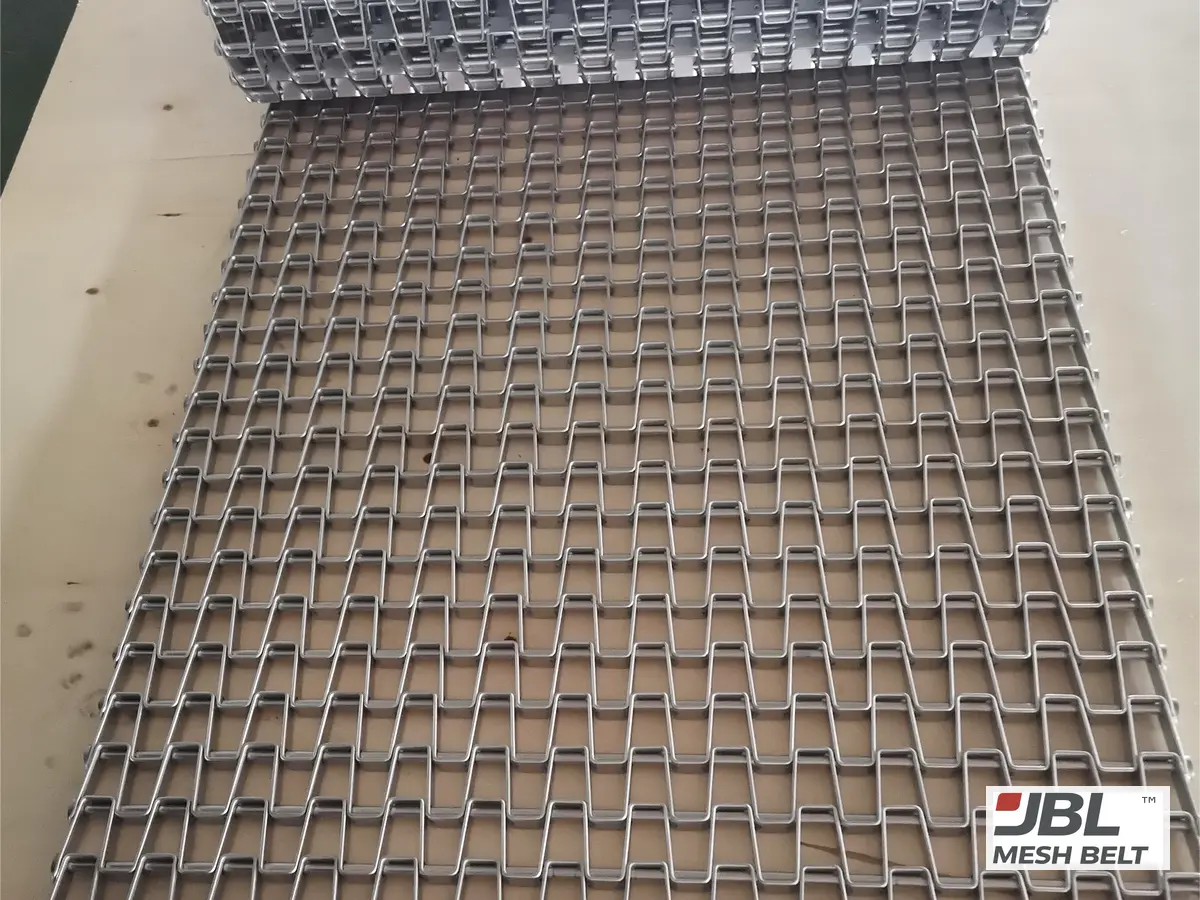
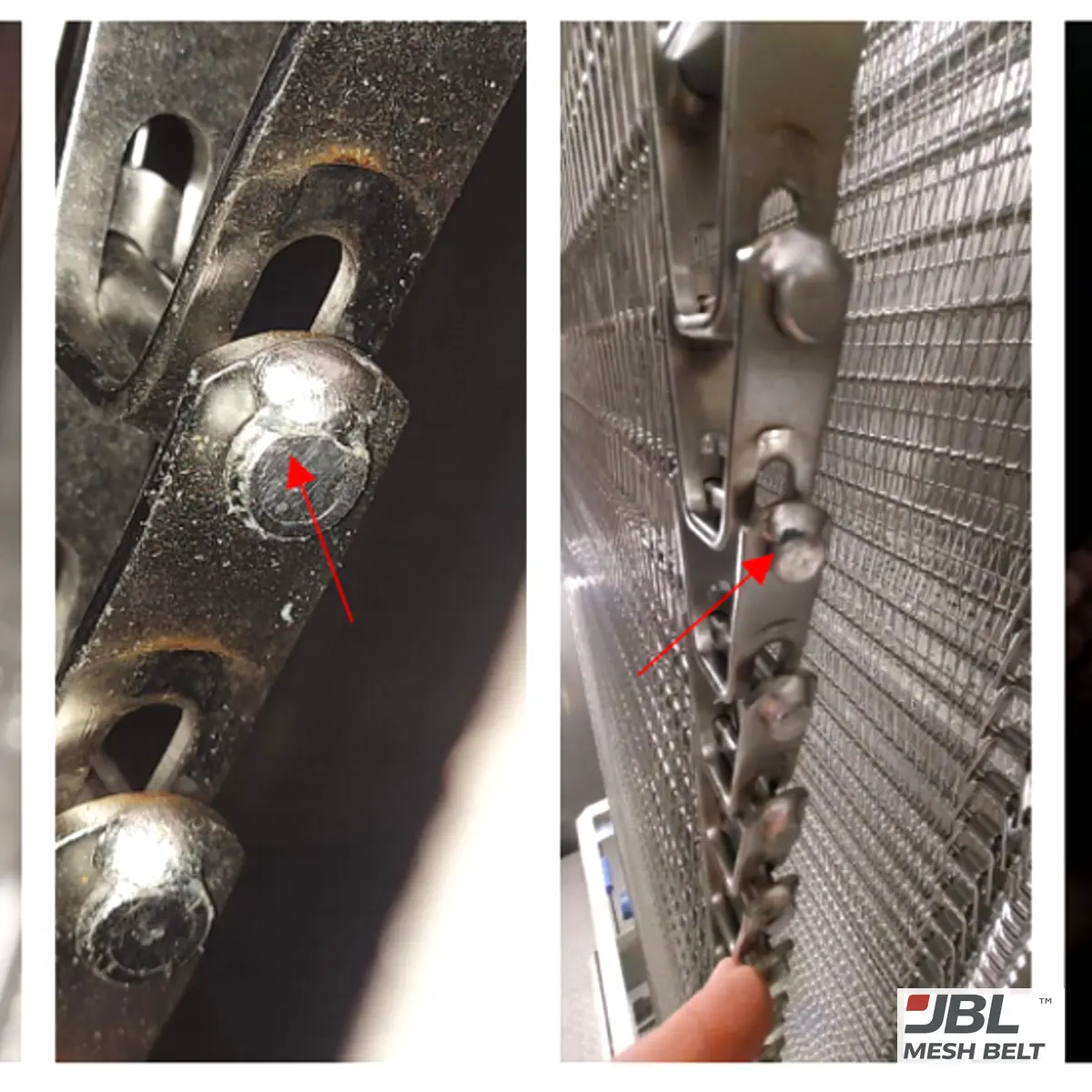
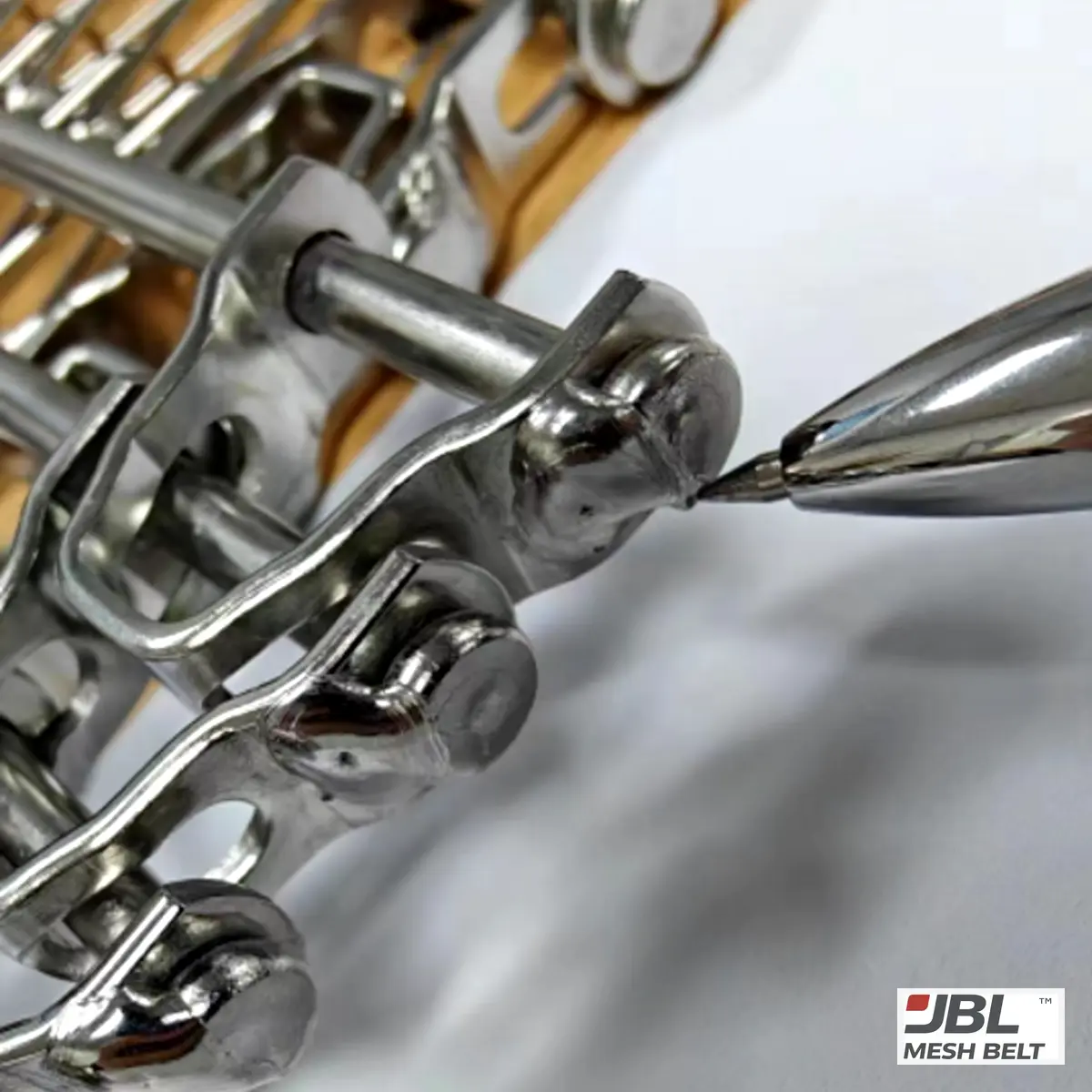
Belt-side failures are cracked or incomplete rod-end welds, burrs left at weld points, a belt that waves instead of lying flat, rust on a single rod, often from the wrong rod material, and pitch that is uneven along the belt. Each one is checked on the belt before shipment.
| Belt defect | What it causes | How it is prevented |
|---|---|---|
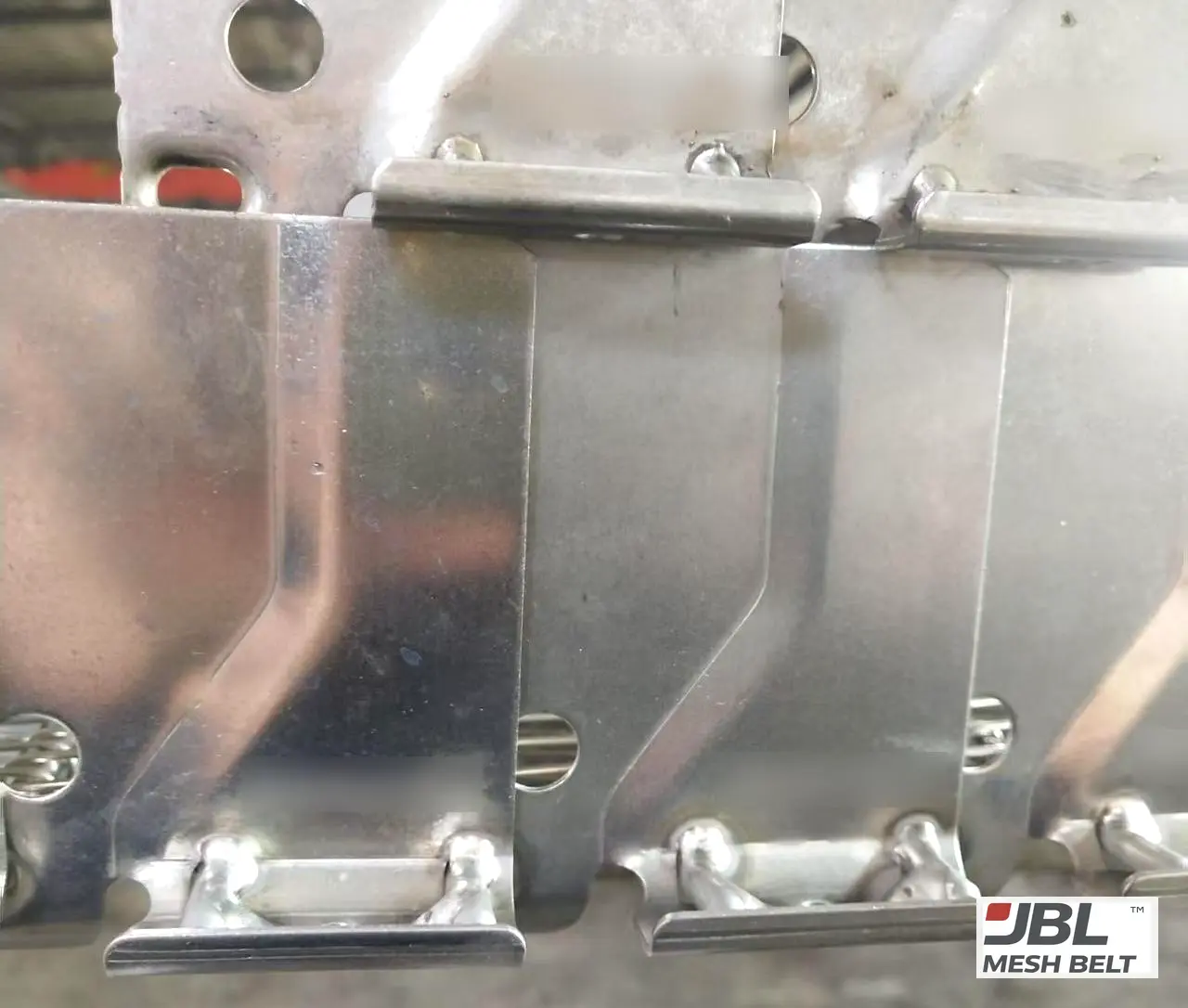
| Weld cracks / incomplete fusion | Rods break loose, line stops | Edge welds reviewed for full fusion; close-ups sent |
| Burrs at weld points | Scratched drum bars, guides or product | Weld finishing and a burr review |
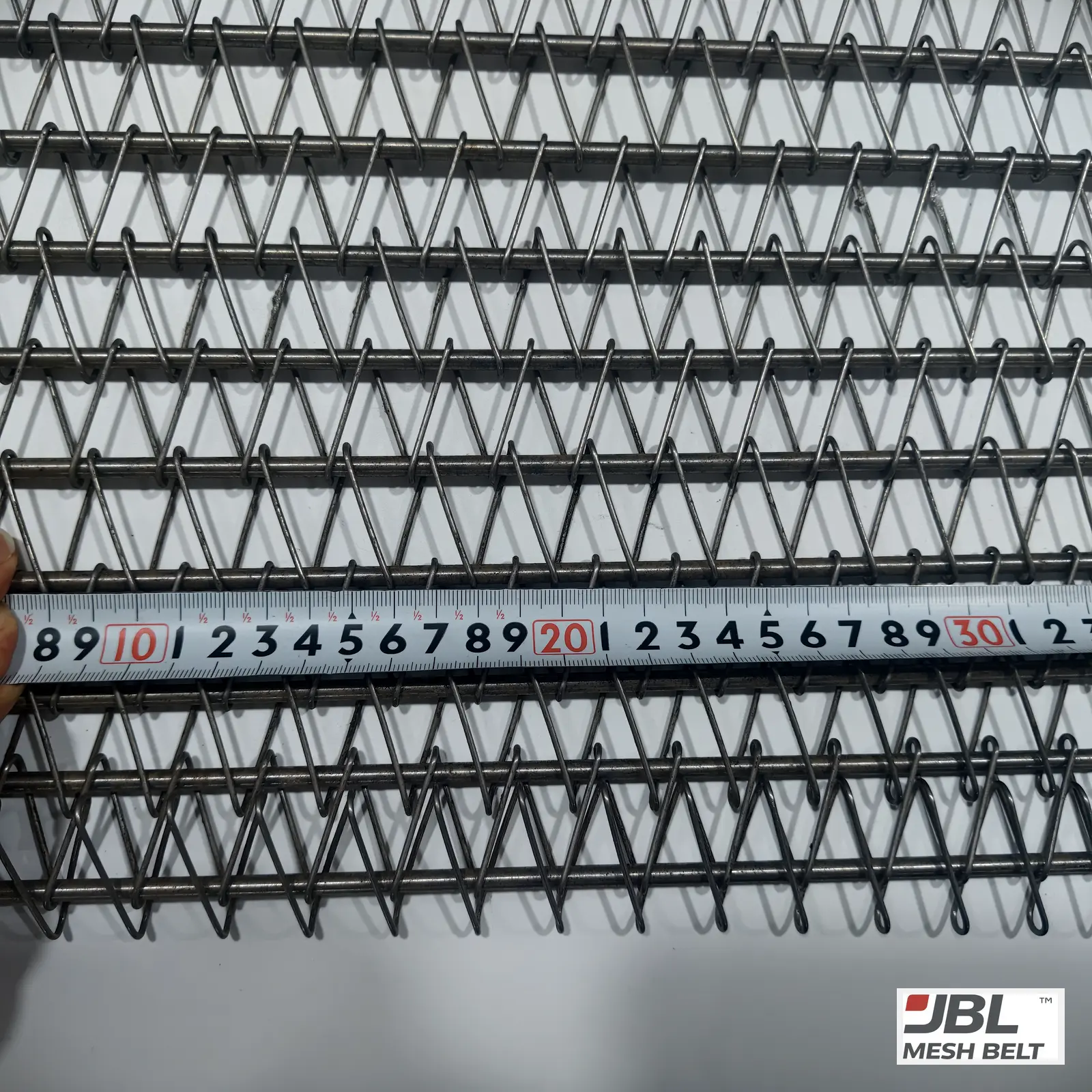
| Uneven, waving surface | Poor tracking, product not supported | Pitch and width measured along the belt; flatness on the test drum |
| Rust on a single rod | Contamination risk, weak rod | Rod material confirmed; surface inspected |
These are the defects our inspection looks for. They show what to check, so you know what to ask your supplier for. A belt with these defects should be stopped at the factory, not discovered in your freezer.
Weld burrs need special attention on friction-drive spirals. The inner-edge welds press on the drum bars every turn, and a burr can scratch them and leave black residue on product. See weld burrs and IQF contamination.
03Which failures start in the machine?
A new belt can be perfect and still run badly. The machine it runs on has worn too.
Short answer
Machine-side causes are worn or hooked sprocket teeth, grooved drum bars, worn guides, tension or drive settings that have drifted, and a belt running in the wrong direction. A new belt on these parts can jump, track off or wear fast, and the belt gets the blame.
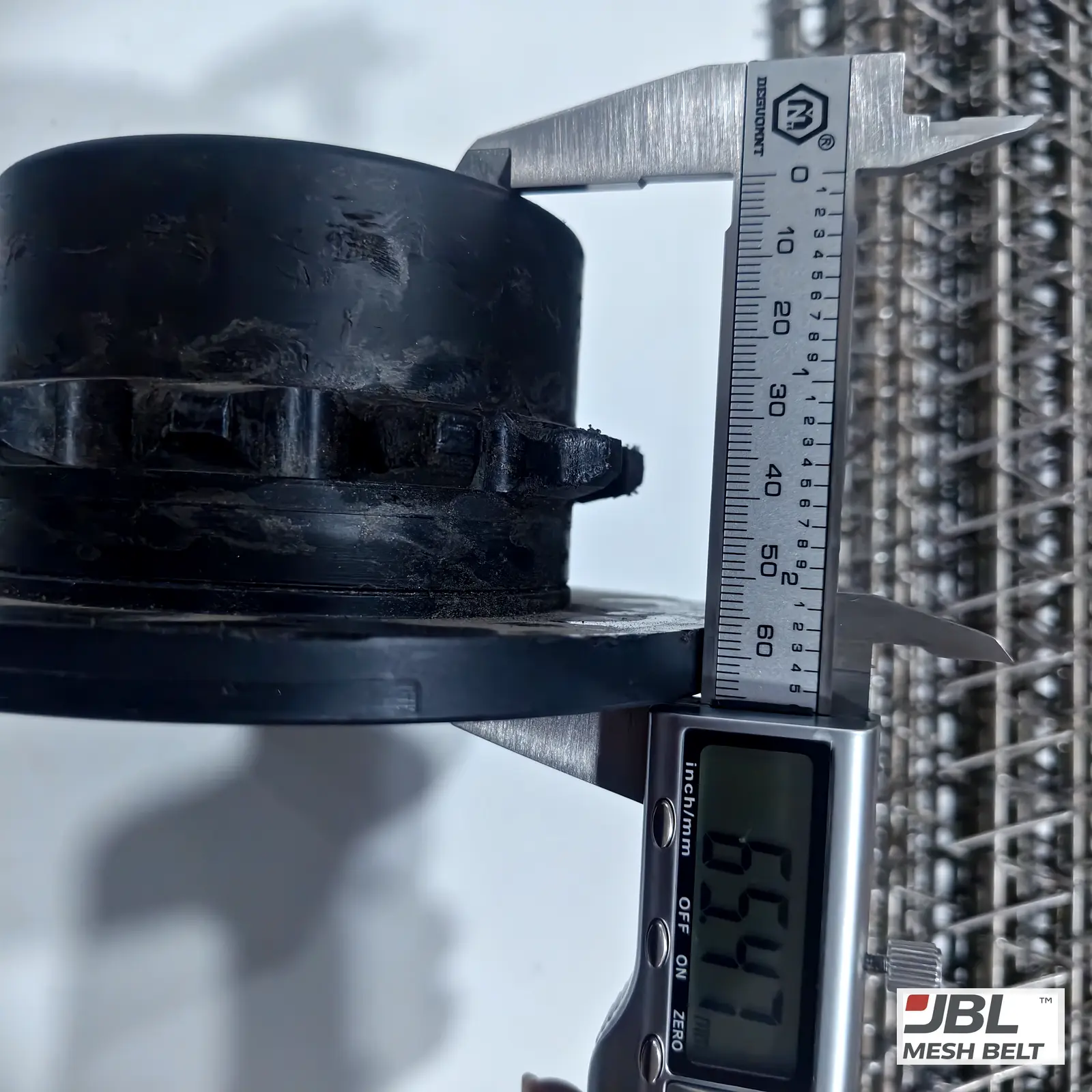
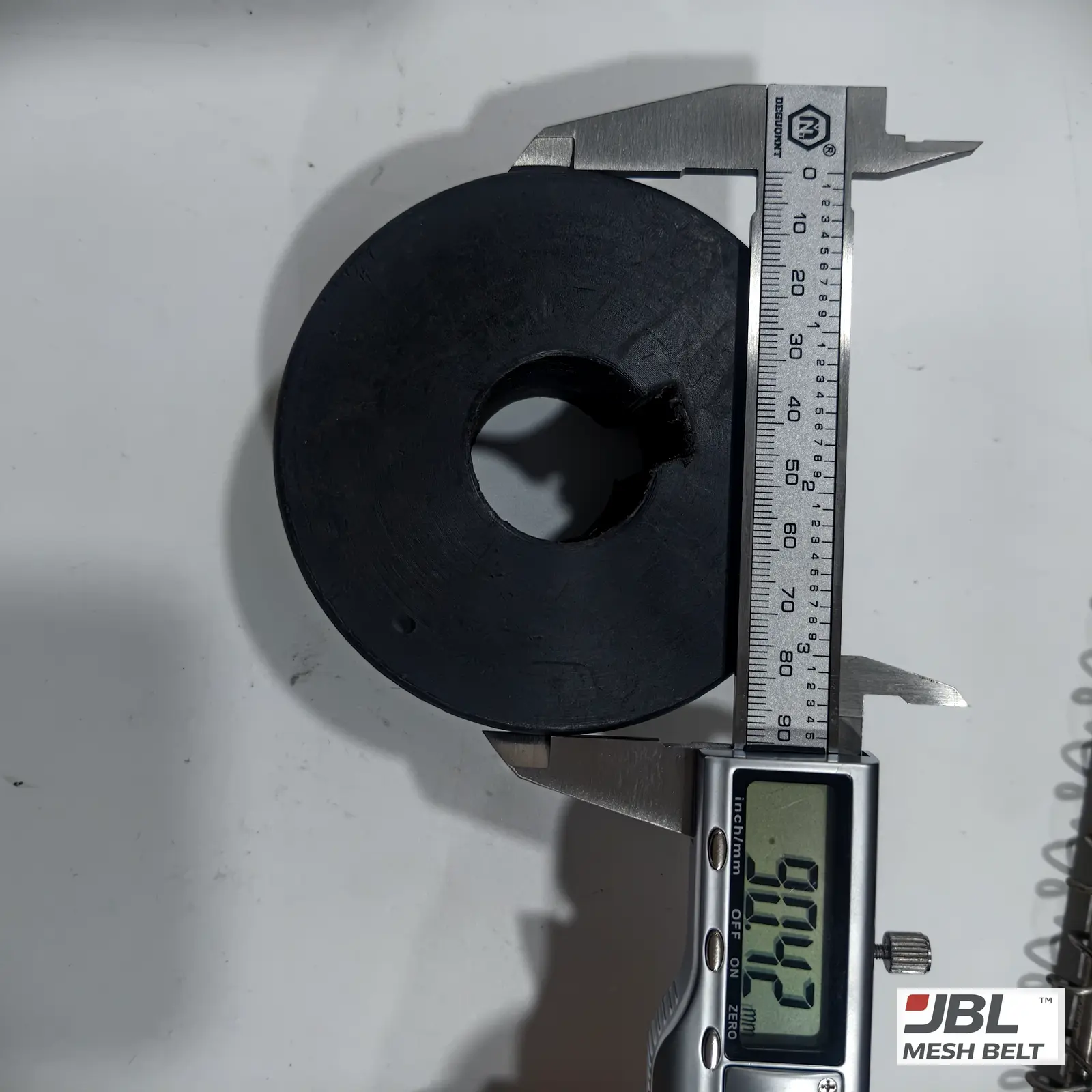
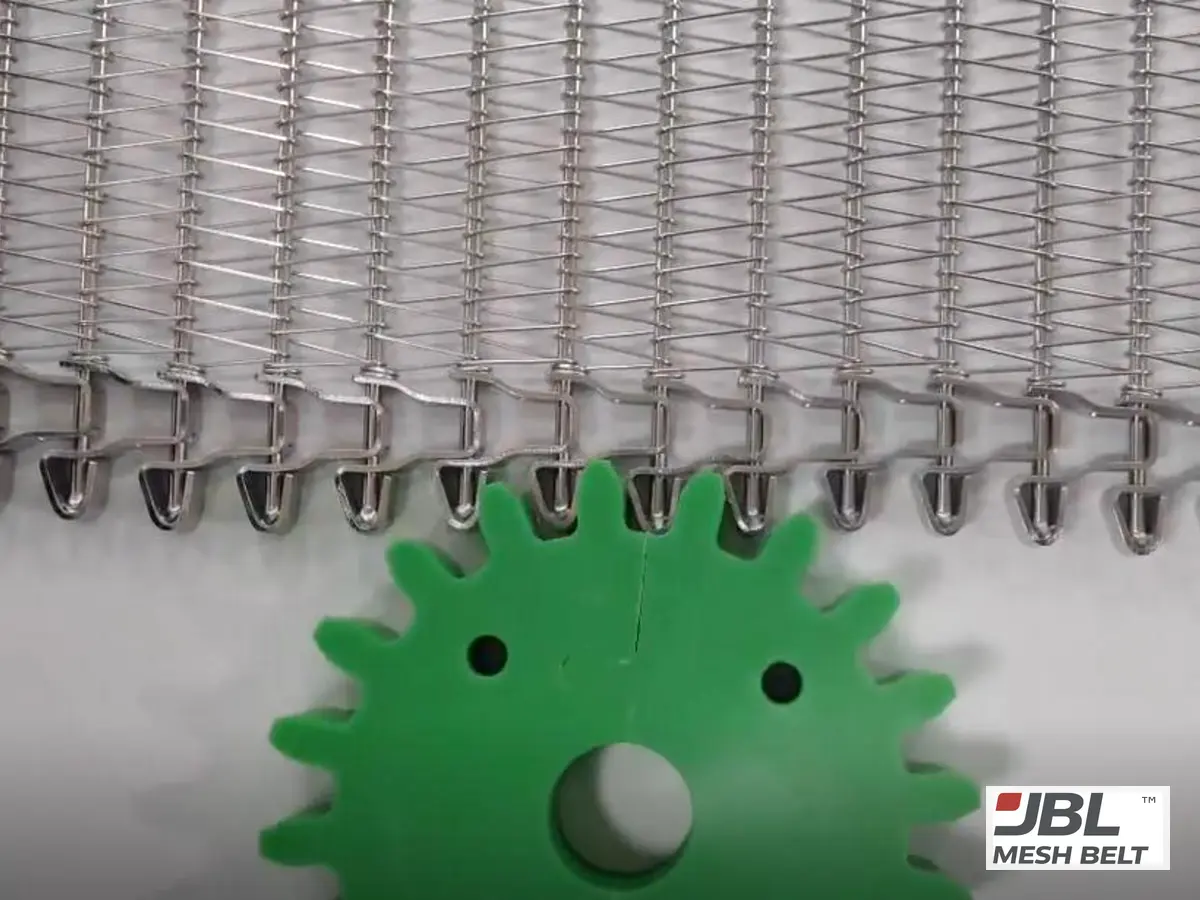
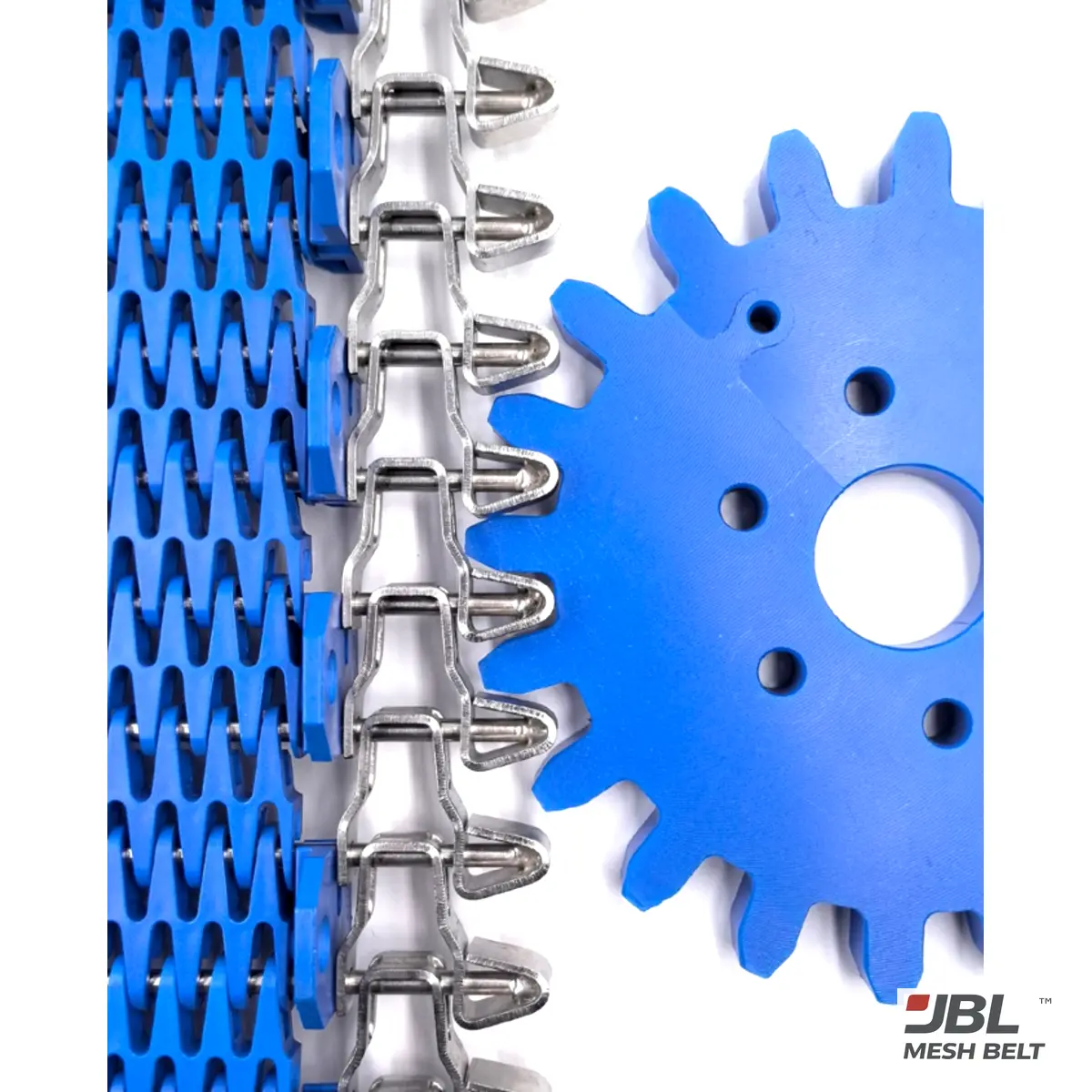
On the waffle cooling spiral, the customer's original sprocket teeth were clearly worn. If we had shipped only a new belt, it would have run on those teeth. Worn teeth do not seat a new belt properly. So we measured the originals — width 40.36 mm, hub 90.42 mm, tooth 10.77 mm — made new sprockets and ran one on the bulk belt before packing.
Machine checks I ask for
- ✓Sprocket teeth: hooked, thinned or polished on one side.
- ✓Drum bars: grooves, scratches or dark residue where the belt edge runs.
- ✓Guides and wear strips: scoring or shavings along the belt path.
- ✓Direction: is the belt running the way it was designed to turn?
- ✓Tension and drive settings: any change since the problem started?
Tension and drive settings are the freezer maker's or your maintenance team's domain. I do not guess them. But I can tell you when the belt evidence points that way.
04What if the belt damages the machine, or the machine damages the belt?
The hardest cases are the ones where both sides are involved. Fixing one side alone does not stop the problem.
Short answer
Belt and machine can damage each other. Rough belt welds can score guide strips and drum bars, and worn sprockets can wear a new belt. The fix is to treat both: correct the belt detail and replace or repair the worn machine parts at the same time.
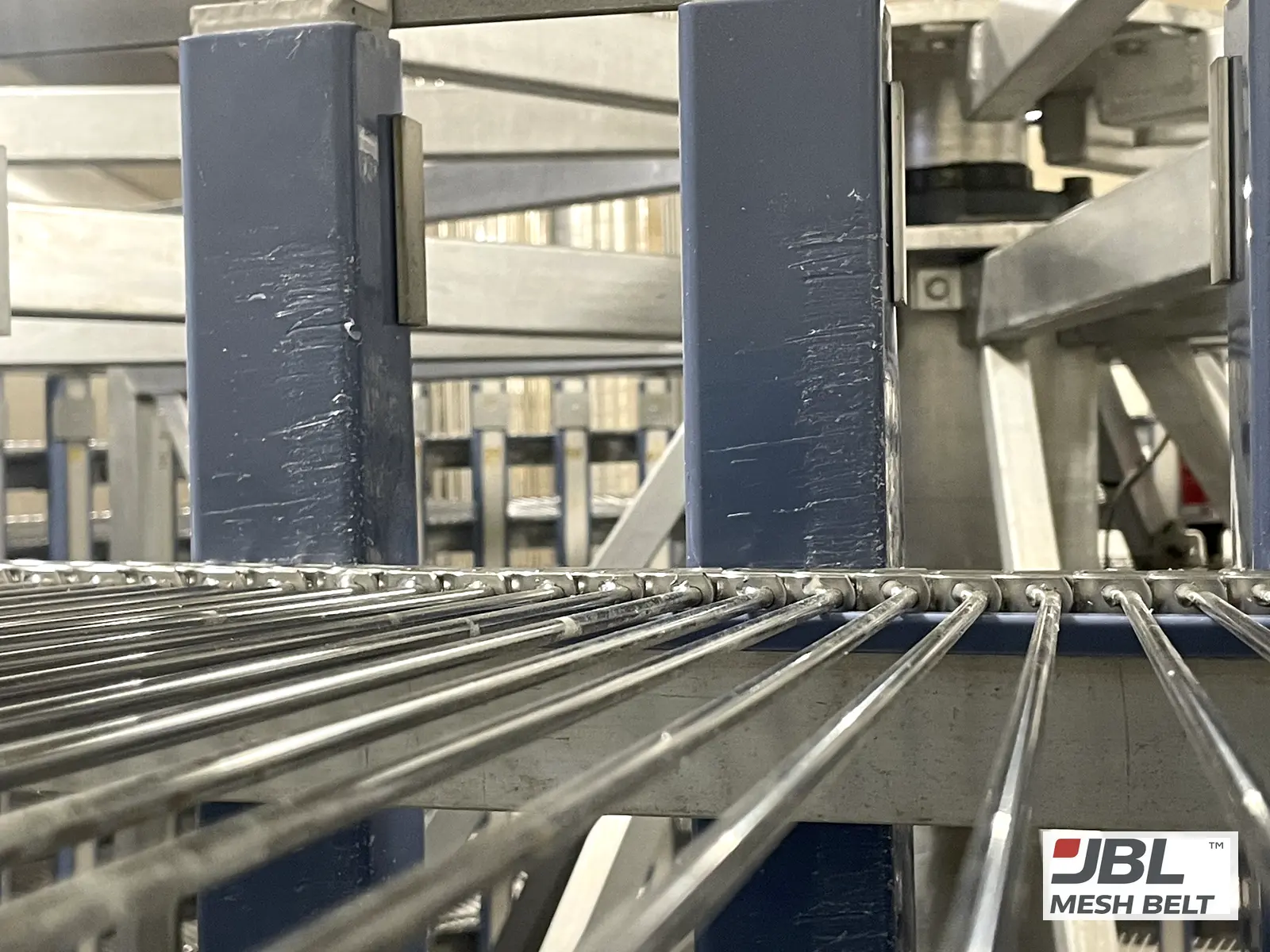
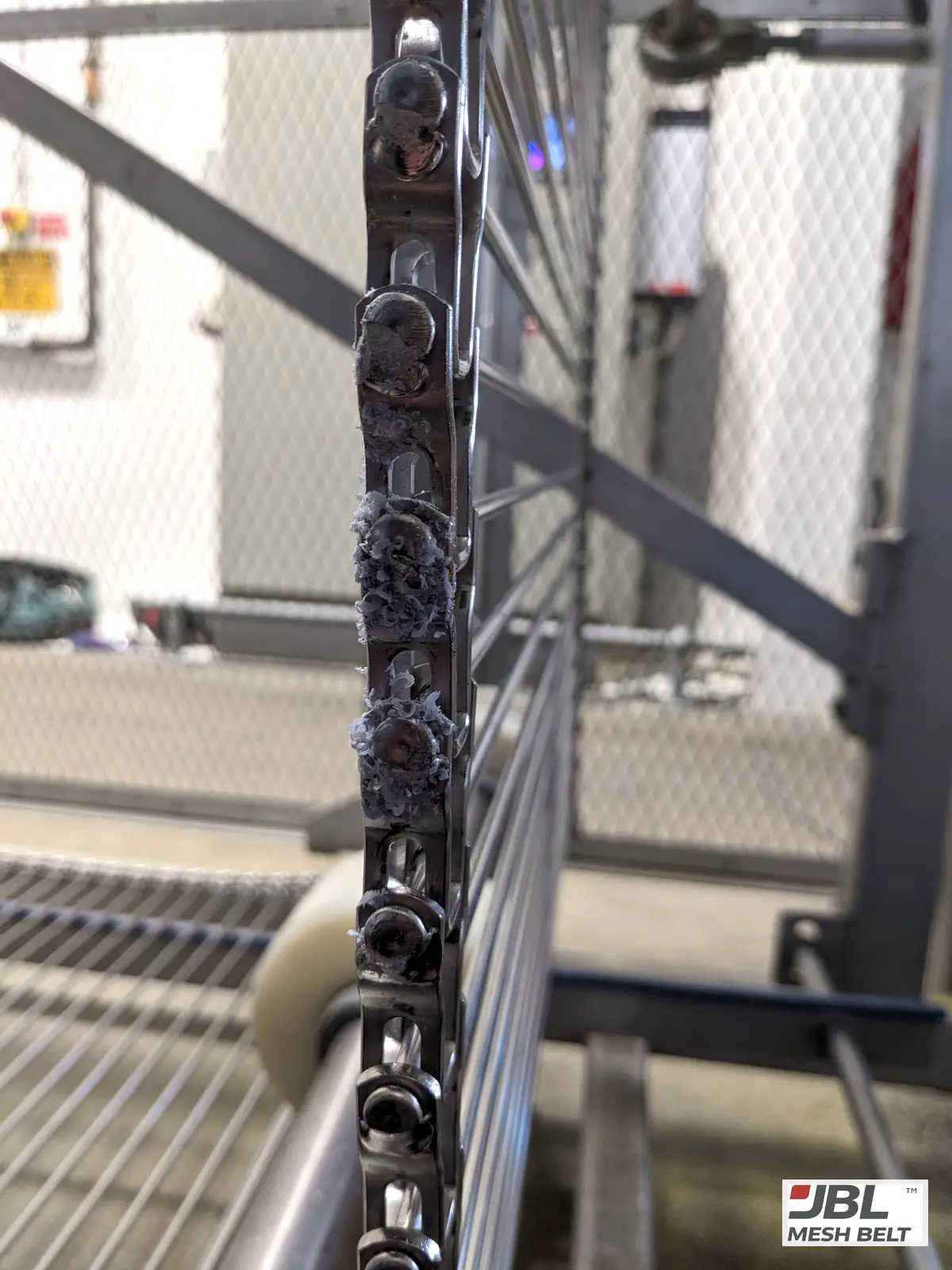
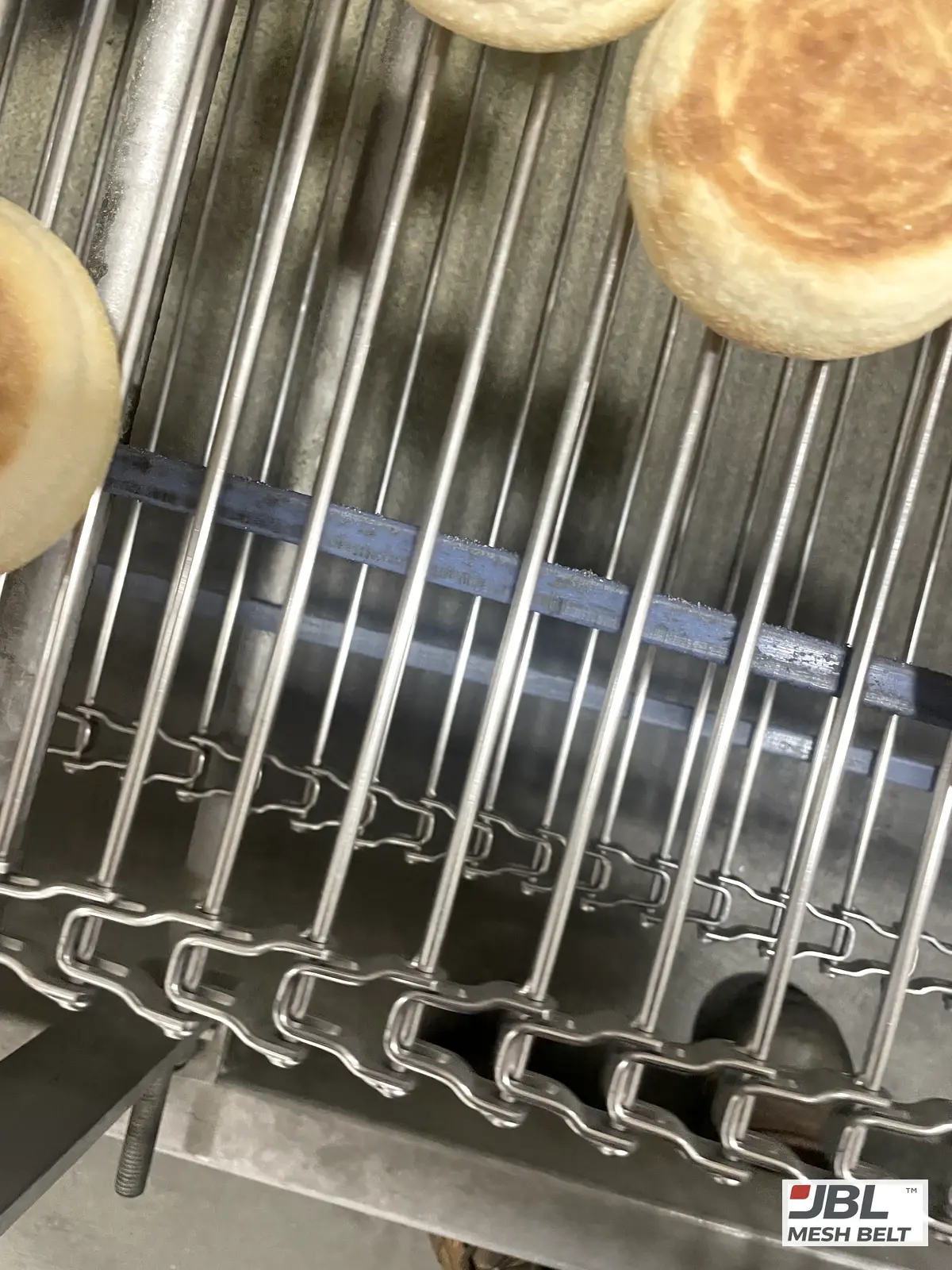
In Melbourne, the visible damage was on the machine: the blue plastic guide strips were scored, and shavings built up along the edge. The cause was on the belt: rough rod-end welds with burrs. The replacement belt matched the pitch, rod and link, but with the welds finished smooth.
| Project | Damage seen | Cause | What was done |
|---|---|---|---|
| Melbourne bakery | Scored guide strips, shavings | Burrs on belt welds | Same fit, welds finished smooth |
| Waffle cooling line | Worn sprocket teeth | Wear over time | Sprockets remade and run on the new belt |
Mismatch is the third case. A new belt with a slightly different pitch, link or edge can fight an old drive from the first hour. I cover these differences in why the same width and pitch does not mean compatibility.
05What should you send so the cause can be found?
I can often find the cause from photos. But the photos have to show the right things.
Short answer
Send close-up photos of the damage, a photo of the whole belt on the line, photos of the sprockets, drum or guides it touches, and a short running video. Add caliper readings of pitch and rod if you can, and tell me when the problem started and what changed.
| What to send | What it shows me |
|---|---|
| Close-up of the damage | Weld, rod, mesh or edge failure |
| Whole belt on the line | Tracking, flatness, where damage repeats |
| Sprockets, drum bars, guides | Wear on the machine side |
| Short running video | Jumping, climbing, noise, how it turns |
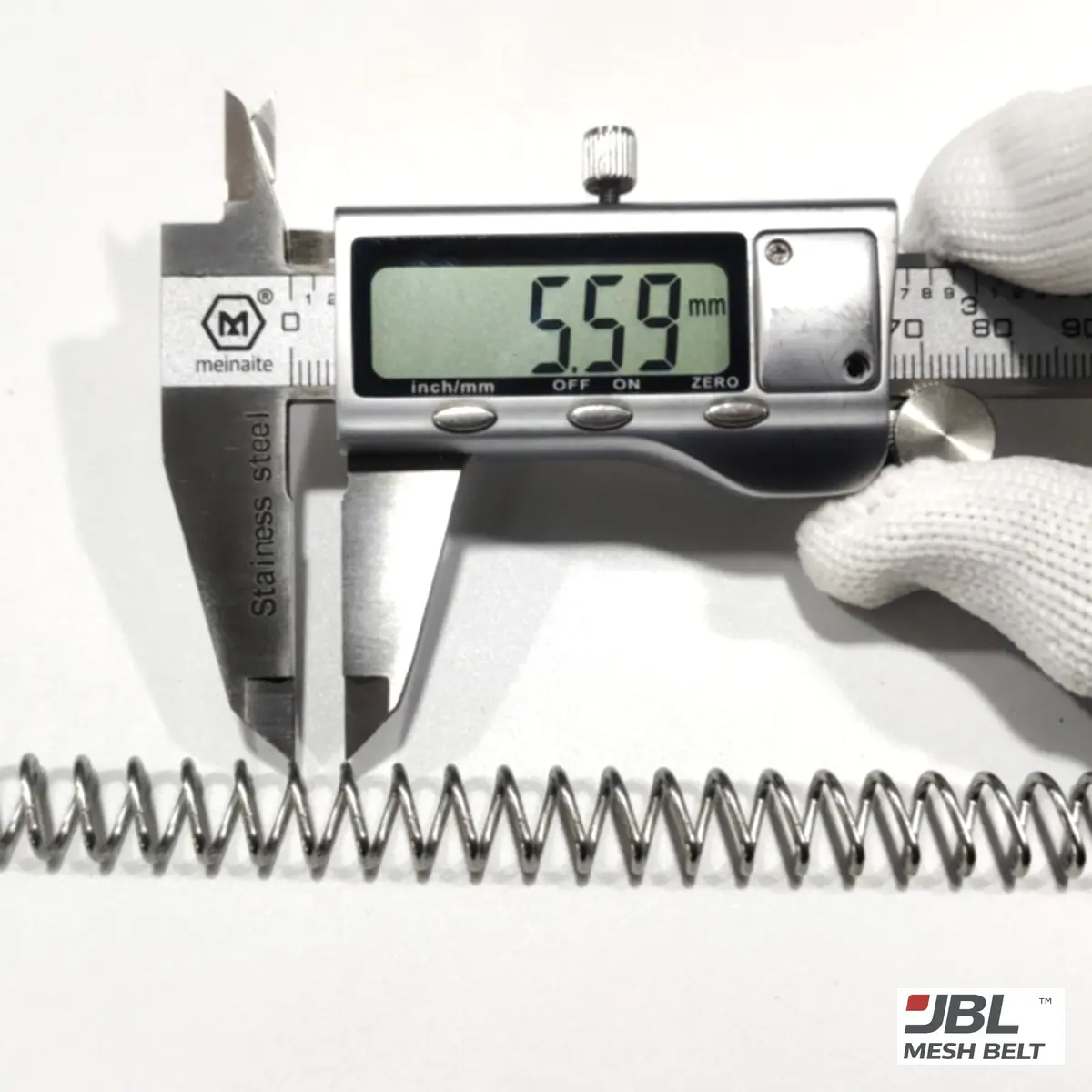
| Pitch and rod with a caliper | Stretch or mismatch |
| When it started, what changed | Belt, machine or match |
- 01
Photograph the damage
Close up, in good light, with a caliper or ruler in the picture.
- 02
Photograph the whole belt
On the line, so I can see where the damage repeats.
- 03
Photograph the machine parts it touches
Sprocket teeth, drum bars, guides and wear strips.
- 04
Film it running
A short video at the point where the problem shows.
- 05
Tell me the history
When it started, what changed, how long the belt has run.
With these, I tell you whether the belt, the machine or the match is the likely cause, and what a fix needs: a corrected belt, new sprockets, a repair on the machine side, or all three. If a new belt is the answer, the compatibility guide shows how it is matched and tested.
Belt keeps failing?
Send me photos of the damage, the whole belt and the drive, and a short video. I tell you where I think the problem starts.
When This Is Not the Right Choice
- ✕If the belt stopped because of a jam or a foreign object, that is an incident, not a design or wear problem. Repair the damage and remove the cause.
- ✕If the freezer has a control or drive fault, call the freezer maker or your maintenance team; a belt supplier cannot diagnose electrical or control issues.
- ✕If the belt has simply reached the end of a long, normal service life, replace it — but still check the sprockets and drum bars before fitting the new one.
From My Engineering Experience
I have learned not to answer 'the belt failed' with 'buy a new belt'. In Melbourne, the damage was on the guide strips, but the cause was on the belt welds. On the waffle line, the belt was due for replacement, but the sprocket teeth were worn too, and a new belt alone would have suffered.
So I ask for photos of both sides: the belt and the parts it touches. Most of the time the photos show where the problem starts. When they do not, a short section of the belt and a running video usually do.
Finding the cause first costs a few days. Replacing a belt for the wrong reason costs a second belt.
— Spring, Sales Director, JBL Mesh Belt
Evidence From Our Work
Melbourne, Australia — damage on the machine, cause on the belt →
| Step | Detail |
|---|---|
| Damage seen | Scored guide strips, plastic shavings at the edge |
| Cause | Rough rod-end welds with burrs on the original belt |
| Fix | Pitch, rod and link matched; welds finished smooth |
| Checked | Weld finish on the sample before bulk |
Waffle spiral cooling — worn sprockets replaced with the belt →
| Step | Detail |
|---|---|
| Damage seen | Worn sprocket teeth, worn edge links |
| Measured | Sprocket width 40.36 mm, hub 90.42 mm, tooth 10.77 mm |
| Fix | New belt and new sprockets made to the originals |
| Checked | Sprocket run on the bulk belt before packing |
FAQ
Q1Why does my spiral belt keep tracking off?
Common causes are a mismatch with drum diameter, turn ratio, direction or sprockets, edge wear and pitch stretch. Photos and a running video show which one.
Q2Can worn sprockets damage a new belt?
Yes. Hooked or thinned teeth do not seat a new belt; replace them with the belt.
Q3Can a belt damage the machine?
Yes. Burrs on edge welds can score guide strips, as in our Melbourne project, and on friction-drive spirals they can scratch the drum bars.
Q4Can you find the cause from photos?
Often, yes — if the photos show the damage, the whole belt and the drive, ideally with a short running video.
Q5How long should a spiral belt last?
It depends on load, temperature, cleaning, drive and maintenance. I do not promise a number; I check the factors that shorten it.
Conclusion
Find the cause before you replace the belt. Belt, machine or the match between them — photos of both sides usually tell you which.
Download the Spiral Freezer Belt Technical Specification (PDF)
Specification ranges and options in mm and inch. Enter your work email and the file downloads right away.
References

Your contact for this belt
Spring · Sales Director, JBL Mesh Belt · 16 years
“Your belt is worn, the OEM price is high, and there is no drawing. That is where I start.”
Send me a worn section, a few photos with a caliper in the picture, or a drawing. I tell you what fits, what is missing, and show you a sample measured against your own belt before you pay for the full length. Buyers in the UK, the USA, Australia, Brazil, South Korea, Spain and Malaysia have replaced belts this way.
- ✓Readings on your original next to readings on our sample
- ✓Nothing in bulk until you approve the sample
- ✓Turning, stacking or sprocket tests before your belt ships
- ✓A reply from me, usually within 8 hours