Your line is new, or the old belt is gone. There is nothing to measure. Yet the belt must carry your product and run on your drive.

Short answer

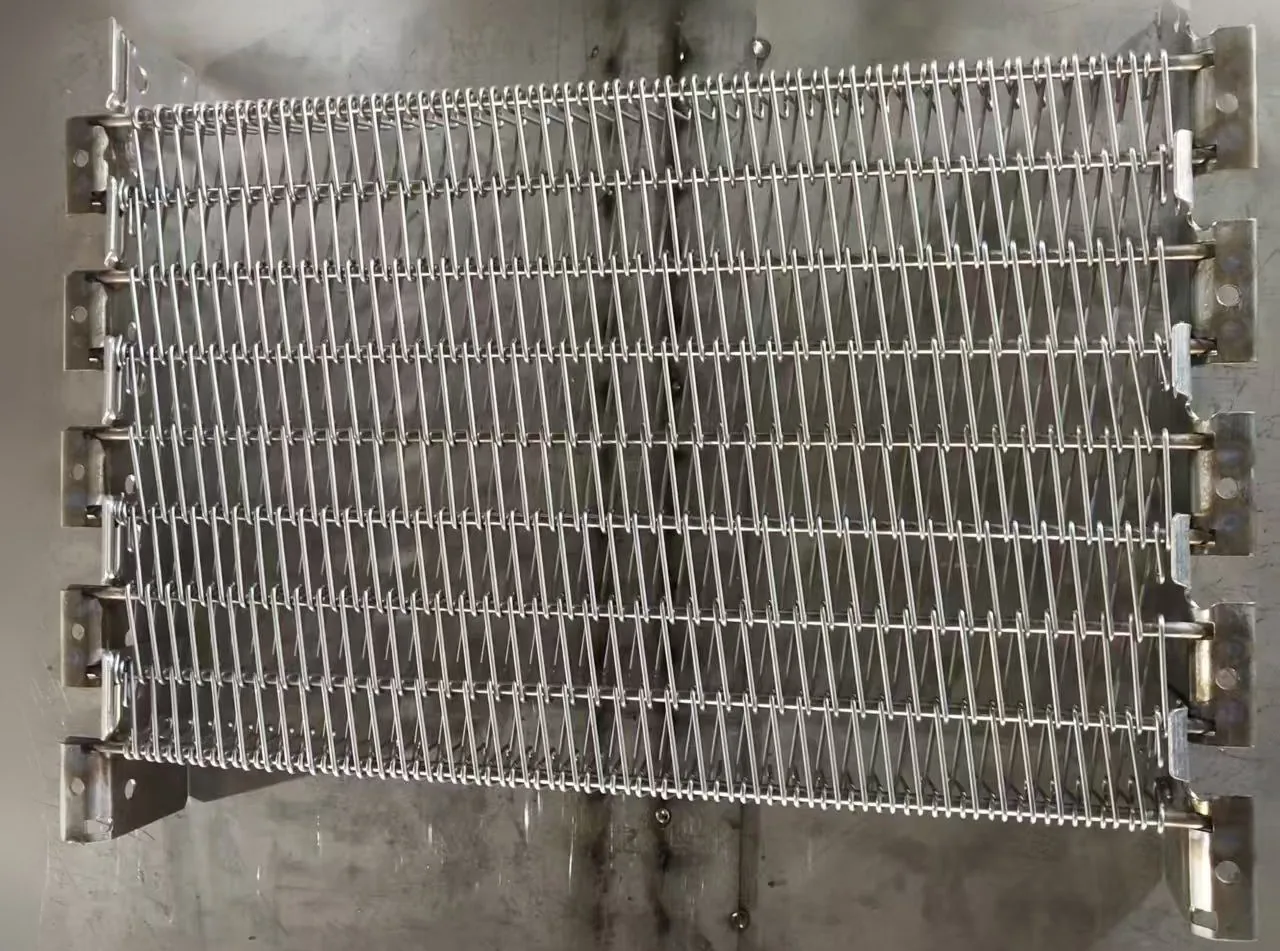
Turn your requirements into a dimensioned drawing, approve it, then check a physical sample on your own line before bulk. That is how a shrimp processor in Spain got eye link belts for an IQF tunnel line with no old belt to copy.

At a Glance

StepYou giveYou get
1 · RequirementsProduct, line sections, drive, conditionsA list of anything missing
2 · DrawingAnswers, then your approvalDimensioned drawing: links, rod, wire, edge
3 · SampleA check on your own lineA sample made and measured to the drawing
4 · BulkApproval of the sampleBelt measured against the drawing before packing
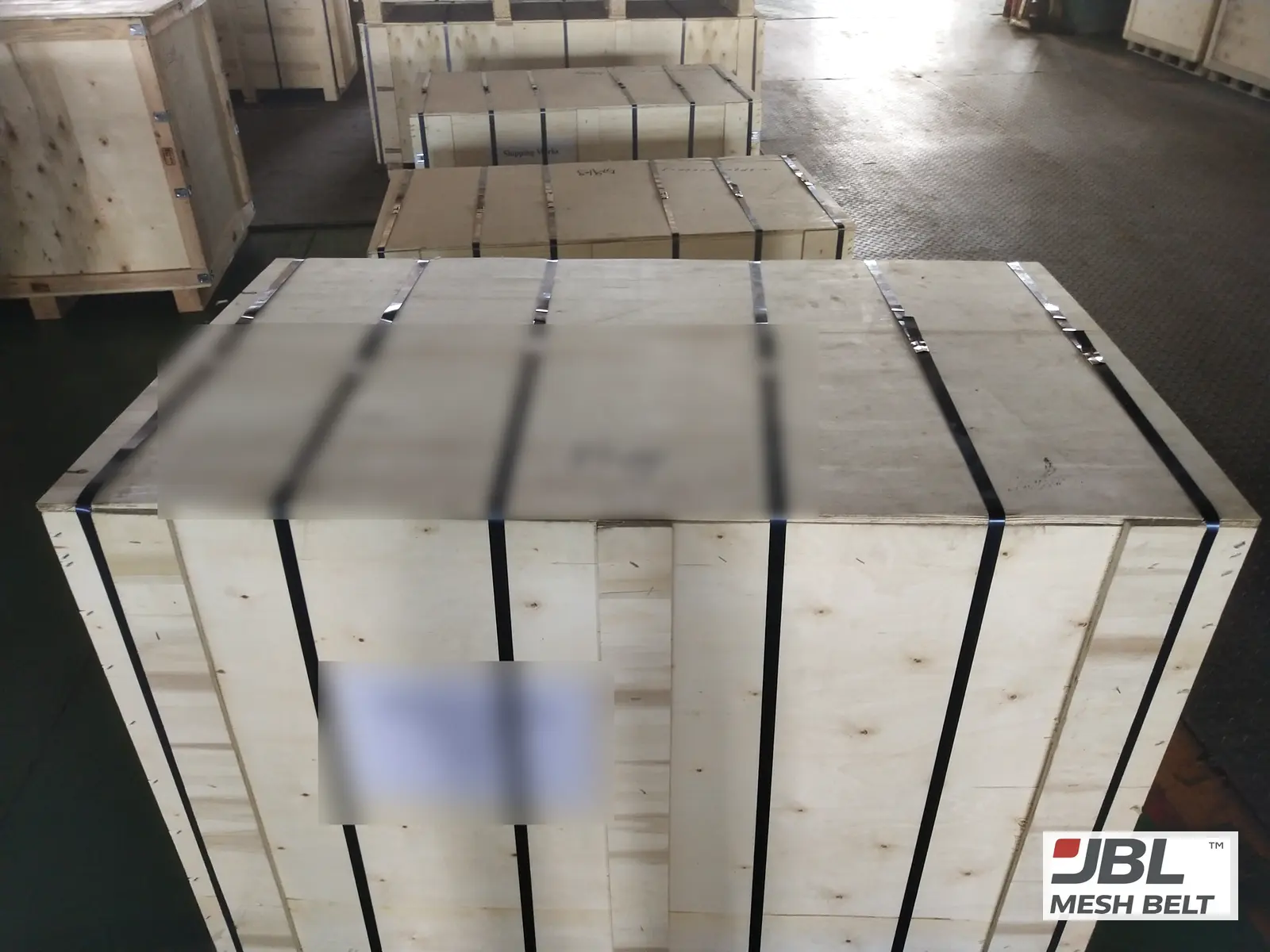
5 · Shipment—Readings and photos before the crate is closed

In Spain the line had glazing, hardening and freezing sections. Below is how each step worked, with the real readings, and how the same drawing route worked for a spiral belt in Malaysia.

01What do you need to tell your supplier when there is no old belt?

Without a belt to measure, your answers are the specification.

Short answer

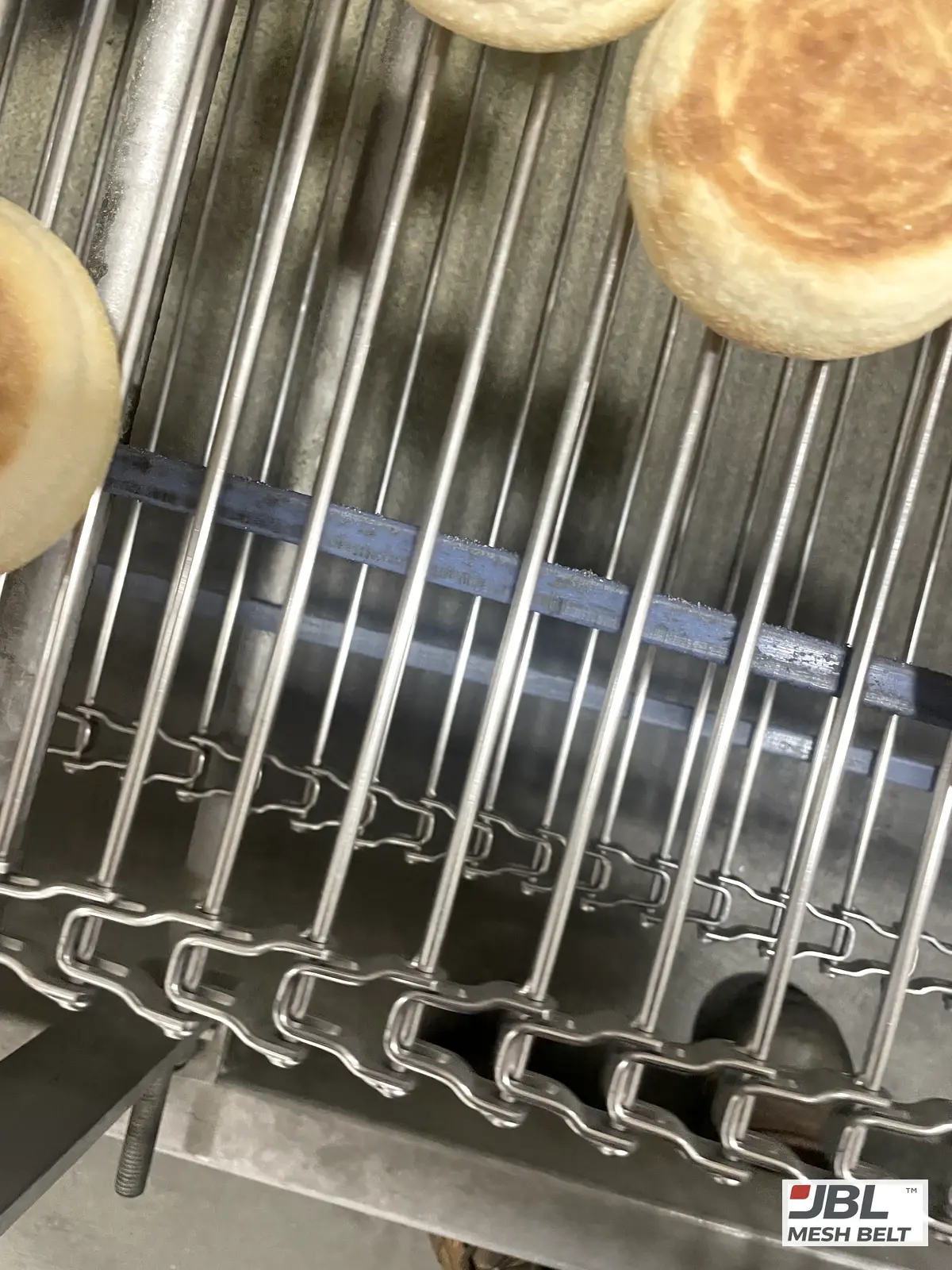
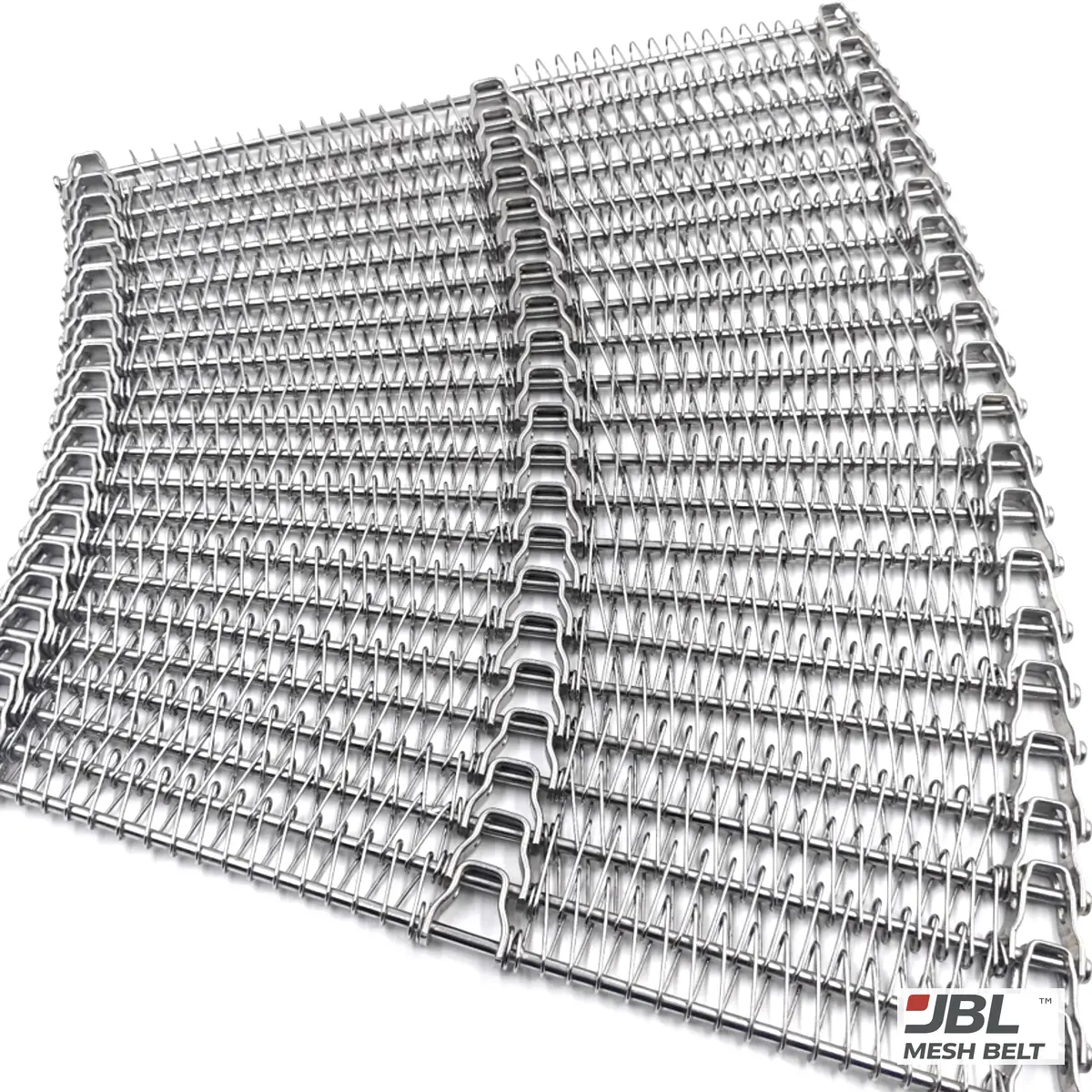
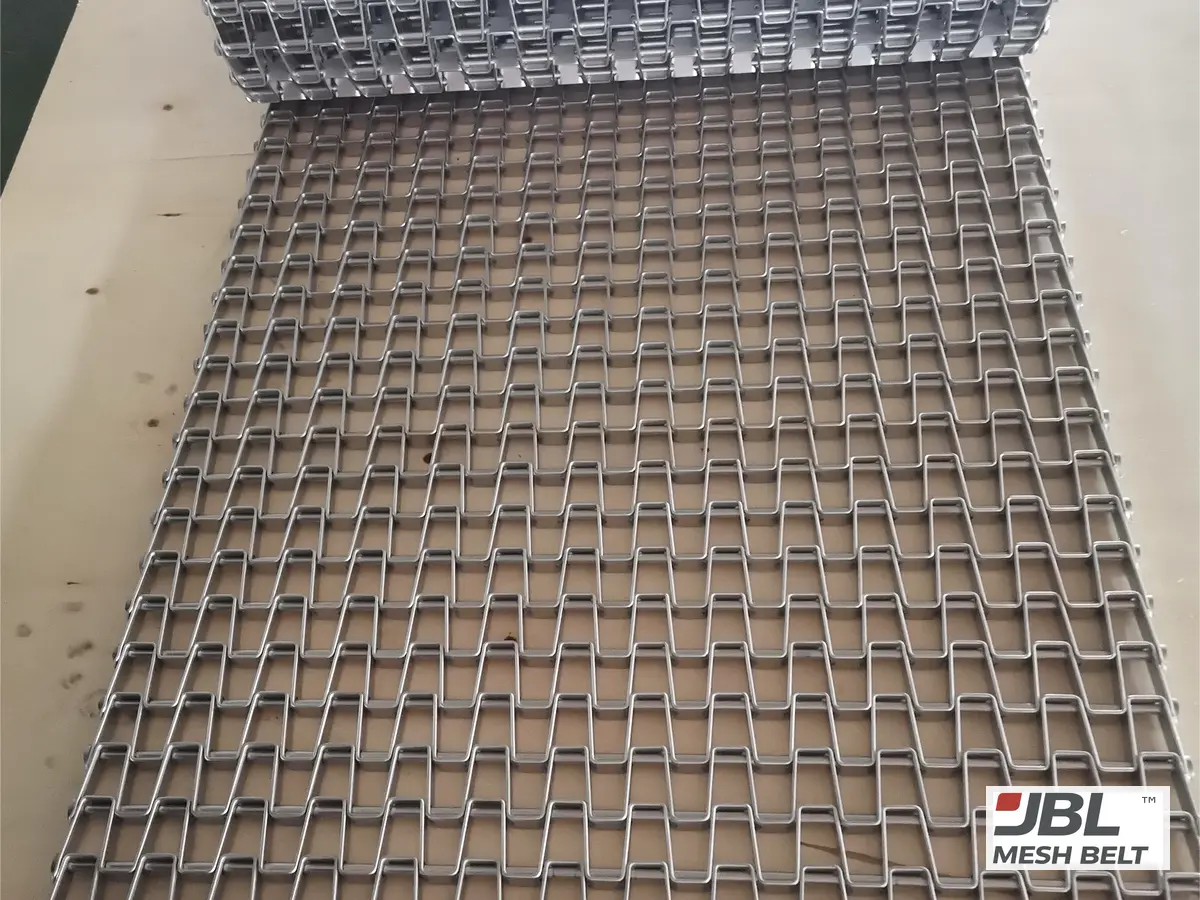
Tell your supplier the product, each line section, the drive type and the conditions. In Spain that meant shrimp; glazing, hardening and IQF freezing; small product on an open eye link mesh; and a chain-type edge drive.

RequirementWhy it mattersSpain example
ProductSets mesh opening and supportShrimp
Line sectionsEach section can need a different beltGlazing, hardening and freezing in an IQF tunnel
DriveSets the edge designChain-type edge drive
Material and finishFood contact and cleaningSUS304, pickled
ConditionsWet and frozen zonesGlazing and IQF freezing

The customer explained the line after our first meeting. Nothing existed to measure, so the belt had to be designed first.

Before drawing anything, I send back a list of what is still missing. One missing answer at this stage saves a remade sample later.
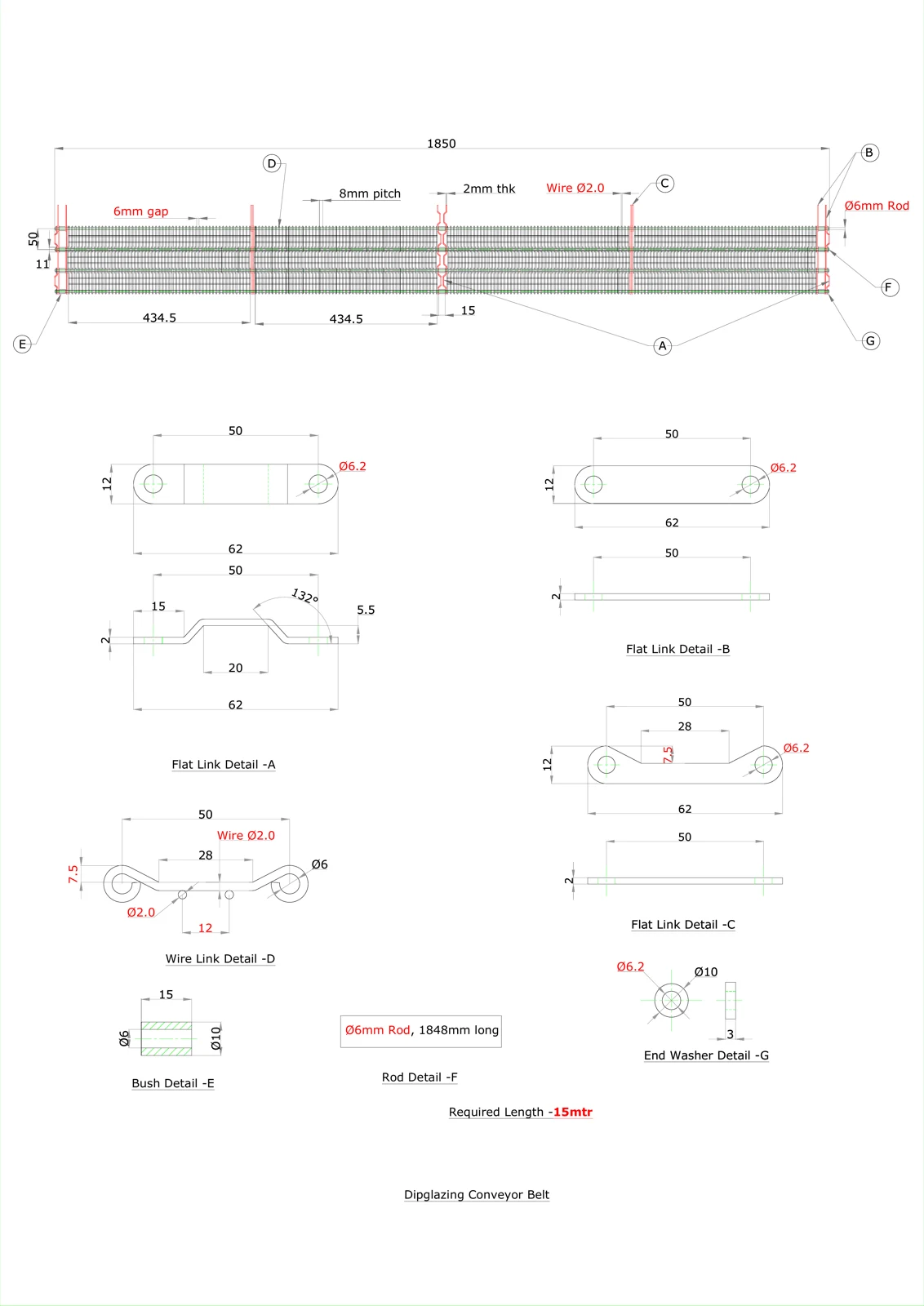
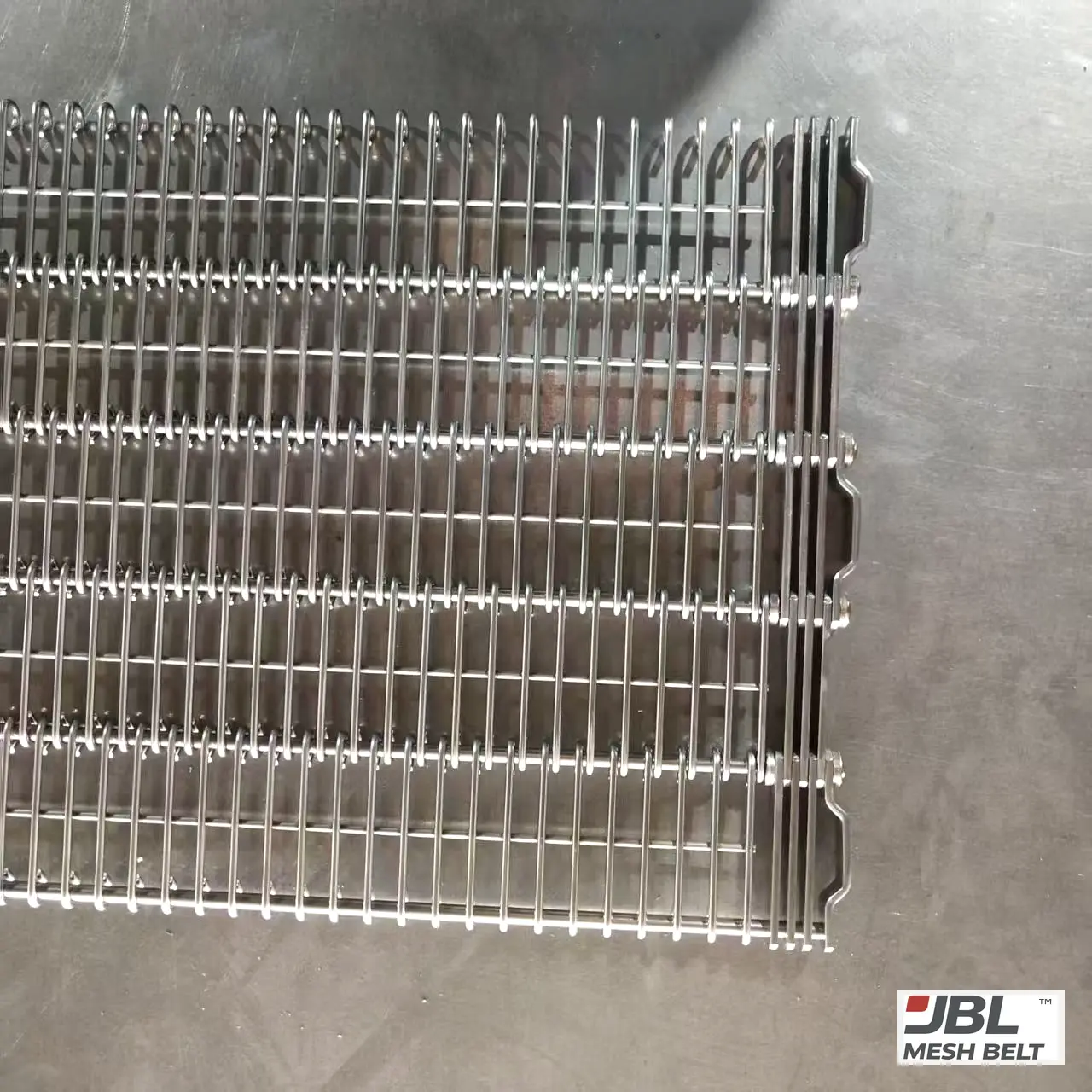
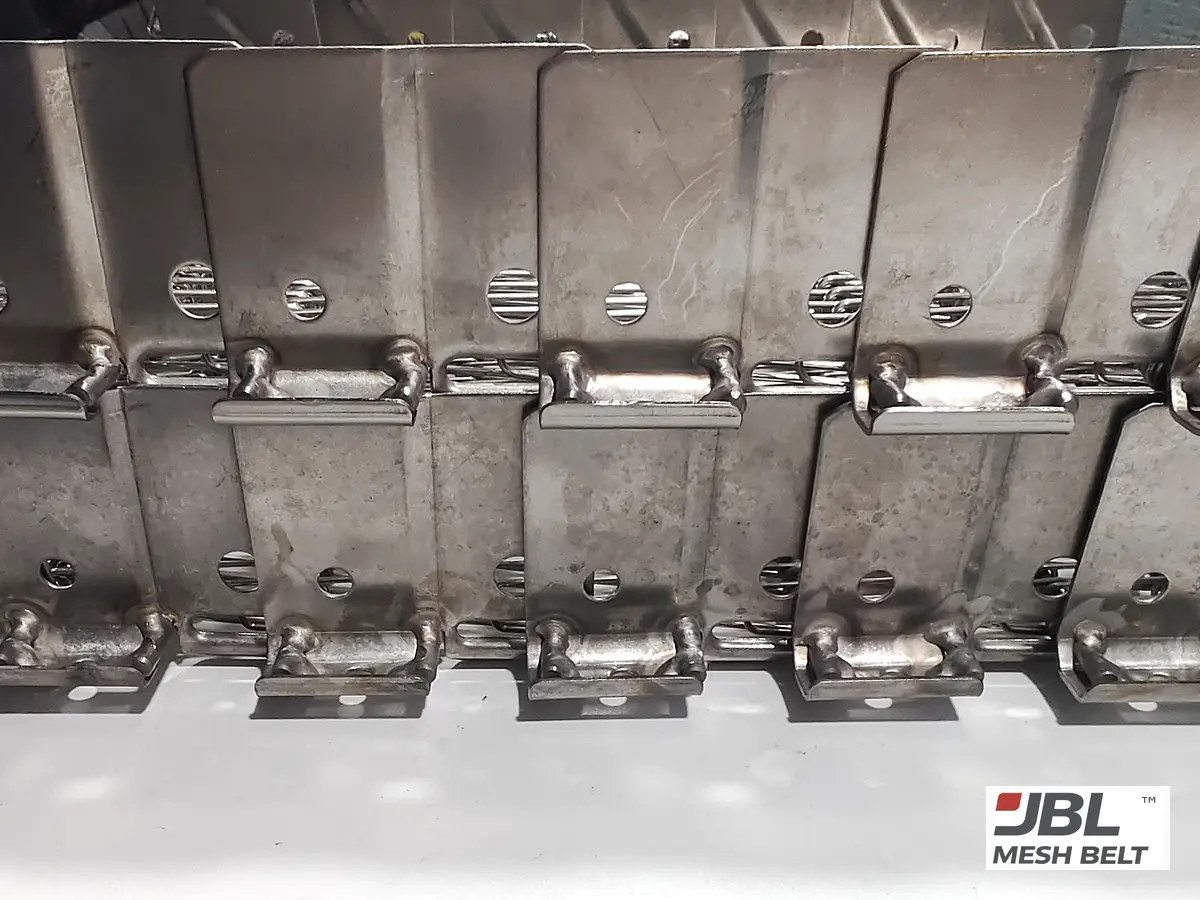
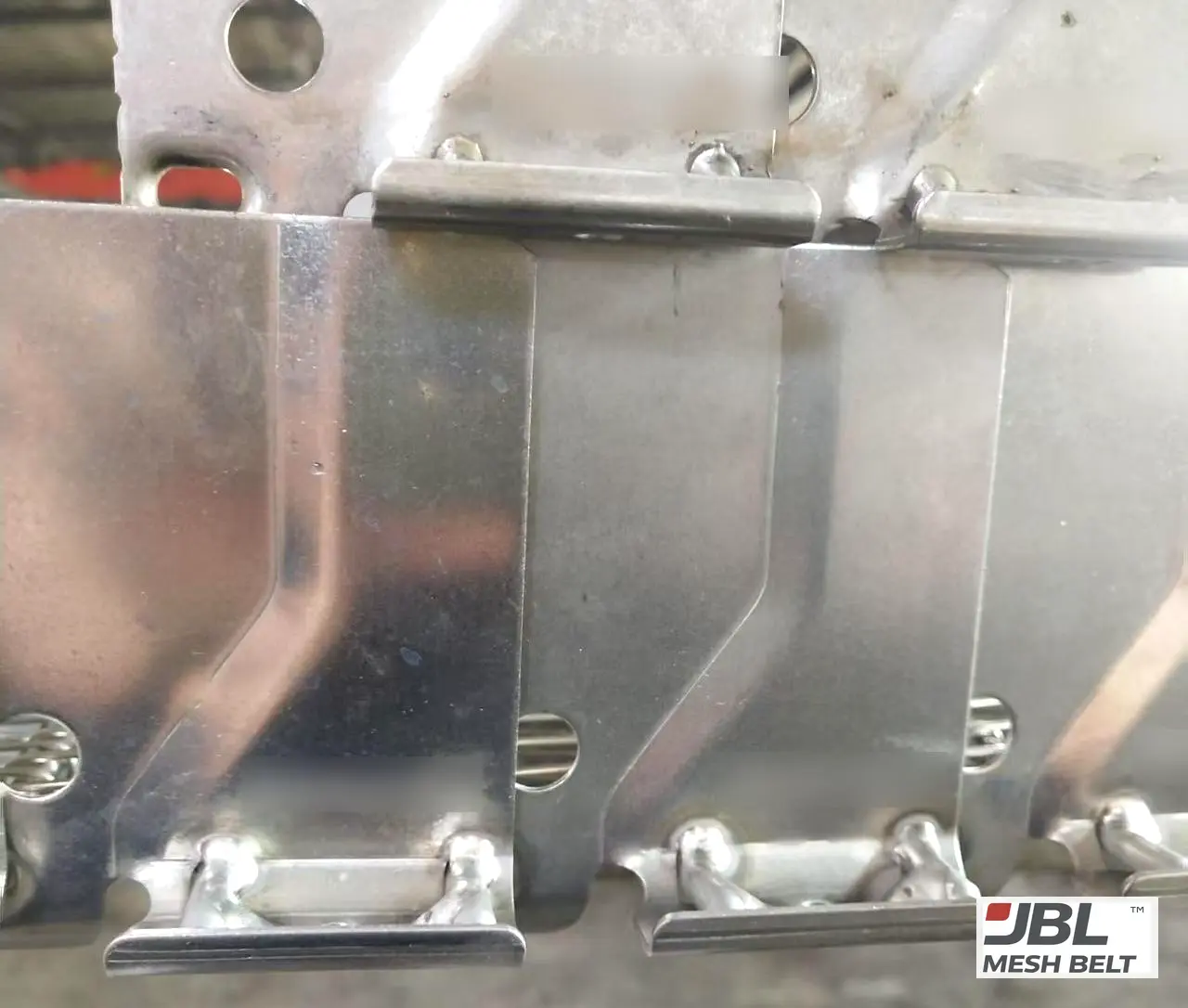
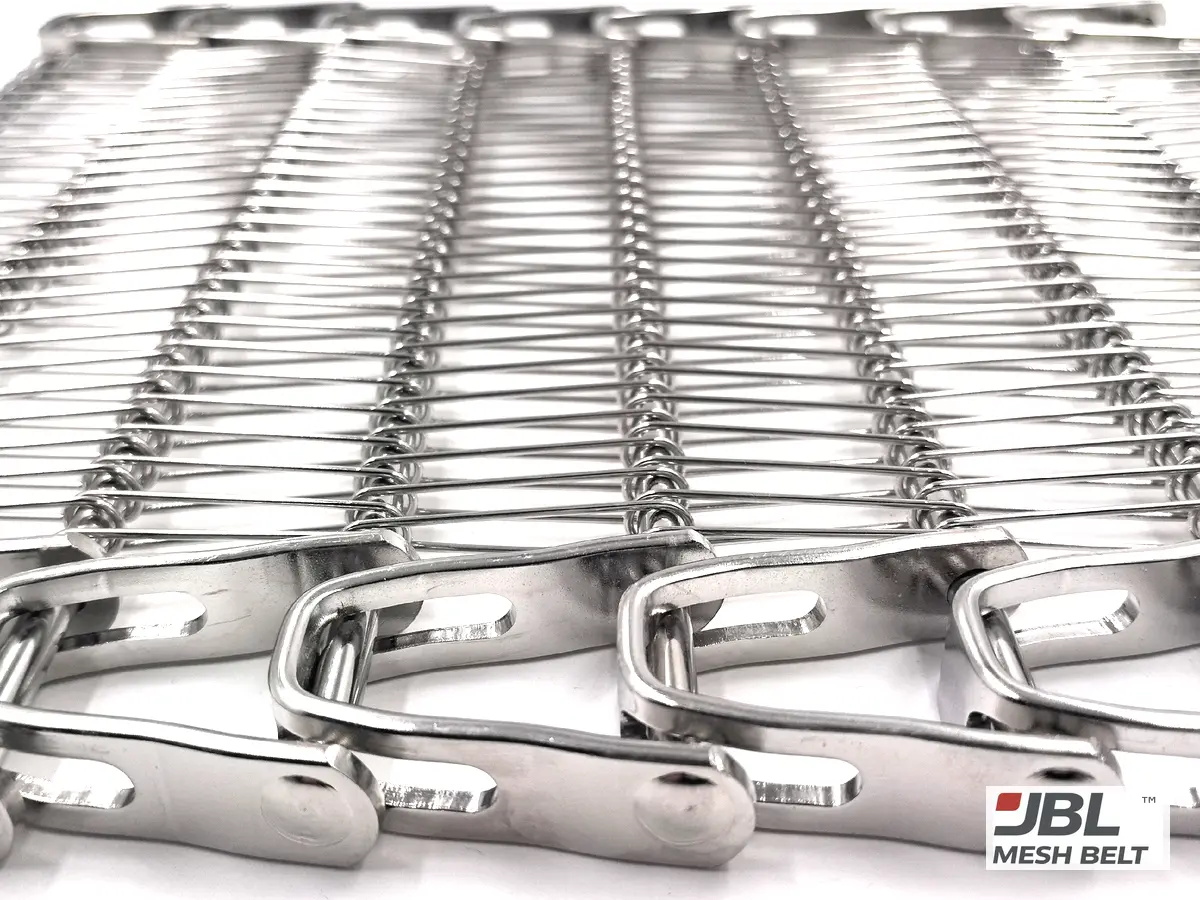
Drawing: glazing section belt with joggled flat-link edge
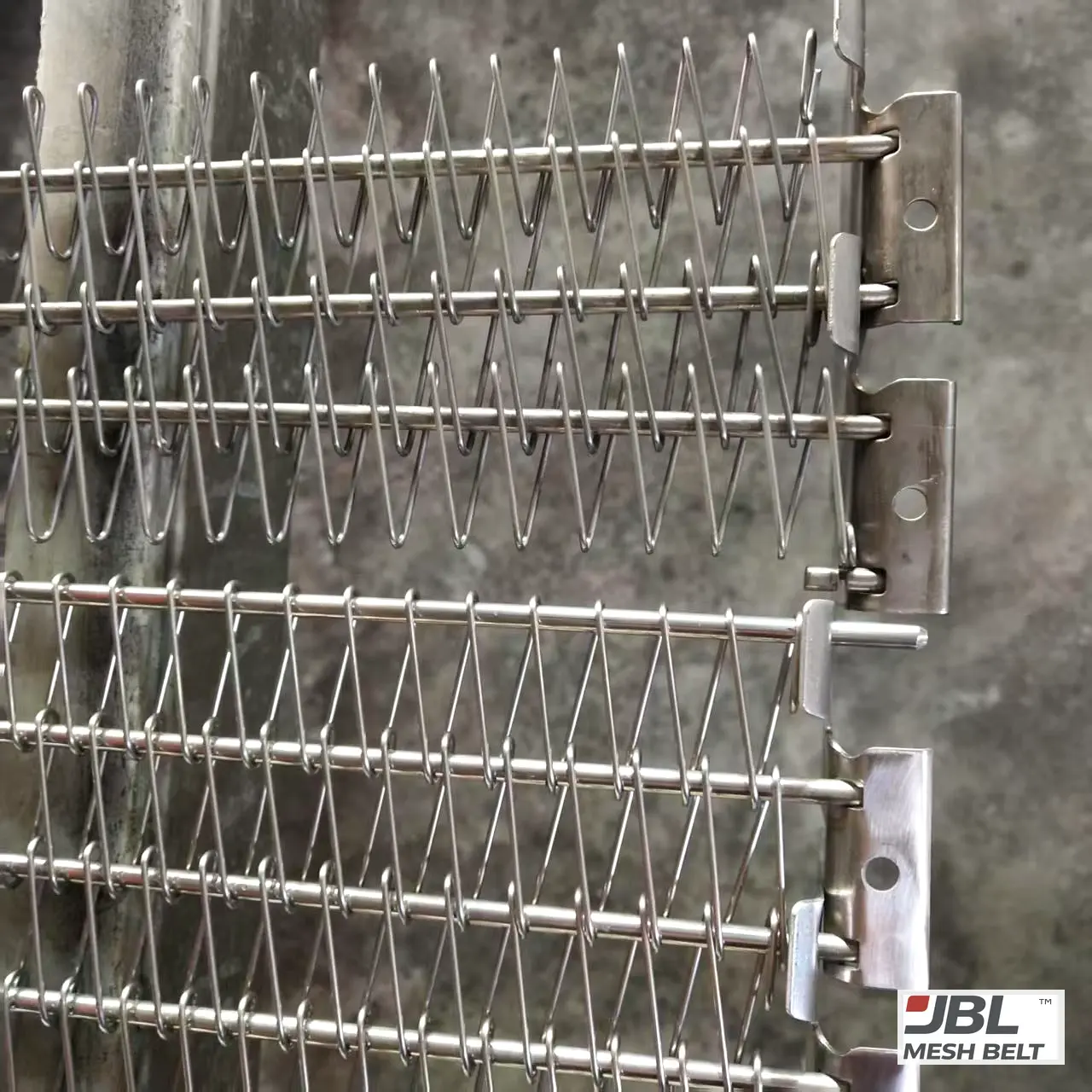
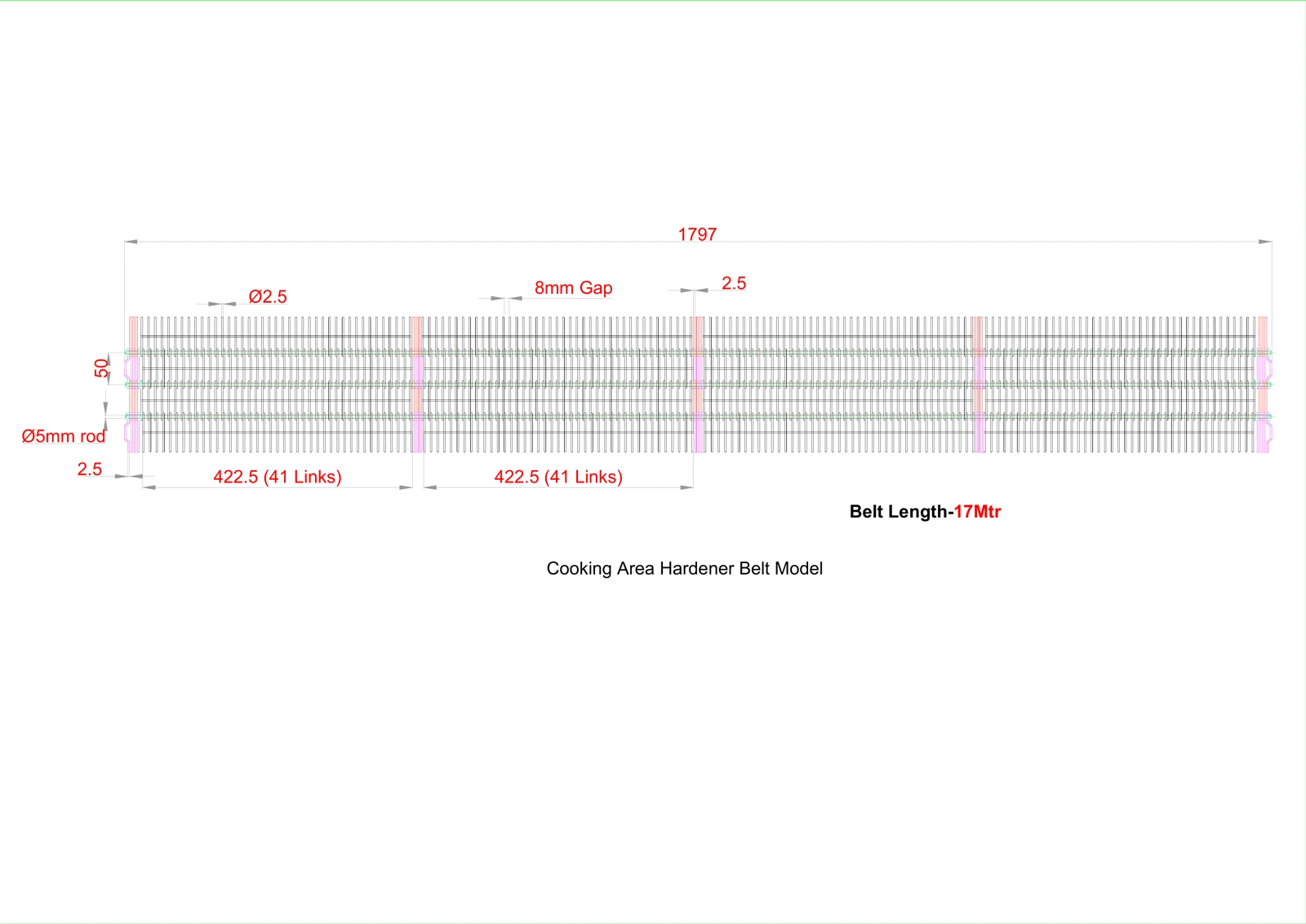
Drawing: hardening belt, 50 mm pitch, Ø5 mm rod, Ø2.5 mm wire
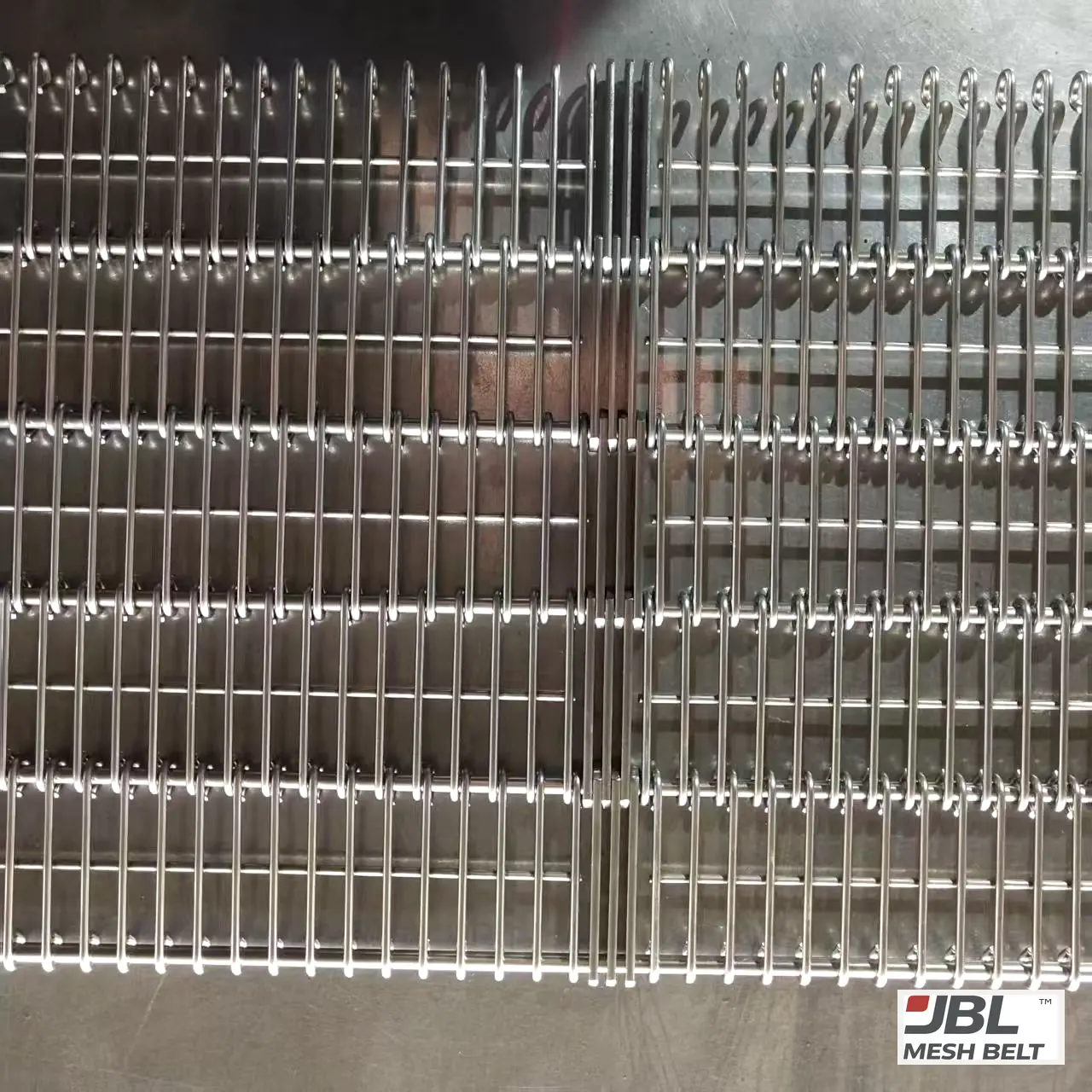
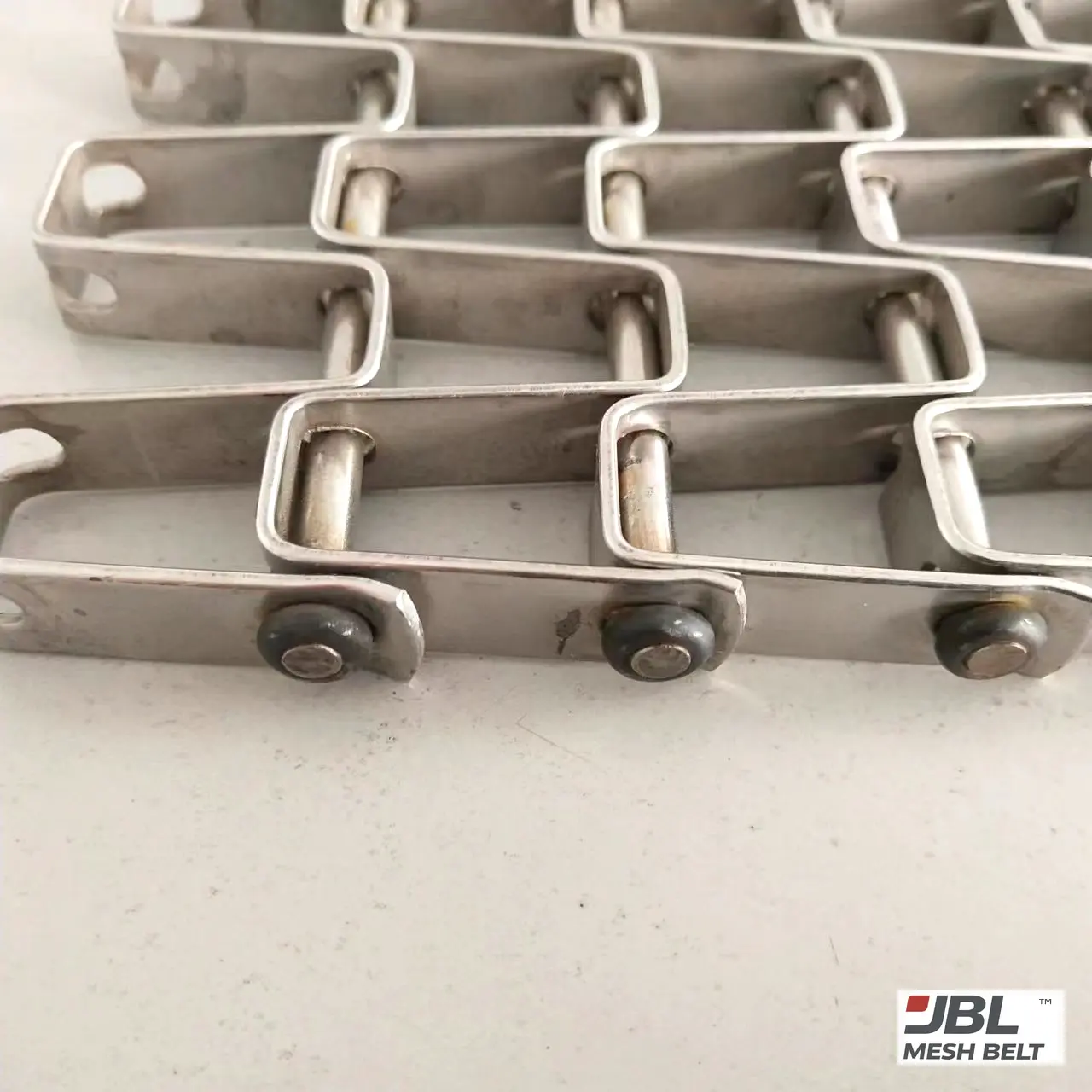
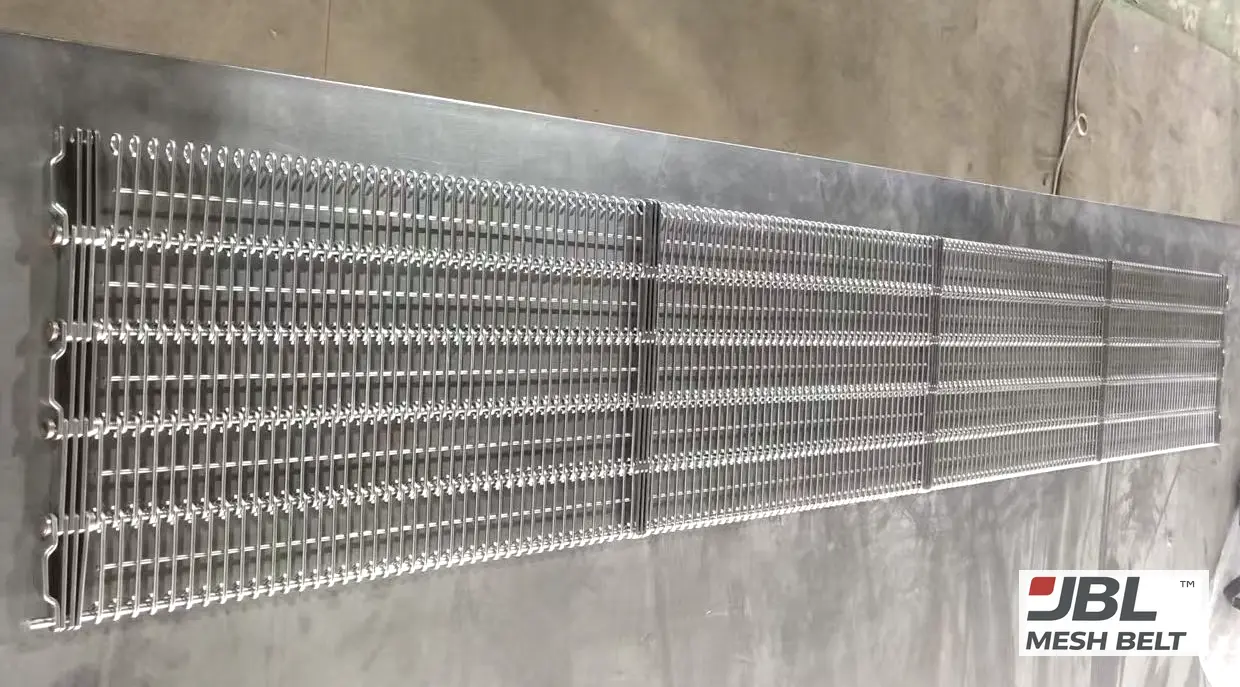
Sample sections joined

02What should the approval drawing show?

The drawing is the agreement for the belt. If it is not on the drawing, it is not agreed.

Short answer

The drawing should show belt width, link pitch, rod and wire diameters, each flat link with its width and thickness, the edge and drive detail, material and finish. You approve it before anything is made.

BeltDrawn values
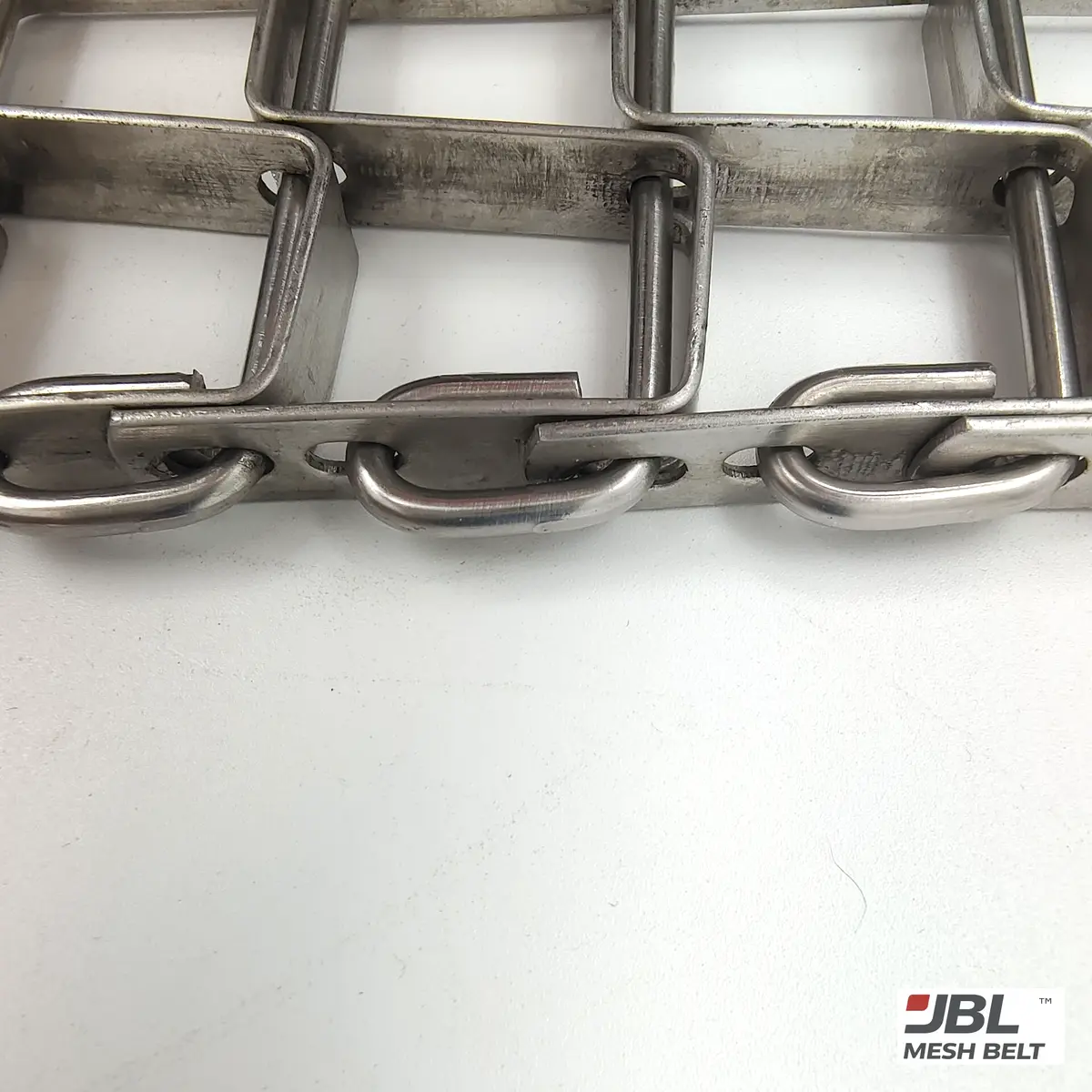
Glazing beltRod 6 mm · wire 2 mm · roller-chain edge, 50 mm pitch · 2 mm plates · 10 mm rollers · joggled flat links
Hardening belt50 mm pitch · rod Ø5 mm · wire Ø2.5 mm · reinforcing bars
BothSUS304 · washer-welded · pickled

The joggled flat link lets the edge run like a chain. It is a small detail on paper and a large one on the line, so it was drawn and dimensioned like every other link.

Drawing itemQuestion it answers
Link pitchDoes it match the sprockets and the product size?
Rod and wire diametersIs the mesh strong enough for the load?
Flat link width and thicknessDoes the edge carry the drive load?
Edge typeRoller chain or reinforced plate — which drive?
Material and finishIs it right for food contact and cleaning?

For spiral belts I use a separate list: what a spiral belt approval drawing should include.

03Why check a sample on your own line?

A drawing can be right and still miss something about your line.

Short answer

A physical sample, measured to the drawing and sent to you, lets you check fit, edge drive and product support on your own line. In Spain, bulk production started only after the customer confirmed the sample.
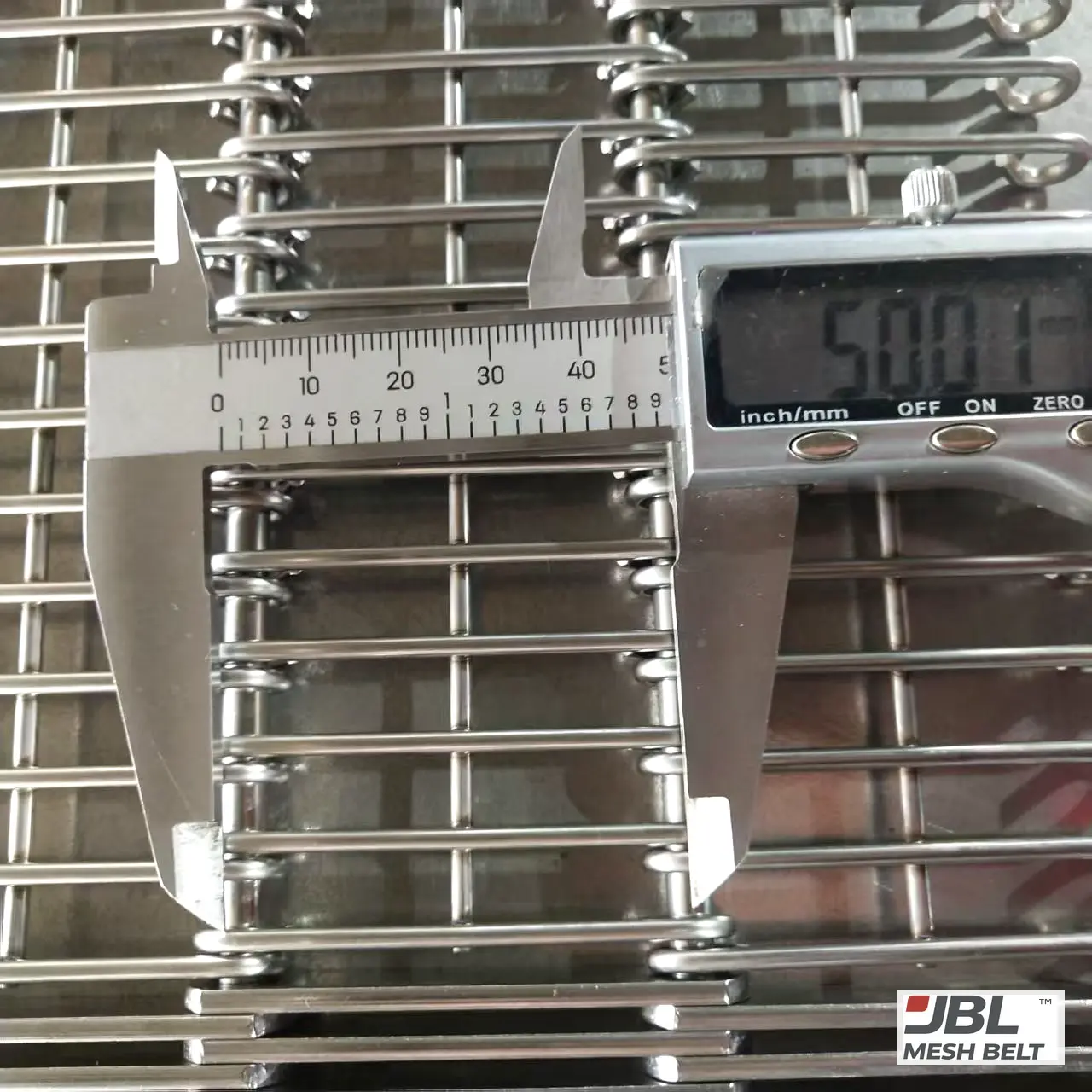
Link pitch: 50.01 mm
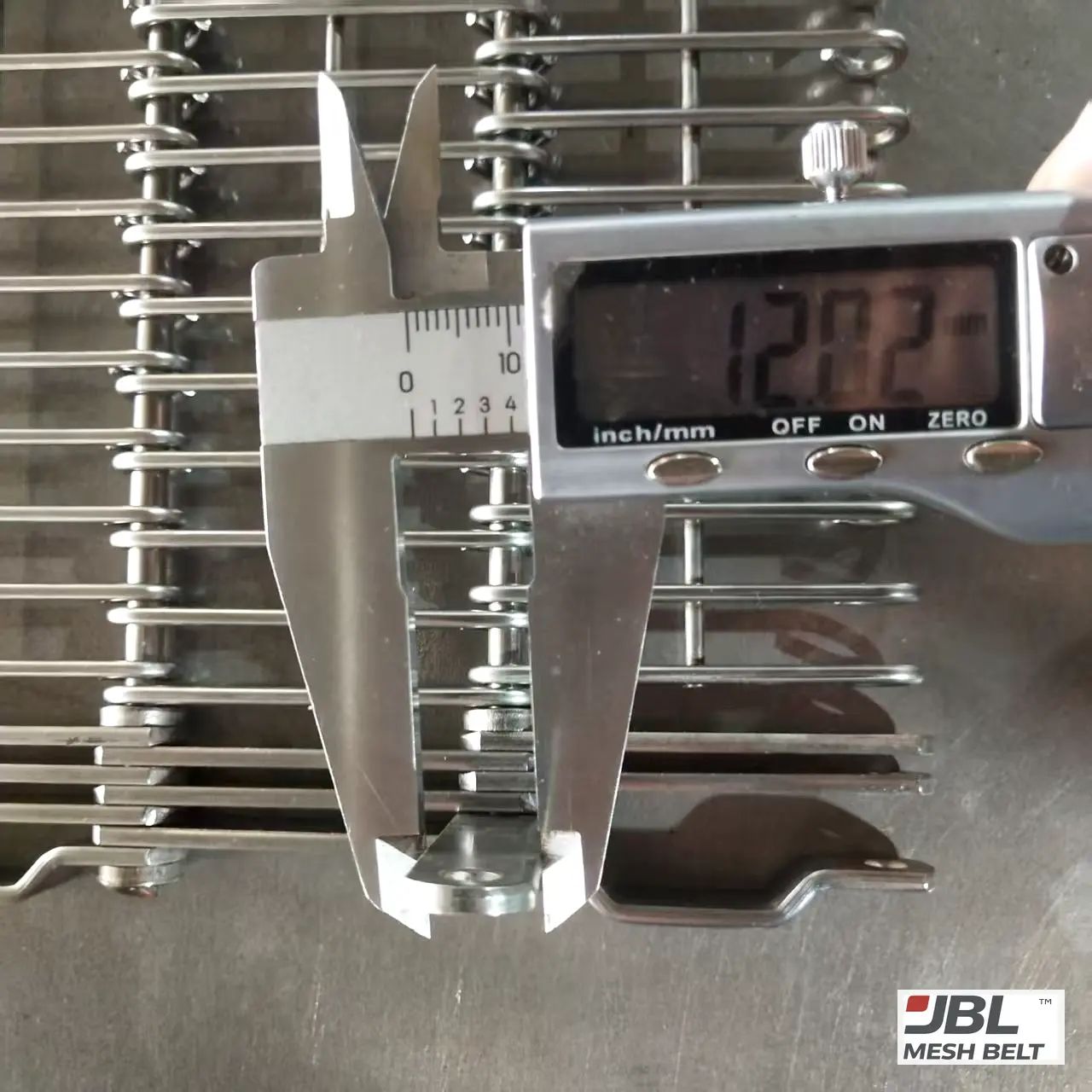
Flat link width: 12.02 mm
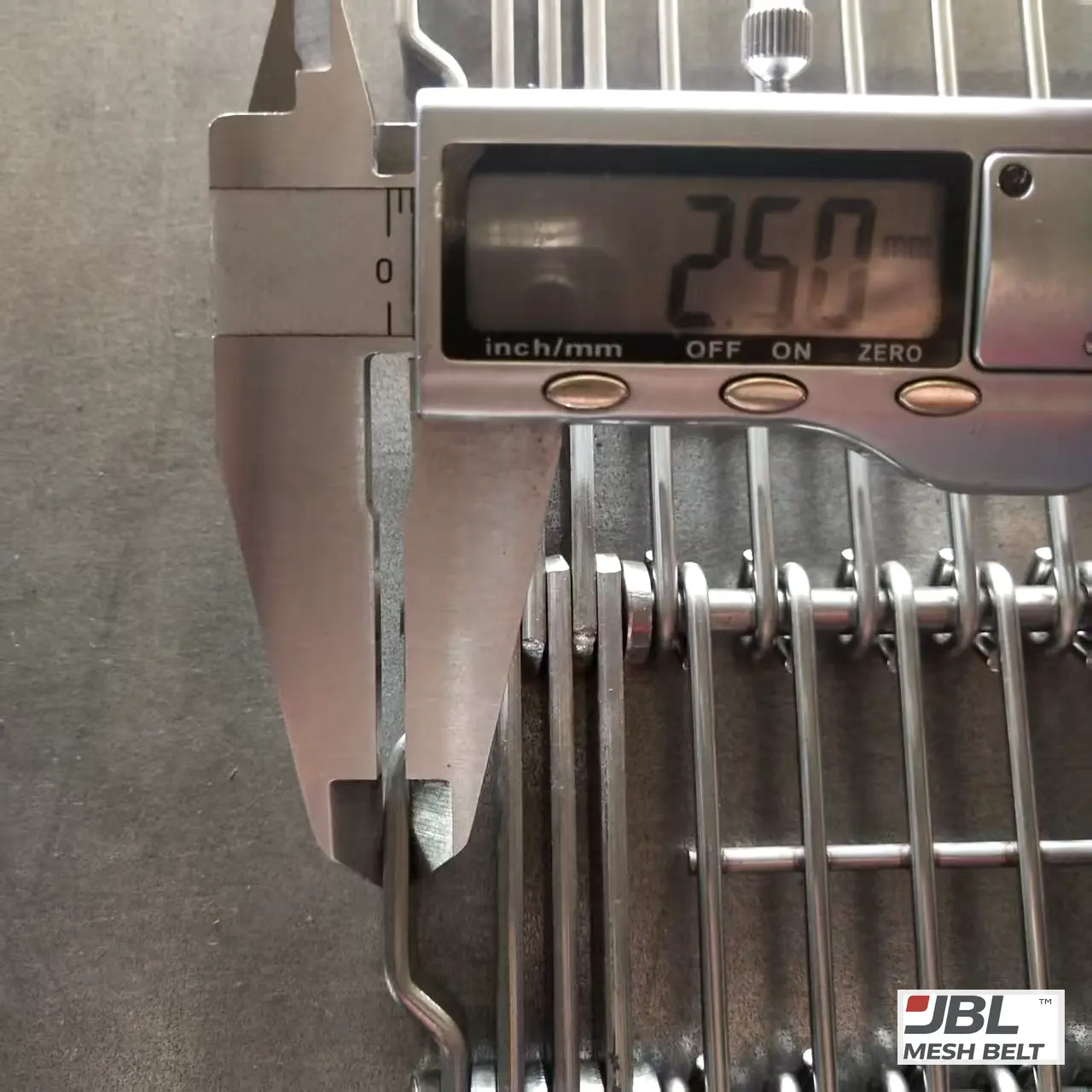
Flat link thickness: 2.50 mm
DimensionDrawingSample reading
Link pitch50 mm50.01 mm
Flat link width12 mm12.02 / 12.07 mm
Flat link thickness2.5 mm2.50 / 2.52 mm
WireØ2.5 mm2.50 / 2.51 mm

Two readings: two links for width and thickness, two points for wire. Spain, 2026.

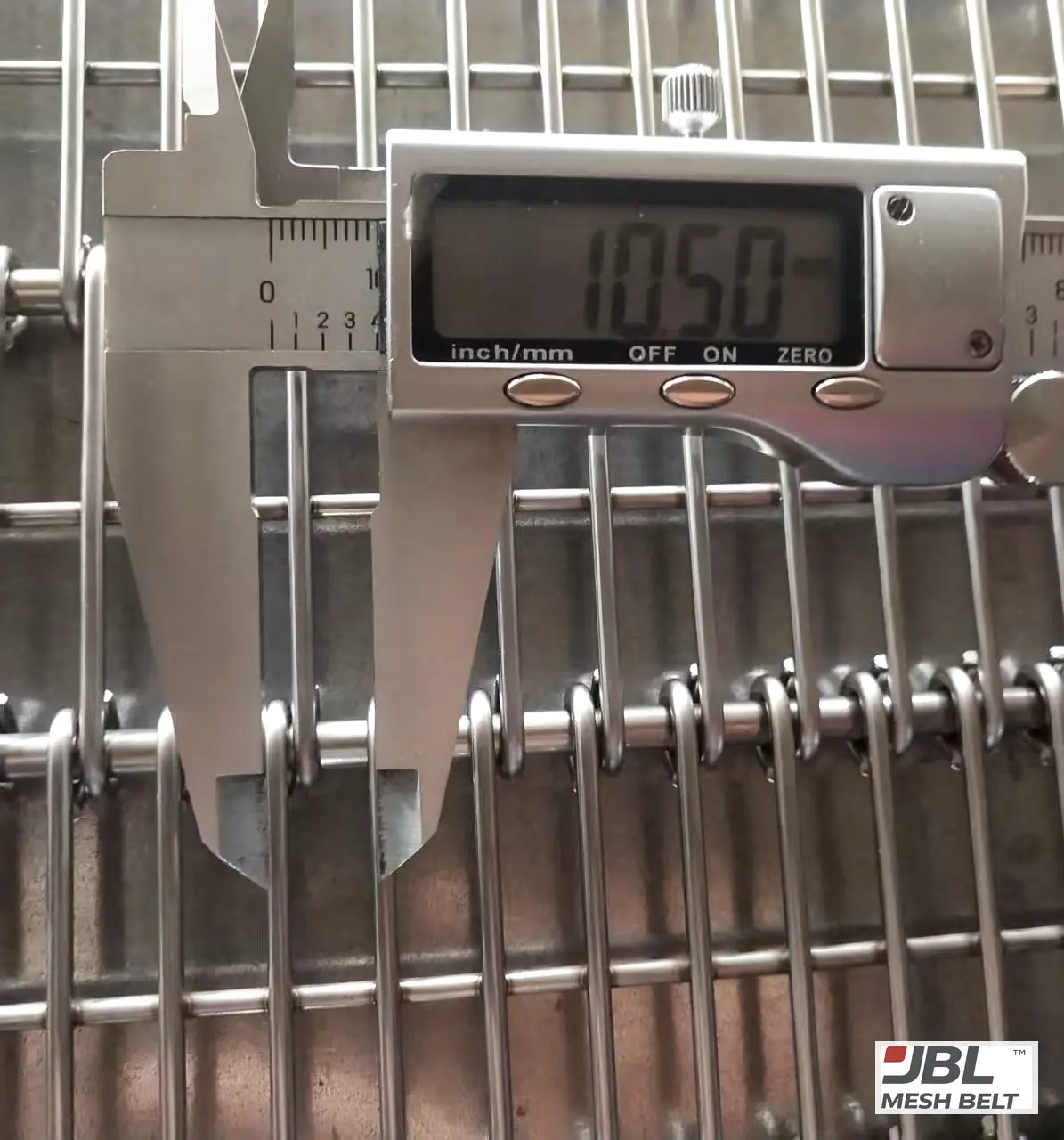
Details that are easy to forget were measured on the sample too: eye spacing at 10.50 mm and a link detail at 8.04 mm.
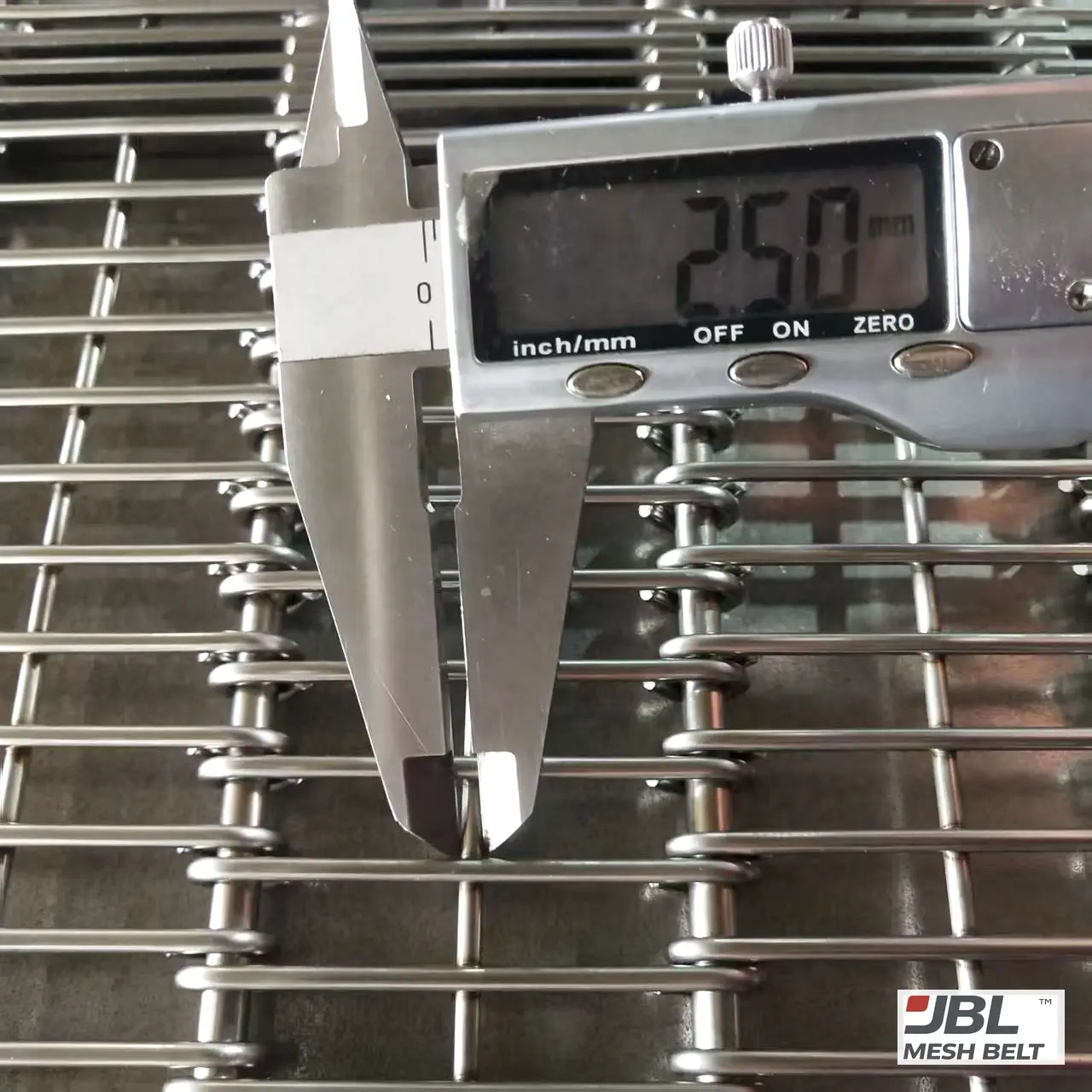
Wire: 2.50 mm
Wire: 2.50 mm
Eye spacing measured: 10.50 mm

04How is the bulk belt checked against the drawing?

The bulk belt gets the same checks as the sample, plus the drive parts.

Short answer

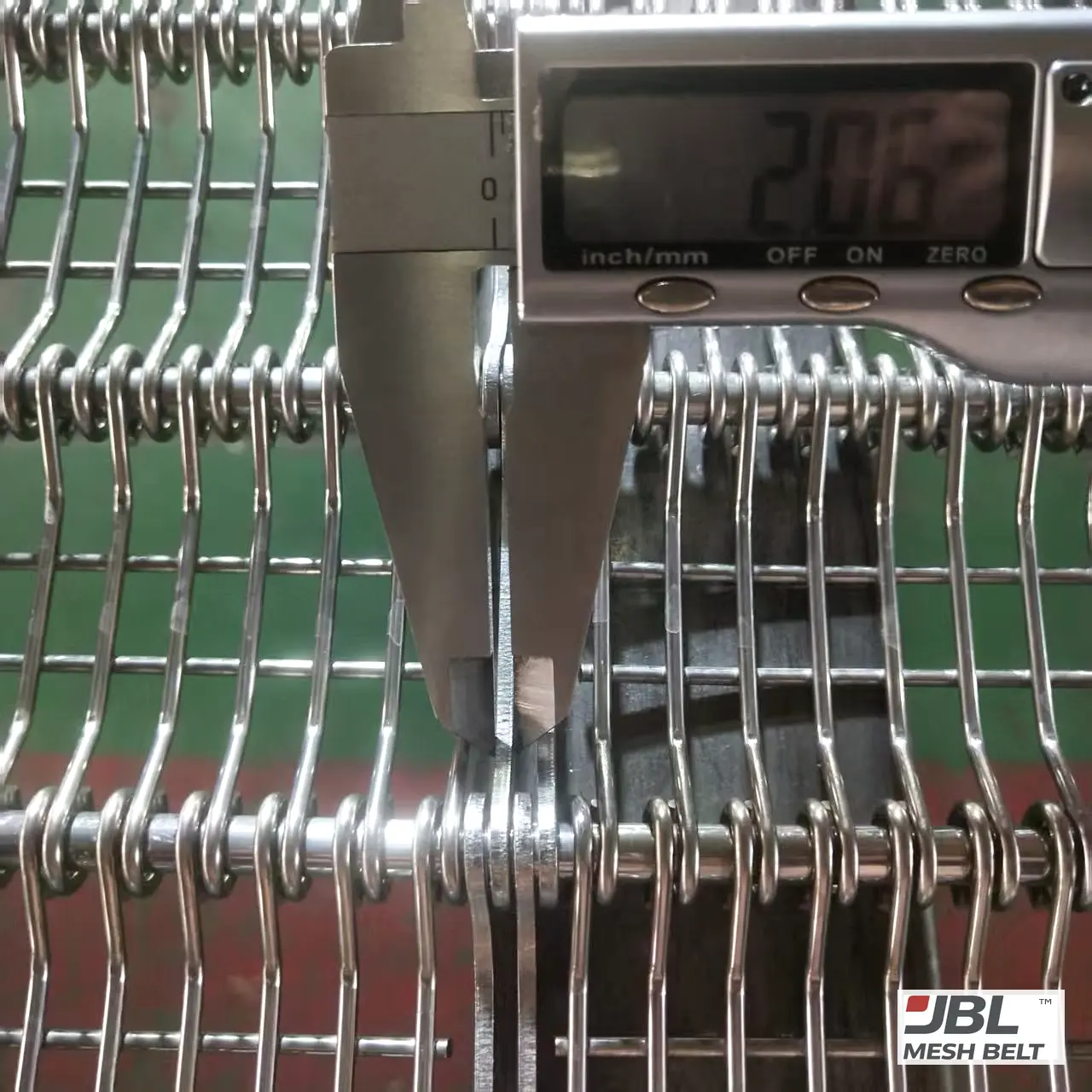
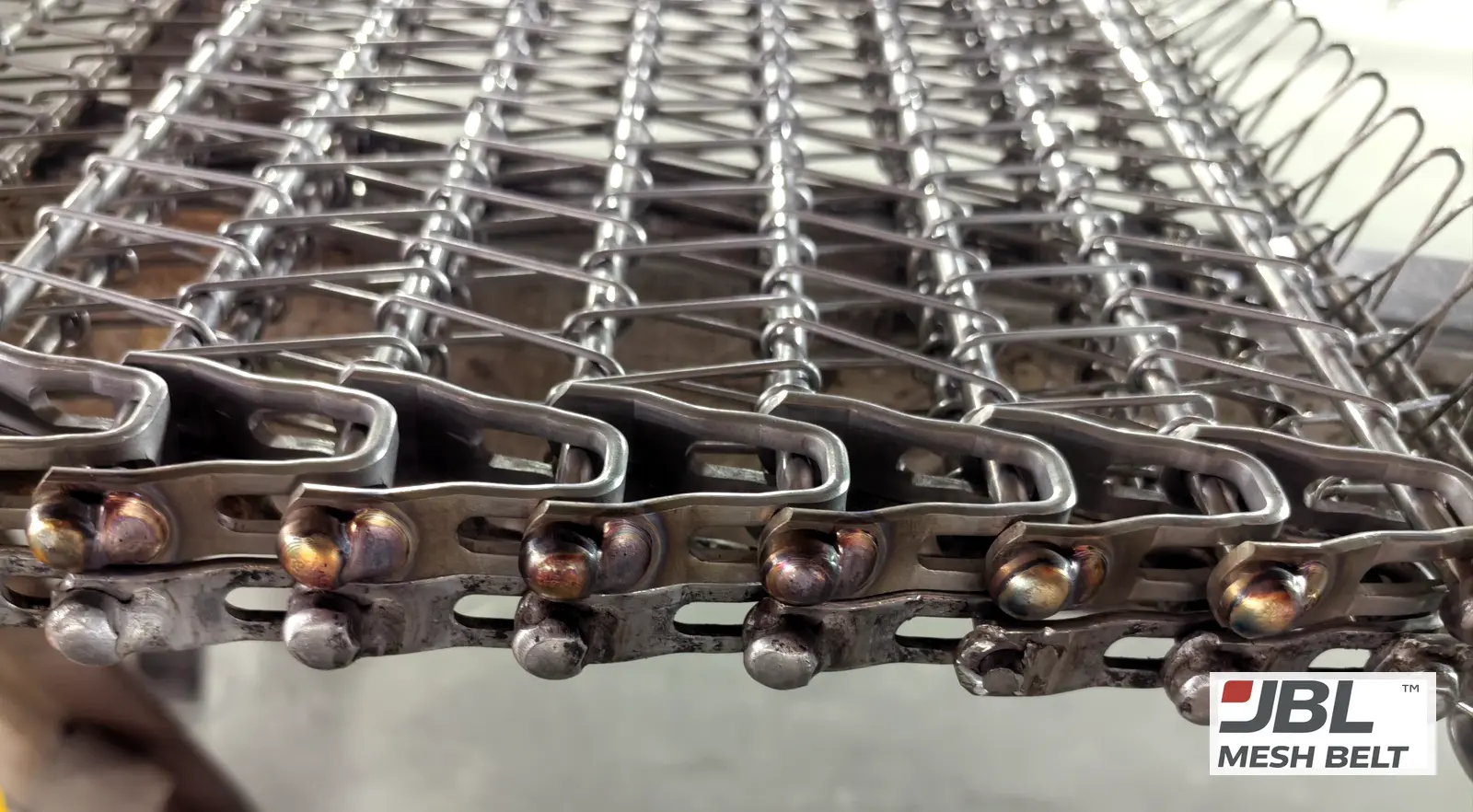
Before packing, the bulk belt was measured against the drawing: chain pitch, rollers, chain plates, rod and wire. On the roller-chain edge, rollers read 10.02 and 10.03 mm and chain plates 2.05 and 2.06 mm.
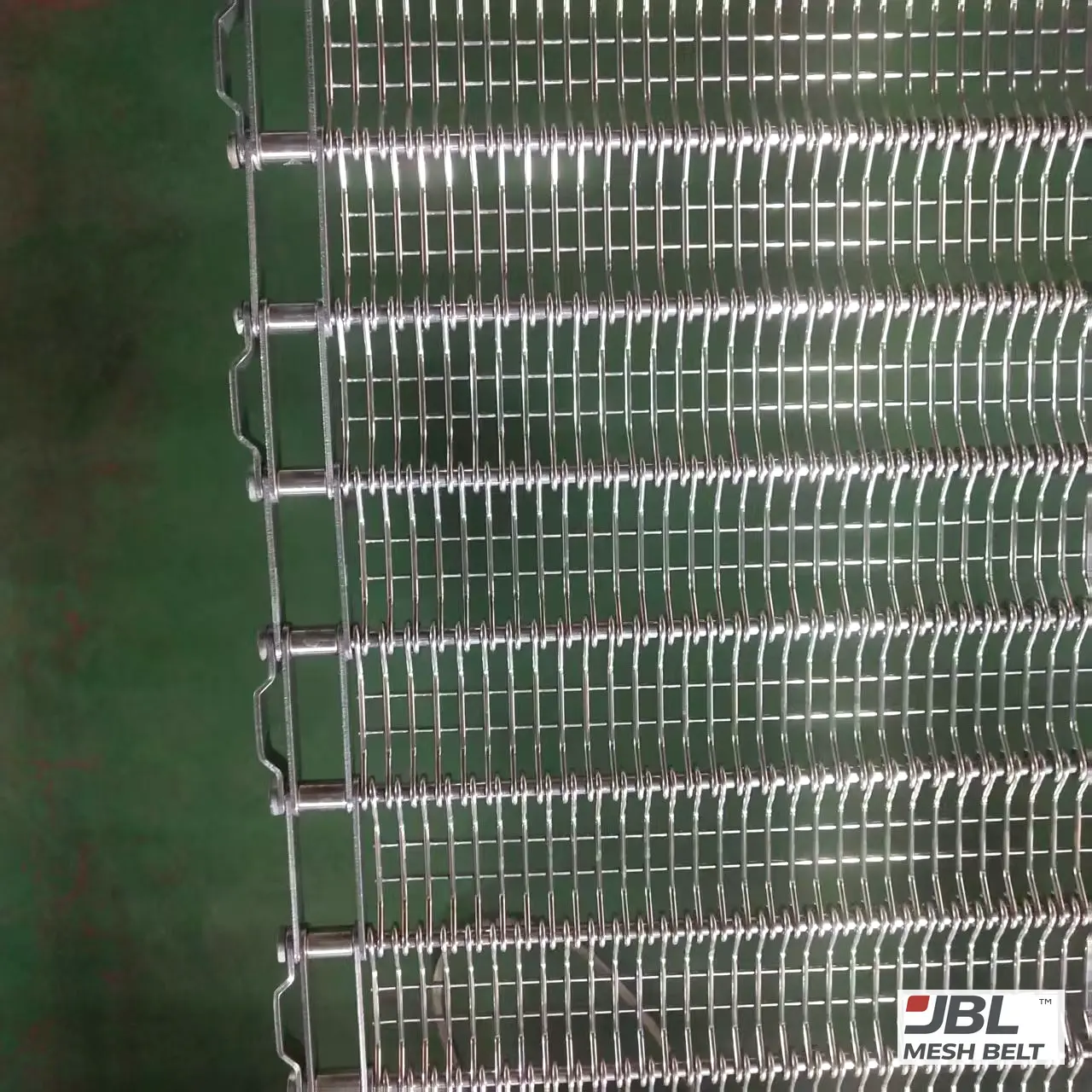
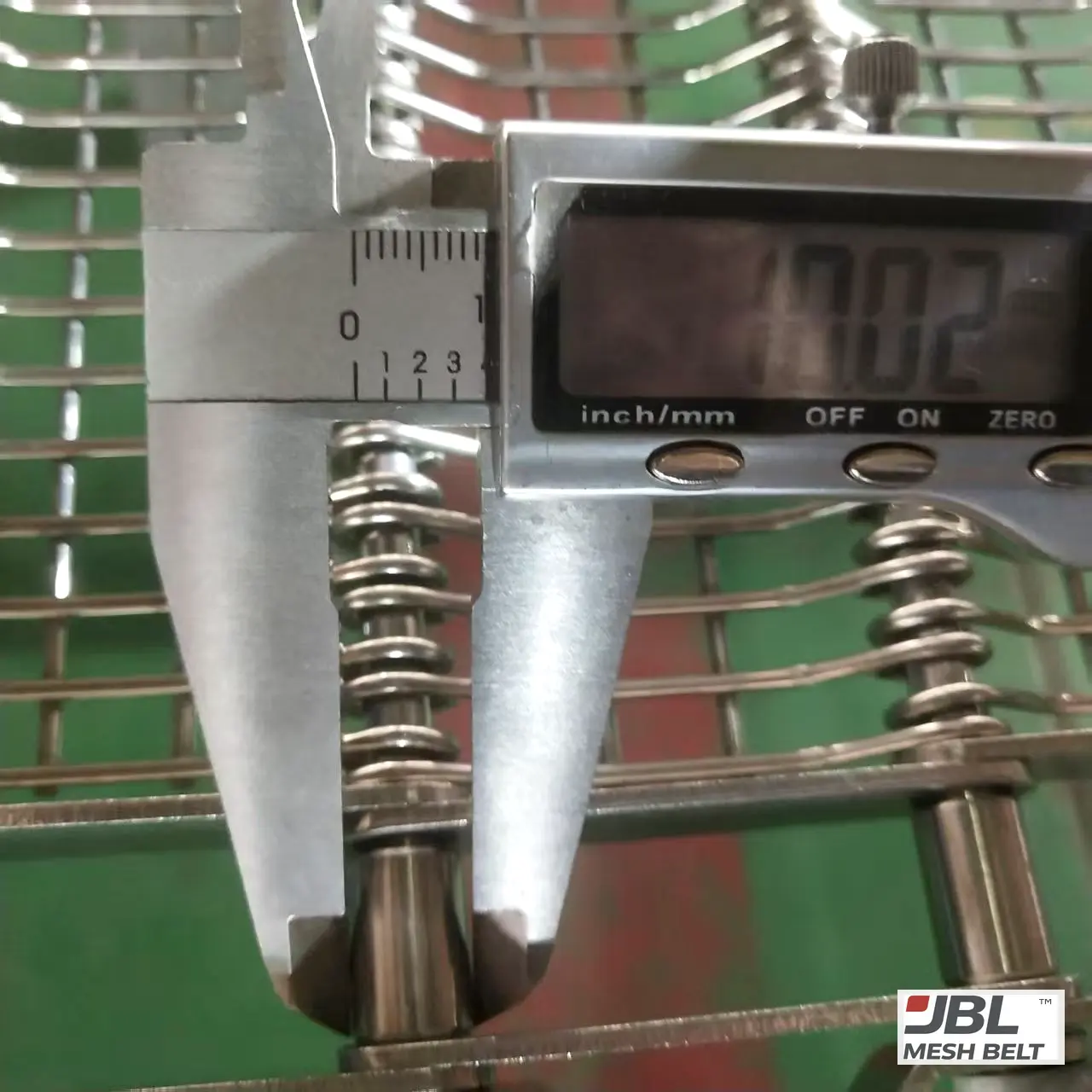
Bulk belt: roller-chain edge
Roller diameter: 10.02 mm
Chain plate thickness: 2.06 mm
PartDrawingBulk reading
Roller10 mm10.02 / 10.03 mm
Chain plate thickness2 mm2.05 / 2.06 mm
Chain plate height—12.06 mm
Rod6 mm6.02 mm
Wire2 mm2.01 mm
Roller and chain width—15.44 mm
Edge detail—12.00 mm

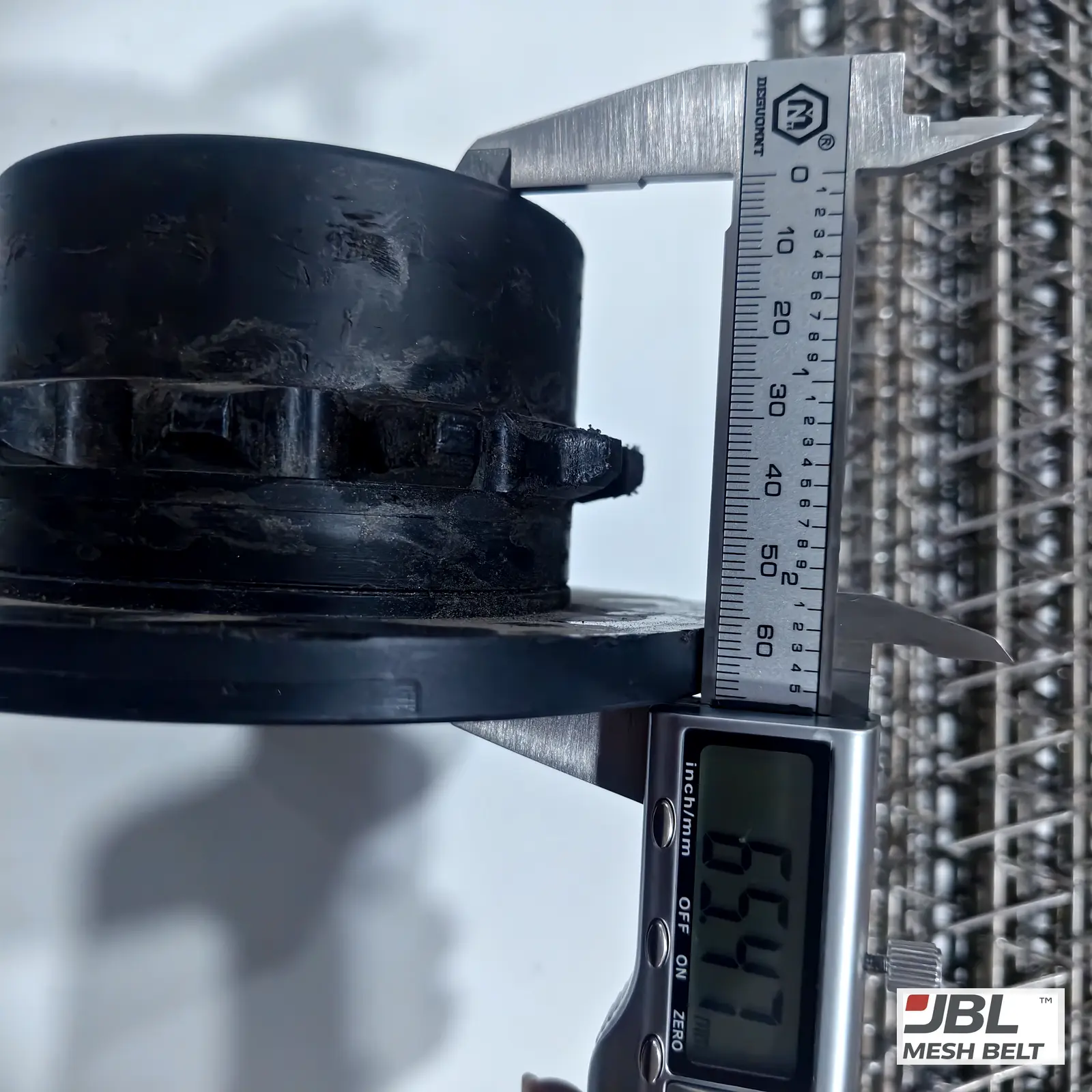
On a chain-driven edge, the chain parts matter as much as the mesh. Rough or burred rollers wear guides and make noise at speed. Our standard check is each roller by hand, for a smooth surface and free turning.
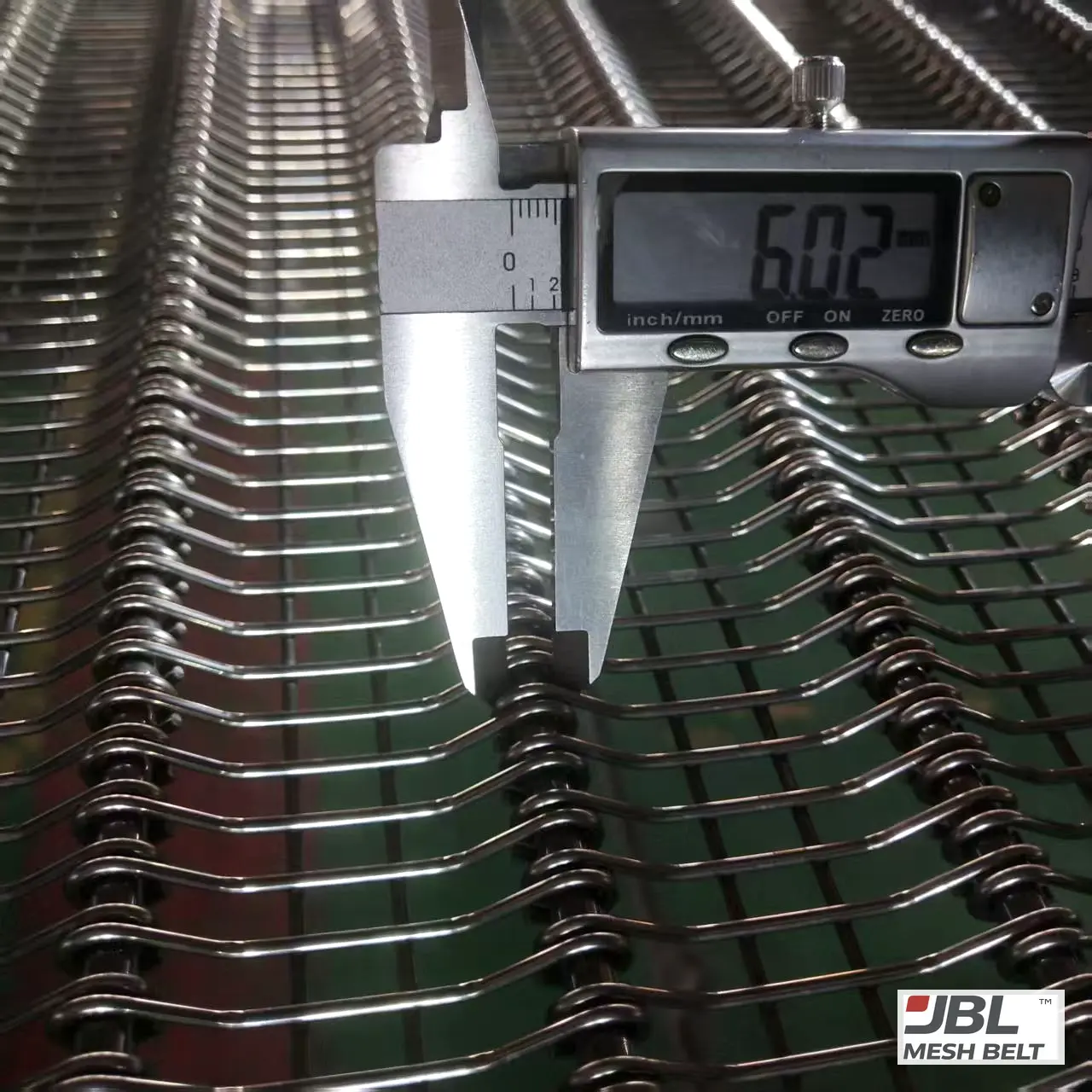
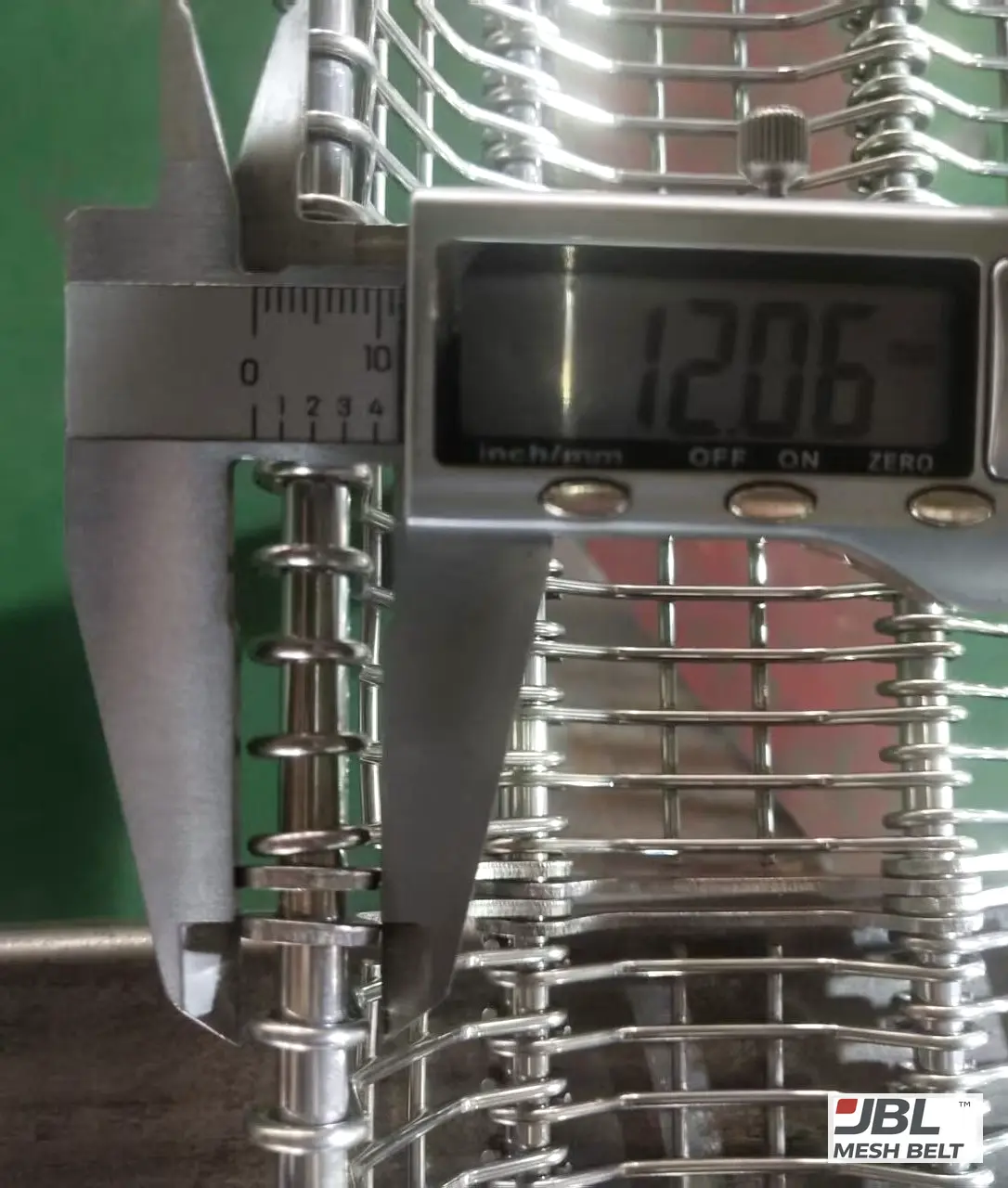
Rod: 6.02 mm
Rod: 6.02 mm
Chain plate height: 12.06 mm

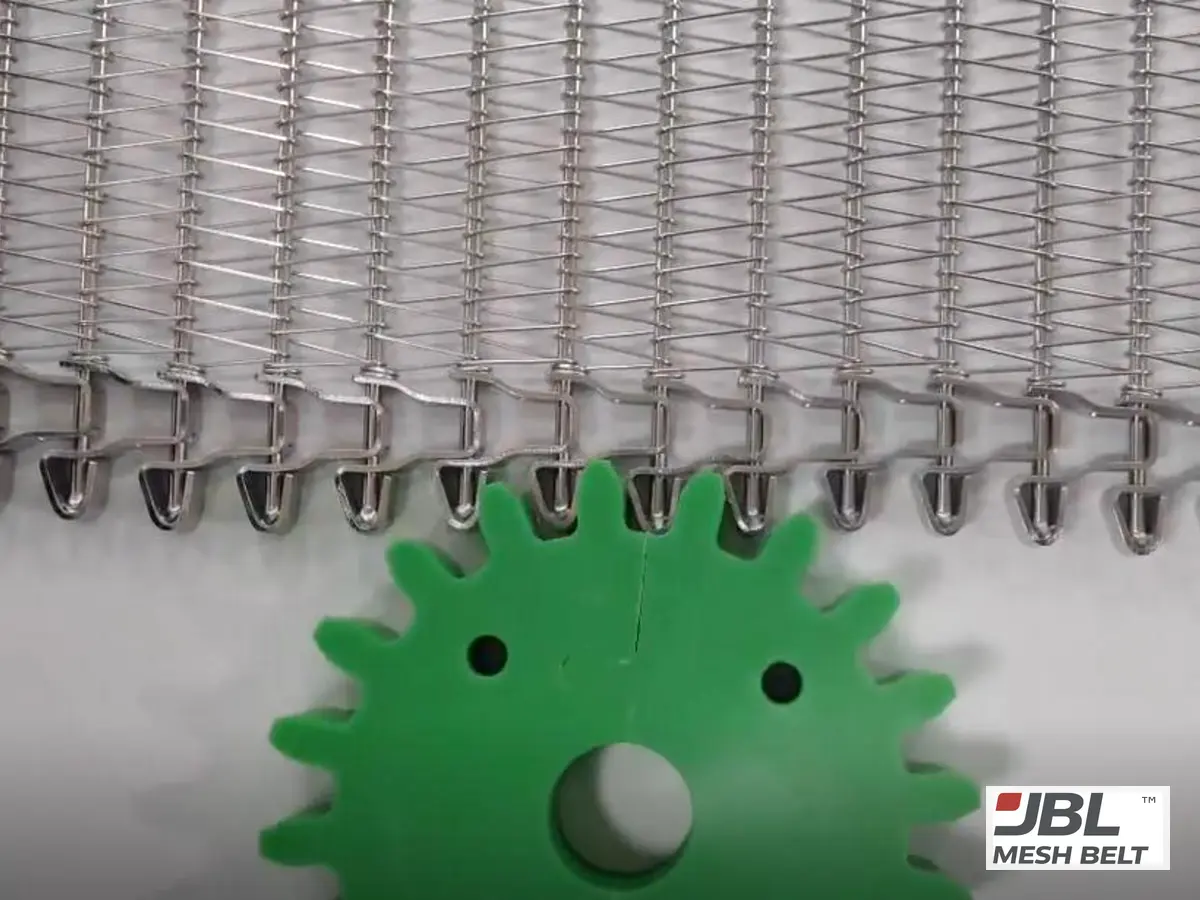
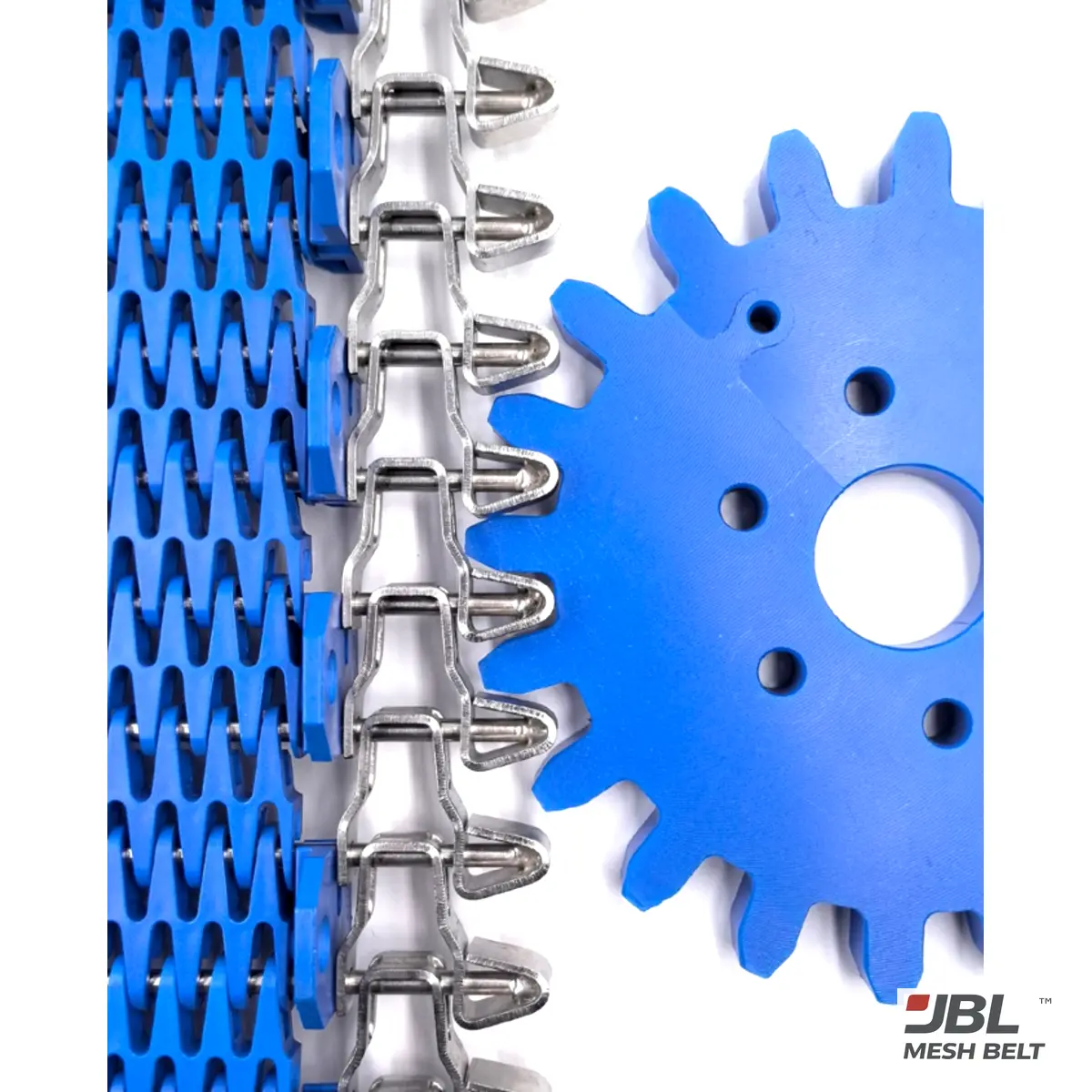
Watch an eye link belt sprocket fit check on our video page.

05Does the drawing route work for other belt types?

Yes. The steps are the same whenever a drawing, not an old belt, is the reference.

Short answer

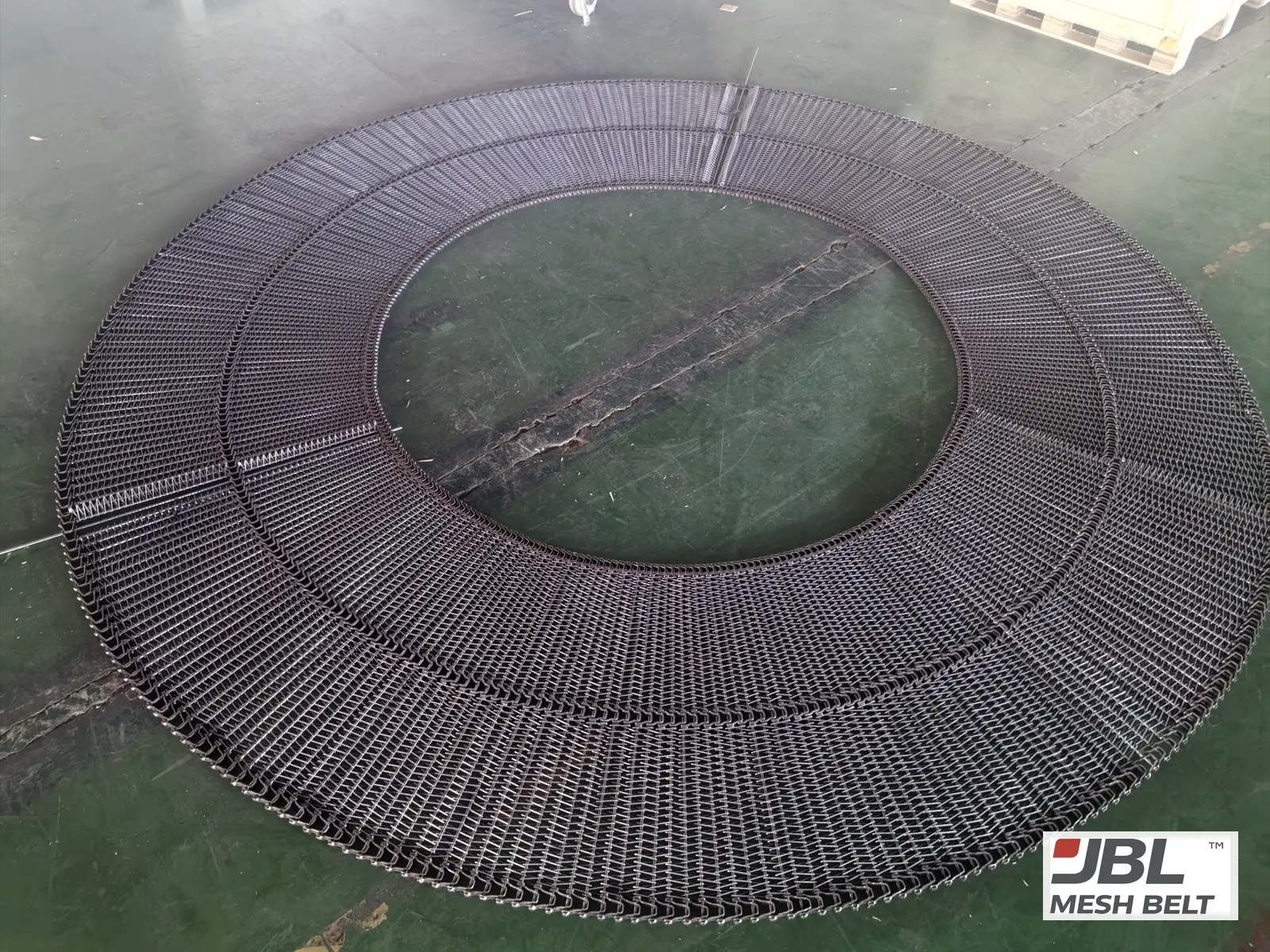
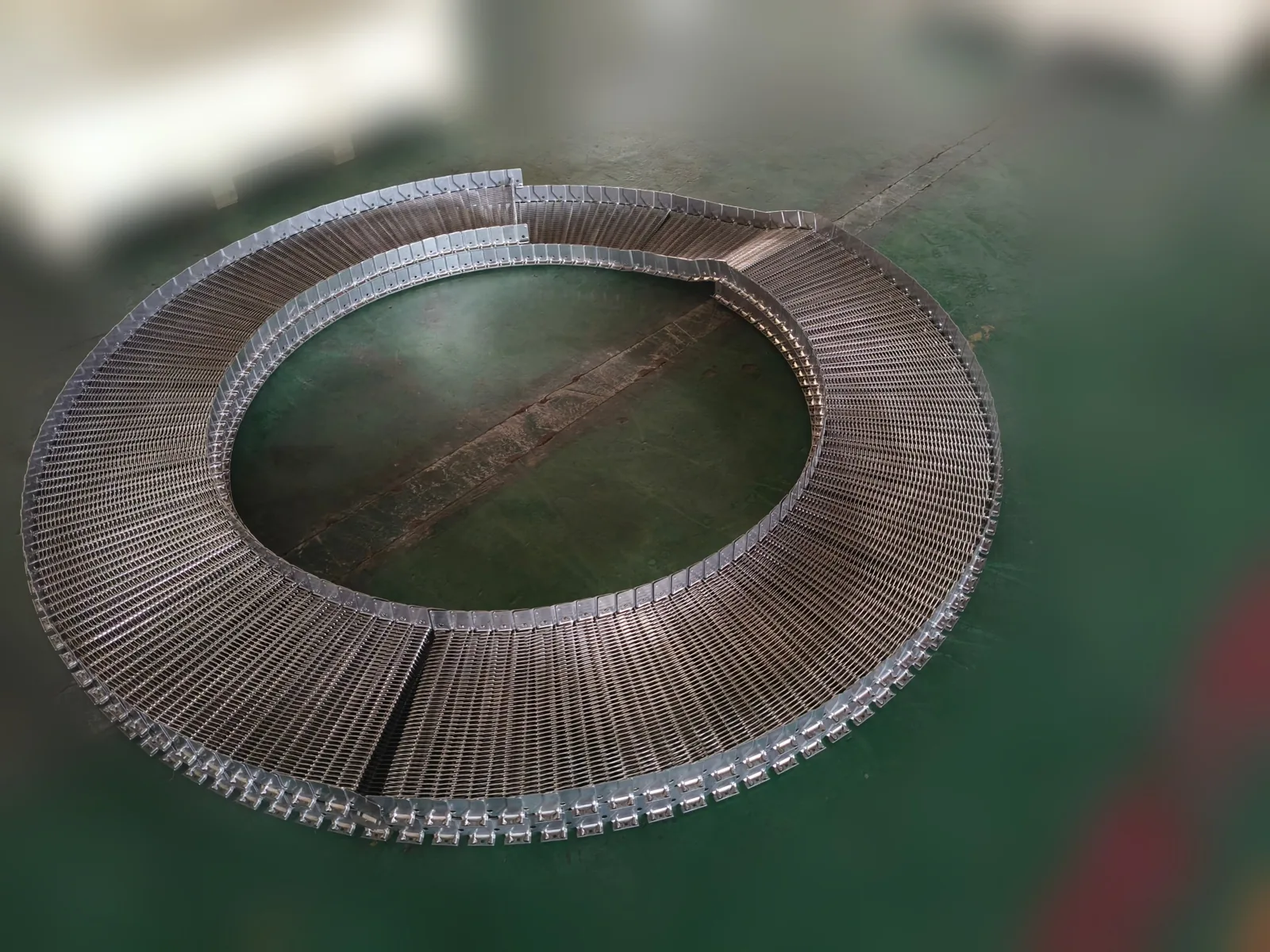
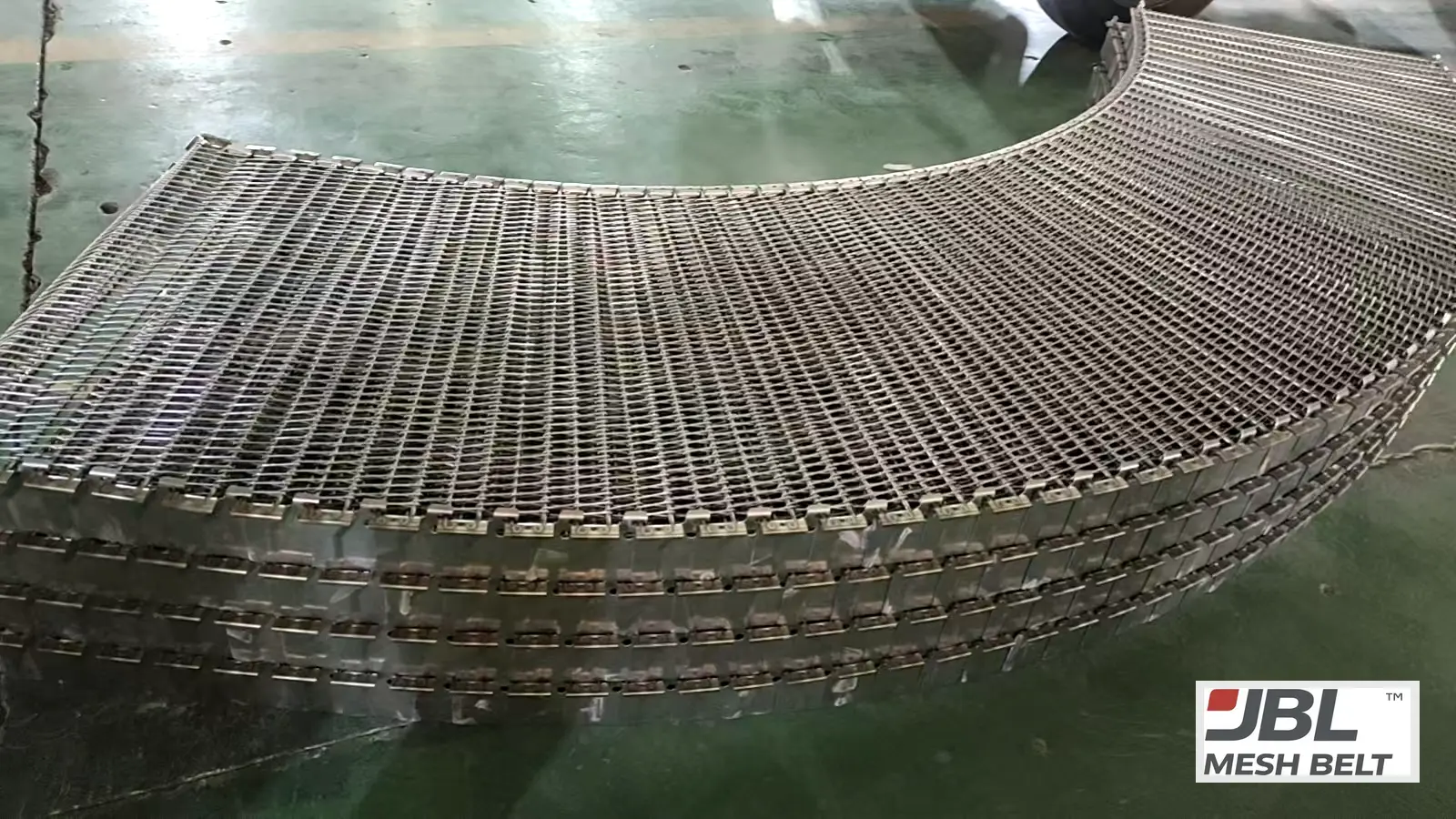
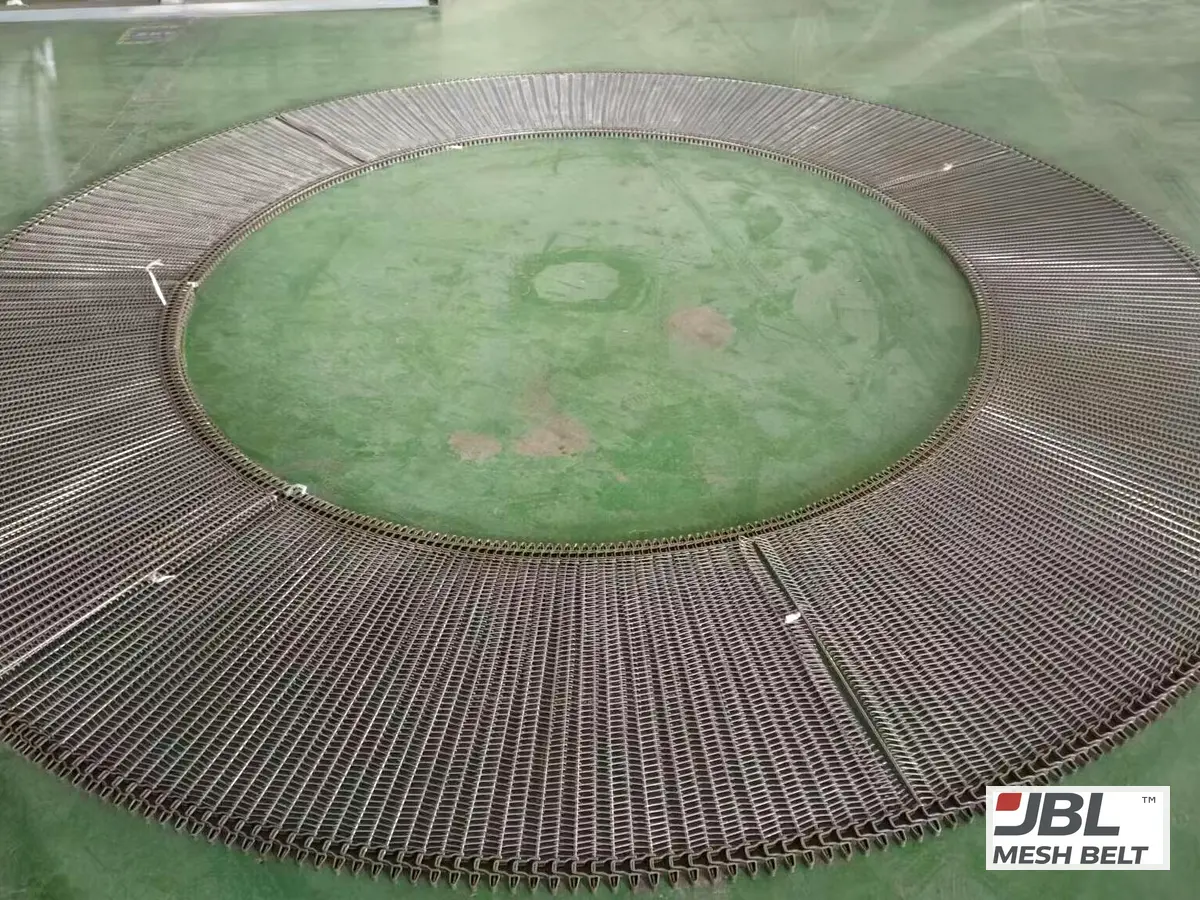
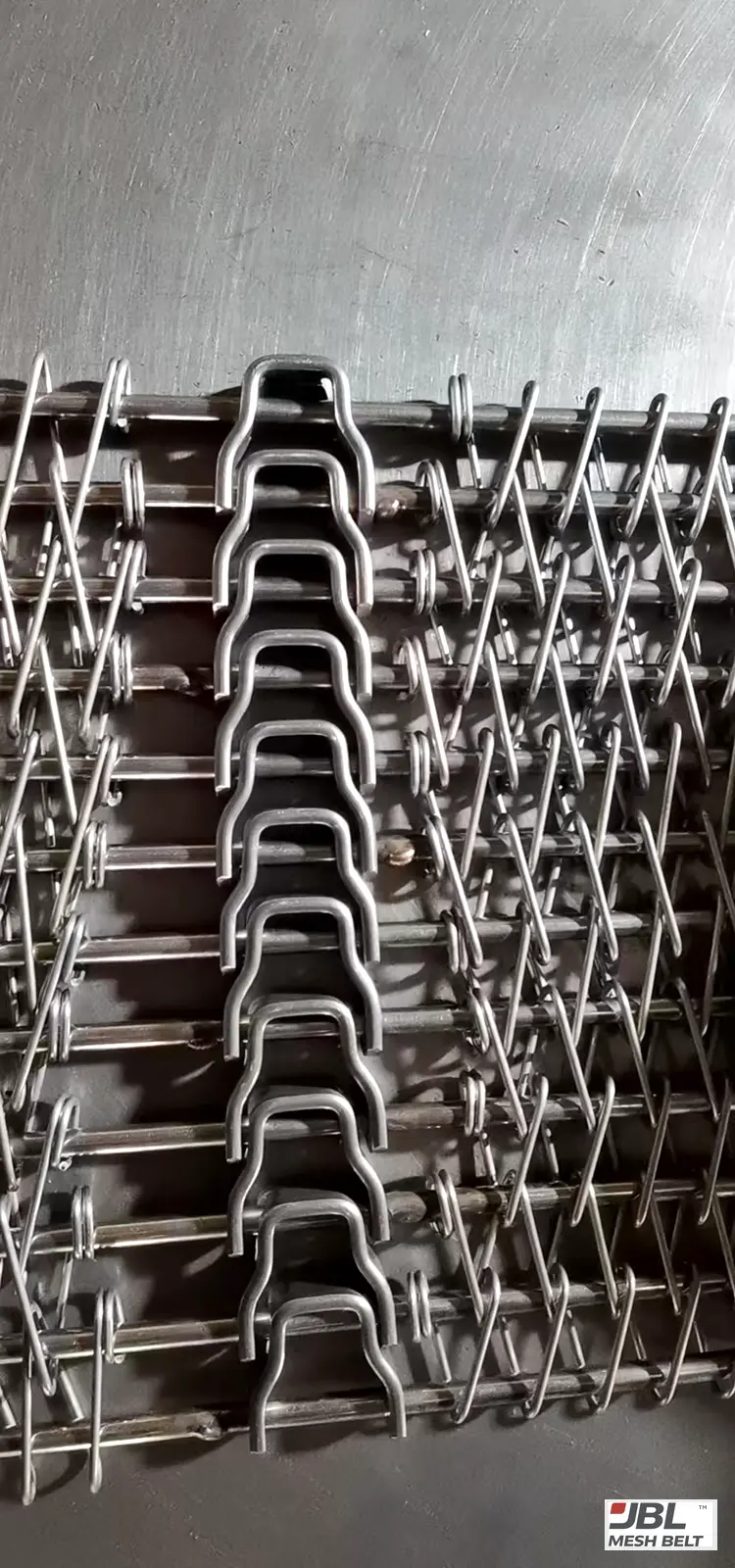
Yes. In Malaysia the customer supplied a drawing for a spiral belt. A trial run was measured and photographed for approval, samples were sent, and bulk followed. Trial run readings: pitch 27.40 mm, rod pitch 19.05 mm, link 2.72 mm.
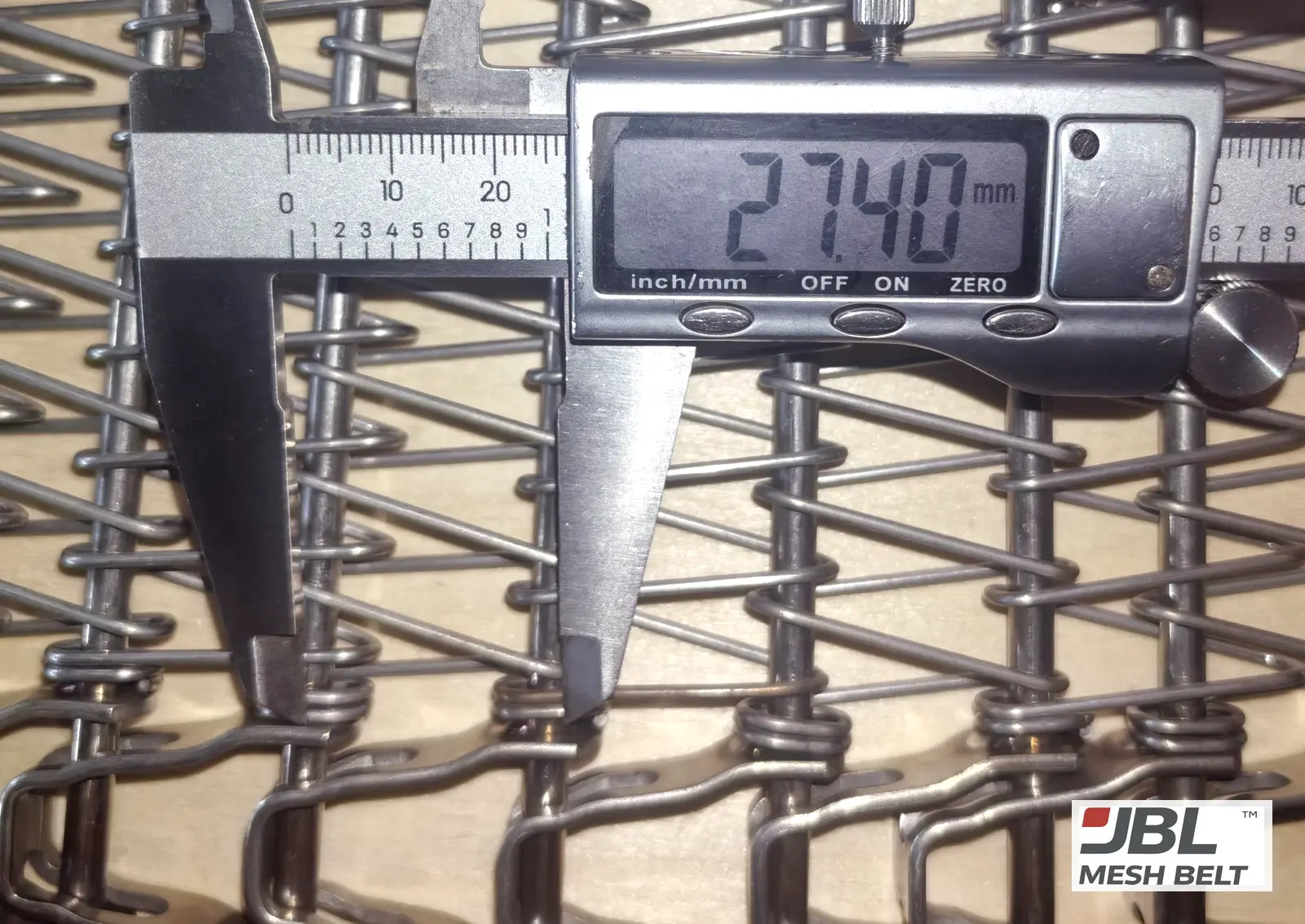
Malaysia trial run pitch: 27.40 mm
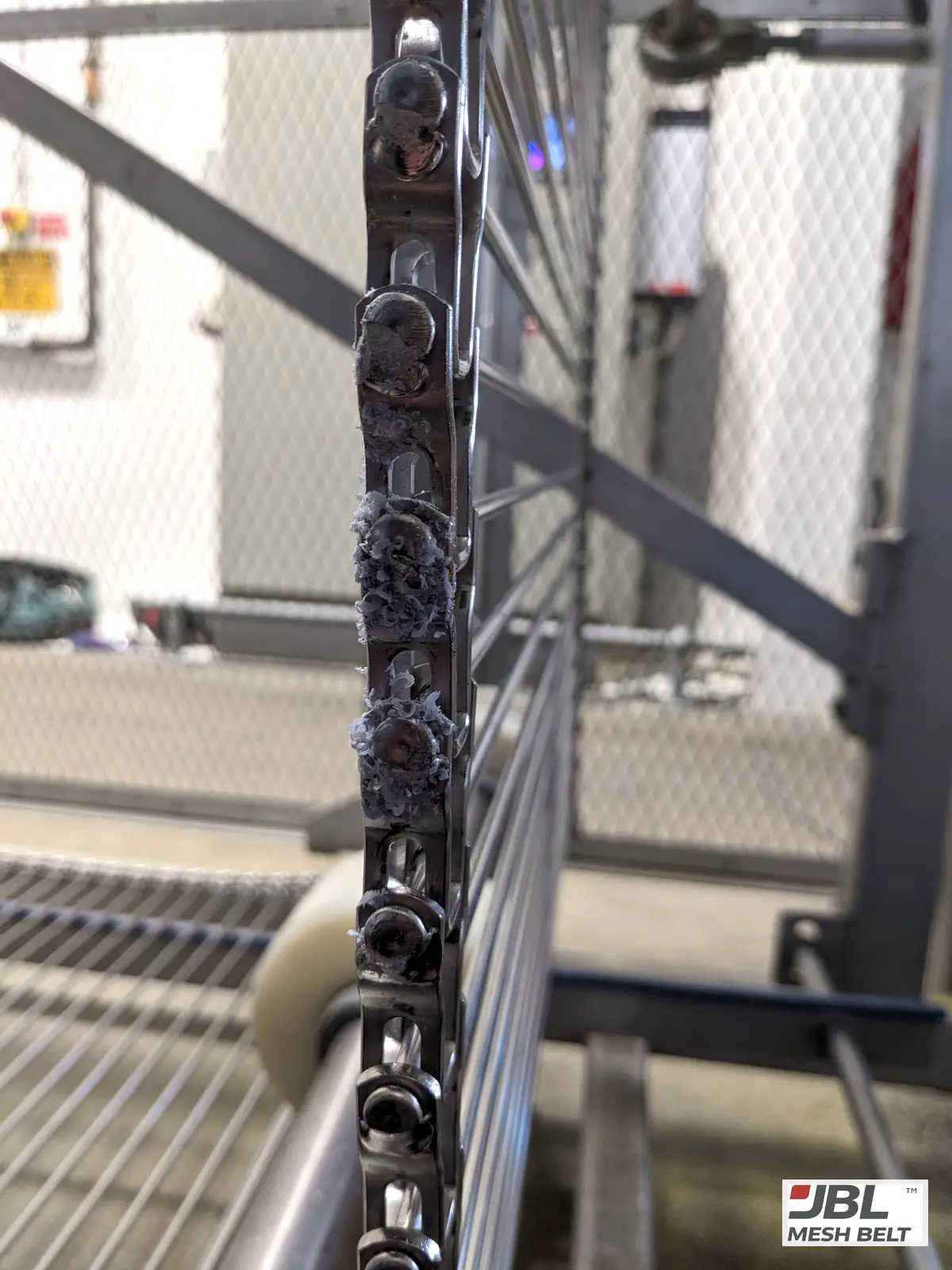
Malaysia: edge links and welds on the trial run
Malaysia: belt laid out in a full circle
StepSpain, eye link beltMalaysia, spiral belt
Starting pointRequirements onlyCustomer's drawing
DrawingMade and approvedSupplied by the customer
Before bulkSample checked on the lineTrial run photos approved; samples sent
Extra workChain parts measured as closely as the meshWelds ground a second time; full-circle turn test
ResultApproved; bulk produced and shippedBulk installed in place of the original

Start with our eye link belt page or the IQF tunnel freezer belt guide.

When This Is Not the Right Choice

  • ✕If you need the belt within days, the drawing and sample steps may not fit — tell me, and we agree which checks to keep.
  • ✕If you still have an old belt, even a worn one, send a section; copying a real belt is usually faster than designing from requirements.
  • ✕An open eye link mesh may not suit very small or soft product; tell me the product first.

From My Engineering Experience

With no old belt, the risk moves from copying to understanding. At the start I spend more time on questions than on the caliper.

In Spain the customer approved the drawings, then still checked a sample on the line. I welcome that. A sample is much cheaper to change than a full belt.

Once the sample is approved, the job is like any replacement: measure the bulk belt against the drawing, and show the readings before packing.

— Spring, Sales Director, JBL Mesh Belt

Evidence From Our Work

Spain, 2026 — eye link belts for a shrimp IQF tunnel line →

StepDetail
Starting pointRequirements — no sample, no drawing
Before bulkDrawings approved; sample checked on the line
SamplePitch 50.01 mm; flat link 12.02 × 2.50 mm
BulkRod 6.02 mm; rollers 10.02 mm; chain plates 2.06 mm

Malaysia, 2026 — spiral belt from the customer's drawing →

StepDetail
Starting pointCustomer's drawing
Before bulkTrial run photos approved; samples sent
Trial run readingsPitch 27.40 · rod pitch 19.05 · link 2.72 mm
ResultBulk installed in place of the original

FAQ

Q1Can you make an eye link belt without a sample?

Yes. We turn your requirements into a dimensioned drawing, you approve it, and a sample is checked before bulk.

Q2Who makes the drawing?

We draw it from your requirements and you approve it. If you already have a drawing, we work to yours.

Q3Which edge options are there for eye link belts?

A roller-chain edge for chain-and-sprocket drive at the sides, or a reinforced plate edge. Your drive decides it.

Q4Which material and finish did the Spain belts use?

SUS304, washer-welded and pickled. Material is confirmed on the drawing for your line.

Q5How do I know the bulk belt matches the drawing?

The bulk belt is measured against the drawing before packing, and you receive the readings and photos.

Conclusion

No old belt is not a dead end. Requirements, an approved drawing and a sample checked on your own line give you a belt you can trust before bulk.

Download the Eye Link Belt Technical Specification (PDF)

Specification ranges and options in mm and inch. Enter your work email and the file downloads right away.

Download PDF →

References

Spring, Sales Director, JBL Mesh Belt at JBL Mesh Belt

Your contact for this belt

Spring · Sales Director, JBL Mesh Belt · 16 years

“Your belt is worn, the OEM price is high, and there is no drawing. That is where I start.”

Send me a worn section, a few photos with a caliper in the picture, or a drawing. I tell you what fits, what is missing, and show you a sample measured against your own belt before you pay for the full length. Buyers in the UK, the USA, Australia, Brazil, South Korea, Spain and Malaysia have replaced belts this way.

  • ✓Readings on your original next to readings on our sample
  • ✓Nothing in bulk until you approve the sample
  • ✓Turning, stacking or sprocket tests before your belt ships
  • ✓A reply from me, usually within 8 hours
More from the blog

Roll end of a Z-type ladder belt showing the Z-formed wires hooked at the edges

Replacement · 8 min read

How Do You Replace a Z-Type Ladder Belt on a Fryer or Pizza Oven?

Five values decide whether a Z-type ladder belt fits your fryer or oven. How we copied them for a chip fryer in Libya and pizza ovens in Australia.

Read the article →

Clenched edge of a flat wire belt sample from a can washing line

Reverse Engineering · 8 min read

Which Belt Should You Use on a Can Washing Line — and Can It Be Copied From a Sample?

A can washing line runs wet all day. How a 316L flat wire belt with a clenched edge was copied from a customer's sample for a line in Australia.

Read the article →

JBL Mesh Belt self-stacking belt side plates seated on two tiers

Engineering · 9 min read

How Do You Choose the Side Plate Height on a Self-Stacking Belt?

Side plate height is your tier height. How I match it on a replacement, the reference heights, and readings from the UK and Brazil.

Read the article →

Customer's original self-stacking belt edge compared with the new JBL Mesh Belt edge

OEM Decision · 9 min read

Should You Trial a Short Length of Self-Stacking Belt Before the Full Order?

A sample proves the size; a trial length on your own freezer proves the fit. How Brazil went from about 50 m to 350 m, and the UK went straight to 450 m.

Read the article →

Formed edge links with welded washers on a JBL Mesh Belt flat wire belt

OEM Approval · 9 min read

How Do You Make a Flat Wire Belt to a Strict OEM Drawing for Onboard Fish Freezing?

A US integrator's drawing set every bend radius and banned burrs. How tools and process were adjusted, a trial run approved, then clips and sprockets added.

Read the article →

JBL Mesh Belt self-stacking belt laid out in a full circle for a turning test before bulk production

Replacement · 10 min read

How Do You Replace an OEM Self-Stacking Belt Without the Drawing?

A section of your old belt is enough for us. The six dimensions we measure, how we compare the sample, and the two tests we run before bulk.

Read the article →

JBL Mesh Belt replacement belt sample laid out for comparison with the customer's OEM original

Replacement · 9 min read

OEM Replacement Conveyor Belt Too Expensive? What Can You Do Instead?

Buying from the original maker is one route, not the only one. How we replaced OEM belts for buyers in the UK and the USA — and kept the fit risk under control.

Read the article →

JBL Mesh Belt self-stacking belt stacked in four tiers on a curve during a stacking test

Quality · 9 min read

What Should a Turning Test and a Stacking Test Show Before a Belt Ships?

A flat check cannot show how a belt behaves in the turn or in the stack. What each of our tests checks, with photos from the UK, Malaysia and Brazil.

Read the article →

JBL Mesh Belt new trial run of a spiral belt next to the customer's worn original

Replacement · 9 min read

Can a Worn Conveyor Belt Be Copied From a Sample?

A worn sample is still a good sample — if we identify the wear instead of copying it. Our readings: a link worn to 2.42 mm, made new at 2.71 mm.

Read the article →

JBL Mesh Belt photo of shavings collected at the edge of a spiral belt with rough welds

Quality · 10 min read

Why Do Weld Burrs on a Spiral Freezer Belt Contaminate IQF Products?

A small burr on an edge weld scratches the drum bars every turn. The black residue ends up on frozen product. Where burrs come from and how we remove them.

Read the article →

JBL Mesh Belt photo of a spiral cooling belt running on a bakery customer's line, the system a replacement belt must fit

Replacement · 11 min read

Spiral Freezer Belt Replacement: How Do You Know the New Belt Is Compatible?

Width and pitch are only the start. The drum, turn ratio, drive and edge decide whether a new spiral belt runs. What I check before a belt is made.

Read the article →

JBL Mesh Belt small radius spiral belt with three-row links, which can share width and pitch with a standard belt yet turn differently

Replacement · 10 min read

Why Doesn't the Same Width and Pitch Make a Spiral Belt Compatible?

Same width, same pitch — and the new belt still rides up the drum or skips the sprocket. The details that two numbers do not show.

Read the article →

JBL Mesh Belt side-driven belt running on a sprocket to check tooth engagement before shipment

Engineering · 11 min read

Low-Tension, Direct, Side or Edge Drive: How Does Your Freezer's Drive Change the Belt You Need?

Friction drum, direct drum engagement, side sprockets or a roller chain edge: each drive touches the belt in a different place, so each needs a different check.

Read the article →

JBL Mesh Belt photo of a spiral belt waving instead of lying flat, a belt-side failure to separate from machine-side causes

Troubleshooting · 10 min read

Spiral Belt Failure: Is It the Belt or the Machine?

A belt that tracks off, jumps or breaks rods gets the blame. Sometimes it deserves it. Sometimes the sprockets, drum or settings do. How to tell.

Read the article →

JBL Mesh Belt spiral pitch of 5.59 mm read with a caliper on a spiral freezer belt

Replacement · 10 min read

Which 12 Parameters Do You Need Before Replacing a Spiral Belt?

Six values from your freezer, six read on your old belt. The checklist I use before quoting a spiral belt, with real caliper readings from our projects.

Read the article →

JBL Mesh Belt spiral belt packed in a lined export crate with spare rods, part of the total cost of a replacement

Cost · 10 min read

How Does Spiral Belt Design Affect Total Cost of Ownership?

The cheapest belt on paper can be the most expensive on your line. Which design choices change the total cost — and how to lower the risk before the full order.

Read the article →

JBL Mesh Belt photo of a section of a customer's original self-stacking belt bent on a curve, the starting point for recovering the original design

Reverse Engineering · 10 min read

Why Don't Old Spiral Belt Dimensions Always Match the Original Design?

An old belt is a good sample but not a perfect master. Which dimensions change in service, which should never be copied as measured, and what we check instead.

Read the article →

JBL Mesh Belt photo of plastic guide strips scored along the belt path of a spiral cooling tower, a system component to inspect before belt replacement

Troubleshooting · 10 min read

When Is Replacing the Spiral Belt Not Enough — and Which 7 System Components Should You Inspect?

A new belt cannot make up for a worn drive system. The seven spiral components I ask buyers to check — and photograph — before a replacement belt is ordered.

Read the article →

JBL Mesh Belt finished belt roll unrolled for checking before packing, ready for installation and commissioning

Installation · 10 min read

What Should You Check When Installing and Commissioning a Replacement Spiral Belt?

Direction, orientation, joins, tracking, engagement, clearance: a five-stage checklist for installing and commissioning a replacement spiral belt.

Read the article →

JBL Mesh Belt photo of an original spiral belt sprocket with worn teeth, removed and replaced together with the new belt

Troubleshooting · 10 min read

Why Can a New Spiral Belt Fail on Worn Sprockets or Drive Components?

New belt does not mean new system. How worn sprocket teeth change engagement, the belt symptoms they cause, and the photos and readings to check before you order.

Read the article →

JBL Mesh Belt eye link belt sample sections made to a new approved design, an example of the engineering-review route

OEM Decision · 10 min read

Like-for-Like Replacement or Spiral Retrofit: How Should an OEM Decide?

Do not redesign a proven system without reason — but do not reproduce a known failure either. How to decide between a like-for-like belt and an engineering review.

Read the article →

JBL Mesh Belt photo of the customer's original side plates next to new side plates, compared before a second-source belt was approved

OEM Decision · 11 min read

How Do You Qualify a Second-Source Spiral Belt Supplier Without Risking Production?

The original supplier is expensive or slow, but switching feels risky. A 10-step qualification process — with readings from UK, Brazil and USA projects.

Read the article →

JBL Mesh Belt UHMWPE sprocket engaging a side-driven spiral belt, the interface where sprocket wear changes engagement

Drive Interface · 10 min read

How Do You Measure Sprocket Wear Before It Damages a Spiral Belt?

Tooth, hub, bore, keyway, thickness and alignment: what to measure on a sprocket, how to read the results, and when belt and sprockets belong in one review.

Read the article →

JBL Mesh Belt side-driven spiral belt turned on a test drum matched to the customer's drum diameter and turn ratio

Engineering · 10 min read

How Does Turn Ratio Affect Spiral Belt Load, Tracking and Service Life?

Many quotes print a turn ratio and stop there. What the number actually changes: inside radius, belt geometry, where the load goes, tracking and service life.

Read the article →

JBL Mesh Belt electropolished stainless steel spiral belt surface, one of the finishes chosen per project

Hygiene & Material · 10 min read

How Do Cleaning Conditions Affect Spiral Belt Material and Drive Component Selection?

Not just 304 versus 316. How salt, cleaners, temperature, humidity, fat and frozen residue decide the belt grade, the surface finish and the plastic parts around it.

Read the article →

JBL Mesh Belt project photo under a tier of a customer's spiral cooling tower, where tracking and wear can be recorded

Maintenance · 10 min read

What Spiral Freezer Data Should Maintenance Teams Record Before a Belt Failure?

Most photos are taken after a belt fails. Twelve basic records, kept before it fails, show what changed — and usually where the problem started.

Read the article →

JBL Mesh Belt dimensioned drawing of an eye link hardening belt, approved by the customer before a sample was made

OEM Approval · 10 min read

What Should Be Included in a Spiral Belt Approval Drawing?

A drawing only protects you if it can be built and checked. The fields an approval drawing needs, and how revision control keeps every order on the approved version.

Read the article →

JBL Mesh Belt export crates strapped for shipment, the last step recorded in a repeat-order specification record

Repeat Orders · 10 min read

How Do You Build a Repeat-Order Specification Record for a Spiral Belt?

The first order worked. Now make the second one identical. The fields a replacement-belt record should hold, and how the record follows the belt from approval to repeat order.

Read the article →